On June 3, 2026, Google DeepMind announced the official release of Gemma 4 12B Unified, a mid-sized, open-source multimodal model that marks a significant shift in the architecture of locally deployable artificial intelligence. Designed to process text, images, audio, and video within a single, unified transformer architecture, the 12B Unified model is positioned as the centerpiece of the Gemma 4 family. It aims to provide developers with a powerful yet efficient tool for “agentic” workflows—autonomous systems capable of reasoning across different media types—while remaining small enough to run on high-end consumer laptops and workstations. This release addresses a critical gap in the AI market, offering a sophisticated alternative to massive cloud-based models and smaller, limited-capacity edge models.
The release of Gemma 4 12B Unified is not merely a quantitative update in parameter count; it represents a qualitative leap in how multimodal data is processed. By utilizing an encoder-free design, Google has streamlined the pipeline for multimodal understanding, allowing raw data from various sources to be projected directly into the Large Language Model (LLM) embedding space. This architectural choice reduces the complexity of model deployment and fine-tuning, making it an attractive option for the global developer community that relies on open-weight models for privacy, cost-efficiency, and customization.
The Evolution of the Gemma 4 Ecosystem: A Chronology
The debut of Gemma 4 12B Unified is the latest milestone in a rapid release cycle that began in early 2026. To understand the significance of this specific model, one must look at the broader timeline of the Gemma 4 family’s development.
The journey began on March 31, 2026, when Google first introduced the Gemma 4 family. The initial launch included the E2B and E4B variants—highly optimized models designed for mobile devices and edge computing—alongside the 31B dense model and the 26B A4B Mixture-of-Experts (MoE) model. While the larger models provided state-of-the-art performance, they required substantial hardware resources, often necessitating enterprise-grade GPUs or cloud infrastructure.
Recognizing the need for higher inference speeds, Google released Gemma 4 Multi-Token Prediction (MTP) drafters on April 16, 2026. These drafters enabled speculative decoding, allowing the models to predict multiple future tokens simultaneously and significantly reducing latency for real-time applications. However, a “sweet spot” was still missing—a model that possessed the reasoning depth of the larger variants but maintained the agility required for local, “on-device” agentic tasks.
The June 3 release of the 12B Unified model fills this vacuum. It serves as the bridge between the ultra-light edge models and the heavy-duty server models. By consolidating the capabilities of vision, audio, and text into a 11.95-billion parameter framework, Google has provided a “Goldilocks” solution for the 2026 AI landscape.
Architectural Innovation: The Shift to Encoder-Free Multimodality
The most striking technical feature of Gemma 4 12B Unified is its move away from traditional modular architectures. Historically, multimodal models have functioned as “Frankenstein” systems, where a dedicated vision encoder (like CLIP) and an audio encoder (like Whisper) are grafted onto a central language model. While effective, this approach creates bottlenecks and increases the complexity of training and fine-tuning.
Gemma 4 12B Unified discards these separate encoders. Instead, it uses a unified token loop. For vision processing, the model employs a 35-million parameter vision embedder. Rather than analyzing an entire image through a complex external network, the model slices raw 48×48 pixel patches and projects them directly into the LLM’s hidden dimensions using a single matrix multiplication. Spatial information is maintained through factorized coordinate lookup matrices, allowing the model to “see” the image as part of its native vocabulary.
Audio processing follows a similar logic. The model removes the conformer-based encoders found in earlier iterations. It takes raw 16 kHz audio, slices it into 40 ms frames, and linearly projects these frames into the input space. This allows the model to perform tasks like automatic speech recognition (ASR), diarization (identifying different speakers), and emotional tone analysis with significantly lower overhead than previous generations.
The benefits of this unified architecture are twofold. First, it simplifies the developer experience; fine-tuning the model for a specific multimodal task can now be done in a single pass rather than managing multiple disparate components. Second, it enhances “cross-modal reasoning,” where the model can more fluidly correlate a specific sound in an audio file with a visual cue in a video frame.
Technical Specifications and Performance Metrics
The Gemma 4 12B Unified model is built on a robust framework designed for long-context tasks and high-precision reasoning. The following specifications define its operational capabilities:
- Parameters: 11.95 billion.
- Layers: 48 layers with a hidden dimension of 4096.
- Context Window: 256,000 tokens, allowing for the analysis of entire books, long-form videos, or massive codebases.
- Attention Mechanism: A hybrid system that interleaves 1024-token local sliding window attention with global attention layers.
- Vocabulary Size: 262,144 tokens.
- Multimodal Support: Native processing of text, images, and audio.
In terms of benchmarks, the 12B Unified model demonstrates a clear advantage over its predecessor, Gemma 3, and holds its own against much larger models. According to official Google DeepMind data, the instruction-tuned version of Gemma 4 12B Unified achieved the following scores:
- MMLU Pro: 77.2% (Compared to 67.6% for Gemma 3 27B).
- AIME 2026 (Mathematics): 77.5% (A massive leap from the 20.8% seen in previous generations).
- LiveCodeBench v6: 72.0%, indicating high proficiency in real-world programming tasks.
- GPQA Diamond (Science): 78.8%, showcasing its utility in academic and research environments.
- MMMU Pro (Multimodal): 69.1%, confirming its ability to interpret complex visual and textual data simultaneously.
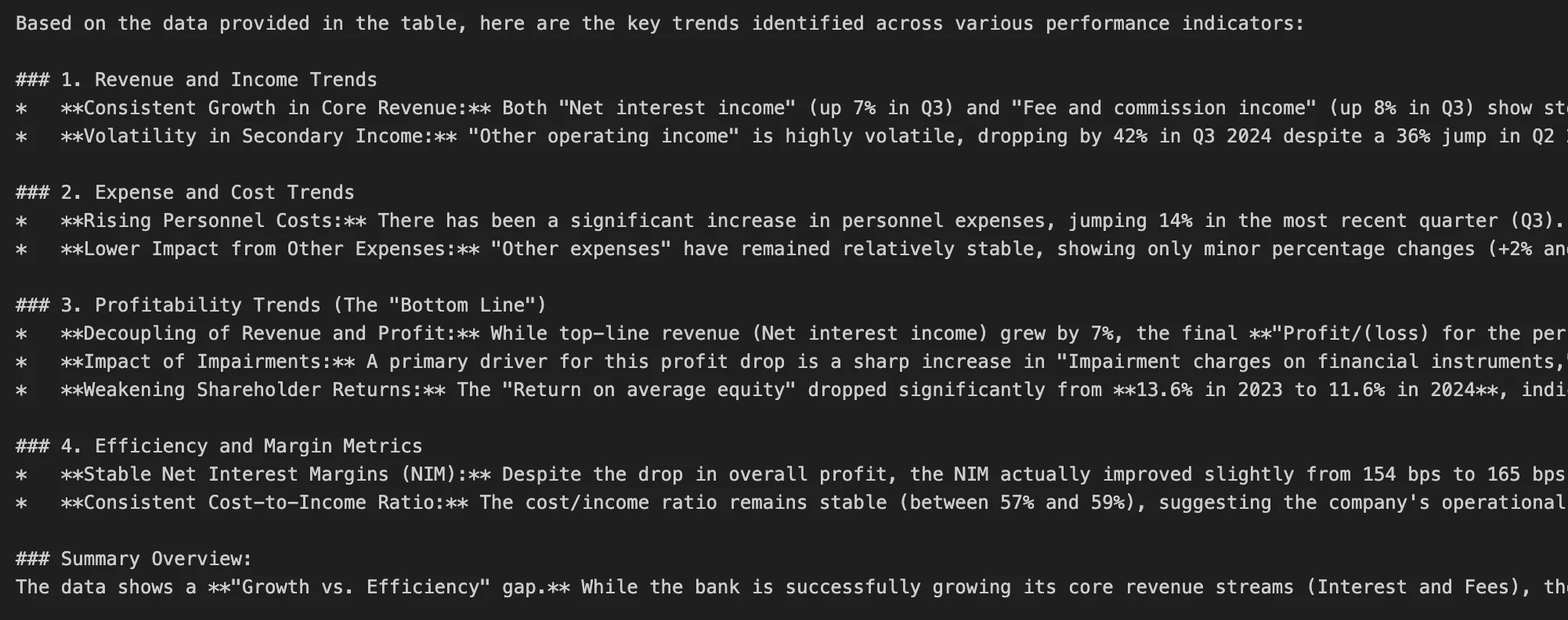
These figures illustrate that the 12B model is not just a “smaller version” of the 31B model; it is a highly optimized engine that often outperforms the 27B-parameter models of the previous year while requiring less than half the memory.
Industry Impact: The “Laptop-First” Strategy
The strategic release of Gemma 4 12B Unified highlights Google’s intent to dominate the local AI market. As enterprise demand for data privacy grows, many organizations are looking to move away from cloud-only APIs. A model that can be deployed on a local machine without sacrificing multimodal capability is a major asset.
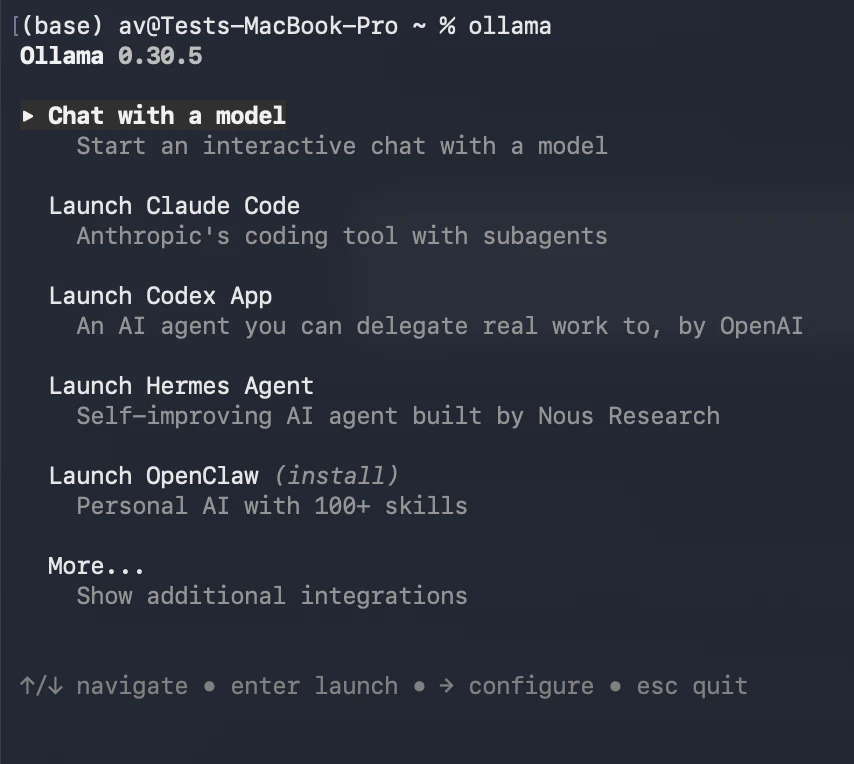
The 12B parameter count is intentional. With 4-bit or 8-bit quantization, this model can comfortably fit within 8GB to 16GB of VRAM. This makes it compatible with the current generation of MacBook Pro (M-series) laptops and mid-range NVIDIA RTX-powered workstations. For the first time, a developer can build a voice-controlled, vision-capable AI agent that runs entirely offline on a standard professional laptop.
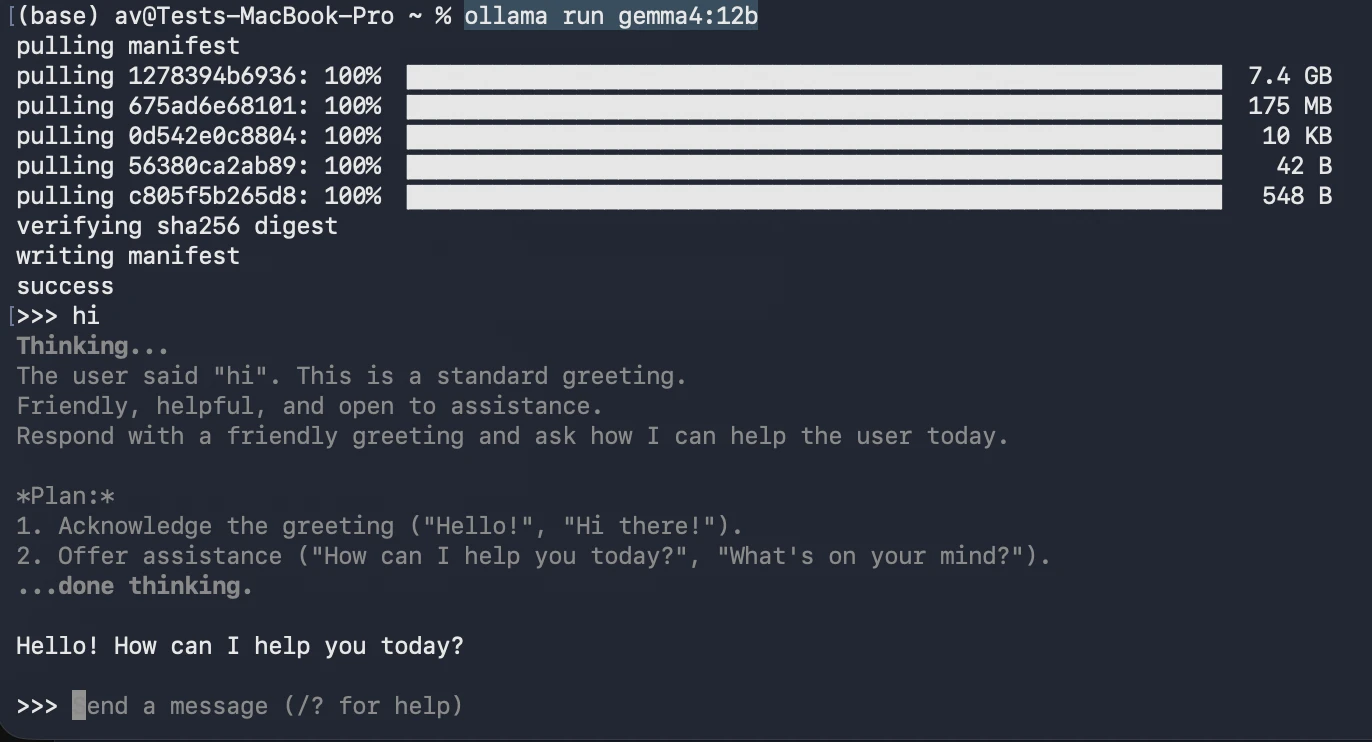
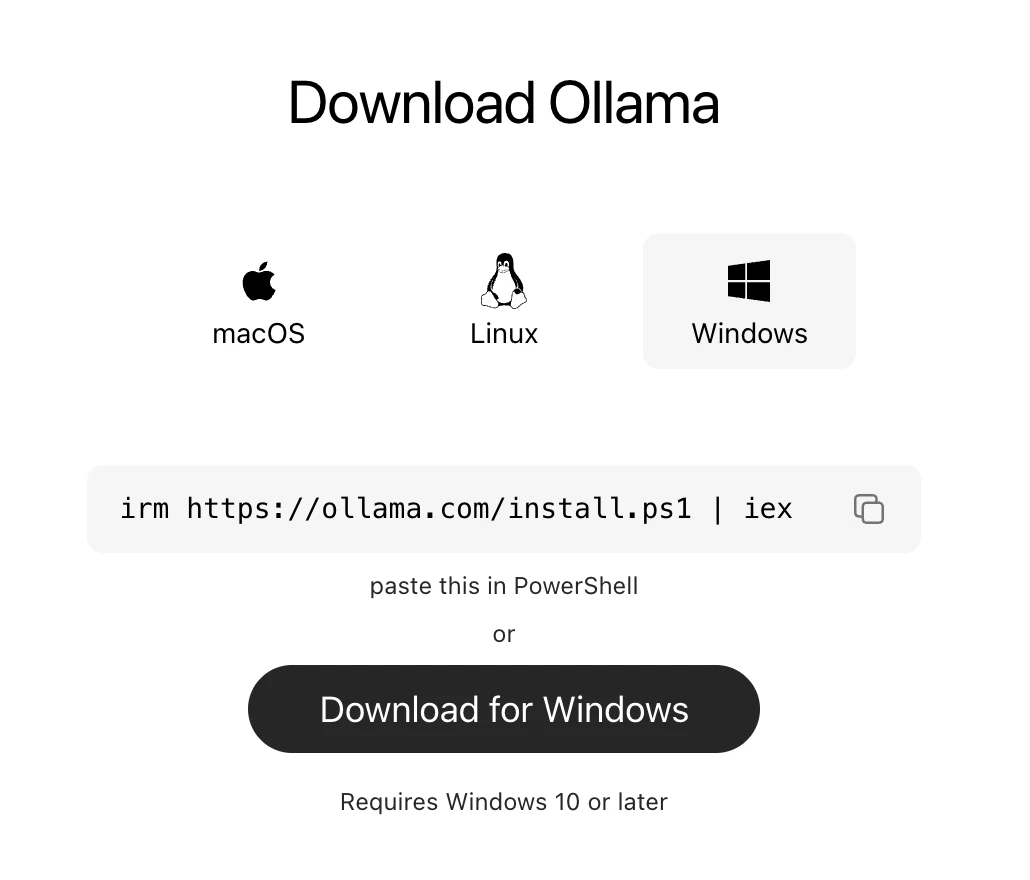
Google has ensured wide-ranging ecosystem support at launch. The model is available through Hugging Face and Kaggle, with immediate compatibility for popular local deployment tools such as Ollama, LM Studio, and llama.cpp. Furthermore, the model’s “drafter-ready” status means it can be paired with Gemma 4 E2B to achieve speculative decoding speeds that make real-time voice interaction feel instantaneous.
Official Responses and Strategic Implications
While Google has not released a formal press release featuring external quotes, internal documentation and developer guides suggest a clear mission. Google DeepMind’s focus with Gemma 4 is to provide “open weights” that serve as a transparent counterpart to their proprietary Gemini models.
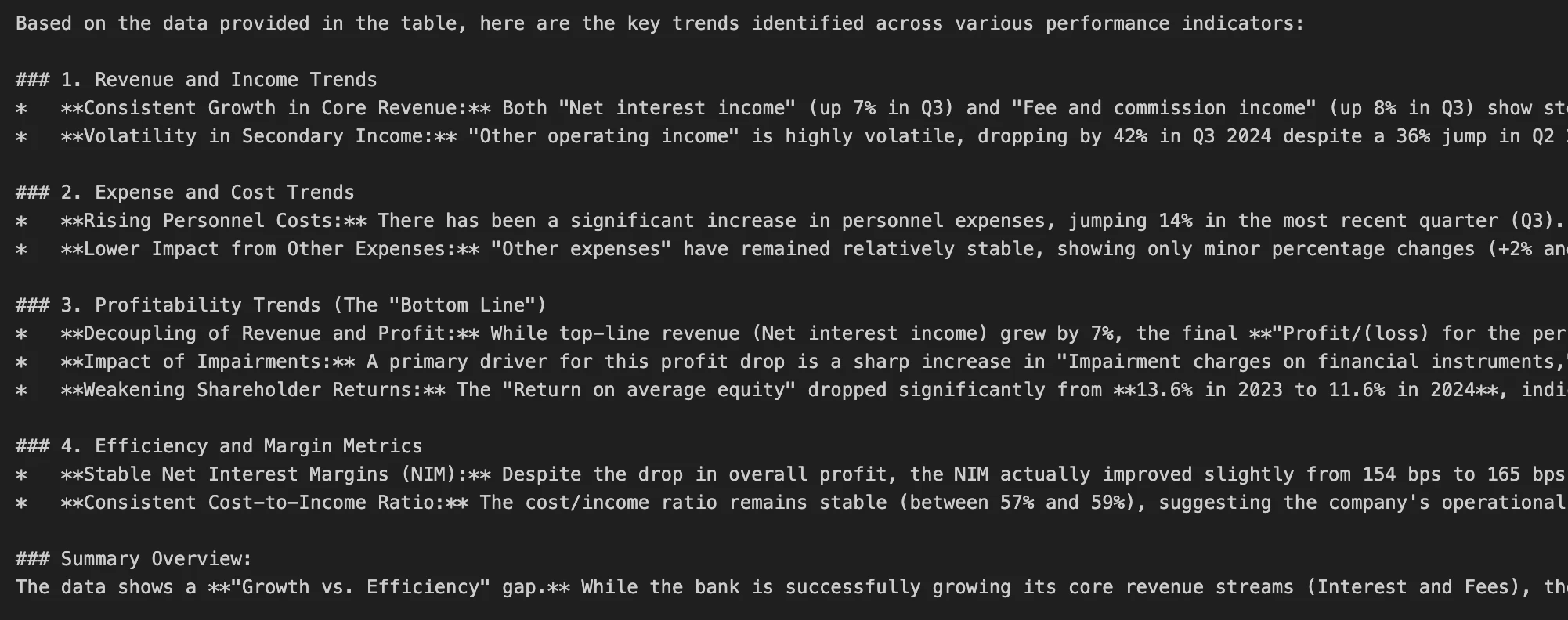
Industry analysts suggest that the 12B Unified release is a direct response to Meta’s Llama series and Mistral’s mid-sized offerings. By offering native audio and video processing—features that are often absent or poorly integrated in other open-source models—Google is positioning Gemma as the premier choice for “agentic” AI. An agentic AI is one that doesn’t just answer questions but performs tasks, such as summarizing a Zoom meeting (audio/video) and then drafting an email (text) based on the visual slides presented (image).
Furthermore, the release raises questions about the future of Google’s API-first strategy. By making such a capable model available for free download, Google is acknowledging that the “moat” in AI is shifting from the models themselves to the ecosystems and data integrations built around them.
Conclusion: Setting the Stage for the Future of Agentic AI
Gemma 4 12B Unified represents a turning point in the democratization of multimodal AI. By successfully collapsing the barriers between text, vision, and audio processing into a single, efficient architecture, Google DeepMind has provided the tools necessary for the next generation of autonomous agents.
The model’s 256K context window and encoder-free design make it a uniquely powerful tool for developers who need to process large volumes of complex, multi-format data without the latency or privacy concerns of cloud-based systems. As the AI industry moves toward more specialized, local, and agentic applications, the Gemma 4 12B Unified model is likely to become the standard-bearer for performance and versatility in the open-model community. For technical leaders and developers, the message is clear: the era of highly capable, local multimodal intelligence has arrived, and it fits in a laptop bag.