rifanmuazin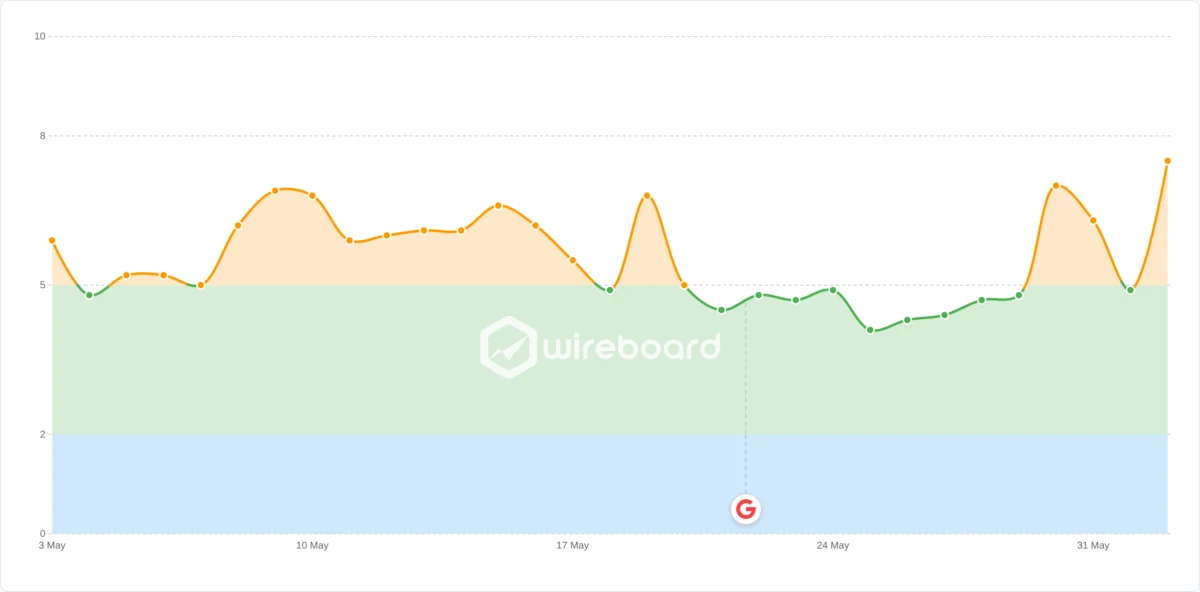
Google has officially concluded the rollout of its May 2026 broad core update, marking a significant event for website owners and search engine optimization (SEO) professionals worldwide. The completion was announced by Google Search Central via its official X (formerly Twitter) account this morning, June 2, 2026, with the Search Status Dashboard subsequently updated to reflect the conclusion of the process. This latest algorithmic adjustment, which began its phased deployment less than 12 days ago, has been characterized by substantial ranking fluctuations and is widely perceived within the SEO community as having a more pronounced impact compared to the preceding Google March 2026 core update.

Official Confirmation and Rollout Timeline
The May 2026 core update commenced its rollout on May 21, 2026, as initially communicated by Google. Core updates are fundamental changes to Google’s search algorithm and systems, designed to improve the overall quality and relevance of search results by re-evaluating how content is assessed across the web. Unlike more targeted updates, broad core updates do not focus on specific issues but rather on the entire ranking system, aiming to surface more “relevant, satisfying content for searchers from all types of sites.” Google’s official statement underscored this general purpose, reiterating its commitment to enhancing user experience through these regular adjustments.

The rollout process, which typically spans up to two weeks, concluded efficiently within a shorter timeframe of less than 12 days. This relatively swift deployment, however, did not translate into a smooth transition for many websites. The period since the update’s inception has been marked by several waves of significant ranking volatility, a common characteristic of core updates but particularly acute in this instance.
Waves of Volatility Across the Web

The impact of the May 2026 core update was not a gradual incline but rather a series of distinct spikes in ranking instability. Initial reports of significant volatility emerged almost immediately after the update’s announcement on May 21, continuing through the subsequent weekend. SEO professionals and webmasters observed their search rankings fluctuating dramatically, with some sites experiencing notable gains and others seeing substantial declines.
This pattern of instability intensified further over “this past weekend,” referring to the weekend preceding the June 2 completion date. Data from various SEO tracking tools, alongside anecdotal evidence from webmaster forums and social media discussions, indicated widespread shifts across different niches and geographic regions. The final surge in volatility was particularly pronounced on Tuesday, June 2, just hours before Google confirmed the update’s completion. This last-minute turbulence underscored the dynamic nature of the update, suggesting that the algorithm was making significant adjustments right up until its final phase.

The consensus among industry observers is that the May 2026 core update has exerted a greater influence on search results compared to its predecessor, the Google March 2026 core update. While the March update also brought changes, the scale and intensity of the shifts observed with the May update have led many to classify it as a more impactful event for the SEO landscape.
Understanding Google Core Updates and Their Purpose

Google’s broad core updates are a cornerstone of its continuous effort to maintain and enhance the quality of its search results. These updates are not designed to target specific websites or industries but rather to refine Google’s understanding of overall content quality, relevance, and user satisfaction. When a core update rolls out, Google is essentially recalibrating how it assesses various signals that contribute to a website’s ranking. This can include factors like content depth, originality, user engagement, technical SEO, and the overall trustworthiness and authority of a domain, often encapsulated by the E-E-A-T framework (Experience, Expertise, Authoritativeness, Trustworthiness).
The goal is to ensure that Google Search continues to surface the most helpful, reliable, and user-satisfying content available on the web. As user expectations evolve, content creation trends shift, and the web itself becomes more dynamic, Google must periodically adjust its algorithms to keep pace. These updates are a reflection of Google’s ongoing commitment to delivering a superior search experience. Websites that align with Google’s evolving understanding of quality and user intent are more likely to perform well, while those that fall short may see their visibility diminish.

Industry Tracking Tools Reflect Widespread Disruption
The significant volatility associated with the May 2026 core update was clearly visible across a suite of independent SEO tracking tools, which monitor daily fluctuations in search engine results pages (SERPs). These tools provide a crucial, real-time barometer for the SEO community, indicating the extent and nature of algorithmic changes.

- SEMRush Sensor: This tool, known for tracking daily volatility scores across various industries and countries, displayed elevated levels throughout the rollout period, peaking significantly around the final days of the update. Its charts would have shown sharp upward trends, particularly in categories sensitive to content quality and authority.
- Advanced Web Ranking (AWR): AWR’s Google Algorithm Changes tool also registered high levels of turbulence, indicating widespread ranking shifts impacting a broad spectrum of keywords and websites.
- Sistrix Visibility Index: Sistrix, which measures the visibility of domains in Google search results, would have shown considerable shifts, with many websites experiencing notable changes in their visibility scores, both positive and negative.
- Wireboard: As an aggregator of multiple tracking tools, Wireboard’s consolidated charts would have painted a clear picture of widespread disruption, confirming the broad consensus of high volatility.
- Zutrix Tension: This tool, designed to highlight “tension” in the SERPs, likely indicated a high degree of unrest and unpredictability during the May 2026 core update rollout, signaling major shifts in keyword rankings.
- Wincher: Wincher’s SERP volatility checker would have corroborated these findings, showing significant movements in keyword positions across its monitored data sets.
- SimilarWeb: SimilarWeb’s SERP analysis tools would have also detected major shifts, reflecting the widespread impact on website traffic and competitive landscapes.
- Algoroo: Algoroo, another popular algorithm tracking tool, typically uses a “roo” icon to indicate volatility. During the May 2026 update, it would have been showing a highly agitated “roo,” signifying extreme changes.
- Mangools (SERPWatcher): Mangools’ volatility index would have recorded substantial spikes, providing users with a clear visual representation of the update’s intensity.
- Data For SEO: This platform’s SERP volatility index would have shown high scores, indicating a broad and deep impact on search results across its extensive data collection.
- Mozcast: Mozcast, often humorously referred to as the “weather report for the Google algorithm,” would have likely displayed a “stormy” forecast with high temperatures (indicating high volatility), reflecting a significant disruption in the usual SERP patterns.
- Accuranker Grump: Accuranker’s “Grump” metric, which indicates the level of volatility, would have been highly elevated, signaling significant unrest in the rankings.
- SERP Stat (Search Engine Storm): SERP Stat’s “Search Engine Storm” indicator would have shown a severe storm, signifying widespread and impactful changes to the Google algorithm.
The consistent readings from these diverse tools collectively confirm the May 2026 core update as a particularly active and impactful event, reinforcing the qualitative observations from the SEO community.
Implications for Website Owners and SEO Professionals

For website owners and SEO professionals, the completion of the May 2026 core update ushers in a period of crucial analysis and strategic adaptation. The immediate aftermath requires careful monitoring of key performance indicators:
- Ranking and Traffic Analysis: Websites must meticulously track their keyword rankings, organic search traffic, and user engagement metrics. Identifying which pages or content clusters have gained or lost visibility is paramount.
- Content Audit: Given Google’s emphasis on “relevant, satisfying content,” a thorough audit of existing content is essential. This involves assessing content quality, originality, factual accuracy, depth, and how well it addresses user intent. Content that is thin, duplicative, or lacks genuine value may have been negatively impacted.
- E-E-A-T Assessment: Websites, particularly those in YMYL (Your Money Your Life) categories (e.g., health, finance, legal), should scrutinize their E-E-A-T signals. This includes ensuring authors have demonstrable expertise, providing clear author bios, citing sources, and building a strong reputation for trustworthiness and authority within their niche.
- Technical SEO Review: While core updates are primarily about content quality, foundational technical SEO (site speed, mobile-friendliness, crawlability, indexability) remains critical. Any underlying technical issues can hinder a site’s ability to benefit from positive algorithmic adjustments.
- User Experience (UX): Google increasingly prioritizes user experience. Sites should evaluate their Core Web Vitals, overall site navigation, and the ease with which users can find the information they need. A positive user experience contributes to “satisfying content.”
Google’s consistent advice in the wake of core updates remains unchanged: there are no specific “fixes” for a core update. Instead, the focus should always be on creating the best possible content for users. Websites that have seen declines are encouraged to review Google’s guidelines on core updates, which emphasize building high-quality, trustworthy, and user-centric websites. Recovery from a negative impact can take time, often requiring sustained efforts to improve content quality and overall site experience, potentially seeing improvements with subsequent core updates.

Broader Context: The Evolving Search Landscape
The May 2026 core update is not an isolated event but part of Google’s continuous evolution of its search engine. In recent years, Google has been increasingly focused on combating spam, low-quality content, and content generated purely for search engine manipulation rather than user value. Updates like the Helpful Content System, while distinct from broad core updates, work in tandem with them to reinforce Google’s quality directives. The rise of sophisticated AI-generated content has added another layer of complexity, pushing Google to refine its ability to distinguish genuinely helpful, human-created content from potentially superficial or misleading AI output.

This ongoing battle for quality means that website owners must adopt a long-term, user-first strategy. Chasing algorithm changes with short-term tactics is generally unproductive and often counterproductive. Instead, investing in original research, expert contributions, thorough editing, and a deep understanding of audience needs are the enduring principles for success in Google Search.
Historical Perspective on Google Core Updates

Google has been performing major algorithmic updates for decades, though it only began officially confirming “broad core updates” in recent years. Prior to this transparency, the industry often referred to unconfirmed, impactful changes as “Phantom updates.” The decision to announce these updates publicly was a move towards greater communication with the SEO community, allowing webmasters to better understand the nature of the changes and align their strategies accordingly.
Since then, Google has rolled out numerous core updates, each contributing to the refinement of its ranking algorithms. While specific impacts vary, the overarching trend has been a consistent push towards rewarding websites that genuinely serve user needs with high-quality, authoritative, and trustworthy content. The May 2026 core update stands as the latest chapter in this ongoing narrative, reinforcing the fundamental principles of good web content.

Looking Ahead: Continued Vigilance
With the May 2026 core update now fully deployed, the immediate task for the SEO industry is to thoroughly analyze its aftermath. The coming weeks will see a deeper dive into the specific characteristics of the changes, identifying patterns in winners and losers, and refining best practices based on observed impacts. While the initial volatility may subside, the long-term effects of this update will continue to shape the search landscape.

The message from Google remains clear and consistent: focus on creating excellent content for users, and success in search will follow. The May 2026 core update serves as a powerful reminder of the dynamic nature of Google Search and the critical importance of maintaining a high standard of quality in all online endeavors.