rifanmuazin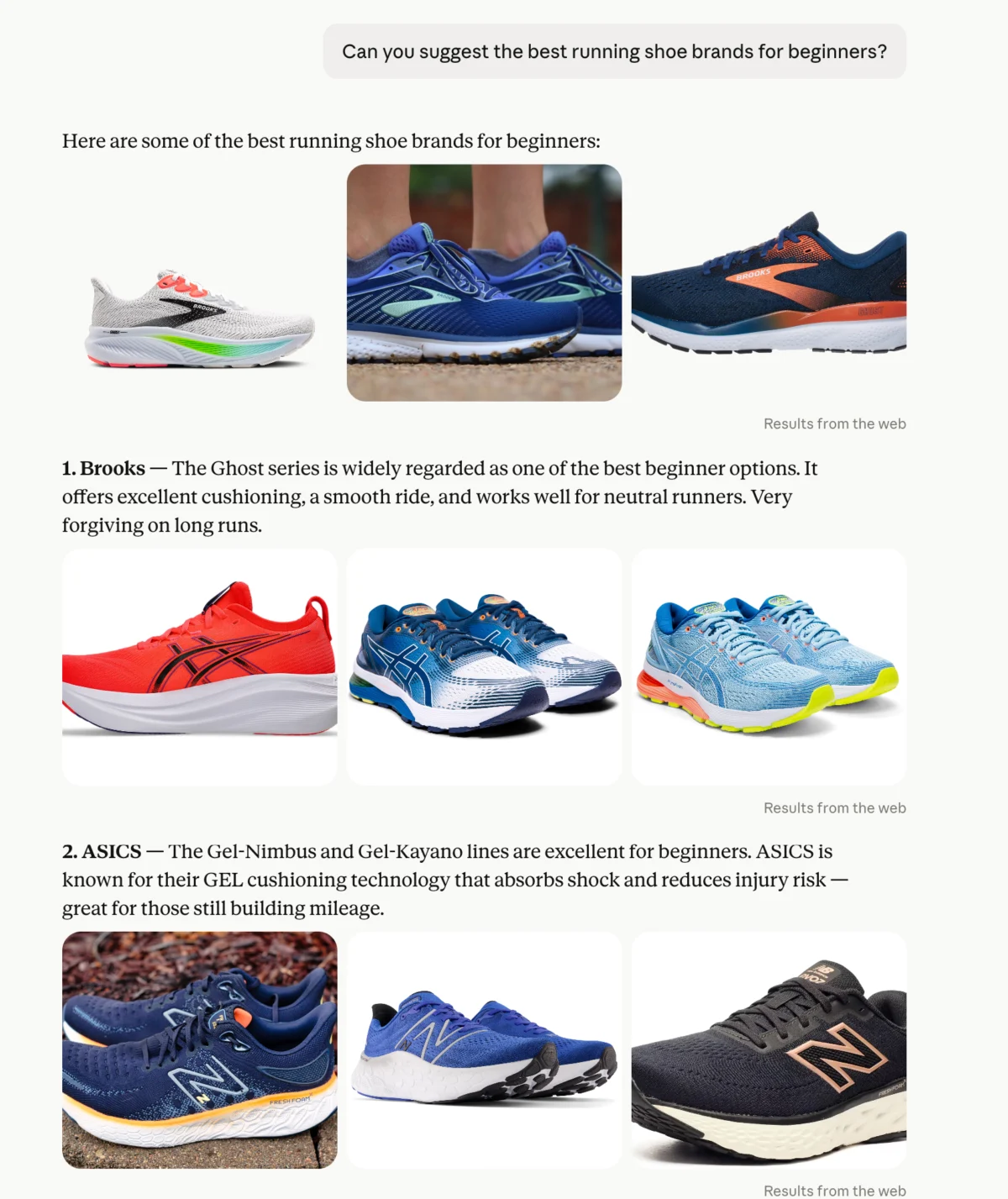
In an increasingly AI-driven digital landscape, brands are encountering a critical distinction between their names appearing in generative AI responses and being formally cited as sources. This evolving dynamic, fueled by the rapid adoption of large language models (LLMs) and AI-powered search, presents both opportunities and challenges for search engine optimization (SEO) and overall brand visibility. Understanding the nuances between an AI brand mention and an AI citation is no longer merely advantageous but essential for companies aiming to maintain relevance and drive traffic in the modern era of digital discovery.
The Rise of Conversational AI and Its Impact on Digital Discovery
The digital ecosystem has undergone a profound transformation with the mainstreaming of conversational AI. Historically, SEO strategies centered on keyword optimization and securing backlinks to rank prominently in traditional search engine results pages (SERPs), which primarily displayed lists of websites. The emergence of LLMs like OpenAI’s ChatGPT, Google’s Gemini, and Microsoft’s Copilot has ushered in an era where users increasingly receive direct, synthesized answers rather than just links. This shift began subtly with featured snippets and knowledge panels but has accelerated dramatically, leading to a “zero-click” phenomenon where users’ information needs are met directly within the AI interface.
This technological evolution has fundamentally reshaped how brands are discovered and perceived. As AI systems become primary conduits of information, their ability to reference or attribute content becomes a cornerstone of digital strategy. The global market for AI in search and discovery is projected to grow significantly, with millions of users now regularly interacting with AI assistants for information, recommendations, and comparisons. This trend necessitates a re-evaluation of traditional SEO metrics, moving beyond click-through rates (CTR) to encompass AI-powered discoverability metrics.
Understanding AI Brand Mentions: A Deeper Dive
An AI brand mention occurs when an AI tool integrates a brand name into its generated response, recommendation, comparison, or summary. These mentions can be either explicit, meaning they are linked directly to the brand’s website or a specific piece of content, or implicit, where the brand name is referenced without a direct hyperlink. While seemingly simple, an AI brand mention is a powerful indicator of brand awareness and category relevance within the AI’s vast knowledge base.
AI systems weave brand mentions into various conversational contexts, reflecting the user’s query and intent. The most common forms include:
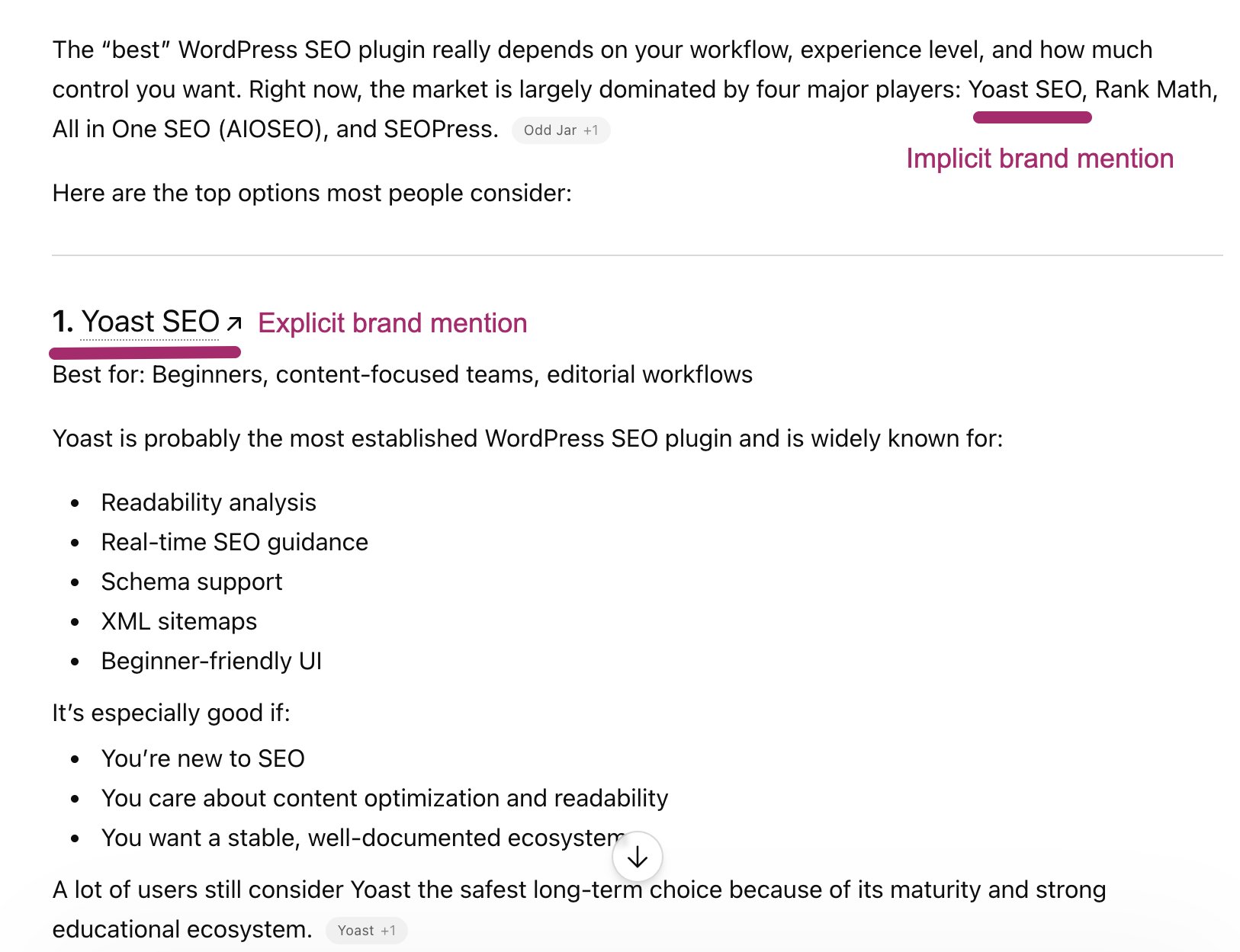
- Direct Recommendations: When a user explicitly seeks solutions or options (e.g., “What are the best WordPress SEO plugins?”), the AI may directly suggest brands that fit the criteria. For instance, a query about SEO plugins might yield a response listing “Yoast SEO” among the top recommendations. These mentions are critical for influencing purchase decisions and shaping user consideration sets.
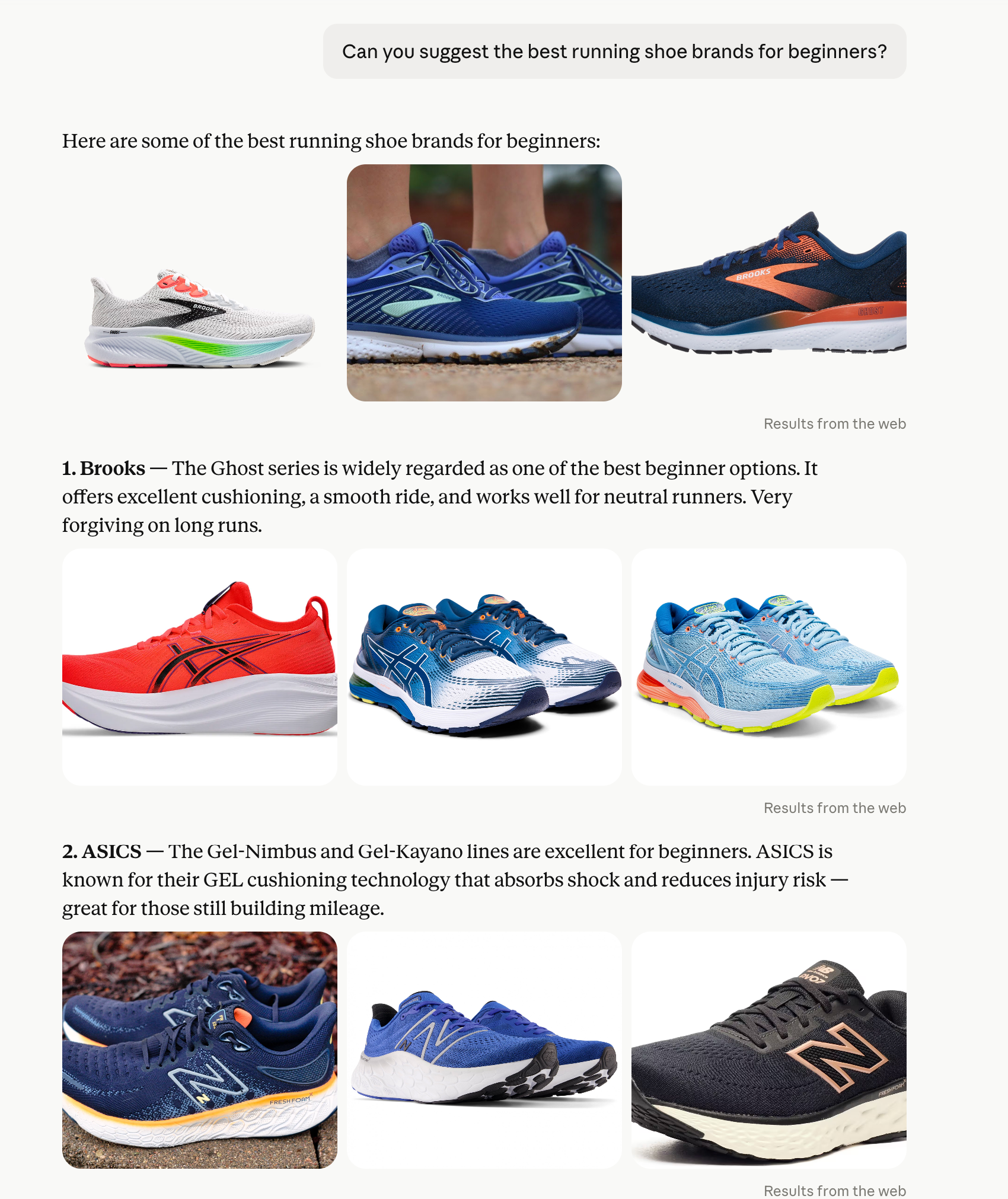
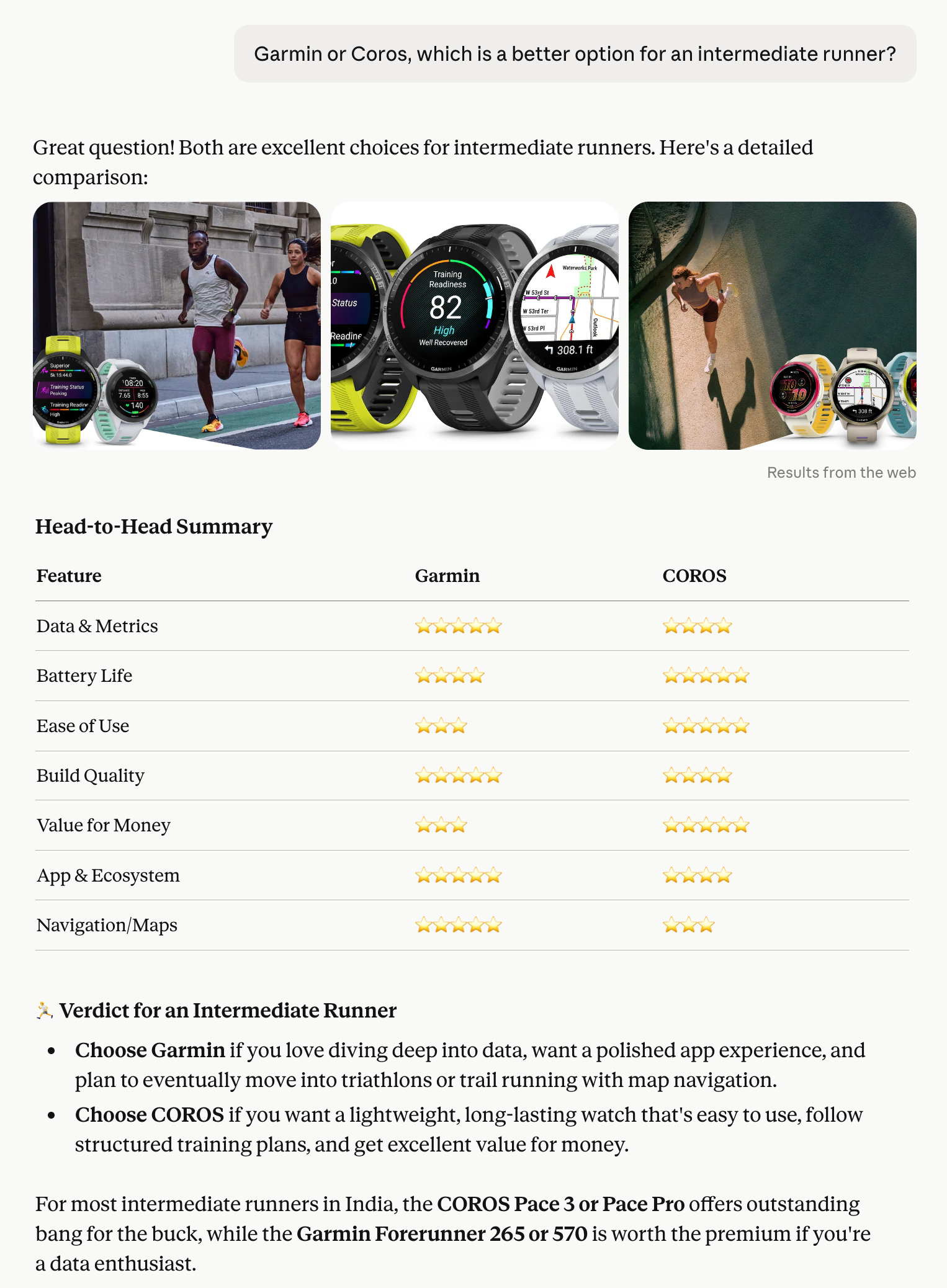
- Comparative Analyses: AI often mentions brands when tasked with comparing products, services, features, or pricing. In such scenarios, the brand becomes part of a broader evaluative discussion, allowing users to weigh options. An AI might, for example, compare the features of “Brand A” versus “Brand B” for a specific use case, positioning each within a competitive landscape.
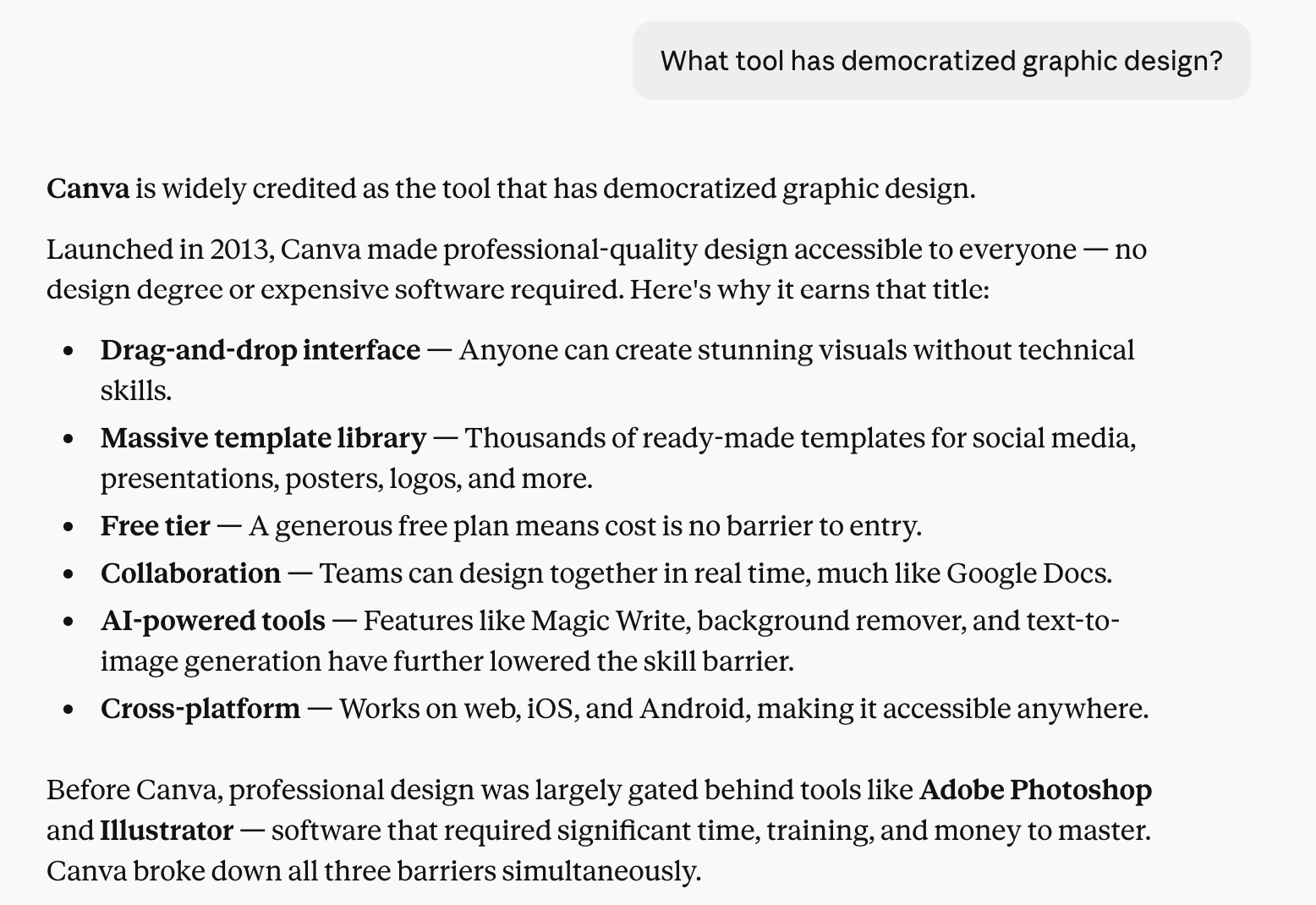
- Illustrative Examples: Brands frequently serve as practical examples to explain complex concepts, industry trends, or workflows. These mentions provide tangible context, making abstract explanations more relatable and understandable for users. For instance, an AI explaining “cloud computing services” might cite “Amazon Web Services (AWS)” as a prime example.
- Contextual Integration: Brands can appear naturally within broader discussions about a specific topic or industry. These mentions are less promotional and more about establishing topical relevance. An AI discussing “project management methodologies” might refer to tools like “Asana” or “Trello” as part of the operational context.
The Algorithmic Underpinnings: How LLMs Select Brands
Unlike human discernment, LLMs do not “choose” brands based on personal preference. Their responses are generated through complex algorithms that analyze patterns, probabilities, and signals derived from their training data and real-time information retrieval. Several key factors converge to determine which brands surface in an AI-generated answer:
-
Training Data Patterns: LLMs are trained on colossal datasets comprising text and code from the internet. Within these datasets, patterns emerge regarding how frequently and in what contexts specific brands are discussed alongside particular topics. A brand consistently linked to a certain use case or industry will develop a strong association within the model’s knowledge graph. However, it’s not merely about frequency; the variety and consistency of contexts in which a brand appears are crucial. Brands with diverse, coherent mentions build more robust and flexible associations, increasing their likelihood of appearing in relevant responses.
-
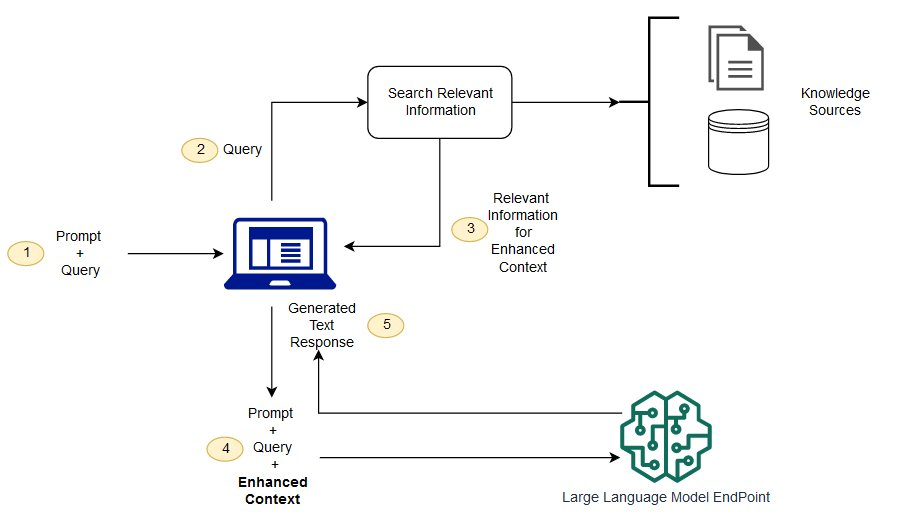
Retrieval-Augmented Generation (RAG): Many advanced AI systems go beyond their initial training data through Retrieval-Augmented Generation (RAG). This mechanism allows LLMs to query external, real-time information sources (like the web, databases, or specific documents) to augment their existing knowledge. When a user submits a query, a retrieval component identifies and fetches relevant information from indexed sources. The LLM then synthesizes this fresh data with its pre-trained knowledge to generate more accurate, current, and comprehensive responses. For brands, RAG means that visibility is tied not just to historical online presence but also to current, easily retrievable content.
-
Context and Semantic Understanding: LLMs transcend simple keyword matching; they interpret the intent behind a user’s query. Using Natural Language Processing (NLP), they map questions to broader concepts and then surface brands that semantically fit those meanings. A query like “tools for remote teams” might be semantically linked to concepts such as “collaboration software,” “video conferencing,” “project management,” and “cloud storage.” Brands that consistently associate themselves with these underlying concepts, even if the exact phrase isn’t used in the query, are more likely to be mentioned. Entity clarity, where a brand is consistently described across various sources, is paramount for the AI to accurately understand its purpose and relevance.
-
Authority and Cross-Source Validation: AI systems assess the trustworthiness of information by cross-referencing patterns across multiple sources. When a brand or a piece of information appears consistently across numerous credible, independent platforms, the AI’s confidence in including it increases. This validation process often considers signals akin to traditional SEO authority metrics, such as:
- Domain Authority: The perceived strength and trustworthiness of the source website.
- Authoritative Backlinks: Quality inbound links from other reputable sites.
- Expert Endorsements: Mentions by recognized experts or industry leaders.
- User Engagement: How users interact with content related to the brand.
- Content Freshness: The recency and update frequency of information.
Authority in the AI context is about being consistently recognized and validated across a diverse, reputable digital footprint. This underscores the growing importance of public relations, earned media, and third-party mentions in achieving AI visibility.
-
Relevance to the Query: Fundamentally, an AI model prioritizes relevance. Even highly authoritative or frequently mentioned brands will not appear if they do not clearly match the user’s specific intent—be it a particular use case, target audience, or problem being addressed. AI models have moved beyond simple keyword matching to deeply understand the “why” behind queries. They convert text prompts into high-dimensional vectors, enabling them to find semantic similarity and return answers tailored to the underlying need. Nuances such as target audience, price point, or specific features can also influence a brand’s relevance for a given query.
-
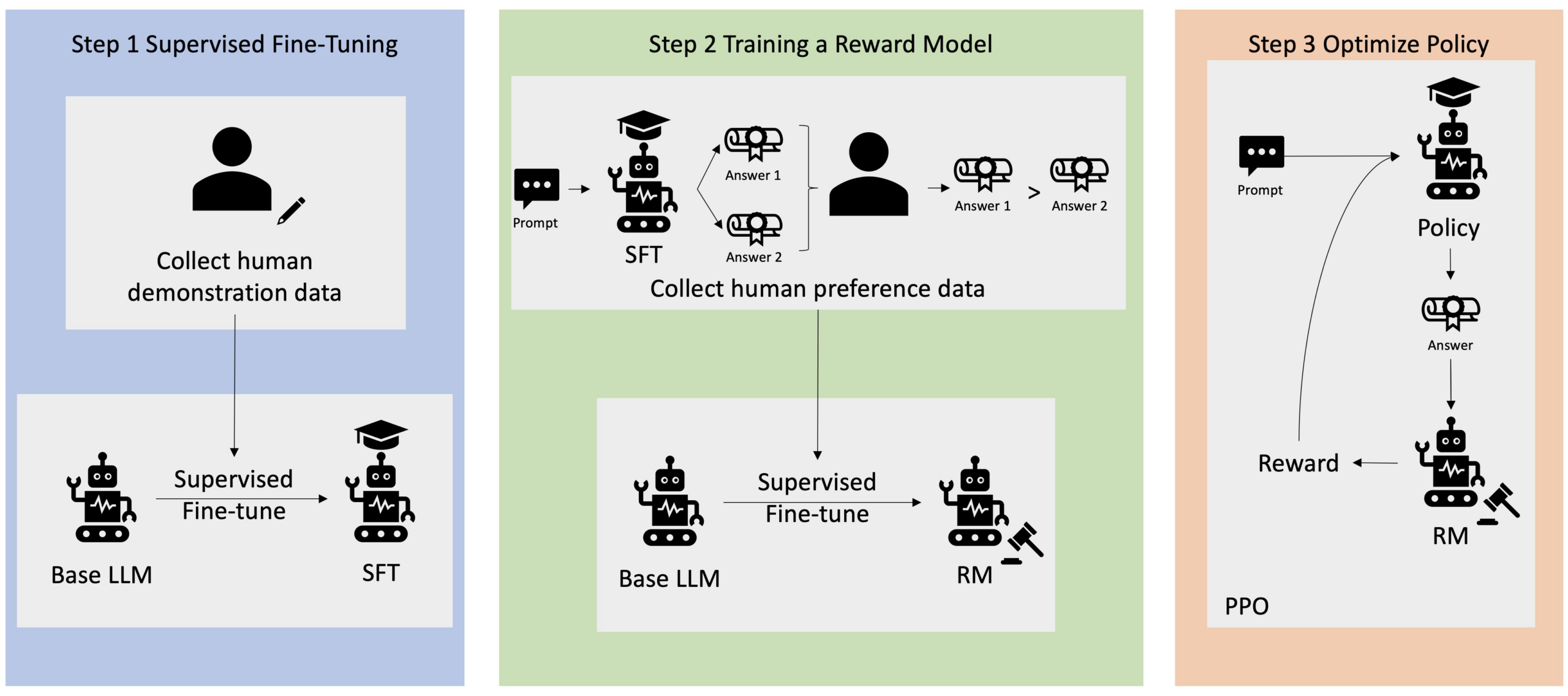
Sentiment and Human Feedback (RLHF): LLMs are continuously refined through Reinforcement Learning from Human Feedback (RLHF). Human evaluators review model responses, guiding the AI to produce answers that are helpful, honest, harmless, and relevant. This feedback loop influences brand mentions significantly. If a brand is consistently associated with negative sentiment or unreliable information, the model may learn to deprioritize or avoid mentioning it. Conversely, brands appearing in neutral or positive contexts across diverse sources are more likely to be included. RLHF thus acts as a crucial layer, aligning brand mentions with quality, trust, and user expectations, ensuring that AI-generated content remains reliable and valuable.
The Crucial Role of AI Citations: Establishing Trust and Authority
While a brand mention indicates presence, an AI citation signifies attribution and credibility. AI citations are explicit references that AI systems and search engines include to support the factual assertions or information they generate. These citations typically point to a specific source—a webpage, report, article, or academic paper—and credit the original content provider. In many instances, an AI response can feature both a brand mention and a citation simultaneously, with the brand being referenced in the text and its content cited as evidence.
Citations serve a distinct purpose from mentions:
- Proof of Expertise: They act as direct evidence that the AI’s information is grounded in verifiable sources, reinforcing the AI’s own credibility.
- Trustworthiness: By providing sources, AI systems allow users to verify information, fostering trust in the AI’s output.
- Traffic Generation: Unlike implicit mentions, citations often include clickable links, offering a direct pathway for users to visit the original source, thereby driving valuable referral traffic.
- Authority Signal: Being cited by an AI system is a powerful signal of a brand’s authority and expertise on a given topic, particularly within its industry.
Distinguishing Mentions from Citations: A Strategic Imperative
The distinction between AI brand mentions and citations is critical for brands crafting their digital strategy:
| Aspect | AI Brand Mention | AI Citation |
|---|---|---|
| Definition | Your brand name appears within the AI-generated response. | AI attributes specific information to your content, often with a link. |
| Format | Mentioned naturally in text; no link required. | URL, footnote, or inline source reference. |
| What it Signals | Brand awareness, recognition, and category relevance. | Authority, credibility, and trustworthiness of information. |
| Impact | Builds mindshare, keeps brand in consideration set. | Acts as proof of expertise; can drive direct traffic. |
| Traffic Potential | Indirect, through increased brand recall and searches. | Direct, via clickable links to the attributed source. |
| Frequency | More common across diverse AI responses. | Less common and more competitive, requiring verifiable content. |
| Where it Appears | Across most LLMs, even without live web access. | More common in systems with real-time retrieval or web access. |
| Optimization Focus | PR, earned media, third-party mentions, community presence. | Create citation-worthy content, structured data, original research. |
| Example | “Yoast SEO is a popular WordPress plugin.” | “According to the Yoast SEO 2024 report…” |
While traditional backlinks remain a cornerstone of SEO for establishing domain authority with search engines, AI citations serve a different, albeit complementary, role. AI citations prioritize the attribution of information for user trust and AI model validation, whereas backlinks are primarily algorithmic signals for ranking. Both can include links, but their fundamental purpose and impact on the digital ecosystem differ.
Optimizing for AI Visibility: Strategies for Brands
Achieving both AI brand mentions and citations requires a holistic approach that integrates traditional SEO best practices with strategies tailored for generative AI. It’s an evolution of what many now term “LLM SEO.”
-
Crafting AI-Ready Content: Brands must create content that is not only informative for human readers but also easily digestible and reusable by AI systems. This means clear, concise definitions, well-structured explanations, and direct answers to common questions. Content should avoid ambiguity and excessive jargon, favoring clarity and factual precision. For example, a “What is X?” guide with bullet points, clear headings, and a strong summary is more likely to be extracted by an AI than a dense, unstructured blog post.
-
Proactive Engagement with Evaluative Queries: AI assistants frequently answer “best tools for X” or “which platform should I choose?” type questions. Brands should strategically create content that directly addresses these evaluative queries, offering comparisons, use cases, and justifications for why their product or service is superior or best suited for specific needs. A comparison page detailing “Brand X vs. Competitor Y,” outlining specific advantages, provides AI models with the necessary context to recommend the brand.
-
Fortifying Authority and Credibility (E-E-A-T): To earn citations, credibility is paramount. AI systems, much like human users, prioritize information from authoritative and trustworthy sources. The E-E-A-T framework (Experience, Expertise, Authoritativeness, and Trustworthiness) becomes a guiding principle. Brands must demonstrate their deep experience and expertise through original research, industry leadership, expert authorship, and transparent factual reporting. This includes securing mentions in reputable industry publications, contributing expert insights to third-party platforms, and ensuring that all content is accurate and verifiable.
-
Maintaining Content Freshness: For topics that evolve rapidly, the freshness of content plays a significant role in AI’s decision-making. Regularly updating cornerstone pages, product descriptions, and informational articles signals to AI systems that the brand’s information is current and reliable. A “best practices” guide updated quarterly with the latest industry developments is more likely to be retrieved and cited than one that has remained untouched for years.
-
Enhancing Entity Clarity: Brands must ensure their identity and purpose are consistently described across their website and all external platforms. If a product is consistently positioned as “AI-powered marketing automation software for small businesses,” this repeated clarity strengthens its association with that specific use case, making it easier for AI systems to understand when and how to mention it. Semantic linking of entities within content further aids AI models in understanding relationships and relevance.
The Evolving Landscape of SEO and Brand Strategy
The rise of AI search mandates a recalibration of SEO and brand strategy. While traditional SEO principles like keyword research, technical optimization, and link building remain foundational, the focus is shifting towards “answer engine optimization” and “entity SEO.” Brands must now optimize not just for visibility in SERPs but for inclusion and attribution within AI-generated summaries and recommendations. This implies a greater emphasis on:
- Content Quality and Depth: Producing high-quality, comprehensive content that anticipates user questions and provides definitive answers.
- Brand Reputation Management: Actively monitoring and shaping public perception, as AI models incorporate sentiment into their decision-making.
- Structured Data Implementation: Using schema markup to help AI systems understand the context and relationships of content elements.
- Omnichannel Presence: Ensuring consistent brand messaging and presence across all digital touchpoints, from social media to industry forums, to build a robust digital footprint for AI to draw upon.
Industry analysts suggest that brands failing to adapt to this new paradigm risk becoming digitally invisible. The “zero-click” trend means that users may never visit a brand’s website if their query is fully resolved by an AI. Therefore, being mentioned or cited by AI becomes the primary touchpoint for brand discovery, influencing top-of-funnel awareness and consideration.
Monitoring AI Presence: Tools and Techniques
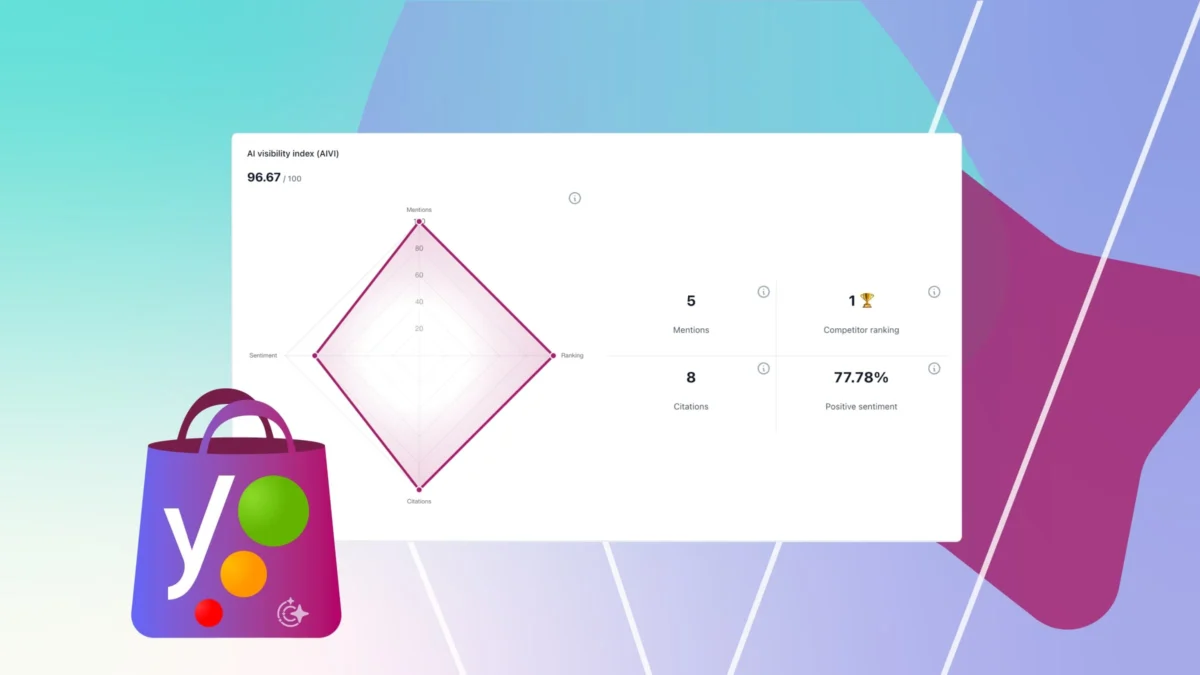
Tracking AI visibility manually across various LLMs and AI-powered search interfaces can be a daunting task. As such, specialized tools are emerging to help brands monitor their presence. Solutions like Yoast SEO AI+ offer “AI Brand Insights” to track mentions, citations, and overall brand presence across AI platforms. These tools provide valuable data on where a brand’s visibility is growing, where opportunities exist for improvement, and how content is being leveraged by AI systems.
In conclusion, the dual pursuit of AI brand mentions and AI citations represents the most effective strategy for ensuring robust digital visibility in the age of generative AI. Mentions establish brand awareness and relevance, integrating a brand into the conversational fabric of AI responses. Citations, conversely, build and reinforce authority and trust by attributing information to credible sources. Brands that consistently produce high-quality, mention-worthy content while simultaneously building a strong foundation of E-E-A-T are best positioned to thrive in this evolving landscape, transforming AI from a potential threat to traditional traffic into a powerful new channel for discovery and growth.