rifanmuazin
The landscape of digital visibility is undergoing a profound transformation, driven by the rapid integration of artificial intelligence into search engines and conversational platforms. For brands, this shift represents both a significant challenge and an unprecedented opportunity. Traditional Search Engine Optimization (SEO) strategies, once the bedrock of online presence, are proving increasingly insufficient as consumers turn to AI tools for curated, direct answers rather than mere lists of links. This emerging paradigm necessitates a proactive approach to what is now termed “AI visibility,” a crucial element for maintaining brand relevance, fostering trust, and securing future customer engagement.
The AI-Driven Revolution in Search
For decades, search engines like Google have operated on a model of indexing web pages and presenting users with a ranked list of results based on keywords and complex algorithms. Brands invested heavily in optimizing content, building backlinks, and improving site authority to secure top rankings, understanding that higher placement directly correlated with increased traffic and conversions. However, the advent of Large Language Models (LLMs) such as OpenAI’s ChatGPT, Google’s Gemini, Anthropic’s Claude, and Perplexity AI has fundamentally altered this dynamic.
These AI platforms do not simply direct users to external websites; they synthesize information from vast datasets and the live web to generate concise, context-aware answers. A user asking “What’s the best CRM for small businesses?” might receive a paragraph-long summary directly from an AI assistant, complete with recommendations and comparative analyses, rather than a page of search results. This trend is accelerating, with major search providers like Google actively integrating generative AI into their core search experience (e.g., Search Generative Experience, SGE), blurring the lines between traditional search and AI-generated responses. Industry reports indicate a significant rise in user reliance on AI for recommendations, with some studies suggesting that over 60% of consumers now trust AI-generated advice for product and service choices, a figure projected to grow exponentially.
This evolution presents a critical “blind spot” for many brands. While traditional SEO tools meticulously track keyword rankings, organic traffic, and backlink profiles, they are largely ill-equipped to monitor how a brand is perceived or even mentioned within AI-generated summaries. A brand could hold the coveted #1 spot on Google for a crucial keyword, yet remain entirely invisible in the AI responses that a growing segment of the audience consults first. This invisibility translates directly to a loss of potential customers who now expect AI to recommend the most suitable options. Furthermore, it opens the door for competitors to dominate AI-driven recommendations, shaping consumer perception without a brand even realizing it. The stakes are high: beyond traffic, AI visibility directly impacts a brand’s trust, credibility, and ultimately, its market share.
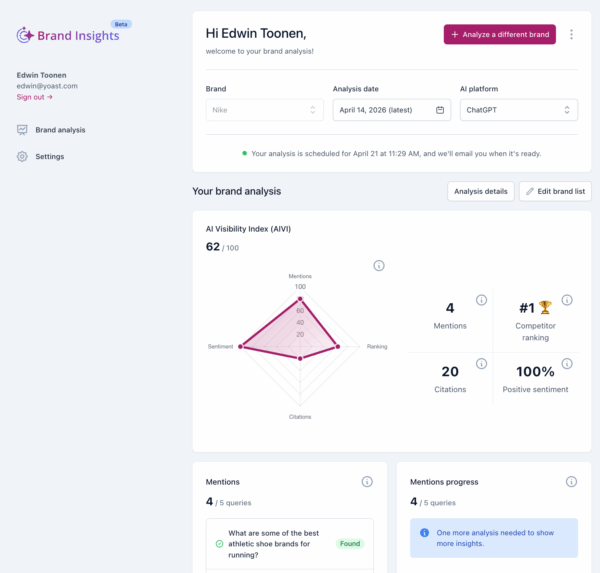
Yoast AI Brand Insights: A New Compass for the AI Era
Recognizing this seismic shift, Yoast has introduced “Yoast AI Brand Insights,” a specialized tool designed to illuminate how brands appear in AI-generated answers. This innovative platform offers a comprehensive, actionable view of a brand’s presence, sentiment, and credibility across leading AI platforms like Claude, ChatGPT, Perplexity, and Google Gemini. More than just data, it aims to transform the “AI black box” into strategic intelligence, empowering brands to actively build and control their narrative in the age of conversational AI.
The tool’s core functionality revolves around tracking specific queries, analyzing sentiment, and benchmarking against competitors. This allows brands to understand not only if they are mentioned by AI but how they are portrayed, offering critical insights into areas requiring improvement or amplification.
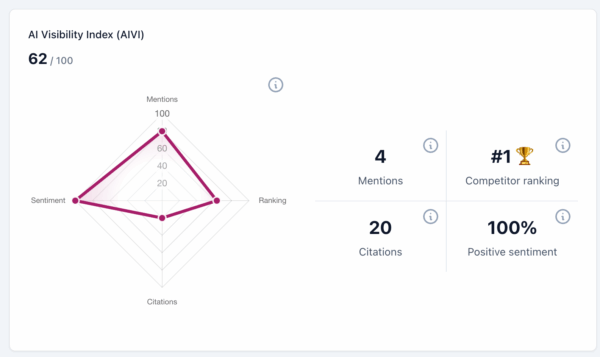
Deciphering the AI Visibility Index (AIVI) and Its Components
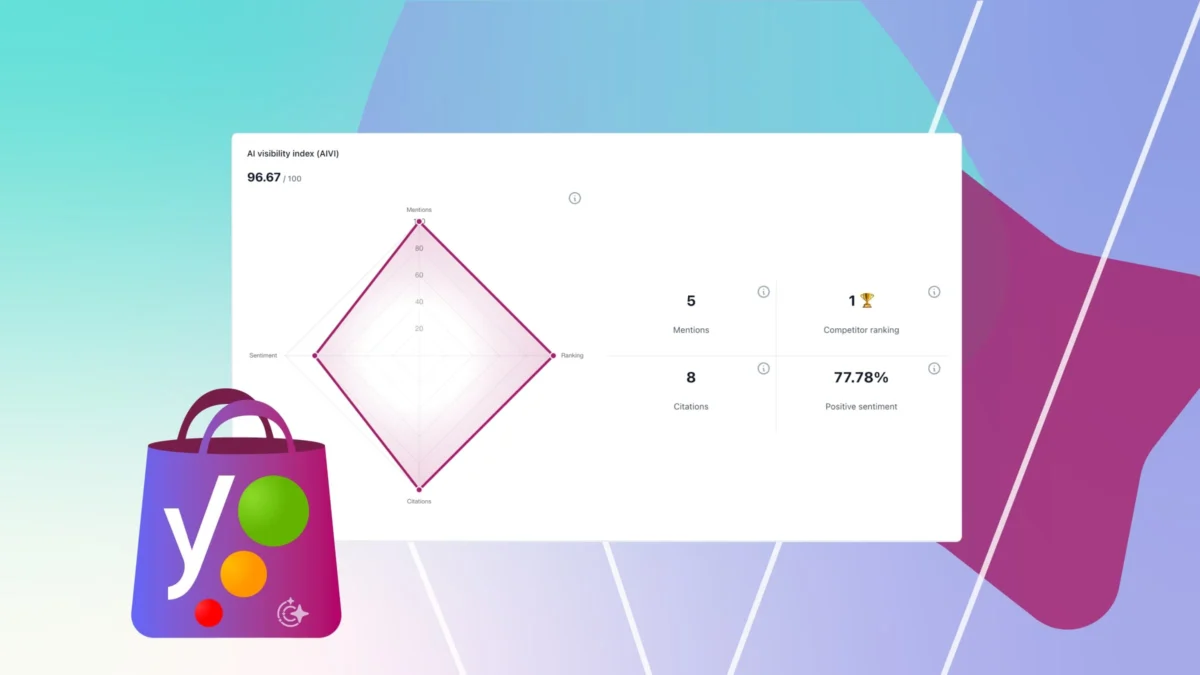
Yoast AI Brand Insights introduces the AI Visibility Index (AIVI), a proprietary score ranging from 0 to 100 that quantifies a brand’s overall presence and perception within AI platforms. A higher AIVI score signifies greater visibility and a more positive portrayal in AI search results for tracked terms. The AIVI is a composite metric, built upon several key indicators:
- Mentions: This metric tracks the specific queries for which a brand appears in AI responses. For instance, if a user asks, “What is the best cloud storage solution for small businesses?” and a brand’s name is included in the AI’s answer, that counts as a mention. More mentions generally lead to greater visibility and increased potential for customer acquisition. Brands with low mention scores must strategically optimize their content to directly address high-intent, conversational questions relevant to their offerings. This involves creating detailed blog posts, comprehensive FAQ sections, and landing pages that explicitly answer common user queries, often incorporating long-tail keywords that mirror natural language.
- Sentiment: Sentiment analysis measures the percentage of positive versus negative language associated with a brand within AI-generated answers. Terms like “innovative,” “reliable,” or “user-friendly” contribute to positive sentiment, while “overpriced,” “unreliable,” or “poor support” denote negative sentiment. Positive sentiment is a powerful builder of trust and reputation, directly influencing customer perception and conversion rates. Conversely, negative sentiment can deter potential customers and erode brand loyalty. Brands must actively monitor and address negative mentions online, responding to reviews, clarifying misinformation, and proactively publishing testimonials or case studies that highlight positive brand attributes. Consistent messaging that emphasizes award-winning products or customer satisfaction can also steer AI narratives toward a more favorable light.
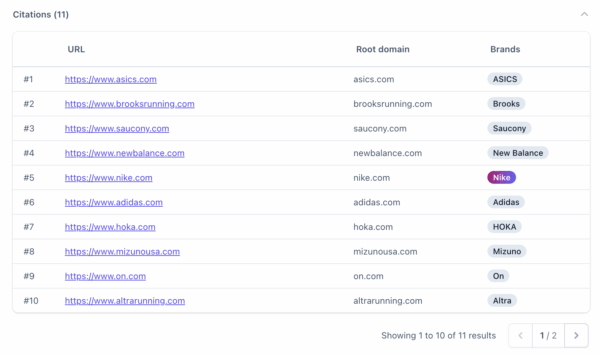
- Citations: Crucially, citations in the AI context refer to the sources that AI platforms explicitly reference when formulating an answer, rather than direct brand mentions within those sources. For example, if Gemini answers a query about “top investment platforms” and cites an article from The Wall Street Journal, The Wall Street Journal page is the citation. While a brand like Fidelity or Vanguard might be mentioned within that article, the citation itself is attributed to the publisher. However, appearing consistently within these high-authority, cited sources is paramount. If a brand is frequently featured in reputable industry publications, news outlets, or academic journals, it significantly increases the likelihood that AI systems will implicitly or explicitly surface that brand in their responses over time, leveraging the credibility of the underlying sources. Optimizing for citations involves a robust content strategy focusing on producing authoritative, research-backed content that other reputable sources would want to link to.
Strategic Imperatives for Enhanced AI Visibility
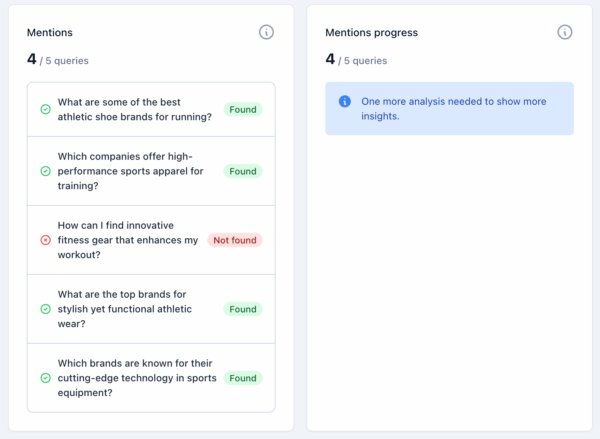
Leveraging the insights provided by tools like Yoast AI Brand Insights requires a multifaceted strategy. Brands must move beyond traditional SEO tactics and embrace a holistic approach that caters to the unique characteristics of AI-driven search.
- Publish Authoritative and Structured Content: LLMs prioritize well-structured, factually accurate, and unique content. Brands should invest in original research, surveys, case studies, and industry reports that offer unique data and expert opinions. Adopting the “inverted pyramid” structure, where the most crucial information is presented first, facilitates AI comprehension and extraction. Integrating statistics, expert quotes, and actionable insights strengthens content authority. For instance, a software company might publish “The 2024 State of SaaS Productivity Report,” positioning itself as an industry thought leader and providing AI platforms with valuable, citable data.
- Cultivate High-Authority Mentions and Citations: The more a brand is mentioned and its content cited on relevant, high-authority platforms (e.g., industry publications, news sites, reputable review aggregators like G2, Capterra, Trustpilot), the more likely it is to appear in AI responses. This requires a robust public relations strategy, guest posting on influential blogs, securing mentions in “top X lists,” and actively encouraging customer reviews. The key is relevance: a mention in a niche industry publication is far more valuable than a generic mention on an unrelated site.
- Optimize for Conversational Queries: AI platforms excel at understanding and answering natural language questions. Brands must adapt their content strategy to address these conversational queries directly. This means using question-focused headings (e.g., “Is [Your Brand] the Right Choice for Startups?”), targeting long-tail keywords that reflect how users speak (e.g., “best project management tool for remote teams in 2024” instead of “project management tool”), and creating comprehensive FAQ pages. Implementing schema markup, particularly FAQ and How-To schema, helps AI crawlers better understand the structure and intent of the content.
- Ensure Technical AI Crawlability and Indexability: Even the most authoritative content will remain invisible if AI crawlers cannot access it. Brands must ensure their websites are technically sound: fast-loading, mobile-friendly, with clean URLs, optimized meta tags, and alt text for images. Crucially, leveraging schema markup across the site provides AI with an “all-encompassing framework” to understand content relationships and context. Yoast SEO, for example, offers an
llms.txtfile feature, a proposed standard that helps direct AI crawlers to the most important content and ensures thatrobots.txtfiles aren’t inadvertently blocking AI access. - Engage Actively in Online Communities: LLMs are trained on and retrieve information from a wide array of online sources, including forums, social media, and community platforms like Reddit, Quora, and LinkedIn. Active and valuable participation in these communities can significantly improve brand visibility within AI responses. Brands should provide helpful, non-promotional answers to questions, share insights, and link to relevant content when appropriate. Establishing thought leadership on platforms like LinkedIn or X (formerly Twitter) by discussing industry trends and showcasing brand innovation can also contribute to a positive AI narrative.
Industry Reactions and Broader Implications
Marketing strategists and industry analysts are largely in agreement: the shift towards AI-driven search is not a fleeting trend but a fundamental reorientation of the digital landscape. “Brands that fail to adapt their visibility strategies for AI will find themselves increasingly marginalized,” notes a prominent digital marketing consultant. “It’s no longer just about being found; it’s about being recommended, understood, and trusted by AI systems that act as gatekeepers to consumer decisions.”
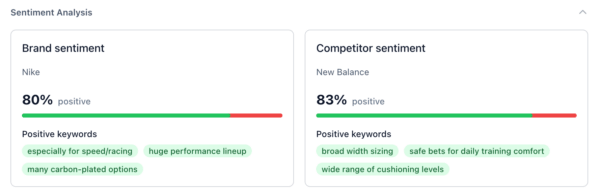
The implications extend beyond mere traffic metrics. This new environment demands a more sophisticated approach to brand reputation management. An AI’s summary of a brand, often presented as definitive advice, can shape public perception with unprecedented speed and scale. Therefore, proactive monitoring of AI-generated sentiment becomes a core component of brand health.
For competitive intelligence, AI visibility tools offer a new dimension. By benchmarking against competitors, brands can identify gaps in their own AI presence, analyze successful competitor strategies, and refine their messaging to stand out in AI recommendations. This allows for a more agile and data-driven approach to market positioning.
Conclusion: Seizing the AI-Driven Future
The future of brand visibility is undeniably AI-driven. Brands that embrace this reality early and proactively adapt their strategies will gain a significant competitive advantage, securing trust, credibility, and customer loyalty in an increasingly automated world. Ignoring this shift is akin to ignoring traditional SEO two decades ago – a path to irrelevance.
Yoast AI Brand Insights offers a vital toolkit for navigating this complex new frontier. By providing clear metrics for AI visibility, sentiment, and competitive standing, it empowers brands to:
- Measure and improve their brand’s presence in AI answers.
- Track sentiment and actively manage their brand narrative.
- Benchmark against competitors and identify strategic opportunities.
- Optimize content and technical infrastructure for AI comprehension.
The time to act is now. Brands must run their initial AI visibility scans, identify their weak spots, implement targeted strategies, and continuously monitor their progress. The proactive management of AI visibility is no longer optional; it is a strategic imperative for any brand seeking to thrive in the digital economy of tomorrow.