

Email marketers consistently grapple with a pivotal question: what is the optimal time to dispatch newsletters and promotional campaigns to achieve peak engagement? The precise timing of email sends is a critical determinant of both open rates and click-through rates (CTR), profoundly influencing the overall efficacy of an email marketing strategy. With inboxes becoming increasingly saturated, understanding the nuanced factors that govern recipient behavior is paramount for digital marketers seeking to cut through the noise. This article delves into current research and expert recommendations for identifying the best days and times to send emails, alongside broader strategies for enhancing email marketing performance.
The Evolving Landscape of Email Engagement
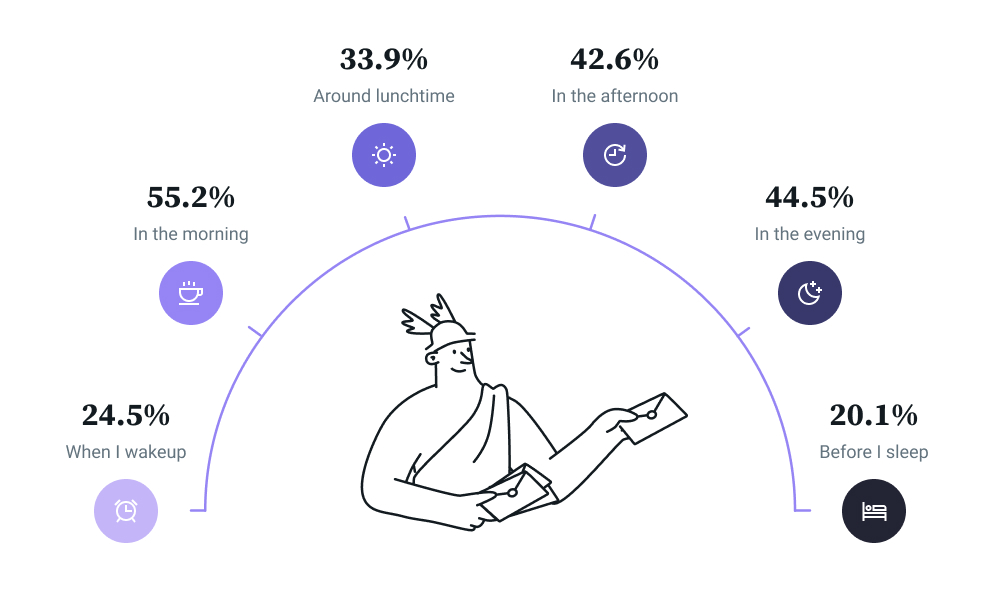
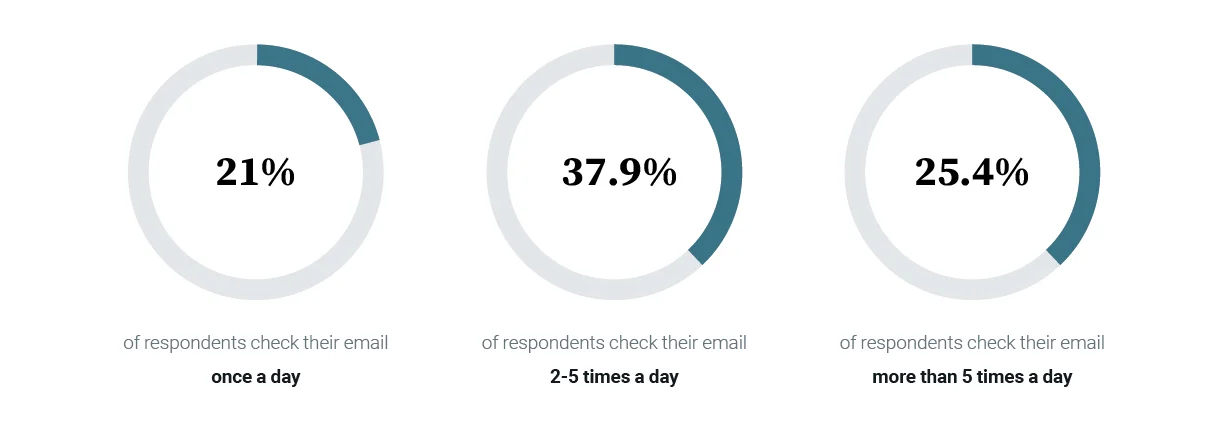
The digital inbox, far from being a static repository, is a dynamic environment where messages compete for immediate attention. In an era dominated by instant communication and constant connectivity, the timing of an email can mean the difference between being read promptly or languishing unopened. Historically, marketers relied on general benchmarks, but recent data underscores the complexity of consumer habits, necessitating a more data-driven and segmented approach. The proliferation of mobile devices has further blurred traditional boundaries, allowing individuals to access their emails virtually anytime, anywhere. However, as highlighted in Mailjet’s Email Engagement Report 2024, while 63.3% of users interact with personal mailboxes multiple times throughout the day, the mere act of checking an email does not equate to a capacity or willingness to engage with its content. This distinction is crucial; recipients may scan their inbox during a commute, but reserve deeper engagement for more opportune moments.
Unpacking Optimal Sending Times: A Deep Dive into Hourly Data
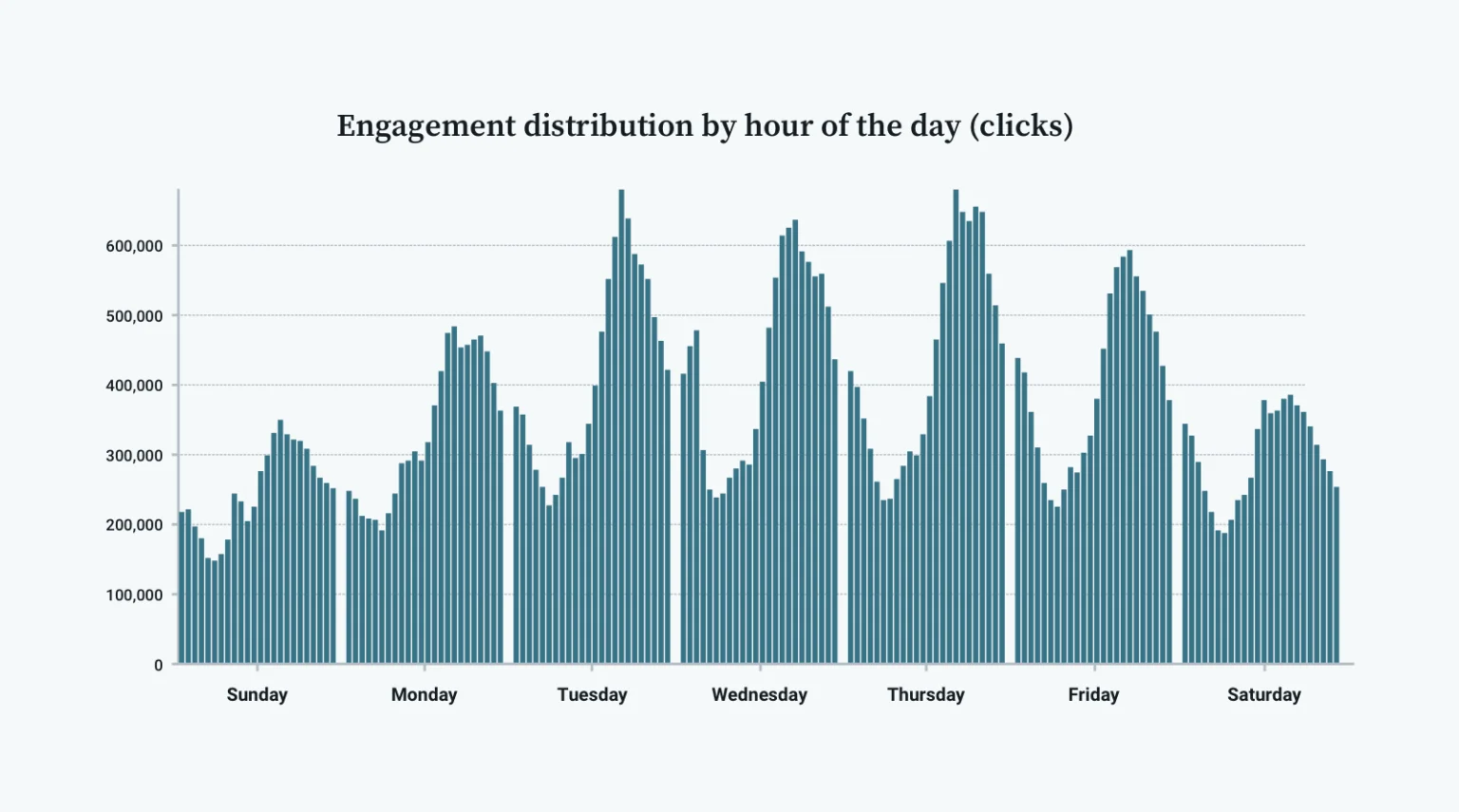
Initial industry advice often pointed towards a broad window between 9 AM and 12 PM as the sweet spot for email delivery. While this remains a reasonable starting point, detailed analysis reveals a more intricate picture. Research conducted by Sinch Mailgun, analyzing billions of emails sent by their customers, indicates a global peak in email engagement around 15:00 UTC (Coordinated Universal Time). This specific hour consistently registered the highest click-to-open ratios, signifying that both opens and subsequent clicks were concentrated around this period.
It is imperative for marketers to accurately convert 15:00 UTC to their target audience’s local time zones. For instance, during summer months, 15:00 UTC translates to 11 AM Eastern Standard Time (EST) in the United States. This conversion highlights that the "optimal" time is not a fixed clock hour globally but rather a relative point in the recipient’s day. The rationale behind this mid-morning or early afternoon peak often stems from recipient behavior during typical workdays. Many professionals check their emails upon arriving at work, again before or during lunch breaks, and then perhaps once more in the mid-afternoon. For personal emails, the mid-morning could represent a moment of respite after handling initial work tasks, or a period where individuals have transitioned from morning routines to more focused engagement.
The hourly data further illustrates fluctuating engagement levels throughout the day. While early morning hours (e.g., 6 AM – 8 AM local time) might see initial bursts of activity as people begin their day, the capacity for meaningful engagement – reading and clicking – often strengthens a few hours later. Conversely, late evening hours, while potentially seeing a final check before bed, typically exhibit lower engagement for marketing content, as recipients are often winding down and less inclined to act on promotional messages.
Weekly Cadence: Identifying the Best and Worst Days
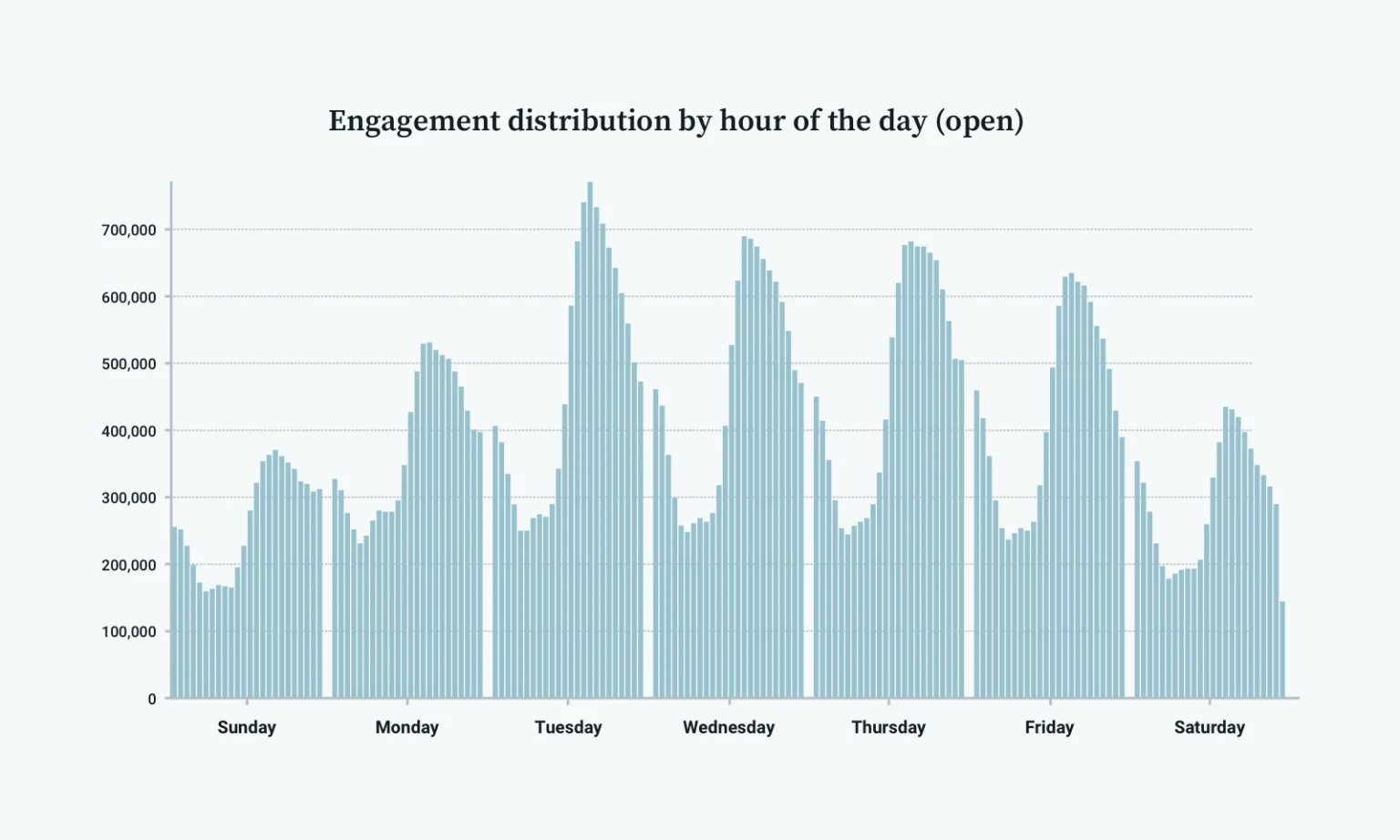
Beyond the hour, the day of the week plays an equally significant role in email campaign performance. General consensus and specific studies, including the aforementioned Sinch Mailgun research, consistently point to a mid-week advantage for email engagement.
The Best Days for Email Engagement:
Data robustly supports that Tuesdays, Wednesdays, and Thursdays are the prime days for sending email newsletters and marketing campaigns. These days exhibit the highest open rates and click-through rates. Tuesdays and Thursdays often slightly outperform Wednesdays, suggesting a powerful midweek window. For marketers planning multiple sends per week, a strategic combination of Tuesday and Thursday is often recommended. This approach allows for optimal spacing, preventing audience fatigue that might arise from sending on consecutive days like Tuesday and Wednesday, or Wednesday and Thursday.
The effectiveness of midweek sends can be attributed to several factors. On Tuesdays, individuals have typically settled into their work week, having addressed Monday’s backlog, and are generally more receptive to new information or offers. By Thursday, the week’s momentum is still strong, but the looming weekend can create a sense of urgency for planning or purchasing.
The Worst Days for Email Engagement:
Conversely, Saturdays and Sundays consistently rank as the lowest-performing days for email engagement. During weekends, individuals are typically disengaged from work-related tasks and often prioritize leisure, family time, or personal errands. Marketing emails, particularly those with a professional or transactional tone, are unlikely to be a priority. While there might be exceptions for highly specific, lighthearted content tailored for weekend consumption (e.g., entertainment guides, weekend activity promotions), a general rule of thumb for most businesses is to avoid weekend sends.
Mondays and Fridays present a more nuanced scenario. Traditionally, both days have been viewed with caution by marketers. Mondays are often characterized by a deluge of emails accumulated over the weekend and a focus on planning the week ahead, leading to lower receptivity for new marketing messages. Fridays, on the other hand, see a gradual decline in engagement as individuals mentally transition to the weekend. However, recent research indicates that Fridays often outperform Mondays in terms of open and click-through rates. This shift suggests that while Friday engagement might not match midweek peaks, it offers a potentially less competitive inbox environment compared to the Monday morning rush. Marketers might find success on Fridays by sending content that aligns with weekend planning or provides a positive end-of-week note.
Geographical and Cultural Nuances: A Global Perspective
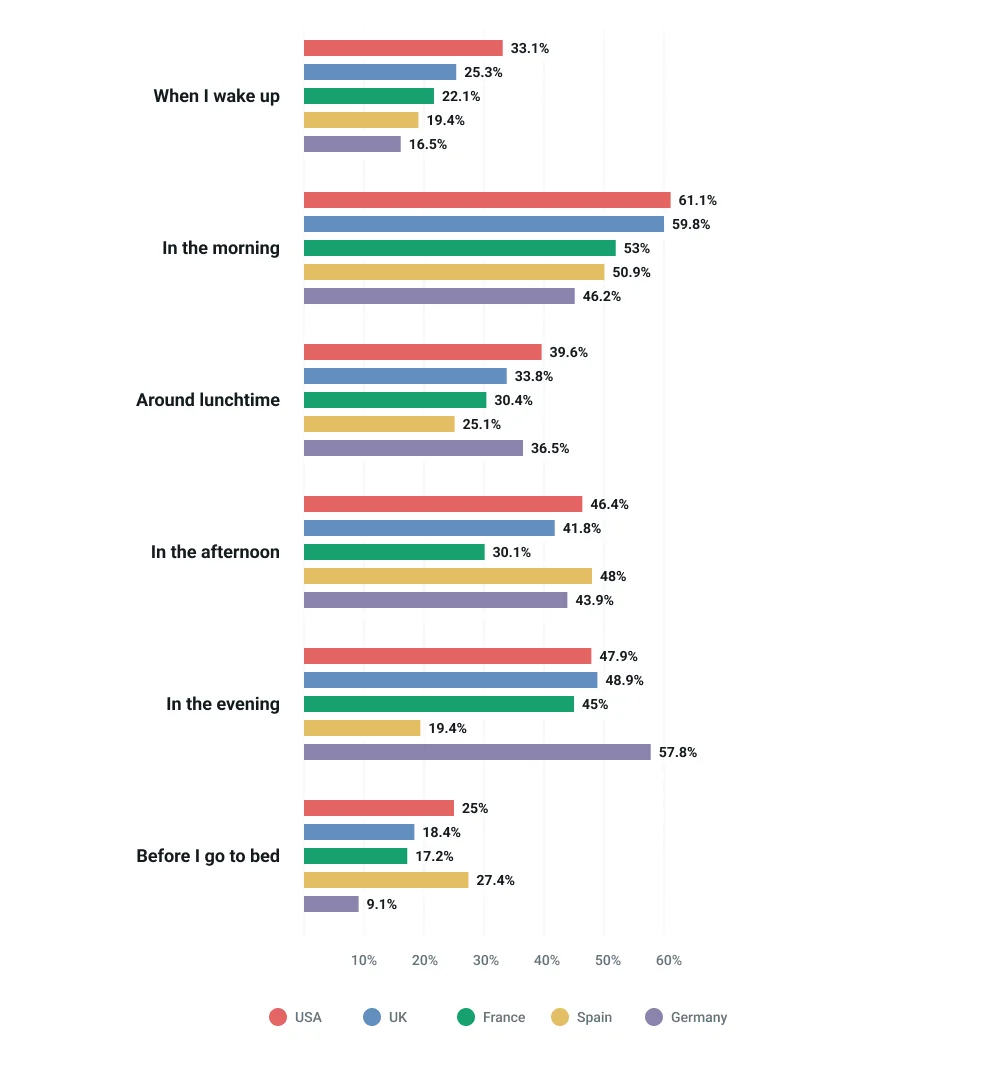
The "best time" is far from universal. Email engagement patterns are deeply influenced by geographical location and cultural habits. Mailjet’s Email Engagement Report highlights significant disparities in how different countries interact with their inboxes. For instance, German customers show a strong preference for checking emails in the early evening, with 57.8% opening messages at this time. In stark contrast, only 19.4% of Spanish recipients engage during the same period. Conversely, 27.4% of Spanish participants reported checking emails late in the evening before bed, a habit observed by only 9.1% of Germans.
These variations underscore the critical need for audience segmentation based on geographical location. A blanket sending schedule across multiple time zones or culturally diverse audiences is likely to yield suboptimal results in certain regions. Factors such as typical work hours, national holidays, daily routines, and even the prevalence of mobile internet usage can all contribute to these distinct engagement patterns. Marketers operating internationally must invest in understanding these local behaviors and tailor their sending schedules accordingly, rather than relying on a single global benchmark. Utilizing tools that allow for timezone-optimized sending is essential for multinational campaigns.
B2B vs. B2C: Differentiated Strategies for Diverse Audiences
The distinction between Business-to-Business (B2B) and Business-to-Consumer (B2C) audiences is fundamental to effective email timing. Professionals engage with their work inboxes differently than consumers interact with personal accounts.
B2B Email Engagement:
B2B emails are typically opened and acted upon during standard business hours. The highest engagement usually occurs from Tuesday to Thursday, between 9 AM and 4 PM local time. Professionals are generally focused on work-related tasks during these hours, making them more receptive to content that offers professional value, industry insights, or solutions to business challenges. Sending B2B emails too early (before work starts) or too late (after work hours) often results in lower engagement, as these periods are typically reserved for personal matters or commuting. Mondays are often busy with planning, and Fridays see professionals winding down, making them less ideal for complex B2B content.
B2C Email Engagement:
B2C email engagement is more varied and often extends beyond traditional work hours. Consumers tend to check personal emails during breaks, commutes, evenings, and even weekends, depending on the nature of the content. While mid-morning and early afternoon on weekdays still perform well for many B2C campaigns, there is often significant engagement in the early evening (e.g., 5 PM – 8 PM local time) when people are home and relaxing. Weekends, while generally poor for B2B, can sometimes be effective for certain B2C segments, particularly for content related to leisure, shopping, or personal development. For instance, an e-commerce brand promoting weekend deals might find success on a Saturday morning, whereas a financial service offering investment advice would likely perform better mid-week.
The core principle here is to align the email’s content and purpose with the recipient’s likely state of mind and availability. Marketers must ask: When is my target audience most likely to be receptive to this specific message? What are their daily routines? Do they check emails on their commute, during lunch, or after dinner? Defining detailed marketing personas that include insights into email habits is invaluable for crafting a truly effective B2B or B2C email strategy.
Why Email Sending Time Matters: Beyond Just Opens
The importance of email sending time extends far beyond merely boosting vanity metrics like open rates. Strategic timing directly impacts the overall effectiveness and return on investment (ROI) of email marketing efforts.
- Visibility in a Crowded Inbox: Emails sent at optimal times are more likely to appear at the top of a recipient’s inbox when they are actively checking. Given the sheer volume of daily emails, this immediate visibility is crucial for standing out.
- Recipient Receptiveness and Capacity to Act: Timing influences the recipient’s psychological state. Sending an email when a user is stressed or busy makes them less likely to engage meaningfully. Conversely, sending it when they are relaxed and have time to focus increases the likelihood of them reading, clicking, and converting. As one study quoted, "86.4% of respondents say having time to read an email is an important factor in determining whether to open it."
- Improved Open and Click-Through Rates: Directly impacts the primary engagement metrics, which are indicators of content relevance and audience interest. Higher rates suggest the message is reaching the right person at the right time.
- Enhanced Conversion Rates: Ultimately, the goal of most marketing emails is to drive a specific action – a purchase, a sign-up, a download. Better timing leads to better engagement, which in turn correlates with higher conversion rates.
- Better Deliverability and Sender Reputation: High engagement rates signal to Internet Service Providers (ISPs) that your emails are valuable, positively impacting your sender reputation and ensuring future emails bypass spam filters. Conversely, low engagement can lead to emails being marked as spam.
- Reduced Unsubscribe Rates: When emails are consistently sent at inconvenient times, recipients may feel overwhelmed or annoyed, leading to increased unsubscribe rates.
By understanding customer behavior, habits, and time zones, marketers can ensure their messages are seen and acted upon, maximizing the impact of their carefully crafted campaigns.
Methodology: How to Determine Your Best Sending Time
While general benchmarks provide a valuable starting point, the ultimate "best time" is unique to each brand and its specific audience. A systematic approach is required to pinpoint these optimal moments.
-
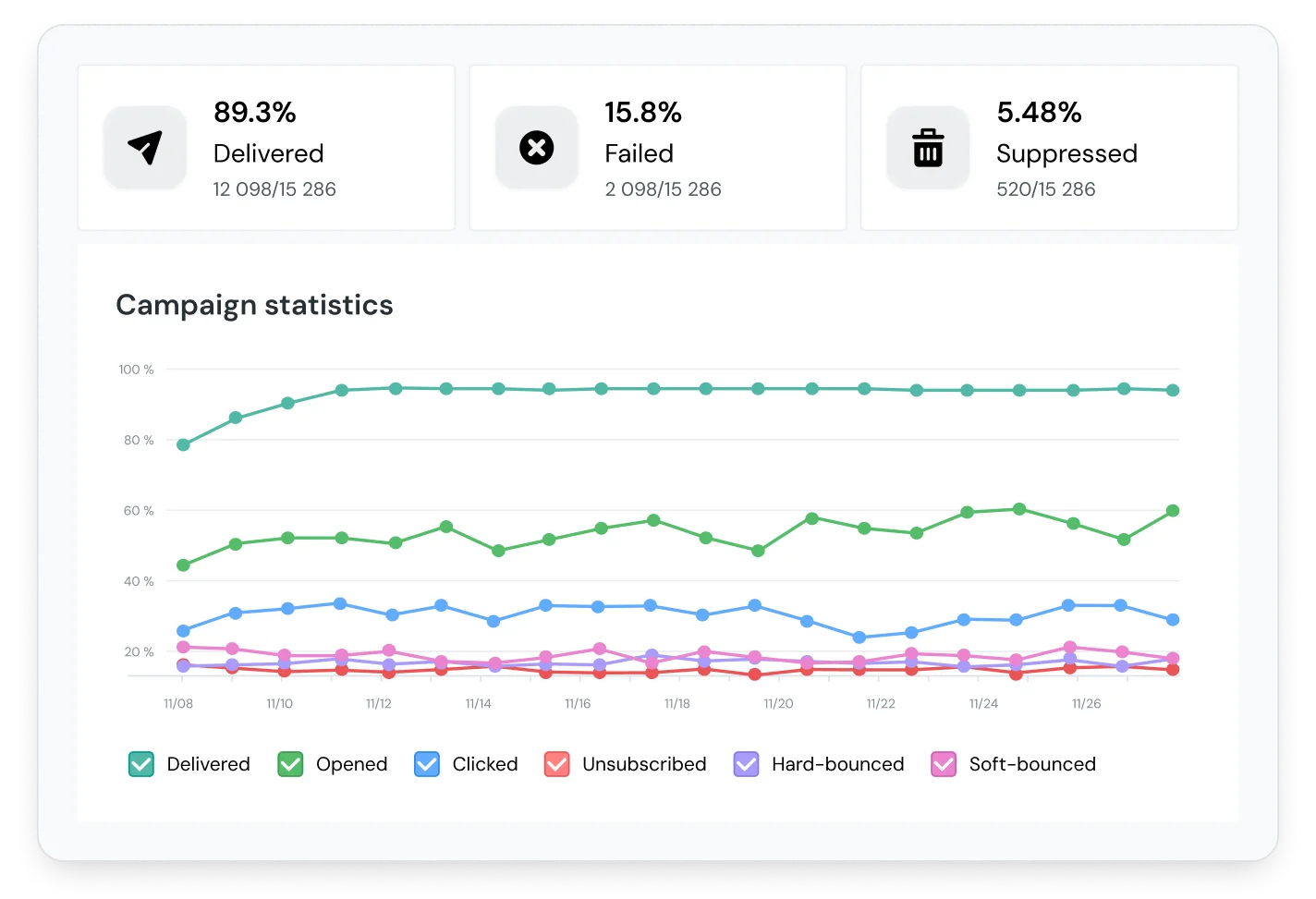
Leverage Your Email Service Provider (ESP) Data: The most immediate and relevant data lies within your own ESP’s analytics dashboard. Platforms like Mailjet provide detailed statistics on past campaign performance, including hourly and daily breakdowns of open and click rates. Marketers should regularly review these dashboards to identify existing patterns of high engagement for their specific subscriber lists. This treasure trove of historical data can reveal precise moments when your audience is most active.
- Actionable Step: Go to your campaign reports, filter by day, and then analyze the hourly performance graphs. Look for consistent peaks.
-
Implement A/B Testing (Split Testing): A/B testing is indispensable for refining sending times. This involves sending variations of a campaign to different segments of your audience and comparing their performance.
- Methodology: For instance, to test the optimal time for a weekly newsletter, divide your list into segments. In week one, send to segment A at 10 AM, segment B at 1 PM, and segment C at 9 PM. Analyze the results. In subsequent weeks, iterate on the best-performing times or test new hypotheses.
- Advanced Testing: Consider multivariate testing for more complex scenarios, although A/B testing is a solid foundation. You can also A/B test days of the week.
- Example: Send a campaign to half your list in the early morning and the other half in the afternoon. Compare open rates, click rates, and even conversion metrics to identify the stronger performer.
-
Audience Segmentation: Go beyond basic demographics. Segment your audience by:
- Geographical Location/Time Zone: Essential for global audiences.
- Past Engagement Behavior: Group subscribers who typically open emails in the morning versus those who open in the evening.
- Demographics: Different age groups or professions may have distinct email habits.
- Industry/Role (for B2B): Executives might check emails at different times than front-line employees.
- Content Preference: Some segments might be more receptive to promotional emails at specific times, while informational content might be better received at others.
-
Consider Content Type and Campaign Goal: The nature of the email itself can dictate optimal timing.
- Promotional Offers/Sales: Might perform well during lunch breaks or early evenings when people have leisure time.
- Informational Newsletters/Blog Updates: Could be effective mid-morning when recipients are looking for industry news or professional development.
- Transactional Emails (e.g., shipping confirmations, password resets): These are expected and opened immediately, making timing less critical for engagement but important for deliverability.
- Event Invitations: Often best sent mid-week, allowing recipients time to plan.
-
Consistency vs. Adaptability:
- Consistency: For regular newsletters or recurring campaigns, establishing a consistent sending day and time builds anticipation and trust. Your audience will come to expect your content, making them more likely to seek it out.
- Adaptability: During holidays, special events, or major industry shifts, do not hesitate to deviate from your usual schedule. Prioritizing higher engagement by adapting to changed circumstances is always preferable to rigid adherence to a schedule that yields poor results. For example, a holiday sale email might perform better on a Sunday afternoon than on a Tuesday morning if that’s when your audience is planning holiday purchases.
Broader Implications for a Holistic Email Marketing Strategy
Optimizing send times is one crucial component of a comprehensive email marketing strategy. Its effectiveness is amplified when integrated with other best practices:
- Compelling Subject Lines: Even the perfectly timed email needs a captivating subject line to entice opens.
- Personalization: Tailoring content to individual preferences further boosts engagement.
- Mobile Optimization: Given the prevalence of mobile email checking, ensuring emails are responsive and load quickly on all devices is non-negotiable.
- Email List Hygiene: Regularly cleaning your email list to remove inactive subscribers improves deliverability and ensures your engagement metrics are based on an active audience.
- Integration with Other Channels: Email marketing should not operate in a silo. Integrate it with social media, CRM, and website analytics for a unified customer experience.
Conclusion
In the dynamic realm of digital marketing, the adage "timing is everything" holds profound truth for email campaigns. While general benchmarks, such as mid-week and mid-morning, provide a valuable starting point, the true power lies in a data-driven, audience-centric approach. Marketers must move beyond simplistic assumptions and embrace the complexity introduced by geographical variations, cultural nuances, and the distinct behaviors of B2B versus B2C audiences.
By diligently analyzing internal ESP data, systematically conducting A/B tests, segmenting audiences effectively, and aligning send times with content goals, businesses can unlock significantly higher open rates, click-through rates, and ultimately, conversions. The journey to perfect email timing is continuous, requiring ongoing experimentation and adaptation. Advanced email marketing platforms, such as Mailjet, offer the tools—including segmentation, A/B testing, campaign comparison, and detailed email statistics—to empower marketers in this endeavor, transforming the challenging question of "when to send" into a strategic advantage in the crowded digital landscape.








