
 rifanmuazin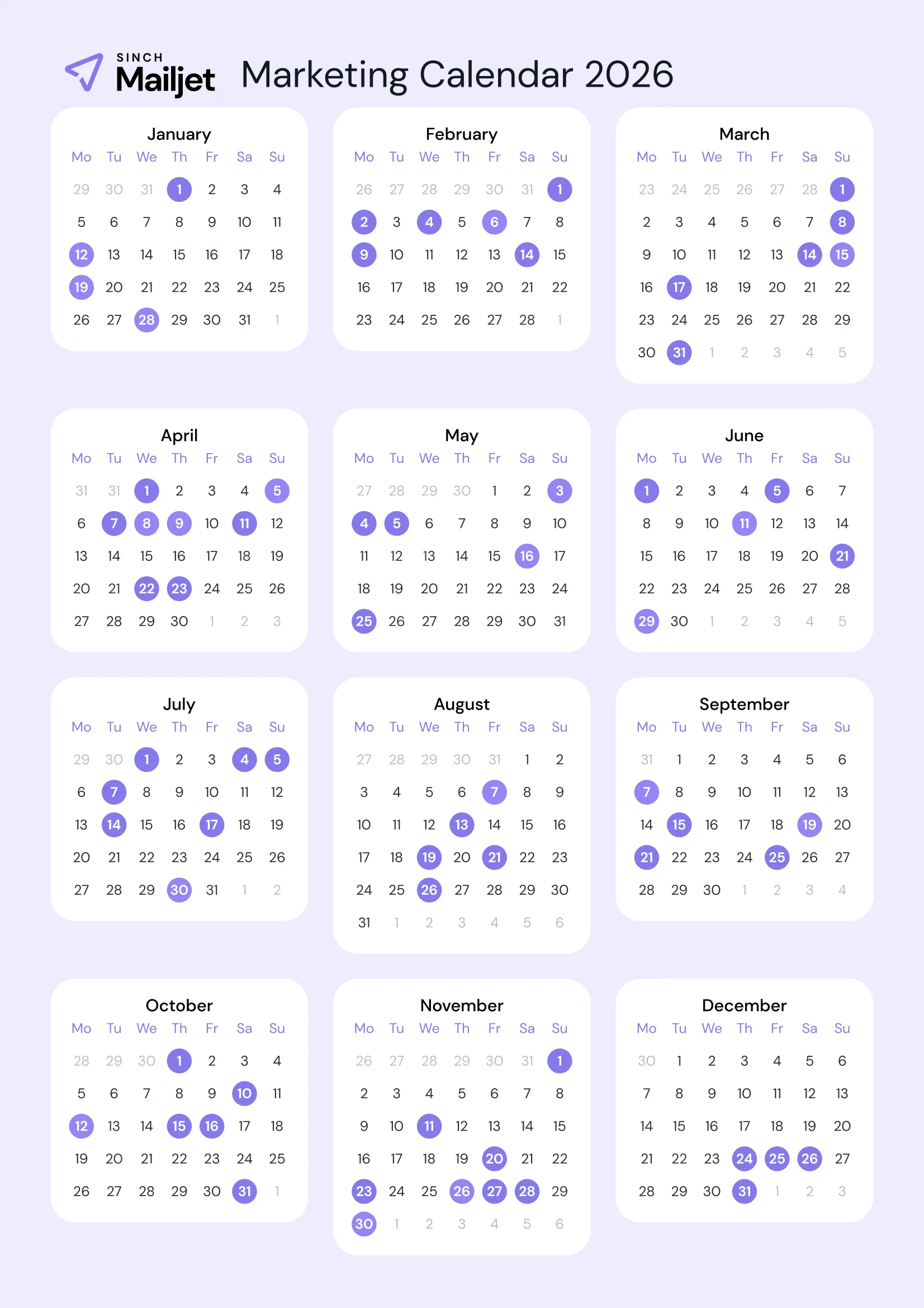
As 2025 draws to a close and the first quarter of 2026 rapidly approaches, businesses worldwide are turning their attention to the crucial task of forging a robust and impactful marketing strategy for the coming year. The period immediately following the festive season, often perceived as a lull, is in fact a pivotal moment for laying the groundwork for sustained engagement and growth. For marketing professionals, the creation of a winning strategy for 2026 is likely a top priority, demanding foresight, meticulous planning, and a deep understanding of evolving consumer behaviors and market dynamics. This detailed guide offers an essential recap of key dates and strategic considerations, complemented by a downloadable 2026 Marketing Calendar, designed to empower marketers in charting their course for the year ahead.
The Strategic Imperative of a 2026 Marketing Calendar
While some may mistakenly believe that the implementation of a marketing strategy represents the most arduous phase, industry veterans understand that the true heavy lifting occurs much earlier. The effective execution of a campaign is, in essence, the culmination of a meticulously planned process. The foundational work—defining clear objectives, establishing actionable priorities, and conducting thorough market research—is where the real effort lies. Proactive planning, encompassing every stage of strategy development, significantly mitigates potential issues down the line, ensuring smoother operations and more predictable outcomes.
In an era characterized by rapid technological advancements and unpredictable global events, the ability to adapt communication strategies is paramount. Recent years have underscored the necessity for brands to remain agile, capable of pivoting their messaging to resonate with target audiences and maximize marketing efficacy. A comprehensive marketing calendar serves as an indispensable tool, enabling businesses to anticipate key moments, allocate resources effectively, and maintain a consistent brand voice across all touchpoints.
Crafting a Robust Marketing Strategy and Plan
Before delving into specific dates, a foundational strategic framework must be established. Marketers should pose critical questions: What are the overarching business goals for 2026? Who is the primary target audience, and what are their evolving needs and preferences? What resources (budget, personnel, technology) are available? And crucially, how will success be measured?

Goal Setting and Prioritization: The journey begins with setting SMART (Specific, Measurable, Achievable, Relevant, Time-bound) goals. These might include increasing brand awareness, driving sales conversions, enhancing customer loyalty, or expanding into new markets. Prioritizing these goals allows for focused resource allocation and avoids the pitfalls of diffuse efforts. Market research, including competitor analysis and trend forecasting, provides the necessary data to inform these objectives, ensuring they are grounded in reality and poised for impact.
Promotional Frameworks: A year is replete with special dates, holidays, and distinct marketing windows. Deciding which promotions—be it special deals, product launches, or seasonal sales—to build marketing activities around is a critical decision. This choice must align directly with established strategic goals. Misaligned promotional strategies can severely impact Key Performance Indicators (KPIs), leading to wasted effort and missed opportunities.
For holiday or special day marketing campaigns, a multi-stage approach is highly recommended:
- Pre-launch/Teaser Phase: Generate excitement and anticipation through early announcements, sneak peeks, or countdowns.
- Launch Phase: Execute the main campaign with clear calls to action, prominent offers, and seamless user experiences.
- Sustain Phase: Maintain momentum with follow-up communications, complementary offers, or content that reinforces the campaign’s message.
- Post-campaign Analysis: Evaluate performance against KPIs, gather insights, and identify areas for improvement in future campaigns.
Optimizing Channel Selection: The Omnichannel Advantage
Once the marketing strategy and promotional offerings are defined, the focus shifts to disseminating messages effectively to the target audience. For special date promotions, an omnichannel approach is increasingly recognized as the most effective strategy. Omnichannel campaigns, which seamlessly integrate various channels such as in-store experiences, online platforms, social media, SMS marketing, and email marketing, offer a holistic customer journey. This integrated approach allows for diverse engagement methods and provides numerous opportunities for upselling and cross-selling, enhancing customer lifetime value.
While a multitude of channels are available, strategic selection is key. Not every channel is suitable for every business or product; for instance, leveraging TikTok for dental implant sales might be a stretch. However, certain channels remain indispensable for most businesses. Email marketing, in particular, continues to demonstrate exceptional return on investment (ROI), with industry reports consistently showing figures ranging from $35 to $40 for every dollar spent. Its enduring appeal lies in its capacity for deep personalization, precise segmentation, and robust optimization through detailed analytics. A significant advantage of email is the persistence of marketing messages in contacts’ inboxes, providing a readily accessible resource for promo codes or store information when the consumer is ready to act.
Leveraging Technology for Calendar Management
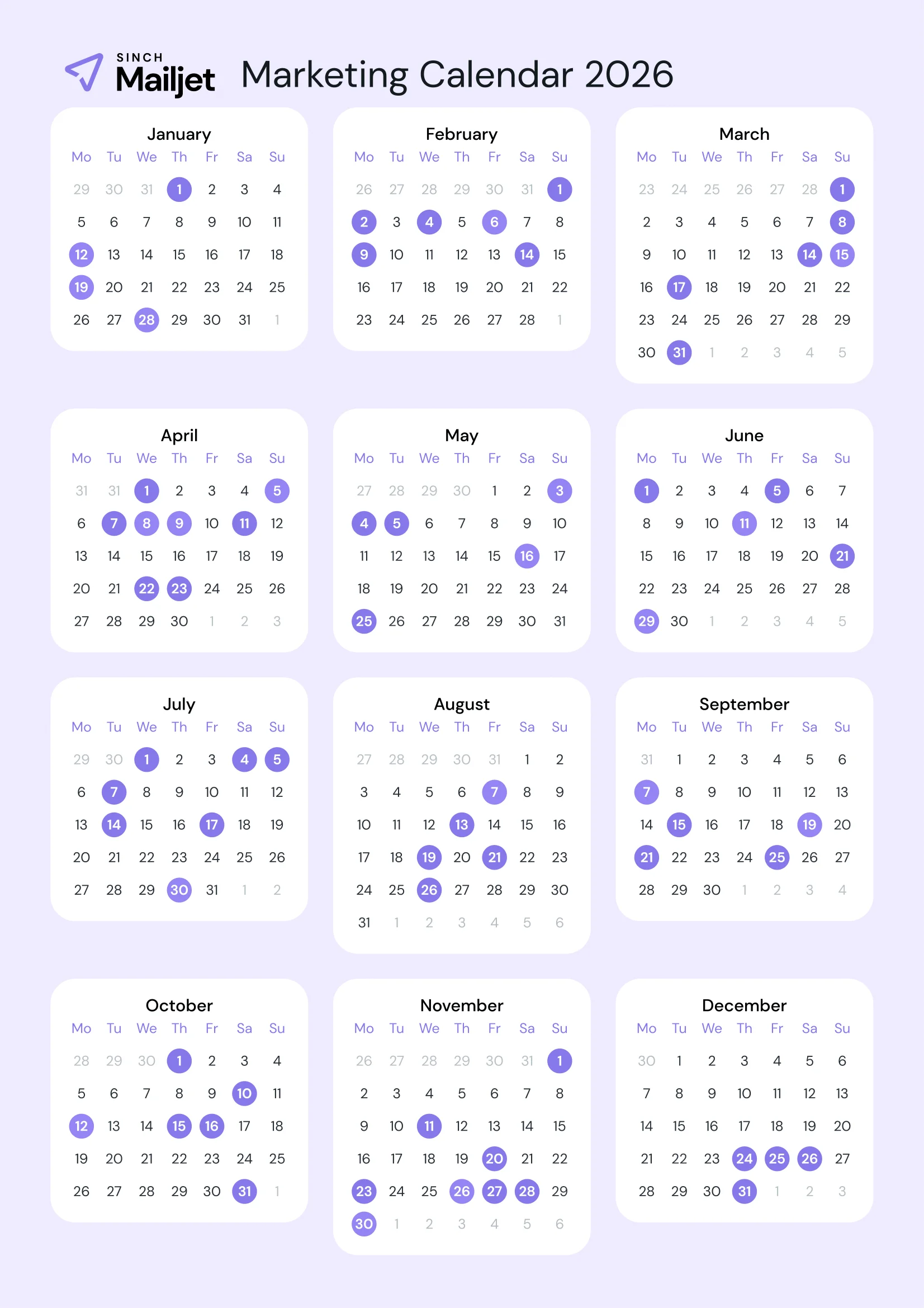
No marketer can realistically retain every significant date and strategic detail in their memory. Modern organizational and project management tools are essential for freeing up mental space and streamlining operations.
- Project Management Platforms (e.g., Asana, Trello, Monday.com): Facilitate task assignment, deadline tracking, and team collaboration across various campaigns.
- Content Calendars (e.g., Google Calendar, specialized marketing calendar tools): Provide a visual overview of all scheduled content, campaigns, and key dates.
- Customer Relationship Management (CRM) Systems: Integrate customer data with marketing activities, enabling personalized communications and tracking customer journeys.
- Marketing Automation Platforms: Automate email sequences, social media posts, and other repetitive tasks, ensuring timely execution and consistent engagement.
- Analytics Tools: Monitor campaign performance in real-time, allowing for agile adjustments and data-driven decision-making.
These tools are crucial for planning and scheduling campaigns precisely, ensuring that marketing efforts align perfectly with the rhythms of the year.
A Month-by-Month Guide to the 2026 Marketing Landscape
This section outlines key dates in the 2026 marketing calendar, offering insights and strategic considerations for each month.
January: Resolutions and Rejuvenation
January is synonymous with new beginnings, personal goal setting, and the post-holiday detox. Marketers should capitalize on the prevailing sentiment of self-improvement and fresh starts. Campaigns can focus on products or services that support New Year’s resolutions, such as fitness equipment, educational courses, financial planning tools, or wellness programs.
- New Year’s Day (January 1): Send well wishes and introduce “new year, new you” promotions.
- Winter Sales (Ongoing): Leverage traditional European winter sales to clear inventory and attract deal-seekers.
- Blue Monday (Third Monday in January): Counter the “most depressing day of the year” with uplifting content, self-care product promotions, or mood-boosting offers.
- Implication: Early January sees high engagement for products and services related to personal growth and efficiency. Data suggests consumers are highly receptive to offers that promise betterment.
February: Love, Legacy, and Large Audiences
February brings a blend of cultural observance and major commercial opportunities.
- Black History Month (Throughout February): A critical period for brands to demonstrate commitment to diversity and inclusion. Campaigns should highlight Black voices, stories, and contributions, both within the company and in broader society, fostering genuine engagement and demonstrating corporate social responsibility.
- Valentine’s Day (February 14): A significant retail event. In 2025, US consumers were projected to spend an estimated $27.8 billion. Campaigns should offer gift guides, personalized promotions for loved ones, and experiences. Crucially, offer an opt-out option for sensitive subscribers who may find the day difficult.
- Super Bowl (First or second Sunday in February): While a US event, its global reach through digital platforms offers immense marketing potential. In 2025, spending on Super Bowl-related items (food, decorations, apparel) was around $18.6 billion, with an average spend of $91.58 per person. Brands can run themed promotions, contests, and real-time engagement during the game.
- Implication: February demands a dual approach: sensitive, value-driven campaigns for cultural events and high-impact, revenue-focused promotions for commercial holidays.
March: Empowerment and Spring Celebrations
March focuses on women’s empowerment and important religious observances.
- Women’s History Month (Throughout March) / International Women’s Day (March 8): An opportunity to celebrate women’s achievements, share stories of female leaders within the organization, and promote initiatives supporting gender equality.
- Ramadan (Starts early March in 2026): For the 1.9 billion Muslims worldwide, Ramadan is a deeply significant period. Marketing should be respectful, culturally sensitive, and focus on community, reflection, and giving. Tailored offers for Eid al-Fitr (at the end of Ramadan) can be highly effective.
- World Wildlife Day (March 3): Promote environmental awareness and sustainable products.
- International Transgender Day of Visibility (March 31): Show support for the transgender community through inclusive messaging and actions.
- St. Patrick’s Day (March 17): A fun, festive occasion for themed promotions and engaging content, often with a focus on community and celebration.
- Implication: March requires careful navigation of cultural and social sensitivities while still capitalizing on celebratory consumer moods.
April: Renewal and Responsibility
April ushers in spring, religious holidays, and a focus on environmental consciousness.
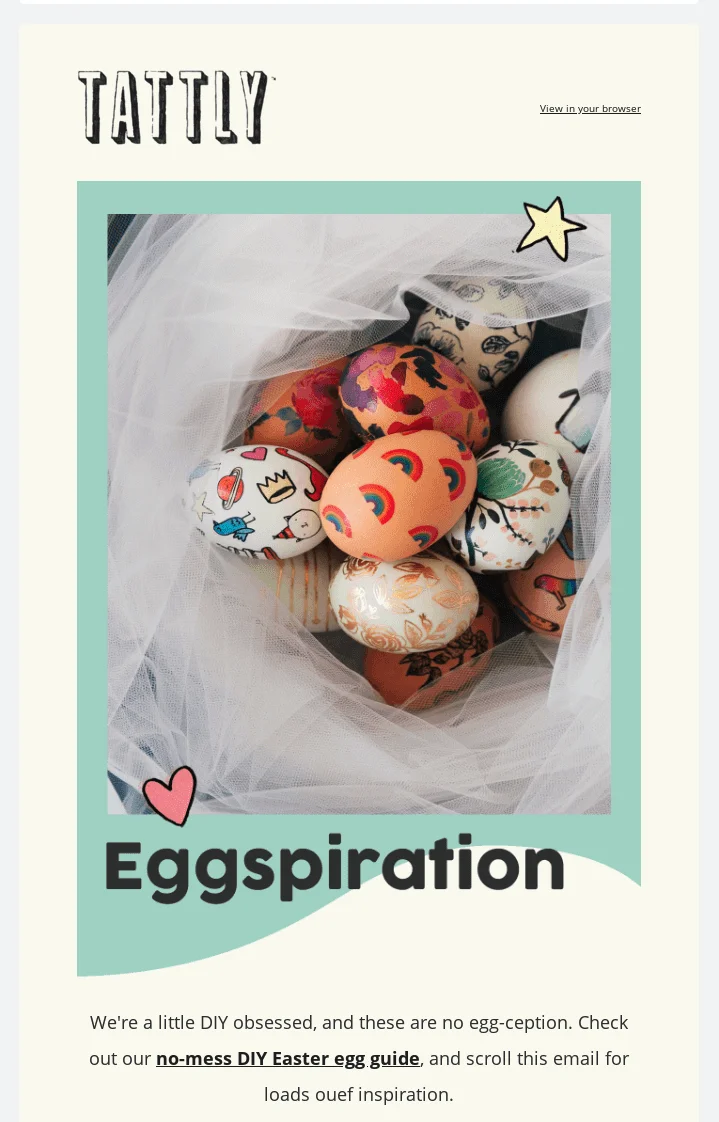
- Easter (Early April in 2026): A versatile holiday with both religious and commercial significance. Campaigns can range from traditional family-focused promotions (chocolate, gifts) to creative “Easter egg hunts” within digital content to boost engagement.
- April Fools’ Day (April 1): An opportunity for lighthearted, humorous content that showcases brand personality, but always with caution to avoid misleading or offending.
- Earth Day (April 22): A crucial date for promoting sustainability, eco-friendly products, and corporate environmental initiatives. Brands can share their green efforts and encourage conscious consumerism.
- Implication: April allows for a mix of playful, celebratory, and socially responsible campaigns, fostering diverse connections with audiences.
May: Galactic Fun and Maternal Appreciation
May presents unique opportunities for pop culture engagement and honoring mothers.
- Star Wars Day (May 4 – “May the Fourth be with you”): A major social media event. Brands can leverage this pop culture phenomenon with themed content, product tie-ins, and engaging social campaigns.
- Mother’s Day (Varies by country, often second Sunday in May): A significant retail holiday for gifts and experiences. Campaigns should be heartfelt and focus on appreciation. As with Valentine’s Day, providing an opt-out for subscribers who find this day sensitive is a best practice.
- Eurovision Song Contest (Mid-May): An international entertainment event with a large, engaged audience, particularly in Europe. Brands can tap into the excitement with themed promotions or social media commentary.
- May Day / International Workers’ Day (May 1): A time to acknowledge labor and offer promotions that resonate with working professionals, or for local businesses to connect with their communities.
- Implication: May emphasizes tailored messaging, balancing lighthearted engagement with deeply personal celebrations, and demonstrating empathy.
June: Summer Shifts and Pride Celebrations
June marks the transition to summer, often bringing a shift in consumer behavior, alongside important social observances.
- Pride Month (Throughout June): A vital period for supporting the LGBTQ+ community. Campaigns should be authentic, inclusive, and demonstrate genuine allyship, not just rainbow-washing. This includes showcasing diverse representation and supporting LGBTQ+ organizations.
- Father’s Day (Third Sunday in June in many countries): Similar to Mother’s Day, focus on gift ideas, experiences, and appreciation. An opt-out option is also recommended here.
- Wimbledon (Late June/Early July): A prestigious tennis tournament offering opportunities for sports-related marketing, particularly for premium brands.
- Summer Sales Slump: Many companies experience a dip in sales as consumers prioritize vacations and outdoor activities over online shopping. Marketers should adapt their strategies by focusing on engagement, content marketing, and building anticipation for Q3/Q4, rather than interrupting campaigns entirely. This is an ideal time to stand out from competitors with creative, value-driven content.
- Implication: June requires adaptability; maintaining engagement during a slower period and authentically participating in crucial social movements.
July: Mid-Year Momentum and Sporting Spectacles
July is the heart of the summer holiday season, but it’s also packed with major sporting events.
- Fourth of July (July 4, USA): A significant patriotic holiday for themed sales and celebrations in the United States.
- Tour de France (Early July): A major cycling event with a global following, presenting opportunities for sports and wellness brands.
- Wimbledon Final (Early July): Culmination of the tennis tournament, drawing significant viewership.
- FIFA Club World Cup Final (Mid-July in 2025, likely similar in 2026): A major international football event, attracting a massive global audience for sports brands, entertainment, and related products.
- Emoji Day (July 17): A fun, digital-focused day for engaging content that showcases brand personality and modern communication trends.
- Implication: Despite the holiday season, July offers multiple touchpoints through major sports and national celebrations, demanding targeted and timely campaigns.
August: Winding Down Summer, Ramping Up Engagement
August is often a slower month as summer peaks, but it’s also a crucial time for preparing for the back-to-school and Q4 rush.
- Back-to-School Preparations (Late August): While officially starting in September, late August sees many families begin preparations. Marketers can start teasing back-to-school offers for supplies, apparel, and educational services.
- Re-engagement Campaigns: As people return from vacations, it’s an ideal time to re-engage contacts who might have missed earlier summer offers.
- Email Segmentation: Utilize segmentation to target contacts based on past behavior (e.g., those who haven’t opened emails recently) with tailored “welcome back” or “catch up on what you missed” promotions.
- Implication: August is a strategic bridge month, ideal for re-engagement, data-driven targeting, and setting the stage for increased activity in Q4.
September: Back-to-Business and Q4 Foundations
September often feels like a “second January,” marked by renewed focus, new goals, and the official start of the back-to-school and back-to-business seasons.
- Back-to-School/University (Throughout September): A major retail period for stationery, electronics, apparel, and educational services.
- Back-to-Business: Target professionals with offers on productivity tools, online courses, and office supplies.
- Re-engagement Incentives: Launch campaigns to reactivate customers after the summer, offering special promotions, sweepstakes, or exclusive discounts.
- Abandoned Cart Recovery: Focus on sophisticated triggered emails for users who left items in their online carts, a critical strategy for converting hesitant buyers.
- Implication: September is a high-opportunity month for driving conversions as consumers and businesses reset their routines and priorities.
October: Spooky Season and Holiday Pre-Gaming
October marks the official start of autumn and the unofficial kick-off to the holiday shopping season.
- Halloween (October 31): A popular cultural event for themed promotions, costumes, decorations, and candy sales. Marketers can leverage spooky aesthetics and playful content.
- Q4 Preparation: For marketers, October is the critical period to finalize holiday strategies for November and December. This includes creative development, inventory checks, and audience segmentation.
- Implication: October balances seasonal fun with serious strategic planning, as businesses gear up for their most lucrative quarter.
November: The B2C Sales Bonanza
November is arguably the most critical month for B2C sales, dominated by Thanksgiving and the massive shopping events that follow.
- Thanksgiving (Fourth Thursday in November, USA): A time for gratitude, family, and the beginning of the holiday season. Brands can send thankful messages and begin teasing Black Friday sales.
- Black Friday (Day after Thanksgiving): The unofficial start of the holiday shopping spree, known for deep discounts across all retail sectors.
- Small Business Saturday (Saturday after Thanksgiving): An important day to support local and independent businesses, offering a counterbalance to larger retailers.
- Cyber Monday (Monday after Thanksgiving): The biggest online shopping day of the year, focusing exclusively on e-commerce deals.
- Implication: These dates are absolute must-haves on any marketing calendar, demanding aggressive, well-planned, and highly visible promotions across all channels. Consumer spending during this period is immense, making it a highly competitive and high-stakes environment.
December: Festive Cheer and Year-End Push
December culminates the year with the festive holiday season, providing a final push for sales and an opportunity for heartfelt brand connection.
- Christmas (December 25): The pinnacle of the holiday season. Campaigns focus on last-minute gifts, festive content, and creating a joyful brand experience.
- Hanukkah (Varies, often early/mid-December): Respectful acknowledgment and tailored offers for those celebrating.
- Kwanzaa (December 26 – January 1): Similar to Hanukkah, culturally sensitive messaging and relevant promotions.
- New Year’s Eve (December 31): Celebrate the close of the year and encourage anticipation for the next.
- Beyond Sales: December is also about expressing gratitude to customers for their loyalty throughout the year. Creative campaigns could include holiday competitions on social media, festive newsletters featuring team messages, or charitable initiatives that align with brand values.
- Implication: December allows for a blend of strong sales promotions and meaningful customer engagement, ending the year on a high note both commercially and relationally.
Developing a Tailored 2026 Marketing Calendar
Building an effective marketing calendar transcends merely plotting dates; it demands thoughtful alignment with long-term business objectives, a nuanced understanding of the target audience, and strategic integration of product releases. While the thought of synthesizing these elements can be overwhelming, a structured approach simplifies the process:
- Define Overall Business Objectives for 2026: Start with the “why.” What does the company aim to achieve in terms of revenue, market share, brand perception, or customer acquisition?
- Identify Target Audience Segments: Understand who you are trying to reach. What are their demographics, psychographics, pain points, and preferred communication channels?
- Map Key Product Launches and Service Updates: Integrate your product roadmap directly into the marketing calendar to ensure promotional activities are aligned with availability and feature releases.
- Research Industry-Specific Events: Beyond general holidays, identify trade shows, conferences, or industry-specific awareness days relevant to your niche.
- Integrate National and International Holidays & Cultural Events: Use the comprehensive list provided, but also consider regional holidays specific to your operating markets.
- Allocate Budget and Resources: Assign financial and human resources to each campaign or monthly theme, ensuring feasibility and maximizing impact.
- Choose Appropriate Marketing Channels: Select channels based on audience reach, campaign objectives, and resource availability, favoring an omnichannel approach where appropriate.
- Plan Content Themes and Creative Assets: Develop a content strategy that supports each campaign, including blog posts, social media graphics, email templates, video scripts, and ad copy.
- Establish Key Performance Indicators (KPIs) and Tracking Mechanisms: Define how success will be measured for each campaign (e.g., conversion rates, engagement metrics, ROI) and set up the tools to monitor these.
- Build in Flexibility for Adaptation: Recognize that even the best-laid plans may need adjustment. Design your calendar with room for unforeseen opportunities or challenges.
Creating a comprehensive marketing calendar for 2026 is not merely an administrative task; it is a strategic advantage. It ensures proactive engagement, optimized resource allocation, and a cohesive brand narrative throughout the year. This living document, regularly reviewed and refined, will be instrumental in guiding marketing efforts and achieving business success in the dynamic landscape of the coming year.









