rifanmuazin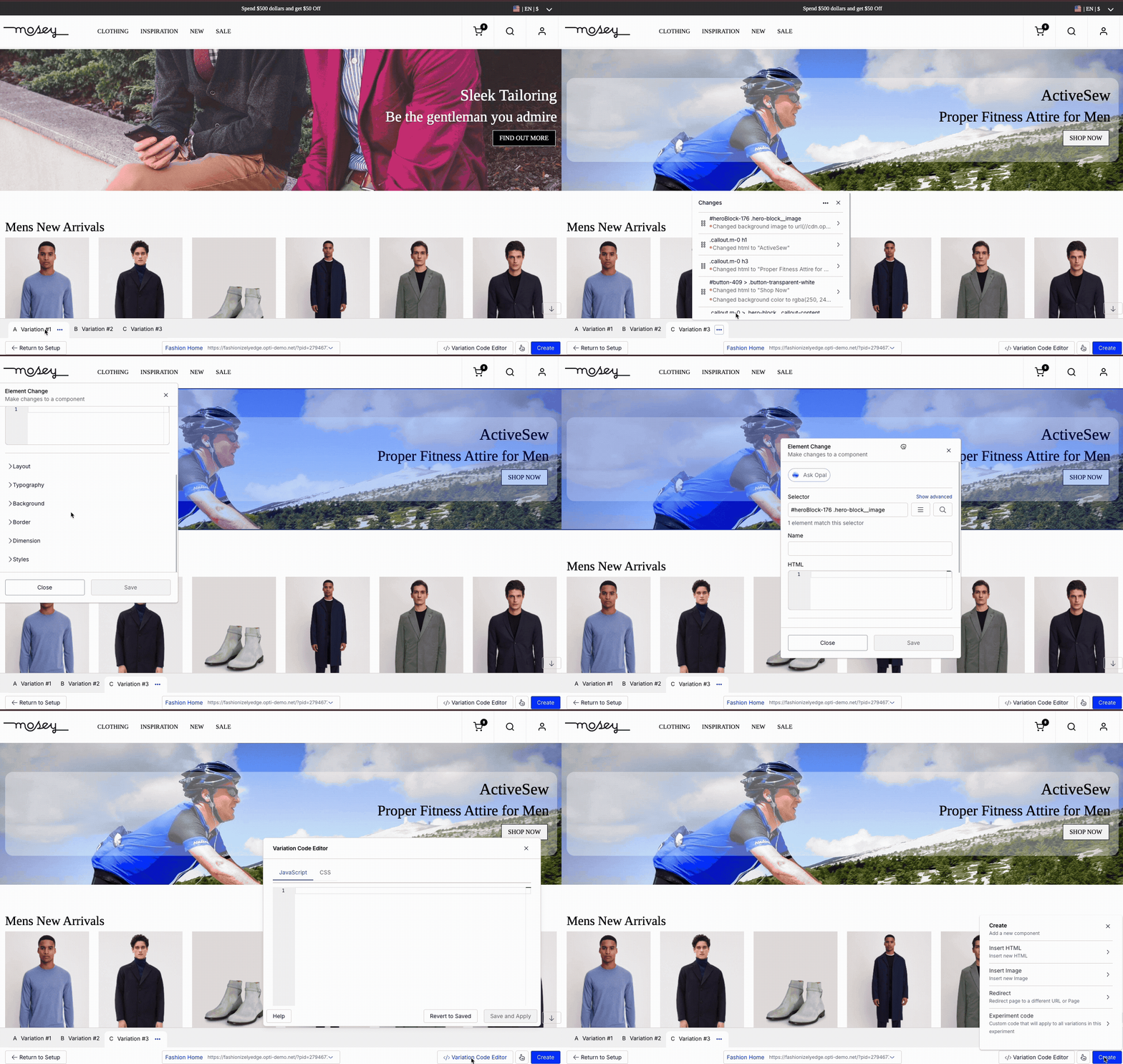
The global market for Conversion Rate Optimization (CRO) and Digital Experience Platforms (DXP) has undergone a significant transformation over the last decade, evolving from simple A/B testing scripts to sophisticated, AI-driven ecosystems. At the center of this evolution are two industry titans: Crazy Egg and Optimizely. While both platforms share the common goal of improving website performance and user engagement, they have diverged into distinct market segments, catering to vastly different organizational needs, technical capabilities, and budgetary constraints.
As digital competition intensifies, the choice between these two platforms has become a strategic pivot point for marketing and engineering teams. Crazy Egg has solidified its position as an accessible, all-in-one behavioral insight and optimization tool designed for rapid deployment. Conversely, Optimizely has ascended into the enterprise DXP category, offering a modular suite that integrates experimentation with content management, commerce, and data orchestration. Understanding the nuances between these two platforms requires a deep dive into their feature sets, technological foundations, and the specific business outcomes they are designed to facilitate.
The Evolution of Conversion Rate Optimization: A Brief Chronology
To understand the current state of Crazy Egg and Optimizely, it is essential to trace their historical trajectories. The timeline of these companies reflects the broader trends in the SaaS (Software as a Service) industry, moving from specialized “point solutions” to integrated platforms.
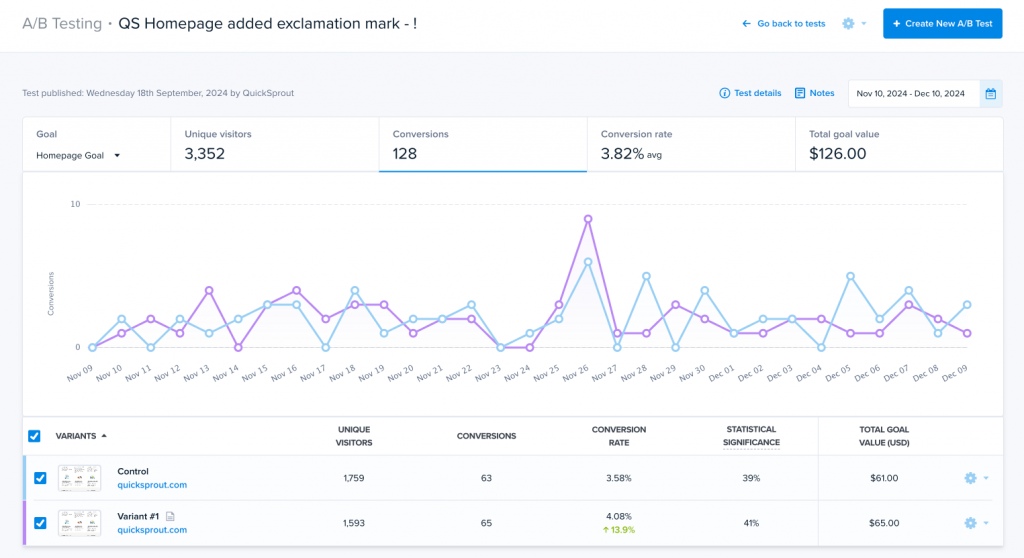
The journey began in 2006 when Crazy Egg was co-founded by Hiten Shah and Neil Patel. It was one of the first tools to democratize “heatmapping” technology, allowing non-technical marketers to see exactly where users were clicking on a page. For years, Crazy Egg remained the gold standard for visual behavioral analysis, eventually expanding its suite to include session recordings and A/B testing to provide a more holistic view of the user journey.
Optimizely entered the market in 2010, founded by Dan Siroker and Pete Koomen. Siroker’s experience as the Director of Analytics for the 2008 Obama presidential campaign—where A/B testing famously helped raise an additional $60 million—provided the company with immediate credibility. While it started as a user-friendly A/B testing tool, Optimizely’s trajectory shifted toward the enterprise. A major turning point occurred in 2020 when Optimizely was acquired by Episerver, a global provider of digital experience platform software. This acquisition rebranded the entire Episerver suite under the Optimizely name, effectively moving the product from a testing tool to a comprehensive digital experience cloud.
Core Functionality and Experimentation Capabilities
The primary differentiator between Crazy Egg and Optimizely lies in the depth and complexity of their experimentation engines. While both offer A/B testing, the underlying technology and the types of experiments supported cater to different scales of operation.
Crazy Egg: The Marketer’s Multi-Tool
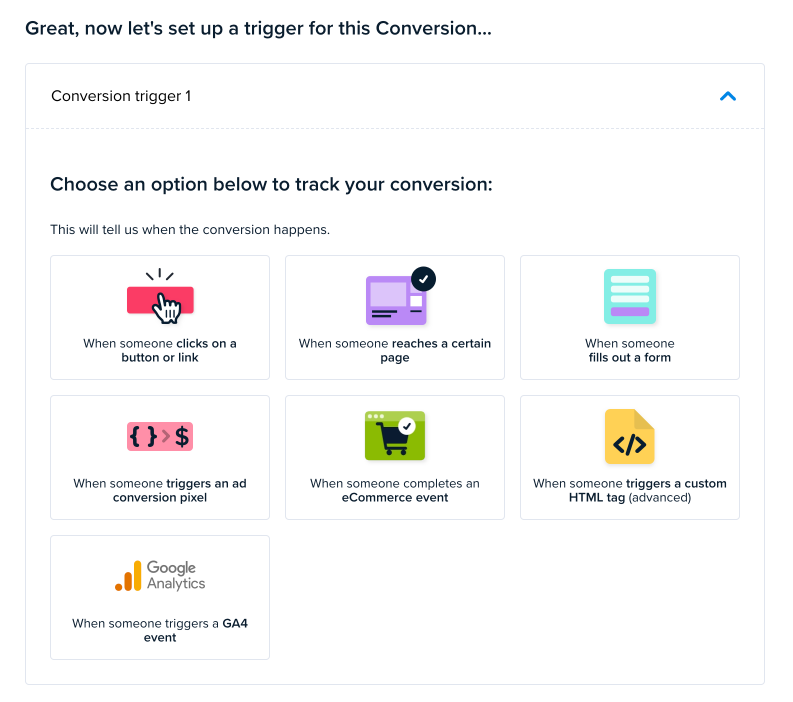
Crazy Egg’s experimentation philosophy is rooted in “self-serve” efficiency. It provides a visual editor that allows marketers to make changes to headlines, images, and button colors without writing a single line of code. Its testing capabilities include standard A/B tests and split-URL testing.
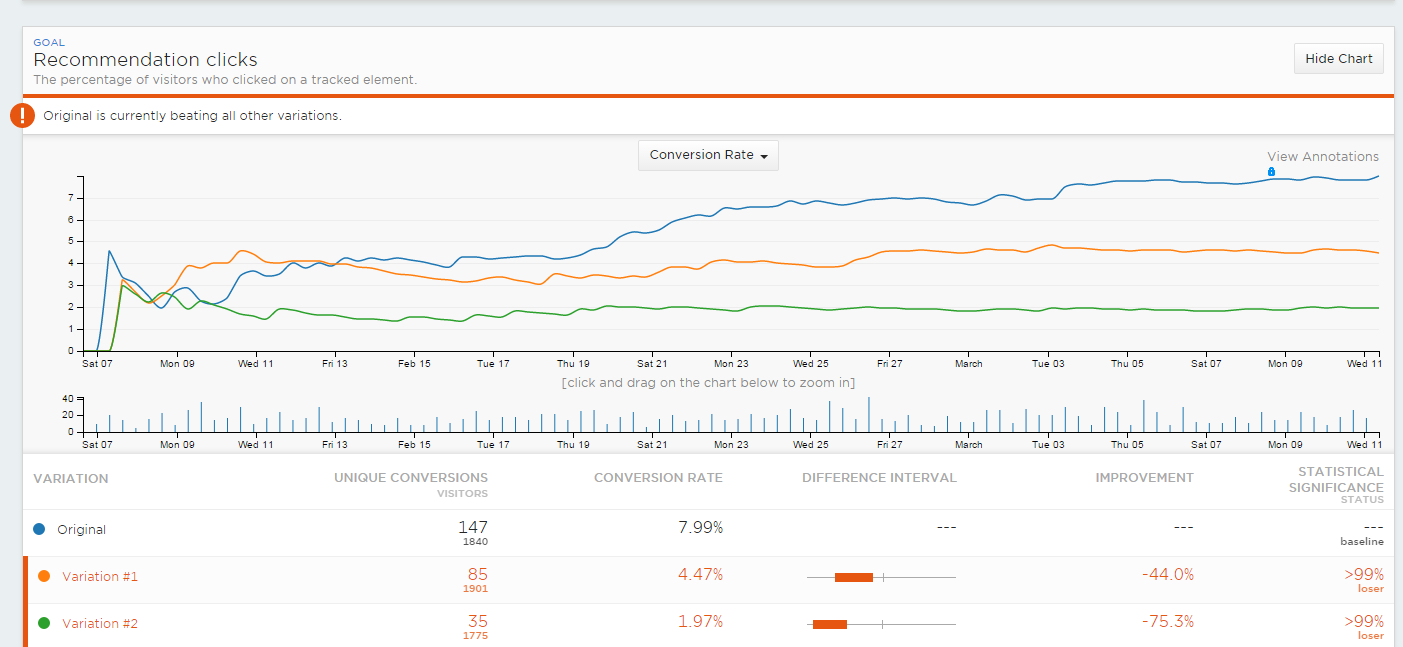
A notable feature within Crazy Egg is the Multi-Arm Bandit (MAB) testing model. Unlike traditional A/B testing, which maintains a static traffic split until a winner is declared, MAB uses machine learning to identify the better-performing variant early and automatically directs more traffic toward it. This minimizes the “regret” or lost conversions often associated with the testing phase. Furthermore, Crazy Egg differentiates itself by automatically generating heatmaps and session recordings for every test variant, providing immediate visual context for why one version outperformed another.
Optimizely: Enterprise-Grade Experimentation
Optimizely Web Experimentation is built for high-velocity testing across complex digital properties. Beyond standard A/B and split-URL tests, it supports multivariate testing (MVT), which allows teams to test multiple variables simultaneously to understand how they interact with one another. This is critical for high-traffic sites where minute combinations of elements can yield significant revenue shifts.
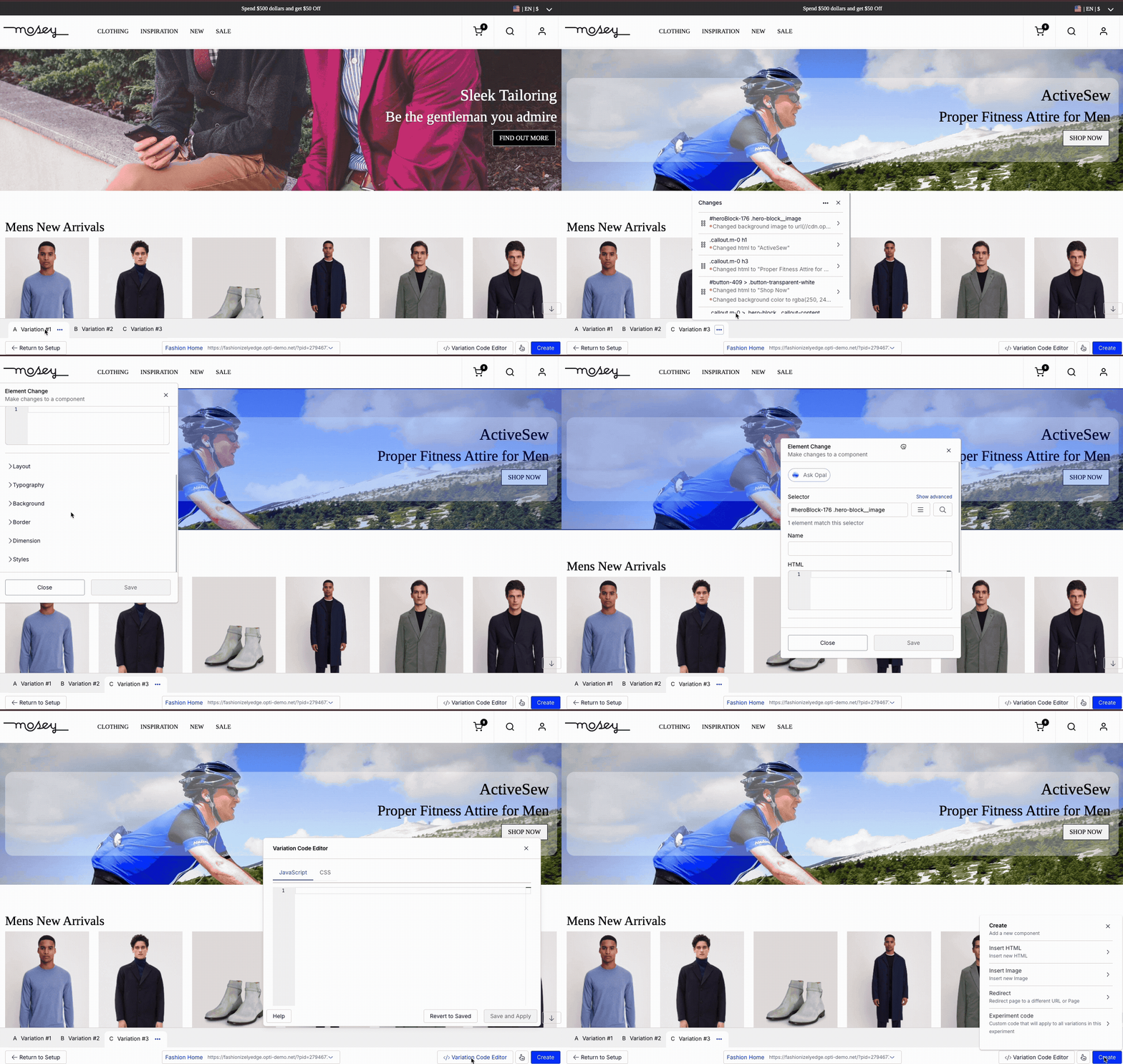
One of Optimizely’s most powerful offerings is “Feature Experimentation,” a separate product focused on server-side testing. This allows product and engineering teams to run experiments on the backend, testing new features, algorithms, or infrastructure changes behind “feature flags.” This capability is essential for modern software development life cycles (SDLC) where testing is integrated into the deployment process rather than just the front-end interface.
Analytics, Reporting, and Data Orchestration
In the modern data landscape, the ability to collect information is less important than the ability to synthesize and act upon it. The two platforms take fundamentally different approaches to data reporting.
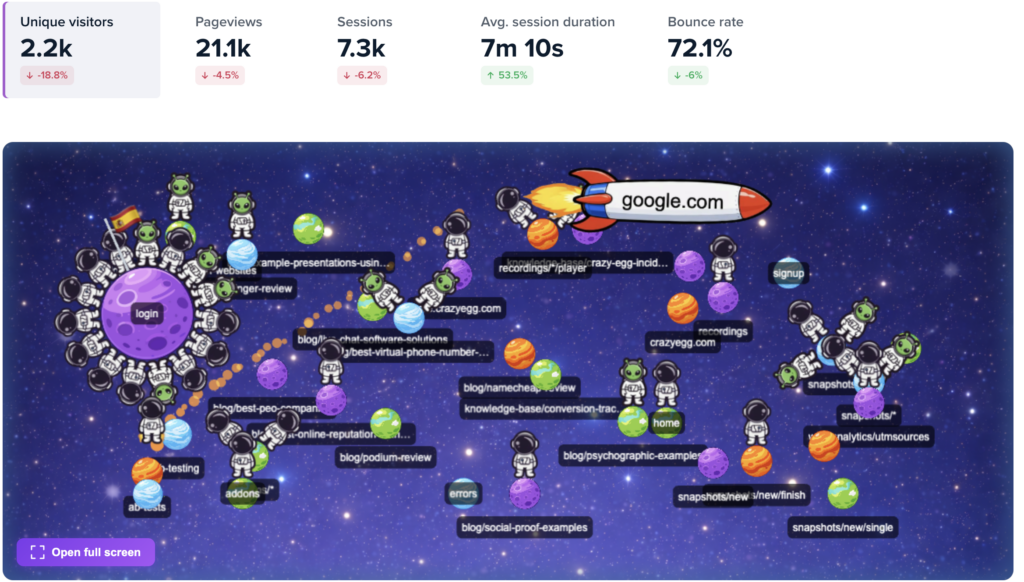
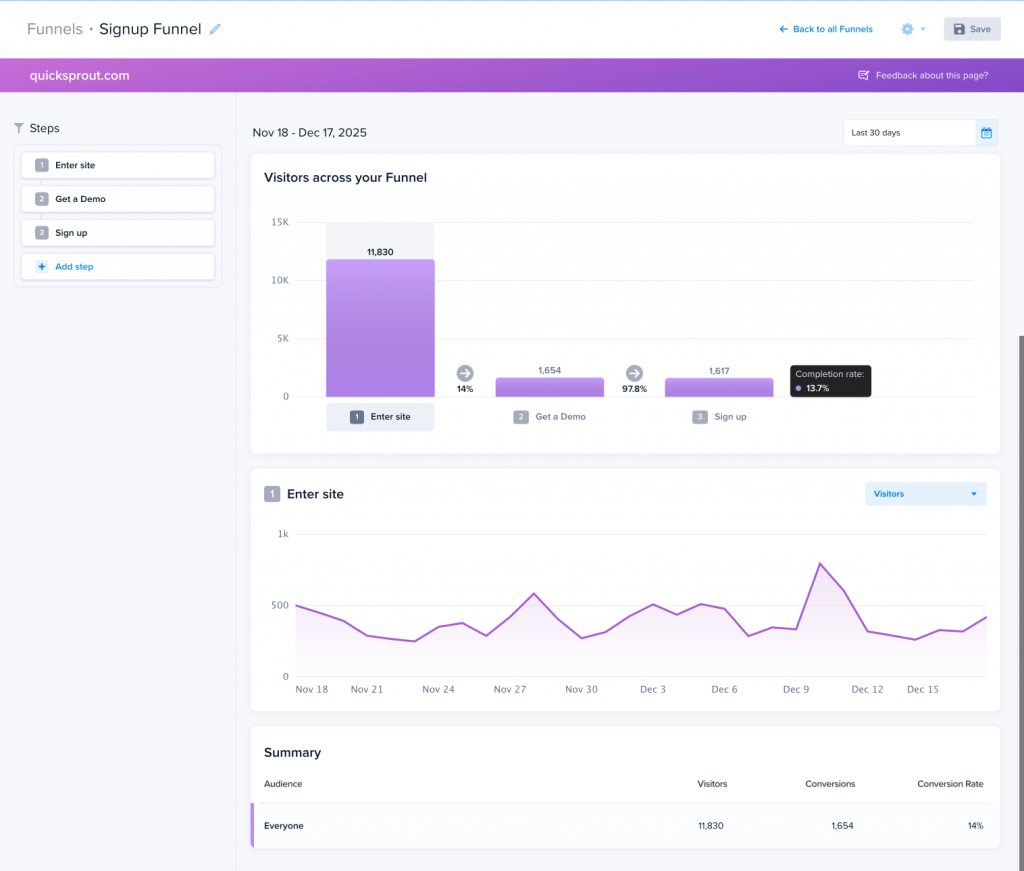
Crazy Egg provides a streamlined, user-friendly analytics suite. It includes a free Web Analytics dashboard that covers core metrics such as bounce rates, session duration, and unique visitors. Its “Astro Map” provides a real-time visual representation of global visitor activity. A key strength for SMBs is Crazy Egg’s retroactive conversion funnels; if a user decides to track a new step in a funnel, the platform can look back at historical data to populate that funnel instantly, a feature often missing in more rigid enterprise tools.
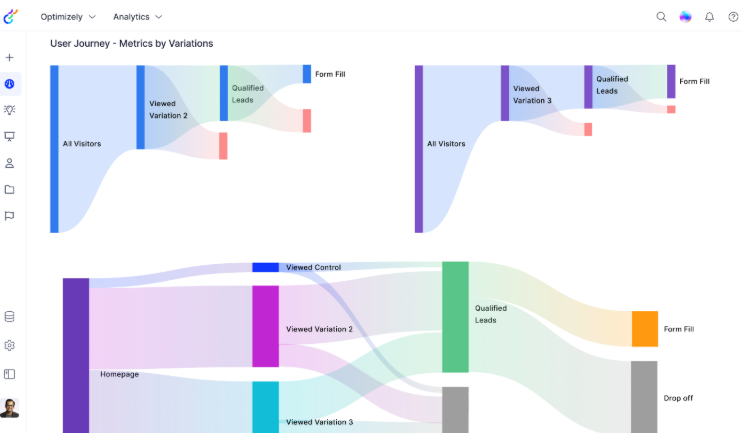
Optimizely’s reporting is designed for organizations with dedicated data science teams. It features a sophisticated “Stats Engine,” developed in collaboration with Stanford researchers, which uses sequential testing to provide results that are statistically significant without the need for fixed sample sizes. Furthermore, Optimizely Analytics is warehouse-native. This means it can integrate directly with Snowflake, BigQuery, or AWS, allowing companies to model their experimentation data alongside their broader business intelligence (BI) stacks. This level of integration is a prerequisite for global brands that require multi-touch attribution and complex customer journey mapping.
Behavioral Insights and the Voice of the Customer
Understanding “what” happened on a website is the role of analytics; understanding “why” it happened is the role of behavioral insights. This is an area where the two platforms diverge most sharply in terms of native functionality.
Crazy Egg offers a robust suite of native behavioral tools, including:
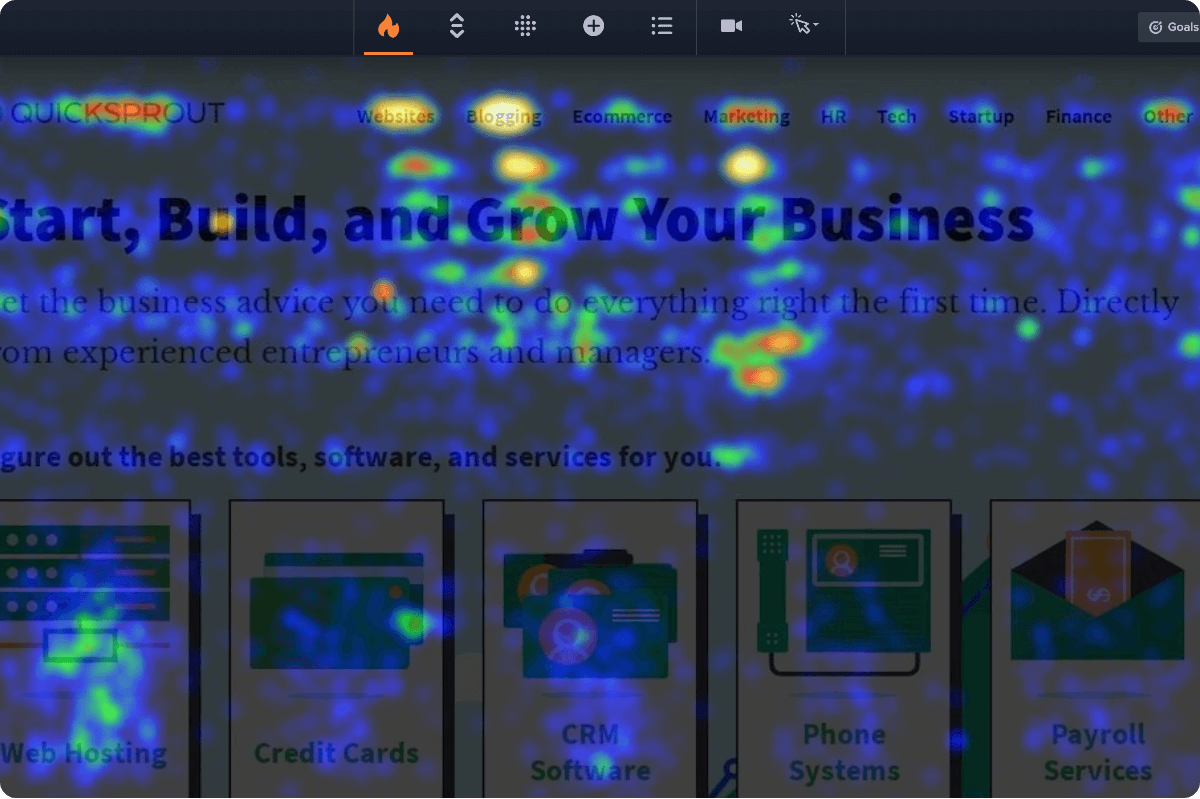
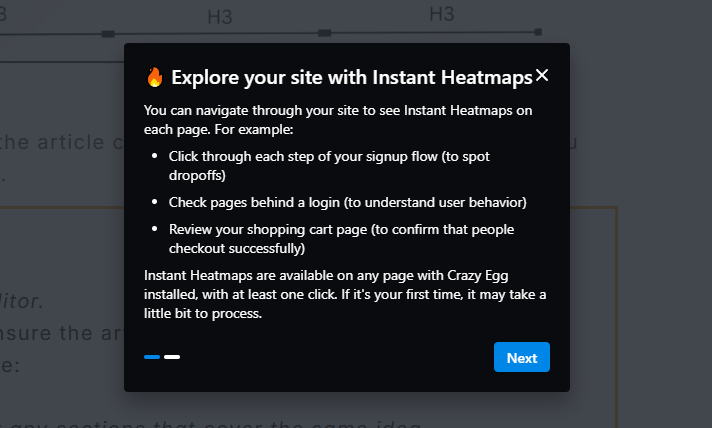
- Heatmaps: Five distinct types (Click, Scroll, Confetti, Overlay, and List) to visualize user intent.
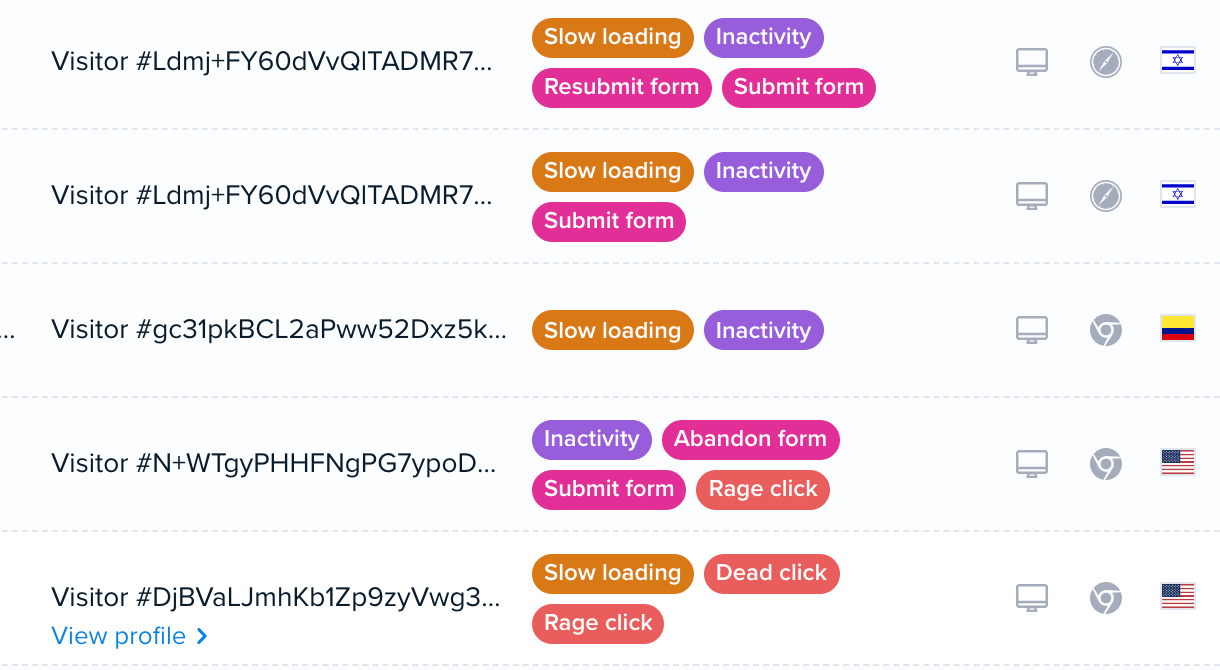
- Session Recordings: Native recording of user sessions with automatic tagging for events like “rage clicks” or “slow loading.”
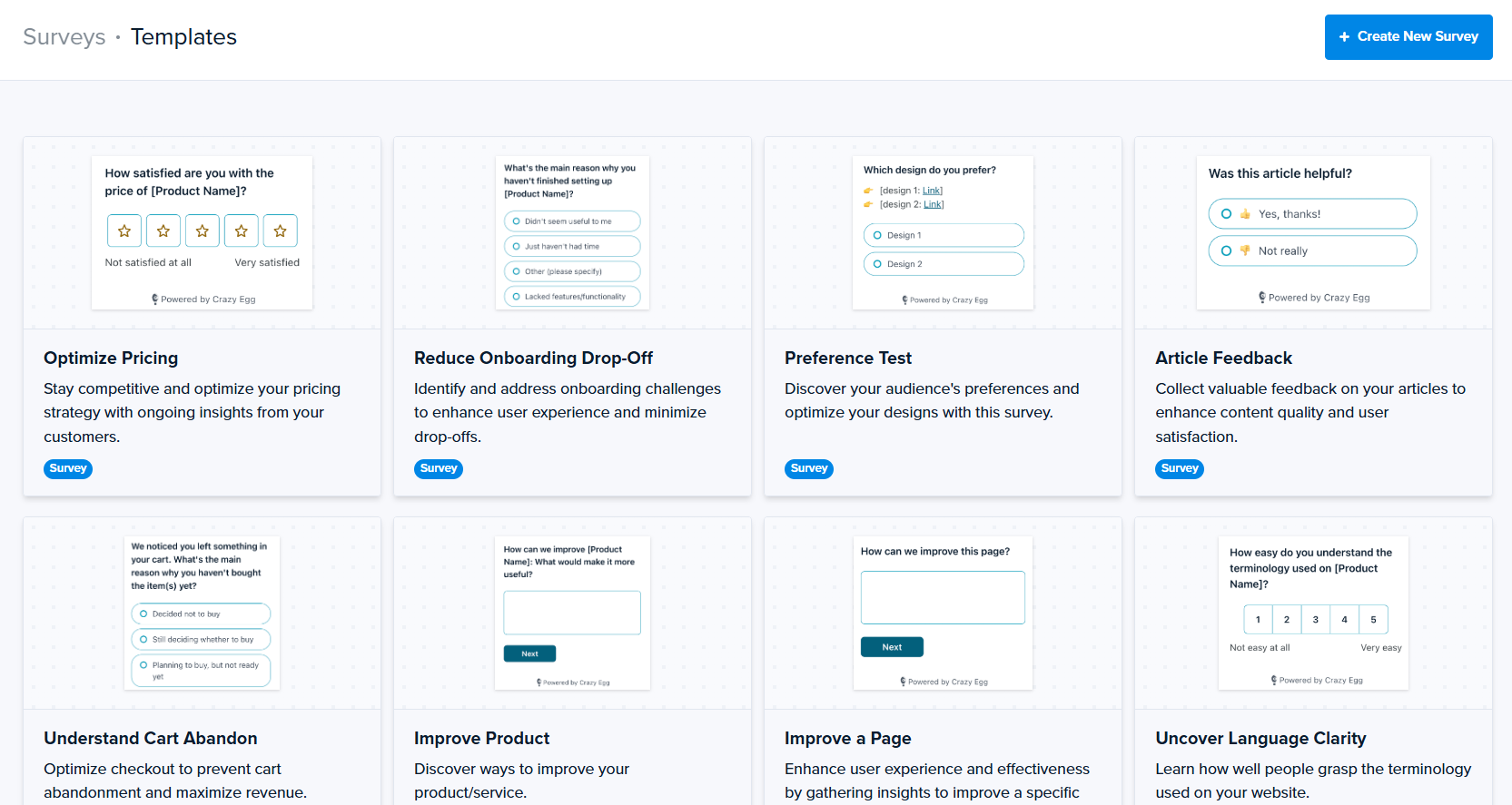
- Surveys: On-page surveys with conditional branching to collect qualitative feedback.
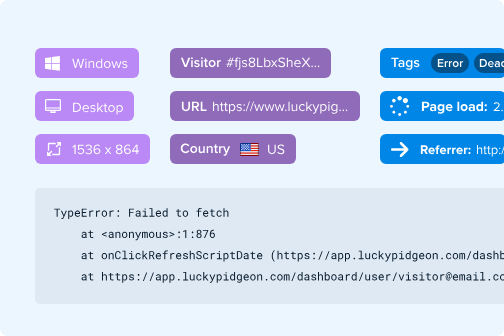
- Error Tracking: Automatic detection of JavaScript errors, linking them directly to the session recording where the error occurred.
Optimizely does not offer these behavioral tools natively. Instead, it relies on its “Opal” AI and third-party integrations. For an Optimizely user to see a heatmap, they must integrate a tool like Hotjar or Microsoft Clarity. While Optimizely’s AI can analyze images of heatmaps from these third-party tools to suggest test ideas, the lack of native, integrated recordings and surveys means enterprise users often face “tool fatigue,” managing multiple subscriptions and data silos to get a complete picture of user behavior.
The Role of Artificial Intelligence in Optimization
As of 2024, AI has become the primary battleground for SaaS innovation. Both Crazy Egg and Optimizely have integrated large language models (LLMs) and machine learning to enhance their offerings, though their applications differ.
Crazy Egg focuses on “Actionable Insights.” Its AI interprets raw data from heatmaps and recordings to provide plain-English summaries of what is working and what isn’t. For instance, the AI might flag that “Mobile users from organic search are struggling with the checkout button,” saving a marketer hours of manual video review. It also includes sentiment analysis for surveys and an “AI Export” feature that allows users to send data directly to ChatGPT or Gemini for further analysis.
Optimizely’s “Opal” is a more ambitious AI orchestration platform. It acts as a digital assistant across the entire Optimizely suite. Opal can generate marketing copy, plan entire experiment roadmaps, and even create GA4 reports via chat commands. Perhaps most impressively, Optimizely offers a Model Context Protocol (MCP) server, which allows developers to connect AI coding tools like GitHub Copilot or Cursor directly to their experimentation data, enabling AI-assisted feature development based on real-time test results.
Pricing Structures and Total Cost of Ownership
The financial investment required for these platforms reflects their target markets. Crazy Egg operates on a transparent, self-serve pricing model. Plans range from $29 to $599 per month, making it accessible to startups and mid-market companies. Its billing is based on “tracked pageviews,” meaning users only pay for the specific pages they choose to monitor and optimize.
Optimizely follows a “quote-only” enterprise pricing model. Industry reports and user reviews suggest that annual contracts typically start at $36,000 and can easily exceed $100,000 depending on the number of modules (Experimentation, CMS, Personalization, etc.) and the volume of traffic. Beyond the subscription cost, Optimizely often requires a significant investment in implementation, frequently necessitating specialized agencies or in-house engineers to manage the integration.
Market Analysis and Strategic Implications
The decision between Crazy Egg and Optimizely is ultimately a question of organizational maturity. Data from industry analysts suggests that the “all-in-one” approach of Crazy Egg is increasingly popular among marketing-led organizations that value speed and ROI. By consolidating heatmaps, recordings, and A/B testing into a single $99–$249/month subscription, SMBs can avoid the technical debt of managing a “Frankenstein” stack of disconnected tools.
For the Fortune 500, however, Optimizely remains the platform of choice. The ability to link experiments to backend feature flags and data warehouses provides a level of governance and scalability that smaller tools cannot match. The broader impact of this divide is the “professionalization” of CRO. While Crazy Egg empowers the “citizen optimizer”—a marketer who tests as part of a broader role—Optimizely is built for the “CRO Specialist,” a dedicated role within a mature digital organization.
Final Verdict: Choosing the Right Path
The choice is clear for businesses evaluating their 2024 optimization strategy. Organizations should choose Crazy Egg if they require a rapid, cost-effective, and holistic view of user behavior with the ability to launch tests without heavy engineering involvement. It is the ideal solution for teams that need to “see” what users are doing and fix friction points immediately.
Conversely, Optimizely is the correct choice for enterprise-level entities that have moved beyond basic UX fixes and are looking to build a culture of experimentation across their entire digital product. If an organization needs to test server-side logic, manage content across multiple languages and regions, or tie experiment results directly to a complex data warehouse, Optimizely’s enterprise suite provides the necessary infrastructure, albeit at a significantly higher price point.
In the current economic climate, where “doing more with less” is a common mandate, the value proposition of Crazy Egg’s bundled features is strong for the mid-market. However, for those at the cutting edge of digital experience at scale, Optimizely’s robust experimentation framework remains the industry benchmark.