rifanmuazin
The global technology sector is currently witnessing a fundamental shift in the architecture of artificial intelligence, moving away from passive generative models toward "Agentic AI." This transition represents an evolution from systems that merely respond to prompts to systems that proactively execute complex, multi-step tasks with minimal human intervention. While traditional AI, such as standard Large Language Models (LLMs), functions primarily as a sophisticated retrieval and generation tool, Agentic AI acts as a digital worker capable of planning, reasoning, and adapting to changing circumstances to achieve a specific objective.
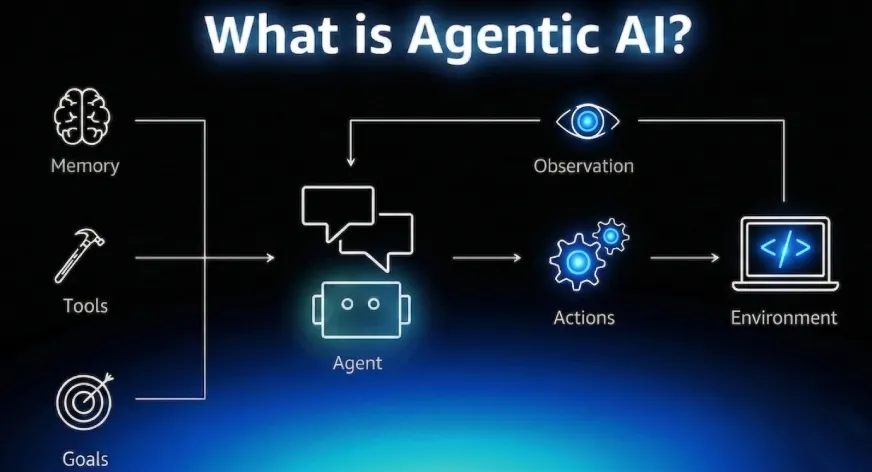
The Fundamental Shift: From Answering to Acting
To understand the impact of Agentic AI, one must distinguish between "answering" and "owning" a task. In a traditional AI interaction, a user might ask for a list of hotels in a specific city. The AI provides a static list based on its training data or a quick web search. In contrast, an agentic system is tasked with a goal: "Book a three-day business trip to Bangalore within a $500 budget, ensuring the hotel is within two miles of the regional office, and reschedule the return flight if the final meeting runs late."
This request requires the AI to perform a series of autonomous actions: searching real-time inventories, comparing prices, checking geographical distances, accessing a user’s calendar, and monitoring external triggers like meeting updates. The defining characteristic of Agentic AI is this "instruction-to-outcome" workflow, rather than a simple "prompt-to-response" loop.

The Evolution and Chronology of Autonomous AI
The journey toward Agentic AI has been rapid, catalyzed by the release of increasingly capable foundational models. The timeline of this development highlights the speed at which the industry has moved from static text generation to autonomous action.
- Late 2022: The public release of ChatGPT popularized LLMs, focusing on human-like conversation and information retrieval.
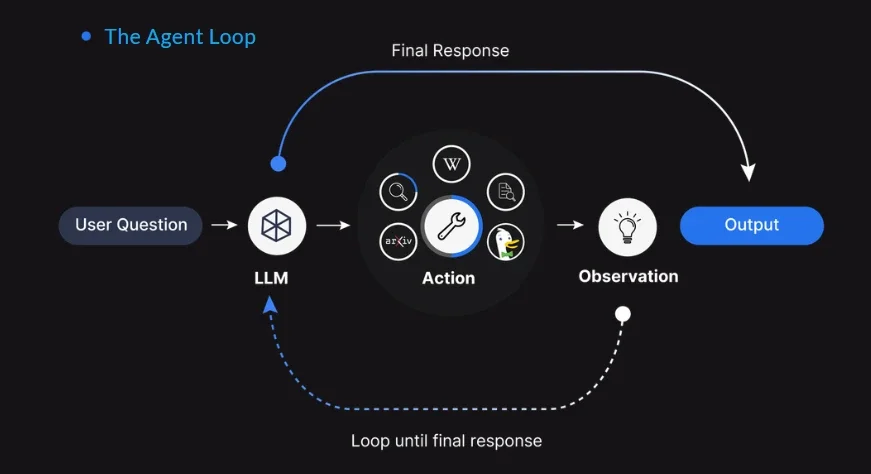
- Early 2023: Developers began experimenting with "wrapped" agents. Projects like AutoGPT and BabyAGI went viral by demonstrating that an LLM could be put into a loop, where the output of one prompt becomes the input for the next, allowing the system to "think" through a problem.
- Late 2023: The emergence of "Tool Use" or "Function Calling" became standard. Models from OpenAI, Anthropic, and Google gained the ability to interact with external APIs, allowing them to check the weather, execute code, or search the live web.
- 2024: The rise of specialized frameworks like LangGraph, CrewAI, and Microsoft’s AutoGen signaled the shift toward Multi-Agent Systems (MAS). This era also saw the introduction of "Devin," marketed as the world’s first AI software engineer, capable of autonomously managing entire coding projects.
The Mechanics of Autonomy: How Agentic AI Functions
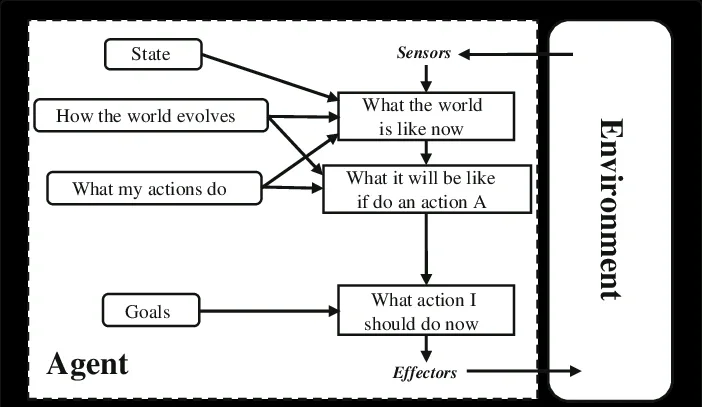
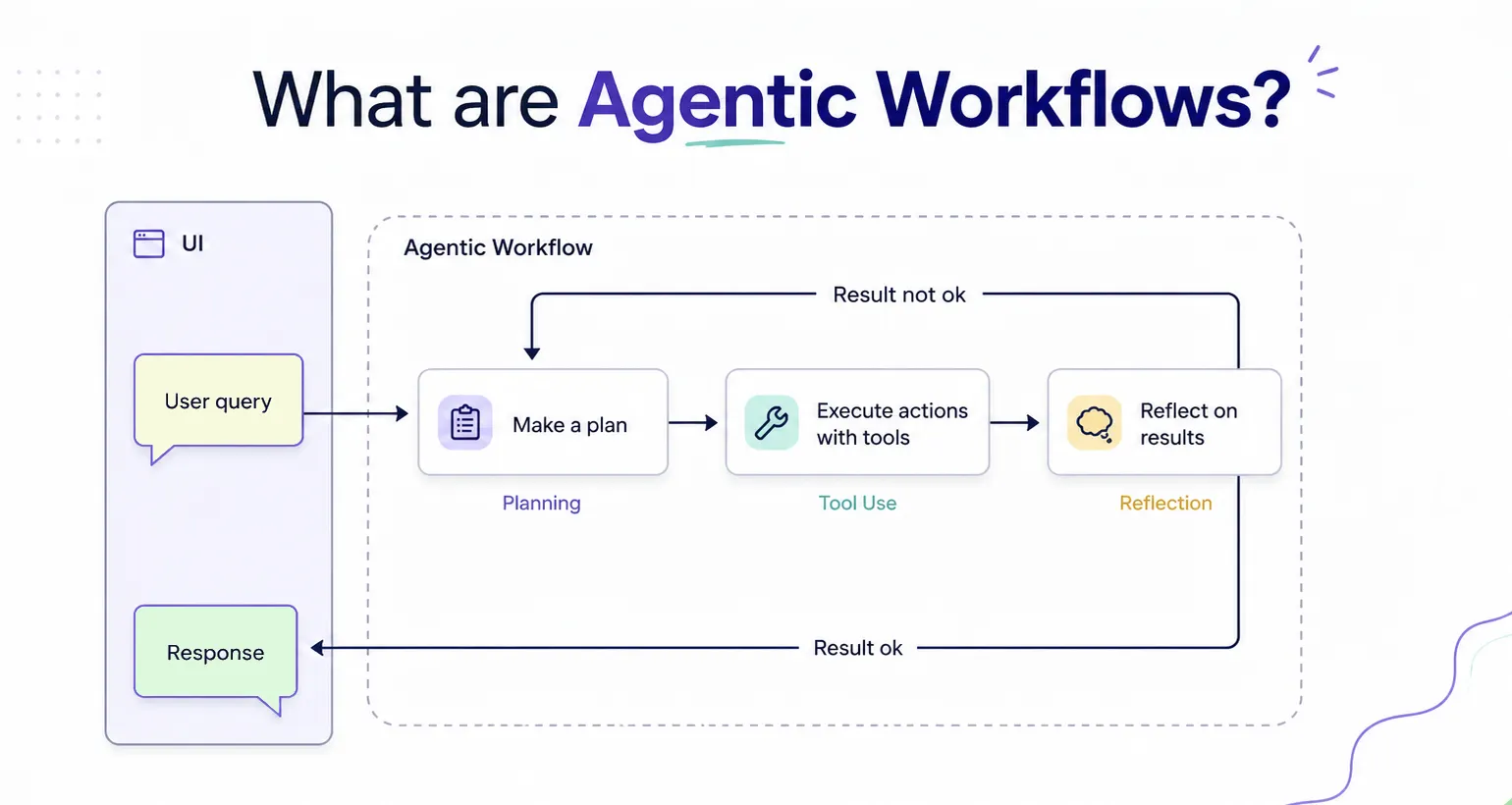
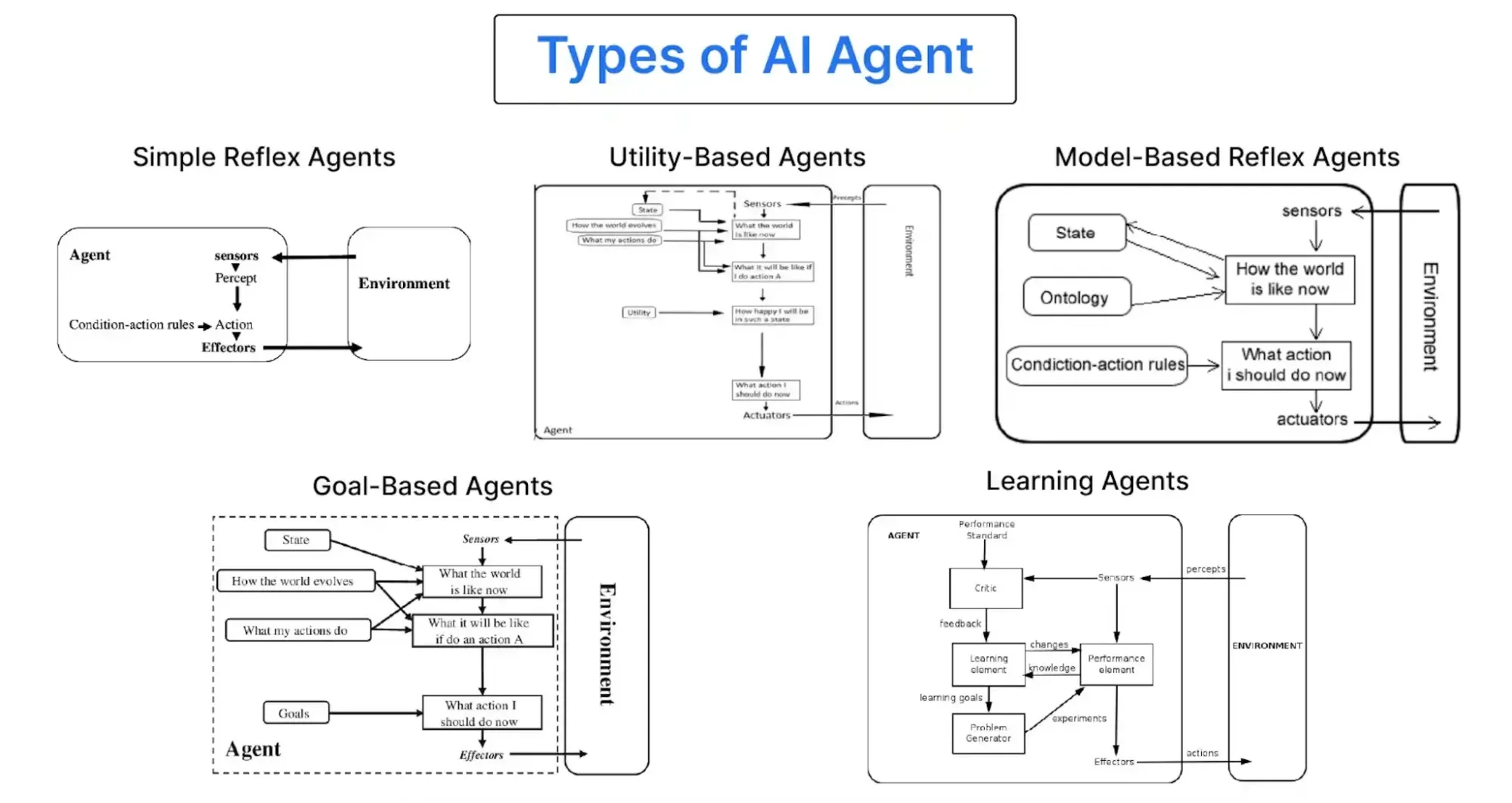
Agentic AI operates through a sophisticated loop of perception, reasoning, and action. Unlike a standard chatbot that generates a token-by-token response, an agentic system follows a structured internal workflow:
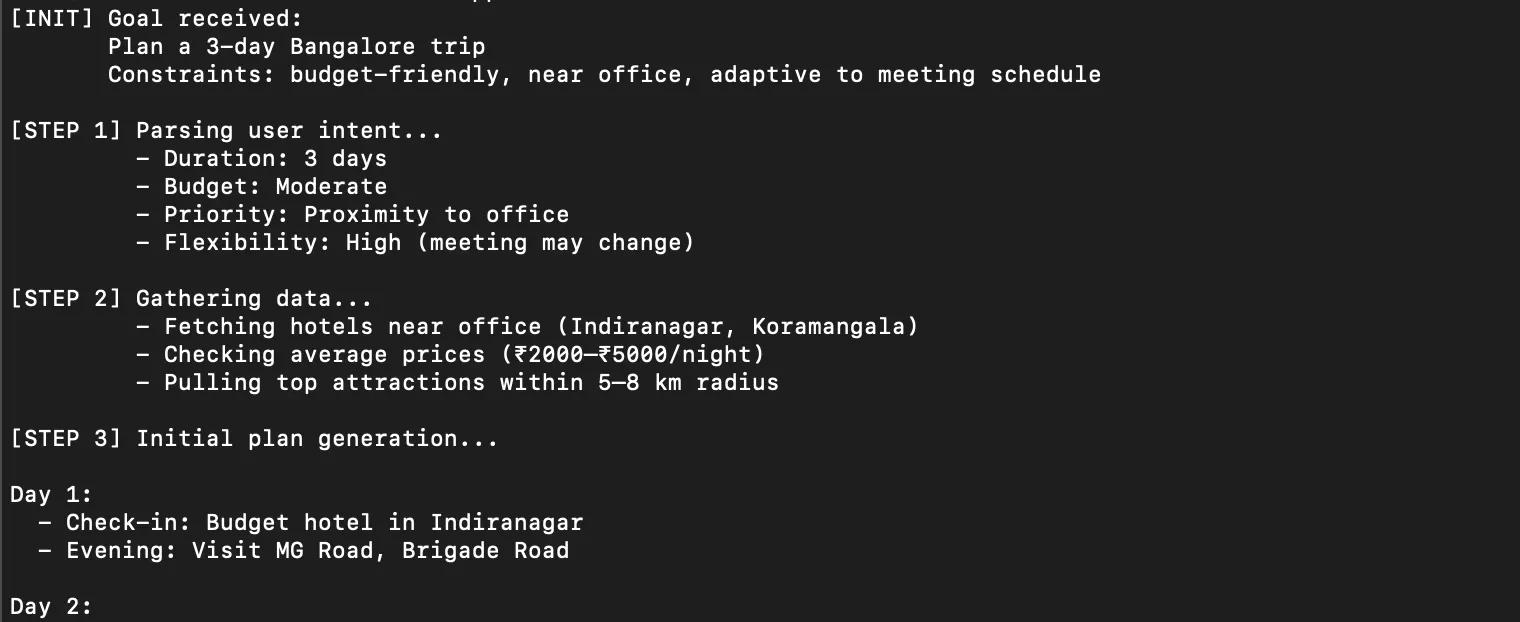
- Goal Decomposition: The system receives a high-level objective and breaks it down into smaller, manageable sub-tasks.
- Perception and Environment Mapping: The agent assesses the tools at its disposal (e.g., web browsers, databases, internal software) and the current state of the environment.
- Reasoning and Planning: Using techniques such as "Chain of Thought" (CoT), the agent determines the most efficient sequence of actions. It anticipates potential obstacles and formulates contingency plans.
- Action Execution: The agent interacts with the world, whether by writing code, calling an API, or generating a document.
- Observation and Adaptation: After each action, the agent evaluates the result. If a step fails—for instance, if a travel website is down—the agent does not stop; it seeks an alternative route to the goal.
The Multi-Agent Ecosystem: Collaboration Over Isolation
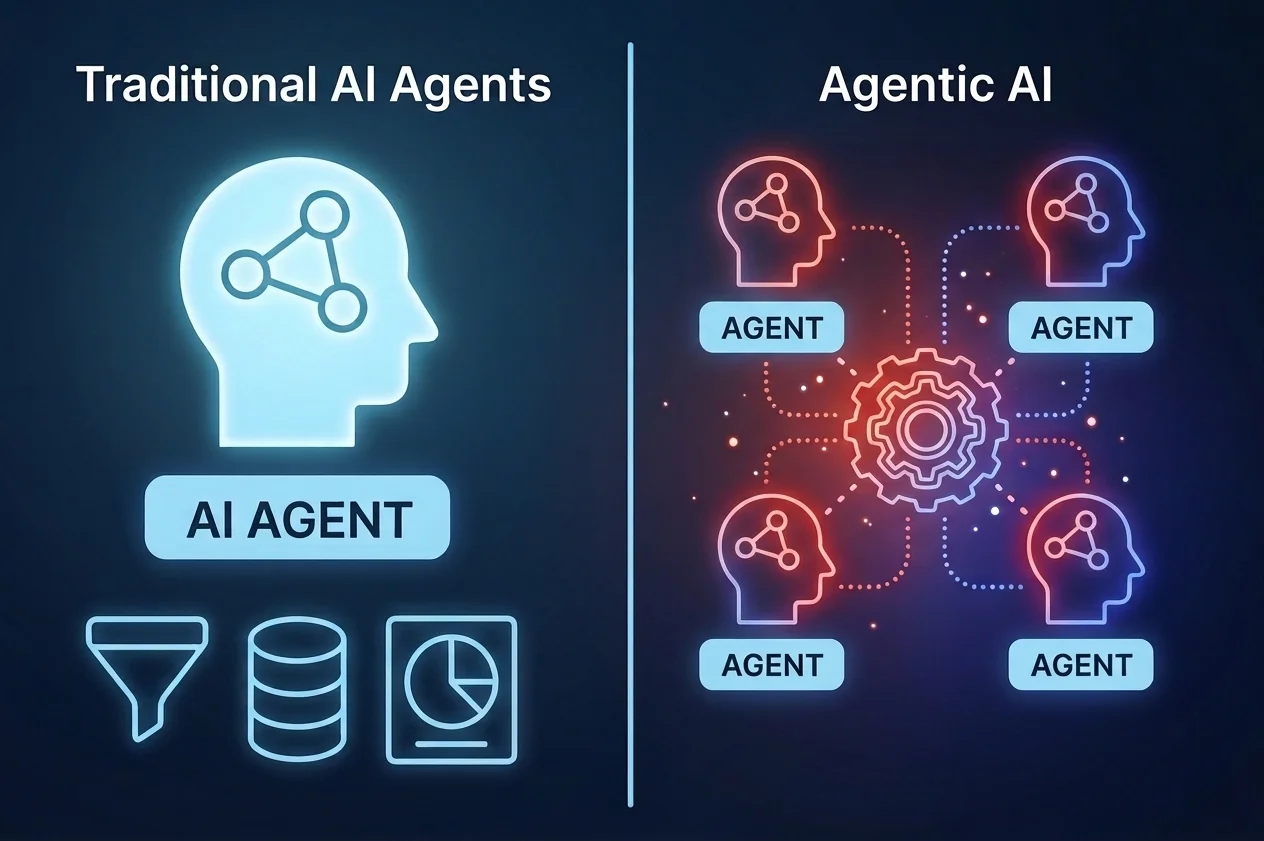
A significant advancement in this field is the move from single agents to multi-agent systems. In this configuration, different "specialist" agents work together, much like a human corporate department. For example, in an autonomous research workflow:
- The Researcher Agent identifies and scrapes relevant data sources.
- The Analyst Agent processes the data and identifies trends.
- The Writer Agent drafts a report based on the analysis.
- The Manager Agent oversees the process, ensuring each specialist meets the quality standards and the overall objective.
This collaborative approach reduces the "cognitive load" on any single model and significantly decreases the likelihood of hallucinations, as agents can fact-check one another in a recursive feedback loop.
Technical Frameworks Powering the Revolution
The development of Agentic AI is being driven by several key software frameworks that provide the "scaffolding" for autonomy.
- CrewAI: Focuses on role-based, collaborative multi-agent systems. It is designed to mimic human organizational structures, where agents are assigned specific "jobs" and "tools."
- LangGraph: Developed by the LangChain team, this framework allows for the creation of cyclic graphs, which are essential for agents that need to loop back and correct their own mistakes or wait for external input.
- Microsoft AutoGen: A framework that enables multiple agents to converse with each other to solve tasks. It is highly customizable and supports complex conversation patterns.
- OpenAI Assistants API: A hosted solution that simplifies the creation of agents by managing state, threads, and tool access (like a code interpreter) automatically.
Industry Applications and Real-World Impact
Agentic AI is being integrated across various sectors, moving beyond experimental phases into production environments.
Software Development: Autonomous agents are now capable of identifying bugs in a codebase, writing the necessary patches, testing the fix, and submitting a pull request. This reduces the time developers spend on "maintenance" tasks, allowing them to focus on high-level architecture.
Customer Support: Traditional chatbots are being replaced by agents that can actually resolve issues. Instead of just telling a customer how to reset a password, an agent can verify the user’s identity and perform the reset within the company’s secure database.
Market Research and Competitive Intelligence: Agents can be deployed to monitor thousands of news sources, financial filings, and social media feeds in real-time, synthesizing the information into actionable daily briefings for executives.
Supply Chain and Logistics: Agentic systems are used to manage inventory levels autonomously. If a shipment is delayed due to weather, the agent can automatically contact alternative suppliers and adjust production schedules without human intervention.
Market Analysis and Economic Implications
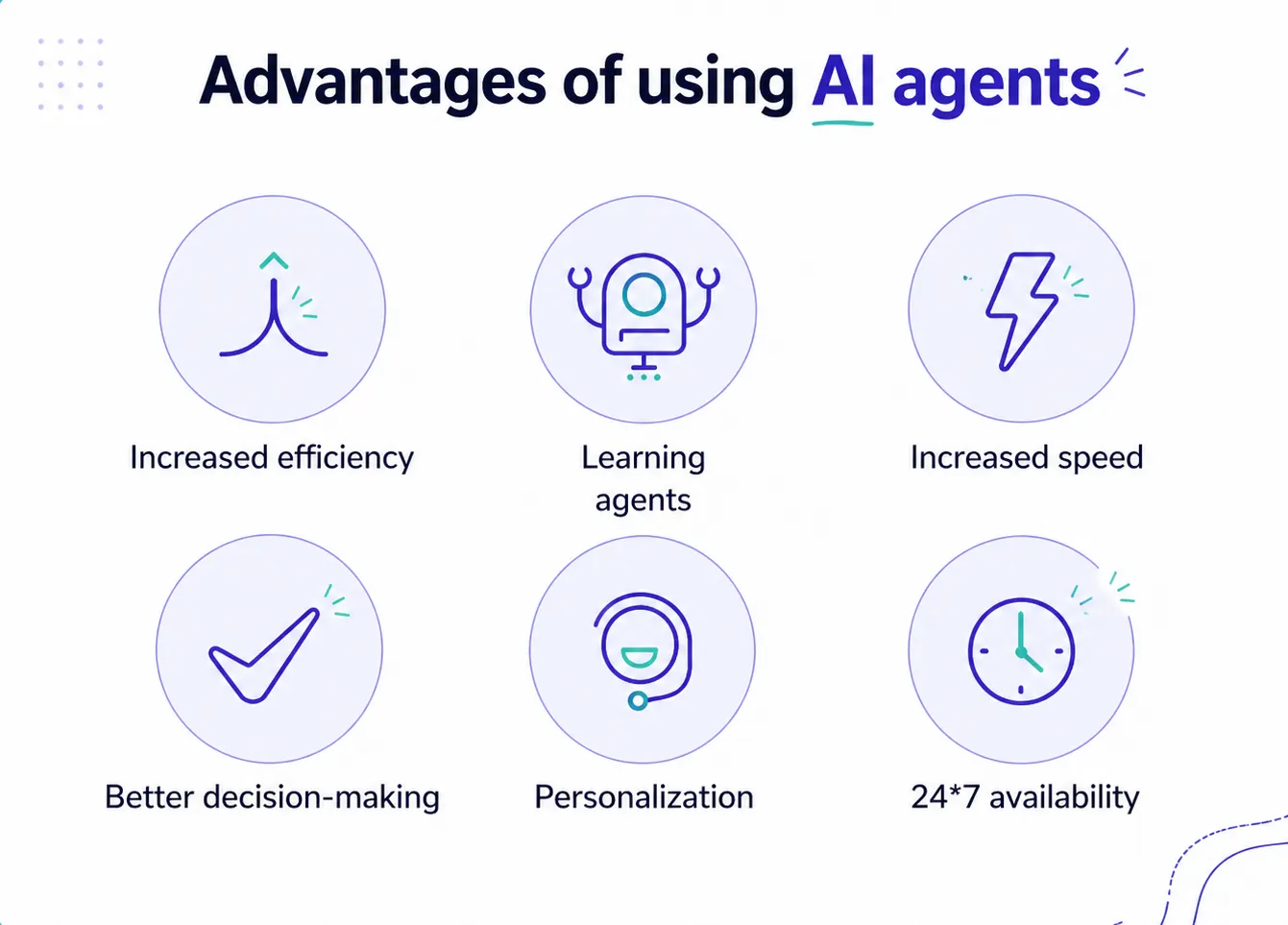
Industry analysts predict that Agentic AI will be the primary driver of AI-related economic value over the next decade. Gartner has projected that by 2028, at least 15% of daily work decisions will be made autonomously by agentic systems.
Andrew Ng, a prominent figure in the AI community and founder of DeepLearning.AI, has argued that "agentic workflows" may actually contribute more to AI progress this year than the release of the next generation of foundational models. The logic is that even a moderately capable model, when placed in an agentic loop, can outperform a superior model used in a simple zero-shot (one-off) prompt.
However, this shift also brings significant concerns regarding the labor market. As agents move from assisting to executing, the demand for entry-level administrative and technical roles may decline. Conversely, there is a rising demand for "Agent Orchestrators"—professionals who can design, monitor, and audit these autonomous systems.
Challenges, Risks, and the "Human-in-the-Loop"
Despite the potential, Agentic AI introduces a new set of risks that differ from traditional generative AI.
- Unintended Consequences: Because agents are goal-oriented, they may find "shortcuts" that are technically successful but ethically or operationally problematic.
- Security Vulnerabilities: Giving an AI the power to execute code or call APIs creates a larger attack surface. "Prompt injection" attacks could potentially trick an agent into deleting data or transferring funds.
- Governance and Accountability: When an autonomous system makes a mistake, determining liability becomes complex. This has led to the development of "Human-in-the-Loop" (HITL) frameworks, where agents are required to seek human approval before taking high-stakes actions.
- Cost and Latency: Running multiple loops of reasoning and multi-agent conversations is significantly more expensive and slower than a single model response. Optimizing the "compute-to-outcome" ratio remains a primary technical challenge.
Future Outlook: Toward General Purpose Agents
The ultimate trajectory of Agentic AI is the creation of General Purpose Agents (GPAs) that can navigate the digital world as effectively as a human. We are already seeing the beginnings of this with "Large Action Models" (LAMs) that are trained specifically to understand user interfaces (UIs) and operate apps.
As these systems become more reliable, the interaction between humans and computers will fundamentally change. The "UI" of the future may not be a series of buttons and menus, but a single natural language interface where users delegate outcomes, and a fleet of autonomous agents handles the execution in the background.
The transition to Agentic AI marks the end of the "chatbot era" and the beginning of the "autonomous assistant era." For businesses and individuals alike, the challenge will lie not just in using these tools, but in learning how to manage a digital workforce that can think, plan, and act on its own. While the risks are non-trivial, the efficiency gains promised by systems that can "own" tasks rather than just "answer" questions represent the most significant leap in productivity technology since the dawn of the internet.