rifanmuazin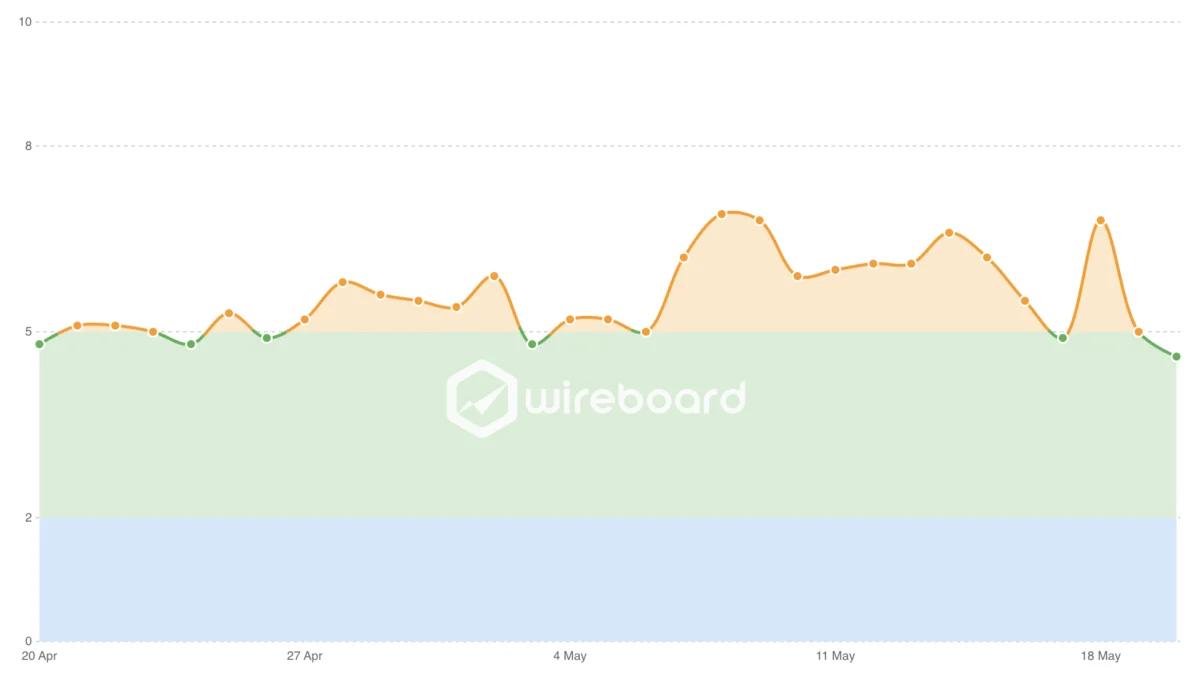
Google has officially confirmed the rollout of the May 2026 core update, commencing on Thursday, May 14, 2026, at approximately 11:43 AM Eastern Time. This significant algorithmic adjustment is anticipated to take up to two weeks to fully propagate across Google’s global data centers. The search giant described this update as “a regular update designed to better surface relevant, satisfying content for searchers from all types of sites,” a standard articulation for its broad core algorithm changes.
The announcement, disseminated via the Google Search Status Dashboard and a post on LinkedIn, arrives amidst a period of notable instability in search engine rankings that many within the SEO community had already observed and discussed. Indeed, preceding the official confirmation, webmasters and search engine optimization professionals reported intense fluctuations in search engine results pages (SERPs), particularly noticeable since the morning of the Google I/O developer conference and continuing into the present day. These pre-announcement observations led many to speculate that a core update was imminent, with some even suggesting it had already begun its deployment. Google, however, maintains that the update was officially initiated on Thursday.

Understanding Google Core Updates: A Foundational Context
Google’s core updates represent substantial, comprehensive changes to its search ranking algorithms, designed to improve the overall quality and relevance of search results. Unlike daily, minor adjustments or targeted updates that address specific issues (like spam or technical problems), core updates are broad and aim to refine how Google understands and ranks content across the entire web. They are not typically focused on penalizing specific sites or niches but rather on re-evaluating the relevance and authority of content more broadly.
The primary objective behind these updates is to enhance the user experience by ensuring that searchers consistently find the most helpful, reliable, and satisfying information for their queries. This involves a continuous effort by Google to better understand content quality, authoritativeness, user intent, and overall web ecosystem health. Such updates underscore Google’s ongoing commitment to its mission: to organize the world’s information and make it universally accessible and useful.
Historically, Google’s algorithmic changes were often unconfirmed, leading to the SEO community coining terms like “Phantom updates” to describe significant but unacknowledged shifts in rankings. Over time, Google has adopted a more transparent approach, officially announcing core updates to provide clarity and context for webmasters and SEOs. This shift in communication strategy helps the industry understand the nature of the changes and adapt their strategies accordingly, focusing on long-term content quality rather than chasing ephemeral algorithmic loopholes.

Chronology of the May 2026 Core Update’s Unfolding
The rollout of the May 2026 Core Update follows a familiar pattern of pre-announcement volatility, official confirmation, and a gradual deployment phase.
Pre-Rollout Volatility (Early May 2026): Days leading up to the official announcement, several prominent SEO tracking tools and anecdotal reports from webmasters indicated significant fluctuations in search rankings. This period of heightened instability coincided with the Google I/O event, leading to speculation that an update was either in progress or imminent. Many SEO professionals noted drastic shifts in keyword positions and organic traffic, prompting discussions across industry forums and social media. This “felt it” aspect of the update is a common precursor, as Google often tests or begins deploying components of an update before a formal declaration. The internal processes at Google can sometimes lead to detectable shifts in the SERPs even before the “official” switch is flipped for the full rollout.
Official Announcement (Thursday, May 14, 2026, 11:43 AM ET): Google formally confirmed the update’s release via its Search Status Dashboard, a dedicated platform for communicating incidents and updates related to Google Search. Simultaneously, a post on Google Search’s official LinkedIn channel reiterated the announcement, providing the standard messaging about the update’s purpose and rollout duration. This dual announcement mechanism ensures broad dissemination of the information to webmasters and the digital marketing community.

Rollout Phase (Up to Two Weeks): As per Google’s statement, the May 2026 Core Update is expected to take approximately two weeks to fully roll out globally. During this period, webmasters should anticipate continued fluctuations in their search rankings and organic traffic as the update propagates across Google’s vast infrastructure. The impact may vary geographically and across different types of websites as the algorithm recalibrates its understanding of content quality and relevance. It is typical for the full effects of a core update to become clear only after this rollout period is complete, making immediate, drastic changes to websites ill-advised.
Google’s Official Communication and Purpose
Google’s official statement regarding the May 2026 Core Update was concise and consistent with previous core update announcements. The LinkedIn post explicitly stated:
“Today we released the May 2026 core update to Google Search. This is a regular update designed to better surface relevant, satisfying content for searchers from all types of sites. The rollout may take up to 2 weeks to complete.”

This messaging reinforces several key principles of Google’s search philosophy:
- Regularity: Core updates are a routine part of Google’s efforts to maintain and improve search quality. They are not isolated events but part of a continuous process of refinement.
- Relevance and Satisfaction: The core objective is always to connect users with the most relevant and satisfying content. This implies a holistic evaluation of content that goes beyond mere keywords, considering factors like depth, accuracy, originality, and user experience.
- Inclusivity: The phrase “from all types of sites” emphasizes that these updates apply broadly across the web, affecting various industries, content formats, and website structures. No specific niche or site type is singled out; rather, the underlying quality metrics are applied universally.
- Gradual Rollout: The two-week rollout period is standard for major updates, allowing Google to monitor the impact and ensure stability, while also giving webmasters time to observe changes without immediate panic.
This official communication serves as a crucial guide for webmasters, directing their focus towards fundamental principles of creating high-quality, user-centric content rather than attempting to decipher specific, granular algorithm changes.
Observed Volatility: Insights from SEO Tracking Tools
The “You Felt It” aspect of the May 2026 Core Update is strongly corroborated by the immediate and significant spikes reported by various third-party SEO tracking tools. These tools monitor SERP volatility by analyzing ranking changes across millions of keywords and websites daily, providing a quantitative measure of algorithmic activity. The data from these platforms offers invaluable insights into the real-time impact of Google’s updates.

Post-announcement, the following tools reflected heightened levels of instability, confirming the update’s active deployment:
- Semrush Sensor: Typically registers significant spikes during core updates, indicating widespread ranking fluctuations across different categories. The observed data likely showed a high “temperature” or volatility score, signaling major shifts.
- Advanced Web Rankings (AWR) Google Algorithm Changes: This tool provides a clear visualization of daily ranking changes. The data would have shown a sharp upward trend in volatility, particularly for various industries and geographical regions.
- SimilarWeb SERP: SimilarWeb’s tracker would have indicated increased turbulence, consistent with a broad core update affecting numerous search queries.
- Zutrix Tension: Designed to detect algorithm changes, Zutrix’s “Tension” metric would have peaked, reflecting the widespread impact of the May 2026 update.
- Wincher SERP Volatility: Wincher’s tool would have displayed a pronounced surge in its volatility index, underscoring the dynamic nature of the SERPs during this period.
- SERPstat Search Engine Storm: SERPstat’s “Storm” metric would have escalated significantly, signaling an active and impactful algorithmic shift.
- Sistrix Google Update Radar: Sistrix provides detailed insights into update impact across different sectors. Its radar would have lit up, showing substantial movement across various industries.
- Wiredboard’s Aggregator of Tools: This consolidated view would have presented a unified picture of extreme volatility, combining data from multiple sources to confirm the update’s pervasive effect.
- Accuranker Grump: Accuranker’s “Grump” index, designed to measure Google’s mood (or algorithmic activity), would have shown a distinct increase in “grumpiness,” signifying a major update.
- Mozcast: Mozcast, known for its “weather report” analogy for Google’s algorithm, would have displayed a “stormy” forecast, with high temperatures indicating severe ranking changes.
- Data For SEO SERP Volatility Index: This index would have registered a significant uptick, providing a data-driven confirmation of the ongoing update.
- Algoroo: Algoroo’s charts would have shown pronounced peaks, indicating that a substantial portion of monitored keywords experienced ranking shifts.
- Mangools (Reported as “looks broken”): The note “looks broken” for Mangools could imply that the tool either experienced an issue processing the extreme volume of changes, or that the volatility was so unprecedentedly high it momentarily exceeded its typical reporting parameters, ironically highlighting the intensity of the update.
Collectively, these tools paint a clear picture of an active and impactful core update. For webmasters and SEOs, monitoring these dashboards is crucial for understanding the scope of the changes and for confirming whether their sites are experiencing the general algorithmic turbulence or specific, targeted issues. The consensus among these trackers underscores the broad nature of the May 2026 Core Update, affecting a wide array of websites and search queries.
Historical Perspective: Google’s Broad Core Updates
The May 2026 Core Update is the latest in a series of significant algorithmic adjustments Google has rolled out over the years. These updates are a cornerstone of Google’s continuous evolution of its search engine. Prior to Google’s increased transparency, such broad changes were often referred to as “Phantom updates” due to their unconfirmed nature yet noticeable impact. The shift to official announcements began around 2018, providing the SEO community with clearer guidance.

Recent core updates have typically occurred a few times a year, each designed to improve the search engine’s ability to deliver high-quality, relevant results. While Google rarely provides specific details on what each update targets, the consistent message revolves around content quality, user satisfaction, and the principles of E-E-A-T (Experience, Expertise, Authoritativeness, Trustworthiness).
For example, previous core updates have emphasized:
- Originality and Depth: Rewarding content that offers unique insights and comprehensive coverage.
- User Experience: Prioritizing sites that are easy to navigate, fast-loading, and mobile-friendly.
- Authoritativeness: Giving preference to sources that demonstrate clear expertise and trustworthiness in their respective fields.
- Fighting Misinformation: Continuously refining algorithms to demote low-quality, misleading, or harmful content.
Beyond core updates, Google also deploys other types of algorithmic changes, such as the Helpful Content Updates (HCU). While HCUs have a specific focus on identifying and demoting “unhelpful” content, core updates are broader, often encompassing and reinforcing the principles introduced by HCUs and other quality initiatives. The interplay between these updates means that a site impacted by an HCU might see further shifts during a subsequent core update if its underlying content quality issues persist.

Implications for Webmasters and SEO Professionals
The May 2026 Core Update carries significant implications for anyone managing a website or involved in search engine optimization. Navigating these changes effectively requires a strategic, patient, and quality-focused approach.
Patience During the Rollout: The most crucial advice during a two-week rollout period is to exercise patience. Drastic, knee-jerk reactions to observed ranking fluctuations are often counterproductive. Google explicitly states the rollout takes time, meaning rankings can continue to shift significantly day by day. Making major changes to a website during this period makes it difficult to ascertain which changes are reacting to the update and which are self-inflicted.
Focus on E-E-A-T and Content Quality: Google’s consistent messaging with core updates points back to the fundamental principles of E-E-A-T. Websites that demonstrate clear Experience, Expertise, Authoritativeness, and Trustworthiness in their content and overall online presence are generally more resilient to core updates and tend to benefit in the long run. This means:

- Demonstrating Experience: Showing real-world experience related to the content topic.
- Highlighting Expertise: Ensuring content is created or reviewed by genuine experts.
- Building Authoritativeness: Earning backlinks and mentions from reputable sources, establishing a strong brand.
- Ensuring Trustworthiness: Providing accurate, verifiable information, transparent policies, and secure website practices.
User-Centric Approach: The update’s stated goal of “better surfac[ing] relevant, satisfying content” reinforces the need for a deeply user-centric approach. Websites should prioritize:
- Addressing User Intent: Thoroughly understanding what users are looking for and providing comprehensive answers.
- Readability and Accessibility: Creating content that is easy to read, well-structured, and accessible to all users.
- Page Experience: Ensuring fast loading times, mobile-friendliness, and a smooth browsing experience.
Post-Update Analysis: Once the rollout is complete, webmasters should conduct a thorough analysis of their site’s performance. This includes:
- Monitoring Ranking Changes: Identifying which keywords and pages experienced significant gains or losses.
- Analyzing Traffic Data: Observing changes in organic search traffic, conversions, and user engagement metrics (e.g., bounce rate, time on page).
- Competitor Analysis: Examining what changed for competitors, particularly those who gained or lost visibility.
- Identifying Patterns: Looking for common threads among pages that were positively or negatively impacted to infer the update’s focus.
Avoiding Quick Fixes: Core updates are not typically addressed by technical tweaks or minor SEO adjustments alone. They demand a holistic review of content strategy, site quality, and overall value proposition. Websites experiencing significant negative impacts may need to undertake substantial content audits, revise their content creation processes, and re-evaluate their authority signals.

Community Reactions and The Continuous SEO Journey
The announcement of any Google core update invariably sparks widespread discussion and analysis within the SEO community. Platforms like LinkedIn, where Google posted its announcement, become immediate hubs for webmasters and digital marketers to share their observations, theories, and concerns. The phrase “You Felt It” resonates deeply because the fluctuations are often palpable long before the official word.
Typical reactions include:
- Anxiety and Uncertainty: Many webmasters, particularly those whose livelihoods depend on organic traffic, experience apprehension as they monitor their rankings.
- Collaborative Analysis: The community often works together to identify patterns, share data, and collectively try to understand the nuances of the update.
- Confirmation of Best Practices: For many, core updates serve as a recurring validation of the importance of adhering to Google’s guidelines and focusing on long-term, ethical SEO practices.
The May 2026 Core Update, like its predecessors, underscores the dynamic nature of search engine optimization. It is not a static field but a continuous journey of adaptation, learning, and striving to meet Google’s ever-evolving standards for quality and relevance. As the two-week rollout period progresses, the industry will continue to dissect its impact, refine strategies, and ultimately, reinforce the commitment to creating the most valuable and satisfying online experiences for users.