rifanmuazin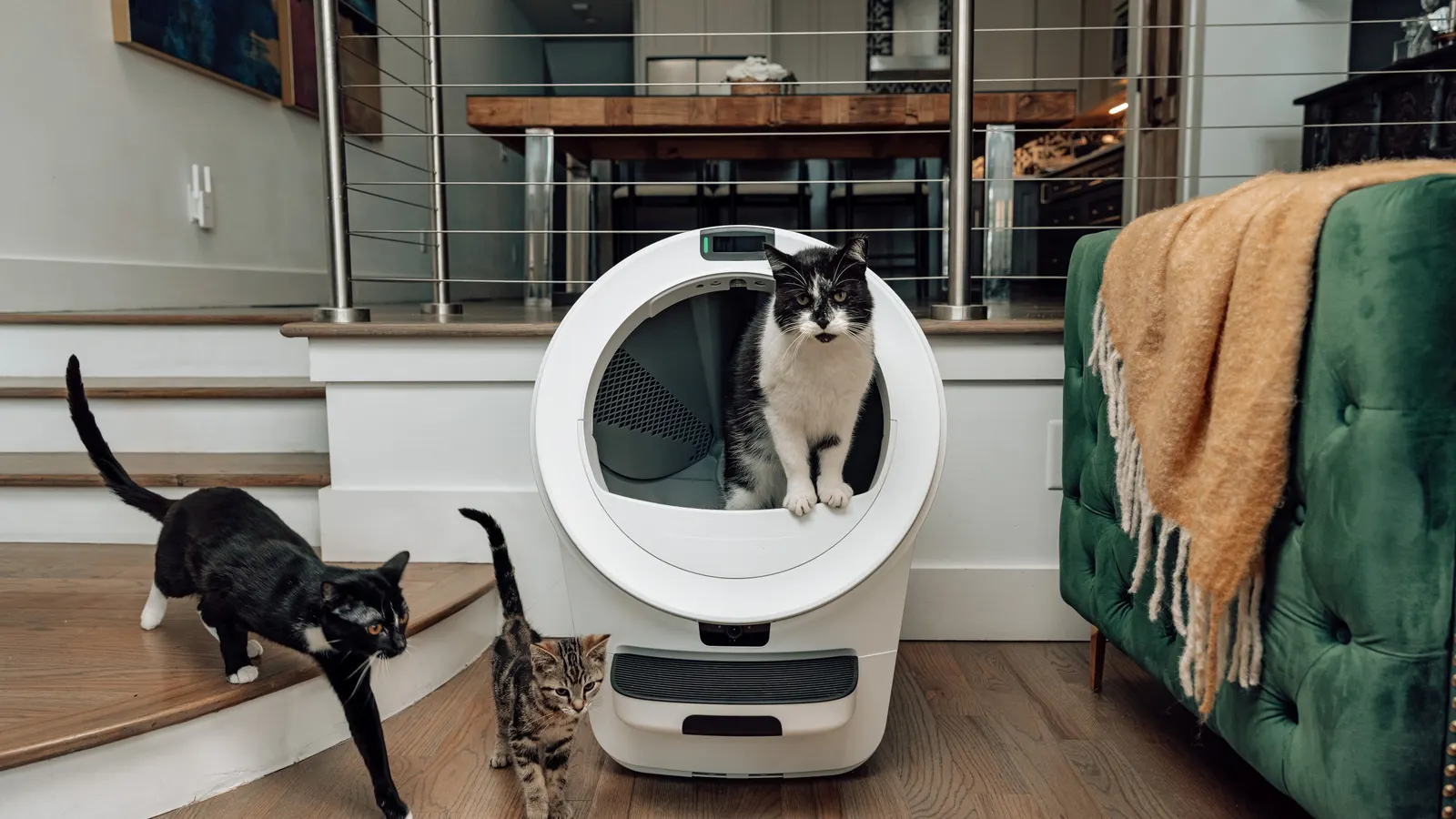
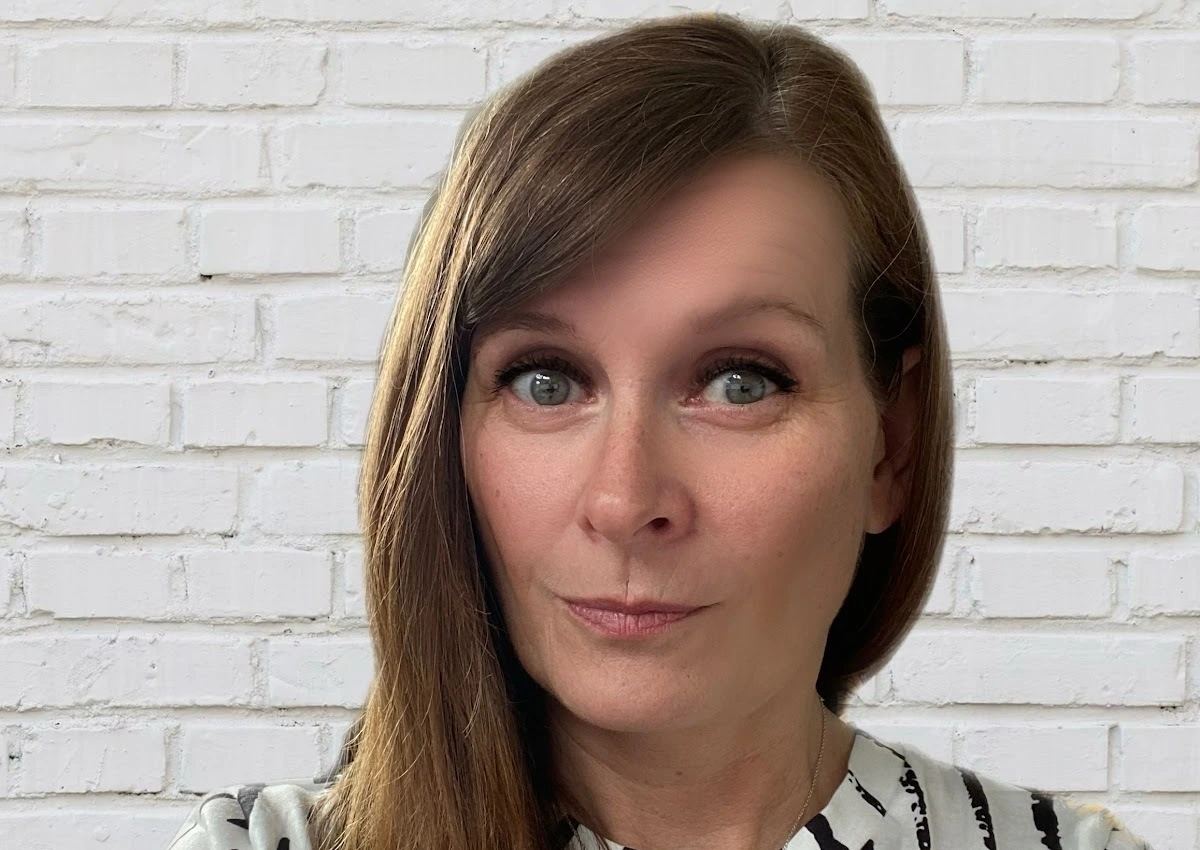
Whisker, a company that has carved a significant niche in the pet technology market with its innovative self-cleaning litter boxes, is embarking on an ambitious new marketing strategy designed to cultivate a deeper appreciation for feline companionship and expand its customer base. The 25-year-old company, traditionally focused on alleviating the less glamorous aspects of cat ownership, is undergoing a strategic shift to redefine its brand identity, aiming to bridge the gap between a high-tech enterprise and a dedicated pet company. This evolution is spearheaded by the recent appointment of Hew Loyd as Chief Marketing Officer, who brings a wealth of experience from his previous roles at CookUnity and Sir Kensington’s.
Loyd is currently orchestrating the launch of “The Future is Feline,” a comprehensive brand initiative intended to position cats as the ultimate domestic companions. A central pillar of this campaign is the promotion of Whisker’s proprietary app and the Whisker+ subscription service. This subscription unlocks a sophisticated suite of advanced features for users of select Litter-Robot models, offering enhanced insights and control over pet care.
Expanding the Product Line to Meet Diverse Needs
In tandem with its marketing reorientation, Whisker has been actively expanding its product offerings to cater to a wider spectrum of consumers. The introduction of the Litter-Robot 5 and 5 Pro models signifies a leap forward in pet care technology, incorporating artificial intelligence and integrated cameras to provide owners with unprecedented data and insights into their cat’s health and habits. These advanced models are designed to offer a more proactive approach to pet wellness, moving beyond mere convenience.
Furthermore, the company has addressed the growing trend of urban living and smaller living spaces with the development of the Litter-Robot EVO. This more compact version is specifically engineered to fit seamlessly into apartments and smaller homes, demonstrating Whisker’s commitment to making its technology accessible regardless of living situation.
Riding the Wave of Rising Cat Ownership
These strategic moves by Whisker are strategically timed to capitalize on a significant upswing in cat ownership across the nation. Data from the American Pet Products Association (APPA) indicates a robust 23% increase in cat ownership in 2024, with approximately 49 million households now sharing their lives with feline friends. This burgeoning demographic presents a fertile ground for Whisker to establish lasting relationships with a new generation of cat enthusiasts who may be seeking more sophisticated solutions for pet care.
A Strategic Shift Under New Leadership
Hew Loyd, in his first interview since assuming the role of CMO at Whisker, articulated the vision behind this transformative phase. He noted that while the company possesses a strong 25-year legacy, it has experienced remarkable acceleration in the last decade, largely driven by the CEO’s leadership. Loyd expressed his excitement about the opportunities to leverage the company’s compelling product narrative and dedicated customer base to achieve new heights.
“There’s fantastic foundations here,” Loyd stated. “What is most exciting, and why I was drawn to this role, Whisker has been around for 25 years, so it’s certainly not a ‘startup,’ but it’s seen an incredible acceleration over the past eight to 10 years, and I think that’s been due to many factors. But our CEO has really led a new wave of growth in the business, which has been really exciting. I think we have incredible opportunities given what is going on in the broader space right now, from a performance perspective. The big opportunity right now is driving a brand that really leads with an incredible story to leverage the power of their product and their audience. And I feel like Whisker has done a fantastic job of that. It’s just now time to take that to the next level.”
Loyd highlighted key areas of focus for his tenure, including the development of a stronger purpose-driven brand narrative through initiatives like “The Future is Feline.” He also emphasized a commitment to enhancing performance measurement, particularly through the implementation of multitouch attribution models to gain sharper insights into customer acquisition and retention, and to optimize unit economics.
“Right off the bat, one area that needed more work was creating at the highest level, the next layer of purpose as a platform,” Loyd explained. “So we have an initiative called ‘The Future is Feline.’ We also have built multitouch attribution, so we are getting a lot sharper in terms of our measurements, really understanding incrementality in this business and really sharpening up our unit economics.”
A crucial element of Whisker’s marketing strategy involves establishing a robust content creation system, which Loyd referred to as “Sprints.” This system is designed to produce a high volume of finely tuned creative assets to fuel the company’s paid social media efforts, ensuring consistent engagement and connection with consumers at scale.
“The last area, which is not new or revolutionary for us, is to build an incredibly robust ad production system. We call it Sprints, and it really is our commitment to sectioning off a group of finely tuned creatives to work on volume and velocity for the voracious beast that is the paid social engine. How do we do a better job of not only building connections to the consumer, but doing that at scale? We’ve really leaned into that as well.”
Redefining “Pet Company” in the Digital Age
The question of whether Whisker is primarily a pet product company or a technology company is central to its evolving identity. Loyd firmly places Whisker within the tech-forward category, drawing parallels to other connected home device manufacturers.
“To this day, our business is still primarily selling Litter-Robots, and that is a connected device. That connected device is very much a tech product,” Loyd stated. “You can think about this business the way you might think about other connected home product devices in your life, such as Peloton, that kind of thing. How this business has leveraged an app experience as well as the functional use of the hardware, for me, means it sits very nicely within a series of products that work much in the same way. And that probably sets us in a different aisle than maybe classic pet products, or pet food, or other things that fall maybe a little bit more into that typical CPG space.”
Bridging the Price Gap: Value Beyond Convenience
Addressing the significant price difference between traditional litter boxes and the premium Litter-Robot models, Loyd acknowledged the challenge of shifting consumer perceptions. He underscored that while Whisker values accessible solutions for all cat owners, their focus is on offering advanced benefits that justify the investment.
“I think the challenge for a company like ours is, ultimately, we have to completely change the world view of customers,” Loyd explained. “There are, of course, really inexpensive versions that are accessible to all. And we love that there are solutions accessible to all, so that more people can adopt cats. But we also know that there are many places in our life where there is a simple, cheap or totally free version, and we opt for something that is more advanced because it offers so many more benefits. We believe that we have improved the experience of scooping poop on a daily basis 10 times over if not 100 times over.”
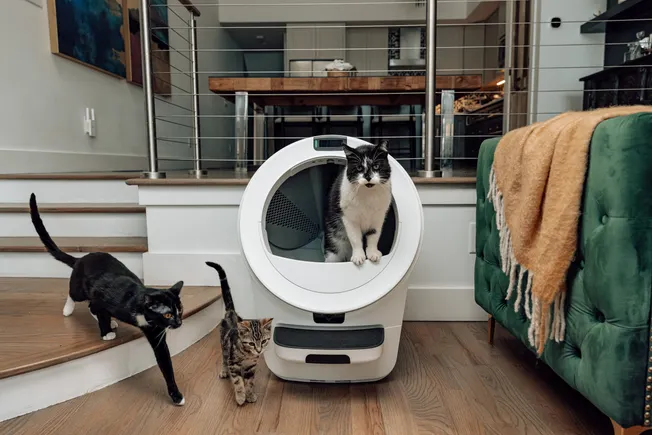
The company’s vision extends beyond mere convenience to fundamentally recalibrating the human-feline relationship. By removing the significant friction associated with litter box maintenance—the chore, the odor, and the time commitment—Whisker aims to foster deeper connections between owners and their pets.
“We want a world where more people want cats,” Loyd asserted. “And we think one of the highest levels of friction is the litter box, not only in the chore itself, but also the odor and the time. It gives people an opportunity to recalibrate the relationship with this family member that needs our assistance in that way. So we feel very comfortable with that.”
Tackling Taboos with Humor and Community
Pet waste, a notoriously taboo subject, is approached by Whisker with a blend of humor and a commitment to destigmatization. Loyd expressed his attraction to categories where mundane or even awkward topics can be reframed to foster community and openness.
“I’ve just been attracted to categories where we can take something mundane or possibly even taboo and we can reapproach that and really remove the layer of shame and give people community and openness,” Loyd said. “We think there’s liberation in talking about it, and we think, of course, there’s a lot of humor. Who doesn’t like a poop joke? This brand has leaned into that in the past.”
The “Future is Feline” campaign specifically aims to elevate cats as superior companions, challenging a perceived societal bias towards dogs. Whisker’s technology, by simplifying a significant aspect of cat care, is presented as a catalyst for increased cat adoption.
“We’ve grown up and grown that message a little bit more over time. ‘The Future is Feline’ is really built around this idea that we believe cats are the superior companion, and while we live in a dog biased society, Litter-Robot enables your relationship with your cat to just be that much more streamlined, and therefore that lowers the bar for more people to come in and adopt a cat.”
A pointed observation made by Loyd highlights a key differentiator: “Part of the argument that cats are an incredible option, is that with Litter-Robot we remove poop entirely as a concept. When you have a dog, poop is very much a part of your life. And there’s no Litter-Robot coming to save you.”
The Future of Feline Care: Data, Diagnostics, and Growth
Given the longevity of the Litter-Robot and the inherent loyalty of its customer base, Whisker’s long-term growth strategy is heavily reliant on its technological advancements and subscription services. The company sees the “tech side” as paramount to continued expansion, particularly through its Whisker+ subscription and the connected nature of its hardware.
“That’s entirely where we’re going as a business,” Loyd confirmed. “Whisker+ and just the broader, connected nature of where the hardware meets software in doing a better job at diagnosing the challenges that cat owners have. We tell you the things about your cat that you don’t know. We would like to think through this portal that is the Litter-Robot, cats walk into an environment where they get a little bit of a check in. It has a scale on it. It’s monitoring the cat at just the most basic level. But with Litter-Robot 5 and 5 Pro, we have cat face identification for multicat households.”
The company envisions its devices as proactive health monitoring tools, capable of identifying subtle changes in a cat’s behavior that could indicate potential health issues. For instance, the frequency of litter box usage can be a critical indicator of urinary tract infections or other ailments, information that an owner with a traditional litter box might miss, especially if they are away from home for extended periods.
“What does it look like if your cat is getting in and out of a litter box 10-15 times a day? It’s a UTI, and that can be dangerous. And outside of having a Litter-Robot, if you have a traditional litter box, you are probably at work, and you would never know,” Loyd elaborated. “I wouldn’t call it a diagnostic tool, but the heart of where we’re going is really just giving a more crisp and more advanced view for cat owners on a daily basis.”
The market potential for Whisker remains substantial. With 49 million cat households and only an estimated 3 million currently utilizing automatic litter boxes, the gap represents a significant opportunity for growth.
“There are 49 million cat households, and out of those, there are probably something like 3 million automatic litter box households. So if you look at the gap between 3 million automatic litter box households and 49 million cat households, that gives you a sense of what we’re working to do, which is there are a lot of cat owners without this solution. We will be doing this for a very long time.”
The “Future is Feline” campaign is therefore positioned not just as a marketing effort, but as a mission to dismantle societal biases against cats and to broaden the appeal of cat ownership by addressing and resolving common challenges. Whisker anticipates that by making cat ownership more streamlined and rewarding, they can significantly contribute to increasing the number of cat households nationwide.
” ‘Future is Feline’ is really meant to identify this challenge, which is that there’s a lot of bias in our society against cats. And people have closed off their view of getting a cat because of some of these challenges that we are fixing. With that, we expect to push that 49 million cat households up.”