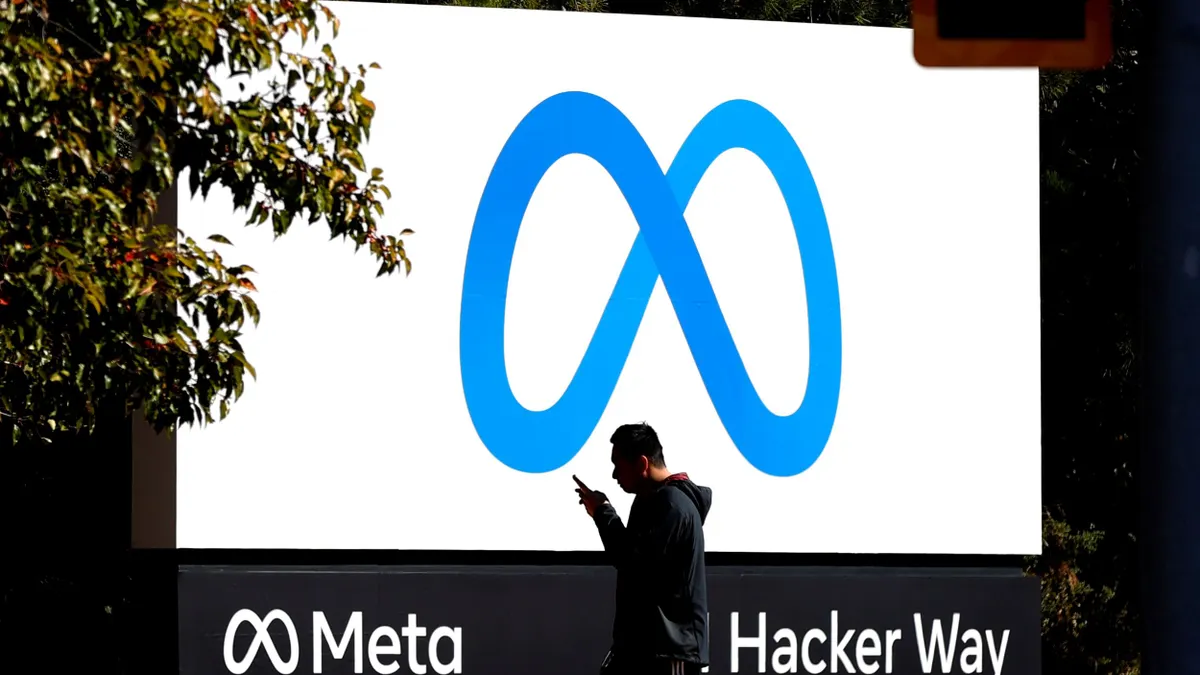
A major tech company is embroiled in a significant legal battle, with 26 current and former employees filing a lawsuit alleging that the company utilized a sophisticated array of internal artificial intelligence systems to determine who would be included in its approximately 10% reduction in force. This advanced AI, the plaintiffs claim, disproportionately selected workers who had taken or requested protected leave in the previous two years, effectively penalizing them for exercising their legal rights. The lawsuit, filed this month in the U.S. District Court for the Northern District of California, paints a concerning picture of algorithmic decision-making potentially violating federal employment laws designed to protect employees from discrimination.
Core Allegations: AI Systems and Discriminatory Outcomes
The heart of the lawsuit revolves around the company’s alleged reliance on a "constellation of internal artificial-intelligence systems" rather than the "considered judgment of managers who knew the work" to compile its termination list. Plaintiffs contend that these AI tools incorporated various metrics, including "performance ratings, calibration scores, productivity and output metrics, ‘AI-native’ ratings, and AI-token consumption." The critical flaw, according to the lawsuit, is that these inputs "by design, cannot be accumulated by an employee who is on protected medical or family leave, or whose output is reduced by a disability."
Specific examples cited in the legal filing underscore the alleged discriminatory impact:
- A scientist was reportedly selected for the reduction in force while actively on pre-birth pregnancy leave.
- A manager experienced a demotion after returning from medical leave, only to be chosen for layoff weeks into a second medical leave.
- An engineer’s performance rating was purportedly lowered due to "broken time," a direct consequence of an injury that prevented him from working.
These instances, the plaintiffs argue, demonstrate a systemic issue where the AI systems failed to "neutralize" these inputs to account for protected leave. Furthermore, the company allegedly did not exclude individuals who had taken protected leave or sought accommodations from the layoff selection process. The resulting outcome, as stated in the lawsuit, was that "employees who took protected leaves were disproportionately selected for layoff, based on scoring that not only failed to account for their protected leaves, but in effect penalized the employees for exercising their legal rights to these leaves."
The plaintiffs assert that these actions constitute violations of several critical federal statutes: the Americans with Disabilities Act (ADA), the Family and Medical Leave Act (FMLA), the Pregnancy Discrimination Act (PDA), the Pregnant Workers Fairness Act (PWFA), and Title VII of the 1964 Civil Rights Act. These laws are foundational in protecting employees against discrimination based on disability, family and medical leave needs, pregnancy, and other protected characteristics.
Company’s Official Stance and Denial
In response to the serious allegations, a spokesperson for the company vehemently denied the claims. "The claims lack merit and are not based on facts. Workforce management and organizational decisions were and are made by people, not AI," the spokesperson stated. This denial sets the stage for a potentially protracted legal battle, with the company maintaining that human oversight and decision-making were paramount in the layoff process, directly contradicting the plaintiffs’ assertion of AI-driven selection. The plaintiffs are seeking a preliminary injunction to prevent the finalization of their separations, indicating the urgency of their legal challenge.
Background: Meta’s "Year of Efficiency" and Extensive Layoffs

The lawsuit emerges against a backdrop of significant restructuring and workforce reductions at the company, particularly throughout 2022 and 2023. After a period of aggressive expansion, the tech giant, like many of its peers, faced economic headwinds, a slowdown in advertising revenue, and substantial investments in its metaverse vision, which had yet to yield significant returns.
- November 2022: The company initiated its first major layoff round, impacting approximately 11,000 employees, representing about 13% of its workforce at the time. This move was described by CEO Mark Zuckerberg as a painful but necessary step to address over-hiring during the pandemic boom and to streamline operations.
- March 2023: A second wave of layoffs was announced, affecting another 10,000 employees. This round targeted non-engineering roles, further emphasizing a shift towards a more technically focused and leaner organization.
- May 2023: A third, smaller but still significant round of job cuts followed, impacting approximately 1,500 employees, primarily in business functions. This particular reduction in force, which aimed for a roughly 10% cut, appears to be the specific event referenced in the current lawsuit, given the publication date of the original article.
These successive layoff rounds were part of CEO Zuckerberg’s declared "year of efficiency," a strategic pivot aimed at reducing costs, improving productivity, and refocusing the company’s resources. While the stated goal was to create a more agile and efficient organization, the methods employed, particularly the alleged use of AI in personnel decisions, are now under intense legal scrutiny. The lawsuit suggests that the drive for efficiency may have inadvertently, or purposefully, led to discriminatory practices when implemented through un-neutralized AI systems.
The Expanding Role of AI in Human Resources and its Ethical Challenges
The allegations against the company highlight a growing tension between the promise of artificial intelligence to optimize human resources functions and the inherent risks of algorithmic bias and potential discrimination. AI has rapidly permeated various aspects of HR, from recruitment and applicant screening to performance management, employee engagement, and even predicting flight risk.
Benefits of AI in HR:

- Efficiency: Automating routine tasks, speeding up recruitment processes, and streamlining administrative burdens.
- Data-Driven Insights: Analyzing vast datasets to identify trends, predict attrition, and optimize workforce planning.
- Objectivity (Theoretical): Reducing human bias by using predefined criteria for evaluations, although this is precisely where the current lawsuit finds fault.
Risks and Challenges:
- Algorithmic Bias: If the data used to train AI models reflects existing societal or historical biases, the AI will perpetuate and even amplify those biases. For instance, if past performance data implicitly favored employees who never took leave, an AI trained on that data might disproportionately penalize those who do.
- Lack of Transparency (Black Box Problem): The complex nature of some AI algorithms can make it difficult to understand how decisions are reached, raising concerns about accountability and the ability to challenge adverse outcomes.
- Legal Compliance: Ensuring AI systems comply with a patchwork of anti-discrimination laws (like ADA, FMLA, Title VII) is a significant challenge, especially when AI outputs are difficult to audit for bias.
- Dehumanization: Over-reliance on metrics and algorithms can strip away the human element of employment relationships, potentially leading to lower morale and a perception of unfairness.
In this case, the plaintiffs’ claim that the AI systems penalized employees for "broken time" or a lack of "AI-token consumption" due to protected leave speaks directly to the potential for algorithms to misinterpret or devalue periods of absence that are legally protected. This transforms a legitimate right into a quantifiable disadvantage, illustrating a critical flaw in the AI’s design or implementation.
Legal and Societal Implications: Setting a Precedent for AI Accountability
This lawsuit could become a landmark case, setting important precedents for how companies use AI in employment decisions, particularly during sensitive events like layoffs. The legal battle will likely delve deep into the specifics of the AI systems used, the data inputs, the algorithms’ logic, and the extent of human oversight.
- Scrutiny of AI Auditability: The case will test the extent to which companies must be able to explain and audit their AI systems for bias and compliance with anti-discrimination laws. This could lead to increased calls for "explainable AI" (XAI) in HR contexts.
- Redefining "Fairness" in Algorithms: The outcome may influence how "fairness" is defined and measured in algorithmic decision-making, particularly concerning protected characteristics and legal entitlements like leave. It might necessitate new standards for how AI models are trained and evaluated to ensure they do not indirectly discriminate.
- Regulatory Response: A high-profile case like this could spur regulators, such as the Equal Employment Opportunity Commission (EEOC) and other federal agencies, to issue clearer guidelines or even new regulations specifically addressing AI in employment. There is already a growing global movement towards regulating AI, with the European Union’s AI Act and various U.S. state initiatives seeking to address algorithmic bias.
- Corporate Responsibility: Companies deploying AI in HR may face increased pressure to conduct thorough impact assessments, implement robust ethical AI frameworks, and ensure continuous monitoring for discriminatory outcomes. This extends beyond legal compliance to broader corporate social responsibility.
- Employee Trust and Advocacy: The lawsuit highlights the need for employee advocacy in the age of AI. As algorithms become more pervasive, employees will need stronger protections and clearer avenues to challenge decisions they believe are unfair or discriminatory. Unions and worker rights organizations are increasingly focusing on the impact of AI on labor.
The Road Ahead: A Complex Legal and Ethical Battle
The legal proceedings are expected to be complex, involving expert testimony on AI, data science, and employment law. The plaintiffs’ request for a preliminary injunction underscores the immediate impact on the affected individuals and the potential for irreparable harm if their separations are finalized.
As the legal system grapples with the intricacies of AI-driven discrimination, this case serves as a critical reminder that technology, while powerful, is not inherently neutral. Its design, implementation, and oversight must be meticulously crafted to uphold human rights and legal protections. The outcome of this lawsuit could significantly shape the future landscape of AI in human resources, compelling companies to adopt more transparent, ethical, and legally compliant approaches to algorithmic decision-making in the workplace. The balance between corporate efficiency and employee protection, particularly for those exercising their fundamental rights, will be at the heart of this unfolding legal drama.