rifanmuazin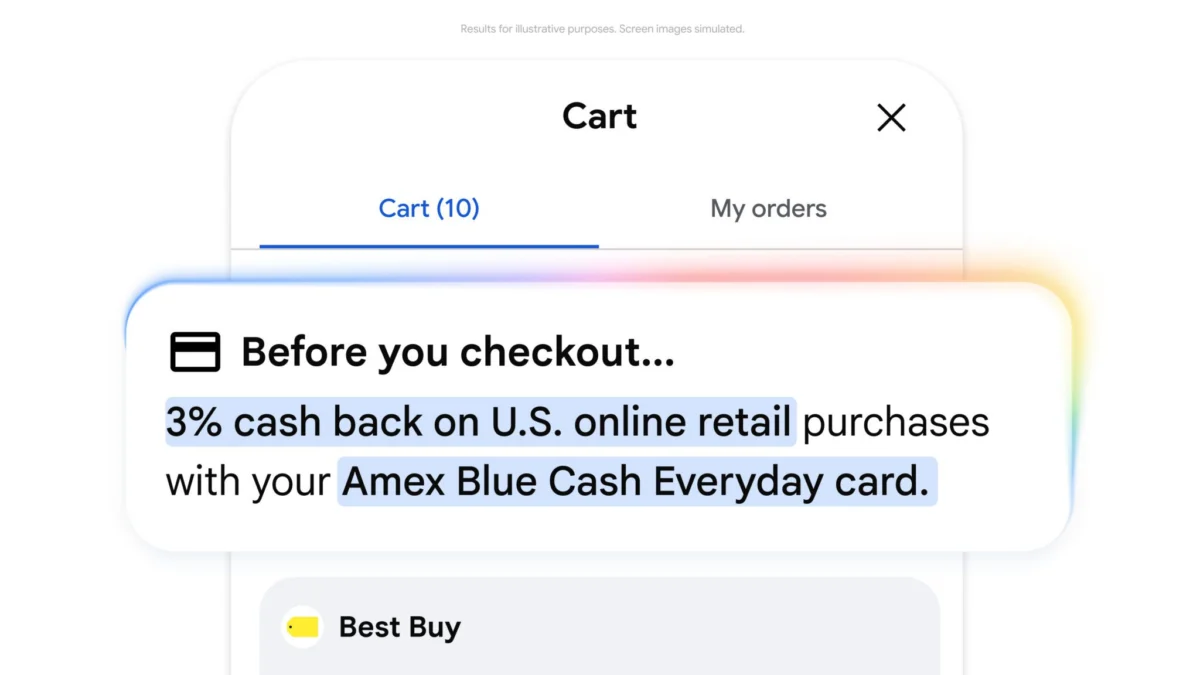
Google kicked off its annual Google I/O developer conference on May 19, 2026, with a suite of groundbreaking announcements, prominently featuring the unveiling of its new agentic commerce and checkout tool, the Universal Cart. This innovative platform, built upon Google’s Universal Commerce Protocol (UCP), is poised to redefine the online shopping experience by seamlessly integrating artificial intelligence across Google’s vast ecosystem of services.
The Universal Cart represents a significant leap forward in e-commerce, enabling AI agents to communicate directly with payment infrastructures for streamlined transactions. This advancement is a direct result of Google’s strategic collaboration with Shopify, a leading e-commerce platform, in co-developing the foundational UCP. The core promise of Universal Cart is to empower online shoppers to consolidate purchases from multiple merchants within a single, unified experience, drawing information and enabling actions across Google Search, its advanced AI model Gemini, YouTube, and even Gmail.
The Genesis of Universal Cart: A New Era of Intelligent Shopping
Vidhya Srinivasan, Vice President and General Manager for Ads and Commerce at Google, articulated the vision behind Universal Cart in a detailed blog post accompanying the announcement. “Universal Cart is an intelligent shopping cart and your new hub for shopping on Google,” she stated. “It works across merchants and across services, so you can add things to your cart while you’re browsing Search, chatting with Gemini, watching YouTube or even reading your Gmail.” This statement underscores Google’s ambition to embed commerce deeply into users’ daily digital interactions, transforming passive browsing into active purchasing opportunities.
The development of Universal Cart is a culmination of Google’s ongoing efforts to leverage AI for enhanced user experiences and to create more efficient pathways for online commerce. The company has been steadily integrating AI capabilities into its search and advertising products, and the Universal Cart signifies a direct application of these advancements to the transactional side of the digital economy. The partnership with Shopify is particularly noteworthy, as it brings together Google’s extensive reach and AI prowess with Shopify’s deep expertise in supporting a vast network of online retailers.
How Universal Cart Transforms the Shopping Journey
The functionality of Universal Cart extends far beyond a traditional online shopping cart. It is designed to be an proactive and intelligent assistant for consumers. As users add products to their Universal Cart, the AI systems behind the scenes begin to work autonomously. These systems are tasked with identifying potential cost savings, such as actively searching for discounts, price drops, and historical price trends. Furthermore, the cart will provide valuable insights into product availability, alerting users when an item they are interested in is back in stock.

This sophisticated functionality is powered by Google’s Gemini models, which are continuously learning and improving. As the Gemini models evolve, so too will the intelligence and predictive capabilities of the Universal Cart, promising an ever-smarter shopping companion. Srinivasan elaborated on the proactive recommendations users can expect, citing examples such as identifying incompatibilities between computer components and suggesting viable alternatives. This level of intelligent assistance aims to reduce buyer’s remorse and enhance the overall satisfaction of online purchases.
A key differentiator for Universal Cart is its ability to tap into the wealth of information stored within Google Wallet. This includes leveraging a shopper’s preferred payment methods, loyalty program benefits, and available merchant offers. By integrating this data, Universal Cart can provide more personalized and value-driven recommendations, ensuring that users are not only making purchases but also optimizing their spending and maximizing rewards.
Seamless Payments, Enhanced by UCP
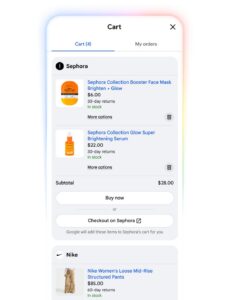
The underlying Universal Commerce Protocol (UCP) is central to the seamless payment experience offered by Universal Cart. “When you’re ready to buy, UCP makes checkout from your cart super smooth,” Srinivasan explained. The protocol facilitates quick and secure transactions, allowing users to complete purchases with Google Pay in just a few taps, especially with participating brands. For merchants who prefer it, or for transactions requiring a more traditional route, the Universal Cart also offers the flexibility to transfer items directly to the merchant’s website for checkout.
This dual approach to checkout caters to a wide range of consumer preferences and merchant requirements, aiming to minimize friction at the critical point of purchase. The integration with Google Pay further streamlines the process, leveraging existing user trust and familiarity with the payment service.
Merchant Adoption and Future Rollout
Google has already secured commitments from a significant roster of prominent retailers to integrate with Universal Cart. Among the early participants whose products will be available through the platform soon are Nike, Sephora, Target, Ulta Beauty, Walmart, and Wayfair. Additionally, Shopify merchants, including brands like Fenty and Steve Madden, are set to be integrated.
This broad merchant adoption is a testament to the perceived value of Universal Cart in streamlining e-commerce and potentially increasing conversion rates. The inclusion of major retailers and a diverse range of Shopify brands indicates Google’s strategic approach to building a comprehensive and attractive ecosystem for both consumers and businesses.
The rollout plan for Universal Cart is phased, beginning with its integration into Google Search and the Gemini app in the United States during the summer of 2026. Subsequent expansions will include YouTube and Gmail, further embedding the shopping functionality into widely used Google services. This staged rollout allows Google to refine the user experience and gather feedback before broader market penetration.
Broader Implications for the E-commerce Landscape
The introduction of Universal Cart by Google carries significant implications for the future of e-commerce. By creating a unified shopping experience that spans multiple Google services and integrates with a wide array of retailers, Google is positioning itself as a central nexus for online commerce. This could lead to a redistribution of power in the e-commerce value chain, with Google potentially playing a more direct role in facilitating transactions rather than solely acting as an advertising platform.
The agentic nature of Universal Cart, powered by advanced AI, suggests a future where shopping is less about active searching and more about intelligent assistance and proactive recommendations. This shift could fundamentally alter consumer behavior, making shopping more intuitive and personalized. For retailers, this presents an opportunity to reach consumers in new and engaging ways, potentially driving higher sales volumes and improving customer loyalty through personalized offers and seamless checkout experiences.
However, this increased integration also raises important questions about data privacy and the competitive landscape. As Google gains more insight into consumer purchasing habits across various platforms, robust data protection measures will be paramount. Furthermore, the dominance of a single platform in facilitating such a broad range of commerce could present challenges for smaller e-commerce players who may find it more difficult to compete.
The Universal Commerce Protocol (UCP) itself is a foundational element that could have far-reaching effects beyond Universal Cart. By establishing a standardized protocol for AI agents to interact with payment systems, Google and Shopify are paving the way for a more interoperable and efficient e-commerce infrastructure. This could foster further innovation in agentic commerce, enabling new types of automated shopping experiences and services.
The success of Universal Cart will likely depend on its ability to deliver tangible value to both consumers and merchants. For consumers, this means a truly enhanced shopping experience that saves time, money, and effort. For merchants, it means increased sales, greater efficiency, and deeper engagement with their customer base. As Google continues to integrate AI into every facet of its offerings, Universal Cart stands as a bold statement about the future of digital commerce, one where intelligence and convenience are paramount. The coming months will reveal how effectively this ambitious vision translates into real-world impact for shoppers and retailers alike.