
 rifanmuazin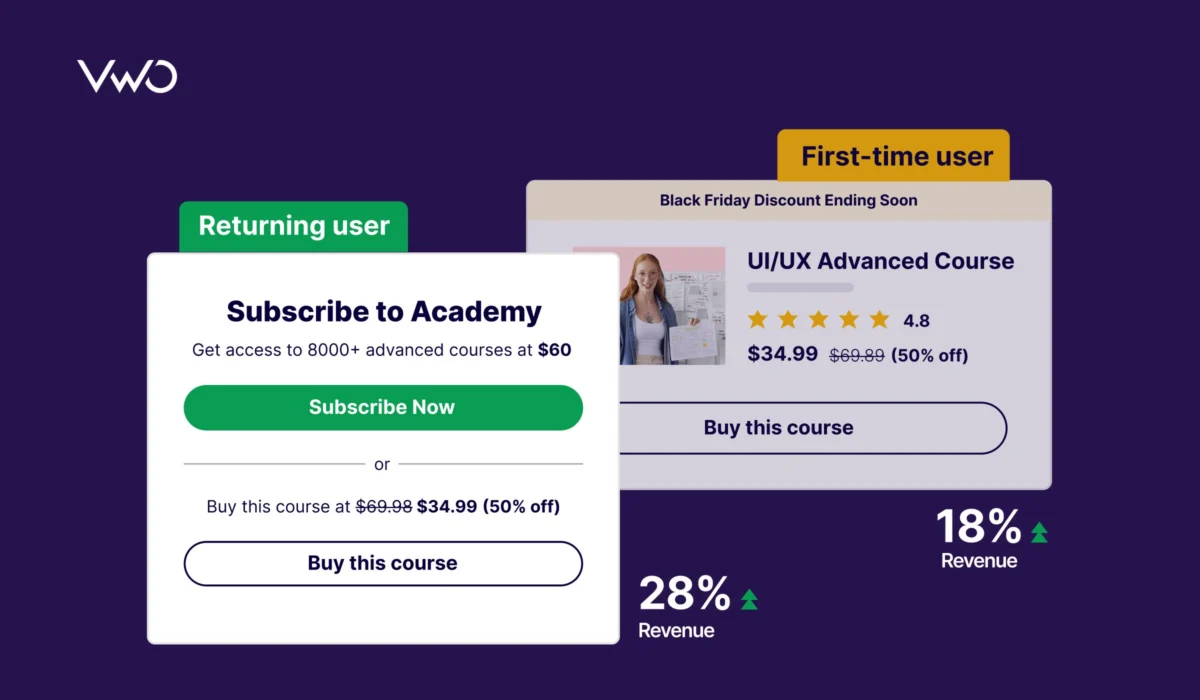
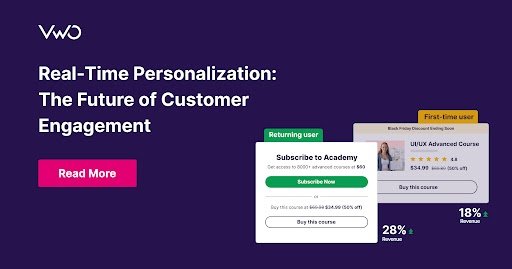
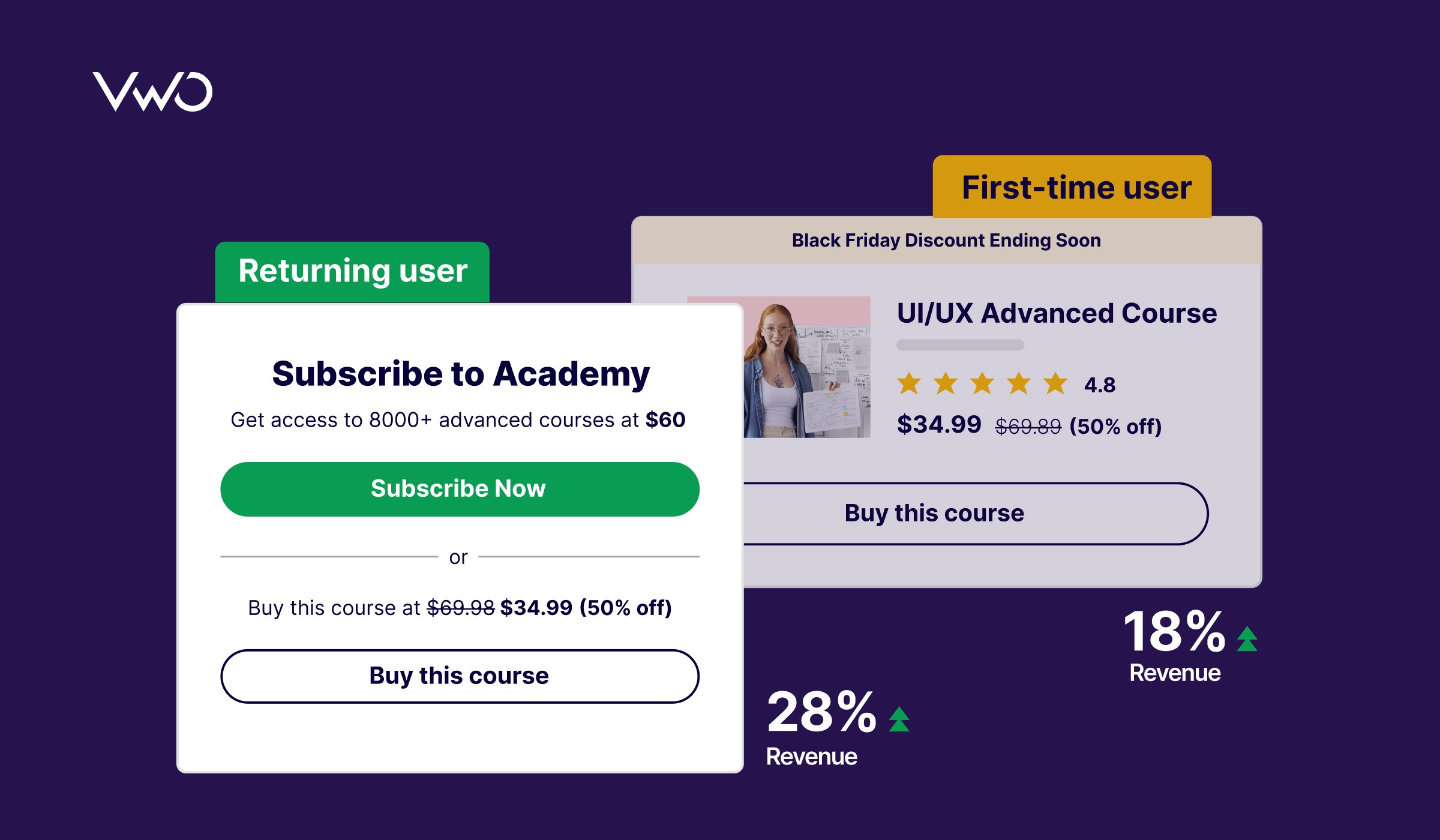
The digital landscape is currently undergoing a seismic shift in how brands interact with consumers, moving away from static, broad-brush marketing toward a model of hyper-relevance. In the traditional digital environment, two vastly different users—a returning subscriber seeking technical documentation and a first-time visitor arriving from a holiday discount advertisement—would often encounter the exact same homepage. This "one-size-fits-all" approach typically results in a ten-second window of failure: the veteran user is bored by elementary content, while the newcomer is overwhelmed by complexity. As the industry moves toward 2026, real-time personalization has transitioned from a competitive advantage to a foundational requirement for digital survival.
Real-time personalization is defined as the practice of dynamically adjusting digital experiences, including website architecture, promotional offers, and product recommendations, based on a user’s live behavior and context during an active session. Unlike traditional personalization, which relies on historical batch processing and "stale" data from previous weeks, real-time systems pivot in milliseconds. This agility allows a platform to respond to a user’s intent the moment it is signaled, effectively turning a digital interaction into a live conversation.
The Economic Drivers of Instant Relevance
The shift toward signal-driven marketing is fueled by significant economic incentives. Industry research indicates that fast-growing companies now generate approximately 40% more of their revenue from personalization than their slower-growing counterparts. This discrepancy is rooted in the ability to capture "peak interest." When a system responds to a user’s intent within the same session, it guides the decision-making process while the consumer is actively evaluating options, rather than attempting to re-engage them 24 hours later via an abandoned cart email.
Beyond immediate conversion, real-time personalization addresses the critical issue of "perishable data." User intent often has a short shelf life; a search for "urgent home office equipment" carries immense value in the moment but becomes irrelevant once the purchase is made or the need subsides. By capitalizing on these micro-moments, brands can maximize the utility of data that traditional batch-processing would otherwise miss. Furthermore, statistics suggest that 60% of consumers are more likely to become repeat buyers when brands consistently deliver experiences that make them feel "known," suggesting that real-time relevance is a primary driver of long-term customer lifetime value (CLV).
The Mechanics of the Listen-Think-Act-Learn Loop
The technical execution of real-time personalization functions as a high-speed orchestration of data and design. To the end-user, the experience feels intuitive; behind the scenes, it is a seamless loop operating within milliseconds.
1. Unified Data Collection
The process begins with the capture of real-time event-stream data. This includes mouse movements, scroll depth, time spent on specific pages, and "struggle signals" such as rapid clicking or repetitive navigation between similar products. These signals are most effective when unified into a shared customer context through a Customer Data Platform (CDP), allowing the system to reflect both the current session and the user’s known history.
2. AI-Driven Decisioning
Once data is collected, artificial intelligence and machine learning (ML) models analyze the input to predict the user’s next move. These models can identify whether a user is "just browsing" or is in a "high-intent" phase. AI allows the system to move beyond simple "if-then" rules to complex predictive modeling that can account for thousands of variables simultaneously.
3. Dynamic Experience Delivery
After intent is identified, the website adapts instantly. This can involve reordering the product grid, changing the hero banner, or triggering a contextual overlay. A critical technical challenge here is the "flicker effect," where original content appears briefly before the personalized version loads. High-performance personalization engines use low-latency delivery to ensure the transition is invisible to the user.
4. Continuous Feedback
The final stage of the loop involves the system learning from the user’s reaction. If a real-time recommendation is ignored, the ML model refines the user’s profile instantly, ensuring that the next interaction is more accurately aligned with their preferences.
Strategic Implementation: A Seven-Step Blueprint
For organizations seeking to implement these systems, a structured approach is required to ensure scalability and measurable impact.
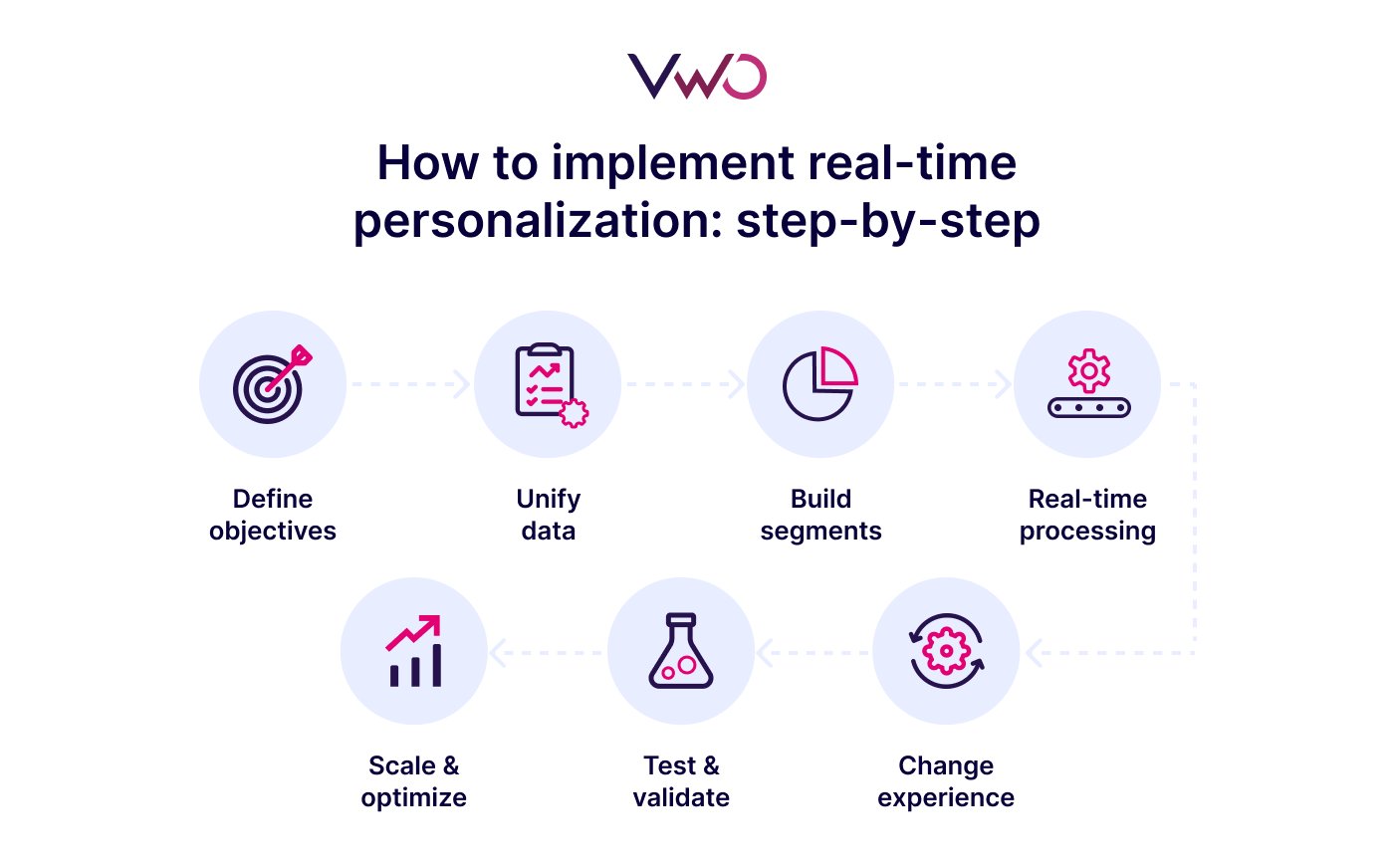
Step 1: Objective Definition. Success begins with identifying a primary business outcome, such as reducing bounce rates, increasing the average order value (AOV), or accelerating trial-to-paid conversions in SaaS environments.
Step 2: Data Unification. Organizations must connect disparate data sources. Real-time relevance depends on the marriage of live behavioral data with historical context, such as past purchase frequency and loyalty tier status.
Step 3: Audience Segmentation. Rather than attempting individualization immediately, teams should build actionable segments based on shared characteristics, such as geographic location, traffic source, or browsing patterns (e.g., "high-value researchers").
Step 4: Real-Time Processing Setup. This requires the implementation of low-latency infrastructure capable of updating user context in milliseconds. The goal is to ensure the site adapts while the user is still engaged.
Step 5: Response Specification. Teams must define the visible changes. This could include adjusting call-to-action (CTA) buttons, reordering content blocks, or surfacing comparison guides to help users overcome indecision.
Step 6: Validation Through Testing. Personalization must be treated as a hypothesis. Using experimentation platforms, teams should run A/B tests to compare personalized experiences against a non-personalized control group to ensure the changes are driving incremental lift.
Step 7: Continuous Optimization. Once a trigger proves effective, it should be scaled across other channels. This ensures the customer journey remains consistent whether the user is on a mobile app, a desktop site, or receiving an automated SMS.
Sector-Specific Applications and Case Studies
The application of real-time personalization varies significantly across industries, reflecting the unique friction points of different customer journeys.
In the E-commerce and Retail sector, the focus is often on reducing hesitation. For example, if a visitor repeatedly views a specific pair of noise-canceling headphones and spends time on the "Shipping & Returns" page, the system may interpret this as a concern over delivery speed. An instant intervention, such as a banner offering "Free Express Shipping for the next 20 minutes," can intercept the user’s uncertainty at the exact moment of decision.
In Software as a Service (SaaS), personalization is used to accelerate product adoption. If a trial user explores a premium feature page multiple times without activating it, the system can trigger an in-app nudge offering a 30-second walkthrough video tailored to that user’s specific industry.
The Travel and Hospitality industry utilizes real-time signals to manage urgency and choice overload. When a user refreshes hotel search results in a specific neighborhood, the system can prioritize properties with declining availability, using live cues such as "only 2 rooms left at this price" to encourage faster booking.
In Financial Services, the technology is used to simplify high-stakes decisions. If a customer adjusts a mortgage calculator multiple times and pauses on the eligibility tab, a prompt can appear offering a one-click eligibility check, thereby increasing the likelihood of a completed application.
Navigating the Challenges of Privacy and Scale
Despite the benefits, the path to real-time personalization is fraught with technical and ethical hurdles. Scalability remains a primary concern; processing massive volumes of data across multiple channels requires robust marketing technology (MarTech) stacks. Inconsistent data synchronization can lead to fragmented profiles, where a customer might see a "first-time buyer" discount moments after completing a purchase on a different device.
Privacy represents the most significant hurdle. As regulations like GDPR and CCPA evolve, and as consumers become more protective of their digital footprints, brands must balance relevance with trust. High-performing organizations are increasingly pivoting toward first-party and zero-party data—information given voluntarily by the consumer—to fuel their personalization engines. Transparency regarding data usage and clear opt-out mechanisms are no longer optional but are essential for maintaining brand reputation.
The Role of Experimentation and AI
The future of customer engagement lies in the integration of rule-based precision and AI-driven scale. While AI can identify patterns that human analysts might miss, rule-based systems remain vital for compliance-heavy industries like healthcare and finance, where certain experiences must adhere to strict regulatory guidelines.
Platforms like VWO have emerged as critical tools in this ecosystem, allowing teams to design, deploy, and—most importantly—test personalized experiences. By measuring whether a specific intervention genuinely boosts engagement, organizations can move away from "intuition-based" marketing. In the coming years, the winners in the digital economy will be those who can listen to a user’s clicks, think about their intent in real time, and act with a level of precision that makes the digital world feel as personal as a face-to-face conversation.








