
 rifanmuazin
The landscape of digital marketing has undergone a fundamental shift as businesses move away from intuition-based strategies toward a rigorous, data-centric methodology known as Conversion Rate Optimization (CRO). In an era where organizations are frequently overwhelmed by vast quantities of raw data, the ability to extract actionable insights has become a primary competitive advantage. Industry experts now argue that effective CRO measurement must be integrated into the campaign lifecycle long before the first test is initiated, rather than being treated as a retrospective analysis. This strategic shift represents a maturation of the digital economy, where the difference between stagnant growth and scalable success lies in the methodological rigor of a firm’s analytics workflow.
The Strategic Imperative of Outcome-Focused Goal Setting
The foundation of any successful conversion strategy begins with the precise definition of success. Recent industry data indicates that the median conversion rate across all industries currently hovers around 6.6%. However, these benchmarks serve only as a baseline. Professional marketers are increasingly moving away from "vanity metrics"—general indicators like page views or raw traffic—in favor of outcome-focused goals that align directly with the bottom line.
To achieve this, organizations must differentiate between high-level Key Performance Indicators (KPIs) and specific business outcomes. For instance, a generalized goal of "increasing leads" is being replaced by targeted objectives, such as increasing the volume of high-quality demo requests by 15% or boosting the average order value for first-time customers by 10%. By tying CRO efforts to the sales funnel, businesses can work backward from revenue targets to determine the exact number of qualified leads required, thereby ensuring that every optimization effort contributes to fiscal growth.

Furthermore, the complexity of the modern customer journey necessitates the tracking of micro-conversions. While macro-conversions, such as a completed purchase or a signed contract, remain the ultimate objective, they often fail to capture the nuances of early-stage intent. Micro-conversions—including newsletter sign-ups, whitepaper downloads, or video views—provide essential data on where friction exists in the funnel. By monitoring these smaller actions, marketers can identify the exact moment a prospect loses interest, allowing for surgical interventions before a major drop-off in macro-conversions occurs.
Analyzing the Conversion Funnel: Identifying the "Leaky Bucket"
A critical component of the CRO process is the deployment of funnel reports to visualize the user journey as a sequence of stages. This "leaky bucket" analogy highlights that while traffic may be high at the top of the funnel, systemic issues often cause significant attrition before the final conversion. Data shows that specific stages of the funnel often harbor hidden barriers; for example, a 40% drop-off between a pricing page and a shopping cart suggests a disconnect in value perception or unexpected costs.
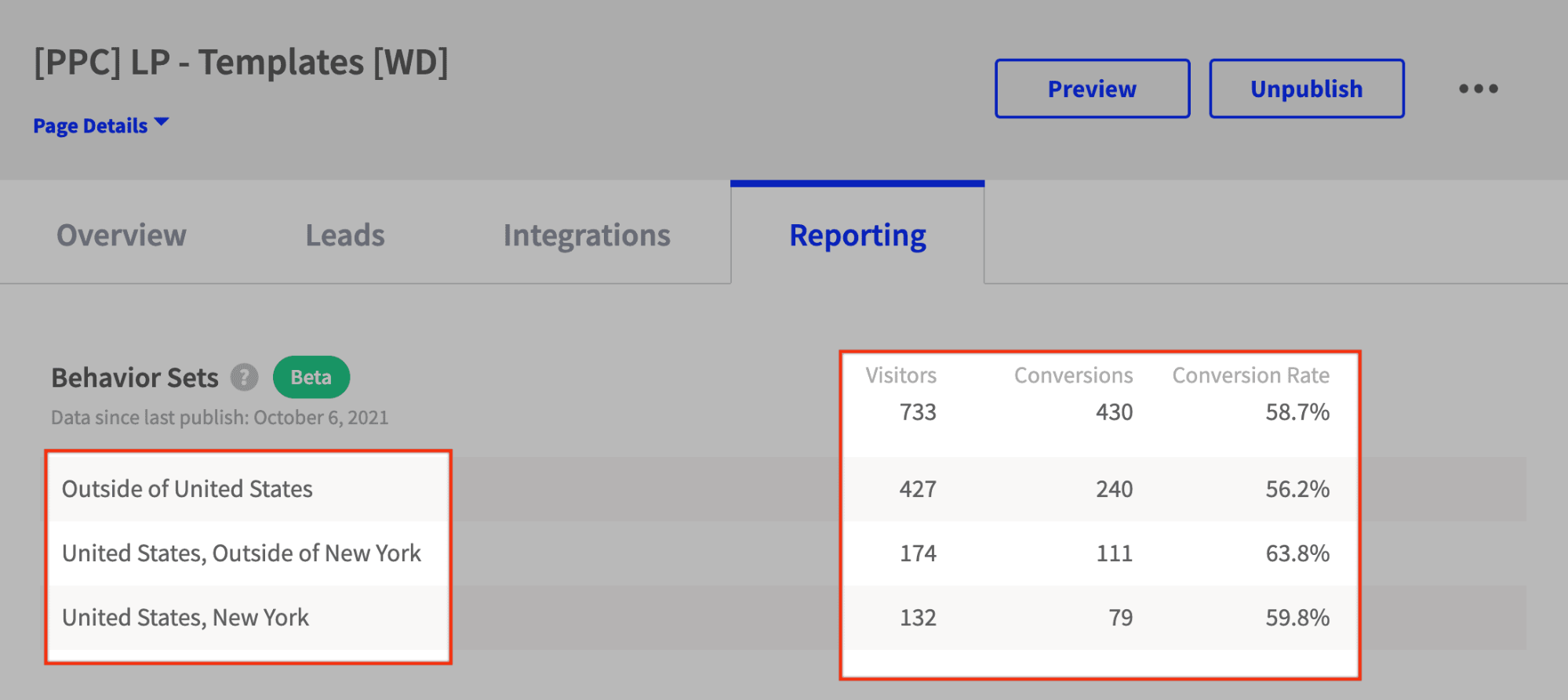
The precision of these reports depends heavily on data hygiene. Experts warn that standard analytics platforms, such as Google Analytics 4 (GA4), can often provide misleading information if not properly filtered. A high bounce rate, for instance, is not a universal indicator of failure; it may simply mean a user found the information they needed immediately. To counter this, sophisticated marketing teams utilize segmentation to break down data by traffic source, device type, and geographic location.
One of the most significant findings in recent conversion research is the disparity between mobile and desktop performance. While mobile devices account for approximately 83% of landing page visits, desktop sessions continue to convert at a rate 8% higher on average. This suggests that while "mobile-first" design is a standard industry term, "mobile-optimized" conversion remains a significant hurdle for many enterprises. Without granular device-level reporting, these critical performance gaps remain invisible to decision-makers.

Bridging the Gap with Qualitative User Behavior Analysis
Quantitative data explains what is happening on a website, but qualitative research is required to understand why it is happening. To build a comprehensive measurement framework, organizations are increasingly adopting visual behavior tools, such as heatmaps and session recordings. These tools allow marketers to observe user interactions in real-time, identifying "rage clicks"—where a user clicks an unlinked element out of frustration—and navigation dead-ends.
Heatmaps provide a visual representation of where users are focusing their attention. If a heatmap reveals that users are ignoring a primary Call to Action (CTA) in favor of a secondary link, it indicates a flaw in visual hierarchy. Similarly, session recordings can uncover technical bugs or layout issues that are specific to certain browser versions or screen sizes.
Complementing these visual tools is the "Voice of the Customer" (VoC) data gathered through surveys and feedback loops. By implementing on-page micro-surveys or exit-intent polls, businesses can ask users directly about their experience. Questions regarding what prevented a purchase or what information was missing from a page provide insights that no spreadsheet can replicate. This combination of quantitative "hard" data and qualitative "soft" insights creates a holistic view of the conversion landscape, enabling more informed hypothesis testing.
The Scientific Method in Marketing: Hypothesis and Rigor
The transition from "guessing" to "testing" requires the application of the scientific method to marketing experiments. A robust CRO program does not rely on random changes; instead, it builds tests on data-backed hypotheses. A standard hypothesis follows a strict formula: "Because we observed [X data], if we change [Y element], then [Z metric] will improve."
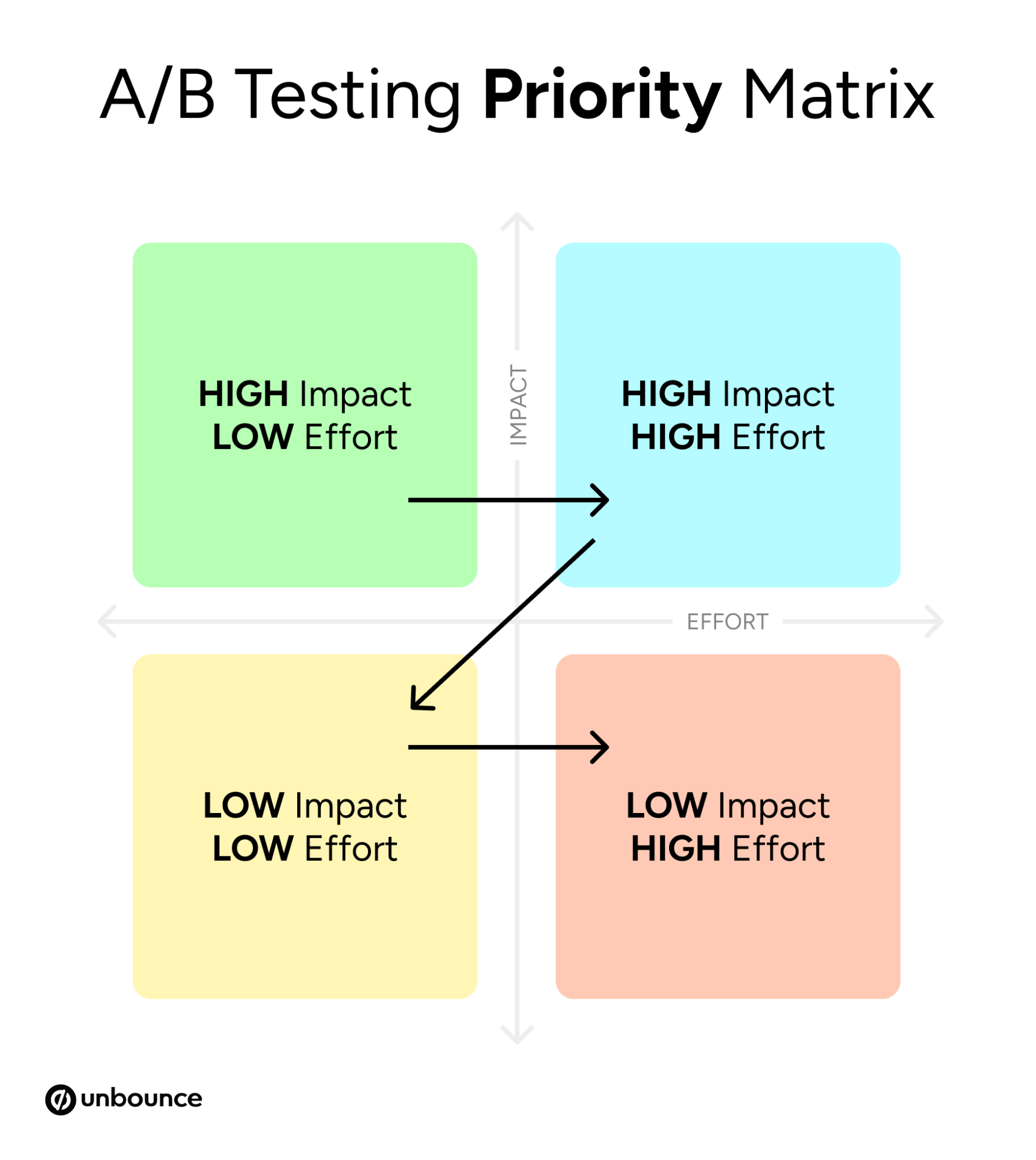
This structured approach ensures that every test has a clear purpose and a measurable outcome. However, not all test ideas are created equal. Organizations must prioritize their experiments using a matrix that evaluates both the potential impact and the technical effort required. High-impact, low-effort changes—often referred to as "low-hanging fruit"—are prioritized to generate immediate momentum and ROI.
The final hurdle in the testing phase is the interpretation of results with statistical rigor. A common pitfall in digital marketing is declaring a "winner" too early based on a slight lead in conversion rates. Without statistical significance, which typically requires a 95% confidence level, a perceived improvement may simply be the result of random variance or seasonal trends. By adhering to strict mathematical standards, marketers ensure that the changes they implement will provide long-term, sustainable growth rather than temporary spikes.
Operationalizing CRO: Building a Culture of Experimentation
For leading organizations, CRO is not a one-time project but a continuous operational habit. This "CRO Flywheel" involves a constant cycle of observing, hypothesizing, testing, and learning. When an experiment concludes, the insights gained—whether the test was a success or a failure—are fed back into the system to inform the next round of optimization.
This culture of experimentation requires a shift in organizational mindset. It necessitates moving away from the "HiPPO" (Highest Paid Person’s Opinion) model of decision-making toward a decentralized, data-first approach. By democratizing access to analytics and encouraging teams to challenge assumptions, companies can foster an environment where innovation is driven by evidence rather than ego.
The broader implications of this shift are significant. As the cost of customer acquisition (CAC) continues to rise across platforms like Google and Meta, the ability to convert existing traffic more efficiently has become the most cost-effective way to scale. Companies that master the art of measurement are able to reinvest their savings into further growth, creating a compounding effect that leaves competitors struggling to keep pace.
Technological Requirements and the Future of Optimization
To execute a modern CRO strategy, the right technological stack is essential. While Google Analytics remains a staple for traffic monitoring, specialized tools for landing page creation, A/B testing, and user feedback are now considered mandatory. Integrated platforms that combine these features allow marketing teams to move faster, reducing the "time-to-insight" and allowing for more rapid iteration.
As artificial intelligence and machine learning continue to evolve, the future of CRO measurement is likely to involve predictive analytics. Systems may soon be able to identify conversion friction points automatically and suggest optimizations in real-time. However, even with the most advanced AI, the human element of strategic goal setting and qualitative empathy will remain central to the process.
In conclusion, the evolution of Conversion Rate Optimization represents a move toward a more disciplined, scientific, and user-centric form of marketing. By defining success through outcome-focused goals, maintaining rigorous data hygiene, and bridging the gap between quantitative and qualitative insights, businesses can transform their digital presence from a static brochure into a high-performance conversion engine. The shift from "drowning in data" to "acting on insights" is no longer an option for modern enterprises—it is a requirement for survival in the digital age.








