
 rifanmuazin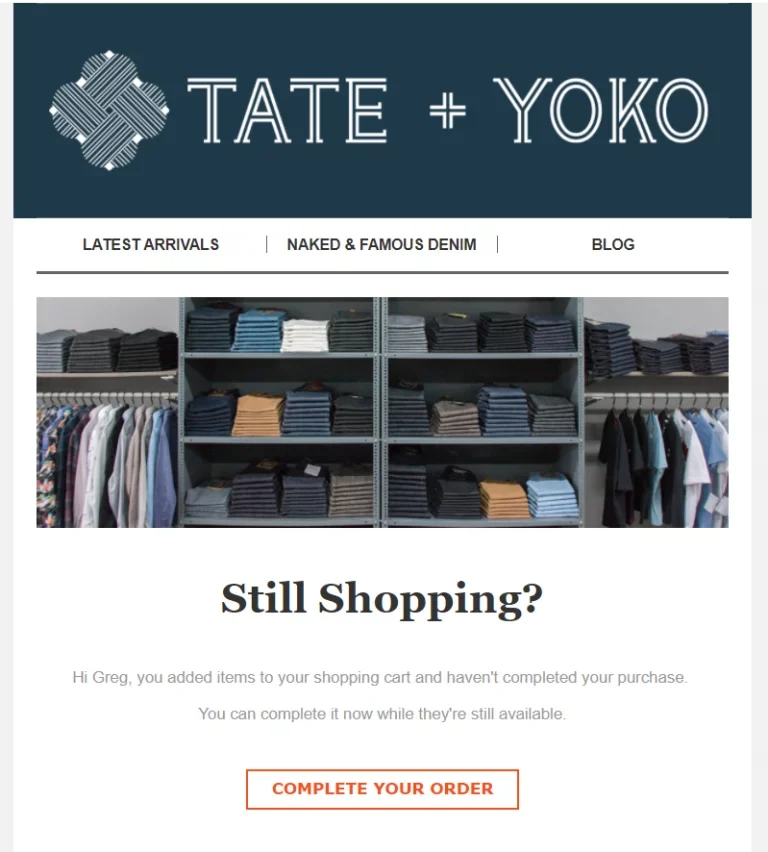
Retail marketing, once predominantly centered on securing prime physical locations, has undergone a profound transformation, evolving into a sophisticated discipline that navigates the intricate interplay between brick-and-mortar establishments and high-performance digital storefronts. To maintain competitiveness in an increasingly globalized marketplace, contemporary retail businesses are compelled to master strategies that not only attract customers and drive sales but, crucially, cultivate enduring loyalty across diverse channels. This comprehensive guide delves into the most effective retail marketing strategies and practices poised for prominence in 2026 and beyond, designed to empower businesses to optimize their operations, enhance customer engagement, and achieve sustainable growth.
Understanding the Core: What Constitutes Modern Retail Marketing?

Retail marketing encompasses a strategic synthesis of various tactics aimed at driving sales and attracting customers to both physical and online stores. This broad definition covers a spectrum of activities, from meticulous store layout and product placement to nuanced pricing strategies, compelling promotions, exceptional customer experience, robust loyalty programs, and even the strategic deployment of affiliate marketing. The overarching objective remains the optimization of the entire buyer’s journey, fostering an environment where customers are not merely inclined to purchase but also motivated to leave positive reviews and advocate for the business within their networks.
Historically, the retail landscape was simpler, with marketing efforts largely concentrated on location, visual merchandising, and local advertising. The advent of the internet in the late 20th century began to shift this paradigm, introducing early forms of e-commerce. However, the true acceleration of digital retail marketing commenced in the early 2010s with the proliferation of smartphones and social media, profoundly altering consumer behavior and expectations. The subsequent years, particularly marked by global events that necessitated digital adaptation, cemented the hybrid model as the standard. Today, a retail marketing strategy must seamlessly integrate online and offline efforts, recognizing that the customer journey rarely follows a linear path.
The Foundational Pillars: The 4 Ps of the Retail Marketing Mix

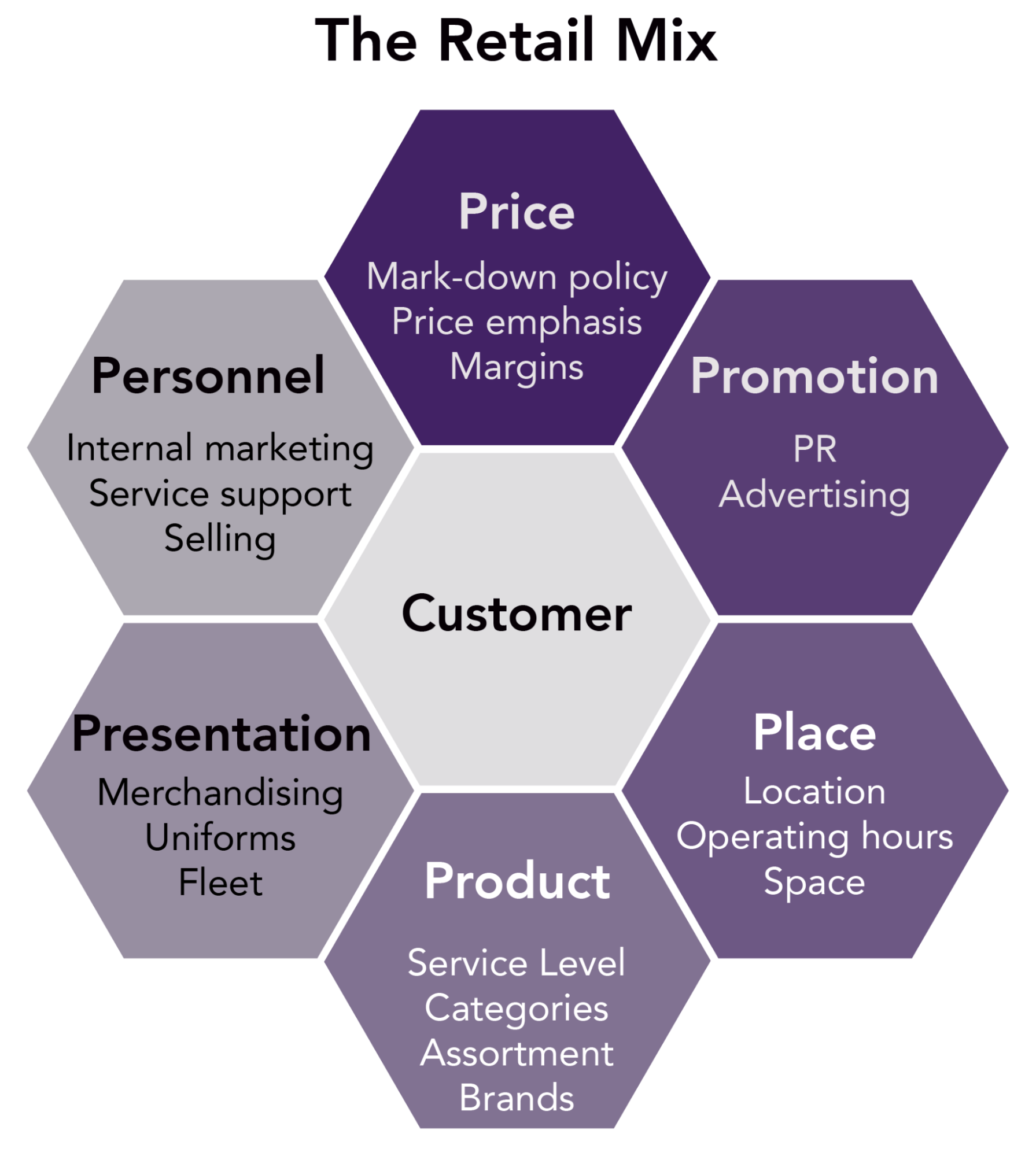
At the heart of all effective retail marketing strategies lie four interdependent factors, collectively known as the 4 Ps: Product, Price, Place, and Promotion. This powerful framework serves as a strategic compass, guiding businesses in their efforts to connect with customers and facilitate purchases. While often cited in general marketing, their application in retail holds specific nuances:
- Product: This extends beyond the physical item to encompass the entire offering, including its quality, design, features, branding, packaging, and the services that accompany it (e.g., warranty, customer support). In modern retail, the "product" also includes the digital experience, such as the ease of navigating an e-commerce site or the utility of a brand’s mobile app. Retailers must continually assess product-market fit and innovate to meet evolving consumer demands. For instance, sustainable sourcing and ethical production are increasingly critical product attributes for a significant segment of consumers.
- Price: This involves not just the monetary cost but also pricing strategies such as discounts, bundles, payment options, and competitive positioning. Dynamic pricing, personalized offers, and transparent pricing models are increasingly common in the digital age. Retailers must balance profitability with perceived value, understanding that price can significantly influence purchasing decisions and brand perception. Data analytics plays a crucial role in optimizing pricing strategies to maximize sales and revenue.
- Place (Distribution): Traditionally referring to physical store locations, "place" now encompasses both brick-and-mortar presence and digital distribution channels. This includes e-commerce websites, mobile apps, social commerce platforms, marketplaces (like Amazon or eBay), and even pop-up stores. The objective is to make products readily accessible to target customers wherever they prefer to shop. The efficiency of supply chains, inventory management, and fulfillment options (e.g., buy online, pick up in-store – BOPIS) are critical components of the "place" strategy in contemporary retail.
- Promotion: This covers all activities aimed at communicating the value of the product to customers and persuading them to buy. It includes advertising, public relations, sales promotions, direct marketing, content marketing, social media campaigns, and personal selling. In the digital era, personalization, targeted advertising, and interactive content are paramount. The goal is to build brand awareness, generate interest, drive conversions, and foster long-term customer relationships.
While the 4 Ps provide a robust foundation, some contemporary marketing frameworks expand this to the 7 Ps, adding "People," "Process," and "Physical Evidence" to better account for service-oriented businesses and the overall customer experience. In retail, "People" refers to staff training and customer service quality; "Process" involves the efficiency and effectiveness of operational procedures; and "Physical Evidence" relates to the tangible aspects of the service environment, such as store aesthetics or website design. Integrating these additional elements ensures a more holistic approach to retail success.
Categorizing Modern Retail Marketing Approaches
Given the complexity of today’s retail environment, businesses often employ a mix of distinct marketing approaches tailored to their specific operational needs and customer engagement goals.
- Store-Based Retail Marketing: For businesses with physical storefronts, maximizing the promotional opportunities within that space remains vital. This approach focuses on enhancing the in-store experience to drive repeat visits and increase average transaction value. Strategies include compelling visual merchandising, interactive product displays, in-store events, personalized assistance from trained staff, point-of-sale promotions, and effective signage that guides customers and highlights offers.
- Best for: Increasing in-store sales and creating a tangible brand experience.
- Data Insight: According to a 2023 report by Statista, physical stores still account for a significant portion of global retail sales, underscoring the enduring importance of store-based marketing, particularly for sensory products or those requiring hands-on experience.
- Non-Store-Based Retail Marketing (Offline Channels): This category focuses on extending a retail business’s reach beyond its physical locations using traditional offline channels. Examples include direct mail campaigns, print advertisements in local newspapers or magazines, radio and television commercials, billboards, telemarketing, and participation in local community events or sponsorships.
- Best for: Spreading local awareness, attracting new customers within a geographical area, and complementing digital efforts.
- Analysis: While digital channels dominate, localized non-store marketing can be highly effective for businesses targeting specific demographics or geographic regions, often serving to drive traffic to both physical stores and online platforms.
- Digital Retail Marketing: This is where businesses leverage online marketing channels to promote products and services to a global audience. It encompasses a vast array of tactics including search engine optimization (SEO), search engine marketing (SEM/PPC), social media marketing, content marketing, email marketing, SMS marketing, influencer marketing, display advertising, and affiliate marketing.
- Best for: Scaling brand awareness, connecting with global audiences, and driving online conversions.
- Data Insight: E-commerce sales are projected to exceed $7 trillion globally by 2025, highlighting the imperative for robust digital retail marketing strategies. (Source: eMarketer projections)
- Omnichannel Retail Marketing: This advanced approach unifies sales and marketing channels to deliver a consistent, seamless, and integrated customer experience across all touchpoints – whether digital or physical. It ensures that a customer’s journey, from browsing products online to purchasing in-store and receiving post-purchase support, feels cohesive and personalized. This contrasts with "multichannel" which simply means using multiple channels, but not necessarily integrating them for a unified customer view.
- Best for: Creating a cohesive buyer journey, enhancing customer loyalty, and increasing customer lifetime value.
- Implication: Businesses adopting omnichannel strategies often report higher customer retention rates and increased average order values, as customers appreciate the convenience and personalization. Research by Aspect Software indicates that companies with strong omnichannel customer engagement strategies retain an average of 89% of their customers, compared to 33% for companies with weak omnichannel strategies.
Key Strategies for 2026 and Beyond: Driving Growth and Loyalty
Multiple retail marketing strategies exist to support brand growth, but selecting the most effective ones requires careful consideration of a business’s unique niche, target audience, and overarching goals.
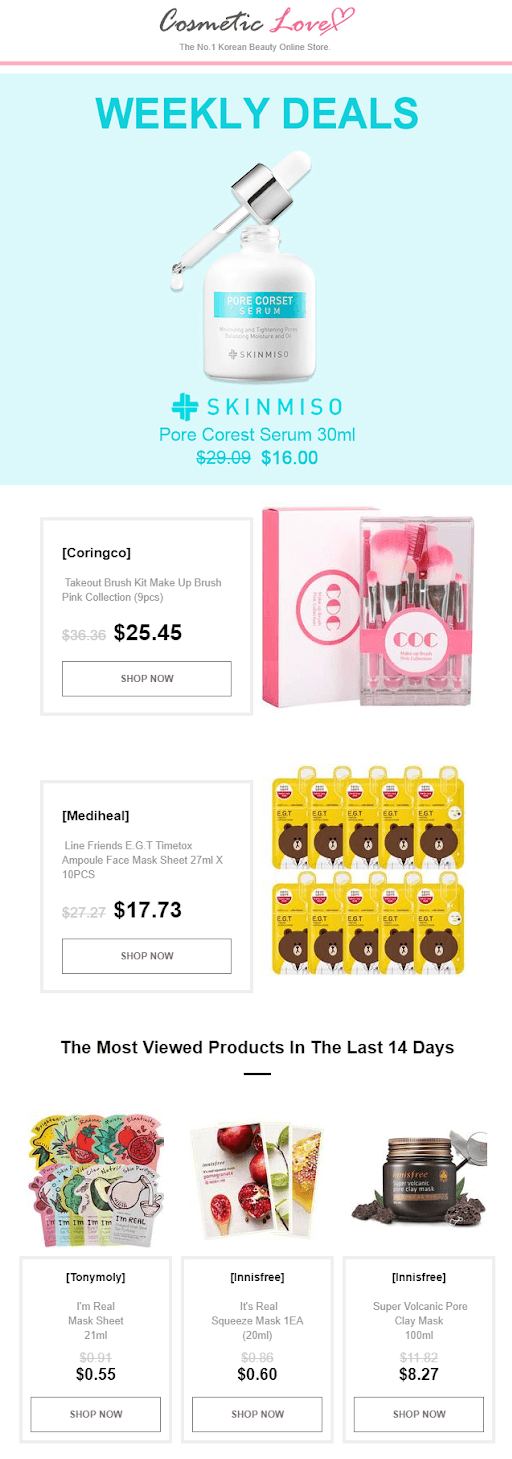
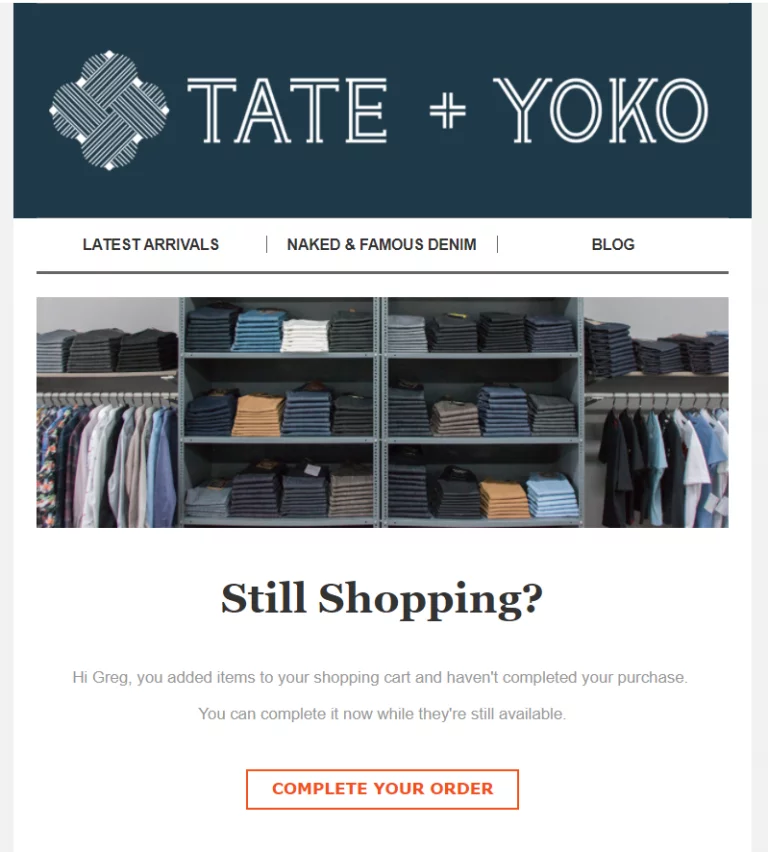
- Email Marketing: Email remains one of the most powerful and cost-effective digital marketing channels. Effective email marketing campaigns drive sales through targeted promotions, nurture customer relationships with personalized messages, and automate key touchpoints across the customer journey. This includes welcome series, abandoned cart reminders, post-purchase follow-ups, re-engagement campaigns, and personalized product recommendations.
- Strategic Elements: Segmentation, personalization, automation workflows, compelling calls-to-action, A/B testing, mobile optimization.
- Data Insight: Email marketing consistently delivers a high return on investment (ROI), often cited at $36 for every $1 spent, making it a cornerstone for retail marketing. (Source: Litmus, Campaign Monitor reports).
- Case Study – Naked & Famous Denim: By transforming their email marketing with platforms like Omnisend, Naked & Famous Denim achieved a remarkable 24% conversion rate for automated emails, alongside a 60% open rate and a 314% revenue-per-email lift for their welcome series. Their abandoned cart flows saw a 16% conversion rate increase and up to a 793% revenue-per-email lift, demonstrating the immense power of targeted, automated email sequences.
- SMS Marketing: SMS marketing leverages the direct and immediate nature of text messages to drive urgency and sales for retailers. It’s particularly effective for time-sensitive promotions, flash sales, order updates, shipping notifications, and urgent customer service alerts. The high open rates of SMS make it an invaluable tool for critical communications.
- Strategic Elements: Opt-in mechanisms, conciseness, clear value proposition, segmentation, timing, integration with other channels.
- Data Insight: SMS open rates frequently hover around 98%, significantly higher than email, making it an excellent channel for urgent or high-priority messages. (Source: Gartner, Forrester).
- Case Study – Inglot Canada: Inglot Canada strategically integrated SMS alongside email and push notifications, witnessing higher conversions and substantial revenue per message. Their collaboration with Omnisend resulted in an astonishing 2,130% lift in revenue-per-message for SMS and email workflows compared to promotional emails, and a 117% conversion rate increase for abandoned cart workflows utilizing SMS and push notifications.
- Social Media Marketing: Social media platforms offer unparalleled opportunities for businesses to showcase products to billions globally. Success doesn’t necessarily hinge on a massive follower count; rather, it depends on strategic timing, engaging content, and active community management. Platforms like Instagram, TikTok, Facebook, and Pinterest are crucial for visual product display, brand storytelling, and direct customer interaction.
- Strategic Elements: Content strategy (photos, videos, live streams), community engagement, paid social advertising, influencer collaborations, social listening, user-generated content (UGC).
- Data Insight: Over 4.9 billion people actively use social media worldwide, presenting an enormous audience for retail brands. (Source: DataReportal).
- PPC Advertising (Pay-Per-Click): PPC advertising places paid advertisements prominently in search engine results and on various websites, allowing retailers to target specific keywords and demographics. Both large and small retailers utilize PPC, with smaller businesses effectively targeting niche markets and local customers to compete against larger budgets. Google Ads and Microsoft Advertising are primary platforms, alongside social media advertising.
- Strategic Elements: Keyword research, ad copy optimization, landing page optimization, bid management, retargeting campaigns, audience segmentation.
- Implication: PPC offers immediate visibility and measurable results, allowing retailers to quickly adapt campaigns based on performance data.
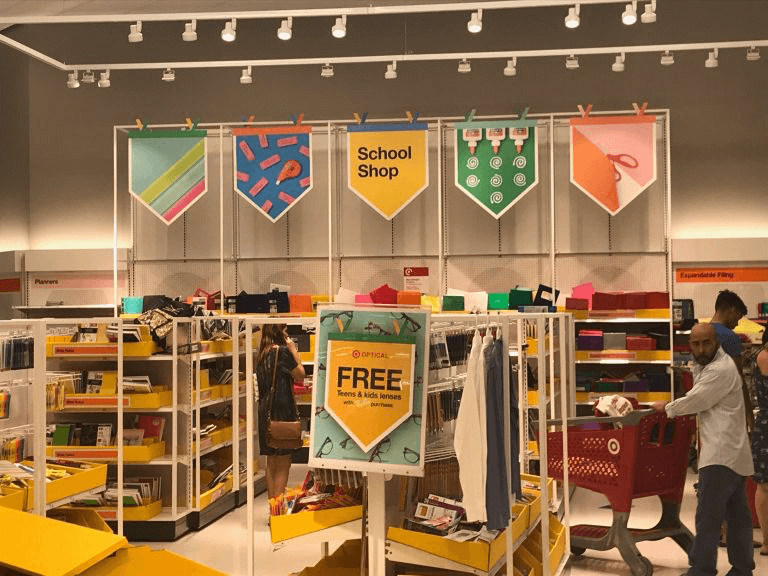
- In-Store Promotions: Even in the digital age, in-store promotions remain a potent tool for driving immediate purchases and enhancing the physical shopping experience. Eye-catching displays, interactive product demonstrations, limited-time discounts, and exclusive in-store offers create a sense of urgency and excitement.
- Strategic Elements: Visual merchandising, product sampling, flash sales, bundled offers, loyalty program sign-ups at checkout, staff training on promotional messaging.
- Analysis: These promotions capitalize on impulse buying and the unique sensory experience of physical retail, which digital channels cannot fully replicate.
- Loyalty & Referral Programs: Rewarding customers, especially repeat buyers, is a highly effective way to strengthen brand affinity and foster business growth. Loyalty programs encourage repeat purchases by offering points, discounts, or exclusive access. Referral programs leverage word-of-mouth marketing, incentivizing existing customers to recommend the business to their networks. Both are cost-effective methods for building trust and driving sustainable revenue.
- Strategic Elements: Tiered rewards, personalized offers, exclusive access, gamification, clear referral incentives, seamless integration with POS/e-commerce systems.
- Data Insight: Acquiring a new customer can cost five times more than retaining an existing one. Loyalty programs can increase customer lifetime value by as much as 30%. (Source: Harvard Business Review, Accenture).
- Omnichannel Marketing: Beyond just a category, omnichannel is a strategy that focuses on uniting all customer touchpoints. It means a customer can start browsing on a mobile app, add items to a cart, receive an email reminder, visit a physical store to see the product, complete the purchase online using a discount from the email, and then receive customer support via chat, all with a consistent brand experience and unified customer data profile.
- Strategic Elements: Integrated CRM, unified inventory management, consistent brand messaging across channels, personalized customer journeys, cross-channel analytics.
- Implication: This approach significantly reduces customer friction, enhances satisfaction, and demonstrably increases customer lifetime value.
- Website & Conversion Optimization (CRO): A retailer’s website serves as a primary digital storefront and often the fastest way to engage customers and convert them into buyers. Optimizing the website for user experience (UX) and conversion rates is paramount, often reducing the need for heavy ad spend by making existing traffic more productive.
- Strategic Elements: Intuitive navigation, fast loading times, mobile responsiveness, high-quality product imagery and descriptions, clear calls-to-action, streamlined checkout process, A/B testing of elements.
- Case Study – B-Wear: B-Wear, seeking better campaign analytics, migrated to a platform like Omnisend to enhance its email marketing. While specific CRO details aren’t provided, improving email analytics directly feeds into understanding customer behavior on the website, allowing for data-driven adjustments to landing pages and product flows, thus boosting conversion rates.
Real-World Application: Case Studies in Action
Examining practical examples reveals how diverse brands leverage retail marketing strategies to achieve their unique goals.
- Amundsen Sports: Automating for Efficiency and Engagement
Amundsen Sports, a brand that likely deals with seasonal peaks and high-value orders, faced challenges with manual campaign setup. Their decision to switch to automated email workflows and order confirmation sequences was a strategic move to improve operational efficiency and customer communication. By automating order confirmations, shipping updates, and post-purchase follow-ups, they not only reduced manual workload but also ensured timely and consistent communication, enhancing customer satisfaction and trust. This automation freed up resources that could then be reallocated to more creative and strategic marketing initiatives. The consistent, professional communication post-purchase also likely reduced customer service inquiries related to order status. - Divatress: Recapturing Lost Revenue with Multi-Channel Automation
For Divatress, an e-commerce retailer, abandoned carts represented a significant source of lost revenue. Recognizing the limitations of single-channel recovery efforts, they embraced Omnisend’s email automation capabilities, augmented by SMS tools and push notifications. This multi-channel approach meant that if an initial email reminder didn’t prompt a purchase, a follow-up SMS with a stronger incentive or a push notification could re-engage the customer. The strategic layering of these channels significantly increased their chances of recovering abandoned carts, demonstrating the power of an integrated approach to customer re-engagement. This strategy not only boosted immediate sales but also improved the perceived responsiveness and attentiveness of the brand.
Strategic Imperatives for Retail Marketing Success

To navigate the complexities of modern retail marketing and achieve sustained success, businesses must adhere to several core principles:
- Embrace a Customer-Centric Philosophy: Place the customer at the absolute center of every marketing decision. Understand their needs, preferences, pain points, and journey across all touchpoints. This foundational principle drives personalization and builds genuine loyalty.
- Leverage Data for Actionable Insights: Collect, analyze, and act upon customer data from all channels. Utilize analytics to understand purchasing patterns, website behavior, campaign performance, and customer demographics. Data-driven decisions outperform intuition alone.
- Prioritize Omnichannel Integration: Move beyond multichannel to truly integrate all online and offline customer touchpoints. Ensure a seamless, consistent, and personalized experience, regardless of how or where the customer interacts with your brand.
- Invest in Automation: Implement marketing automation platforms for emails, SMS, social media posting, and customer service. Automation saves time, ensures timely communication, and allows for personalized messaging at scale, significantly improving efficiency and effectiveness.
- Optimize for Mobile First: With the vast majority of online traffic coming from mobile devices, ensure all digital marketing assets – websites, emails, ads – are fully optimized for mobile responsiveness and user experience.
- Foster Community and Engagement: Utilize social media and other platforms to build a vibrant brand community. Encourage user-generated content, respond actively to comments and messages, and create interactive experiences that deepen customer connection.
- Continuously Test and Iterate: The retail landscape is dynamic. Regularly A/B test different marketing messages, visuals, pricing strategies, and channel combinations. Analyze results, learn from failures, and continuously refine your strategies.
- Focus on Lifetime Value (LTV): Shift focus from one-time transactions to cultivating long-term customer relationships. Loyalty programs, exceptional post-purchase service, and personalized re-engagement campaigns are crucial for maximizing customer lifetime value.
Conclusion: The Future is Hybrid, Data-Driven, and Customer-Focused
Retail marketing is an indispensable engine for the success of any retail business in the current hybrid environment. It demands careful consideration, strategic planning, and consistent execution across multiple communication channels, all underpinned by a resolute customer-focused approach. The era of purely physical or purely digital retail is largely behind us; the future belongs to those who can seamlessly blend these experiences.
Ultimately, the most potent recipe for retail marketing success revolves around the intelligent combination of actionable data with a deep understanding of customer needs. By diligently applying the strategies and embracing the tips discussed in this article, businesses can effectively test campaigns, optimize their operations, and significantly increase revenue long-term. As technology continues to evolve and consumer expectations rise, adaptability, innovation, and a steadfast commitment to the customer journey will remain the hallmarks of leading retail brands towards 2026 and beyond.
Frequently Asked Questions
What is meant by retail marketing?
Retail marketing involves a diverse set of strategic approaches and tactics employed by retail businesses to promote their products and services, attract customers to both physical and online stores, increase brand awareness, drive sales, and foster customer loyalty. It encompasses everything from product presentation and pricing to promotional activities and customer experience management.
What are the 7 P’s of retail marketing?
While the traditional marketing mix focuses on the 4 P’s (Product, Price, Place, Promotion), an expanded framework, particularly relevant for service industries and modern retail, includes three additional P’s:
- People: The employees and customer service representatives who interact with customers, whose training and attitude significantly impact the customer experience.
- Process: The systems and procedures involved in delivering the retail offering, including the efficiency of checkout, delivery, and customer support.
- Physical Evidence: The tangible aspects of the retail environment, whether a physical store’s layout and aesthetics or a website’s design, usability, and branding elements.
What is an example of retail marketing?
A common example of successful retail marketing is a fashion clothing brand that operates both physical boutiques and a robust e-commerce site. This brand might launch a new seasonal collection with an integrated campaign: using email campaigns to announce pre-orders and exclusive discounts to loyalty members, running targeted social media ads featuring influencer collaborations, hosting in-store launch events with interactive displays, and utilizing PPC ads for specific product searches. They would also employ abandoned cart reminders via SMS, offer personalized recommendations based on past purchases, and provide seamless online returns facilitated at physical store locations, all aimed at a cohesive customer experience.
What are the benefits of a retail marketing strategy?
A well-crafted and executed retail marketing strategy offers numerous benefits:
- Increased Brand Awareness: Helps a business stand out in a crowded market and reach new audiences.
- Higher Customer Acquisition: Attracts new customers to both online and offline channels.
- Enhanced Customer Retention & Loyalty: Strengthens relationships with existing customers, encouraging repeat purchases and advocacy through programs and personalized engagement.
- Improved Sales & Revenue: Directly contributes to increased transaction volumes and higher average order values.
- Better Understanding of Customer Needs: Provides valuable data and insights into customer behavior and preferences, informing future business decisions.
- Competitive Advantage: Allows businesses to differentiate themselves from competitors by offering superior experiences and value propositions.
- Optimized Resource Allocation: Ensures marketing budgets are spent effectively on channels and strategies that deliver the best ROI.









