rifanmuazin
June 2026 presents a rich tapestry of global events, enduring seasonal demands, and significant cultural moments that e-commerce marketers can strategically leverage to craft compelling and effective content. This dynamic month offers a unique convergence of opportunities to connect products with the multifaceted ways consumers live, celebrate, and spend their disposable income. The fundamental objective of content marketing—to attract, engage, and ultimately retain customers—can be amplified by tapping into the inherent interest and emotional resonance of these June occurrences. Businesses that meticulously plan their content strategy around these key junctures are poised to achieve greater visibility and deeper customer relationships.
The FIFA World Cup: A Global Spectacle for E-commerce Engagement
The Fédération Internationale de Football Association (FIFA) World Cup stands as a preeminent global sporting event, commanding an audience that rivals, and in some metrics, surpasses even the Olympic Games. The sheer scale of its viewership is staggering; an estimated 5 billion fans tuned in to witness the 2022 World Cup held in Qatar, underscoring its unparalleled reach and cultural impact. For the 2026 iteration, the tournament will transcend borders, with matches hosted across Canada, Mexico, and the United States, spanning from mid-June through July. Sixteen metropolitan areas will serve as host cities, promising an expansive geographical footprint and amplified fan engagement across North America.
This unprecedented continental hosting arrangement for the FIFA World Cup offers e-commerce content marketers an extraordinary window of opportunity. The event’s immense popularity and broad demographic appeal translate into a fertile ground for product integration and brand storytelling. Marketers can align their offerings with the fervor surrounding the tournament, tapping into themes of national pride, camaraderie, and shared excitement.

Strategic Content Opportunities for the FIFA World Cup:
- Fan Zone Essentials: Content could focus on creating the ultimate at-home viewing experience. This might include guides on setting up high-definition televisions, sound systems, comfortable seating arrangements, and themed party supplies. Product recommendations could range from large-screen electronics and soundbars to team-branded merchandise, snacks, and beverages. The analysis here points to a direct correlation between fan engagement and the purchase of related goods, particularly for social viewing occasions.
- Team Spirit and Apparel: Leveraging the passion for specific national teams is a direct route to market. Content can highlight the latest official team kits, fan apparel, accessories like scarves, hats, and flags, and even lifestyle products that subtly incorporate team colors or logos. The emotional connection fans have with their teams can drive significant purchasing decisions. A factual look at past World Cup merchandise sales would likely reveal substantial spikes in demand for officially licensed products.
- Travel and Destination Guides: With the World Cup being hosted across three nations, content can cater to fans planning to travel to the games. This includes travel essentials, packing guides, city-specific recommendations for accommodations, dining, and attractions in the host cities. For businesses selling travel accessories, luggage, or local guides, this presents a prime opportunity. The economic impact of such a tournament on host cities is well-documented, and capturing a segment of this travel-related spending is a tangible goal.
- Healthy Lifestyle and Fitness: The athletic prowess on display can inspire consumers to embrace healthier lifestyles. Content could focus on sports nutrition, fitness equipment, activewear, and healthy recipes for pre- or post-game meals. This appeals to a broader audience beyond just avid soccer fans, linking the excitement of the sport to personal well-being.
- Cross-Cultural Content: Given the international nature of the World Cup, content can explore the cultural aspects of football in different participating nations. This could involve highlighting traditional foods, music, or historical facts related to the sport in those countries, subtly integrating relevant products. This approach fosters a deeper understanding and appreciation, moving beyond simple product promotion.
The FIFA World Cup is not merely a sporting event; it is a global cultural phenomenon that unites billions. For e-commerce marketers, understanding the nuances of fan engagement, national identity, and the desire for shared experiences is crucial to unlocking the full potential of this unparalleled marketing opportunity in June 2026.
Wedding Season: Capitalizing on Celebrations and Significant Spending
June has long been established as the preeminent month for weddings in the Northern Hemisphere, a tradition deeply rooted in favorable weather conditions and cultural preferences. While August presents a strong secondary contender, June consistently holds the title as the peak wedding season. The financial commitment associated with weddings is substantial, with the average American wedding costing upwards of $36,000, according to recent analyses. Capturing even a fraction of the expenditures across venues, catering, jewelry, bridal attire, and floral arrangements represents a significant marketing endeavor for businesses.
Content marketing efforts focused on wedding season should prioritize utility and engagement, fostering a sense of participation rather than overt sales pitches. The aim is to provide valuable resources and inspiration to couples and their guests, subtly weaving in product integrations that feel organic and helpful.

Strategic Content Opportunities for Wedding Season:
- The Ultimate Wedding Planning Checklist: Comprehensive guides that break down the wedding planning process month-by-month or task-by-task can be invaluable. This content can naturally incorporate a wide array of products, from stationery and invitations to décor, attire, and honeymoon essentials. The analysis of consumer behavior shows that detailed, actionable advice significantly boosts engagement and trust.
- Gift Guides for Every Guest: Beyond the registry, guests often seek unique and thoughtful gifts. Content can offer curated gift guides for different relationship dynamics (e.g., gifts for parents of the bride/groom, gifts for the wedding party) or thematic guides (e.g., home décor gifts, experience-based gifts, personalized items). This caters to a diverse audience of gift-givers, expanding the potential customer base.
- Bridal and Groomswear Styling Tips: Articles and videos offering advice on choosing wedding attire, accessorizing, and coordinating looks can resonate deeply. This could include tips for different body types, wedding styles (e.g., rustic, formal, bohemian), and seasonal considerations. For businesses selling apparel, jewelry, or beauty products, this is a direct pathway to relevant consumers.
- Honeymoon Planning and Travel Essentials: The honeymoon is a significant part of the wedding celebration. Content can focus on romantic destinations, travel itineraries, packing lists for various climates, and essential travel accessories. This opens avenues for partnerships with travel agencies or sales of luggage, travel-sized toiletries, and destination-specific apparel.
- DIY and Personal Touches: Many couples opt for personalized elements in their weddings. Content can provide tutorials for DIY décor, favors, or stationery, integrating supplies and craft materials. This appeals to budget-conscious couples and those seeking a unique, handmade touch.
The wedding industry is a robust sector with consistent demand, and June serves as its annual crescendo. By offering practical advice, inspiration, and a touch of aspirational content, e-commerce marketers can position their brands as valuable partners in one of life’s most significant milestones.
D-Day Anniversary and the Nation’s 250th: Commemorating History and Heritage
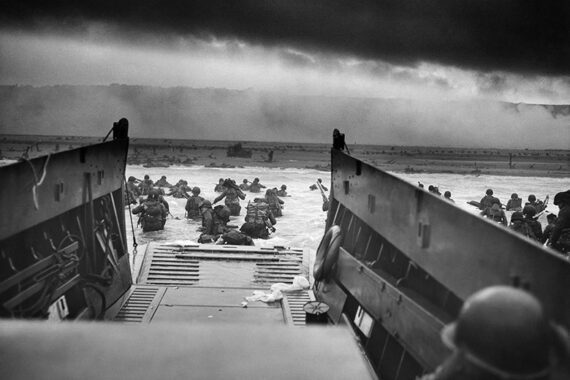
June 6, 2026, marks the 82nd anniversary of D-Day, the pivotal Allied amphibious invasion of Normandy, France, a monumental operation that ultimately paved the way for the liberation of Nazi-occupied Europe. This U.S.-led undertaking represented a critical turning point in World War II, signifying the beginning of the end for the Third Reich. The historical significance of the battles fought on Utah and Omaha beaches alone warrants extensive commemoration through articles and videos that delve into American and Allied history, heritage, and the enduring spirit of unity.
This year, however, presents a unique and powerful convergence of historical commemoration with a significant national milestone. Just one month later, on July 4th, 2026, the United States will celebrate its 250th birthday. This proximity offers a dual opportunity for content marketers, particularly those operating within the U.S. market, to connect with themes of patriotism, remembrance, and national identity.

Strategic Content Opportunities for D-Day and the U.S. 250th:
- Profiles of Courage and Resilience: Content can feature biographical pieces on D-Day veterans, highlighting their personal stories of bravery, sacrifice, and their contributions to freedom. Similarly, profiling the nation’s founders or significant figures from the Revolutionary War era can resonate with the 250th anniversary. This approach allows for the subtle integration of products that symbolize durability, quality, or heritage – items that stand the test of time, much like the principles these individuals embodied.
- Educational Content on Historical Significance: In-depth articles, documentaries, or interactive timelines that explore the strategic importance of D-Day and the ideological underpinnings of the American Revolution can attract an audience interested in history and civic education. This content can be enhanced with visuals and factual data, establishing the brand as a knowledgeable and thoughtful entity.
- Patriotic Lifestyle and Décor: Content can focus on how consumers can celebrate these historical moments through their lifestyle choices. This might include guides to decorating with patriotic themes, recipes for classic American dishes, or recommendations for outdoor activities that evoke a sense of national pride. Products related to home goods, apparel, and entertaining can be seamlessly integrated.
- "Then and Now" Comparisons: Juxtaposing historical imagery and narratives with modern-day life can create compelling content. For instance, comparing the communication methods of the World War II era with today’s technology, or exploring how American ideals have evolved. This can lead to product recommendations for technology, communication devices, or even items that symbolize progress and innovation.
- Gifts of Remembrance and Patriotism: Curated gift guides featuring items that honor military service, American history, or foundational principles can be highly effective. This could include books, collectibles, custom jewelry, or apparel that reflects national pride.
The dual commemoration of D-Day and the U.S. Bicentennial in 2026 offers a profound opportunity for e-commerce marketers to connect with consumers on a deeper, more meaningful level. By focusing on themes of remembrance, sacrifice, patriotism, and enduring values, brands can build trust and loyalty while tapping into significant cultural moments.
Outdoor Cooking: Embracing Summer’s Culinary Adventures
As summer’s warmth permeates the air, the allure of outdoor cooking intensifies, extending beyond the confines of a backyard patio to encompass campsites, parks, and even fully equipped outdoor kitchens. June serves as an ideal launchpad for content that empowers consumers to not only prepare meals al fresco but to do so with greater ease, creativity, and expanded culinary horizons. The focus for marketers should shift from simply providing recipes to offering practical solutions that simplify preparation and broaden the range of dishes that can be expertly crafted outdoors.
The essence of successful outdoor cooking content lies in its utility, addressing common challenges and offering innovative approaches that enhance the overall experience. This means going beyond basic grilling techniques to explore a wider spectrum of possibilities.
Strategic Content Opportunities for Outdoor Cooking:
- Grill Mastery Beyond Burgers and Dogs: Content can explore advanced grilling techniques, such as smoking meats, preparing whole fish, or even baking desserts on the grill. This can be supported by recommendations for specialized grilling tools, wood chips, marinades, and rubs. The analysis of consumer interest shows a growing desire for gourmet experiences, even in casual settings.
- Campfire Cooking Innovations: For those venturing into the great outdoors, content can focus on practical and delicious campfire cooking methods. This includes recipes that utilize Dutch ovens, foil packets, or cast-iron skillets over an open flame. Recommendations for portable cooking equipment, fire starters, and long-lasting food items are highly relevant.
- Outdoor Kitchen Design and Functionality: For homeowners with dedicated outdoor kitchens, content can offer advice on maximizing their space and functionality. This could involve tips on organization, choosing the right appliances, and creating a cohesive cooking and entertaining area. Products such as outdoor cabinetry, specialized cookware, and ambient lighting can be featured.
- Meal Prep for Outdoor Adventures: Content can address the logistical challenges of preparing food for picnics, camping trips, or beach outings. This might include guides on packing perishable items, creating make-ahead meals, and utilizing portable food storage solutions. Products like insulated coolers, reusable containers, and compact kitchen gadgets are key here.
- Seasonal Ingredient Spotlights: Highlighting fresh, seasonal produce readily available in June can inspire a variety of outdoor culinary creations. Content can feature recipes that showcase summer vegetables and fruits, paired with grilling or smoking techniques. This approach connects the act of cooking with the abundance of the season.
The appeal of outdoor cooking is deeply intertwined with the spirit of summer—a time for relaxation, gathering with loved ones, and enjoying the natural environment. By providing practical, inspiring, and solutions-oriented content, e-commerce marketers can position themselves as essential resources for anyone looking to elevate their outdoor culinary experiences.
Time with Dad: Experiential Content for Father’s Day
Father’s Day, celebrated annually in June, represents a significant marketing opportunity, yet the conventional approach of relying solely on gift guides can often feel repetitive and uninspired. A growing number of consumers are seeking more meaningful ways to celebrate and connect with their fathers, prioritizing shared experiences over material possessions. Content that highlights opportunities for spending quality time together, while subtly integrating relevant products, effectively addresses this evolving consumer preference.
The key to successful Father’s Day content marketing lies in its ability to foster connection and create memorable moments. By focusing on activities and experiences, brands can position their products as facilitators of these cherished interactions, rather than simply as standalone gifts.

Strategic Content Opportunities for Father’s Day:
- Activity-Based Guides: Content can center around specific activities that fathers and their children can enjoy together. This might include guides for fishing trips, backyard barbecues, homebrewing projects, car maintenance workshops, or even a shared movie marathon. Product recommendations would then align with these activities, such as fishing gear, barbecue tools, brewing kits, automotive accessories, or home entertainment systems.
- "Build Together" Projects: Content that encourages collaborative projects can be highly engaging. This could involve DIY furniture building, assembling model kits, or even tackling a home improvement task together. The emphasis is on the shared effort and the creation of something tangible that can be enjoyed long after Father’s Day. Tools, materials, and relevant kits would be the natural product inclusions.
- Experiences for the Adventurous Dad: For fathers who thrive on excitement, content can focus on adventure-oriented experiences. This might include planning a hiking or camping trip, booking a go-karting session, or exploring local attractions. Products related to outdoor gear, travel accessories, and sporting equipment would be appropriate.
- Culinary Connections with Dad: Beyond the traditional barbecue, content can explore other culinary activities to enjoy with fathers. This could involve learning to make a family-favorite dish together, exploring a new cuisine, or even attending a local food festival. Recommendations for cookware, gourmet ingredients, or even culinary classes can be integrated.
- Relaxation and "Me Time" for Dads: Recognizing that many fathers appreciate downtime, content can also focus on products that enhance relaxation and personal pursuits. This might include comfortable loungewear, high-quality headphones, books by favorite authors, or tools for hobbies like gardening or woodworking. The focus here is on enabling dads to enjoy their personal time, supported by products that enhance their comfort and enjoyment.
By shifting the narrative from transactional gift-giving to experiential connection, e-commerce marketers can create Father’s Day content that is both resonant and effective. The goal is to inspire consumers to create lasting memories with their fathers, with the brand’s products serving as valuable enablers of these cherished moments.