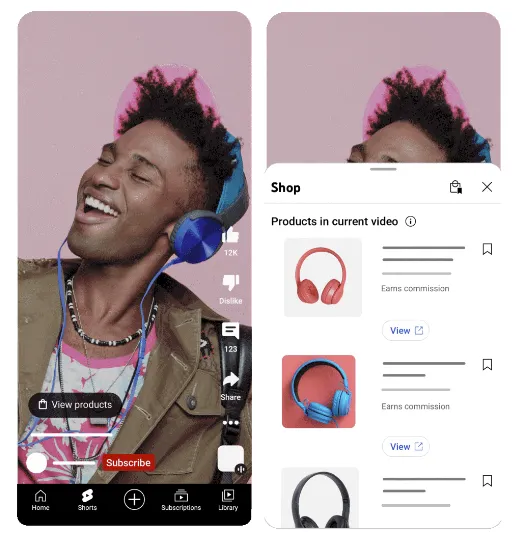
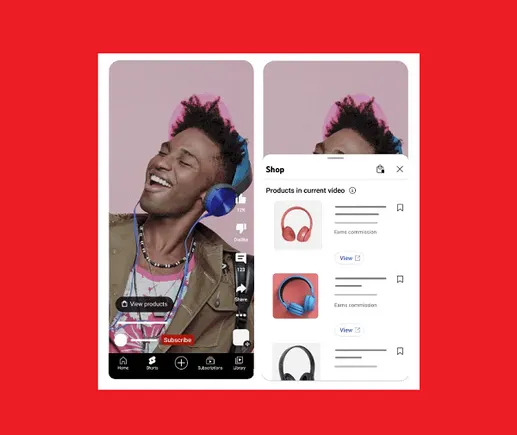
YouTube has announced a substantial expansion of its U.S. shopping affiliate program, introducing a pivotal integration that allows creators to tag a curated list of Amazon products directly within their videos, Shorts, and livestreams. This strategic move is designed to empower content creators with enhanced monetization opportunities, enabling them to earn commissions from every resulting sale and significantly streamline the path from product discovery to purchase for their audiences. The integration with Amazon, an e-commerce giant, marks a significant step in YouTube’s broader strategy to solidify its position in the rapidly growing social commerce landscape, offering a more direct and efficient avenue for creators to leverage their influence.
The core mechanism of this expanded program allows eligible creators to select specific products from Amazon’s vast catalog and embed interactive tags directly onto their video content. When viewers click on these tags, they are seamlessly directed to Amazon to complete a purchase, with the creator receiving a commission for each successful transaction. This system is designed to offer a more frictionless shopping experience compared to traditional methods that often rely on description links, which YouTube’s internal data suggests are less effective in driving conversions. According to YouTube, a past experiment revealed that videos utilizing direct product tags saw over 110% more clicks on products than those relying solely on description links, underscoring the potential for maximized earning potential through this integrated approach.
To participate in this new Amazon product tagging feature, creators must meet specific eligibility requirements. Firstly, they need to be enrolled in YouTube’s existing shopping affiliate program, which itself has certain criteria, typically involving participation in the YouTube Partner Program, a minimum subscriber count (which can vary by region but is often around 20,000 for shopping features), and adherence to YouTube’s monetization policies. Secondly, creators must also be signed up for Amazon’s influencer program. This dual enrollment ensures that both platforms can accurately track sales and allocate commissions. A crucial technical step involves linking their YouTube channel to their Amazon profile, establishing the necessary connection for earnings attribution.
YouTube has indicated that Amazon will provide program participants with a curated catalog of products eligible for YouTube tags, simplifying the selection process for creators. However, understanding the diverse and specific needs of content creators, YouTube has also confirmed that participants will have the ability to request the addition of products not initially included in the curated list. Furthermore, to enhance efficiency and ease of use, creators will have the option to enable auto-tagging of eligible Amazon products, a feature that could be particularly beneficial for channels with extensive product reviews or hauls.
A Chronology of YouTube’s Foray into Social Commerce
YouTube’s journey into direct shopping functionalities and creator monetization beyond traditional advertising has been a carefully orchestrated evolution, reflecting broader trends in the digital economy. For years, creators primarily relied on AdSense revenue, complemented by features like Super Chat for live stream engagement and channel memberships for recurring support. However, recognizing the burgeoning creator economy and the immense potential of social commerce, YouTube began to pivot towards more integrated shopping experiences.
The official launch of YouTube’s dedicated shopping affiliate program occurred in 2022, initially rolling out to eligible creators within the United States. This inaugural phase allowed creators to tag products from various participating retailers directly in their content, laying the groundwork for a more robust commerce ecosystem. The rationale was clear: to provide creators with diversified income streams and to make product discovery and purchasing more intuitive for viewers, capitalizing on the inherent trust and engagement creators foster with their audiences.
Following its successful pilot in the U.S., YouTube systematically expanded the program’s reach to key international markets. This global rollout saw the program introduced to creators in Thailand and India, tapping into vibrant e-commerce landscapes and large creator communities in these regions. Most recently, earlier this month, YouTube extended its shopping affiliate program to creators based in the United Kingdom, further broadening its international footprint and offering new opportunities to a significant cohort of European content producers. The current integration with Amazon products in the U.S. marks the latest and arguably most impactful expansion, leveraging the unparalleled scale and logistical capabilities of one of the world’s largest online retailers. This progressive rollout underscores YouTube’s strategic commitment to building a comprehensive and globally accessible social commerce platform.
The Strategic Significance of Amazon Integration
The integration of Amazon products into YouTube’s affiliate program is a move laden with strategic significance for all parties involved: creators, YouTube, and Amazon. For YouTube, it represents a powerful competitive response in the increasingly crowded social commerce arena. Platforms like TikTok, Instagram, and Pinterest have been aggressively pursuing shopping features, with TikTok Shop, in particular, making significant inroads. By partnering with Amazon, YouTube instantly gains access to an unrivaled product catalog and a trusted e-commerce infrastructure, giving it a substantial advantage in attracting and retaining creators who want to monetize product recommendations.
Amazon, on its part, benefits immensely from tapping into YouTube’s colossal audience and the deep engagement creators command. With over 2.7 billion monthly active users globally, YouTube offers a marketing channel of unprecedented scale. The authentic recommendations from creators often resonate more powerfully with consumers than traditional advertising, fostering trust and driving higher conversion rates. This partnership allows Amazon to integrate more deeply into the digital content ecosystem, potentially driving a new wave of traffic and sales directly from video content. It reinforces Amazon’s position as the go-to platform for online shopping, extending its reach beyond its own properties.
From an industry perspective, this collaboration highlights the continued blurring of lines between content creation, entertainment, and retail. The rise of social commerce is fundamentally reshaping how consumers discover and purchase products, with social platforms evolving into powerful retail gateways. This partnership between two digital titans is a testament to the growing influence of the creator economy and the imperative for platforms to offer diverse and robust monetization tools to keep creators engaged and loyal.
Benefits for Creators: Enhanced Earning Potential and Simplified Sales Funnels
For the creator community, this expansion represents a significant boon, offering multiple avenues for enhanced earning potential and a streamlined monetization process. The most direct benefit is the ability to earn commissions from Amazon sales, adding a substantial revenue stream to their existing income. Given Amazon’s vast selection across virtually every product category, creators across diverse niches—from tech reviewers and beauty gurus to home decor enthusiasts and gaming streamers—can find relevant products to tag, expanding their monetization opportunities far beyond what might be available from a limited pool of direct brand partnerships.
The seamless integration of product tags directly into videos, Shorts, and livestreams dramatically simplifies the sales funnel for viewers. Instead of directing audiences to external links in descriptions or comments, which can be cumbersome and lead to drop-offs, viewers can click directly on an embedded tag. This frictionless experience is proven to drive higher engagement and conversion rates, as evidenced by YouTube’s own internal experiments. Higher conversion rates translate directly into increased commission earnings for creators, maximizing the value of each piece of content.
Furthermore, the partnership with Amazon provides creators with access to a brand synonymous with trust and reliability in online retail. This association can lend greater credibility to their product recommendations, making their content more valuable to viewers. The curated catalog from Amazon, coupled with the option to request specific products and enable auto-tagging, reduces the administrative burden on creators, allowing them to focus more on content creation and less on managing complex affiliate links. This efficiency is crucial for independent creators and small teams.
The creator economy, estimated to be a multi-billion dollar industry and rapidly expanding, thrives on diversified monetization. Relying solely on ad revenue can be volatile, subject to market fluctuations and algorithmic changes. By offering direct affiliate commissions through a powerful partner like Amazon, YouTube provides creators with a more stable and predictable income stream, empowering them to build sustainable businesses around their passion. This financial stability can encourage more creators to join YouTube, invest further in their content quality, and ultimately enrich the platform’s ecosystem.
Implications for YouTube: Bolstering its Social Commerce Ambitions
For YouTube, the Amazon integration is a strategic maneuver designed to bolster its position as a leading destination for social commerce. In a landscape where platforms are aggressively competing for creator loyalty and consumer spending, offering robust and attractive monetization tools is paramount. This move directly addresses the competitive pressures from rivals that have heavily invested in direct shopping features.
By offering a seamless Amazon integration, YouTube strengthens its value proposition to creators, making it an even more attractive platform for building a career. This helps in creator retention, preventing top talent from migrating to competing platforms that might offer seemingly better shopping monetization. Furthermore, by diversifying its revenue streams beyond traditional advertising, YouTube can build a more resilient business model, less susceptible to fluctuations in the ad market. This is particularly relevant as digital advertising revenue can be volatile.
The enhanced shopping experience also improves the overall user experience on YouTube. Viewers who discover products through their favorite creators can now purchase them with minimal friction, transforming YouTube from just a content consumption platform into a comprehensive entertainment and commerce hub. This can lead to increased time spent on the platform and deeper engagement, as users find more utility beyond just watching videos. Ultimately, YouTube’s long-term vision involves becoming an indispensable part of users’ daily lives, encompassing entertainment, education, communication, and now, a powerful shopping destination.
Advantages for Amazon: Tapping into YouTube’s Vast Reach
For Amazon, this partnership represents a significant expansion of its marketing and sales channels. While Amazon already operates a successful affiliate program and has its own influencer program, integrating directly into YouTube’s native shopping features provides unparalleled access to a massive, engaged audience that might not otherwise be reached through traditional Amazon marketing efforts. YouTube’s unique strength lies in its ability to foster deep, authentic connections between creators and their viewers, leading to highly effective word-of-mouth marketing.
Creators often build communities around specific interests, making their product recommendations highly targeted and relevant. A beauty influencer showcasing a new skincare product on YouTube can drive significantly more impactful sales than a generic advertisement. Amazon can now directly leverage this trust and authenticity at scale. This integration allows Amazon to convert passive viewers into active shoppers more directly and efficiently, reducing the steps between inspiration and purchase.
Furthermore, the partnership reinforces Amazon’s dominant position in the e-commerce sector. By collaborating with YouTube, Amazon is further embedding itself into the fabric of online content consumption, ensuring that it remains at the forefront of where consumers discover products. This move helps Amazon stay competitive against emerging social commerce players who are building their own integrated shopping experiences. It also provides Amazon with valuable data insights into consumer preferences and purchasing behaviors originating from video content, which can be used to refine its product offerings and marketing strategies.

The Broader Landscape of Social Commerce
Social commerce, the practice of buying and selling products directly within social media platforms, has emerged as a transformative force in retail. Driven by increasing smartphone penetration, the rise of digital natives, and the pervasive influence of social media, its global market size is projected to reach trillions of dollars in the coming years. This growth is fueled by a shift in consumer behavior, where individuals increasingly turn to social platforms not just for connection and entertainment, but also for product discovery, reviews, and purchasing.
Key players like TikTok, Meta (Facebook and Instagram), and Pinterest have been at the forefront of this trend. TikTok Shop, for instance, has aggressively expanded its live shopping and in-app purchasing features, demonstrating the immense potential of short-form video coupled with direct commerce. Instagram and Facebook offer extensive shopping tabs, product tagging, and live shopping functionalities, leveraging their vast user bases and visual-first content. Pinterest, a platform built around visual discovery and inspiration, naturally evolved into a shopping destination, connecting users with products they love.
YouTube’s deepened commitment to social commerce, particularly through this Amazon integration, signifies an acknowledgment of this irreversible trend. It’s a move to ensure YouTube remains competitive and relevant in a retail landscape that is rapidly converging with digital content. Future trends in social commerce are expected to include even more personalized recommendations driven by AI, augmented reality (AR) shopping experiences, and the continued expansion of live shopping events, all designed to make the online shopping journey more immersive and engaging.
Technical Requirements and Program Eligibility
To ensure a high-quality and compliant experience, both YouTube and Amazon have established clear guidelines for participation in this expanded affiliate program. As mentioned, creators must be active members of the YouTube Partner Program, which typically requires a minimum of 1,000 subscribers and 4,000 valid public watch hours in the past 12 months, or 10 million valid public Shorts views in 90 days, alongside adherence to all YouTube monetization policies. For the shopping affiliate program specifically, YouTube often requires a higher subscriber threshold, frequently cited around 20,000 subscribers, though these criteria can be subject to regional variations and platform updates.
Beyond YouTube’s requirements, creators must also be enrolled in the Amazon Influencer Program. This program is designed for social media influencers with an established audience and provides tools to curate product lists, create custom storefronts, and earn commissions from sales. The application process for the Amazon Influencer Program typically involves a review of the applicant’s social media presence to ensure they meet Amazon’s quality standards. Once accepted into both programs, the crucial step of linking the YouTube channel to the Amazon profile is required to enable seamless commission tracking and payout.
Creators must also ensure their content adheres to both YouTube’s community guidelines and advertiser-friendly content guidelines, as well as Amazon’s terms of service for its influencer program. This includes transparency about affiliate relationships, ensuring honest product reviews, and avoiding deceptive practices. The availability of a curated product catalog from Amazon simplifies product selection, but creators retain the flexibility to request specific products, ensuring that their recommendations remain authentic and relevant to their niche. The optional auto-tagging feature further streamlines the process, leveraging AI to identify and tag eligible products mentioned or featured in a video, though creators will likely retain final editorial control.
Conclusion: A Symbiotic Relationship Driving Innovation
The integration of Amazon products into YouTube’s U.S. shopping affiliate program represents a landmark development in the evolving relationship between content creation, digital platforms, and e-commerce. It solidifies a symbiotic relationship where YouTube provides an unparalleled audience and creator ecosystem, Amazon offers a vast product catalog and robust fulfillment infrastructure, and creators gain powerful new tools to monetize their influence.
This strategic partnership is poised to significantly impact the creator economy, offering creators more diverse, reliable, and lucrative income streams. It reinforces YouTube’s commitment to empowering its creator community while simultaneously bolstering its competitive standing in the rapidly expanding social commerce landscape. For Amazon, it opens up a potent new channel for product discovery and sales, leveraging the authentic connections forged by YouTube creators. As digital consumption habits continue to shift, with content and commerce increasingly intertwined, such integrations are not just enhancements but essential components of the future of online retail. This collaboration marks a pivotal moment, setting a new benchmark for how platforms can work together to innovate and create value for creators, consumers, and businesses alike.