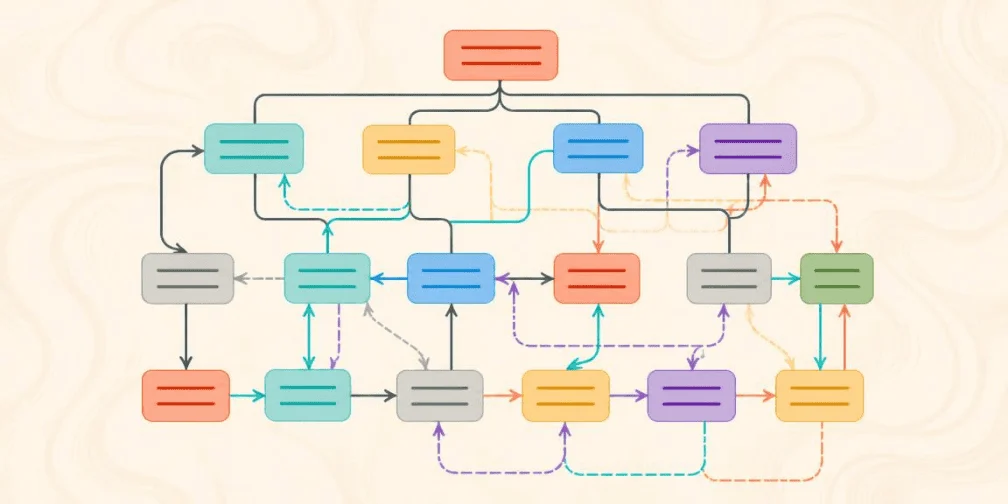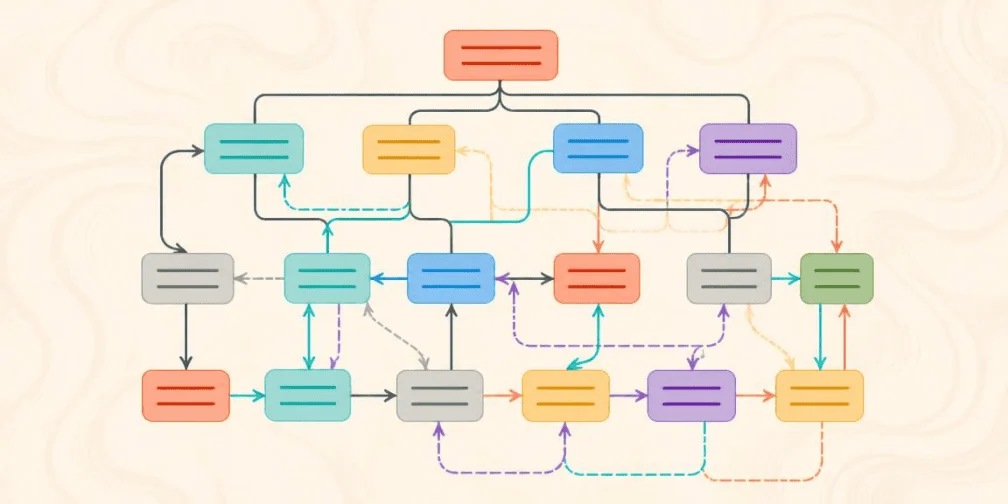
Organizational charts, often perceived as deliberate blueprints for corporate structure, are frequently the result of accretion rather than intentional design. These inherited frameworks, shaped by a series of reactive decisions over time, can lead to significant inefficiencies, including duplicated work, stalled decision-making processes, and fractured communication channels. Lisa Heay, Vice President of Business Operations at Heinz Marketing, argues that many organizations operate with structures that have evolved organically, diverging from the actual flow of work and the strategic objectives they are meant to support. This phenomenon, while often a byproduct of rapid growth and shifting priorities, demands a closer examination to realign organizational design with operational realities.
The genesis of misaligned org charts often lies in a series of seemingly minor, context-specific adjustments. A new hire brought on board during a period of intense demand might be absorbed into an existing team without a thorough assessment of their role’s long-term strategic fit. When a key manager departs, their direct reports may be distributed among remaining leaders, who are already stretched thin, rather than reassessing the team’s overall structure. Similarly, functions that were once critical may persist long after the underlying work has transformed or become obsolete, yet they remain embedded in the organizational hierarchy. These incremental changes, while individually logical in their immediate context, accumulate over time, creating a disconnect between the visual representation of the organization and its functional reality.
This structural drift is not a new phenomenon but has been exacerbated by the accelerating pace of business and the increasing complexity of modern operations. Historically, organizational design was a more deliberate process, often undertaken during periods of significant company growth, merger, or acquisition. However, in today’s dynamic environment, organizations are more likely to adapt reactively. For instance, the rise of agile methodologies in software development, while promoting flexibility, can also, if not carefully managed, lead to fluid team structures that lack clear reporting lines and ownership for overarching strategic goals.
The problem is akin to the evolution of individual job descriptions. Over time, as roles adapt and new technologies emerge, the initial written description may no longer accurately reflect the day-to-day responsibilities. Artificial intelligence, for example, is increasingly automating certain tasks, yet these changes are often not formally documented in job descriptions. At the organizational level, this translates to a similar disconnect: team boundaries begin to blur, reporting lines no longer reflect who needs to collaborate to achieve specific outcomes, and the overall structure fails to keep pace with the evolving nature of the work.
The Tangible Costs of Structural Drift
The inefficiencies stemming from inherited organizational structures manifest in several critical areas. One of the most prevalent is duplicated work. When clear ownership and boundaries between teams are absent, different departments may inadvertently undertake similar tasks, leading to wasted resources, redundant efforts, and a lack of synergy. This can be observed in marketing departments where both content creation and social media teams might be developing similar messaging without formal coordination, or in product development where engineering and design teams might independently address overlapping user interface challenges.
Decision-making bottlenecks are another significant consequence. An org chart that no longer aligns with the flow of information and expertise can create delays. A decision requiring executive approval might be stalled because the individual with the formal authority no longer possesses the most current understanding of the relevant context, which has since been delegated or transferred to another individual or team during an incomplete or ad-hoc reorganization. This misalignment forces information to circulate through unnecessary channels or wait for the right person to be looped in, slowing down progress and agility. A study by McKinsey & Company in 2020 found that organizations with a clear and aligned organizational structure reported higher levels of agility and faster decision-making, underscoring the direct link between design and performance.
Furthermore, handoffs between teams can become points of failure. What was once a seamless transition of responsibility or information can become convoluted, involving multiple intermediaries who have inherited partial responsibilities from past structural shifts. This breakdown in the workflow leads to errors, missed deadlines, and a frustrating experience for both employees and, ultimately, customers. For instance, a customer support query that previously went directly to a specialized technical team might now be routed through a general inquiry desk, then to a first-level support specialist, and finally to the technical team, with each step introducing potential delays and misinterpretations.
An Illustrative Case Study: The Evolving Demand Generation Function
Consider a hypothetical demand generation function that initially comprised a single individual responsible for email campaigns and website form management. As the company grew, this role expanded organically. The individual, demonstrating competence and capacity, gradually assumed responsibility for lead scoring, event follow-up, and even the creation of sales enablement content due to a perceived lack of bandwidth elsewhere. Crucially, these additions were made without a strategic re-evaluation of whether demand generation was the most appropriate home for these diverse responsibilities. They were absorbed because a capable individual was already in place.
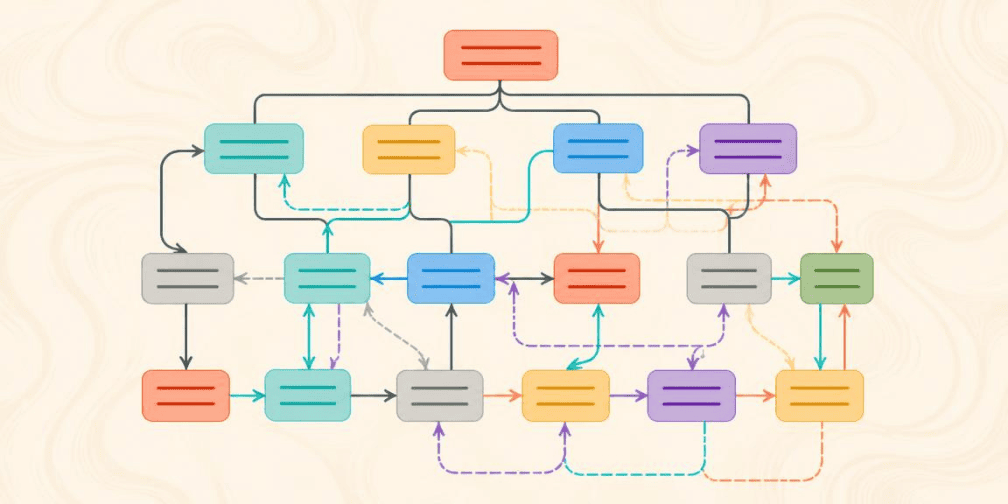
The organizational reporting structure then became increasingly misaligned. This demand generation function, now handling a broad spectrum of activities, reports to a director whose primary expertise lies in brand management, not lifecycle marketing. Moreover, a significant portion of the team’s key stakeholders are located within the sales operations department, a group with whom they have no formal reporting or collaborative relationship. This structural disconnect means that quarterly priorities for the demand generation team are often dictated by the loudest voice or the most pressing need of a particular manager, rather than by a unified strategy focused on pipeline generation. This scenario is a classic example of how organic growth and a reluctance to redraw organizational boundaries can lead to a functional unit that is disconnected from its strategic purpose and its key collaborators.
The Accelerating Impact of Artificial Intelligence
The integration of Artificial Intelligence (AI) tools into business operations is not a panacea for these inherited structural issues; in fact, it can amplify them. AI excels at accelerating existing processes, automating repetitive tasks, and providing rapid analysis. However, when layered upon a flawed organizational structure, AI’s speed can simply lead to faster accumulation of work at existing bottlenecks. If an approval chain is still routed through individuals whose role in that chain is no longer strategically relevant, or if communication channels are inefficient, faster input from AI will only exacerbate the delays at these broken points. The efficiency gains offered by AI are contingent on an underlying organizational architecture that is designed for optimal workflow, not one that has drifted into inefficiency. For example, an AI-powered content generation tool might produce marketing copy at an unprecedented rate, but if the final approval still requires sign-off from a marketing manager whose responsibilities have shifted to strategic planning, the output will languish, negating the AI’s speed advantage.
Reframing the Question: From Ownership to Design
To address these systemic challenges, leadership must shift their perspective from simply identifying current ownership to critically evaluating the design itself. Instead of asking "Who currently owns this task or function?", a more effective question is: "If we were building this function from scratch today, knowing the current demands and the required outcomes, would we design it this way?" In most instances, the honest answer will be "no." This gap between the ideal design and the existing reality represents the core problem that needs to be solved.
The path forward involves mapping desired outcomes to organizational teams, rather than simply assigning people to predefined boxes. By clearly articulating the results each team is accountable for, the optimal structure to achieve those results becomes more apparent. This outcome-centric approach helps identify where the current organizational design is falling short and where adjustments are necessary. This is not about assigning blame for past decisions, but rather about taking a pragmatic approach to optimize future performance.
A Pragmatic Approach to Organizational Alignment
It is crucial to emphasize that addressing these structural misalignments does not necessarily necessitate a complete organizational overhaul. Often, significant improvements can be achieved through targeted interventions. This might involve clarifying a single, particularly messy handoff between two teams, or redefining the scope and reporting structure of a function that has clearly outgrown its original confines. The key is to conduct an honest assessment of where the current organizational shape no longer aligns with the work being performed, before embarking on new initiatives, especially those involving transformative technologies like AI.
Practical Steps for Diagnosis and Redesign
To begin the process of realigning organizational structure with operational needs, leaders can focus on specific areas of friction. The author suggests selecting one function that currently feels the most convoluted and asking a series of targeted questions. While the original text provides an incomplete list, a comprehensive approach would involve asking:
- What are the key outcomes this function is intended to achieve? This question forces a focus on the strategic purpose and desired results, moving beyond day-to-day tasks.
- Who are the primary internal and external stakeholders that this function interacts with to achieve these outcomes? Identifying these relationships highlights dependencies and potential communication gaps.
- If you were designing this function today, knowing the current work requirements and stakeholder landscape, what would be the optimal reporting structure and team boundaries? This hypothetical scenario encourages a fresh, unbiased perspective on the ideal organizational design.
These questions are designed to surface recurring patterns: work that has outgrown historical boundaries, responsibilities that were assigned to solve past problems but are no longer relevant, and reporting lines that impede rather than facilitate progress. The true starting point for improvement lies not in a massive restructuring effort, but in a candid examination of how the current organizational framework has diverged from the actual work being done.
For organizations that find their team structures feeling more inherited than intentionally designed, professional guidance can be invaluable. Consulting firms specializing in organizational effectiveness can assist in conducting these honest assessments, identifying points of friction, and developing strategies for realignment. By proactively addressing structural drift, companies can unlock greater efficiency, foster better collaboration, and ensure their organizational design is a strategic asset, not a historical artifact hindering progress.