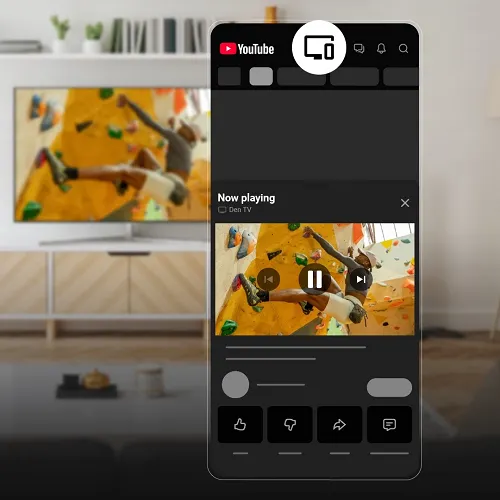
YouTube has announced a significant update to its Connected TV (CTV) viewing experience, enabling users to transform their smartphones into intuitive, comprehensive control centers for managing content displayed on their TV screens. This pivotal enhancement liberates viewers from the limitations of traditional TV remotes or gaming controllers, offering a much more fluid and interactive way to engage with the platform’s vast library of content. The update directly addresses long-standing user feedback regarding the cumbersome nature of navigating complex features, such as typing comments or subscribing to channels, using conventional television input devices.
The core of this innovation lies in its ability to synchronize the user’s phone with their YouTube-connected television, allowing for an uninterrupted viewing experience on the big screen while simultaneously providing robust interactive capabilities on the mobile device. This means that viewers can now leverage the familiar interface of their smartphone – with its full keyboard, responsive touchscreen, and processing power – to interact with YouTube content in ways previously impractical or impossible with a standard remote. This strategic move by YouTube is set to significantly elevate the user experience on CTV, which has become a paramount growth area for the video-sharing giant.
The Genesis of Seamless Control: Addressing Remote Limitations
For years, the promise of smart TVs and streaming devices has been somewhat hampered by the clunky reality of their control mechanisms. While advancements in voice commands and motion controls have been made, the traditional TV remote, often equipped with a sparse set of buttons, remains the primary interface for most users. This simple design, while adequate for basic channel surfing or volume control, proves woefully inadequate when attempting to interact with the rich, app-driven ecosystems that define modern streaming. Platforms like YouTube, with their deep engagement features – ranging from extensive comment sections and detailed video descriptions to channel subscriptions and personalized recommendations – have particularly struggled within the confines of a standard remote.
Users frequently express frustration when attempting to type out a comment character-by-character using an on-screen keyboard navigated by arrow keys, or when trying to delve into a video’s full description without interrupting the playback. YouTube’s official statement directly acknowledges these pain points: "We’ve heard from many of you that the TV is your favorite place to watch YouTube, but some features like typing out comments, reading a description, or subscribing to a channel can be tricky when you’re only using a standard remote. This update lets you take full advantage of your engagement features (e.g., comments, descriptions) without interrupting content playing on your TV." This recognition underscores the strategic importance of this update, positioning it not merely as a convenience but as a fundamental redesign of the CTV interaction paradigm. The smartphone, already an ubiquitous personal device, naturally becomes the ideal "second screen" to complement the primary viewing experience on the television, bridging the gap between passive consumption and active engagement.
Unpacking the New Functionalities: A Deeper Dive into User Experience
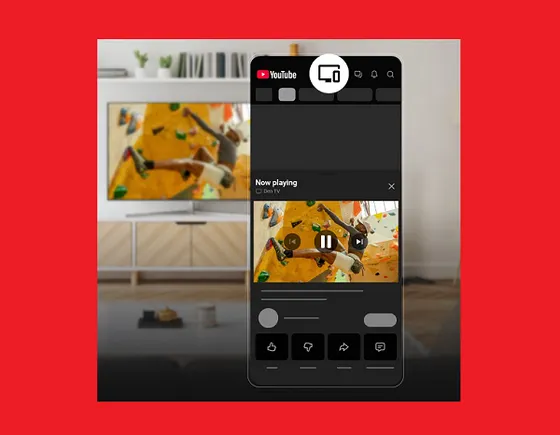
The updated app connectivity introduces a suite of functionalities designed to create a truly integrated and intuitive viewing environment. These features are not just about replicating remote functions but about enhancing the overall interaction with YouTube content on the biggest screen in the house.
One of the most impactful features is the synced access to various engagement functionalities. This means that while a video plays seamlessly on the television, the user’s phone simultaneously displays relevant interactive elements. Viewers can now effortlessly access and contribute to comment sections, express their appreciation with likes, and subscribe to their favorite channels, all from the comfort and familiarity of their mobile device. This eliminates the awkward pauses and laborious navigation previously associated with these actions, fostering a more vibrant and connected community experience even on CTV. The psychological barrier to engagement, previously imposed by the remote’s limitations, is significantly lowered, potentially leading to increased user interaction and content creator support.
Beyond direct engagement, the update also empowers multitasking and content discovery. YouTube has stated that TV viewers will now be able to continue exploring other elements of the YouTube app on their phones while a video plays on their TV. This means users can search for new videos, browse through Shorts, or scroll through their personalized homepage feed without interrupting the main content. This capability is a game-changer for households where multiple viewers might be present, or for individuals who like to curate their next watch while enjoying the current one. It transforms the phone into a powerful discovery engine that works in tandem with the TV display, rather than a mere duplicate screen.
Furthermore, the introduction of the "Play on different device" feature streamlines content sharing and continuity across screens. Users can now send videos directly from their phone’s homepage feed to their connected TV with a simple tap. As YouTube explained, "Just tap the three-dot menu next to any video title and select ‘Play on different device.’" This function is particularly useful for spontaneous discovery, allowing users to find interesting content on their mobile device and instantly project it onto the larger screen for a more immersive viewing experience, or to share it with others in the room. It blurs the lines between personal mobile consumption and communal living room viewing, making the transition between devices frictionless.
Crucially, YouTube has also simplified the technical requirements for this integrated experience. The company confirmed that TV viewers will no longer need to share a Wi-Fi network or manually connect their phones to their TVs in order to view YouTube on both devices at the same time. This removal of technical hurdles is a significant user-centric improvement, drastically lowering the barrier to entry and ensuring that the seamless control experience is accessible to a broader audience, regardless of their network configuration or technical proficiency. This "out-of-the-box" ease of use is a hallmark of successful consumer technology and is expected to accelerate adoption of the new features.
A Chronology of YouTube’s CTV Evolution
YouTube’s journey on Connected TVs has been one of continuous adaptation and innovation, reflecting the broader industry shift towards streaming and larger screen consumption. In its early days, YouTube on television was a relatively basic affair, primarily focused on passive video playback. As smart TVs and dedicated streaming devices like Roku, Amazon Fire TV, Apple TV, and various gaming consoles gained widespread adoption, YouTube began to evolve its CTV offerings.

The platform’s commitment to enhancing the CTV experience has been evident in a steady stream of updates over recent years. These include:
- Podcast Viewing Options: Recognizing the growing popularity of podcasts, YouTube integrated dedicated features to optimize podcast consumption on TV screens, providing a more comfortable listening and viewing experience for this content format.
- Account Locking Controls: Addressing concerns around shared household viewing, YouTube introduced account locking features, allowing users to secure their profiles and prevent unauthorized access or changes to settings, thereby enhancing privacy and parental control.
- TV-Style Stations: In an effort to mimic traditional linear television, YouTube experimented with "TV-style stations," which offer a continuous stream of videos from a specific channel or theme. This provides a lean-back, curated viewing experience reminiscent of conventional broadcasting, but with the flexibility of digital content.
- AI-Powered Search Tools: YouTube also steadily expanded access to its artificial intelligence-powered search tools on smart TVs. Initially, this advanced functionality often required smart TV users to have microphones built into their TV remotes, limiting its accessibility to those with newer, more sophisticated hardware.
The current update, which enables phone-based control for advanced features, represents the logical culmination of these efforts. It democratizes access to YouTube’s full interactive suite, decoupling the user experience from specific hardware requirements of the TV itself. By leveraging the omnipresent smartphone, YouTube ensures that even users with older smart TVs or basic streaming devices can now enjoy a premium, fully interactive experience, solidifying its position as a leader in the evolving CTV landscape.
The Ascendancy of Connected TV: Supporting Data and Market Insights
Connected TV has emerged as a powerhouse for YouTube, driving significant growth and reshaping content consumption habits globally. The statistic that people now watch more than a billion hours of YouTube content on their home TV sets every day is a testament to this profound shift. This colossal figure underscores CTV’s role not just as an alternative, but as a primary viewing medium for YouTube’s diverse audience.
Industry reports consistently highlight the meteoric rise of CTV. According to various market research firms, CTV viewership has been steadily increasing, with a significant portion of households now owning at least one smart TV or streaming device. Data from Nielsen’s Gauge Report, for instance, frequently illustrates the ongoing migration of viewership from traditional linear television to streaming platforms on CTVs. YouTube often ranks among the top streaming services in terms of total viewing time on these devices, competing directly with traditional broadcasters and other major streaming giants like Netflix, Hulu, and Disney+. This shift is driven by factors such as on-demand availability, personalized content, and the high-quality, immersive viewing experience offered by large screens.
The demographics of CTV viewers also indicate a broad appeal, encompassing various age groups and socioeconomic backgrounds. The longer viewing sessions typically observed on CTVs compared to mobile devices translate into increased opportunities for advertising revenue, making CTV a critical focus for YouTube’s business model. Enhanced user engagement, facilitated by the new phone integration, is expected to further boost these metrics, as viewers are more likely to stay on the platform longer and interact with more content when the experience is seamless and intuitive. The ability to browse and discover new content without interrupting playback on the main screen also encourages continuous engagement, extending viewing durations and increasing the overall value proposition for both users and advertisers.
Strategic Implications and Competitive Landscape
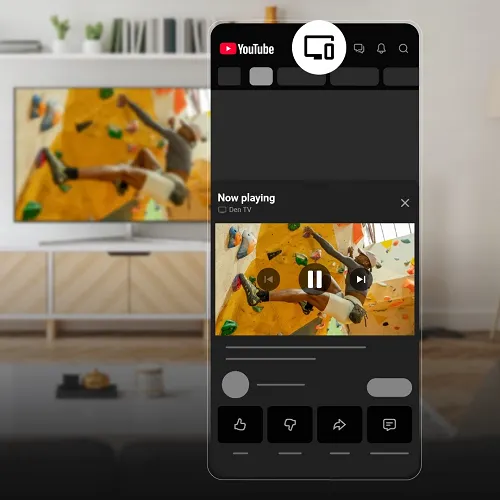
This update carries profound strategic implications for YouTube, strengthening its competitive posture and reinforcing its role within Google’s broader ecosystem.
User Retention & Engagement: By making the CTV experience more interactive and less cumbersome, YouTube is likely to see increased user retention and deeper engagement. Users who find it easier to comment, subscribe, and discover new content are more likely to spend more time on the platform. This enhanced stickiness is crucial in the highly competitive streaming market. The ability to seamlessly multitask between phone and TV also caters to modern viewing habits, where users often juggle multiple screens simultaneously.
Accessibility and Democratization: The move democratizes access to advanced features. Previously, functions like AI-powered search might have required specific hardware like microphones in TV remotes, limiting their reach. By shifting control to the smartphone, YouTube makes these functionalities available to a much wider user base, regardless of their specific smart TV model or the sophistication of their remote. This inclusivity is a powerful differentiator and can expand YouTube’s appeal.
Competitive Edge: In a landscape crowded with streaming services, user experience is a key battleground. While competitors like Netflix and Disney+ offer streamlined interfaces focused on content consumption, YouTube’s unique blend of user-generated content, live streams, and extensive community features demands a more interactive control mechanism. This phone integration provides YouTube with a distinct competitive advantage, offering a level of control and engagement that other platforms, with their simpler content libraries, may not require or be able to replicate as effectively. It positions YouTube as the go-to platform for interactive big-screen viewing.
Google’s Ecosystem Play: This update aligns perfectly with Google’s overarching strategy of creating a seamless, interconnected ecosystem across its various products and services. The smartphone, often powered by Google’s Android operating system, serves as a central hub for controlling various smart home devices and media experiences. Integrating YouTube on CTVs with smartphone control further solidifies this vision, tying together the mobile experience with the living room entertainment. It reinforces the value proposition of being within the Google ecosystem, where devices and services intuitively work together.
Future Possibilities: The foundation laid by this update opens doors for future innovations. One could envision more sophisticated interactive advertising formats that leverage the phone’s capabilities, enhanced multi-user profiles that allow each family member to control their personalized feed from their device, or even more advanced content creation and interaction tools directly from the CTV interface, mediated by the phone. The potential for augmented reality features or second-screen content tied to what’s playing on TV also becomes more viable.
Official Stance and User Reception
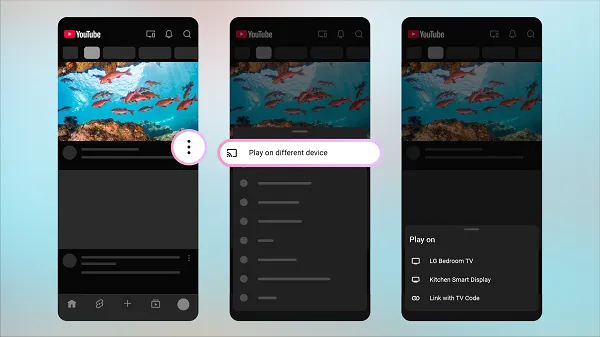
YouTube’s official communication clearly frames this update as a direct response to user feedback, indicating a platform that listens to its community and proactively addresses pain points. The emphasis on "taking full advantage of your engagement features without interrupting content playing on your TV" highlights YouTube’s understanding of its users’ desire for both immersive viewing and robust interaction.
Industry analysts and user communities are expected to meet this update with widespread approval. The frustrations associated with smart TV remotes are a common topic of discussion in tech forums and social media. By providing a truly elegant solution that leverages a device most users already have in their hands, YouTube is not just improving a feature; it’s solving a fundamental usability problem. This move is anticipated to be particularly welcomed by power users who frequently engage with comments and subscriptions, as well as casual viewers who simply desire a more convenient way to navigate and discover content on their big screens.
In conclusion, YouTube’s latest enhancement to its Connected TV experience marks a significant stride in bridging the gap between mobile convenience and large-screen immersion. By transforming the smartphone into a sophisticated control center, YouTube has not only resolved long-standing usability issues associated with traditional TV remotes but also unlocked new avenues for engagement, content discovery, and seamless interaction. This strategic update solidifies YouTube’s leadership in the rapidly expanding CTV market, reinforcing its commitment to an intuitive, user-centric viewing experience and further integrating its platform within the broader digital ecosystem. As viewership on connected televisions continues its upward trajectory, innovations like these will be pivotal in defining the future of digital entertainment.