Asep Darmawan
The traditional B2B sales model, heavily reliant on gated product demonstrations and lengthy discovery calls, is becoming increasingly outmoded as buyers prioritize self-directed research and expect immediate answers. This shift, highlighted by recent industry surveys and expert discussions, necessitates a fundamental reevaluation of how sales and marketing teams engage with potential customers. A newly released CMO Field Guide, developed in collaboration with Consensus, offers a framework and actionable strategies to align sales motions with contemporary buyer behavior, emphasizing a move away from early-stage discovery and towards validation and group enablement.
The core argument presented in the guide is that most current demo motions create unnecessary friction at a stage where buyers are already capable of forming their own opinions about a product’s utility. This often occurs before critical internal alignment within the buying group, the very point where deals are most likely to falter. The guide posits that the crucial juncture for human intervention is not at the initial demonstration, but rather during the complex process of internal consensus-building among stakeholders.
The Evolving Buyer Journey: From Discovery to Decision
The genesis of this revised approach stems from observations made during buyer enablement roundtables, where consistent feedback emerged regarding the limitations of traditional gated demos. Panelists universally expressed concerns that requiring buyers to wait for an extended period and undergo a discovery process before even seeing the product feels like a disqualifying move. In an era where product information is readily accessible through digital channels, this delay can prompt buyers to seek answers elsewhere, potentially leading them to competitors.
"If a buyer can get a straight answer about your product from a machine in nine seconds, making them wait two weeks and sit through discovery before they’re allowed to see it reads as a disqualifying move," stated a representative from Heinz Marketing, the author of the guide. "They’ll just go ask the machine again, and probably end up talking with your competitor, or at least your competitor’s agent."
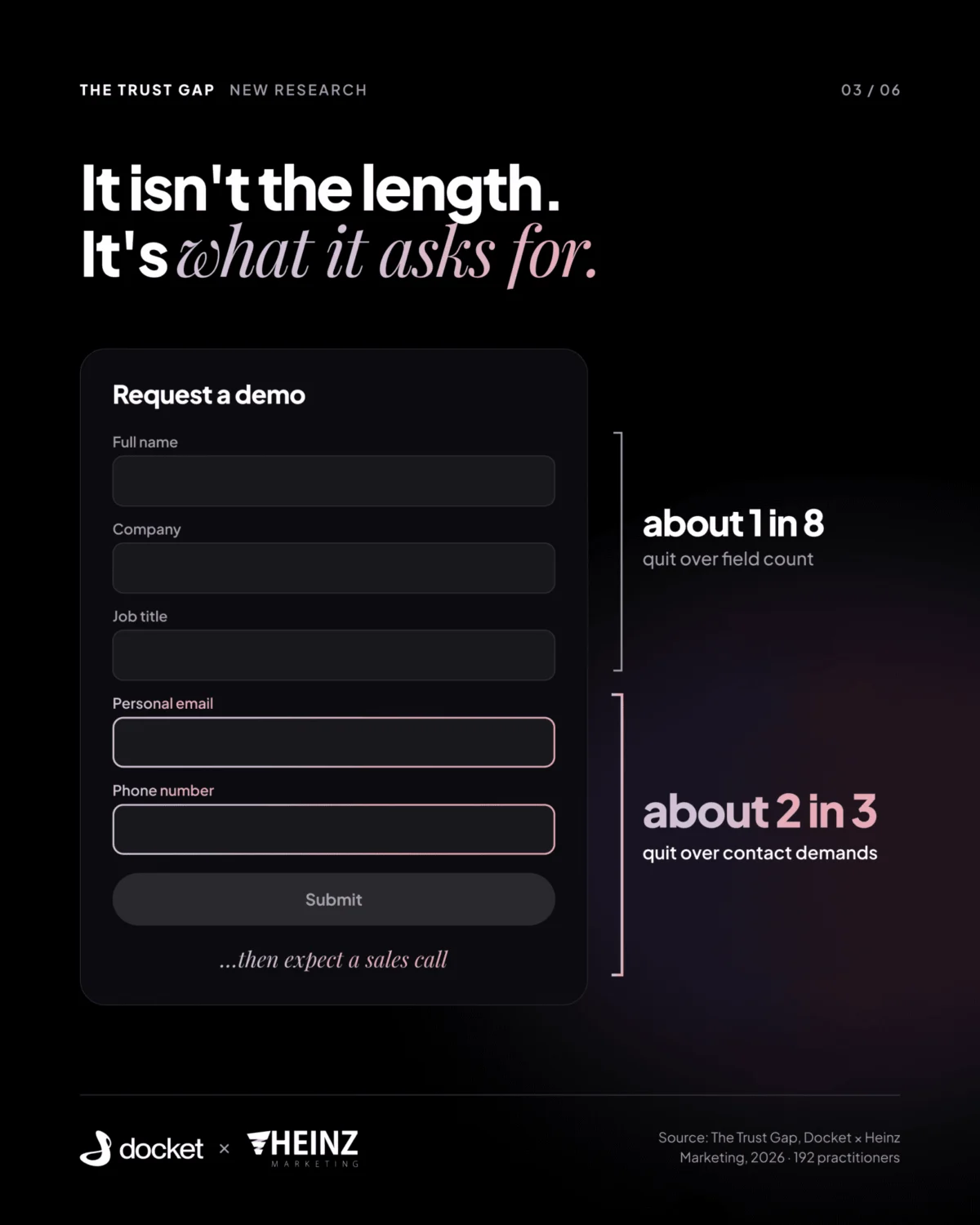
Despite this clear buyer preference for speed and accessibility, a significant number of B2B companies continue to adhere to a model that involves a form submission followed by a two-week waiting period before a "demo meeting" can occur. This approach, deeply ingrained in many B2B go-to-market strategies, is predicated on the assumption that the decision-making process largely concludes after initial sales conversations.
The CMO Field Guide to Sales Momentum & Product-Led Demos challenges this paradigm. Published recently with partners at Consensus, the guide aims to provide a more buyer-centric approach. The authors emphasize transparency, naming all sources and clearly outlining any vendor stakes involved, urging readers to critically assess benchmark data, including that of Consensus itself.
What Buyers Truly Desire: Data-Driven Insights
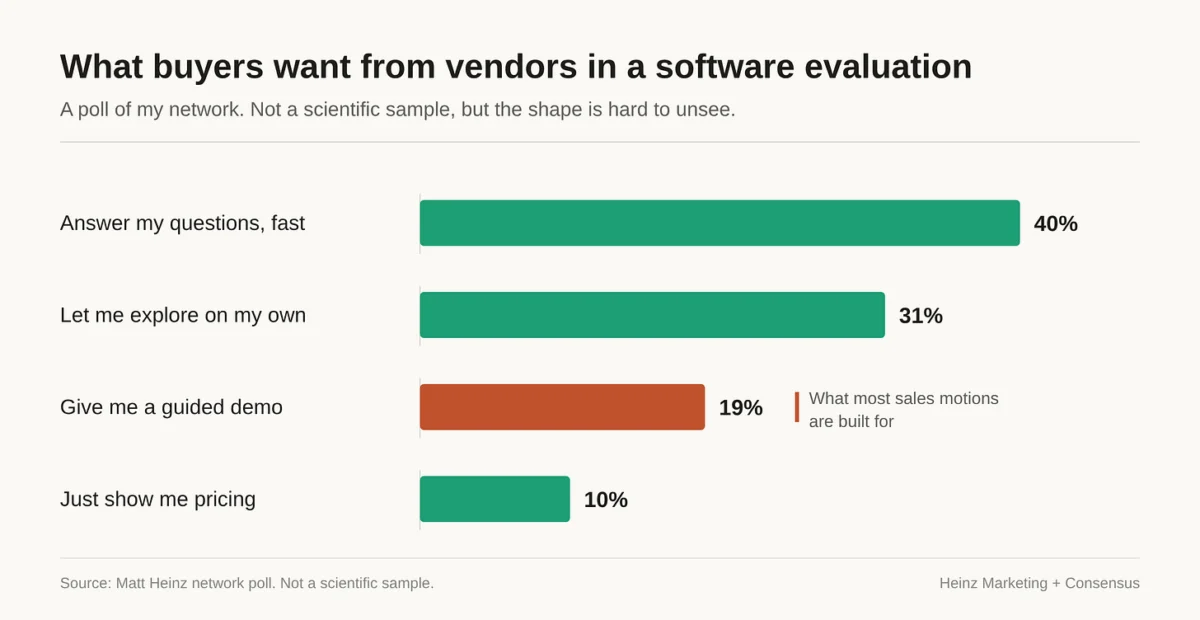
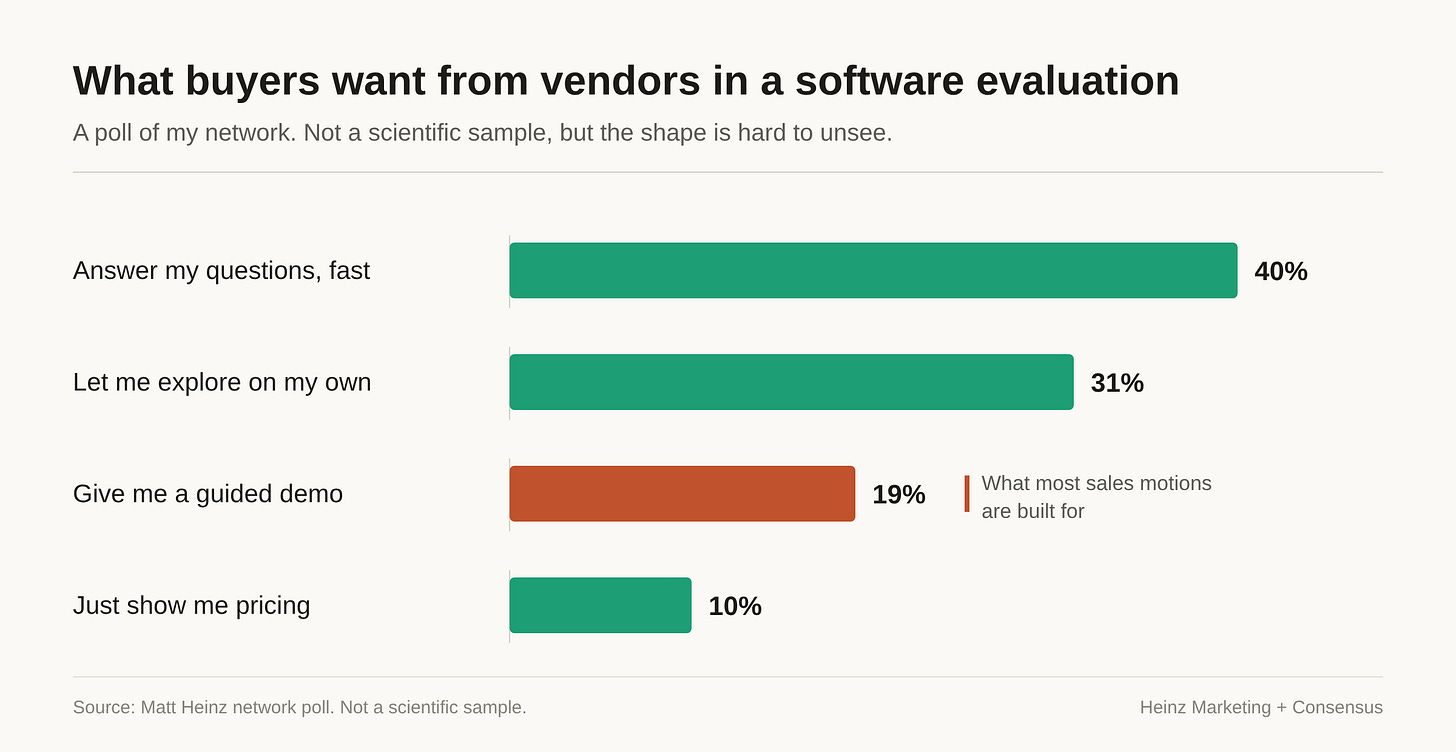
To understand the contemporary buyer’s needs, the guide references a poll of the author’s network regarding preferences during software evaluations. While not a statistically rigorous sample, the results offer a compelling snapshot of buyer priorities:
- 40% expressed a desire for their questions to be answered quickly.
- 31% wanted the ability to explore the product independently.
- 19% preferred a guided demo.
- 10% were primarily interested in pricing information.
The data indicates that the majority of current sales motions are disproportionately geared towards the 19% who prefer a guided demo, neglecting the substantial portion of buyers who prioritize self-service and rapid information retrieval.
Further reinforcing this trend is a recent survey by 6sense, which polled over 4,000 buyers. The findings revealed that a striking 94% of buying groups had already ranked a preferred vendor before their initial contact with a seller. Moreover, these preliminary favorites were chosen 77% of the time. The research also noted a significant shift in the buyer’s journey, with the first seller contact occurring earlier in the process, moving from 69% through the journey to 61% within a single year. This indicates buyers are initiating engagement earlier, armed with a pre-established shortlist and seeking validation for their preliminary conclusions.
The implication for sales professionals is clear: arriving at a sales engagement prepared solely for discovery is answering a question that buyers have already resolved. This point is underscored by the experience of Heinz Marketing, where win/loss analyses consistently identify deals lost due to a champion’s inability to effectively navigate internal consensus as the most damaging.
The Apparent Contradiction: Research Without You, Decide With You
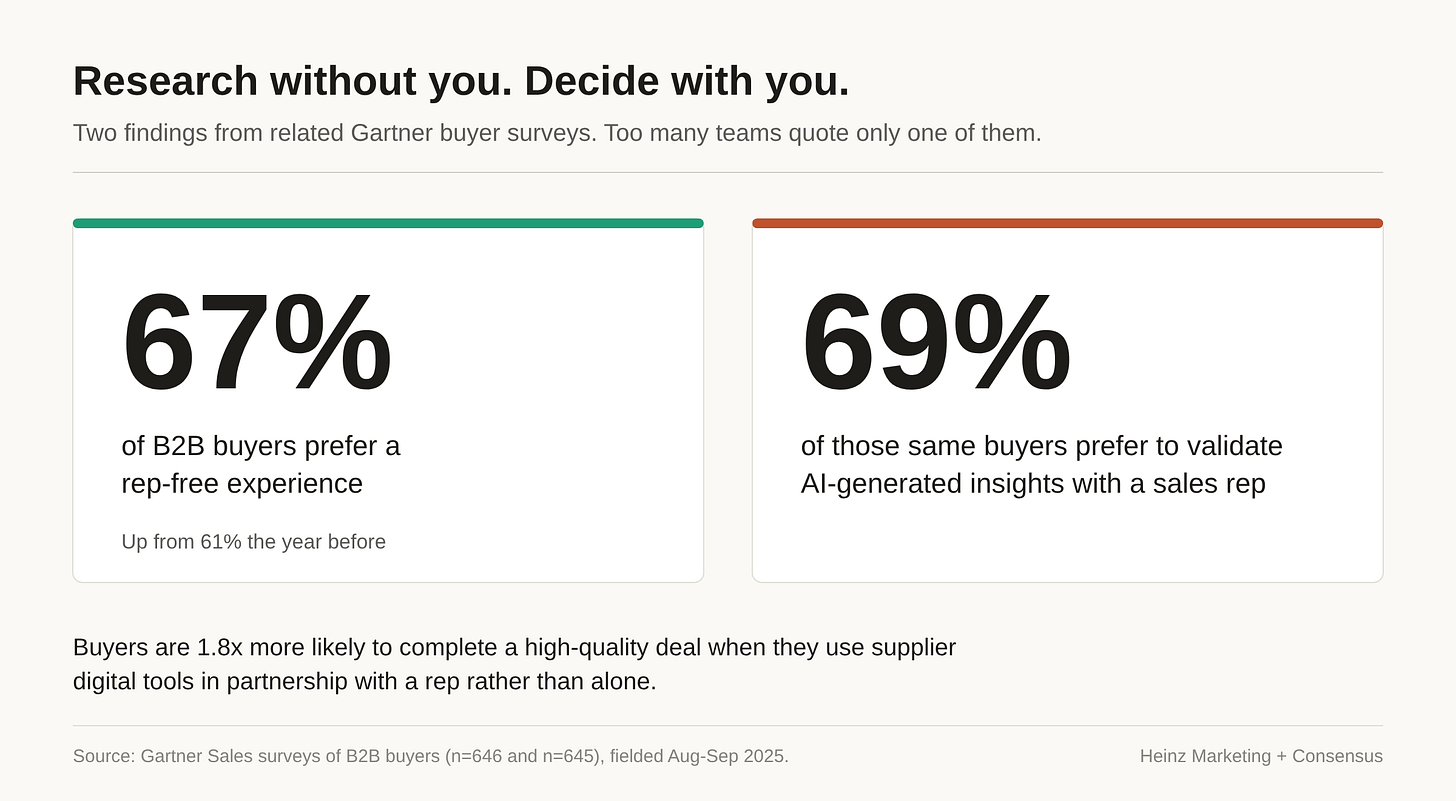
Gartner has recently published data from related surveys of B2B buyers that appear contradictory at first glance but offer a profound insight into modern buyer behavior. The surveys found that 67% of buyers prefer a rep-free experience, an increase from 61% the previous year. Simultaneously, 69% of these same buyers prefer to validate AI-generated insights with a sales representative.
This duality highlights a critical nuance: buyers want to conduct their initial research independently, leveraging digital tools and readily available information. However, when it comes to making a final decision, they seek the credibility and expertise of a human representative to validate their findings and address lingering uncertainties. The guide argues that many sales teams focus on only one of these data points, leading to an incomplete strategy. The true opportunity lies in embracing both.
Gartner’s research further supports this integrated approach, indicating that buyers are 1.8 times more likely to complete a high-quality deal when they utilize supplier digital tools in partnership with a sales representative, as opposed to navigating the process entirely alone.
The Buyer Confidence Curve: Mapping the Handoff
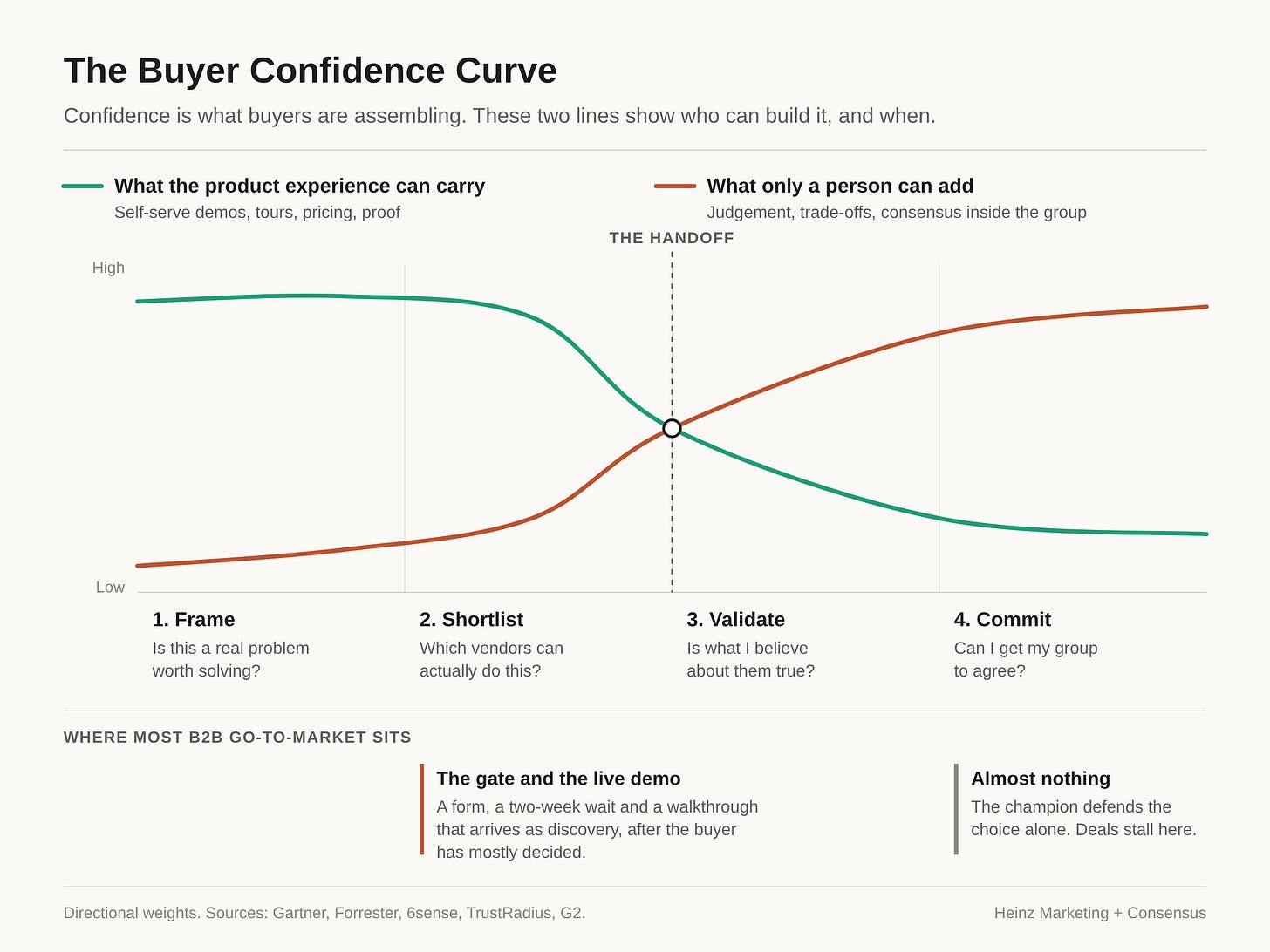
At the heart of the CMO Field Guide is a framework known as "The Buyer Confidence Curve." This model maps two key capacities across the four stages of a buying decision: what a product experience can effectively deliver and what human interaction uniquely provides.
- Shortlist Stage: During this initial phase, the product experience can handle nearly all the buyer’s needs. Self-service options, such as on-demand walkthroughs, interactive tours, and readily available pricing information, are paramount.
- Validate Stage: This is the critical juncture where the lines between product-led capabilities and human intervention cross. Buyers have typically formed a preferred vendor and have assembled an argument based on their research. This is where a credible sales representative can provide significant value by pressure-testing those conclusions. The guide identifies this as the highest-leverage interaction for a sales team, often occurring during a brief but impactful window.
- Commit Stage: This final stage is where the most significant challenges arise, and where deals are most prone to stalling. It involves navigating internal consensus among diverse stakeholders, often with conflicting priorities and perspectives.
The guide asserts that many companies misallocate their valuable human resources by placing them in the "Shortlist" stage, where buyers can often self-qualify. The live demo is frequently positioned here, arriving too late in the buyer’s journey, after initial decisions have largely been made. Crucially, the "Commit" stage, where deals frequently fail, remains understaffed and underserved.
The "Commit" Stage: Where Deals Stall and Champions Struggle
Gartner’s findings reveal that 74% of B2B buying teams experience unhealthy conflict during the decision-making process. This internal friction is a significant contributor to purchase delays, with an earlier Forrester survey indicating that 86% of B2B purchases stall at some point in the process.
The scenario described is all too common: four members of a buying committee express approval, but one individual harbors reservations, leading to the quiet demise of the deal. In such situations, the internal champion is left to defend a choice to a group that may not be fully aligned or convinced. This often occurs without adequate support, typically on a weekday, and with presentation materials that may not resonate with the diverse concerns of the entire group.
Strategic Plays for a Buyer-Centric Future
The CMO Field Guide proposes four actionable "plays" to help organizations adapt their sales motions to this evolving landscape. These strategies are designed to shift the focus from early-stage discovery to later-stage validation and group enablement:
-
Move the Gate to Where It Buys You Something: Instead of gating the initial product experience, ungate it through the "Shortlist" stage. This means making on-demand walkthroughs, interactive tours, transparent pricing, and industry-specific proof points accessible without requiring a form submission. While unhindered access is crucial, it should be coupled with instrumentation to track buyer engagement: who watched, what they replayed, where they paused, and who they forwarded content to. This data provides valuable insights without impeding the buyer’s research. Free trials, for instance, have shown a high influence-to-usage ratio, with 74% of buyers citing them as the most influential resource in their evaluation.
-
Design the Demo to Travel: Acknowledge that the champion will need to convey the product’s value to stakeholders who were not present during initial demonstrations. The product experience should be modular, allowing for selective forwarding of relevant segments. For example, a security lead might not require the same detailed information as the CFO. When unseen individuals begin watching these segments, it signals the discovery of new buying group members without requiring explicit requests for organizational charts.
-
Repoint the Live Conversation at Validation: Instead of initiating a live conversation with discovery questions that have already been answered by the product experience, begin by acknowledging what the buyer already believes. Be prepared to identify instances where the product may not be the right fit. Given that 51% of buyers believe they are more likely to encounter misleading information from generative AI compared to sales representatives (49%), being transparent about limitations can be a powerful credibility builder.
-
Enable the Group, Not the Individual: This is often the most overlooked but potentially most impactful strategy. Gartner research indicates that buyers experiencing content relevance at the buying-group level are three times more likely to report a high-quality deal. Hyper-personalizing content for each individual stakeholder can inadvertently create disparate versions of truth, hindering group agreement. Instead, focus on building a shared summary of collective insights, a concise answer to common procurement objections, and proof points that can be easily shared across different departments.
Self-Assessment and Future Direction
The guide concludes with a 10-question diagnostic designed to help organizations assess their current sales motions against these principles. It also proposes alternative metrics to traditional demo requests, which often reveal more about a company’s form-filling process than buyer engagement. Key metrics suggested include the number of stakeholders discovered per opportunity.
The overarching recommendation is to identify one stage of the Buyer Confidence Curve that is inverted and prioritize fixing that first. The full CMO Field Guide, including the curve, the four plays, and the diagnostic, is available for free download. This initiative aims to empower B2B organizations to align their sales strategies with the evolving expectations of today’s buyers, fostering more efficient and effective sales cycles.

 Nana Muazin
 Dwi Wanna