rifanmuazin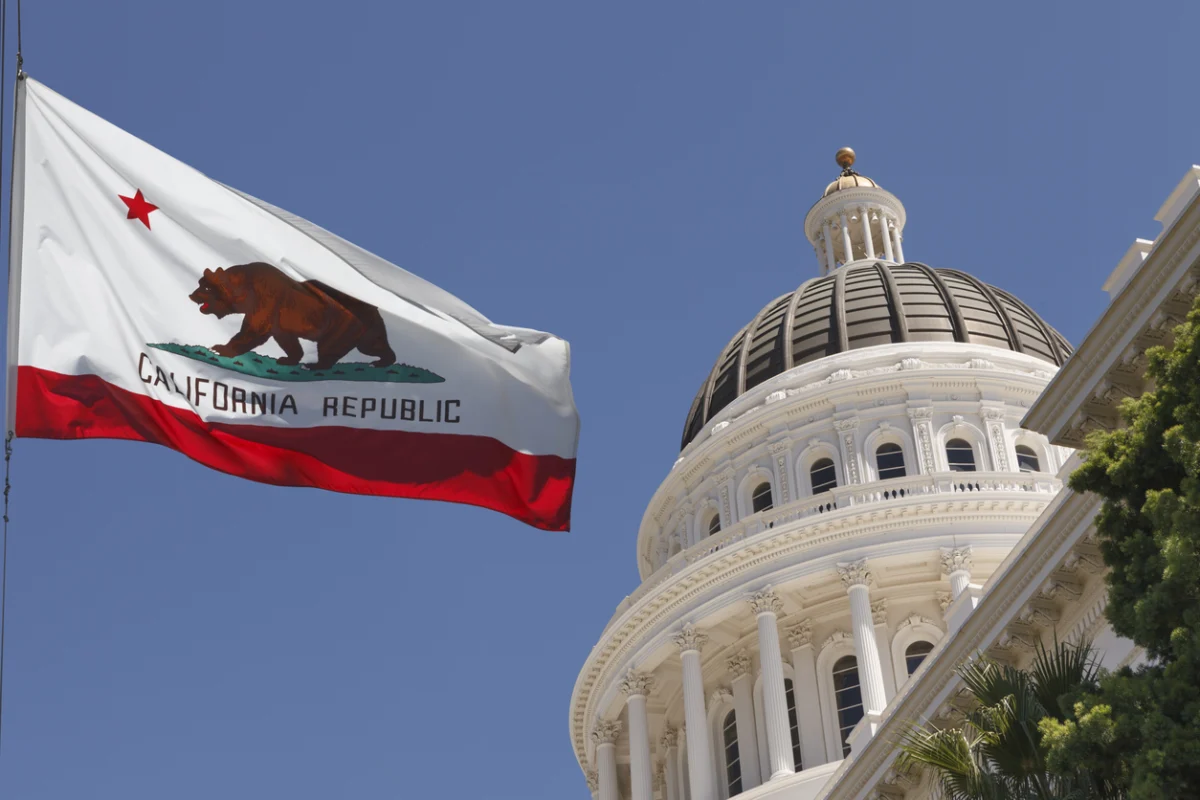
The landscape of the California gubernatorial race has undergone a seismic shift over the past month, transforming from a crowded field of contenders into a high-stakes battle for the Democratic nomination. Former U.S. Secretary of Health and Human Services (HHS) Xavier Becerra, who only weeks ago was polling at a marginal 5%, has suddenly found himself at the center of the political spotlight. This rapid ascent follows the unexpected withdrawal of Congressman Eric Swalwell, whose exit from the race amid allegations of sexual misconduct cleared a significant path for Becerra. However, as Becerra assumes the mantle of frontrunner, his campaign is grappling with the intensified scrutiny that accompanies such a position, highlighted by a recent and contentious interaction with the local press.
During an interview with KTLA, a prominent Los Angeles television station, Becerra engaged in a series of tense exchanges with reporter Annie Rose Ramos. The interaction, which was captured in footage later published by the outlet, has raised questions regarding Becerra’s media strategy and his readiness to face the rigorous questioning characteristic of a high-profile statewide campaign. The friction began before the formal interview had even gained momentum, as Becerra attempted to define the parameters of the discussion.
The KTLA Interview and the Definition of a Profile
The tension between the candidate and the journalist became evident when Becerra questioned the nature of the interview. "By the way, this is a profile piece, this is not a gotcha piece, right?" Becerra asked Ramos. The reporter maintained a professional stance, responding that the questions were fair and intended to help the public learn about him as a candidate for governor. Becerra, however, pressed the issue, insisting that the conversation remain focused on what he termed "the profile."
When Ramos noted that she was unclear on how Becerra specifically defined a "profile," the candidate offered a detailed, and some observers noted, condescending explanation. "The way I describe profile is you talk about all the things that I’ve done, things I want to do, and along with some tough questions. But not only tough questions," Becerra stated.
The exchange has since become a focal point for critics who argue that Becerra is seeking to curate his public image too tightly. While the final broadcasted piece did cover his career achievements, it also delved into more difficult territory, including his lack of a published, comprehensive plan for addressing California’s homelessness crisis and his reputation in Washington D.C., where he was sometimes referred to as "the invisible secretary" during his tenure at HHS. These topics are considered essential for a candidate seeking to lead the most populous state in the union, which faces significant challenges regarding housing, public health, and economic inequality.
A History of Press Friction in California Politics
Becerra is not the first Democratic candidate in California to face backlash over interactions with the media. Political analysts have drawn immediate parallels between Becerra’s recent "stumble" and the campaign of Congresswoman Katie Porter. Last year, Porter, who was once considered a top-tier candidate for statewide office, faced a significant crisis after threatening to walk out of an interview following persistent follow-up questions from a reporter.
The fallout from that incident was substantial. Porter’s reputation for being "media-savvy" was tarnished, and her polling numbers began a steady decline. Currently, Porter is polling at approximately 9%, a sharp drop from her earlier frontrunner status. The Porter incident serves as a cautionary tale for Becerra’s team: in the high-stakes environment of California politics, a single perceived moment of arrogance or an attempt to dodge accountability can have long-lasting electoral consequences.
The Campaign’s Rapid Response and Damage Control
In an effort to mitigate the negative narrative surrounding the KTLA interview, the Becerra campaign issued a formal statement aimed at reframing the incident. Campaign spokesperson Jonathan Underland told the New York Times that Becerra’s willingness to engage with the press, even under pressure, sets him apart from his competitors.
"Unlike other candidates in the race, Becerra sticks around even when the questions get tough," Underland stated. "He’s proven over decades in public service that he will always show up, take questions and defend the right of journalists to do their jobs."
Despite this defense, the incident has highlighted a fundamental tension in political communications. While candidates often seek to control the narrative through "profile" pieces and scripted messaging, the role of the fourth estate is to probe beyond the talking points. Communications experts suggest that Becerra’s mistake was not in answering the questions, but in attempting to negotiate the terms of the interview on camera, which signaled a lack of preparedness for the "tough" questions he claimed to expect.
Timeline of the Gubernatorial Shift
To understand Becerra’s current position, it is necessary to look at the timeline of events that led to his sudden rise in the polls:
- Early 2024: The gubernatorial field remains fractured. Eric Swalwell and Katie Porter are viewed as the primary contenders for the progressive and moderate Democratic wings, respectively. Becerra remains in the single digits, largely due to his absence from the state while serving in the Biden administration.
- One Month Ago: Internal and external polling shows Becerra at 5%. His campaign struggles to gain traction against candidates with more active local presence.
- Two Weeks Ago: Allegations of sexual misconduct surface against Eric Swalwell. The Congressman denies the allegations but ultimately decides to withdraw from the race to avoid becoming a distraction for the party.
- Last Week: A surge of endorsements and donor support shifts toward Becerra, who is seen as the most experienced "establishment" choice remaining. He becomes the de facto frontrunner overnight.
- Current Week: The KTLA interview airs, sparking a debate about Becerra’s temperament and his "invisible secretary" moniker.
Broader Implications for the 2026 Election
The California governor’s race is more than just a local contest; it is a bellwether for national Democratic trends. As the state deals with a massive budget deficit, a persistent homelessness epidemic, and the impacts of climate change, the next governor will wield significant influence over the national policy agenda.
Becerra’s record as California Attorney General and as HHS Secretary provides him with a deep resume, but it also provides opponents with a wealth of material for "tough questions." During his time as Attorney General, he was known for filing over 100 lawsuits against the Trump administration, a move that endeared him to the Democratic base but led to accusations of partisan overreach from the right. At HHS, his management of the migrant crisis at the border and the tail end of the COVID-19 pandemic faced scrutiny from both sides of the aisle.
The "invisible secretary" label, which KTLA Ramos brought up during the interview, stems from criticisms that Becerra was not a prominent enough public face for the Biden administration’s health policies. Bridging the gap between his administrative experience and the public’s need for a visible, proactive leader will be the primary challenge for his campaign moving forward.
Corporate Developments: FedEx and McDonald’s
While the political sphere in California remains volatile, the corporate world is seeing its own set of strategic shifts. In recent market commentary, FedEx leadership has downplayed the threat posed by Amazon’s aggressive entrance into the third-party logistics market. Despite Amazon’s massive infrastructure, FedEx executives maintain that their global network and specialized shipping capabilities provide a moat that the e-commerce giant will struggle to cross in the short term.
Simultaneously, the sports and marketing world saw a milestone as McDonald’s announced the naming rights for its first professional sports stadium in America. This move signals a renewed focus on domestic "experiential marketing" for the fast-food giant, as it seeks to deepen its ties with local communities and sports fans.
Conclusion: The Road Ahead for Becerra
For Xavier Becerra, the transition from a cabinet member to a gubernatorial frontrunner requires a shift in how he handles public confrontation. The KTLA incident serves as a reminder that in the digital age, there is no "off the record" or "pre-interview" buffer. Every word spoken in the presence of a camera is part of the public record.
As the primary approaches, Becerra will likely face more intense questioning regarding his specific policy proposals. If he continues to push back against the "tough questions" rather than answering them with transparency, he risks following the downward trajectory of Katie Porter. For now, the Becerra campaign remains focused on consolidating the Democratic base, but the shadow of the "invisible secretary" and the friction with the press remain obstacles he must overcome to secure the governor’s mansion.


 Laily UPN