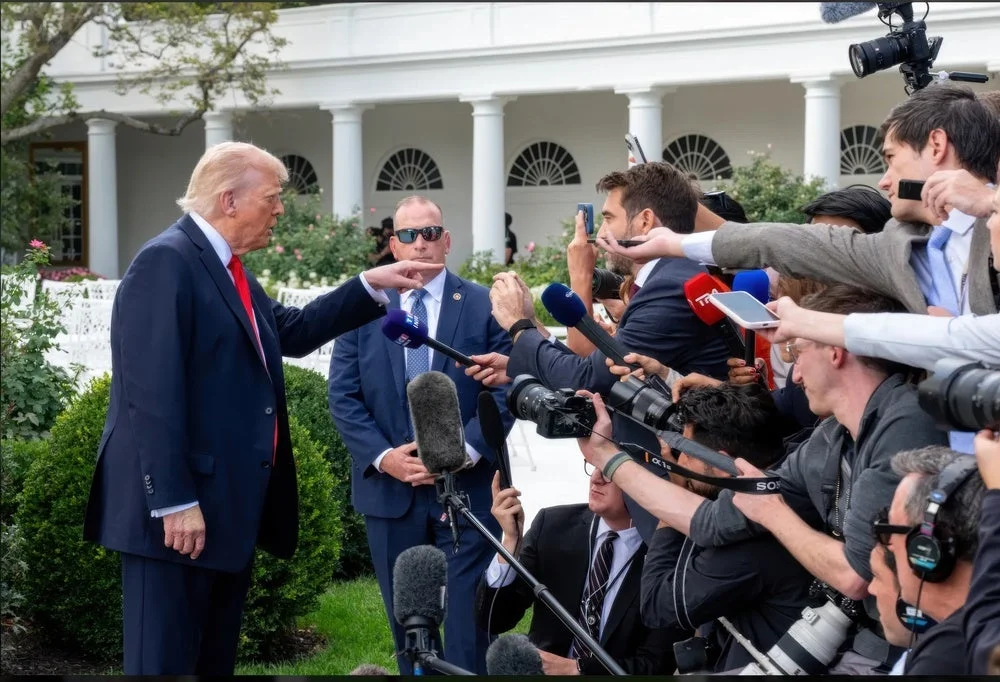
The landscape of professional communications and public relations faced a series of defining challenges during the third week of September 2026, as high-profile legal battles over media access, landmark corporate settlements, and shifting consumer data converged to reshape industry standards. From the briefing rooms of the White House to the digital storefronts of major delivery platforms, the events of the week highlighted a growing tension between institutional control and the demand for transparency. These developments provide a critical case study for organizations navigating the complexities of media relations, crisis management, and consumer engagement in an increasingly scrutinized digital economy.
Federal Court Intervenes in White House Media Access Dispute
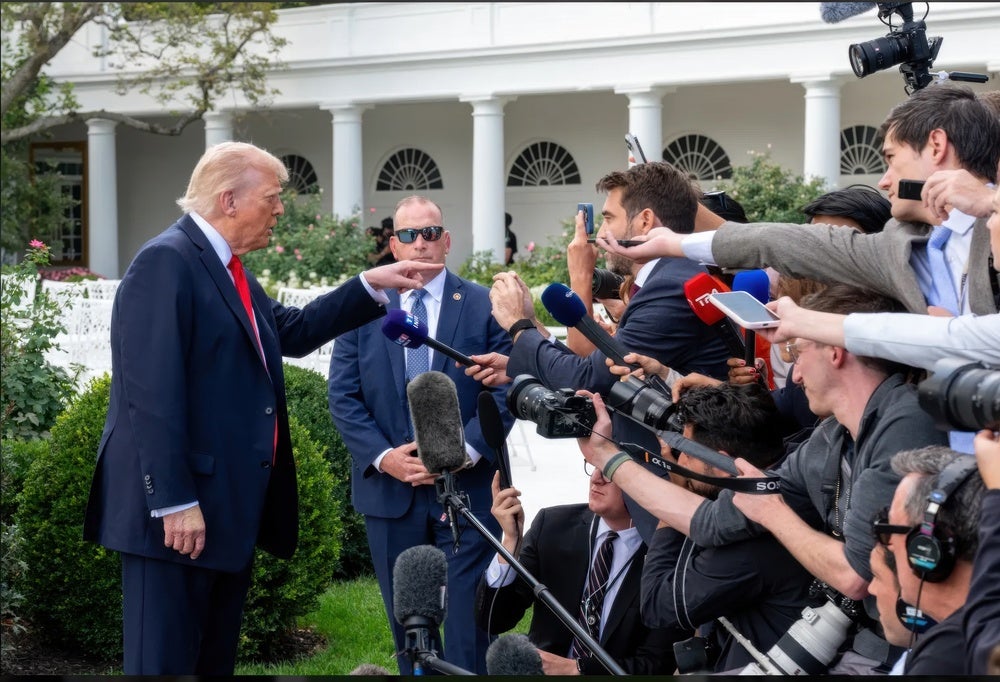
On September 18, 2026, the White House administration moved to revoke the press credentials of three major news organizations—CNN, MS NOW, and Politico. The administration justified the ban by citing alleged "behavior in violation of the standards of professionalism and decorum," though specific instances of such violations were not immediately detailed in the initial announcement. The move sparked an immediate legal response from the affected outlets, who filed suit in federal court alleging violations of the First and Fifth Amendments.
The legal challenge moved rapidly through the judicial system. On the morning of September 24, U.S. District Judge Timothy Kelly, a jurist appointed during the Trump administration, issued a ruling in favor of the media organizations. Judge Kelly ordered the White House to temporarily restore the journalists’ access, finding that the administration’s actions likely violated the Due Process Clause of the U.S. Constitution. The court’s reasoning centered on the fact that the outlets were not provided with prior notice, a clear set of standards for conduct, or an opportunity to be heard before their physical "hard passes" were deactivated.
The situation escalated further on Thursday morning when reporters from the three outlets attempted to enter the White House grounds following the court order. Despite the judicial mandate, Secret Service personnel turned the journalists away, in some instances confiscating their credentials. This act of non-compliance led to an emergency request for a hearing. Judge Kelly responded by ordering the administration to provide a formal response by 12:30 p.m. that day. By midday, the White House relented, and access was restored for a 14-day period while the litigation continues.
Historical Context and Legal Precedent
This confrontation is not an isolated incident but part of a broader pattern of friction between the executive branch and the press pool. Earlier in 2026, the White House faced similar legal setbacks after barring the Associated Press from certain events. That dispute arose after the outlet refused to adopt the administration’s preferred terminology, specifically the phrase "Gulf of America," in its reporting. In that instance, a judge also ordered access restored on First Amendment grounds, citing the government’s inability to discriminate against journalists based on the content or viewpoint of their reporting.
Furthermore, the Pentagon recently faced a similar judicial rebuke after a court found the Department of Defense had systematically sought to exclude "disfavored journalists" from briefings. These cases collectively reinforce a significant legal principle: while the government is not required to grant access to every individual, once it opens a space for the press, it cannot selectively exclude specific outlets without adhering to rigorous due process.
Implications for Media Credentialing
For public relations professionals and organizational leaders, the White House dispute serves as a reminder of the legal and reputational risks associated with restrictive media policies. Parry Headrick, Founder and Chief Evangelist at Crackle, notes that attempts to shut out the press often backfire. Headrick argues that unless an organization is in a mandated "quiet period" prior to an Initial Public Offering (IPO), avoiding the press is rarely a viable strategy.
"Shutting out the press gives the impression, whether true or not, that there’s something to hide," Headrick observed. "That does two things: it erodes trust and inspires intrepid reporters to dig even harder to gather the facts. As always, sunlight is the best disinfectant." The chaotic nature of the administration’s initial non-compliance with the court order further illustrates how a gap between an institution’s public statements and its actions can lead to a rapid compounding of credibility damage.
DoorDash Adopts Radical Transparency in $131.5 Million NYC Settlement
While the White House grappled with media access, the corporate sector saw a significant shift in crisis communication strategy. New York City Mayor Zohran Mamdani announced a record-breaking $131.5 million settlement with DoorDash this week. The settlement stems from the company’s failure to comply with the city’s minimum pay rules for delivery workers, which were established in 2023 to ensure fair compensation for gig economy participants.
The settlement will impact approximately 264,000 "Dashers" who were either underpaid or received late payments during the period of non-compliance. Of the total settlement, $83 million was tied to a specific dispute regarding "on-call pay" methodology—a complex calculation regarding how workers are compensated for time spent waiting for orders.
Analysis of the "We Screwed Up" Strategy
The most notable aspect of the DoorDash settlement was not the financial penalty, but the company’s public response. In a statement titled "Making It Right: Our Settlement with the City of New York," DoorDash opened with the blunt admission: "We screwed up." This departure from traditional, legally-vetted corporate jargon represents a calculated move toward radical transparency.
The company provided a detailed breakdown of the failures, attributing them to technical bugs, deliveries that crossed city boundaries where different pay rules applied, and errors in banking information. To mitigate the perception of systemic malice, the company disclosed that the average underpayment was $7.70, with 65% of affected workers shorted by $1 or less. By quantifying the error, DoorDash attempted to frame the issue as a series of technical glitches rather than a deliberate attempt to withhold wages.
This approach aligns with recent findings from the Resonant Advisory Group, which indicated that 79% of consumers believe a company gains more credibility by being the first to disclose its own bad news. By owning the narrative and avoiding vague or defensive language, DoorDash sought to minimize the long-term reputational fallout.
Rebuilding Trust with the Internal Workforce
Despite the effectiveness of the communication, experts warn that words alone cannot repair a damaged reputation. Michelle Bonner, VP of Public Relations at Adams & Knight, emphasizes that the primary audience for this apology is not the general public, but the workers themselves.
"In this case, the first audience to rebuild trust with isn’t the customer; it’s the workers," Bonner stated. "Be clear about what changed, put real accountability behind it and then prove over time that this wasn’t just a bad chapter you’re trying to message your way past."
Bonner further noted that the biggest mistake companies make is assuming a reputation problem is merely a communications problem. She argues that if the underlying business behavior remains unchanged, no amount of clever messaging will restore trust. While DoorDash’s convenience may prevent a mass exodus of customers, the loss of goodwill among its workforce and the public creates a "reputation deficit" that makes the company more vulnerable to future controversies.
Data Reveals Shifting Consumer Sentiment for the 2026 Holiday Season
As the fourth quarter approaches, new data from Sprout Social’s Q3 2026 Pulse Survey suggests that the upcoming holiday shopping season will be defined by economic caution and a heavy reliance on social media platforms. The survey of social media users reveals a consumer base that is increasingly price-sensitive and demanding of brand authenticity.
Key Findings on Consumer Spending and Behavior
The data highlights several critical trends that will dictate retail success in the coming months:
- Spending Reductions: Approximately 56% of shoppers plan to reduce their holiday spending this year, citing economic uncertainty and the impact of recent tariffs on consumer goods.
- Tariff Concerns: Nearly 70% of consumers expressed concern about tariff-related price increases. This has led 36% of shoppers to plan an earlier start to their holiday shopping in an attempt to lock in prices before further hikes take effect.
- The Social Media Journey: Social media has evolved from a discovery tool into the primary hub for the entire shopping journey. Consumers are increasingly using platforms not just for inspiration, but for direct purchasing and customer service inquiries.
The Shift from Promotion to Utility
For marketing and communications teams, these findings necessitate a shift in strategy. Traditional, high-gloss promotional campaigns are losing ground to content that provides tangible utility. Scott Morris, Chief Marketing Officer at Sprout Social, suggests that brands must align their messaging across all channels to meet the needs of a more discerning shopper.
"Because of a tighter economic climate, every purchase carries more weight, making it critical for brands to refine their messaging to ensure it is thoughtful and grounded," Morris explained. He recommends that brands focus on supporting creator partners who prioritize education and utility over pure promotion. Furthermore, the speed of customer service on social media will be a decisive factor, as shoppers expect near-instantaneous responses to their inquiries.
Broader Impact and Industry Implications
The events of this week underscore a fundamental shift in the relationship between institutions and their stakeholders. Whether it is a government body dealing with the press, a corporation addressing its workforce, or a retailer engaging with customers, the "old rules" of controlled, top-down messaging are being replaced by a requirement for accountability and real-time responsiveness.
The White House access battle demonstrates that the legal protections afforded to the press remain a potent check on institutional power, even in a polarized political environment. The DoorDash settlement highlights that in the digital age, a "human" apology backed by data and a commitment to change is more effective than legalistic evasion. Finally, the holiday shopping data reminds brands that in a strained economy, trust is built through utility and reliability rather than mere visibility.
As 2026 progresses, the ability of organizations to bridge the gap between their stated values and their actual practices will be the primary determinant of their long-term credibility. The lessons from this week suggest that transparency is no longer just a buzzword, but a strategic necessity for survival in the modern public sphere.