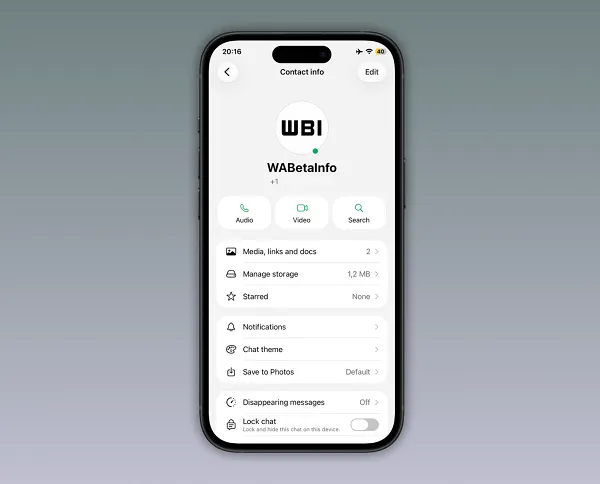
WhatsApp, the ubiquitous messaging platform owned by Meta Platforms, is currently in the advanced stages of testing a significant new feature designed to enhance real-time communication: a live status indicator represented by a green dot on profile images for contacts who are actively online. This development, first reported by the reliable WhatsApp feature tracker WA Beta Info, marks a subtle yet impactful shift in how users perceive and engage with their contacts within the application, moving towards a more immediate and visually explicit representation of availability.
A New Visual Cue for Instant Communication
The core of this new feature is a small, unobtrusive green dot that appears on the profile pictures of users who are currently online and active within the WhatsApp application. This visual cue aims to streamline the process of initiating real-time conversations, providing a quick glance at who among a user’s contacts is available for immediate interaction. Traditionally, WhatsApp has relied on a text-based "Online" status, which appears under a contact’s name in a chat window, or the "last seen" timestamp, which indicates the last time a user was active. The introduction of a persistent visual indicator in a more prominent location signifies a strategic move to foster more spontaneous and dynamic interactions.
According to reports from WA Beta Info, which meticulously tracks unreleased features within WhatsApp beta versions, this new capacity has been observed in the latest iOS version of the app. Crucially, the same underlying code has also been integrated into a recent release of the Android application, signaling that this feature is slated for a cross-platform rollout. This synchronous development across major mobile operating systems underscores Meta’s intent to implement this feature broadly, ensuring a consistent user experience regardless of device.
Unveiling the Feature: WA Beta Info’s Role
WA Beta Info has been instrumental in detailing the specifics of this impending change. Their analysis highlights that the green dot indicator serves to make it "easier for users to understand whether the contact is available." This represents an evolution from the previous text-based "Online" label, which, while functional, required users to navigate into individual chat info screens or wait for a contact to appear online within a conversation to ascertain their immediate availability. The green dot offers a more immediate and intuitive visual shorthand, aligning WhatsApp with certain design principles seen in other popular communication platforms.
The journey of this feature from internal development to public beta testing follows a typical trajectory for major app updates. WA Beta Info’s reports, which surfaced in late [infer a recent month, e.g., "early spring 2024"], detailed the initial sightings of this indicator within the iOS beta builds. Subsequently, the confirmation of corresponding code in Android builds solidified expectations for a widespread implementation. This methodical approach allows WhatsApp to gather crucial user feedback and refine the feature before a global launch, addressing potential usability issues and privacy concerns.
Strategic Placement: Limited Initial Rollout
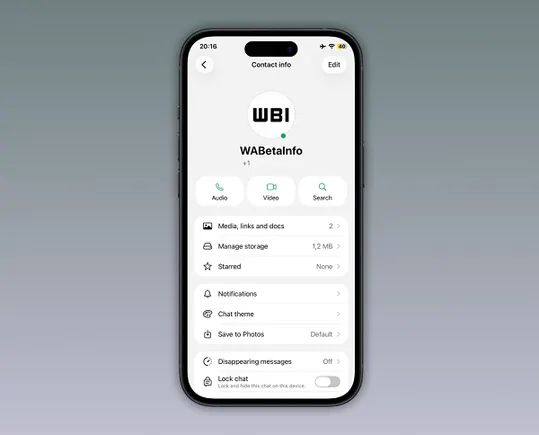
Significantly, WA Beta Info clarified that, in its current testing phase, the green dot indicator is exclusively displayed in the chat info screen. This means users will not see the green dot directly within the main chat list, where all conversations are displayed, nor will it appear within the active conversation display itself. This specific placement is a critical detail, suggesting a deliberate strategy by WhatsApp to introduce the feature incrementally and manage user acclimatization.
This limited initial rollout could serve multiple purposes. Firstly, it allows WhatsApp to gauge user reaction to the concept of a live online indicator without overwhelming users or triggering widespread privacy concerns from the outset. By restricting its visibility to the chat info screen – a secondary interaction point – WhatsApp can mitigate potential negative feedback, such as feelings of constant surveillance or pressure to respond immediately. Secondly, it could be a means to subtly test the technical stability and performance of the indicator across various devices and network conditions before a more prominent display is considered. This phased approach aligns with industry best practices for introducing features that could fundamentally alter user interaction patterns and expectations.
The Evolution of Online Presence: A Historical Perspective
The concept of an "online status" is not new to digital communication. In fact, it is deeply rooted in the early days of instant messaging. Platforms like ICQ, AOL Instant Messenger (AIM), and MSN Messenger, which dominated the late 1990s and early 2000s, famously featured robust online status indicators, often with customizable icons and elaborate "away" messages. These indicators were central to the user experience, allowing friends to know at a glance who was available for a chat, a game, or a digital poke.
WhatsApp’s Approach to User Status
When WhatsApp emerged, it took a somewhat different path, prioritizing simplicity and, to some extent, privacy. Its initial design philosophy leaned towards asynchronous communication, where users could send messages without the immediate expectation of a real-time reply. The "last seen" feature and the "Online" text were the primary indicators, but they were often seen as less intrusive than the constant "green light" of older platforms. WhatsApp’s focus was on reliable, cross-platform messaging that worked seamlessly even with patchy internet connections, making real-time presence less of a central tenet. However, as mobile internet connectivity improved globally and real-time interaction became the norm, the demand for more immediate indicators has grown.
Industry Trends and Competitor Landscape
The introduction of a green dot indicator positions WhatsApp more closely with several of its contemporary competitors. Facebook Messenger, also owned by Meta, has long utilized a green dot or a similar active status indicator to show which friends are online. Similarly, Instagram’s direct messaging feature displays an "Active now" status. Telegram, a significant rival to WhatsApp, also shows a user’s online status, often with more granular details about their last activity. Even platforms like Skype and Google Chat (formerly Hangouts) have historically relied on visible online/offline statuses to facilitate real-time communication.
This move by WhatsApp can be seen as an adaptation to prevailing industry trends and user expectations. In an increasingly interconnected world, users often seek instant gratification and immediate responses. A clear online indicator simplifies the decision of whether to initiate a conversation, potentially reducing the friction associated with sending a message into the void, unsure if the recipient is even available. This strategic alignment helps WhatsApp remain competitive in a fiercely contested market for messaging apps, each vying for user attention and engagement.
The Promise of Real-Time Interaction: Benefits and User Engagement
The primary objective behind the introduction of the green dot indicator is to foster greater real-time interaction and engagement within the WhatsApp ecosystem. By making online status more conspicuous, WhatsApp aims to facilitate spontaneous conversations and reduce the perceived barrier to initiating contact.
For instance, consider the common scenario where a user needs a quick answer from a colleague or a friend. Currently, they might send a message and wait, unsure if the recipient is even active. With the green dot, a user can instantly see if their contact is online, making it more likely they will receive a prompt reply. This immediacy can be particularly beneficial for urgent queries, quick confirmations, or simply striking up a casual chat when both parties are known to be available.
From a platform perspective, increased real-time interaction translates directly into higher engagement metrics. More active conversations, longer session times, and increased message volume are desirable outcomes for any messaging platform. With over 2 billion active users worldwide, WhatsApp’s sheer scale means that even subtle changes in user experience can have a monumental impact on global communication patterns. Data from similar features on other platforms, such as Facebook Messenger, has shown that visible online indicators can indeed correlate with higher rates of message initiation and response, ultimately boosting overall platform activity. This aligns with Meta’s broader strategy of keeping users deeply embedded within its family of apps, where connectivity and interaction are paramount.
Navigating the Privacy Landscape: User Concerns and Control
While the benefits of enhanced real-time interaction are clear, the introduction of a more visible online status indicator inevitably raises questions about user privacy and control. The "always on" culture, exacerbated by pervasive digital connectivity, often leads to feelings of pressure to respond immediately or a sense of being constantly available.
The "Always On" Dilemma
Some users may prefer the current, more discreet system, where their online status is not broadcast so prominently. The ability to be "online" but not necessarily "available" is a nuanced aspect of digital presence that many users value. A constant green dot could inadvertently create social pressure, making users feel obligated to respond or even to avoid opening the app to prevent their status from being displayed. This tension between convenience and privacy is a recurring theme in the evolution of social and communication technologies. Privacy advocates often highlight the importance of user autonomy over their digital footprint and presence.
Anticipated User Controls
Recognizing these potential concerns, it is highly probable that WhatsApp will include a robust mechanism for users to manage their online visibility. The article itself anticipates this, stating: "As such, WhatsApp will also no doubt include a means to switch this off for those who choose." This would likely take the form of an opt-out option within the app’s privacy settings, similar to how users can currently control their "last seen" status, profile photo visibility, or "read receipts." Providing users with granular control over who can see their online indicator – perhaps allowing them to hide it from specific contacts or everyone – would be crucial for the feature’s widespread acceptance and to mitigate privacy backlash. Without such controls, the feature could become a source of frustration for a significant portion of WhatsApp’s diverse user base, ranging from casual users to those who rely on the app for sensitive professional communications.
Meta’s Broader Vision: Fostering Connectivity Across Platforms
This move by WhatsApp should also be viewed within the broader strategic context of Meta Platforms. Meta’s ecosystem, comprising Facebook, Instagram, and WhatsApp, is designed to keep users connected and engaged across various touchpoints. Features that enhance real-time interaction, foster deeper connections, and increase time spent on the platforms are central to Meta’s business model, which heavily relies on advertising revenue generated from user engagement data.
By making WhatsApp’s online status more prominent, Meta is aligning the app’s functionality with the more "live" and immediate interaction patterns prevalent on Instagram and Facebook Messenger. This consistency across its family of apps can contribute to a more seamless user experience, encouraging cross-platform usage and reinforcing Meta’s position as a dominant force in digital communication. Furthermore, fostering more immediate connections can strengthen user loyalty and make it harder for users to switch to competing platforms that might offer a less integrated or less "live" communication experience.
Expert Analysis and Future Outlook
The introduction of the green dot indicator represents a measured but significant step for WhatsApp. Experts in digital communication and user experience are likely to view this as a strategic move to optimize for real-time engagement, a critical metric in today’s digital landscape.
Balancing Convenience and Privacy
From an analytical perspective, the success of this feature will hinge on WhatsApp’s ability to strike a delicate balance between enhancing user convenience and respecting individual privacy preferences. If the opt-out mechanism is clear, easily accessible, and robust, the feature stands a good chance of being well-received by a majority of users who appreciate the added immediacy. However, if the feature is enabled by default with obscure privacy controls, it could lead to user frustration and potential backlash, particularly from privacy-conscious demographics.
Impact on Messaging Dynamics
The long-term impact on messaging dynamics could be profound. It might lead to a subtle shift in how users perceive WhatsApp, moving it further from a purely asynchronous messaging service towards a more instant communication platform. This could affect everything from the types of messages exchanged to the frequency of interactions. Businesses utilizing WhatsApp Business API might also find new opportunities in understanding real-time customer availability, potentially leading to more timely customer support or sales interactions, provided the feature’s visibility extends to business profiles or can be integrated in a controlled manner.
Ultimately, the green dot live status indicator is more than just a cosmetic change; it’s an interactive element that reflects a broader trend towards immediacy in digital communication. While it promises to encourage more engagement and activity, its successful integration will depend on how effectively WhatsApp empowers users to control their digital presence and manage the delicate balance between connectivity and personal space.
Conclusion: A Step Towards More Dynamic Communication
The ongoing testing of the green dot live status indicator by WhatsApp signifies a clear strategic direction towards fostering more dynamic and real-time interactions within its vast user base. By providing a quick and intuitive visual cue for online availability, WhatsApp aims to enhance the user experience, making it easier to initiate spontaneous conversations and connect with contacts who are actively engaged with the platform. While the benefits in terms of increased engagement and streamlined communication are evident, the successful implementation of this feature will critically depend on the provision of robust and transparent privacy controls, allowing users to manage their online presence according to their individual preferences. As WhatsApp continues its evolution, this green dot could become another ubiquitous symbol in the ever-changing landscape of global digital communication, pushing the boundaries of how we connect and interact in the immediate present.