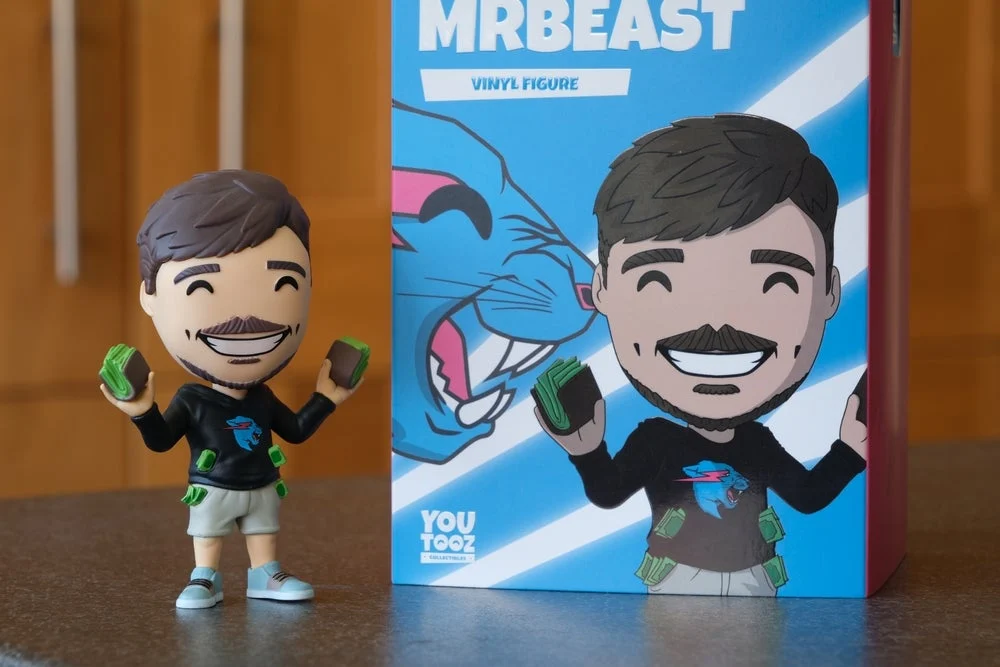
The landscape of medical philanthropy and public health communication is undergoing a seismic shift as traditional corporate social responsibility (CSR) models merge with the high-velocity world of digital creators. At the center of this transformation is a high-profile collaboration between biotechnology giant Amgen, the non-profit powerhouse Stand Up To Cancer (SU2C), the St. Baldrick’s Foundation, and Beast Philanthropy, the charitable arm of the world’s most-subscribed individual YouTuber, Jimmy Donaldson (MrBeast). This partnership represents a sophisticated effort to translate the dense, often inaccessible world of pediatric cancer research into a narrative that resonates with a global, multi-generational audience. By leveraging the storytelling prowess of the creator economy, these organizations have managed to secure millions of views and generate international funding, all while maintaining the scientific rigor required by the medical community.
The Strategic Framework of a Multi-Sector Collaboration
The initiative was built upon a foundation of four distinct entities, each bringing a specific expertise to the table. Amgen, a company with over 45 years of experience in scientific innovation, provided the technical backbone and financial support. Stand Up To Cancer and the St. Baldrick’s Foundation contributed the scientific vetting, patient networks, and a long-standing history of funding "Dream Teams" of researchers. Beast Philanthropy acted as the megaphone, utilizing a unique brand of "stunt philanthropy" that prioritizes high-engagement, emotionally resonant content to drive massive viewership.
According to Susie Tappouni, Head of Corporate Affairs at Amgen, the primary challenge was not just simplifying the science, but ensuring the human element remained the focal point. The collaboration sought to move beyond the abstract concepts of oncology and instead highlight the tangible outcomes of research. By centering the narrative on pediatric cancer survivors, the campaign bridged the gap between decades of laboratory work and the actual lives saved by those breakthroughs.
Chronology of a Viral Philanthropic Campaign
The development of the campaign followed a meticulous timeline designed to balance creative freedom with medical accuracy. The process began with early alignment meetings where all four organizations defined a core message: bringing the patient experience to the forefront of the MrBeast audience. Unlike traditional PR campaigns that often rely on top-down messaging, this project utilized a collaborative feedback loop.
During the development phase, Beast Philanthropy’s production team worked closely with medical experts to ensure that the "MrBeast style"—known for its fast-paced editing and high stakes—did not undermine the sensitivity of the subject matter. The involvement of Dr. Jay Bradner, Amgen’s head of Research and Development, Artificial Intelligence, and Data, was a critical mid-point in the timeline. As both a physician-scientist and a leader in innovation, Dr. Bradner provided the necessary bridge between the laboratory and the viewer.
The campaign culminated in a video release that saw immediate and unprecedented traction. Within the first 48 hours, the content generated 22.6 million views and nearly one million engagements. This rapid scaling is a hallmark of the creator economy, but the depth of engagement suggested that the message of pediatric cancer research had successfully pierced through the usual noise of digital entertainment.
Translating Complexity: The Role of the Physician-Scientist
One of the most significant hurdles in health communication is the "translation gap"—the difficulty of explaining complex biological processes without oversimplifying them to the point of inaccuracy. To solve this, the campaign utilized Dr. Jay Bradner to provide a voice of authority. Dr. Bradner’s role was to articulate why continued investment in research and artificial intelligence is vital for the next generation of cancer treatments.
However, the science was not presented in a vacuum. It was paired with the testimony of William Yank, a patient advocate and cancer survivor. This pairing allowed the campaign to show the "why" behind the "how." While Dr. Bradner explained the role of research in advancing better outcomes, Yank made that impact personal. This dual-track storytelling ensured that the audience understood that scientific progress is not just about data points, but about extending the lives of children and families.
Data Analysis: Measuring Impact Beyond Viewership
While 22.6 million views is a significant metric for any PR campaign, the true success of the Amgen and SU2C partnership is found in the deeper data. Sue Schwartz, co-founder of Stand Up To Cancer, noted that the campaign’s impact was truly global. Donations resulting from the video were tracked from 79 different countries, demonstrating the borderless nature of digital creator platforms.
Perhaps the most telling statistic was that 95% of the donors were contributing to Stand Up To Cancer for the first time. This indicates that the partnership successfully reached a "white space" audience—individuals, likely younger and more digitally native, who had not previously been engaged by traditional cancer fundraising telethons or legacy media appeals. For non-profits, this represents a critical expansion of their donor base, ensuring long-term sustainability in a changing philanthropic environment.
The Broader Context of Pediatric Cancer Research
To understand the urgency of this campaign, one must look at the broader landscape of pediatric oncology. Despite being the leading cause of death by disease for children in the United States, pediatric cancer research is historically underfunded compared to adult cancers. In many jurisdictions, only a small fraction of federal cancer research budgets is specifically allocated to childhood-specific trials and treatments.
The "Dream Team" model, supported by the Amgen and SU2C collaboration, seeks to address this by fostering high-level cooperation between different research institutions. By pooling resources and data, these teams can accelerate the development of new therapies. The funds raised through the Beast Philanthropy campaign are directly funneled into these collaborative efforts, meaning the viral success of a YouTube video has a direct correlation with the number of clinical trials that can be opened for children with rare or resistant forms of cancer.
Implications for Future Communications and PR Strategies
The success of this initiative offers several key lessons for communications teams handling sensitive or complex topics. First, it underscores the importance of "platform-native" storytelling. Rather than forcing a creator to adopt a corporate tone, Amgen and SU2C allowed Beast Philanthropy to maintain its own voice. This authenticity is what builds trust with a creator’s community.
Second, the partnership demonstrates that the "patient-centric" approach is not just a buzzword but a functional strategy for engagement. By giving survivors the space to share their own stories in their own way, the campaign avoided the pitfalls of "pity-based" marketing, instead opting for a narrative of empowerment and scientific triumph.
Finally, the collaboration highlights the evolution of the "Influencer" into the "Impact Partner." In this new model, creators like MrBeast are not merely distribution channels; they are strategic partners who contribute to the creative and emotional architecture of the campaign. For corporations like Amgen, this requires a level of trust and a willingness to relinquish total control over the brand narrative in exchange for massive, authentic reach.
Analysis of Long-term Outcomes
As the initial surge of views and donations stabilizes, the focus of the organizations involved has shifted toward long-term barometers of success. The ultimate goal is the development of effective treatments that arise from the research funded by this global audience. The campaign also aims to inspire a new generation of scientists. By presenting research as a dynamic, life-saving field, the partners hope to encourage students to pursue careers in oncology and biotechnology.
The feedback from the survivor community has been overwhelmingly positive, with many noting that the campaign brought much-needed attention to the specific challenges of pediatric cancer, such as the long-term side effects of treatments designed for adults. By highlighting the need for "age-appropriate" medicine, the campaign has educated the public on a nuance of oncology that is often overlooked in general health discussions.
In conclusion, the collaboration between Amgen, Stand Up To Cancer, and Beast Philanthropy serves as a blueprint for the future of health advocacy. It proves that when scientific expertise, philanthropic mission, and creative storytelling align, the result is more than just a viral moment—it is a global movement with the power to fund the next generation of medical breakthroughs. The integration of 79 countries and a 95% new donor rate suggests that the digital frontier is the new frontline in the fight against pediatric cancer.