rifanmuazin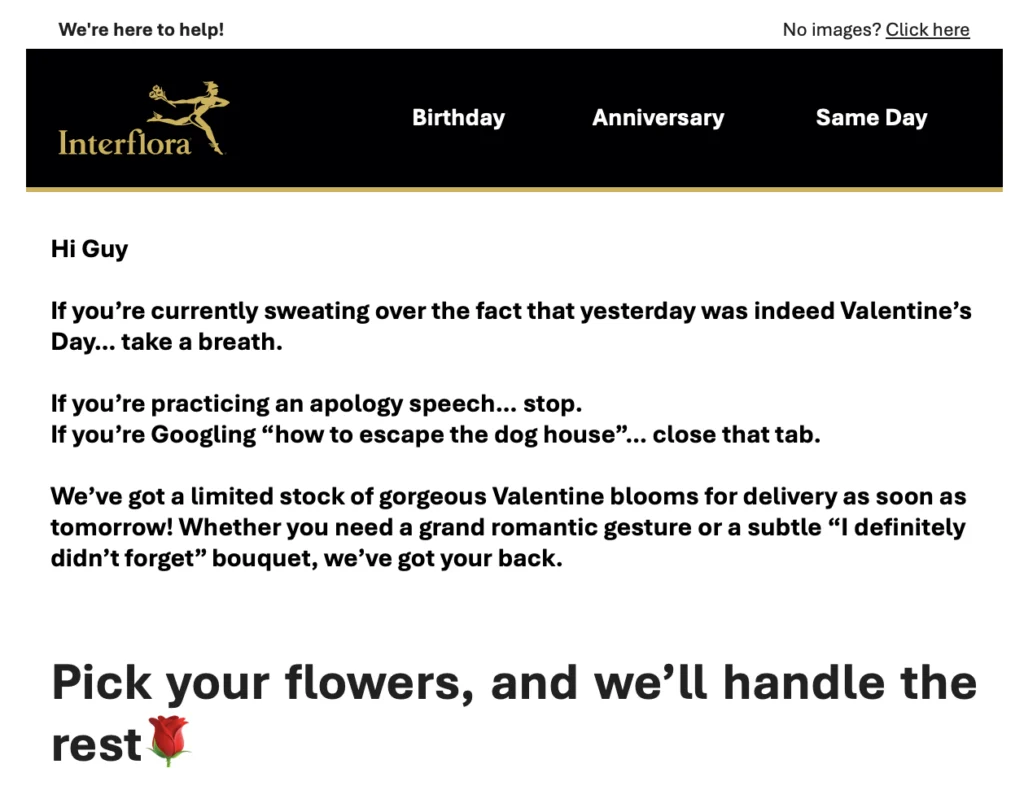
Following the intense holiday retail period of Black Friday and Cyber Monday, Valentine’s Day 2026 emerged as the inaugural significant consumer holiday, providing email marketers with their first major opportunity to gauge the impact of recent, substantial changes implemented by Gmail. Industry observers, particularly those focused on email marketing trends and deliverability, closely monitored campaign performance, anticipating shifts in engagement and inbox placement. As predicted, these foundational updates directly and indirectly influenced senders’ Valentine’s Day outcomes, yet they also spurred marketers to innovate with novel approaches to reach subscribers. This analysis delves into Gmail’s recent developments, the observed effectiveness of various marketing tactics, and the challenges faced by campaigns that failed to connect with their intended audience.
Gmail’s Redefined Inbox: A New Era for Email Marketing

As the calendar turned from 2025 to 2026, Google’s Gmail platform rolled out a series of updates designed to significantly enhance user experience and streamline the inbox. These changes, widely anticipated to recalibrate the landscape for email marketers, placed a renewed emphasis on relevance, user engagement, and data-driven presentation. Valentine’s Day 2026 served as a critical real-world crucible, revealing the practical implications of these updates for promotional email campaigns.
Relevance Sorting in the Promotions Tab: A Double-Edged Sword
One of the most impactful changes observed was the prominence of Gmail’s new relevance-sorted Promotions tab. Historically, this tab often presented emails in a chronological order, or a simple algorithm. However, the 2026 iteration demonstrably prioritized emails that Gmail’s algorithms deemed most relevant to the user, regardless of their send date.
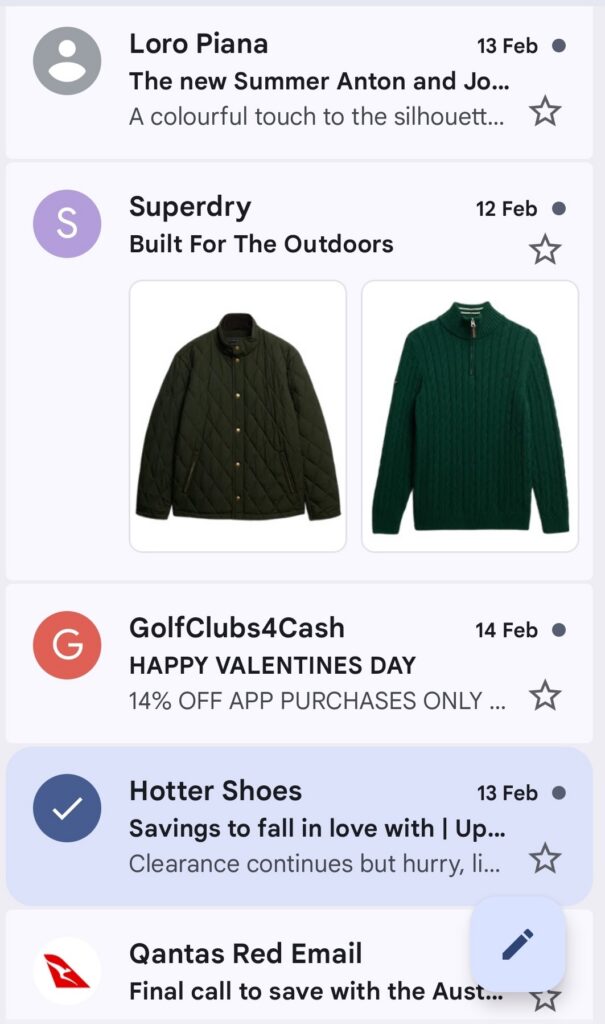
For Valentine’s Day campaigns, this shift presented a significant challenge. Numerous emails specifically crafted for February 14th, often containing time-sensitive offers or last-minute gift ideas, were observed to be overshadowed by older emails from other programs. Gmail’s enhanced algorithms, potentially weighing past engagement, sender reputation, and perceived user interest, pushed these older, but "more relevant," messages to the forefront. This phenomenon left many senders grappling with reduced visibility for their most timely promotions, struggling to capture audience attention precisely when it mattered most. Industry analysts noted that this required marketers to rethink their entire campaign cadence, pushing urgent messages earlier and focusing more on long-term engagement to build perceived relevance. Some preliminary data suggested a noticeable dip in immediate open rates for time-critical Valentine’s Day promotions that were not from highly engaged senders, compared to previous years.
Gmail Annotations: Unintended Consequences and Missed Opportunities
Gmail annotations, a feature designed to provide users with quick, actionable information about promotional emails directly within the inbox list view (e.g., offer badges, expiration dates), also presented a mixed bag. While intended to improve user experience by highlighting key deals, their implementation during Valentine’s Day campaigns revealed several unintended consequences.

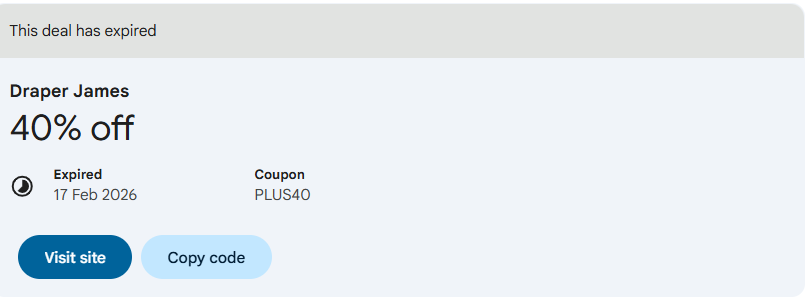
A common issue observed was the display of expired offers. Emails that had been delivered days prior, but perhaps not immediately opened due, in part, to relevance sorting, would still show their annotations in the inbox, only for the user to discover upon opening that the deal had already passed. This led to user frustration and potentially negative sender perception. Email deliverability experts highlighted that this underscored the critical importance of actively managing annotation parameters, especially the availabilityEnds parameter, which allows marketers to specify when an offer becomes invalid.
Several prominent brands, such as Interflora and Snapfish, were cited as examples where the opportunity to leverage availabilityEnds was missed. Had these parameters been correctly applied, the expired offers would not have been displayed, preserving a positive user experience. This situation highlighted a knowledge gap among some marketers regarding the granular control offered by Gmail’s annotation features, suggesting a need for more widespread education and technical implementation best practices within the industry.
Deal Cards: Simplifying, Yet Potentially Diluting Brand Value

Another notable development was Gmail’s automatic generation of "deal cards," which often appeared as a prominent banner at the top of an opened email, summarizing a key promotion or coupon code. While accurate in their content and designed to provide immediate value to the recipient, these deal cards, in many instances, inadvertently reduced complex brand messages to a single data point – the coupon.
For brands like Draper James, which meticulously craft emails with rich imagery, compelling storytelling, and additional value propositions beyond just a discount, the automatic deal card could be seen as diminishing their broader marketing efforts. While certainly aiding conversion for price-sensitive consumers, it potentially stripped away the carefully curated brand experience. Marketers expressed a nuanced view, acknowledging the utility for quick conversions but also signaling a concern about the potential for their meticulously designed email content to be overshadowed. This forced brands to consider how to integrate deal card functionality into their overall strategy, perhaps by ensuring the core email still offered substantial complementary value.
Marketers’ Adaptive Strategies: Navigating the New Landscape

In response to Gmail’s evolving algorithms and the inherent challenges of standing out in a crowded inbox, email marketers demonstrated remarkable adaptability and creativity during Valentine’s Day 2026. Several messaging trends and tactical innovations came to the forefront, showcasing a move towards more nuanced, user-centric approaches.
Sophisticated Preference Centers: Beyond Opt-Outs
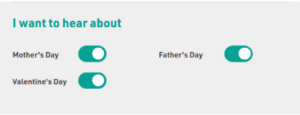
A significant shift was observed in how brands approached holiday-specific opt-outs. In previous years, it was common to see single-purpose emails offering subscribers the chance to opt out only from Valentine’s Day communications. However, 2026 saw a noticeable decline in these isolated notifications. Instead, a growing number of brands, exemplified by Buyagift, integrated holiday preference management directly into their broader preference centers. This allowed subscribers to opt out of specific holiday communications (e.g., Mother’s Day, Christmas, Valentine’s Day) on a "one-and-done" basis, offering a more permanent and user-friendly solution. This trend reflects a broader industry move towards empowering subscribers with greater control over their email experience, fostering trust and reducing blanket unsubscribes.
Creative Discounting: The Allure of 14% Offers
To stand out amidst the predictable waves of 20%, 25%, or 30% discounts, several senders strategically offered 14% discounts. This clever tactic not only aligned numerically with the date (February 14th) but also broke through the monotony of common discount percentages. The novelty of a 14% offer, while perhaps not always representing the steepest discount, served as an effective psychological hook, drawing attention and encouraging engagement by appearing unique and thoughtful. This demonstrated an understanding of consumer psychology and the importance of differentiation in a saturated promotional environment.
Engagement Tactics: Fighting for Attention
With increasing competition for inbox visibility, marketers deployed creative tactics to capture attention:
- Combating Doomscrolling: Brands like Clarins adopted innovative subject lines, such as "stop scrolling," directly addressing the prevalent habit of users quickly scanning through their inboxes. This direct, conversational approach aimed to disrupt the automatic scroll, prompting subscribers to pause and engage with the message. Such tactics underscore the growing need for emails to be immediately compelling at the subject line level.
- Post-V-Day Redemption: "In Case You Missed It" Campaigns: A notable trend on February 15th was the surge in "in case you missed it" or "forgot Valentine’s Day?" emails. While primarily aimed at assisting tardy partners in their quest for redemption, these campaigns also signaled a strategic adaptation by senders. They likely served a dual purpose: not only to capitalize on last-minute purchases but also to mitigate the impact of emails going unseen on the 14th due to engagement-based sorting. By re-sending or sending follow-up messages, marketers hoped to re-engage subscribers who might have missed the initial outreach, acknowledging the challenges of initial inbox visibility.
- Humor in Messaging: To cut through the romantic cliché and stand out, humor proved to be an effective tool. Interflora, for instance, used witty messaging to appeal directly to partners who had forgotten Valentine’s Day, offering a humorous lifeline for those in "deep trouble." This approach not only made the email more memorable but also fostered a more relatable and positive brand image, particularly when the goal was to "row against the flow" of conventional romantic messaging.
- Micro-Animations: Subtle yet effective, micro-animations (small GIFs with gentle movements) were employed to catch subscribers’ eyes. These could amplify logos, draw focus to calls-to-action (CTAs), or highlight specific product features. Bulgari provided an elegant example, incorporating a slight shimmer over their logo, adding a touch of sparkle and sophistication that subtly captured attention without being overly distracting. This trend points to a growing sophistication in email design, leveraging subtle visual cues to enhance engagement.
The Broken-Hearted in Spam: Unpacking Deliverability Failures
Despite the innovative efforts of many, not all Valentine’s Day campaigns found their way into the hearts — or inboxes — of subscribers. A significant number of otherwise well-crafted emails unfortunately landed in spam folders, rendering even the most creative campaigns ineffective. While specific reasons for individual spam placements vary, common underlying factors often contribute to such outcomes:

- Poor Sender Reputation: This is paramount. A history of low engagement, high complaint rates, or being flagged by spam traps can severely damage a sender’s reputation with Internet Service Providers (ISPs) like Gmail.
- Inadequate Authentication: Lack of proper email authentication protocols (SPF, DKIM, DMARC) makes it difficult for ISPs to verify a sender’s legitimacy, increasing the likelihood of emails being flagged as suspicious.
- Spammy Content and Design: Overuse of promotional language, excessive exclamation points, all-caps text, too many images relative to text, or suspicious links can trigger spam filters.
- Low Engagement Metrics: Gmail’s algorithms heavily weigh user engagement. If previous emails from a sender consistently have low open rates, click-through rates, or high delete-without-opening rates, subsequent emails are more likely to be relegated to spam.
- Purchased or Unclean Lists: Sending to disengaged or non-opt-in subscribers can lead to high bounce rates, spam complaints, and overall poor sender performance.
- Lack of Personalization: Generic, untargeted emails are often perceived as less relevant and can contribute to lower engagement, indirectly impacting deliverability over time.
For marketers, understanding these fundamental principles of deliverability is more critical than ever, especially with Gmail’s increased focus on relevance and user experience. Even the most charming Valentine’s message is lost if it doesn’t reach the intended recipient’s primary inbox.
Industry Sentiment and Expert Commentary
Email deliverability experts universally stressed that Valentine’s Day 2026 served as a stark reminder of the evolving complexity of inbox placement. "The days of simply sending out mass emails and hoping for the best are long gone," commented one industry veteran, speaking anonymously to discuss general trends. "Gmail’s changes underscore a fundamental shift towards rewarding senders who prioritize user experience, engagement, and technical hygiene. Marketers now have to earn their spot in the inbox, not just assume it."

Marketing strategists also noted a clear trend towards more sophisticated preference management and highly segmented campaigns. "Generic blasts are increasingly penalized," observed an email consultant. "The success stories from Valentine’s Day were often those that understood their audience’s preferences, including their willingness to receive holiday promotions, and tailored their messages accordingly." The emphasis on building and maintaining a positive sender reputation through consistent engagement and adherence to best practices was reiterated across various professional forums, including platforms like LinkedIn, where the annual "Love Letters to Email" tradition saw professionals expressing both their frustrations and enduring appreciation for the channel.
Broader Implications for the Future of Email Marketing
Valentine’s Day 2026 was more than just a seasonal campaign; it was a litmus test for the future of email marketing. The insights gained highlight several critical implications for ongoing and future email strategies:

- Prioritizing Deliverability: With Gmail’s heightened focus on relevance and user experience, deliverability is no longer just a technical concern but a core strategic imperative. Brands must invest in robust sender reputation management, proper authentication, and consistent list hygiene.
- Engagement as Currency: Email engagement metrics are increasingly influential in determining inbox placement. Strategies that foster genuine interaction, such as personalized content, interactive elements, and timely communications, will be crucial.
- Mastering Gmail’s Features: Marketers need to fully understand and actively manage features like annotations and deal cards. Proactive configuration can turn potential pitfalls into advantages, ensuring offers are displayed correctly and brand messaging is preserved.
- Sophisticated Audience Segmentation: The days of broad holiday blasts are waning. Marketers must leverage advanced segmentation and preference centers to ensure that only relevant content reaches interested subscribers, minimizing opt-outs and complaints.
- Creativity and Differentiation: In a crowded digital space, creative messaging, unique offers (like the 14% discounts), and innovative design elements (such as micro-animations and humor) are essential for capturing attention and fostering connection.
Conclusion: Every Send Needs a Little Love
Valentine’s Day 2026 indeed had it all: the highs of successful, innovative campaigns, the lows of deliverability heartbreak, and the ongoing saga of adapting to technological shifts. One truth emerged unequivocally: amidst Gmail’s evolving algorithms and the fierce competition for attention, every email send now requires a renewed level of strategic thought, technical precision, and genuine creativity to appeal to subscribers. As marketers look ahead to the remainder of 2026 and beyond, the lessons from this Valentine’s Day will undoubtedly shape more effective, user-centric, and deliverable email campaigns. Staying abreast of provider changes and continually refining strategies will be paramount for any brand aiming to truly connect with its audience in the digital age.