rifanmuazin
The landscape of artificial intelligence underwent a fundamental transformation in 2025, marking the end of the "chatbot era" and the beginning of the "agentic era." While previous years were dominated by the sheer scale of Large Language Models (LLMs) and their ability to generate human-like text, 2025 was defined by breakthroughs in reasoning, autonomous decision-making, and multimodal world modeling. Leading institutions including Google DeepMind, OpenAI, Meta, and NVIDIA, alongside emerging powerhouses like DeepSeek and Sakana AI, shifted the research focus from passive pattern recognition to active, "System 2" thinking. This transition was catalyzed by a series of seminal papers that introduced reinforcement learning as a post-training standard, redefined how models perceive physical reality through video, and established new benchmarks for the economic utility of AI agents.
The Paradigm Shift: From Scaling Laws to Reasoning Efficiency
For much of the early 2020s, the primary driver of AI progress was the "scaling law," which suggested that more data and more compute would inevitably lead to higher intelligence. However, by early 2025, researchers began encountering diminishing returns in pure pre-training. The industry response was a pivot toward "inference-time compute"—allowing models to "think" longer before answering—and advanced reinforcement learning (RL) techniques.
This shift was not merely academic; it had immediate geopolitical and economic implications. The rise of high-performance open-weights models from China, specifically from DeepSeek and Alibaba, challenged the dominance of Silicon Valley. Simultaneously, the focus moved toward "agentic workflows," where AI systems are no longer just answering questions but are instead completing multi-step tasks in software engineering, scientific research, and corporate sustainability.
1. DeepSeek-R1: Incentivizing Reasoning Capability in LLMs
The release of DeepSeek-R1 by the China-based lab DeepSeek is arguably the most influential event of 2025. This paper popularized the use of Reinforcement Learning (RL) as a primary method for inducing reasoning behaviors in models, rather than relying solely on supervised fine-tuning.
Technical Significance: DeepSeek-R1 utilized a Mixture-of-Experts (MoE) architecture and demonstrated that a model could "discover" chain-of-thought (CoT) reasoning through RL rewards alone. By rewarding the model for correct answers in math and coding rather than just mimicking human text, the researchers enabled the model to self-correct, deliberate, and solve complex logic puzzles.
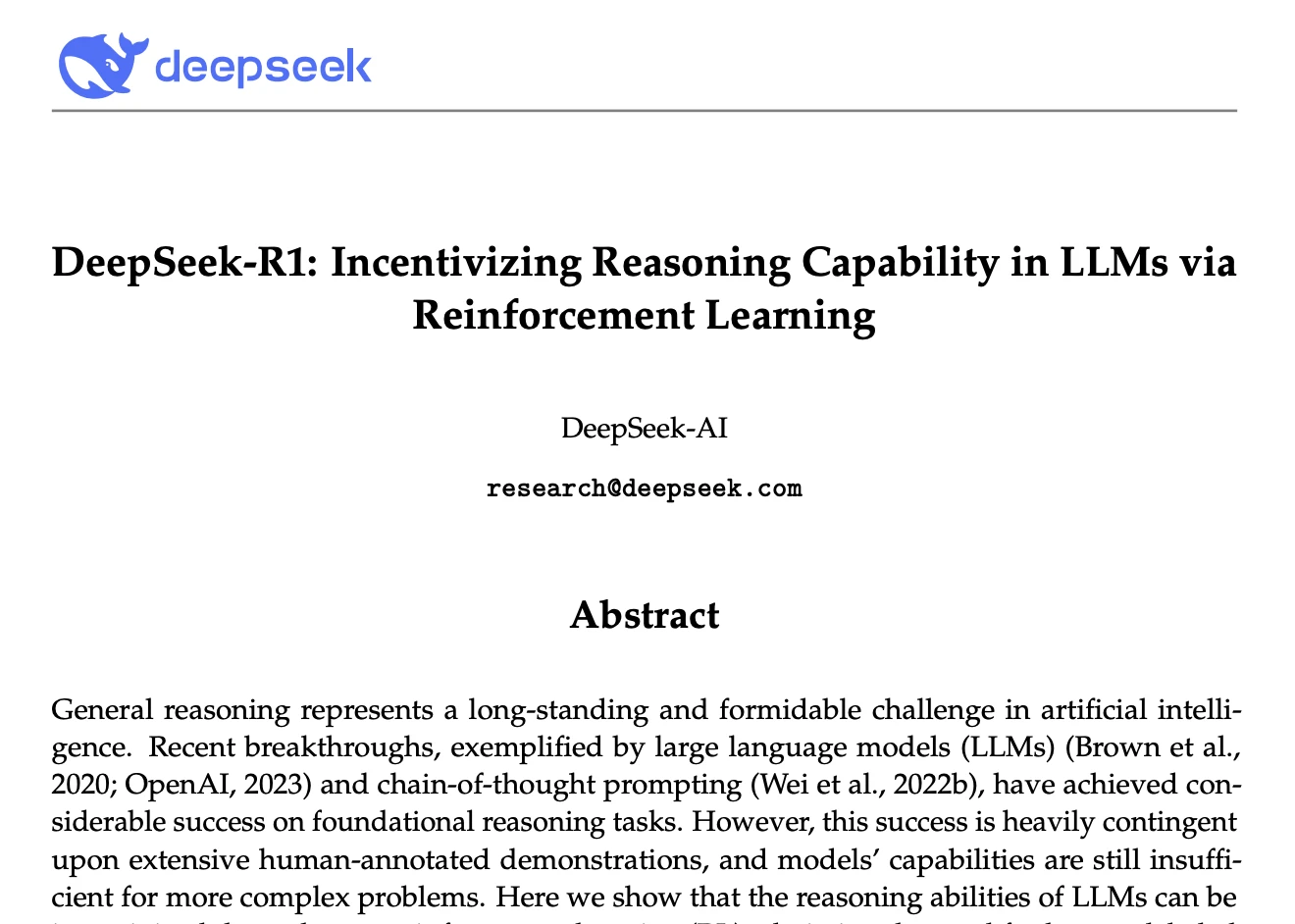
Industry Impact: The paper caused a shockwave in the AI industry by proving that frontier-level reasoning could be achieved with significantly less compute than previously thought. It effectively democratized high-level reasoning, prompting a surge in RL-based research globally.
2. Gemini 2.5 Technical Report: The Dawn of Multimodal Reasoning
Google DeepMind’s Gemini 2.5 report detailed the transition of the Gemini series from a standard multimodal model to a reasoning-focused system. The standout feature introduced was "Thinking Mode," a native capability for the model to perform internal monologues before generating output.
Technical Significance: Unlike previous versions that treated text, image, and video as separate inputs to be integrated, Gemini 2.5 utilized a unified transformer architecture that reasoned across modalities simultaneously. The report highlighted major gains in long-context retrieval, allowing the model to "reason" through hours of video or millions of lines of code with near-perfect accuracy.
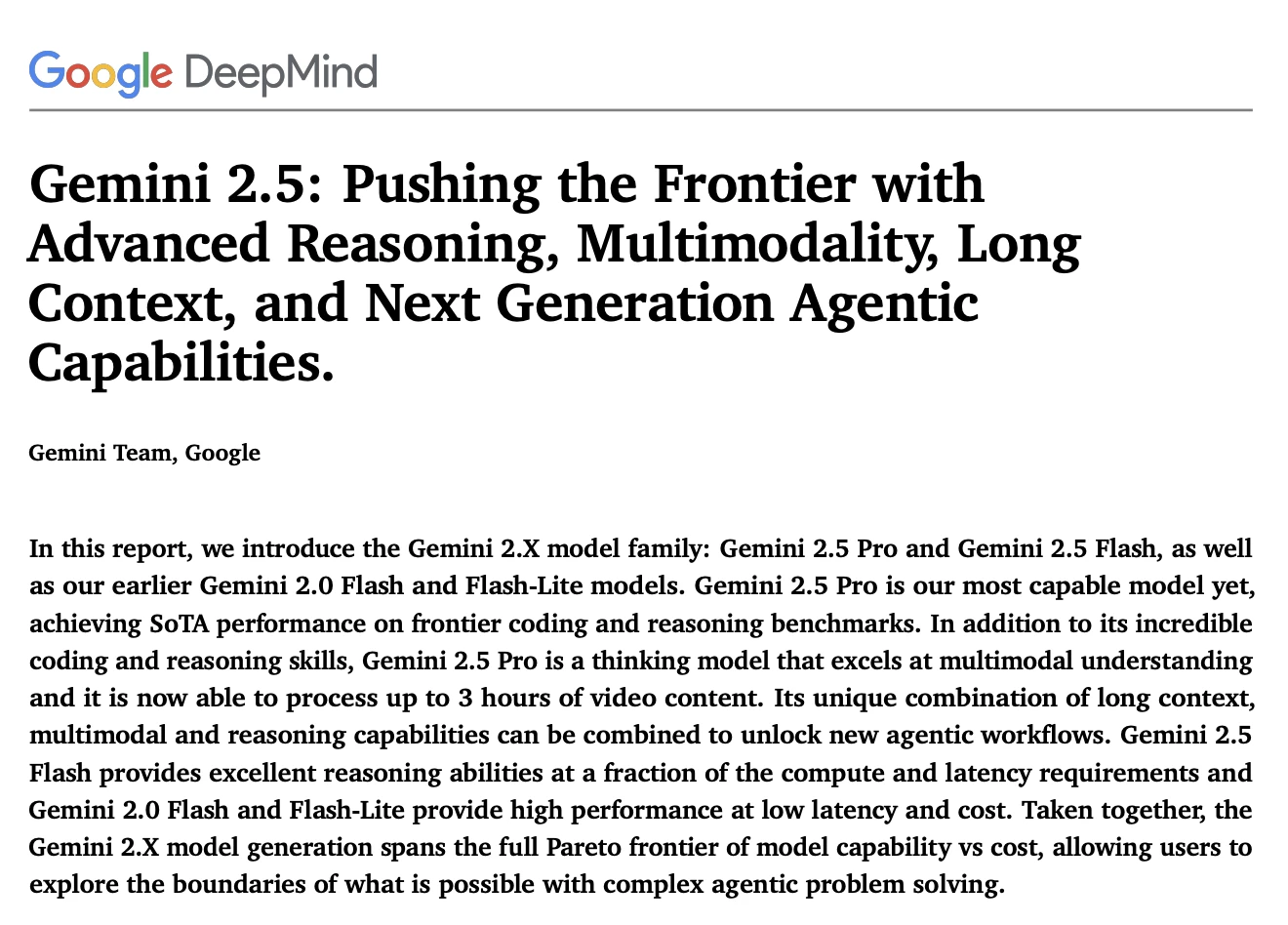
Broader Implications: This paper signaled Google’s commitment to "Agentic AI," where the model acts as a collaborator that can see what the user sees and plan actions accordingly.
3. Qwen 2.5 Technical Report: Strengthening the Open Frontier
Alibaba Cloud’s Qwen 2.5 emerged as a cornerstone of the open-source community in 2025. The technical report focused on "all-around" excellence, particularly in coding and mathematics, where it rivaled the most expensive proprietary models.
Technical Significance: Qwen 2.5 optimized the hybrid MoE architecture, achieving a balance between parameter efficiency and performance. It significantly improved multilingual capabilities, making it the preferred foundation for developers in non-English speaking markets.
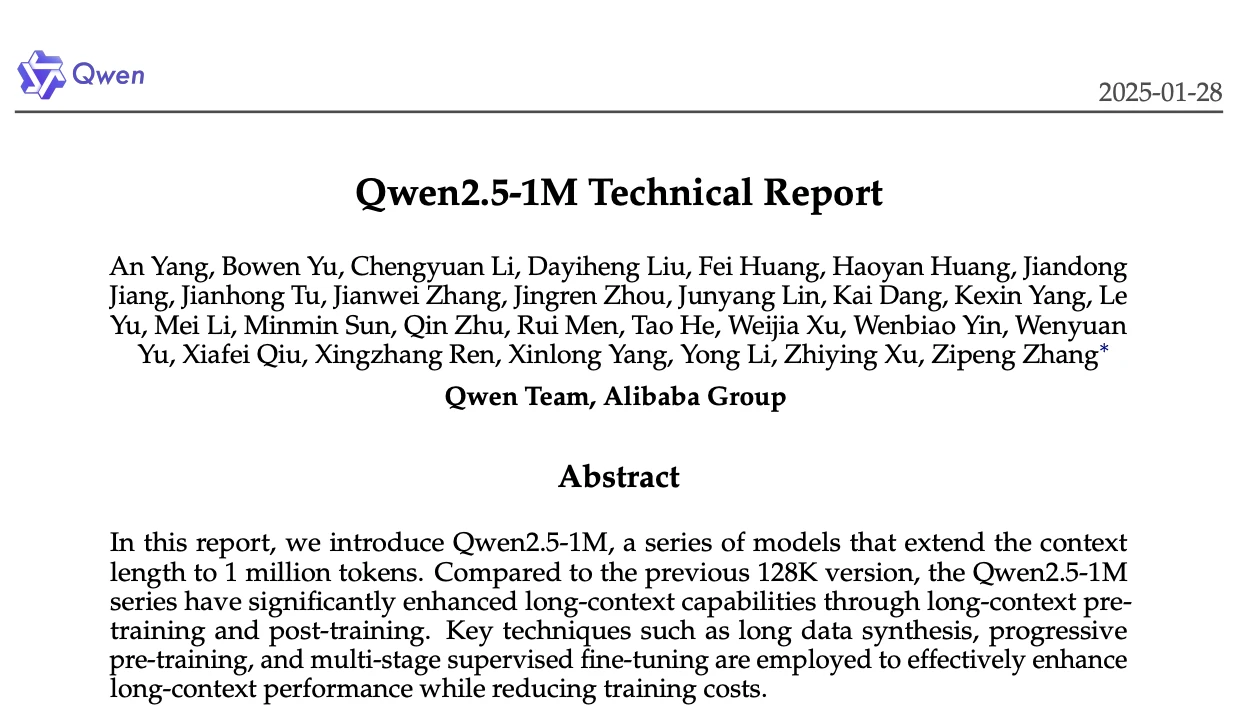
Market Reaction: The success of Qwen 2.5 solidified China’s position as a leader in "frontier open models," providing a viable alternative to Western proprietary ecosystems for global developers.
4. Large Concept Models: Language Modeling in a Sentence Representation Space
Meta’s research into Large Concept Models (LCMs) proposed a radical departure from the traditional token-by-token generation of GPT-style models. Instead of predicting the next word, LCMs operate in a "concept space," predicting the next semantic idea or sentence structure.
Technical Significance: By moving beyond the "next-token prediction" bottleneck, Meta showed that models could achieve higher levels of abstraction and coherence over long documents. This approach reduces the "hallucination" of facts that often occurs at the token level, as the model maintains a consistent conceptual map of the output.
5. Towards Robust ESG Analysis Against Greenwashing Risks
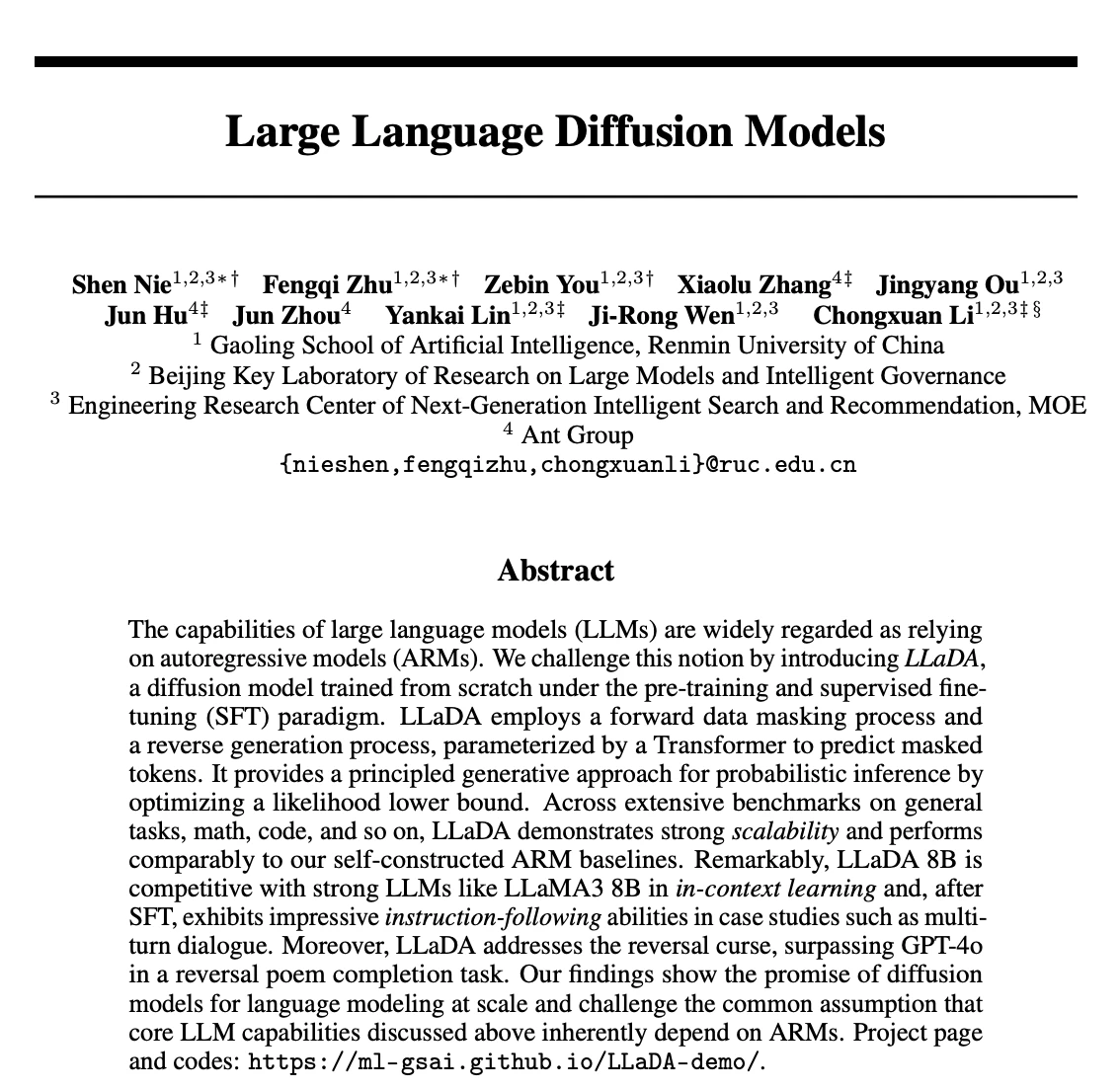
As AI integration reached the corporate boardroom, Ant Group released a pivotal paper on using AI for sustainability. This research addressed the "greenwashing" problem—where companies use misleading language to appear more environmentally friendly.
Technical Significance: The paper introduced an "aspect-action analysis" framework. Instead of looking for keywords like "carbon neutral," the AI analyzes the alignment between a company’s stated goals and its recorded actions across disparate data sources. This represents a shift toward "adversarial" AI used for regulatory and ethical oversight.
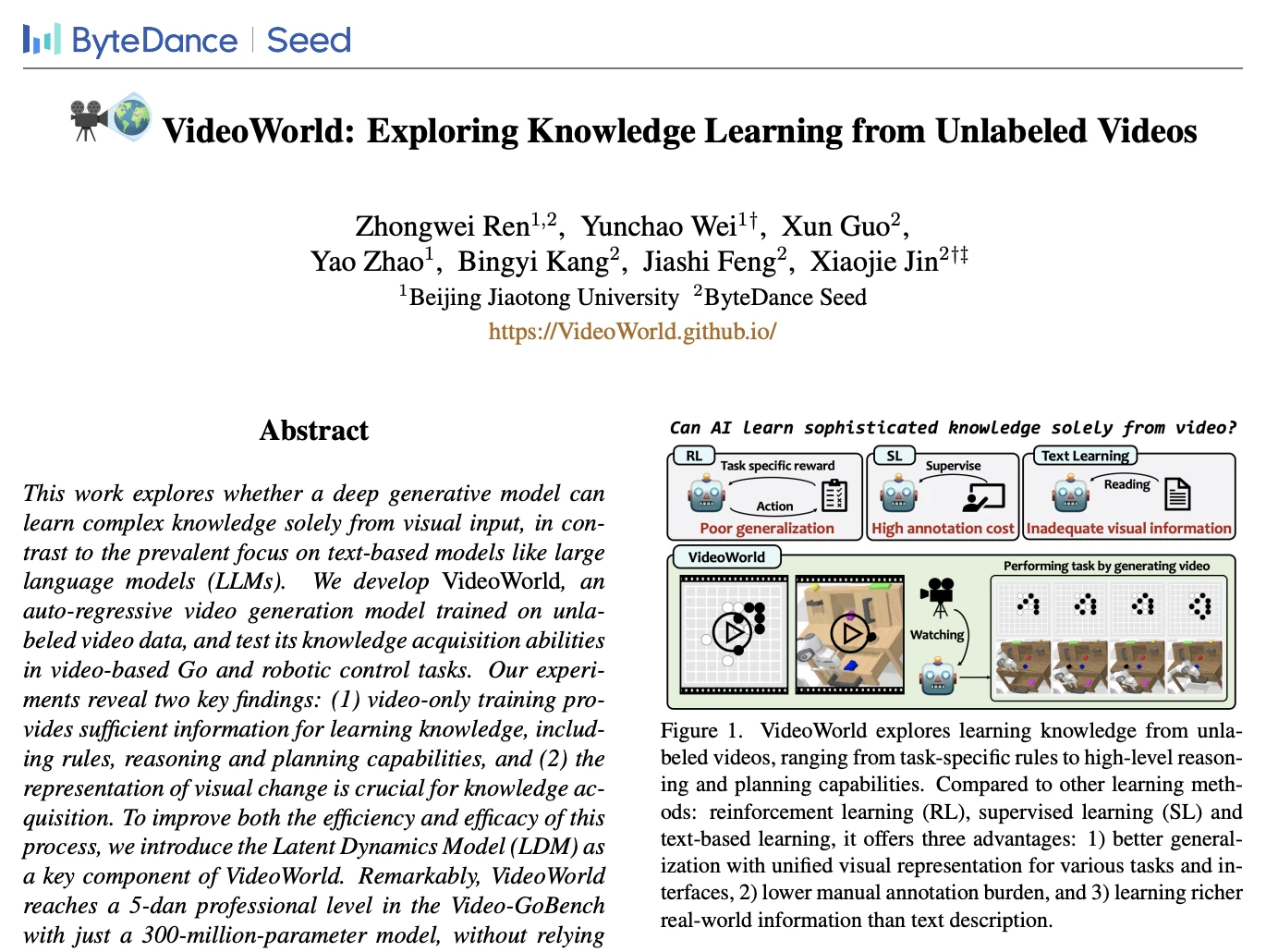
6. VideoWorld: Exploring Knowledge Learning from Unlabeled Videos
NVIDIA and ByteDance collaborated on VideoWorld, a paper that fundamentally changed how AI learns about the physical world. Rather than learning from text descriptions of physics, VideoWorld learns directly from raw, unlabeled video.
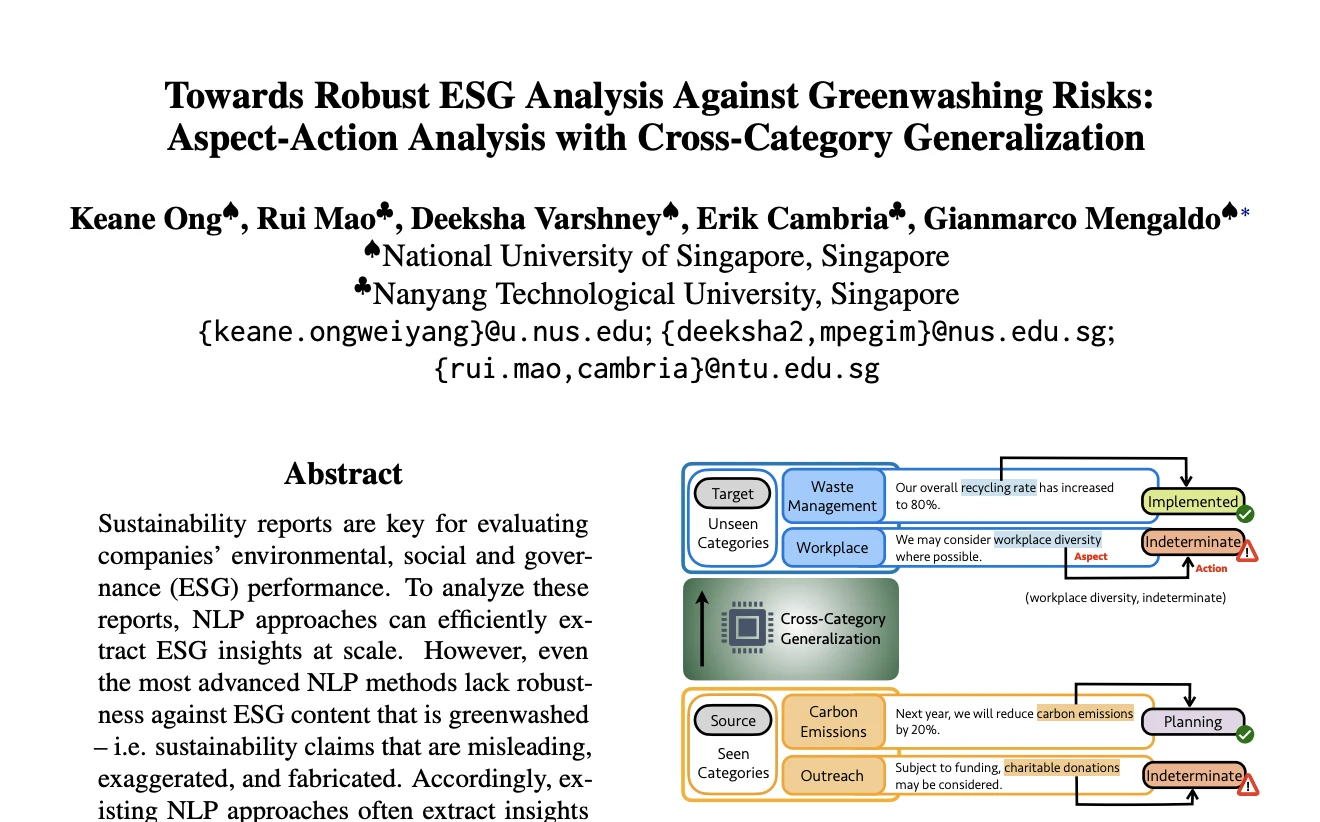
Technical Significance: The model functions as a "world model," predicting future frames in a video to understand causality, gravity, and object permanence. This is a critical step for robotics; for an AI to control a physical arm, it must first understand the "rules" of the physical world, which VideoWorld provides through visual self-supervision.
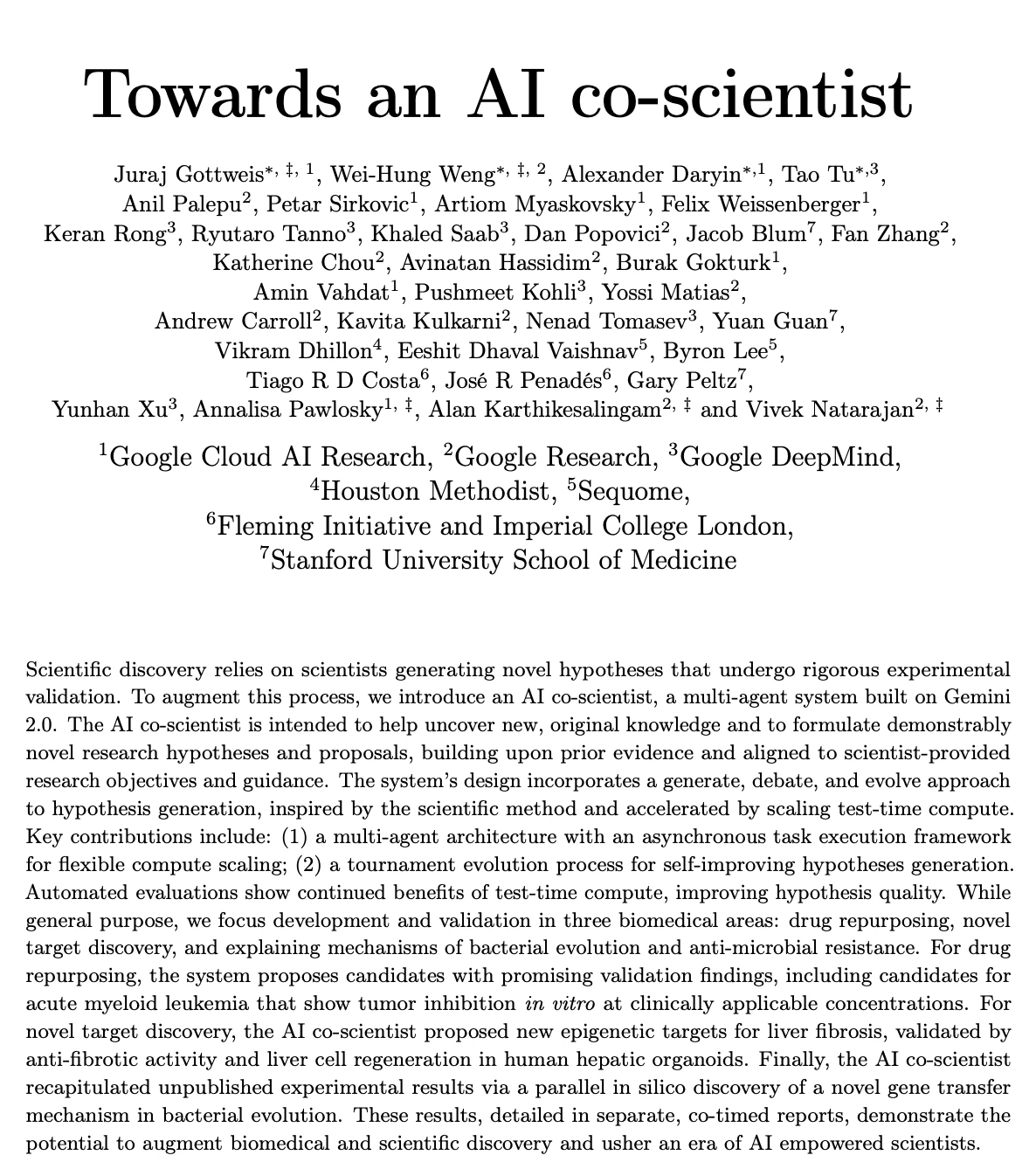
7. The AI Scientist-v2: Toward Autonomous Scientific Discovery
Sakana AI’s follow-up to its groundbreaking 2024 work, The AI Scientist-v2, showcased a system capable of conducting the entire scientific process autonomously.
Chronology of Progress: While v1 could generate ideas and write papers, v2 introduced "recursive improvement." The system can now design an experiment, write the code to run it, analyze the data, and then use those results to formulate a better hypothesis for the next round. This creates a closed-loop system for scientific research that operates at speeds impossible for human teams.
8. SWE-Lancer: Economic Benchmarking for AI Agents
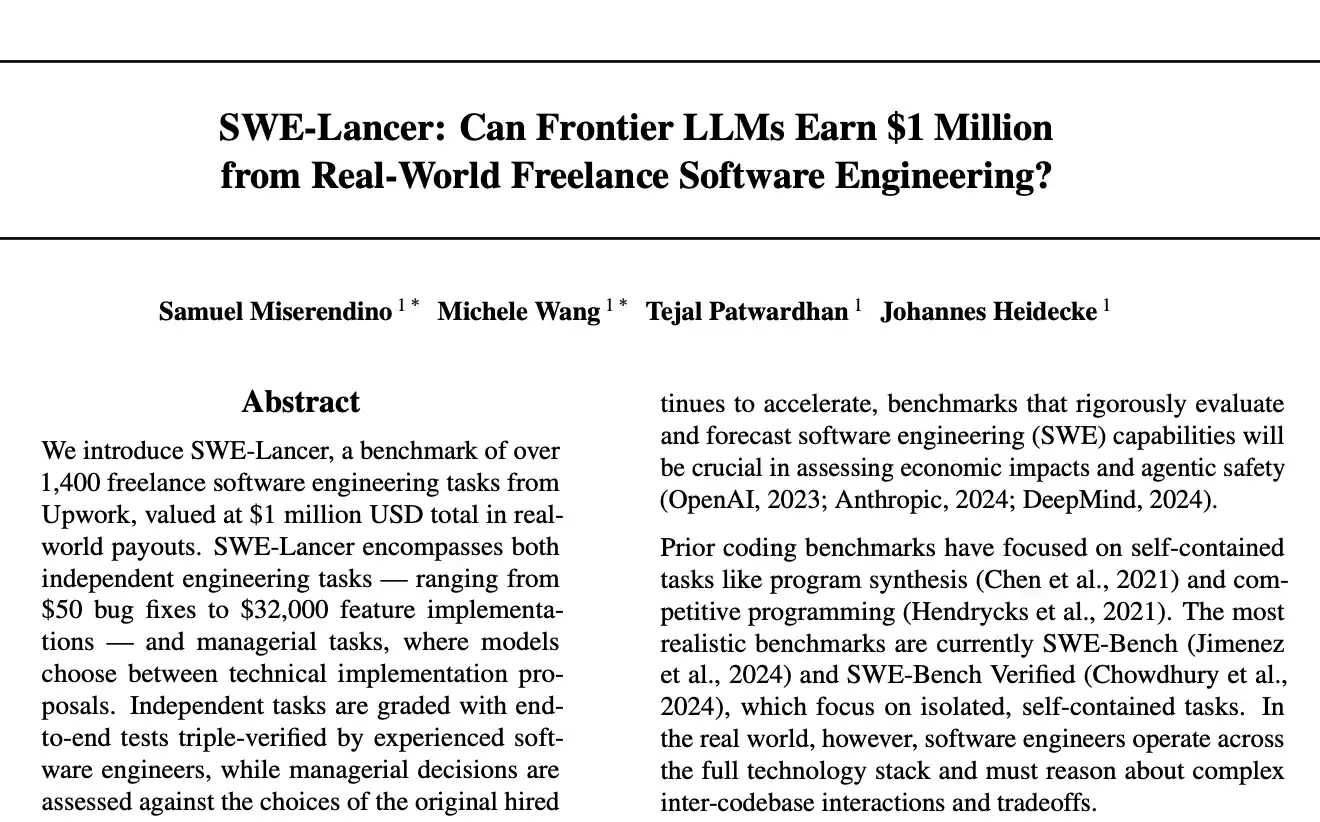
OpenAI’s SWE-Lancer paper marked a shift in how AI "intelligence" is measured. Moving away from academic tests like the Bar Exam, OpenAI tested models on their ability to earn money on real-world freelance platforms like Upwork and GitHub.
Supporting Data: The paper evaluated whether frontier LLMs could complete tasks worth a cumulative $1 million in freelance software engineering contracts. It analyzed the "economic completion rate," finding that while models are excellent at discrete bugs, they still struggle with the "human-in-the-loop" requirements of long-term freelance projects. This paper established a new "Gold Standard" for measuring AGI progress based on economic value.
9. OLMo 2: The Best Fully Open Language Model
The Allen Institute for AI (AI2) released OLMo 2, continuing their mission to provide a "truly" open model. Unlike "open-weights" models (like Llama), OLMo 2 provides the training data, the code, the evaluation suite, and the intermediate checkpoints.
Technical Significance: OLMo 2 demonstrated that a fully transparent research process could produce a model that competes with the "black box" models of major corporations. It became the primary vehicle for academic researchers to study the inner workings of large-scale transformers without needing a billion-dollar partnership.
10. Mixture-of-Recursions: Learning Dynamic Recursive Depths
An academic collaboration led to the Mixture-of-Recursions (MoR) paper, which addressed the inefficiency of fixed-depth transformers. Standard models use the same amount of compute for "2+2" as they do for a complex physics problem.
Technical Significance: MoR allows the model to dynamically decide how many times to "recurse" or think through a layer based on the difficulty of the input. This "dynamic depth" allows for massive energy savings on simple tasks while unlocking deeper reasoning for complex ones, addressing the growing sustainability concerns of AI data centers.
Analysis: The Broader Implications of 2025 Research
The research output of 2025 suggests five major shifts that will define the next decade of technology:
- The End of the "Next-Token" Monopoly: Models are moving toward conceptual and hierarchical reasoning (Meta’s LCMs and MoR).
- The Rise of the "World Model": AI is no longer just a linguistic brain; it is developing a visual and physical understanding of reality (VideoWorld).
- Economic Utility as the Metric of Success: Research is now focused on whether an AI can perform a job (SWE-Lancer) rather than pass a test.
- Autonomous Science: The speed of human discovery is becoming the bottleneck, leading to systems that can research independently (AI Scientist-v2).
- Global Decentralization: The technical gap between proprietary US models and open-source or international models (DeepSeek, Qwen) has narrowed to a historic minimum.
As we look toward 2026, the focus is expected to shift even further into "Collective AI," where multiple autonomous agents collaborate in decentralized networks to solve global challenges. The papers of 2025 have provided the foundational architecture for this future, moving AI from a tool we talk to, to a system that works alongside us.