In the rapidly evolving digital landscape, the foundational importance of an engaged email list remains an undeniable cornerstone of sustainable business growth, even as new platforms and communication channels emerge. For many entrepreneurs, small businesses, and content creators, the conventional wisdom has long dictated that a dedicated website is the primary gateway to establishing an online presence and, by extension, collecting email subscribers. However, a significant paradigm shift is underway, offering potent alternatives that democratize access to powerful audience-building tools. As of June 10, 2026, advancements in marketing technology, particularly the proliferation of hosted signup forms and AI-powered builders, have made it increasingly feasible for entities to cultivate robust email lists without the upfront investment or technical complexities associated with maintaining a full-fledged website. This development is not merely a convenience but a strategic imperative, allowing businesses to forge direct, resilient connections with their audience from inception.
The Enduring Power of the Email List in a Fragmented Digital World
The digital ecosystem is characterized by constant flux. Social media algorithms shift, platforms rise and fall, and the battle for organic reach intensifies. In this environment, an email list stands out as a unique and invaluable asset: it is an owned channel. Unlike social media followers, which are subject to platform policies and algorithmic whims, an email subscriber list provides a direct conduit to an audience, independent of third-party intermediaries. Industry data consistently underscores email marketing’s unparalleled return on investment, with many reports indicating an average ROI of $38-$42 for every dollar spent, far surpassing other digital marketing channels. This efficiency stems from its personalized nature, direct delivery, and the inherent intent of subscribers who have opted in to receive communications.
However, for a considerable segment of the entrepreneurial world – including nascent startups, solopreneurs, freelancers, and brick-and-mortar businesses with a limited digital footprint – the barrier to entry for website development can be substantial. Costs associated with domain registration, hosting, design, and ongoing maintenance can divert precious resources from core business operations. Furthermore, the technical expertise required to build and manage a site can be daunting, pushing many to delay or forgo the crucial step of audience building. It is precisely this gap that hosted signup forms are designed to bridge, providing an immediate, effective solution for list acquisition.
Demystifying the Hosted Signup Form: A Gateway to Audience Ownership
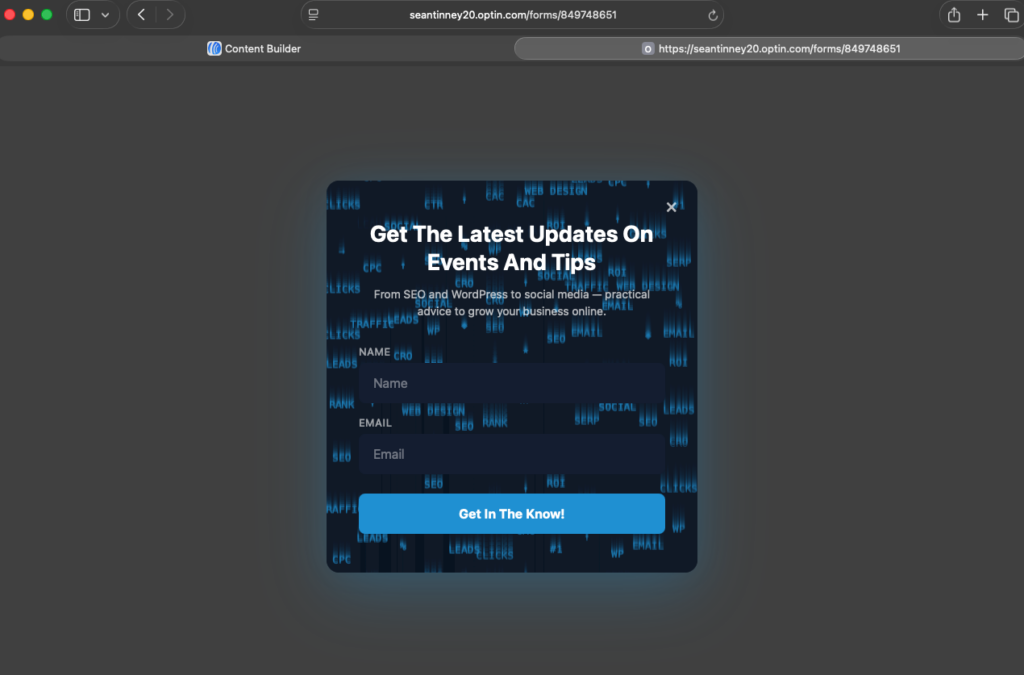
At its core, a hosted signup form is a standalone web page dedicated exclusively to collecting email addresses. Unlike embedded forms that reside within a larger website, a hosted form exists independently, accessible via a unique, shareable URL. This distinct characteristic is what makes it revolutionary for businesses operating without a traditional website. It functions as a minimalist digital storefront, where the sole transaction is the exchange of an email address for valuable content, updates, or exclusive offers.
The benefits of utilizing hosted signup forms are multifaceted. Firstly, they offer unparalleled simplicity and speed of deployment. Businesses can launch a professional-looking email capture mechanism in minutes, circumventing the lengthy development cycles associated with full websites. Secondly, they are inherently cost-effective, often included as a standard feature within email marketing platforms, thus eliminating separate hosting or design expenses. Thirdly, they provide a consistent brand touchpoint. Even without a comprehensive site, the hosted form can be customized with branding elements, ensuring a professional appearance. Lastly, and critically, a hosted form acts as a robust backup. In scenarios where a business does possess a website but experiences downtime, the hosted form remains operational, ensuring continuous list growth and minimizing missed opportunities. It also serves as an uncluttered, direct link for specific campaigns where distractions from a full website are undesirable.
Innovation in Action: The AI-Powered Revolution in Form Building

The evolution of hosted signup forms has been significantly accelerated by advancements in artificial intelligence. A prime example of this innovation is AWeber’s AI Signup Form Builder, a tool that has gained considerable traction and relevance, particularly highlighted in contemporary discussions as of June 10, 2026. This AI-driven solution drastically lowers the technical and design hurdles previously associated with creating effective signup forms.
The process, streamlined for efficiency and user-friendliness, typically unfolds in a few intuitive steps:
- Accessing the AI Builder: Users navigate to the dedicated AI Signup Forms section within their email marketing platform, signaling a clear shift towards intelligent automation in digital tools.
- Describing the Business: The core of the AI’s utility lies in its ability to generate content and design based on a simple textual prompt. Users input a brief description of their business, its offerings, or the specific purpose of the email list. This could range from "a weekly newsletter for indie game developers" to "updates on organic produce from my farm stand."
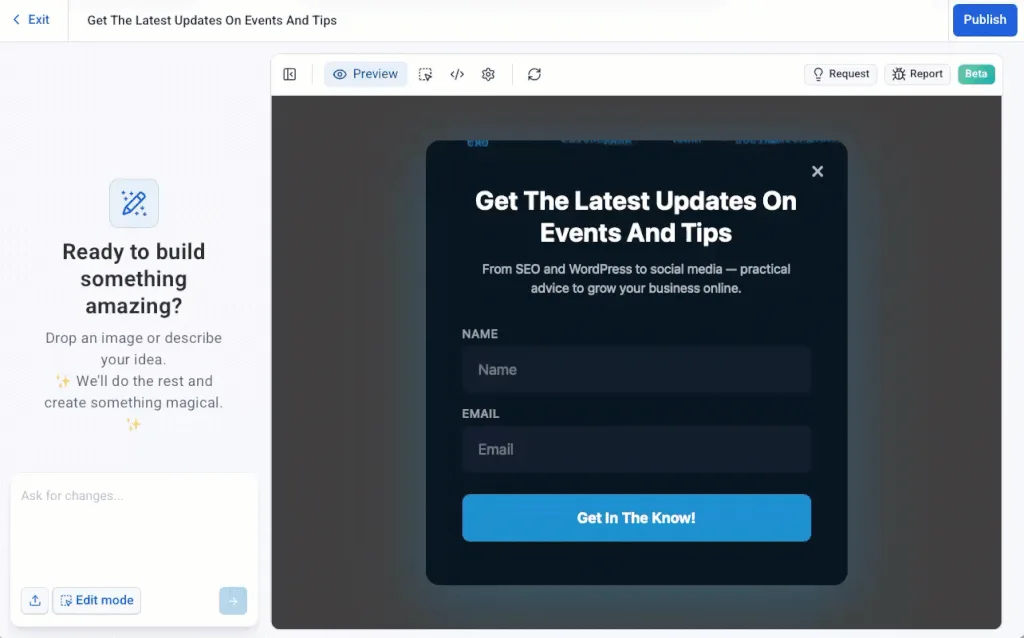
- Review and Customization: Upon receiving the prompt, the AI rapidly processes the information, leveraging its vast dataset of design principles and marketing best practices. It then generates a complete hosted signup form, typically featuring a compelling headline, a concise description of what subscribers will receive, and a design aesthetic that aligns with the described brand. Users are then presented with the AI-generated draft, which can be accepted as-is or fine-tuned. Customization options usually include adjusting fonts, colors, layouts, and refining the text, ensuring the final product perfectly reflects the brand’s identity and message.
- Publishing and Sharing: Once satisfied with the form, users publish it. The platform automatically generates a unique, publicly accessible URL for the hosted form. This URL becomes the central point for all list-building efforts, ready to be disseminated across various digital and physical channels.
This entire sequence can often be completed in less than five minutes, marking a significant departure from traditional form building that required manual design, coding knowledge, or reliance on templates that might not perfectly fit a brand’s unique needs. The AI handles the initial creative heavy lifting, providing a robust first draft that saves time, reduces decision fatigue, and ensures a professional output, even for those with no design experience. The implications of such tools are profound, democratizing high-quality digital marketing assets and accelerating the market entry timeline for countless entrepreneurs.
Strategic Pathways to Audience Growth Without a Website
Possessing a hosted signup form is merely the first step; strategic deployment is key to maximizing its potential. The beauty of a unique URL is its versatility, allowing businesses to integrate list building seamlessly into their existing digital and even physical touchpoints.
-
Amplifying Reach Through Social Media Integration:
Social media platforms serve as powerful discovery engines and community hubs. Integrating the hosted signup form link effectively across these channels is paramount. Instead of merely dropping a link, businesses must craft compelling calls to action (CTAs) that clearly articulate the value proposition for subscribers. For instance, an influencer might post: "I send one email every Tuesday with exclusive behind-the-scenes content and early access to new product drops. No spam, just pure value. Sign up here!"- Platform-Specific Strategies:
- Instagram & TikTok: The "link in bio" is a prime piece of digital real estate. Businesses can frequently update their bio link to direct followers to their hosted signup form, often complementing it with engaging stories or short-form videos that verbally prompt users to "check the link in bio."
- Facebook & X (formerly Twitter): Pinning a post about the email list to the top of a profile ensures constant visibility. Regular posts encouraging sign-ups, often accompanied by rich media or testimonials about the newsletter’s value, can also drive traffic.
- LinkedIn: Professionals can include the link in their profile summary, within articles they publish, or in direct messages, targeting specific professional networks.
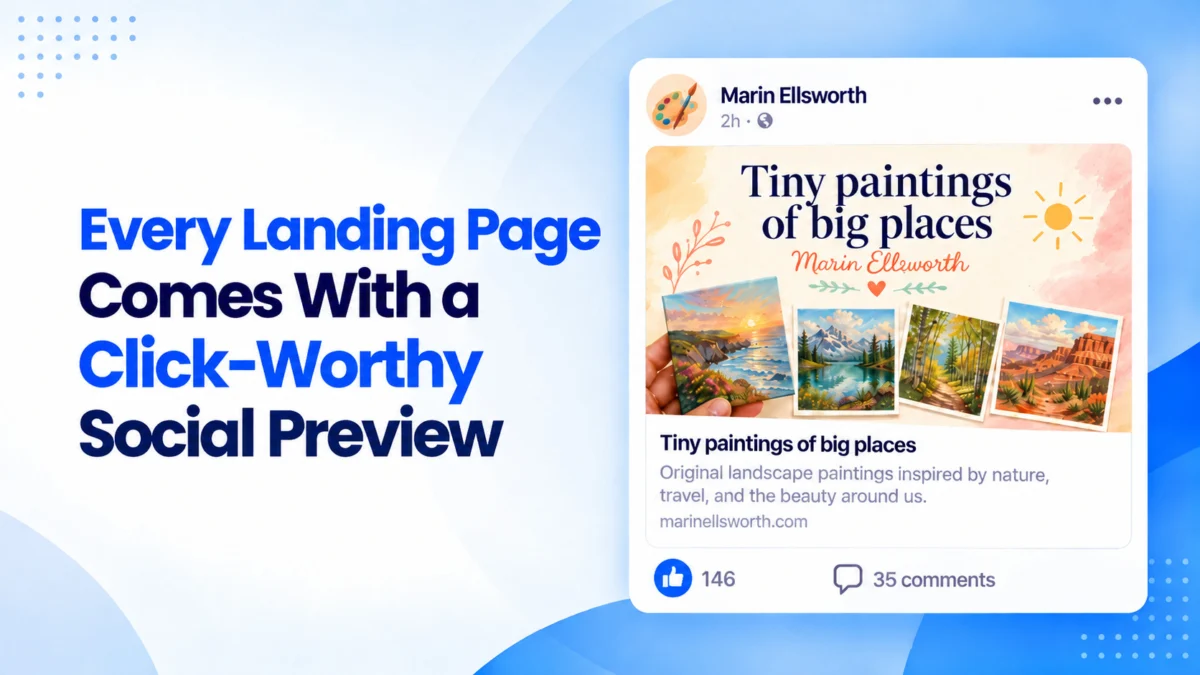
The goal is to make the link omnipresent and the benefit of subscribing irresistible. The preview text generated when sharing the AWeber hosted form link on platforms like Facebook automatically uses the form’s name, emphasizing the importance of a clear and inviting title for the form itself.
- Platform-Specific Strategies:
-
Leveraging Collaborative Content and Guest Appearances:
Guest blogging, podcast interviews, and collaborative content creation offer excellent avenues for tapping into established audiences. When contributing to another entity’s platform, the hosted signup form becomes a critical tool for converting newfound interest into direct subscribers.- Guest Blogging: Authors can strategically embed a link to their hosted form within the body of their guest post, perhaps after a valuable tip or insight, with a CTA like, "For more actionable strategies like this, join my weekly newsletter." Alternatively, including the link in the author’s bio section, alongside a brief description of what subscribers can expect, is a standard practice.
- Podcast Appearances: When interviewed on podcasts, speakers can direct listeners to a specific, easy-to-remember URL for their hosted form, encouraging them to sign up for show notes, bonus content, or future updates. This extends the reach beyond the immediate listening experience.
- Joint Ventures & Webinars: Co-hosting events or webinars provides a shared audience pool. The hosted form can be prominently displayed or mentioned as a primary call to action for participants to stay connected with both hosts.
-
Physical World to Digital Connection: The Power of QR Codes:
For businesses with a strong offline presence, bridging the gap between physical interactions and digital subscriptions is crucial. QR codes have emerged as an exceptionally effective tool for this purpose, experiencing a resurgence in popularity and widespread adoption in recent years.- Seamless Integration: By generating a QR code that directly links to the hosted signup form, businesses can effortlessly convert in-person interest into digital leads.
- Versatile Placement: These QR codes can be strategically placed on business cards, flyers distributed at events, product packaging, in-store signage, restaurant menus, or even on presentation slides during speaking engagements.
- Immediate Conversion: A customer at a farmer’s market, captivated by a product, can scan a QR code on a display card, instantly access the signup form on their smartphone, and join the email list before even leaving the stall. This eliminates the need for manual data entry, paper sign-up sheets, or remembering a URL, streamlining the conversion process significantly. The rapid growth in smartphone penetration and QR code scanning literacy has made this a highly efficient method for offline-to-online customer acquisition.
The Strategic Evolution: When a Website Becomes Essential
While hosted signup forms and landing pages can carry a business remarkably far, there comes a point in a business’s lifecycle where the need for a comprehensive website becomes apparent and strategically beneficial. This transition is not about abandoning the simplicity of hosted forms but rather integrating them into a larger, more robust digital ecosystem.
Key indicators that signal the readiness for a full website upgrade include:
- Long-Form Content Production: When a business intends to regularly publish extensive blog posts, detailed guides, case studies, or whitepapers, a dedicated blog section within a website provides the ideal framework for organization, discoverability through search engines, and an enhanced user experience.
- Direct E-commerce Operations: For businesses looking to sell multiple products or services directly online, a website with integrated e-commerce functionalities (shopping cart, product pages, secure payment gateways) is indispensable. While standalone landing pages can sell a single product, a full site offers scalability and a richer shopping experience.
- Complex Informational Needs: As a business matures, it often requires multiple dedicated pages to convey comprehensive information—an "About Us" section for brand storytelling, "Services" pages detailing offerings, "Testimonials" for social proof, and a dedicated "Contact" page with various communication options.
- Brand Authority and SEO: A well-structured website is critical for establishing authoritative online presence and optimizing for search engine discoverability. It provides a central hub for all digital assets, improves search engine rankings, and serves as a credible reference point for potential customers and partners.
- Audience Expectations: As a brand grows, its audience will increasingly search for it by name and expect to find a comprehensive online home. A website fulfills this expectation, lending credibility and professionalism.
Until these advanced needs become primary, hosted signup forms and their accompanying landing pages serve as powerful "home bases" for digital operations. They efficiently collect emails, facilitate the delivery of lead magnets (such as e-books or exclusive content), and trigger automated email workflows, forming the bedrock of a robust audience-building strategy without the initial overhead of a full website.
Expert Perspectives and Broader Market Impact
The rise of accessible tools like AI-powered hosted signup forms signifies a broader trend towards the democratization of digital marketing. Industry analysts note that these innovations are particularly impactful for micro-businesses and solopreneurs, who often operate with limited budgets and technical resources. "The ability to quickly launch a professional-grade email capture system without coding knowledge removes a significant barrier to entry for countless aspiring entrepreneurs," states a prominent digital marketing strategist. "It levels the playing field, allowing even the smallest ventures to build direct relationships with their audience, which is the ultimate currency in the digital age."
This shift underscores the ongoing evolution of the "no-code" and "low-code" movements, empowering individuals and small teams to build sophisticated digital assets previously reserved for those with specialized technical skills. The integration of AI further accelerates this trend, not only simplifying the creation process but also optimizing the forms for conversion based on data-driven insights. The implication is a more diverse and vibrant online marketplace, where innovation can flourish without being stifled by technical or financial constraints. Email marketing, far from being an outdated channel, is being revitalized and made more accessible, reaffirming its status as a vital component of any successful digital strategy.
In conclusion, the strategic imperative of building an email list transcends the necessity of a traditional website. Thanks to contemporary tools like AI-powered hosted signup forms, businesses of all sizes, particularly those in their nascent stages, possess immediate and effective means to cultivate a direct, engaged audience. This approach not only provides a resilient communication channel but also lays a strong foundation for future growth, enabling entrepreneurs to own their audience from day one. The era of requiring extensive technical infrastructure to connect with customers is rapidly fading, replaced by intelligent, accessible solutions that empower every business to thrive.

 Asro
Asro
 Nana
Nana