Evan Lee Salim
In the dynamic landscape of digital marketing, where personalized communication reigns supreme, the humble birthday email stands as a potent, yet often underutilized, tool for fostering customer loyalty and driving significant commercial value. While many consumers, much like royalty with ceremonial dates, find themselves receiving multiple birthday greetings—one for their actual birth date, another for their "email birthday" provided upon sign-up—the experience of these digital felicitations varies wildly, serving as a compelling case study in effective and ineffective customer engagement strategies. Despite the clear advantages, a substantial portion of brands fall short in leveraging this unique touchpoint, missing opportunities to deepen relationships and boost revenue.
The Evolution of Personalized Marketing: Beyond Generic Blasts
The journey of email marketing has progressed significantly from the early days of mass, undifferentiated communications. Today, consumers expect and demand personalization, a trend driven by the abundance of data available to brands. Collecting a customer’s date of birth is not merely a data point; it’s an entry key into a highly personal and emotionally resonant moment. This piece of information allows brands to move beyond generic campaigns, enabling sophisticated life-stage segmentation and highly relevant personalization. By understanding a customer’s age bracket or simply acknowledging their special day, businesses can tailor offers and messages that resonate far more deeply than standard promotional content.
For brands, the benefits extend beyond mere sentiment. Birthday emails consistently outperform generic campaigns in critical metrics such as open and click-through rates. This heightened engagement translates directly into improved campaign performance and a stronger return on investment (ROI). For consumers, the appeal is equally clear: birthday rewards—ranging from exclusive discounts and free products to bonus loyalty points and access to age-restricted benefits—are genuinely anticipated. Beyond the tangible, there’s an inherent pleasure in feeling recognized and valued, which deepens the emotional connection with a brand. This personal touch is a cornerstone of modern customer relationship management (CRM), reinforcing brand loyalty and encouraging repeat business.
However, the efficacy of collecting such sensitive data hinges entirely on its utilization. Data from Validity reveals a startling inefficiency: despite customers providing their date of birth upon signing up, a significant number of expected birthday emails never materialize. In one recent analysis, out of 124 anticipated birthday emails, only 43 arrived—a mere 35% delivery rate. This stark statistic underscores a critical failure in data management and campaign execution. Collecting personal data without a clear strategy for its deployment not only wastes resources but also erodes customer trust, sending a message that the brand doesn’t truly value the information it requested. In an era of increasing data privacy concerns (e.g., GDPR, CCPA), such lapses can have far-reaching implications, highlighting the ethical imperative for brands to "use it or lose it."
Deconstructing Birthday Campaign Tactics: What Works and What Falls Flat
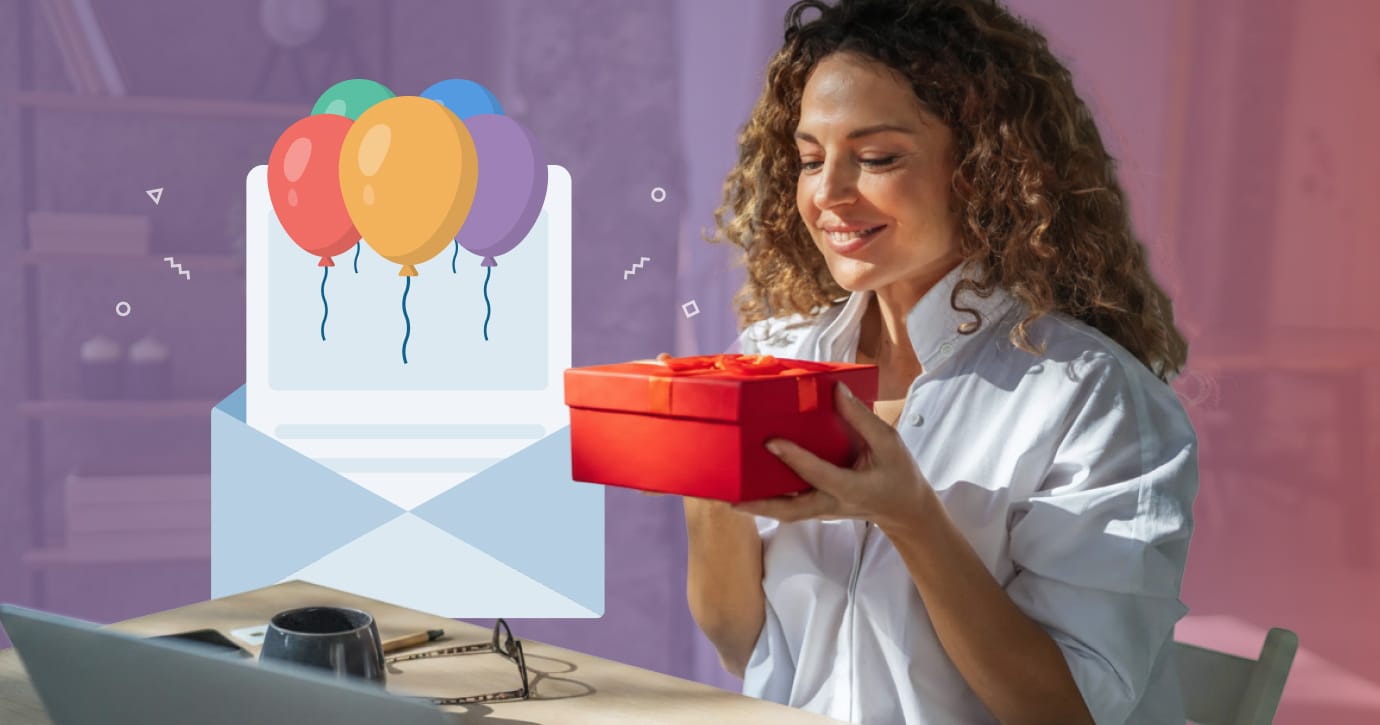
Birthday email campaigns typically fall into several distinct categories, each with varying degrees of success in captivating the recipient. Understanding these nuances is crucial for marketers aiming to optimize their strategies.
-
The Symbolic Gesture: Often seen among premium or luxury brands, this approach focuses on acknowledgement rather than material reward. The "gift" might be a heartfelt message, a curated content piece, or even a subtle suggestion to purchase more products for self-celebration. The underlying premise is that for high-net-worth clientele, the thought truly counts more than a discount. While this can work for brands with strong aspirational value, it risks feeling hollow if not executed with genuine warmth and exclusivity. A mere "happy birthday" without any tangible value can leave customers wondering why their data was collected in the first place.
-
The Discount-Based Incentive: This is by far the most prevalent tactic. Brands offer a percentage discount or a fixed monetary reduction, usually with a minimum spend requirement but often without an upper limit. While popular, the effectiveness of these offers depends heavily on their generosity. A token 5% or 10% discount, especially with a high minimum spend, can feel like a perfunctory gesture, failing to incentivize a purchase. The average discount observed in a recent study was 18%, which, while reasonable from a brand’s margin perspective, might not always be enough to spur immediate action. Marketers must strike a balance between profitability and perceived value, ensuring the discount is substantial enough to feel like a genuine reward.
-
The Product-Specific Freebie: Particularly common in the hospitality sector, this tactic offers a free item, often a dessert or a drink, contingent on a larger purchase, such as an entrée. A closer look at popular restaurant chains reveals the true value of these offers:
- Olive Garden: Average Entrée $18.50, Average Dessert $12.00, Effective Discount ~39%
- Yard House: Average Entrée $21.00, Average Dessert $10.00, Effective Discount ~32%
- LongHorn Steakhouse: Average Entrée $26.00, Average Dessert $11.00, Effective Discount ~30%
- Cheddar’s: Average Entrée $18.00, Average Dessert $7.50, Effective Discount ~29%
- Applebee’s: Average Entrée $17.00, Average Dessert $6.00, Effective Discount ~26%
- Seasons 52: Average Entrée $28.00, Average Dessert $4-$9, Effective Discount 12-24%
Viewed through the lens of an effective discount on the total bill (assuming an entrée is purchased), these offers provide a healthy incentive, averaging around 30%. Olive Garden, with its nearly 40% effective discount, stands out as a particularly generous option. This strategy effectively drives foot traffic and increases average check size, demonstrating a smart balance between generosity and commercial objectives.
-
Strategic Timing and Sequencing: The timing of a birthday offer can significantly impact its redemption. Most brands provide a redemption window, typically 30 days. The most effective campaigns, however, transform this into a multi-stage sequence. For instance, Calvin Klein sends an advance warning, followed by an on-the-day message, and a subsequent reminder. This strategic cadence maximizes visibility and increases the likelihood that the gift is actually used, extending the celebratory period and keeping the brand top-of-mind. Optimal sequencing might involve an email 7-10 days before the birthday, a personalized message on the day, and a final reminder a week or two before the offer expires.
-
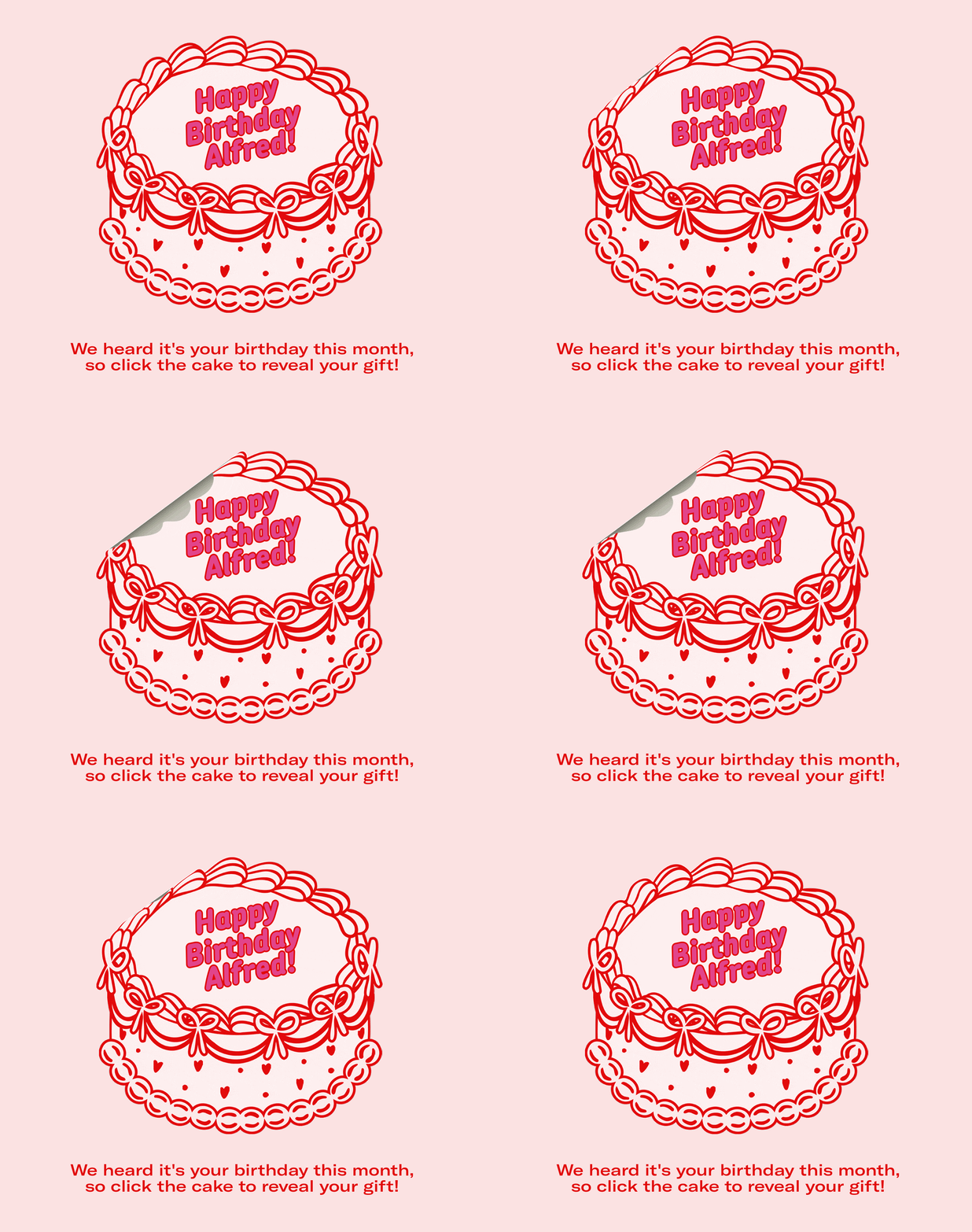
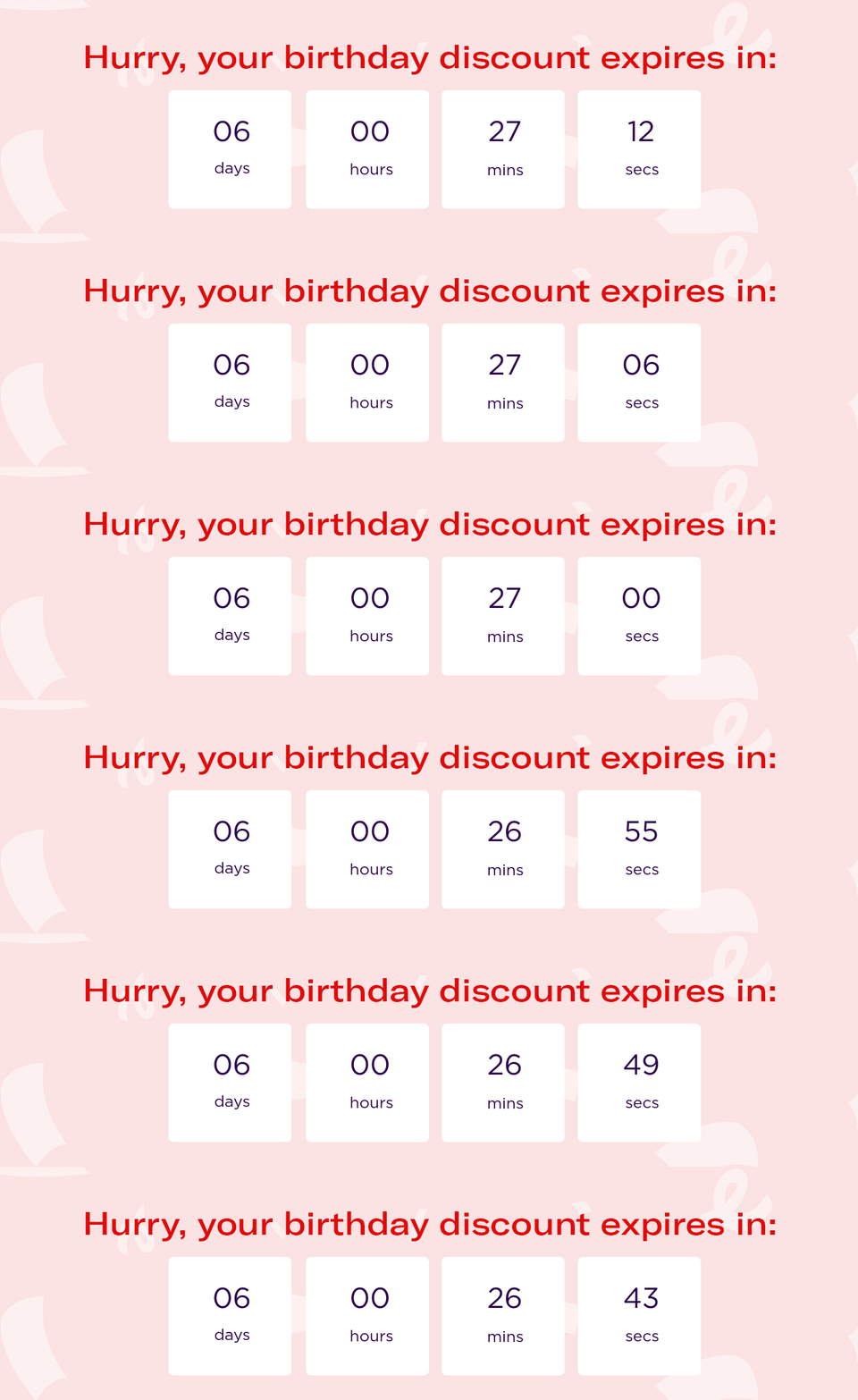
Interactive and Dynamic Content: Surprisingly, many brands underutilize the power of animation and dynamic content in their birthday emails. Birthdays are inherently celebratory, making them ideal for engaging visual elements like flickering candles, animated confetti, or "open your present" interactivity. Virgin Australia provides an excellent example: their on-the-day email features an animated cake that dynamically reveals the discount, while a follow-up email incorporates a countdown timer to instill urgency. Such elements not only enhance the user experience but also significantly boost engagement metrics, making the email more memorable and actionable. The integration of AMP for Email (Accelerated Mobile Pages) can further elevate interactivity, allowing for mini-games, polls, or real-time offer updates directly within the email client.
Among the flood of birthday messages, some brands manage to truly stand out. Burger King, for instance, earned high praise for its straightforward offer: "Enjoy a free bday Whopper." No minimum spend, no conditions – just a genuinely free burger. This no-strings-attached approach cuts through the noise of conditional offers, fostering a strong sense of goodwill and making the customer feel genuinely valued. Other notable mentions include Nordstrom Rack for a percentage discount without a minimum spend, and Petco for a free product for a pet (acknowledging the role pets play in many customers’ lives).
The Economic Imperative: Investing in Retention Over Acquisition
The business case for investing in existing customers is robust and well-established. Harvard Business Review highlights that acquiring a new customer can cost five times more than retaining an existing one. Further, Bain & Company research indicates that a mere 5% boost in customer retention can translate into a profit increase of up to 75%. These statistics underscore the strategic importance of nurturing customer relationships and underscore why retention-focused initiatives, like well-executed birthday emails, are economically prudent.
Experian’s Birthday Emails report provides compelling evidence of this strategy’s efficacy, revealing that birthday emails generate a staggering 481% more transactions and 342% more revenue per email compared to standard promotional campaigns. This makes birthday messages one of the highest-performing touchpoints in the entire customer lifecycle. In contrast, win-back emails aimed at re-engaging dormant customers, even when paired with aggressive offers, typically see redemption rates just over 2%, according to Dotdigital research.
This data presents a clear economic argument: it is far more effective and cost-efficient to proactively strengthen relationships with active customers through thoughtful gestures like birthday emails than to attempt to reactivate disengaged ones later. Brands frequently offer substantial discounts (25-40%) to win back lapsed customers, often with limited success. Shifting a portion of this investment towards enhancing early and mid-lifecycle engagement, particularly at key emotional touchpoints like birthdays, can yield significantly higher returns. By investing earlier, when engagement is naturally higher and the emotional connection is stronger, brands can prevent churn and build lasting loyalty, effectively making the case for prevention over costly cure.
Crafting the Perfect Birthday Presence: Best Practices for Marketers
To truly maximize the impact of birthday email marketing, brands must adhere to a set of best practices that prioritize personalization, value, and seamless execution. Getting these elements right transforms a simple email into a powerful brand experience.
-
Data Integrity is Paramount: The foundation of any successful birthday campaign is accurate and up-to-date customer data. Brands must ensure that the date of birth collected is correct and that their CRM systems are configured to trigger emails reliably. Regular data cleansing and validation processes are essential to avoid sending emails on incorrect dates or, worse, not sending them at all.
-
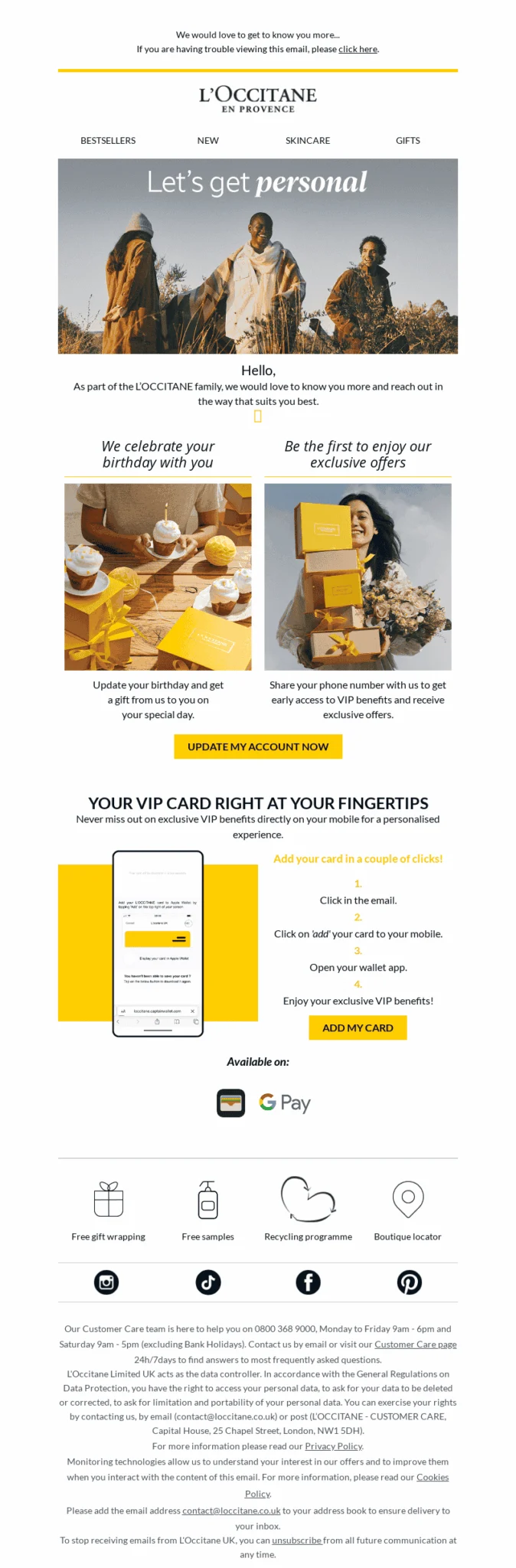
Personalization Beyond the Name: While addressing the recipient by name is a basic step, true personalization delves deeper. Leverage other customer data points, such as past purchase history, product preferences, loyalty program tier, or even geographic location, to tailor the offer. A pet store, for instance, might send a birthday email for the pet rather than the owner, acknowledging a deeper customer connection.
-
Clear Value Proposition: The offer must be unambiguous, easy to understand, and genuinely appealing. Clearly state what the gift is, how it can be redeemed, and any straightforward conditions. Avoid overly complex redemption processes or hidden catches that can frustrate customers and negate the positive sentiment.
-
Strategic Multi-Channel Integration: Email should be part of a broader, integrated birthday campaign that might include in-app notifications, SMS messages, or even direct mail for high-value customers. A consistent message across multiple channels reinforces the celebration and increases the likelihood of redemption.
-
Engaging Visuals and Interactivity: As demonstrated by Virgin Australia, dynamic content, animations, and visually appealing designs significantly enhance engagement. Use high-quality imagery, celebratory themes, and, where possible, interactive elements to make the email a delightful experience.
-
Compelling Call to Action (CTA): The email should guide the customer clearly on the next step. Whether it’s "Redeem Your Gift Now," "Shop Your Birthday Treat," or "Visit Us to Celebrate," the CTA should be prominent, action-oriented, and directly link to the offer.
-
Testing and Optimization: Continuous A/B testing of subject lines, offer types, redemption windows, and visual elements is crucial for optimizing campaign performance. What resonates with one segment might not with another, making iterative improvements vital.
-
Compliance and Transparency: Be transparent about data collection practices and ensure compliance with all relevant data privacy regulations. Customers should feel secure that their personal data is handled responsibly and used to enhance their experience, not exploited.
-
Maintain Brand Voice: The birthday message should be consistent with the brand’s overall tone and identity. Whether it’s playful, sophisticated, or understated, the celebratory email should feel authentic to the brand.
-
Measure and Analyze: Track key performance indicators (KPIs) such as open rates, click-through rates, conversion rates, redemption rates, and subsequent purchases. Analyzing these metrics provides valuable insights into the campaign’s commercial impact and areas for improvement.
In conclusion, a meticulously crafted and thoughtfully executed birthday email campaign transcends a mere promotional message; it becomes a powerful affirmation of the customer-brand relationship. By prioritizing data accuracy, genuine personalization, clear value, and engaging delivery, brands can transform a simple date into a significant driver of loyalty, engagement, and substantial commercial growth. In an increasingly competitive market, the ability to create meaningful, positive interactions at such a personal level not only strengthens brand advocacy but also secures future purchases, proving that a little celebratory recognition can go a very long way. As digital marketing continues to evolve, the strategic deployment of birthday emails will remain a critical differentiator for brands committed to building lasting connections with their customer base.

 Basiran
 Pevita Pearce