

A peculiar phenomenon in modern digital marketing, akin to the British monarch’s dual birthdays, is the concept of an "email birthday." This designated date, often distinct from an individual’s actual birth date, is strategically provided to brands upon signing up for new email programs. A recent informal study, conducted by providing such an "email birthday" to numerous brands, revealed a deluge of over fifty celebratory emails from global companies. While some communications genuinely resonated, others raised questions about their strategic intent, collectively forming a compelling case study on the efficacy and critical role of birthday emails within the broader customer journey.
The Power of Personalization: Why Birthday Data Matters
A customer’s date of birth represents a powerful piece of personal data, and its judicious use yields mutual benefits for both brands and consumers. For businesses, this data is instrumental in enhancing life-stage segmentation and personalization efforts, allowing for more tailored messaging and offers. Beyond mere customization, birthday data aids in predicting future purchasing behavior, providing valuable insights for inventory management and marketing strategy. Critically, birthday messages consistently demonstrate superior performance compared to generic campaigns, registering significantly higher open and click-through rates. This heightened engagement underscores their potential as a high-impact touchpoint.
Consumers, in turn, derive tangible value from these personalized communications. Birthday rewards, which often include discounts, free products, bonus loyalty points, or even access to age-restricted benefits, are genuinely anticipated. Beyond the material benefits, there is an inherent pleasure in feeling recognized and valued by a brand. Birthday marketing, when executed thoughtfully, fosters a deeper emotional connection, transitioning transactional relationships into more enduring loyalties.
However, the efficacy of collecting such sensitive data hinges entirely on its utilization. Data from Validity, a leading authority in email deliverability and data quality, highlights a concerning gap: despite customers frequently providing their dates of birth, a significant percentage of brands fail to act on this information. In one recent observation, out of 124 potential birthday email triggers, only 43 (35%) were actually sent. This alarming statistic points to a critical flaw in data management and campaign execution, emphasizing that collecting data without leveraging it not only wastes resources but can also erode customer trust. The implicit contract between a consumer and a brand regarding personal data necessitates its responsible and beneficial application.
Anatomy of a Birthday Campaign: Tactics and Effectiveness
Birthday email campaigns typically fall into several discernible categories, each with varying degrees of success and strategic intent. Understanding these tactics is crucial for brands seeking to optimize their engagement efforts.
1. The Thoughtful Gesture: Beyond the Transaction
More prevalent among premium or luxury brands, this approach focuses on acknowledging the customer’s special day without necessarily offering a direct financial incentive. For high-net-worth clientele, the value often lies in the recognition itself, rather than a discount. In some instances, the "gift" might even subtly suggest purchasing more products to celebrate, transforming the birthday acknowledgment into a soft sales prompt. The effectiveness of this tactic relies heavily on the brand’s perceived value and the established customer relationship, where the thought genuinely counts more than the immediate material gain. This approach underscores the psychological aspect of brand loyalty, focusing on emotional connection over transactional benefits.
2. The Discount Dilemma: Striking the Right Balance
By far the most common tactic, birthday discounts are a staple of many campaigns. These typically come with a minimum spend requirement but often lack an upper limit, encouraging larger purchases. The critical factor for success here is the generosity of the discount. A token gesture can feel underwhelming and devalue the customer’s perception of the brand. For instance, a 10% discount on a high-value item might be appreciated, but the same discount on a low-cost item might be perceived as insufficient. Brands must calibrate discounts to feel substantial and genuinely rewarding, reflecting an understanding of their customer’s typical spending habits and product interests. The goal is to stimulate a purchase while reinforcing the brand’s appreciation.
3. Culinary Celebrations: Restaurant Offers Analyzed
Many restaurant brands entice customers with a free birthday dessert, often contingent on the purchase of an entrée. Analyzing the economics of these "gifts" reveals their true value. A comparison of average entrée and dessert prices across several popular restaurant chains illustrates the effective discount offered:
| Restaurant | Avg. Entrée | Avg. Dessert | Effective Discount |
|---|---|---|---|
| Seasons 52 | $28 | $4–$9 | 12–24% |
| Olive Garden | $18.50 | $12 | ~39% |
| Yard House | $21 | $10 | ~32% |
| Cheddar’s | $18 | $7.50 | ~29% |
| LongHorn Steakhouse | $26 | $11 | ~30% |
| Applebee’s | $17 | $6 | ~26% |
Viewed through this lens, the average effective discount across these establishments approaches a healthy 30%, with Olive Garden standing out at approximately 39%. This analysis demonstrates that while presented as a free item, these offers function as significant purchase incentives, encouraging diners to visit and spend on a full meal. This tactic effectively leverages the birthday occasion to drive foot traffic and increase average transaction value.
4. The Multi-Touchpoint Approach: Timing and Sequencing
The timing and sequencing of birthday emails are crucial for maximizing redemption rates. Most brands offer a redemption window, typically 30 days, to allow flexibility. However, the most effective campaigns transform this into a multi-stage sequence. For example, Calvin Klein employs an advanced warning email, followed by an on-the-day message, and then a timely reminder. This strategic cadence maximizes the visibility of the offer and significantly increases the likelihood of the gift being utilized. A well-orchestrated sequence creates anticipation, reinforces the offer, and provides multiple opportunities for engagement, recognizing that consumers may not act on the first message.
5. Dynamic Engagement: Leveraging Rich Media
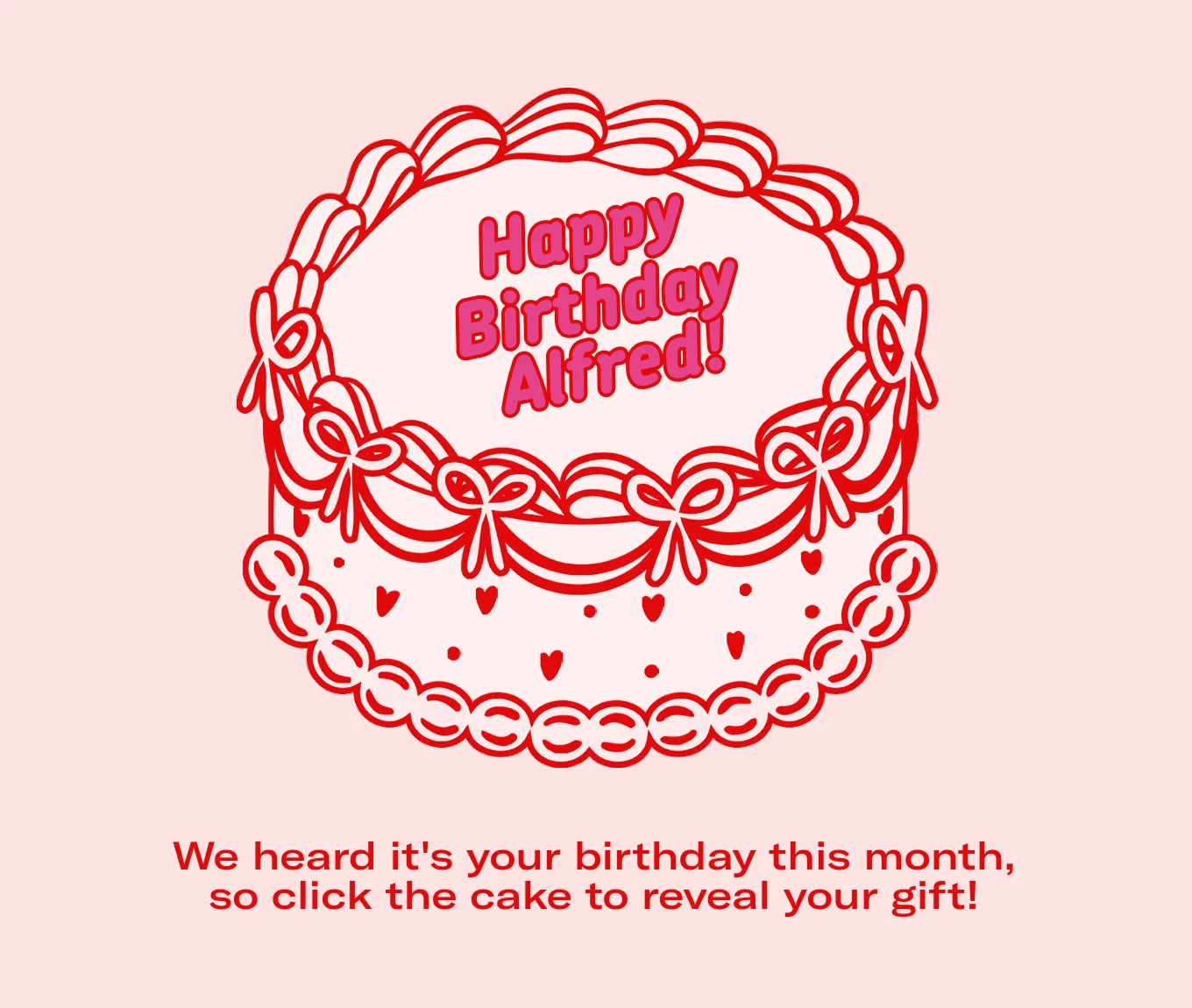
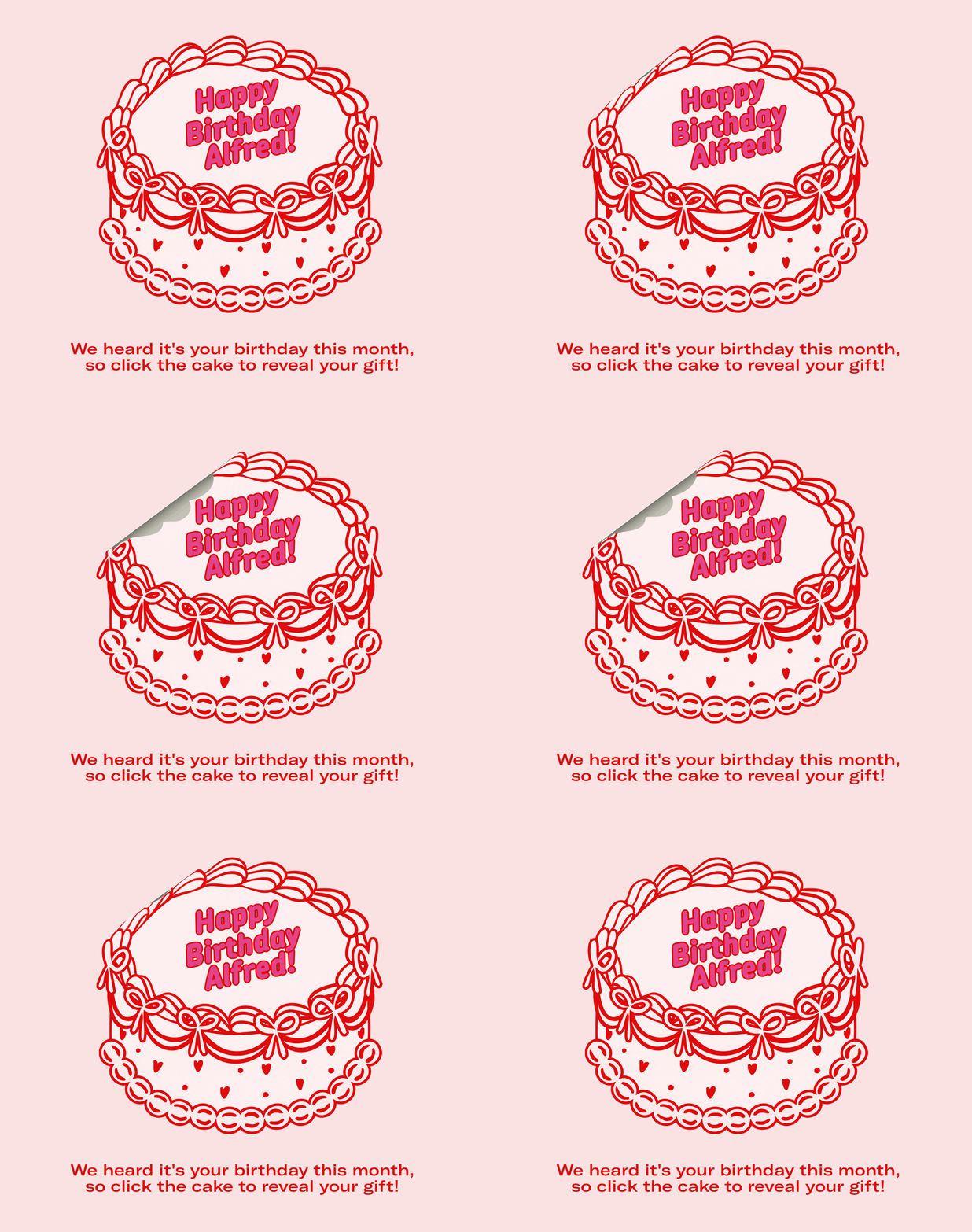
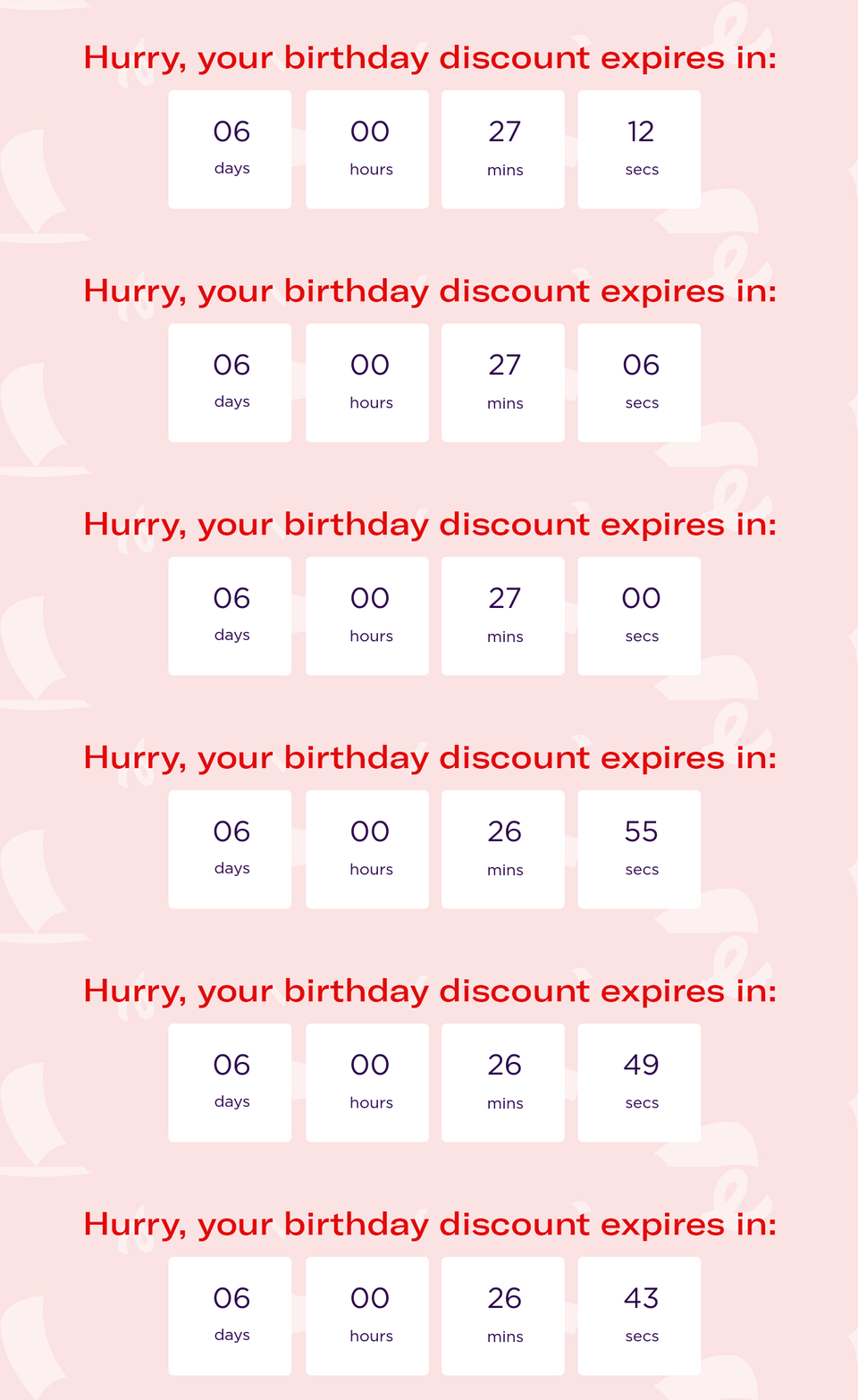
Surprisingly, many brands underutilize animation and dynamic content in their birthday campaigns, despite the inherent celebratory nature of birthdays being perfectly suited for such elements. Animated flickering candles, "open your present" interactive features, or celebratory confetti can dramatically enhance engagement. Virgin Australia exemplifies best practice in this regard: their on-the-day email features an animated cake that dynamically reveals the discount, while a follow-up email incorporates a countdown timer to instill urgency. Such dynamic elements capture attention, create a more memorable brand experience, and can significantly boost click-through and conversion rates by making the interaction more playful and engaging.
Among the myriad of "here’s your birthday discount" emails, some stand out for their clarity and generosity. Burger King, for instance, earned high marks for its straightforward offer: "Enjoy a free bday Whopper." The absence of minimum spend requirements or convoluted conditions made it a genuinely appreciated, unconditional gift. Other honorable mentions include Sephora for its choice of a free mini-product, and The Body Shop for offering a £5 voucher with no minimum spend, highlighting that simplicity and genuine value often resonate most strongly with consumers.
Quantifying the Return: The Commercial Imperative of Birthday Marketing
Across a diverse sample of over 50 birthday emails, the average discount or its equivalent hovered around 18%. While this might seem modest, particularly for businesses with tight net margins (e.g., a restaurant operating at 4% net margin), its true value emerges when viewed as an investment in customer relationships. The business case for nurturing active customers is robust and well-documented. Harvard Business Review research indicates that acquiring a new customer can cost five times more than retaining an existing one. Further, Bain & Company found that a mere 5% increase in customer retention can lead to a profit uplift of up to 75%. Reactivating dormant customers, while less expensive than acquisition, remains considerably pricier than maintaining a strong relationship from the outset.
Experian’s comprehensive Birthday Emails report provides compelling evidence of their commercial impact. The report found that birthday emails generate an astounding 481% more transactions and 342% more revenue per email than standard promotional campaigns. This makes birthday messages one of the highest-performing touchpoints in the entire customer lifecycle. In stark contrast, Dotdigital research reveals that win-back emails, even those incorporating attractive offers, typically achieve redemption rates of just over 2%.
This disparity underscores a critical strategic insight: perhaps it is time for brands to elevate the perceived value and generosity of their birthday gestures. Brands routinely deploy 25-40% discounts in often-futile attempts to reactivate disengaged customers. The economic rationale suggests that investing earlier and more substantially, at the highly engaged birthday touchpoint, is a far more efficient allocation of marketing resources. When customer engagement is naturally higher, the emotional connection stronger, and the cost a fraction of what a potential future win-back campaign would entail, the case for proactive investment becomes undeniable. Preventing customer churn through meaningful birthday engagement is demonstrably more cost-effective than attempting to reverse it. This prevention-over-cure approach makes sound economic sense and contributes significantly to long-term customer lifetime value (CLTV).
Crafting an Effective Birthday Email Strategy: Key Principles
While the business case for birthday emails is clear, their deeply personal nature demands careful execution. Flawed campaigns—those sent merely for the sake of it, offering no genuine value, or built upon inaccurate data—can do more harm than good, potentially alienating customers. Here are ten fundamental principles for developing a highly effective birthday email marketing strategy:
1. Accurate Data Collection and Management: The foundation of any personalized campaign is robust, accurate data. Brands must implement stringent data collection protocols, ensuring that birth dates are captured correctly and with explicit customer consent. Regular data hygiene practices are essential to maintain accuracy and prevent the embarrassment of sending messages on incorrect dates or, worse, failing to send them altogether. Adherence to data privacy regulations such as GDPR and CCPA is paramount.
2. Personalized and Relevant Offers: Go beyond generic discounts. Leverage customer purchase history, browsing behavior, and stated preferences to craft truly personalized offers. For example, a beauty brand could offer a discount on a customer’s favorite product category, or a bookstore could suggest titles by a preferred author. The more relevant the offer, the higher the perceived value and likelihood of conversion.
3. Multi-Stage Campaign Flow: A single email is often insufficient. Implement a strategic sequence:
- Pre-Birthday Email: Sent a week or two in advance, building anticipation and reminding the customer of the upcoming celebration. This can also include a soft call to action to browse wish lists.
- On-the-Day Email: The main celebratory message, clearly presenting the offer.
- Reminder Email(s): Sent midway through the redemption window, and perhaps a final reminder a few days before expiration, adding a gentle nudge and reinforcing urgency.
4. Engaging Visuals and Interactivity: Birthdays are synonymous with celebration. Utilize vibrant, high-quality imagery, engaging animations (GIFs, subtle CSS animations), and interactive elements (e.g., scratch-off reveals, clickable "present" icons) to make the email memorable and fun. Ensure all visual content is optimized for various devices and email clients.
5. Clear Call-to-Action and Easy Redemption: The offer should be immediately apparent, and the path to redemption frictionless. Provide clear instructions, prominent call-to-action buttons, and direct links to where the offer can be used (e.g., specific landing page, product category). Avoid complex coupon codes or lengthy redemption processes that can deter engagement.
6. Testing and Optimization: Continuous improvement is key. A/B test various elements of your birthday campaigns: subject lines, offer types, discount percentages, visual layouts, and call-to-action phrasing. Analyze open rates, click-through rates, conversion rates, and average order value to refine your strategy and maximize ROI over time.
7. Brand Alignment: Ensure the tone, design, and offer of the birthday email align seamlessly with your brand’s overall identity and voice. A luxury brand’s birthday message should reflect elegance and exclusivity, while a casual brand can embrace a more playful approach. Consistency reinforces brand recognition and builds trust.
8. Beyond Discounts: Value-Added Content: While discounts are effective, consider incorporating non-monetary value. This could include exclusive content (e.g., a special recipe from a food brand), early access to new products, a personalized thank-you video from the CEO, or an invitation to a special event. Such gestures can deepen emotional connections.
9. Mobile Optimization: Given that a significant percentage of emails are opened on mobile devices, ensure your birthday emails are fully responsive, load quickly, and are easy to read and interact with on smaller screens. This includes optimizing images, font sizes, and button placement.
10. Compliance and Transparency: Always be transparent about the terms and conditions of any offer. Clearly state the validity period, minimum spend (if any), and any exclusions. Maintain strict compliance with data privacy regulations, ensuring customers understand how their data is being used and have the option to manage their preferences.
By meticulously implementing these principles, brands can transform birthday emails from mere transactional messages into meaningful, positive interactions that significantly strengthen the brand experience. While an immediate purchase may not always occur, a well-executed birthday campaign fosters goodwill, enhances brand perception, increases customer loyalty, and ultimately makes customers more likely to engage and advocate for the brand in the long term. This strategic investment in personalized celebrations pays dividends by cultivating stronger, more profitable customer relationships year after year.
The future of personalized marketing, including birthday campaigns, will likely see further integration of artificial intelligence and machine learning to create even more dynamic, predictive, and hyper-personalized experiences. AI-powered tools can analyze vast datasets to determine the optimal offer, timing, and channel for each individual customer, moving beyond simple segmentation to truly one-to-one communication. Furthermore, the integration of birthday celebrations across multiple customer touchpoints – from email and SMS to in-app notifications and website personalization – will create a cohesive and immersive celebratory experience. As consumer expectations for personalization continue to rise, brands that embrace and innovate within the birthday marketing space will be well-positioned to capture customer loyalty and drive sustained commercial success.








