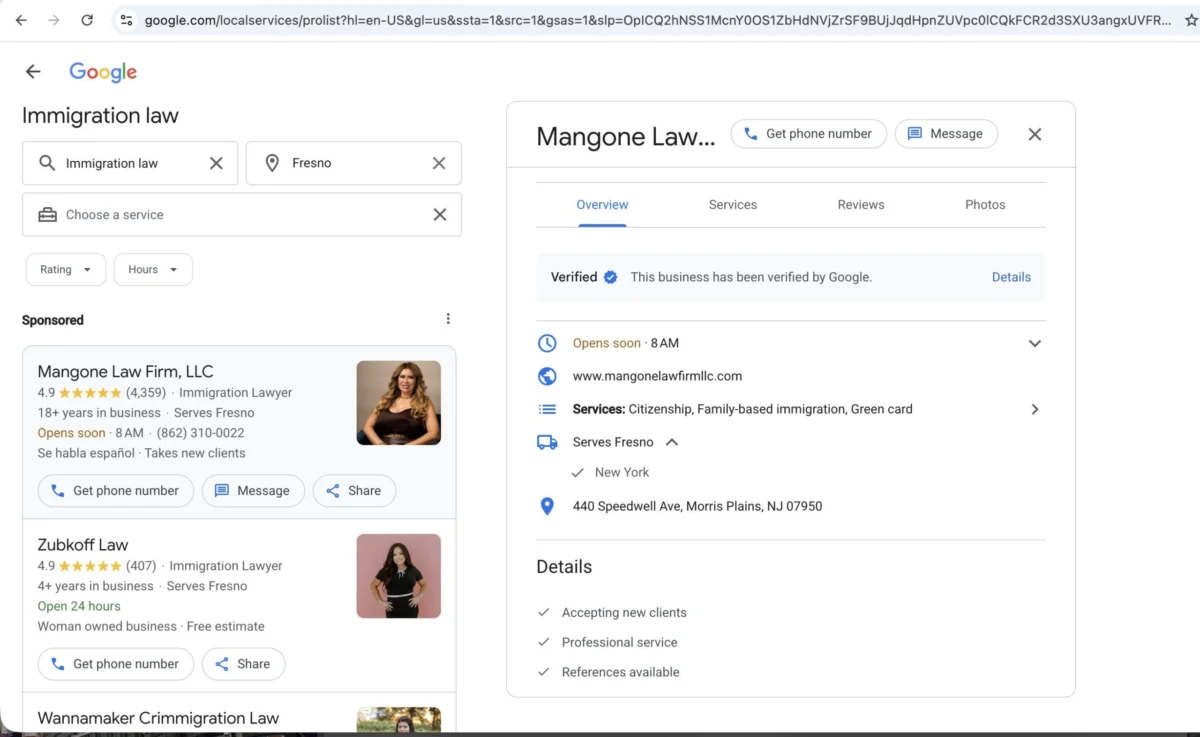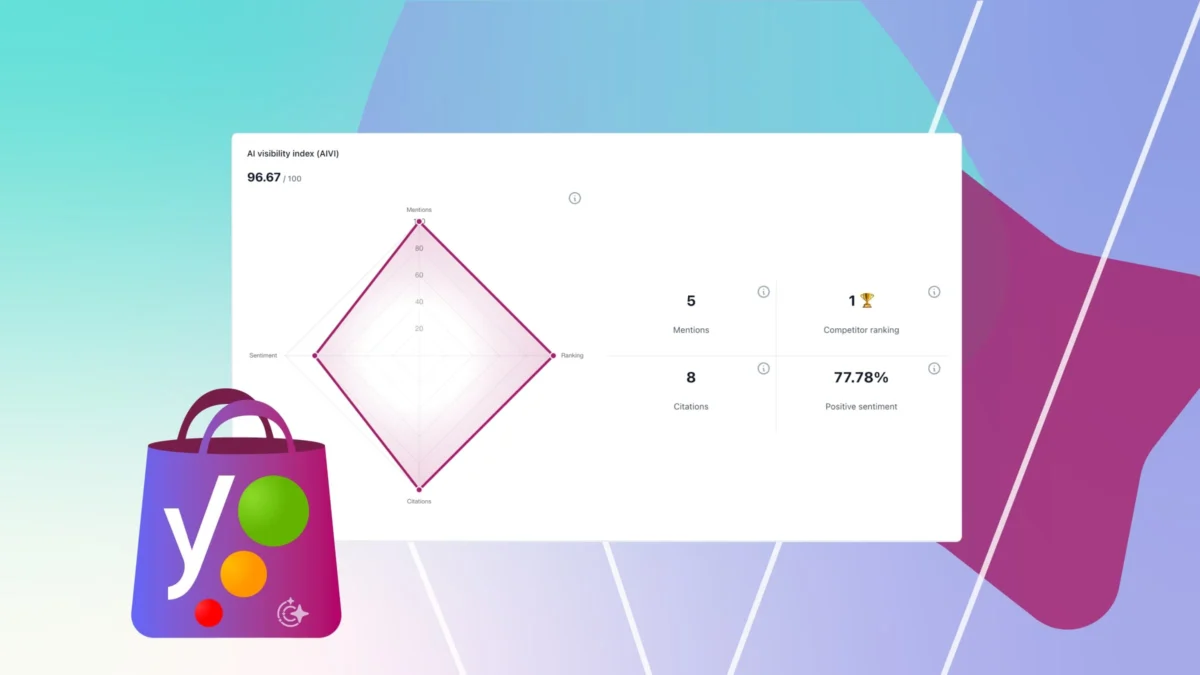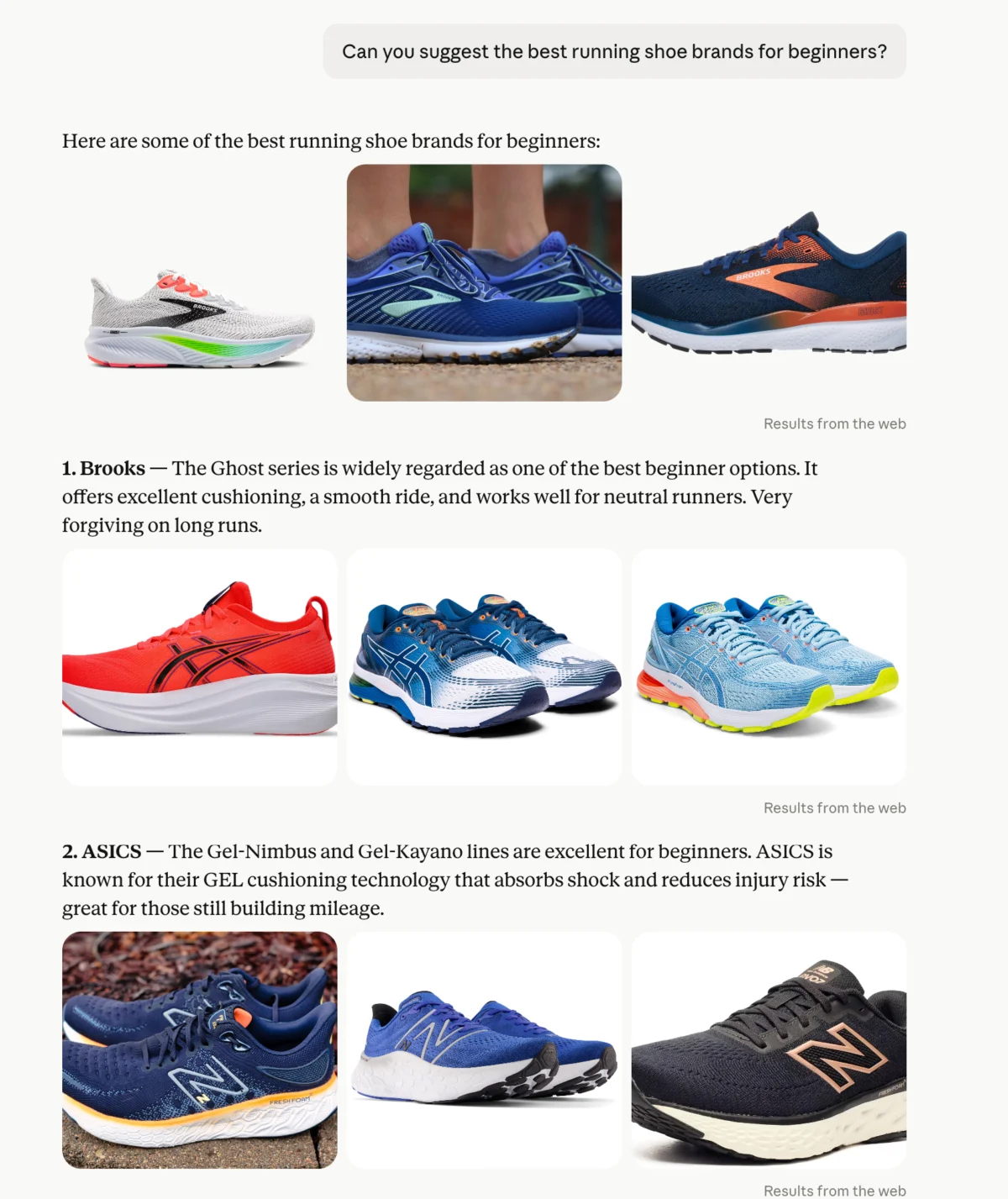
As artificial intelligence rapidly integrates into digital search and content discovery, the methods by which brands achieve visibility are undergoing a profound transformation. No longer is it sufficient to optimize solely for traditional search engine rankings; businesses must now understand the nuanced ways AI systems reference and validate information. A critical distinction has emerged between an “AI brand mention” and an “AI citation,” each carrying unique implications for a brand’s online presence, reputation, and potential for audience engagement. This evolving landscape necessitates a strategic re-evaluation for SEO professionals and marketers aiming to navigate the AI-driven future successfully.
The Rise of AI in Digital Discovery: A New Era of Visibility
The past few years have witnessed an unprecedented surge in the adoption and sophistication of large language models (LLMs) and generative AI, fundamentally altering how users seek and consume information. From conversational AI interfaces like ChatGPT and Google Gemini to integrated AI search experiences such as Google’s Search Generative Experience (SGE), these technologies are increasingly serving as primary gateways to knowledge. This shift began gaining significant momentum in late 2022 with the public release of advanced LLMs, which demonstrated an ability to synthesize information, answer complex queries, and even generate creative content. This marked a departure from the traditional “10 blue links” model, pushing brands to adapt their digital strategies.
The impact on digital discoverability is undeniable. Industry reports indicate that AI-powered search is projected to handle an increasing share of user queries, potentially diverting traffic from conventional organic search results. A recent study by Gartner, for instance, suggested that by 2025, over 30% of web content consumed might be mediated by AI, highlighting the urgency for brands to secure visibility within these new paradigms. In this environment, the mere appearance of a brand name in an AI-generated response, while seemingly a win, requires deeper scrutiny to ascertain its true value.
Defining AI Brand Mentions: Amplifying Brand Presence
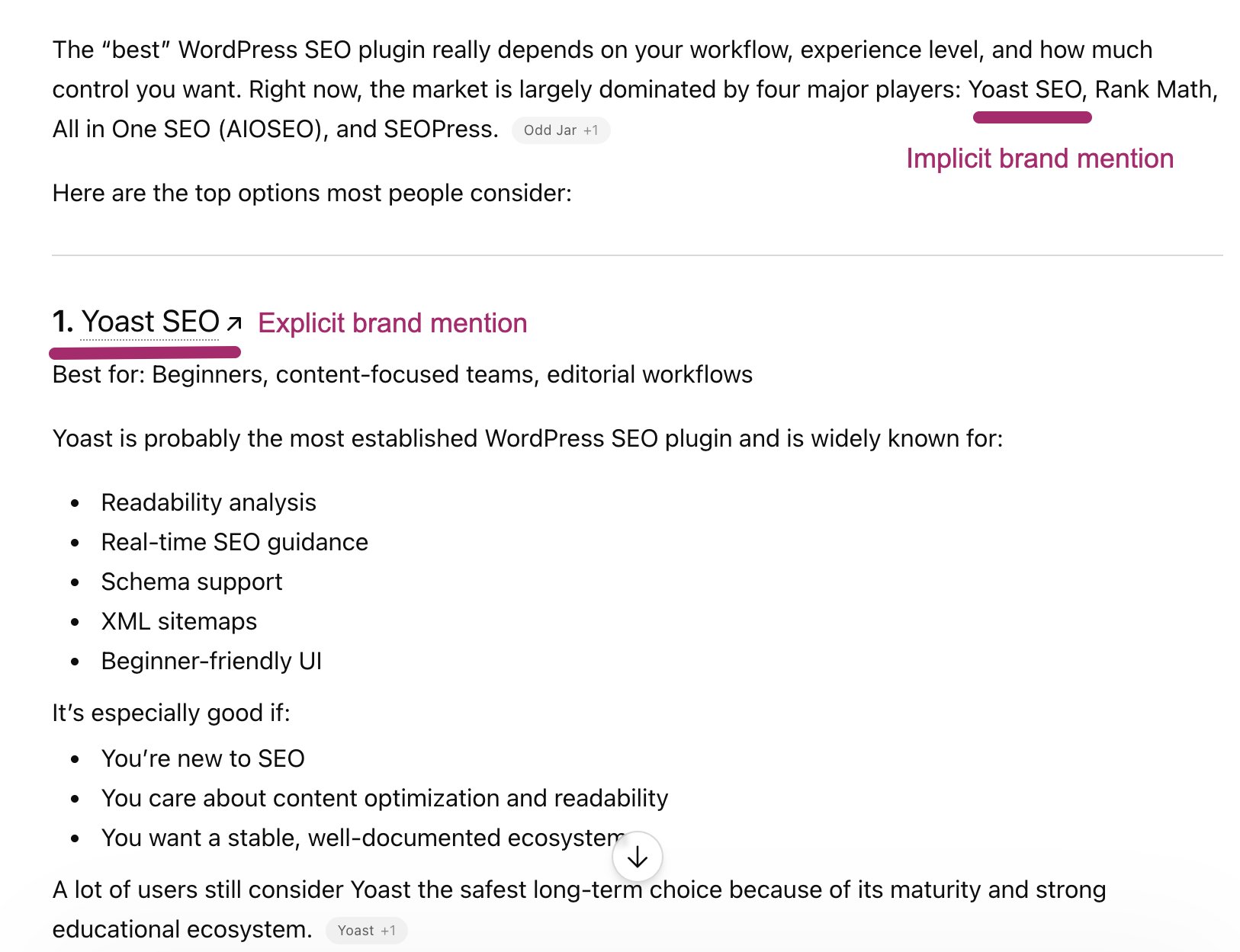
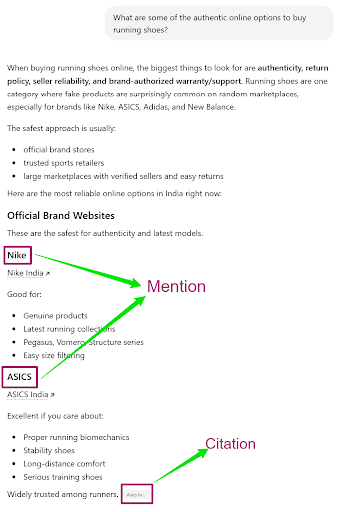
An AI brand mention occurs when an AI tool, such as an LLM or an AI-powered search assistant, includes a brand’s name within its generated response, recommendation, comparison, or summary. These mentions can be either explicit, meaning they include a direct link to the brand’s website or a specific piece of content, or implicit, where the brand name is referenced without an accompanying hyperlink. The primary value of an AI brand mention lies in its ability to foster brand awareness, build mindshare, and position a brand as a relevant player within a specific category or topic.
AI systems integrate brand mentions in various conversational contexts, reflecting the diverse ways users interact with these tools:
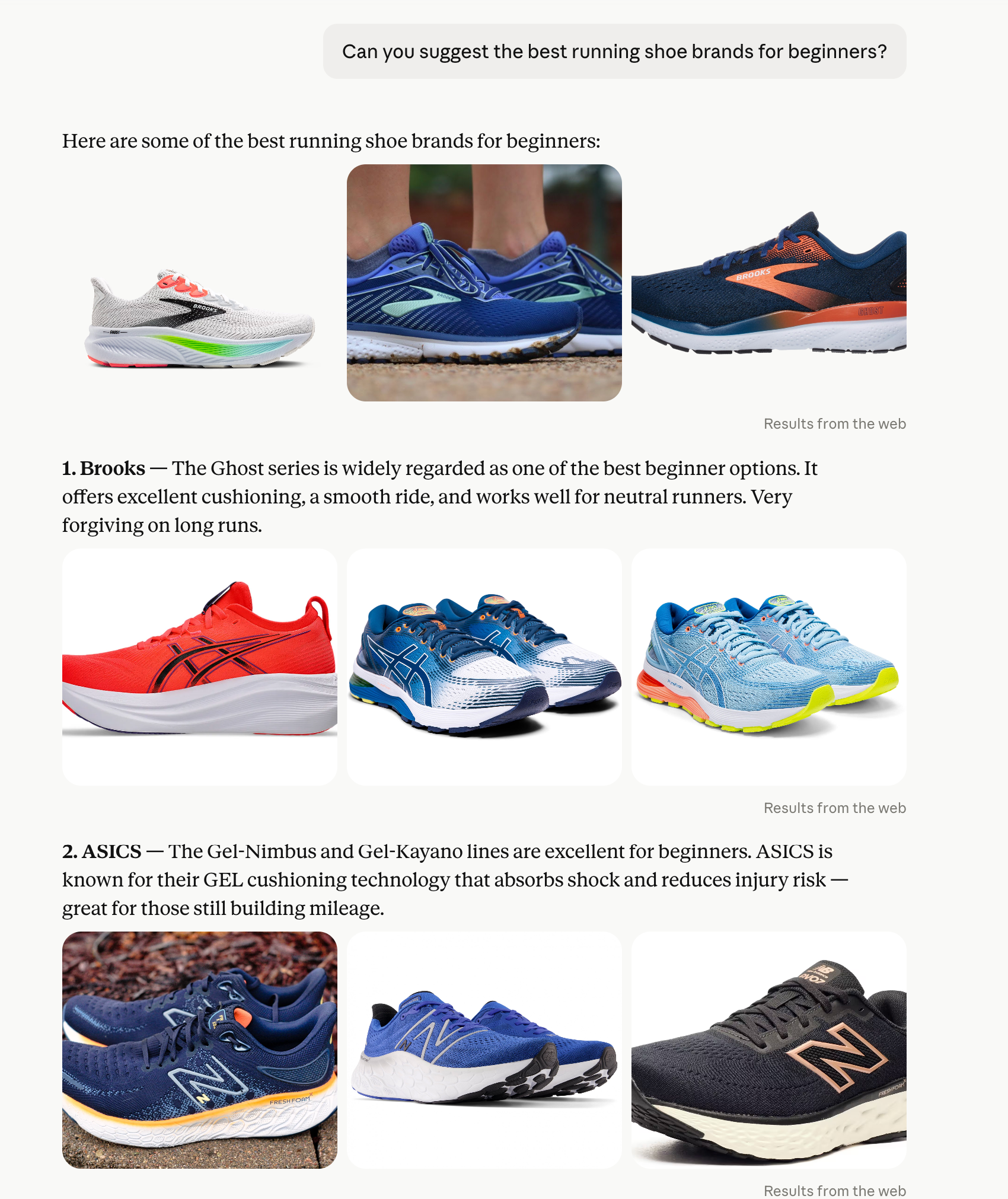
- Direct Recommendations: When a user explicitly seeks suggestions (e.g., “What are the best CRM software options?”), AI may directly recommend a brand’s product or service. This positions the brand as a leading solution for a user’s stated need.
- Product/Service Comparisons: In scenarios where users are evaluating alternatives, AI may include brands in comparative analyses of features, pricing, or use cases. For example, a query like “Compare email marketing platforms” could lead to a response listing several brands alongside their unique selling points.
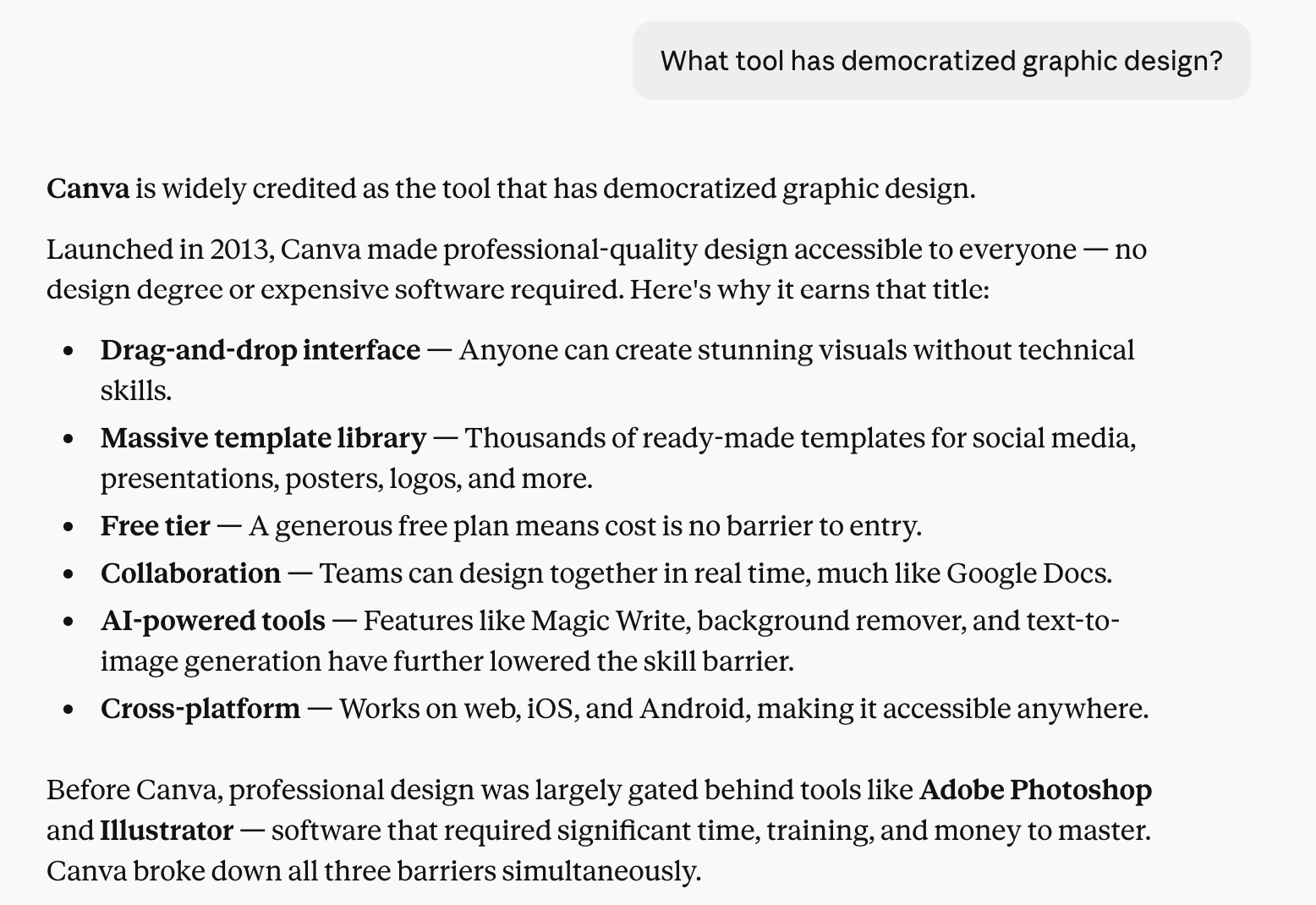
- Illustrative Examples: AI often uses well-known brands as practical examples to explain complex concepts, industry trends, or workflows. If an AI is explaining “effective content marketing strategies,” it might reference a specific brand known for its innovative campaigns.
- Contextual References: Brands can also appear naturally within broader discussions about a topic or industry, even without a direct recommendation. For instance, a discussion about “the history of personal computing” might contextually mention pioneering hardware or software brands.
These mentions, especially implicit ones, contribute significantly to a brand’s “top-of-funnel” marketing efforts, increasing familiarity and keeping the brand in the consideration set even without immediate direct traffic. The frequency and relevance of these mentions serve as a strong indicator of a brand’s perceived importance and market presence within the AI’s knowledge base.
The Mechanics Behind AI Mentions: How LLMs Formulate Responses
LLMs do not “choose” brands based on human-like preference but rather generate responses based on complex algorithms, statistical patterns, and vast training datasets. Several intertwined factors influence whether a brand is mentioned:
- Training Data Patterns: LLMs are trained on enormous corpora of text and code, learning statistical associations between brands and specific topics, use cases, or industries. Brands frequently discussed in relation to particular functions (e.g., “Yoast SEO” and “WordPress SEO plugins”) develop strong semantic connections within the model. The consistency and breadth of these associations across diverse contexts are crucial; brands with limited or inconsistent mentions are less likely to surface.
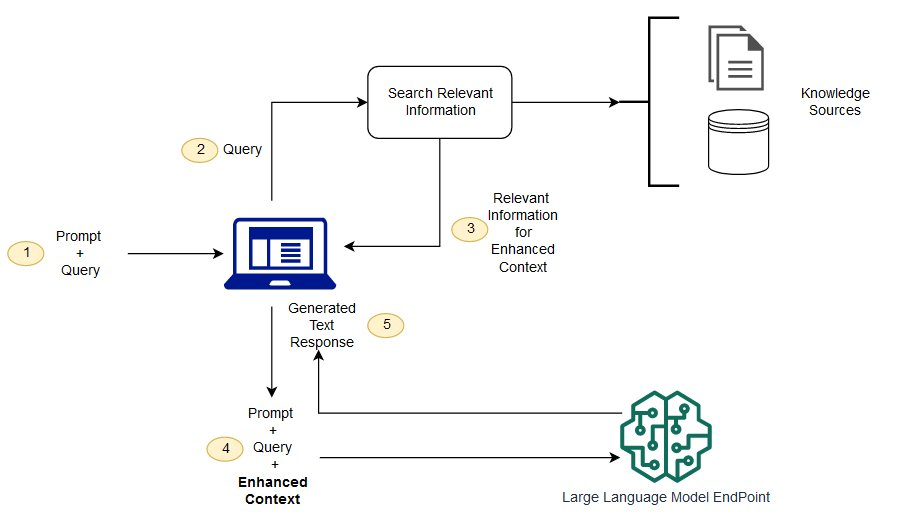
- Retrieval-Augmented Generation (RAG): Many modern AI systems augment their foundational knowledge with real-time or near-real-time information retrieval, a process known as Retrieval-Augmented Generation (RAG). When a user submits a query, the RAG system first retrieves relevant documents, web pages, or data from indexed sources. The LLM then synthesizes this retrieved information with its pre-trained knowledge to generate a more current and accurate response. This dynamic capability means that a brand’s presence in high-quality, up-to-date web content is paramount for AI visibility.
- Contextual and Semantic Understanding: AI systems move beyond mere keyword matching to interpret the user’s underlying intent and semantic meaning. A query about “tools for remote team collaboration” will be mapped to broader concepts like “project management,” “communication platforms,” and “file sharing.” Brands that consistently associate themselves with these concepts through clear, well-structured content are more likely to be identified as relevant. Entity clarity—how consistently and clearly a brand defines itself and its offerings across the digital landscape—is therefore critical.
- Authority and Cross-Source Validation: LLMs assess information credibility by comparing patterns across multiple sources and weighing the trustworthiness of those sources. A brand consistently referenced across credible, independent platforms (e.g., industry publications, academic papers, reputable news outlets) is deemed more authoritative. This process relies on signals akin to traditional SEO’s concept of domain authority and E-E-A-T (Experience, Expertise, Authoritativeness, and Trustworthiness), where external validation reinforces a brand’s credibility.
- Relevance to the Query: Fundamentally, an AI system prioritizes delivering the most relevant answer. Even highly authoritative or frequently mentioned brands will not appear if they do not directly address the user’s intent, specific use case, target audience, or problem. AI models utilize Natural Language Processing (NLP) to convert text queries into vectors, enabling them to find semantic similarity and return answers that are truly “fit for purpose.”
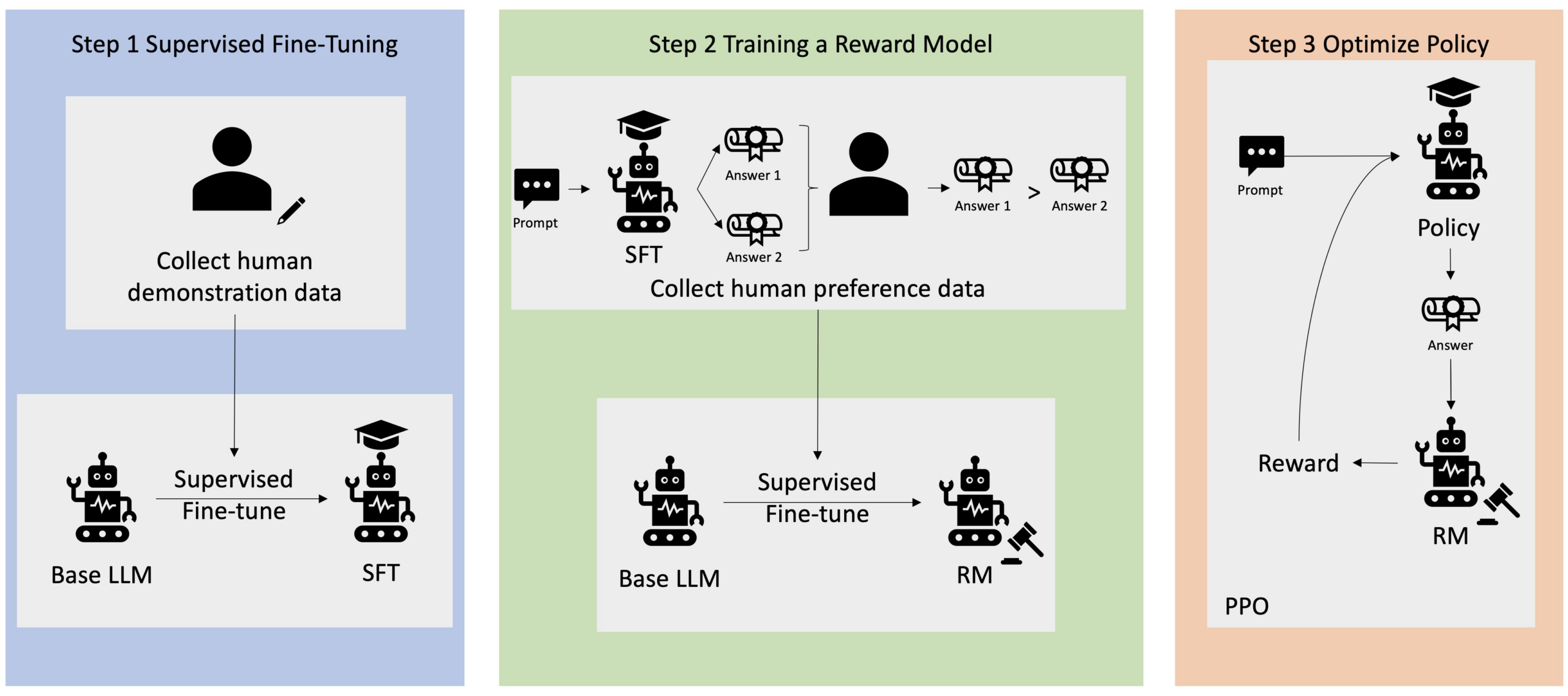
- Sentiment and Human Feedback (RLHF): AI models are continuously refined through Reinforcement Learning from Human Feedback (RLHF). Human evaluators review AI responses, guiding the model towards answers that are helpful, honest, and harmless. If a brand is consistently associated with negative sentiment or appears in responses deemed unhelpful, the model may learn to deprioritize or avoid mentioning it. Conversely, positive or neutral associations across sources can enhance a brand’s likelihood of being included. This iterative feedback loop helps align AI brand mentions with quality, trustworthiness, and user expectations.
AI Citations: The Foundation of Trust and Authority
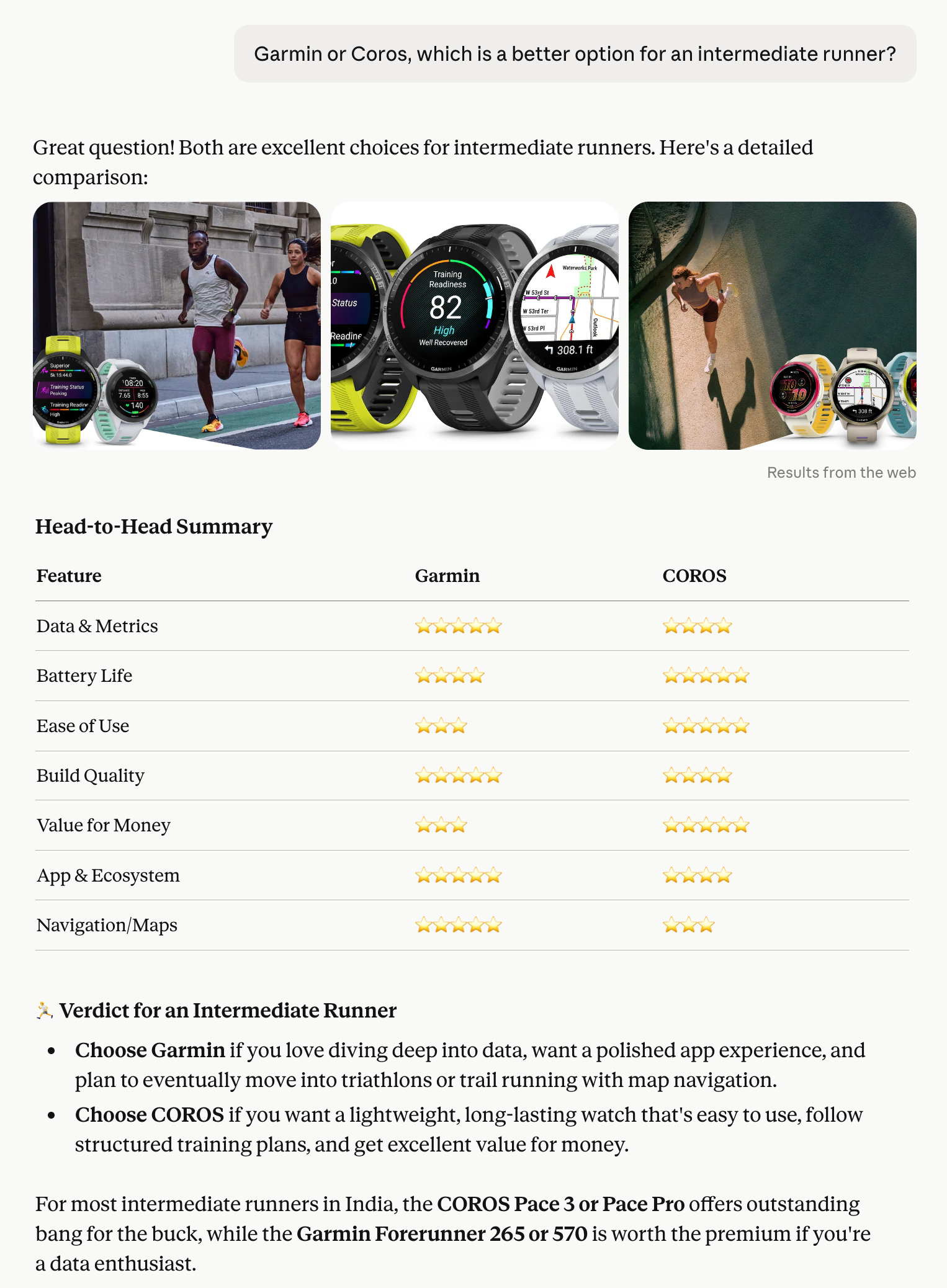
In contrast to a mere mention, an AI citation represents a more direct and explicit attribution of information to a specific source. AI systems and search engines include citations to support the answers they generate, pointing to a particular webpage, report, article, or other content asset as the origin of the information. Citations often include a direct, clickable link to the source, thereby crediting the content creator and allowing users to verify or explore the original context.
The strategic value of an AI citation is significant. It signals:
- Authority and Credibility: Being cited by an AI system indicates that the brand’s content is considered a reliable, expert source of information on a given topic. This reinforces the brand’s expertise (E-E-A-T) in the eyes of both AI and human users.
- Trustworthiness: In an era of rampant misinformation, AI systems are increasingly designed to prioritize trustworthy sources. A citation serves as an AI’s endorsement of the factual accuracy and integrity of the cited content.
- Direct Traffic Potential: Unlike implicit mentions, citations often provide a direct link, offering a clear pathway for interested users to navigate to the brand’s website or content. This can translate into valuable referral traffic, a metric still highly prized by SEO professionals.
While a brand can be mentioned without being cited, and vice versa, the most powerful scenario for digital visibility occurs when a brand achieves both. For example, an AI response might recommend “Yoast SEO” (a brand mention) and then specifically cite “The Yoast Perspective 2026 report” (a citation) to back up a claim about future SEO trends.
The Critical Distinction: Mentions vs. Citations in Detail
Understanding the fundamental differences between AI brand mentions and citations is crucial for crafting an effective AI SEO strategy. While both contribute to overall brand visibility, their mechanics and impact vary significantly:
| Aspect | AI Brand Mention | AI Citation |
|---|---|---|
| Definition | Your brand name appears within the AI-generated response. | AI attributes specific information to your content, often with a link/reference. |
| Format | Mentioned naturally in text; no link required. | URL, footnote, or inline source reference. |
| What it Signals | Brand awareness, category relevance, general recognition. | Authority, credibility, trustworthiness, factual accuracy. |
| Impact | Builds mindshare, keeps brand in consideration set, subtle influence. | Acts as proof of expertise, drives direct traffic, enhances reputation. |
| Traffic Potential | Indirect, through increased brand recall and subsequent manual searches. | Direct, via clickable or attributed sources; quantifiable referral traffic. |
| Frequency | More common across diverse AI responses, less competitive to achieve. | Less common and more competitive, as it requires specific factual attribution. |
| Appearance | Across most LLMs, even those without live web access (based on training data). | More common in systems with RAG capabilities or live web access. |
| Optimization Focus | PR, earned media, third-party mentions, community presence, consistent messaging. | Create citation-worthy content, structured data, original research, E-E-A-T. |
| Example | “X is a popular CRM software for small businesses.” | “According to the latest report from [Brand X], market trends indicate…” |
The table illustrates that mentions are primarily about establishing presence and relevance, while citations are about validating expertise and driving direct engagement. While AI systems are increasingly sophisticated, the competitive nature of earning explicit citations means that brands must produce content of exceptional quality and originality. Data from SEO analytics firms suggests that while AI mentions can significantly boost brand recall (up to 15-20% for frequently mentioned brands in certain niches), direct traffic from citations still remains a high-value signal for measurable ROI.
Strategic Imperatives for Brands: Navigating the AI Visibility Frontier
Achieving optimal AI visibility requires a dual-pronged strategy that optimizes for both mentions and citations. This involves an evolution of traditional SEO and content marketing practices:
-
Create AI-Understandable and Citation-Worthy Content:
- Clarity and Structure: AI systems favor content that is clear, concise, and well-structured. Use headings, bullet points, and direct answers to questions. Define key terms explicitly. For instance, a detailed guide that clearly answers “What is customer data management?” with specific, scannable sections is more digestible for AI than a narrative-heavy blog post.
- Original Research and Data: Produce proprietary studies, surveys, and unique data analyses. Original content becomes a unique, authoritative source that AI systems are more likely to cite. Publications that break new ground or offer novel perspectives inherently become more “citation-worthy.”
- Address Evaluative Queries: Develop content that directly addresses “best of,” “how-to,” and “comparison” queries. Create pages like “Yoast vs. Rank Math” that not only compare products but also articulate specific scenarios where your product is the superior choice, providing clear context for AI recommendations.
-
Strengthen Authority Signals and Entity Clarity:
- Earned Media and PR: Actively pursue mentions in reputable industry publications, news outlets, and expert interviews. These third-party validations significantly bolster your brand’s authority in the eyes of AI. The more consistently credible sources reference your brand, the stronger the signal to LLMs.
- Expert Authorship and E-E-A-T: Ensure your content is authored by credible experts with demonstrable experience. Implement clear author bios, link to professional profiles, and showcase credentials. AI systems increasingly rely on E-E-A-T signals to determine content trustworthiness and suitability for citation.
- Consistent Entity Definition: Ensure your brand, products, and services are consistently described across all your digital assets and external mentions. Use structured data (Schema.org markup) to define your entities explicitly, helping AI systems disambiguate and understand your brand’s core identity and offerings. If your product is “project management software for remote teams,” this phrase should be uniformly applied.
-
Maintain Content Freshness and Relevance:
- Regular Updates: Keep cornerstone content and key informational pages regularly updated with the latest data, trends, and product information. AI values freshness, especially for fast-evolving topics. A “best tools” list updated quarterly will be prioritized over one that hasn’t been touched in years.
- Topical Authority: Develop comprehensive content clusters around your core topics. By demonstrating deep expertise across a range of related subjects, you signal to AI that your brand is a definitive authority, increasing the likelihood of both mentions and citations.
Industry Reactions and Future Outlook
The rapid evolution of AI in search has prompted significant discussion among technology giants and SEO experts. Companies like Google and OpenAI have acknowledged the challenges of attribution and the importance of directing users to original sources. Google’s SGE, for example, explicitly includes direct links to sources within its AI-generated snapshots, emphasizing a commitment to transparency and credit. OpenAI, while not always providing live links, often encourages users to verify information, indirectly highlighting the value of primary sources.
SEO industry leaders generally agree that while traditional ranking factors remain relevant, the emphasis is shifting towards semantic SEO, entity optimization, and building genuine authority that AI systems can readily understand and trust. Experts anticipate a future where “AI SEO” becomes a specialized discipline, focusing on optimizing for conversational interfaces, knowledge graphs, and multimodal AI outputs. The ethical implications, such as ensuring fair attribution, preventing AI hallucinations, and combating AI-driven misinformation, also remain central to ongoing industry discussions.
The broader impact on brand equity is profound. Brands that successfully navigate this new landscape will not only gain unprecedented visibility but also build deeper trust and authority in the minds of consumers. Marketing budgets are likely to see reallocations towards content strategies that prioritize original research, expert contributions, and robust PR efforts to secure those critical third-party validations. The future of digital marketing is undeniably AI-mediated, requiring agility, foresight, and a comprehensive understanding of how these intelligent systems perceive and value information.
Conclusion
The distinction between AI brand mentions and AI citations is more than a semantic difference; it represents two distinct yet complementary pathways to digital visibility in the age of generative AI. While mentions amplify brand awareness and relevance, citations solidify trust, authority, and direct traffic potential. Brands that strategically optimize for both—by creating high-quality, AI-understandable, and citation-worthy content, bolstering their authority through earned media, and maintaining rigorous entity clarity—will be best positioned to thrive in this rapidly evolving digital ecosystem. As AI continues to reshape how information is discovered and consumed, a holistic approach that integrates both strategies will be paramount for sustained success and meaningful brand engagement.