The digital landscape for small businesses has undergone a seismic shift with the rapid integration of Artificial Intelligence (AI) into search engines. While search engine optimization (SEO) has long been a cornerstone of online visibility, current trends indicate that traditional keyword strategies may no longer yield the desired business outcomes. The emergence of AI-powered overviews and the increasing tendency for users to find answers directly within search results pages are fundamentally altering how users interact with search engines, presenting a critical challenge for businesses reliant on organic traffic.
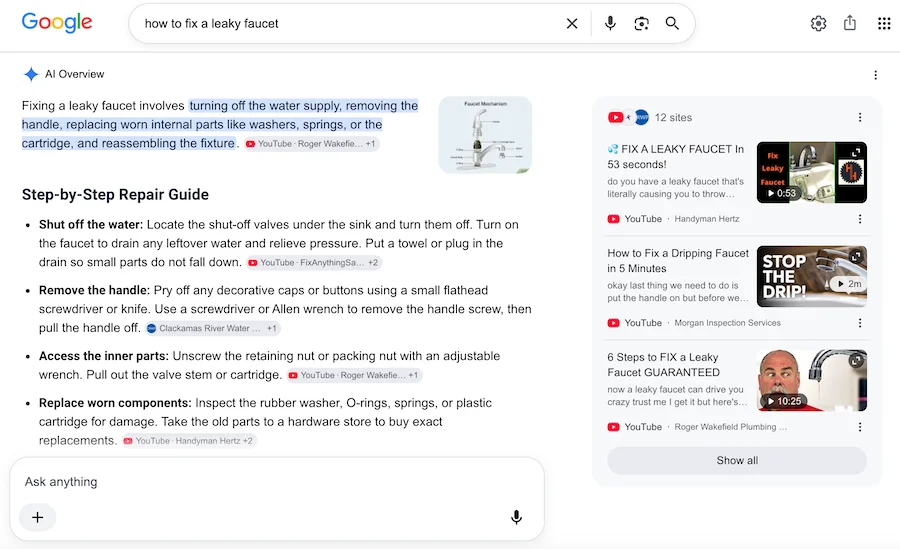
This evolving search environment necessitates a fundamental re-evaluation of keyword strategy. A prime example illustrates the dilemma: a local plumbing company invests months into SEO, achieving the number one ranking for "how to fix a leaky faucet." Google Search Console reports 1,400 monthly visits to this page, a seemingly positive performance indicator. Yet, the company’s phone remains silent. The issue lies not with the ranking itself, but with the nature of the keyword. A quick search for "how to fix a leaky faucet" now often triggers a comprehensive AI-generated answer at the top of the search results page. This overview typically includes step-by-step instructions, tool recommendations, DIY videos, and common pitfalls to avoid – essentially providing a complete solution that renders a professional plumber unnecessary for that specific query. The business now owns a top-ranking page for a query that no longer requires their services.
This scenario is not isolated. It represents a widespread challenge for small businesses as AI begins to "absorb" entire categories of informational keywords. Many businesses continue to invest in these keywords as if the search paradigm remains unchanged, overlooking the profound impact of AI on user behavior and search result engagement.

The Data Paints a Stark Picture
The impact of AI-generated content in search results is already visible in performance metrics. Studies indicate that AI Overviews can lead to a significant drop in organic click-through rates (CTRs), with some sources reporting decreases exceeding 60% even for top-ranking pages. Furthermore, a substantial portion of searches, over 80%, now conclude without any click at all, as users find their answers directly on the search results page. For queries featuring AI summaries, approximately one in four searches ends without further user action. This trend signifies a fundamental shift, where the information itself, often curated by AI, becomes the destination rather than a gateway to external websites.
However, not all keywords are affected equally. Some informational queries have been largely claimed by AI, while others are evolving in their search intent and user engagement. Crucially, a segment of keywords still drives calls, bookings, and revenue because they inherently require the expertise and service of a human-operated business. Identifying and prioritizing these "business-essential" keywords is paramount for sustained growth in the AI era.
A New Framework for Keyword Strategy
To navigate this complex terrain, a structured approach is required. This involves categorizing keywords based on their susceptibility to AI absorption and their continued relevance for driving business outcomes. A three-tier framework can help businesses understand where their SEO efforts are best placed:
-
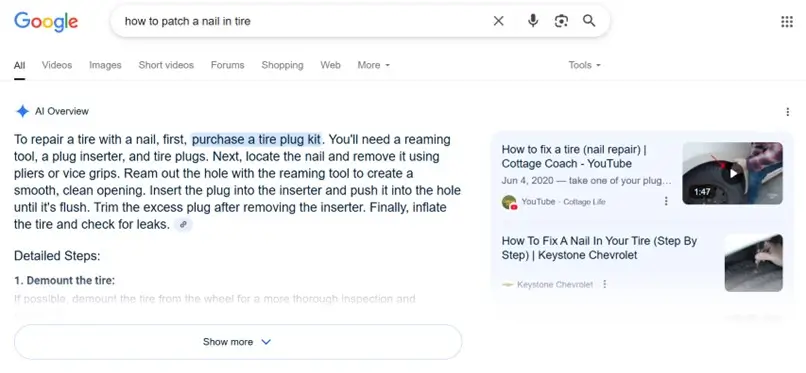
Tier 1: Fully Resolved by AI (Informational/Definitional Keywords): These are typically "what is," "how to," and "why does" queries. Historically, these were the bedrock of content marketing, designed to attract users early in their research journey. Now, AI often provides comprehensive answers directly within the search results, such as explaining "what is a dental crown" or "how to fertilize your lawn" with detailed summaries, step-by-step guides, and embedded media. While a business might still rank for these terms, the user’s need for external information is often fulfilled before they even consider visiting a website. The value proposition of ranking for these keywords has diminished significantly, leading to visibility without tangible business results.
-
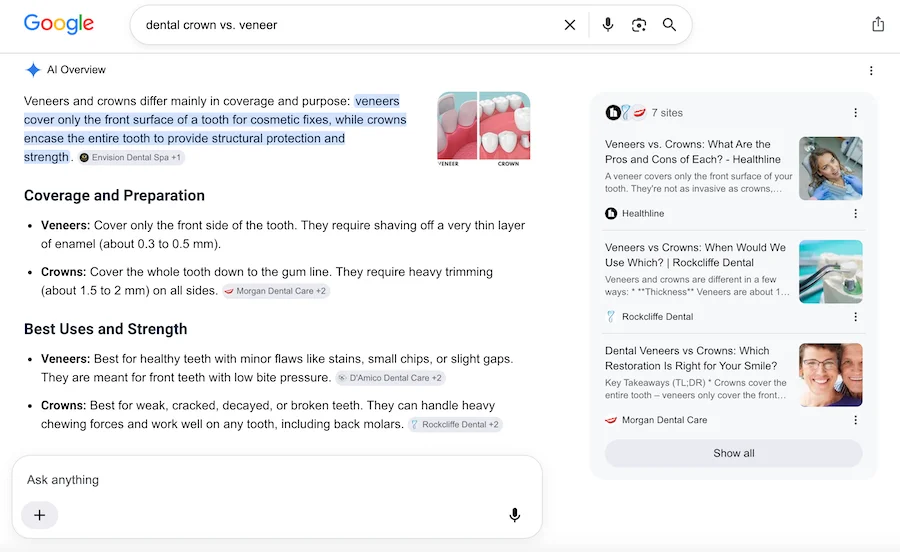
Tier 2: Partially Affected (Research/Comparison Keywords): This category includes queries like "best CRM for small business" or "dental crown vs. veneer." AI can provide a summarized overview, listing options and outlining general pros and cons. However, these summaries often fall short of fully resolving the user’s decision-making process. AI cannot account for individual budgets, specific constraints, or unique personal circumstances. Consequently, users still click through to websites to gather more detailed information, validate AI summaries, and explore specific examples. While AI Overviews may reduce overall click-through rates for these keywords, the users who do click are often further down the decision-making funnel, making them potentially more valuable leads.
-
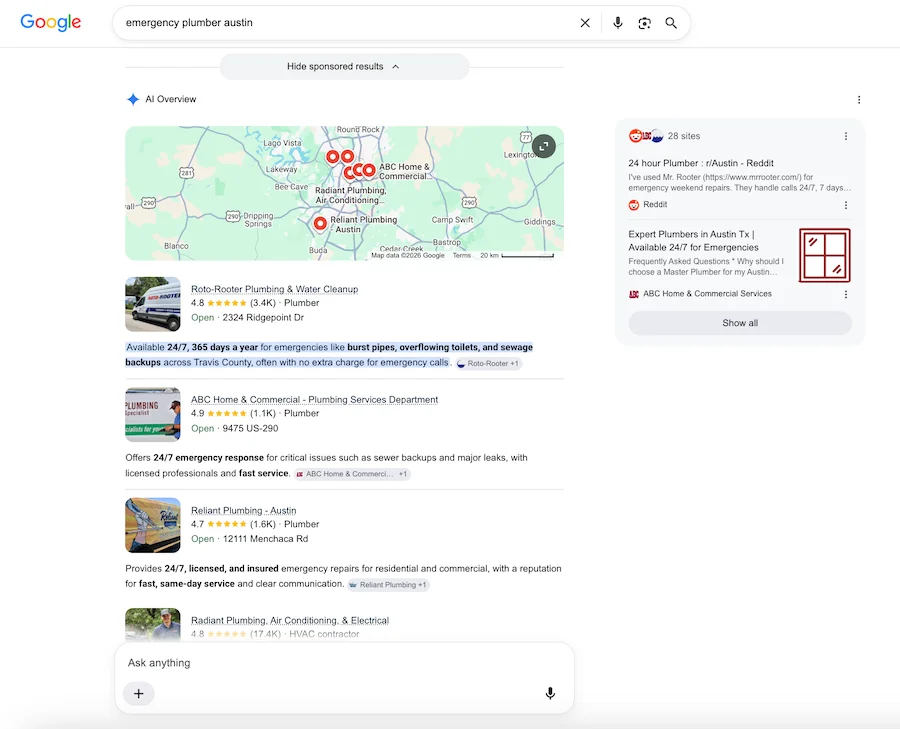
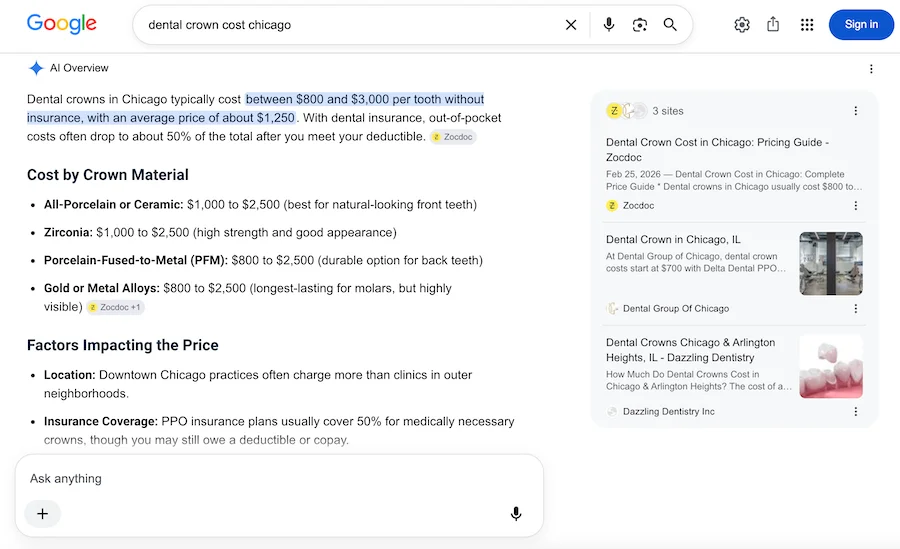
Tier 3: Business-Essential (Local/Transactional/Action Keywords): These keywords represent the most direct path to business engagement. Searches such as "emergency plumber Austin" or "dental crown cost Chicago" indicate a user ready to solve a problem or make a purchase. AI can offer context and general information, but it cannot dispatch a plumber, perform a dental procedure, or facilitate a car sale. For these queries, the user’s intent is to connect with a business. Ranking for these terms still translates directly into leads, appointments, and revenue. Visibility on these keywords remains crucial, and the traditional SEO principles of ranking and driving clicks are still highly effective.
The Audit: Identifying Your Most Valuable Keywords
A fundamental shift in SEO auditing is required. Instead of focusing solely on rankings and traffic volume, the core question must be: Does this keyword still require a user to contact a business, or can it be fully resolved on the search results page?
The audit process should follow these steps:
-
Leverage Existing Data: Begin by analyzing data from Google Search Console. Identify the keywords that are currently driving traffic to your website. This initial step is critical because it highlights where your current efforts are focused and where potential disconnects between traffic and business outcomes may exist. Many businesses find that pages with high traffic are not generating leads, indicating a problem with the keyword’s underlying intent in the current AI-influenced search environment.
-
Manual Search Evaluation: For each keyword identified, perform a manual search on Google, mimicking the experience of a potential customer. Avoid relying solely on SEO tools or reports. Observe the search results page critically. If an AI Overview provides a complete answer, including step-by-step instructions, recommendations, and solutions, the keyword has likely been "claimed" by AI. The key question to ask is: "If I were trying to solve this problem, would I need to click on any of these links?" If the answer is no, the keyword’s direct value for driving website traffic has diminished.
-
Keyword Classification: Based on the manual search evaluation, categorize each keyword into one of the three tiers. This classification is the cornerstone of the audit. Recognize that nuances exist; slight variations in wording can drastically alter a keyword’s behavior. For instance, "dental crown cost" might still prompt a user to seek a dentist, while "average dental crown cost" is more likely to be satisfied by an AI-generated price range.
-
Quantify the Traffic-to-Value Gap: Compare the traffic generated by each keyword against the actual business value it delivers (e.g., leads, calls, bookings). A keyword driving 1,200 visits but generating zero leads, while another bringing in only 90 visits but yielding 14 leads, highlights a strategic issue. This discrepancy is not a conversion problem; it is a keyword strategy problem.
-
Assess Content Allocation: Examine your website’s content strategy holistically. Many websites have a significant portion of their content dedicated to informational queries, a practice that was highly effective in previous SEO eras. The question shifts from "how do we improve these pages?" to "what is the current role of this content?" While some informational content may still support other pages or establish expertise, it is unlikely to be a primary driver of new business growth.
-
Strategic Content Decisions: Based on the classification and value assessment, determine the appropriate action for each piece of content:
- Tier 1 (AI-Claimed): Re-evaluate the purpose of these pages. They may still serve a role in establishing brand authority or providing background information, but they should not be the focus of growth-oriented SEO efforts. Consider if they can be repurposed or de-prioritized.
- Tier 2 (Partially Affected): Optimize these pages to provide deeper insights, unique perspectives, or comparative data that AI summaries cannot fully replicate. Focus on content that helps users move from research to decision-making.
- Tier 3 (Business-Essential): Double down on these keywords. Ensure your pages are optimized for local search, transactional intent, and immediate action. These are the keywords that will continue to drive direct business results.
Industry-Specific Examples of the AI Shift
The impact of AI on keyword strategy is evident across various small business sectors:
-
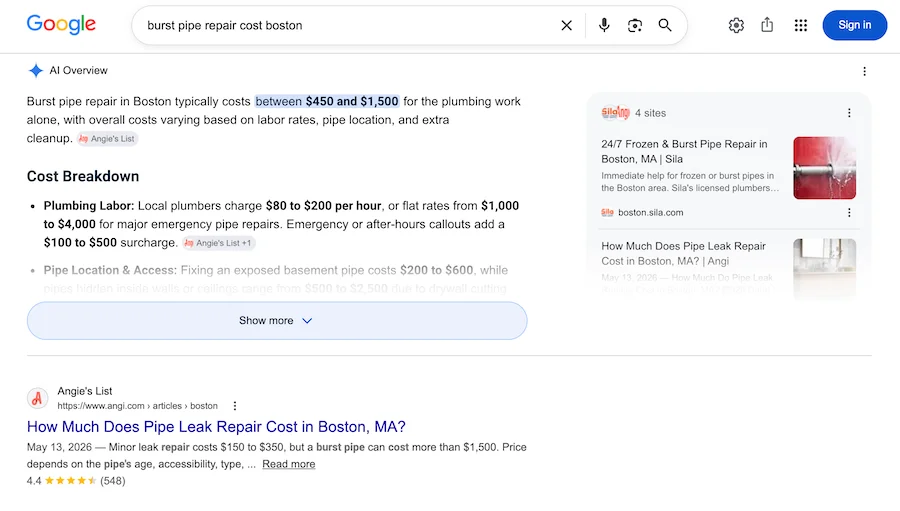
Plumbing Companies: Keywords like "how to fix a leaky faucet" or "why is my sink dripping" are increasingly resolved by AI. The focus should shift to high-intent keywords such as "emergency pipe repair [city]," "clogged drain service," or "water heater installation cost [city]," which require immediate professional intervention.
-
Real Estate: Informational queries about "how to buy a house" or "understanding mortgage rates" are now well-covered by AI. The real value lies in transactional keywords like "homes for sale [city]," "apartments for rent [neighborhood]," or "[city] real estate agents," where users are actively looking to transact.
-
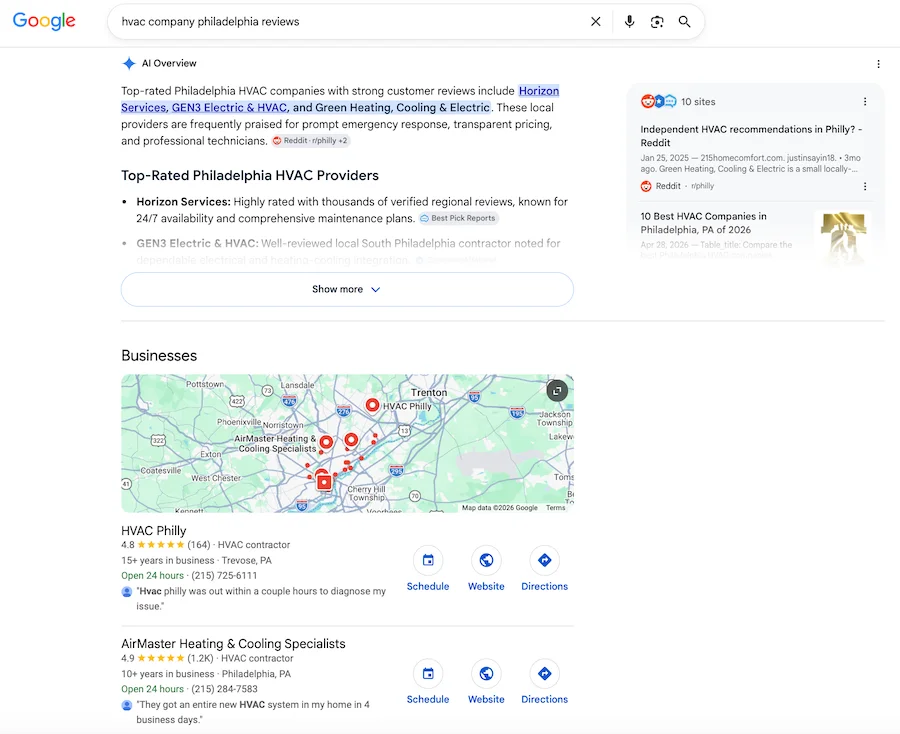
HVAC Businesses: "How does an air conditioner work?" or "types of HVAC systems" are prime examples of AI-absorbed content. The critical keywords for HVAC companies are those indicating an immediate need for service, such as "emergency AC repair [city]," "furnace not working," or "HVAC company reviews [city]."
-
Dental Practices: Educational content on "what are veneers" or "dental crown benefits" is easily summarized by AI. The business-driving keywords are those indicating a need for a service, such as "best dentist for veneers [city]," "emergency dentist appointment," or "dental implant consultation."
-
Car Dealerships: Topics like "how car financing works" or "understanding car insurance" are now largely handled by AI. The focus for dealerships must be on keywords signaling purchase intent, such as "used cars for sale [city]," "new [car model] price," or "[dealership name] reviews."
Beyond Keyword Identification: Adding Value and Earning Clicks
Simply identifying the right keywords is not enough. The critical step is to understand how to use them effectively in the AI era. Content that merely replicates what AI can already provide will not earn clicks. Instead, content must offer unique value and a compelling reason for users to engage.
This involves:
- Deepening Expertise: Provide in-depth analysis, unique case studies, and proprietary insights that AI cannot replicate.
- Personalization and Localization: Tailor content to specific local markets and individual user needs, something AI struggles to achieve at a granular level.
- Action-Oriented Content: Focus on content that guides users towards the next logical step, whether it’s booking an appointment, requesting a quote, or making a purchase.
- Building Trust and Authority: Leverage testimonials, client reviews, and demonstrable expertise to build credibility that goes beyond AI-generated summaries.
The Ultimate Filter: Does it Require a Business?

At its core, the AI search revolution demands a simple but profound re-evaluation: If a query can be fully answered without a business, it is not a growth keyword. This principle, while seemingly obvious, is often overlooked as businesses continue to chase rankings and traffic volume for keywords that no longer align with business objectives.
Before committing to any keyword strategy, businesses should ask two crucial questions:
- Can this query be fully answered by AI or existing resources without a user needing to click on a website?
- If a user searches this query, is the primary outcome to contact a business?
If the answer to the first question is "yes" and the answer to the second is "no," then that keyword has likely been absorbed by AI and should not be at the center of your growth strategy.
The current transformation in SEO is not a temporary glitch but a fundamental restructuring of how search queries are resolved. By understanding the tiered impact of AI on different keyword categories and adopting a rigorous audit process focused on business outcomes, small businesses can recalibrate their SEO strategies, ensuring they invest in keywords that drive tangible results in this new, AI-powered search era. The future of SEO lies not in being everywhere, but in being where it truly matters for business growth.

 Basiran
 Lina Irawan