The digital marketing landscape experienced significant shifts this week, dominated by a formidable Google June 2026 Spam Update that has sent ripples through the search engine optimization (SEO) community. While Google characterized it as a “normal” spam update, industry observers noted its early commencement and considerable impact, particularly targeting sophisticated black hat techniques. This update, alongside a series of crucial developments in Google’s AI integration, advertising platforms, and webmaster tools, underscores the continuous evolution of the internet’s most influential search engine.
The June 2026 Spam Update: A Deeper Dive into Volatility
Google’s announcement of the June 2026 Spam Update quickly ignited discussions among SEO professionals, who had already begun detecting unusual ranking fluctuations days before official confirmation. Unlike many previous updates that gradually rolled out, this particular refresh appeared to hit hard and fast, prompting widespread reports of significant volatility across various industry tracking tools.
Background and Context: Google regularly deploys spam updates to maintain the quality and relevance of its search results. These updates are designed to identify and penalize websites employing manipulative tactics—often termed “black hat” SEO—that attempt to artificially inflate their rankings. Such techniques can include aggressive link schemes, cloaking, keyword stuffing, hidden text, and the generation of low-quality, AI-spun content designed solely for search engine manipulation rather than user value. The ongoing battle against spam is central to Google’s mission to provide authoritative and helpful information to users.
Initial Impact and Observations: Early analysis by leading SEO analytics platforms like Semrush and Ahrefs indicated a sharp increase in SERP (Search Engine Results Page) volatility, with some sectors experiencing swings exceeding 30% in top 10 rankings. Websites previously relying on aggressive, non-compliant SEO strategies were reportedly among the hardest hit, validating Google’s assertion that the update primarily targeted spam. Industry analysts noted that the update’s focus appeared to be on the nuanced detection of sophisticated, large-scale spam networks and AI-generated content that lacks originality or genuine insight, rather than broad algorithmic changes impacting content quality or relevance in general.
Statements and Reactions: While Google typically offers limited specific details on the mechanics of its spam updates, a spokesperson reiterated the company’s commitment to “a level playing field for all websites and a high-quality experience for users.” The SEO community, meanwhile, has been abuzz with activity on forums and social media. Many webmasters reported substantial drops in traffic and rankings, initiating rapid audits of their backlink profiles and content strategies. Conversely, sites adhering to white hat practices, focusing on valuable content and legitimate link building, expressed cautious optimism, with some even reporting minor gains as spammy competitors were demoted. The early detection of the update by the community, even before official confirmation, highlights the constant vigilance required in the SEO profession.
Implications for Webmasters: The June 2026 Spam Update serves as a potent reminder of Google’s unwavering dedication to combating manipulative practices. For webmasters and digital marketers, the message is clear: long-term success on Google hinges on adhering to ethical SEO guidelines, producing high-quality, original content, and building genuine authority. Businesses found to be using black hat techniques face not only ranking penalties but also potential manual actions that can be far more difficult to recover from. This update reinforces the trend towards user-centric design, genuine engagement, and transparent digital practices.
Google Search Console Enhancements and Delays
Google Search Console (GSC), the indispensable tool for webmasters to monitor their site’s performance in Google Search, saw a mix of exciting new features and frustrating delays this week.
AI Performance Report Rollout and Impression Counting: The much-anticipated AI performance report is steadily rolling out to more users within GSC. This report is designed to provide webmasters with insights into how their content is performing within AI-generated search results, such as Google’s AI Overviews or generative AI features. Understanding the nuances of this report is crucial, and Google’s John Mueller, a prominent Search Advocate, offered clarification on what constitutes an “impression” within the AI report. According to Mueller, an impression is counted when a user sees the AI-generated content featuring elements from a specific website, even if they don’t explicitly click through to the site. This distinction is vital for webmasters to accurately assess their visibility and impact in an increasingly AI-driven search environment, as it reflects a different user interaction model than traditional organic results.
Comprehensive AI Controls Documentation: In conjunction with the new AI performance reporting, Google also released a substantial help document detailing how AI controls work within Search Console. This comprehensive guide provides webmasters with detailed instructions and best practices for managing their site’s presence in AI Overviews and other generative AI features. It covers topics such as opting out of specific AI features if desired, understanding how Google’s AI systems process site content, and strategies for optimizing content to be effectively utilized by AI models while maintaining brand integrity and accurate representation. This proactive documentation reflects Google’s effort to empower webmasters with greater agency and understanding as AI becomes more integrated into search.
Page Indexing Report Delay: Amidst these advancements, webmasters faced frustration with a significant delay in the page indexing report within GSC, extending over two weeks. This report is critical for understanding which pages Google has successfully crawled and indexed, and any issues preventing pages from appearing in search results. A delay of this magnitude can severely hamper a webmaster’s ability to diagnose and fix indexing problems, monitor the effectiveness of site structure changes, or track the rollout of new content. While Google did not provide specific reasons for the delay, such occurrences can be attributed to technical challenges, data processing backlogs, or resource allocation shifts, particularly during periods of major algorithmic updates like the June 2026 Spam Update.
Site Moves and Unpredictable Outcomes: Further addressing webmaster concerns, Google reiterated a long-standing position regarding site moves: it is “impossible to know the outcome ahead of time.” This statement underscores the inherent complexity and risks associated with migrating a website to a new domain or subdomain. While Google provides extensive guidelines for site moves, numerous factors—including technical execution, proper redirection implementation, content parity, and external signals—can influence the success and speed of the migration. The unpredictability highlights the need for meticulous planning, careful execution, and continuous monitoring post-migration, acknowledging that even perfectly executed moves can experience temporary ranking fluctuations.
Google’s Expanding AI Footprint in Search
Google’s relentless pursuit of AI integration across its product suite continued this week with several notable developments aimed at enhancing user interaction and information retrieval.
AI Mode “Ask Anything” Box with Autocomplete: Google’s experimental AI Mode, which offers a more conversational and generative search experience, is now testing an “ask anything” box featuring autocomplete functionality. This enhancement aims to streamline user queries, guiding them towards more refined and effective prompts for the AI assistant. Autocomplete, a familiar feature in traditional search, leverages predictive text based on popular queries and user history, now applied to the generative AI context. This move suggests Google’s intent to make AI interactions more intuitive and accessible, reducing friction for users engaging with complex AI capabilities.
AI Overviews Testing Web-Only Tab Button: In a significant development addressing ongoing discussions about the balance between AI-generated content and traditional web results, Google AI Overviews is testing a dedicated button to send searchers directly to a “web only” tab. This feature, likely a response to feedback from users and publishers concerned about the potential for AI Overviews to reduce organic click-throughs to source websites, offers users an explicit choice. By providing a clear pathway to traditional search results, Google aims to empower users to decide whether they prefer an AI-summarized answer or a curated list of web links, potentially mitigating concerns about AI overshadowing original content creators. This test indicates Google’s willingness to iterate on its AI integration strategies to find a harmonious balance within the search experience.
Google Ads Innovations and Policy Updates
Google Ads, the company’s primary revenue driver, rolled out a suite of updates this week, focusing on enhancing advertiser control, transparency, and performance optimization.
“Strongest Match” and “Strong Match” Labels: Google Ads is testing new “strongest match” and “strong match” labels on sponsored results. These labels appear to be designed to provide users with greater transparency regarding the relevance of an advertisement to their search query. While the exact criteria for these labels are still being refined, they likely indicate a high degree of correlation between the ad’s keywords, landing page content, and the user’s intent. For advertisers, these labels could signify a new level of quality score or matching effectiveness, potentially influencing bid strategies and ad copy optimization to achieve these coveted designations, thereby improving perceived relevance and potentially click-through rates.
Unique Search Categories Data: A valuable new data set, “unique search categories,” is now available within Google Ads, offering insights into clicks, conversions, and impressions. This data provides advertisers with a more granular understanding of the specific categories of searches their ads are appearing for, beyond just keywords. For instance, an ad for “running shoes” might appear under “athletic footwear,” “marathon gear,” or “casual sneakers,” each representing a distinct search category. By analyzing performance across these unique categories, advertisers can refine their targeting, adjust bidding strategies, and optimize ad creative to better resonate with specific user intents, ultimately leading to more efficient ad spend and improved ROI.
Final URLs Redirecting to Different Domains: In a move that offers greater flexibility for certain advertisers, Google Ads will soon allow some final URLs to redirect to different domains. Historically, strict policies required the final URL to be on the same domain as the display URL. This change, while likely coming with specific caveats and restrictions to prevent abuse, could benefit advertisers with complex international operations, distinct landing page systems, or those undergoing rebranding efforts. It allows for more dynamic campaign management and potentially better user experience by directing users to the most appropriate localized or specialized content, even if it resides on a separate, but related, domain.
Expanded Financial Advertiser Verification in EU: Google Ads is expanding its financial advertiser verification program across 24 EU markets. This significant policy update reflects the increasing regulatory scrutiny on financial advertising, particularly concerning consumer protection and combating fraudulent schemes. The verification process requires financial service advertisers to prove their legitimacy and authorization to operate within specific jurisdictions, ensuring that only trustworthy entities can promote financial products and services. This expansion demonstrates Google’s proactive approach to compliance and its commitment to fostering a safer online advertising ecosystem, especially in sensitive sectors like finance.
Text Disclaimers for All Advertisers: Google Ads is rolling out text disclaimers to all advertisers. This feature allows advertisers to include important legal information, terms and conditions, or specific disclosures directly within their ad copy or alongside it. This is particularly crucial for regulated industries, promotions with specific caveats, or offers with limited terms. By making disclaimers universally available, Google aims to enhance transparency, reduce misinterpretations, and help advertisers comply with local regulations, thereby improving user trust and reducing potential legal liabilities.
Maximize Conversion Value Bidding for Standard Shopping Campaigns: Advertisers running Standard Shopping campaigns will soon benefit from the rollout of Maximize Conversion Value bidding. This automated bidding strategy is designed to help advertisers get the most conversion value for their budget by optimizing for revenue rather than just the number of conversions. For e-commerce businesses, this means Google’s AI will prioritize showing ads to users who are more likely to make higher-value purchases, maximizing the profitability of shopping campaigns. This addition brings a powerful optimization tool previously available to other campaign types to the crucial e-commerce sector, reflecting Google’s continuous effort to enhance advertiser ROI through AI-driven bidding.
Google Ads API Version 24.2: The release of Google Ads API version 24.2 brings new features and security enhancements, allowing developers and large advertisers to programmatically manage their campaigns with greater efficiency and sophistication. API updates are crucial for agencies and tech partners who build custom solutions and integrate Google Ads data into their own platforms, enabling faster innovation and more robust campaign management at scale.
Other Notable Google Updates
AdSense Multiplex Ads Ad Request Reporting Change: Google AdSense is implementing a change to its Multiplex ads ad request reporting. Multiplex ads are a format designed to show multiple ads in a grid-like layout, often within content. The reporting adjustment likely aims to provide publishers with more accurate and granular data on how these specific ad units are performing, helping them to optimize their ad placements and maximize revenue from their content.
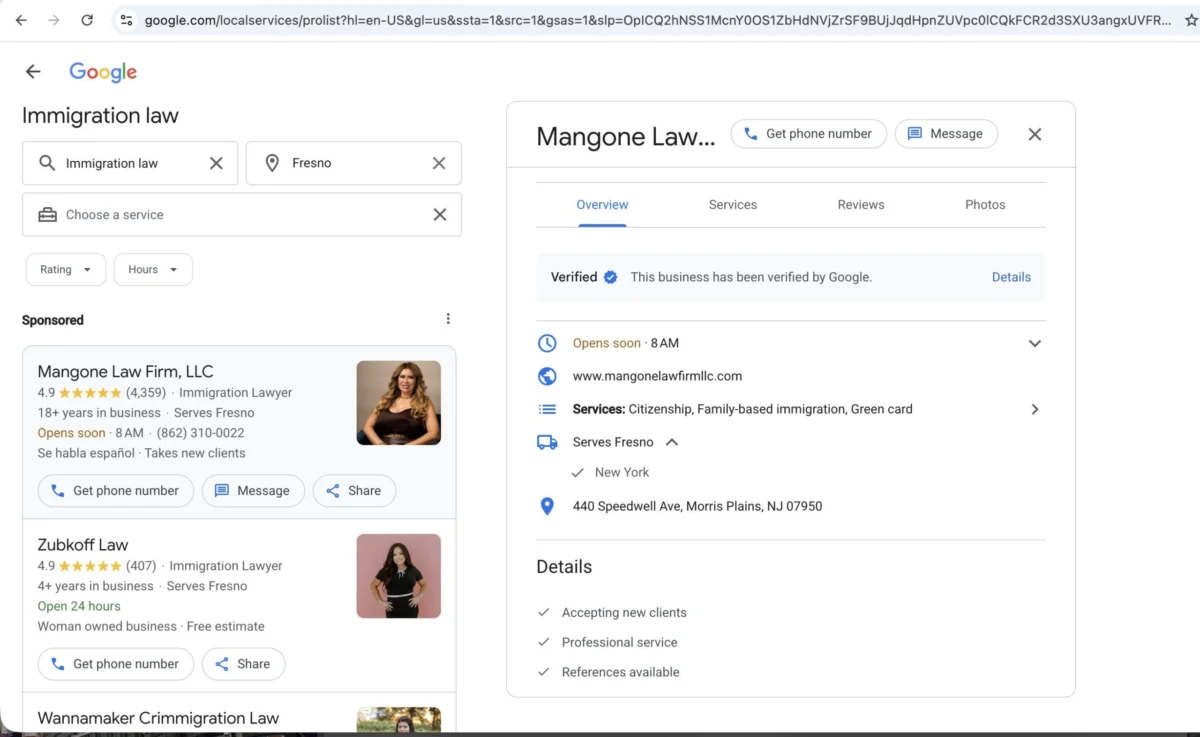
Google Business Profiles: New Actions and AI Agent: Google Business Profiles, vital for local businesses, received two notable updates. A new “Collected info” action button was introduced, likely streamlining the process for businesses to gather specific customer data or feedback directly through their profile. More significantly, Google added a “messages” button that incorporates an AI agent to Business Profiles. This feature allows businesses to leverage AI to handle initial customer inquiries, answer frequently asked questions, and even qualify leads, providing instant responses and potentially improving customer service efficiency. This move further solidifies Google’s push to integrate AI into local search and direct customer interactions.
Subscription Linking for News Publishers Policy Document (Removed): In an unusual turn of events, Google created and then swiftly removed a new policy document pertaining to subscription linking for news publishers. The brief appearance and subsequent withdrawal of this document suggest ongoing internal discussions or rapid policy adjustments regarding how Google handles content from news organizations that operate behind paywalls. This area has been a complex one, balancing the need for access to information with supporting the business models of news publishers. The temporary publication hints at Google’s active exploration of new frameworks for integrating subscription-based news content within its search and discovery platforms.
This past week has been a whirlwind of activity for Google, from a impactful spam update to a flurry of AI integrations and advertiser-focused enhancements. The consistent theme remains Google’s dual commitment to maintaining the quality and relevance of its search results while simultaneously pushing the boundaries of AI and empowering businesses with more sophisticated tools for digital engagement. For webmasters, advertisers, and digital marketers, staying abreast of these rapid developments is not merely advantageous but essential for navigating the ever-evolving digital landscape.