Mountain View, CA – June 17, 2026 – The fundamental architecture of online search and Search Engine Optimization (SEO) has undergone a seismic shift, irrevocably altering how users discover information and how businesses strive for visibility. Google’s comprehensive search engine overhaul, unveiled at its annual I/O developer conference in May 2026, has officially marked the sunset of the traditional "ten blue links" era. In its place, search is evolving into an ecosystem of AI-powered interactive experiences, intelligent information agents, and dynamic, custom-generated interfaces that respond to user queries in real-time.
This transformation is not a distant theoretical concept; it is actively reshaping user behavior and the digital marketing landscape. Google’s AI Overviews are now accessible to over 2.5 billion monthly users, with its conversational AI Mode reaching more than a billion. Simultaneously, the adoption of Large Language Models (LLMs) like ChatGPT and Microsoft Copilot as primary discovery tools by business-to-business (B2B) buyers has surged. According to a recent Forrester report, a staggering 94% of business buyers now incorporate AI into their procurement processes, underscoring the profound disruption underway.
This paradigm shift presents a genuine challenge to established digital marketing strategies. The decline in traditional referral traffic from search engines for many publishers and brands is no longer a nascent trend but an accelerating reality. The rise of "zero-click search" – where users find answers directly on the search results page without needing to click through to a website – was already a significant hurdle. The advent of generative user interfaces and information agents is poised to intensify this challenge, demanding a fundamental reevaluation of how digital presence is established and maintained.
Despite these seismic changes, a core principle remains steadfast: brands that consistently deliver the most relevant, trustworthy, and comprehensive answers to their customers’ needs will continue to capture attention and win in the digital arena. The key to success lies not in resisting this evolution, but in understanding and adapting to it.
Beyond the SEO vs. AEO Dichotomy: A Unified Approach
The discourse surrounding the future of search often frames a dichotomy between traditional SEO and the emerging field of AI Engine Optimization (AEO), or Generative Engine Optimization (GEO) as it’s increasingly being termed. However, this perspective is a mischaracterization of the evolving reality. The fundamental tactics that earn credibility with human users are precisely those that AI systems are being trained to recognize and prioritize. SEO and GEO are not mutually exclusive disciplines but rather two interconnected facets of a singular objective: to be the most valuable resource for a given query.
For over two decades, TopRank Marketing, a prominent digital marketing agency, has been at the forefront of SEO practices. Their deep engagement with the intersection of traditional search, AI-driven search, and content strategy has provided a unique vantage point for observing these developments. The following ten strategies, distilled from their expertise and observations in 2026, outline the essential steps for maintaining visibility and competitiveness in this transformed digital ecosystem.
Ten Essential Strategies for Thriving in the AI-Powered Search Landscape of 2026
10. Strategic Topic Research: Unearthing Opportunities Beyond Keywords
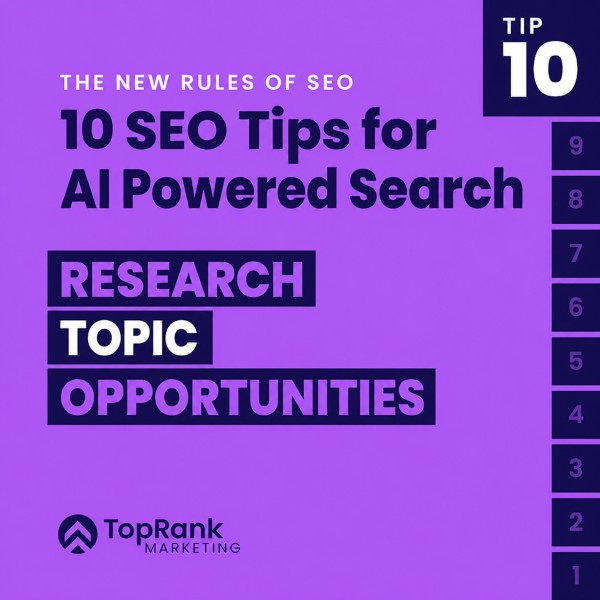
The days of relying solely on keyword lists and associated search volume for strategic planning are over. In 2026, a comprehensive glossary extends far beyond simple keyword metrics. It involves clustering prompts, queries, and search terms into logical thematic groups. For each cluster, a deep understanding of user intent, the buyer’s journey stage, competitor gaps, and the nuanced questions your audience is actively asking is paramount.
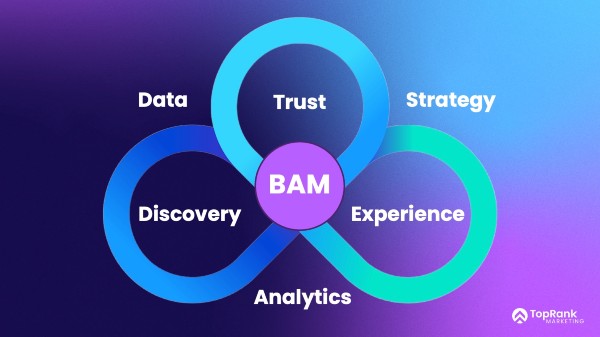
As AI agents increasingly handle information retrieval, prioritizing topics with the highest potential for generating genuine traffic and engagement is critical. Frameworks like TopRank Marketing’s "Best Answer Marketing" leverage a rich tapestry of data sources – from CRM and web analytics to specialized SEO tools like Semrush and Ahrefs. This approach integrates layered "People Also Ask" (PAA) data and query fan-out simulations to meticulously map how AI systems expand upon initial buyer inquiries.
9. Redefining Success: Measuring Influence Over Mere Clicks
The proliferation of zero-click search results and LLM citations that may not always include direct source links necessitates a broader definition of success in 2026. While this presents measurement challenges, it also offers an opportunity to move beyond superficial vanity metrics and focus on more impactful indicators. The true measure of effectiveness lies not solely in the number of clicks, but in the content’s ability to influence a buyer’s knowledge, foster trust, and guide their subsequent actions.
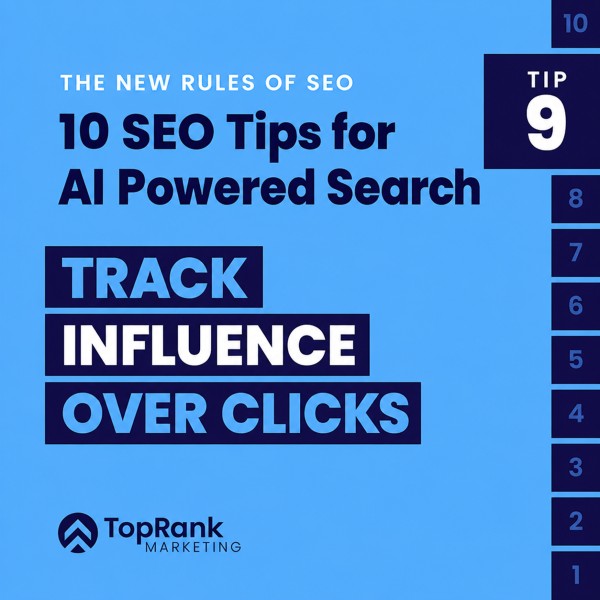
Visibility, whether achieved through traditional search engines or AI-driven platforms, is only partially reflected in conventional analytics. A more holistic assessment requires understanding the profound impact your content has on shaping buyer perceptions and decision-making processes.
8. Uncovering the "Why": Identifying the Underlying Questions Behind Queries
The long-standing emphasis on understanding "search intent" as a cornerstone of SEO strategy has never been more critical, and its scope has expanded significantly beyond Google. Today’s buyers are articulating their needs to AI tools through complex, conversational queries, moving away from simplistic keyword strings. Consequently, content strategies must adapt to mirror this natural language evolution.
To effectively serve as the "best answer" for user inquiries, a deep comprehension of the questions being asked is indispensable. Mapping content to these underlying questions is fundamental to achieving relevant visibility across all digital discovery platforms. This requires looking beyond basic keyword data. Engaging directly with sales and customer support teams to understand the real-world questions prospects are posing, mining CRM data, conducting customer interviews, and performing targeted audience research are all vital components of this process. The most enduring visibility – across search engines, LLMs, and earned media – is derived from content that authentically addresses buyer questions, rather than content superficially optimized around perceived queries.
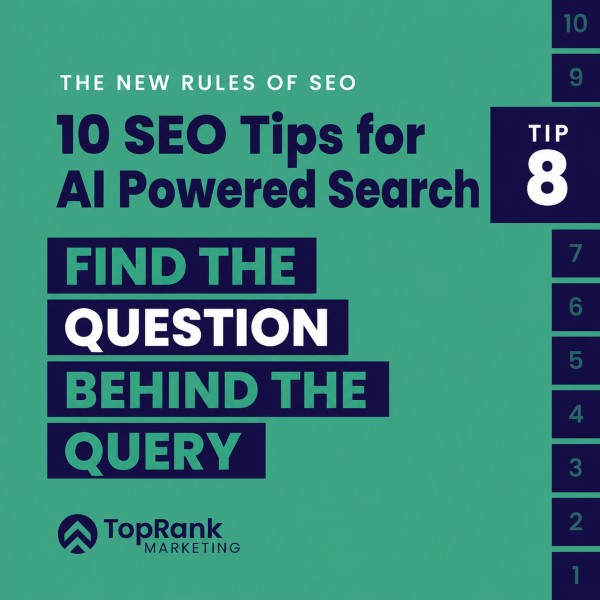
As Lee Odden, CEO of TopRank Marketing, aptly states, "To deliver best answer content, you have to understand the questions being asked. This means drilling down into the specific needs of each stakeholder on the committee from technical evaluators to financial decision-makers and end-users."
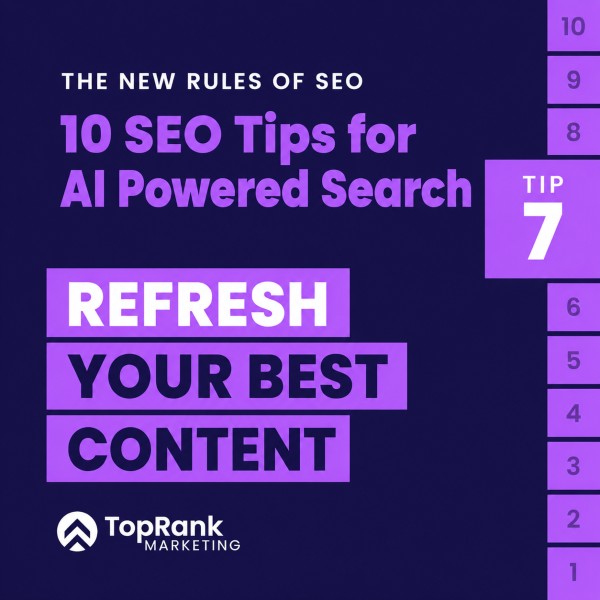
7. Revitalizing Content: The Power of Refreshing Existing Assets
In an era where AI systems rigorously evaluate freshness, authority, and depth, outdated content can become a significant liability. Implementing a systematic process to audit high-visibility pages and refresh them strategically is essential. This involves updating statistics, incorporating current expert quotes, sharpening brand perspectives, and injecting original insights that cannot be replicated elsewhere. For websites with extensive content libraries, prioritizing refresh efforts based on potential impact can conserve resources and accelerate demonstrable gains.
Published content that has accumulated established equity often represents the most resource-efficient pathway to achieving meaningful improvements in visibility and engagement. Jane Bartel, Director of Search & Content Marketing at TopRank Marketing, emphasizes, "Many businesses are sitting on a goldmine of published content. With a smart approach to refreshes and repurposing, the value of that content can be actualized with more visibility and better conversions from search."
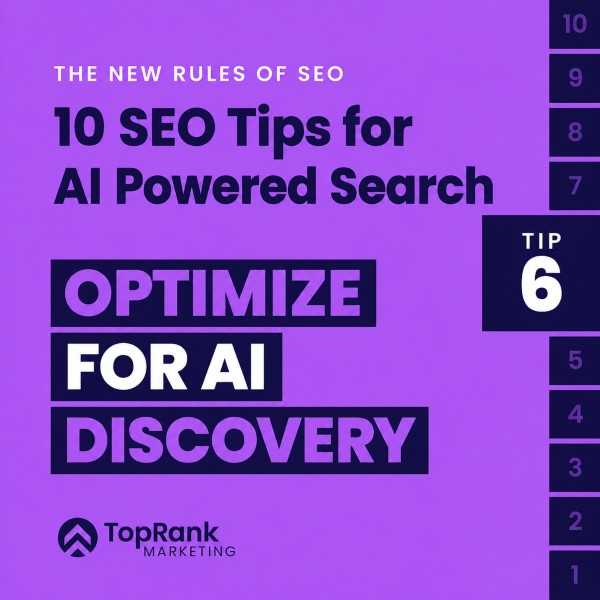
6. Optimizing for AI Search and LLMs: Speaking the Language of Intelligent Agents
B2B buyers are increasingly leveraging AI tools such as ChatGPT, Perplexity, and Gemini for their research needs. These platforms, in turn, draw upon the same core signals that have historically driven traditional SEO: authoritative sources, well-structured content, credible citations, and robust brand signals across multiple channels.
To achieve visibility within these "answer engines," practical steps include:
- Structured Data Markup: Implementing schema markup to provide AI with clear, machine-readable context about your content.
- Entity Recognition: Focusing on creating content that clearly defines entities (people, places, organizations, concepts) relevant to your industry, making it easier for AI to understand and categorize.
- Clear and Concise Language: Employing direct, unambiguous language that answers questions comprehensively and avoids jargon where possible.
- Building Authority Signals: Cultivating a strong online reputation through consistent, high-quality content, positive reviews, and industry recognition.
The "Best Answer Framework" developed by TopRank Marketing serves as a unifying principle, guiding B2B brands in becoming the most credible, specific, and useful response to a buyer’s genuine questions. This framework bridges the gap between traditional SEO, AI search visibility, and effective content strategy.
5. Publishing for Belief: Cultivating Trust Beyond Rankings
Achieving visibility is rendered less impactful if the underlying content fails to engender trust. In an environment where AI content generation tools are widely accessible, the true differentiator lies in credibility. This credibility is forged through content that is uniquely produced by your brand and solidified by a consensus across media, conversations, and channels that establishes your brand as a definitive source of truth.
Original research, firsthand expert perspectives, compelling customer narratives, earned media coverage, and co-created content with respected industry voices are all forms of valuable assets that AI-generated content struggles to replicate. This type of content garners citations from LLMs, builds profound trust with buyers, and attracts coverage from authoritative industry publications.
Ryan Leighty, Associate Director of Search at TopRank Marketing, observes, "AI can generate content that ranks. It cannot create content that only your brand could have written. That gap is where trust gets built." The objective is to transcend mere question-answering and actively build consensus, providing LLMs with the verifiable evidence needed to select your content as the definitive answer, and equipping buyers with the confidence to act upon those insights.
4. The Unwavering Importance of Technical SEO
The advent of AI-powered search has not diminished the foundational importance of technical SEO. A well-structured, fast-loading, crawlable, and mobile-optimized website remains the bedrock upon which all other search visibility efforts are built. AI systems are incapable of surfacing content they cannot reliably access and parse.
Regular audits of page speed, crawlability, schema markup, and mobile performance are indispensable. Leveraging specialized SEO tools to meticulously evaluate contextual relevance at the page level is also crucial. Technical SEO functions as the essential infrastructure of your online presence; while it may not single-handedly win the game, a compromised foundation will inevitably lead to defeat.
3. Prioritizing E-E-A-T: Resonance with Humans and AI
Google’s E-E-A-T framework – Experience, Expertise, Authoritativeness, and Trustworthiness – was originally designed to identify content worthy of surfacing. Crucially, the signals that satisfy these criteria align closely with the parameters LLMs employ when determining authoritative sources.
Conducting E-E-A-T audits can illuminate key opportunities for improvement. This includes prominently highlighting human authorship and internal expertise, citing original data, and making credentials readily visible. Genuine expertise is consistently cited by buyers when they seek authoritative answers.
2. Adapting to the Evolving SERP Reality
Google’s recent overhaul of its search interface, featuring generative UI, AI Mode, and sophisticated information agents, is actively reshaping user search behavior. Brands can no longer afford to adopt a wait-and-see approach. This necessitates a strategic shift towards doubling down on bottom-of-funnel content that captures high purchase intent, investing in signals that enable AI systems to recognize your brand as a trusted authority, and implementing separate tracking for AI search traffic as attribution becomes increasingly fragmented.
1. Compounding Authority Through Integrated Third-Party Citations, Content, and Influence
While citations from credible sources remain a foundational element, their effectiveness in 2026 is amplified when integrated into a holistic authority strategy. For LLM visibility, the value of inbound links from other websites, while still relevant for driving direct traffic, is increasingly superseded by credible citations from authoritative entities. Third-party citations, robust internal linking, and earned media coverage collectively transmit powerful credibility signals to both search engines and AI systems.
The creation of unique, citable content – particularly content that AI systems or competitors cannot easily replicate – continues to be a highly effective strategy. A particularly potent approach involves integrating topic-themed original research with thought leadership. This entails publishing original research, collaborating with influential industry figures for context and validation, securing media placements for this research in trusted publications, and actively driving social conversations around the themed topics through influencer, social, and content marketing initiatives, all while maintaining a cohesive internal linking structure. Authority is multiplicative; investing in your differentiated authority now provides a distinct advantage over competitors who rely on generic AI-driven advice.
The Enduring Foundation of SEO in the AI Era
The widespread transformation of Google’s search capabilities has understandably generated frustration, as it fundamentally redefines online discovery. However, the core logic of search visibility – being findable, credible, and useful – remains immutable.
B2B brands poised for success in 2026 and beyond will be those that approach search visibility, AI search presence, and content credibility as a unified, integrated strategy, rather than a collection of disparate workstreams. Embracing a data-informed, integrated system focused on crafting multi-channel content experiences designed to build trust, secure citations, and foster decision confidence is the defining factor that separates those who are overwhelmed by the AI search revolution from those who are achieving tangible, impactful results. This is the essence of becoming a "Best Answer Brand."
The current landscape presents an opportunity for brands to reassess their positioning and proactively adapt. For those seeking to understand their readiness for this new era, a comprehensive assessment is the crucial first step.