India’s ascent to becoming the world’s most populous nation presents a colossal, yet largely untapped, opportunity for global brands. While its e-commerce sales are currently dwarfed by giants like China and the United States, the trajectory points towards significant future growth. However, navigating this dynamic market requires more than just an understanding of regulatory frameworks; it demands a keen insight into local consumer preferences, product demand, and competitive strategies. This article delves into the success stories of four homegrown Indian brands – Blue Tokai, Minimalist, Snitch, and Mokobara – offering invaluable lessons for foreign enterprises aiming to penetrate this burgeoning market. These brands exemplify how the right product, pricing, and distribution strategies can resonate powerfully with India’s expanding middle class, particularly its Gen Z and Millennial demographics, who together constitute approximately half of the nation’s 1.46 billion population.
The Indian E-commerce Frontier: Opportunities and Challenges
The potential for e-commerce growth in India is immense. As of early 2024, India’s internet penetration rate hovers around 50-60%, indicating a vast population that is increasingly coming online and, consequently, becoming accessible to digital commerce. This burgeoning digital economy is projected to reach hundreds of billions of dollars in the coming years, driven by factors such as increasing smartphone affordability, expanding internet infrastructure, and a growing digitally-native consumer base.
Foreign brands looking to tap into this market face a complex regulatory environment designed to protect domestic sellers. As previously discussed, established pathways for foreign entry include establishing their own marketplaces, partnering with local distributors, engaging in cross-border transactions, or directly selling company-owned products to consumers. While these routes provide a framework for market entry, they do not guarantee success. A critical, and often overlooked, aspect is understanding the nuances of consumer demand and the competitive landscape. Entering the Indian market without a clear grasp of what consumers want and how local competitors are succeeding can lead to significant challenges, even for established international brands.

Decoding Consumer Preferences: The Success of Indian Brands
The success of domestic brands in India offers a compelling blueprint for understanding what resonates with the modern Indian consumer. These brands have not only mastered product-market fit but have also demonstrated agility in adapting to evolving consumer behaviors and preferences. Their strategies often revolve around understanding the aspirations and economic realities of their target demographics, particularly the younger generations who are more exposed to global trends and have higher disposable incomes.
Blue Tokai: Cultivating a Coffee Culture in a Tea-Dominant Nation
India has traditionally been a nation where tea reigns supreme, with coffee consumption being a niche market. However, Blue Tokai, a 13-year-old homegrown brand, has achieved what many international players, including Starbucks, have struggled to do: it has successfully cultivated a widespread appreciation for specialty coffee. Blue Tokai has expanded its footprint to over 240 stores, primarily appealing to price-conscious urban consumers who are seeking a premium experience without an exorbitant price tag.
The brand’s strategy hinges on several key pillars. Firstly, its outlets are designed to offer a premium ambiance, creating a welcoming space for consumers to engage with the coffee culture. Secondly, Blue Tokai prices its coffee approximately 25% lower than its direct competitors, making specialty coffee more accessible to a broader segment of the urban population. Crucially, the brand emphasizes transparency by providing detailed information about the origin, roasting process, and tasting notes of its coffee. This educational approach empowers consumers, fostering a deeper connection with the product and its origins.
The impact of Blue Tokai’s approach has been significant, contributing to a discernible cultural shift in India’s beverage preferences. Its success has spurred the growth of a competitive landscape, with emerging brands like Third Wave Coffee, Sleepy Owl, and Rage Coffee adopting similar strategies to capture market share. This ripple effect underscores Blue Tokai’s role in democratizing specialty coffee consumption in India.
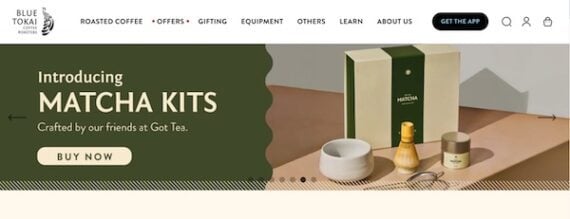
- Timeline: Founded in 2011, Blue Tokai has steadily grown its presence, with its rapid expansion in recent years.
- Supporting Data: While exact figures for Blue Tokai’s market share are proprietary, the proliferation of specialty coffee shops across Indian metros and tier-2 cities indicates a significant market expansion, with Blue Tokai being a key driver.
- Analysis of Implications: Blue Tokai’s success demonstrates that even in established markets with dominant traditional preferences, a focused strategy on quality, accessibility, and consumer education can create entirely new demand segments. For foreign brands, this highlights the importance of understanding cultural nuances and adapting product offerings to local tastes and price sensitivities.
Minimalist: The Rise of Transparent and Affordable Skincare
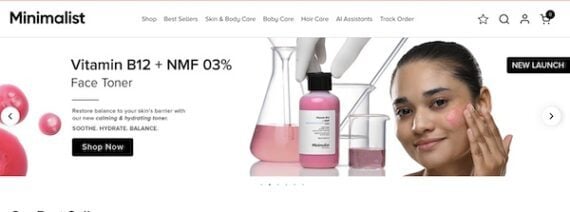
Launched in 2020, Minimalist has rapidly become a darling of younger Indian adults, particularly those in their late teens and twenties, who are increasingly seeking beauty and personal care products that are both effective and ethically produced. The brand’s core philosophy centers on transparency, quality ingredients, and straightforward communication, effectively cutting through the often-hyped marketing prevalent in the beauty industry.
Minimalist distinguishes itself by clearly listing all ingredients on its packaging and actively educating consumers about their purpose and benefits. This commitment to transparency builds trust and empowers shoppers to make informed decisions. The brand’s minimalist packaging, honest advertising campaigns, and carefully managed pricing strategy have cultivated a loyal customer base among discerning buyers who value substance over superficiality.
In an industry often plagued by high customer acquisition costs, excessive inventory, and aggressive discounting, Minimalist has charted a different course. By manufacturing in-house, selling directly to consumers (D2C), maintaining a curated product portfolio, and pricing its goods competitively below premium competitors, the brand has achieved remarkable efficiency and profitability. This strategic approach not only resonated with consumers but also attracted the attention of industry giants. In a significant development in 2025, consumer goods conglomerate Hindustan Unilever acquired a 90% stake in Minimalist for a reported $350 million, a testament to the brand’s disruptive success and its appeal to the evolving Indian consumer.
- Timeline: Founded in 2020, Minimalist’s rapid ascent culminated in its acquisition by Hindustan Unilever in 2025.
- Supporting Data: The beauty and personal care market in India is projected to reach over $28 billion by 2025, with skincare being a major growth driver. Minimalist’s success within this segment, particularly among younger demographics, highlights a significant shift towards conscious consumerism.
- Analysis of Implications: Minimalist’s acquisition by a global behemoth underscores the immense value of brands that can build trust through transparency and deliver quality at accessible price points. For foreign beauty brands, this signals an opportunity to either compete on similar principles or to acquire and integrate agile, consumer-centric Indian brands.
Snitch: Fast Fashion for the Digital Native Generation
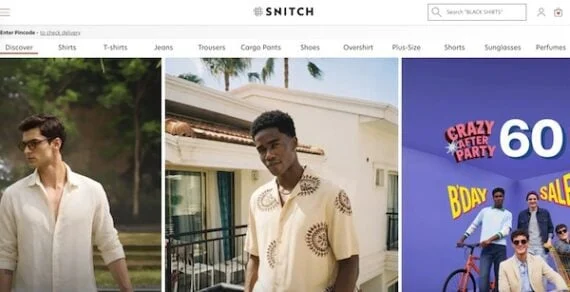
Snitch, a men’s fast-fashion brand, has experienced a meteoric rise since its inception. Initially launched in 2019 as a business-to-business (B2B) supplier for physical retail stores, the company strategically pivoted to online direct-to-consumer (D2C) sales in 2020. Today, D2C channels account for an impressive 90% of its total revenue.
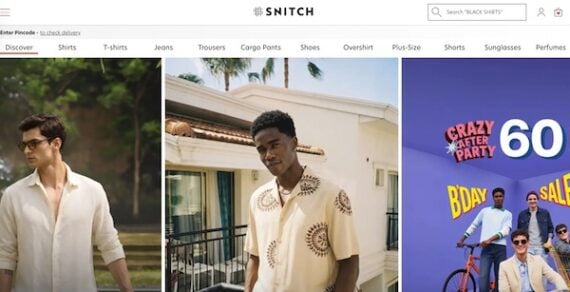
The brand has effectively adapted Zara’s global fast-fashion model to the Indian context, focusing on rapidly translating immediate trends into wearable apparel. Snitch’s success is built on a robust end-to-end supply chain and an aspirational branding strategy that directly targets India’s Gen Z and Millennial consumers. The company boasts an exceptionally short design-to-shelf cycle, typically less than 25 days, allowing it to launch approximately 10 new styles daily. These styles are often produced in small batches, sometimes as few as a few dozen units per stock-keeping unit (SKU), creating a sense of exclusivity and urgency among its customer base.
A key differentiator for Snitch is its innovative use of artificial intelligence (AI) to monitor user behavior across social media platforms. This allows the company to gauge sentiment around new product launches in real-time. If a product garners positive feedback, production is quickly scaled up; conversely, negative sentiment leads to its rapid discontinuation. This agile approach minimizes unsold inventory and ensures that the brand remains highly responsive to market demand.
- Timeline: Founded in 2019, Snitch transitioned to D2C sales in 2020, experiencing rapid growth in subsequent years.
- Supporting Data: The Indian apparel market is projected to grow significantly, with the online segment showing particularly strong momentum. Snitch’s rapid product turnover and AI-driven demand forecasting are critical strategies in this fast-paced environment.
- Analysis of Implications: Snitch’s model demonstrates the power of leveraging technology to achieve hyper-responsiveness in the fashion industry. For foreign fashion retailers, this highlights the necessity of integrating advanced analytics and agile supply chains to compete effectively in India’s dynamic market. The ability to quickly identify and capitalize on emerging trends is paramount.
Mokobara: Redefining Luggage and Accessories for the Modern Traveler
Mokobara is actively disrupting India’s luggage and accessories market, a sector historically dominated by established brands such as VIP, Samsonite, and Safari. Since its launch in 2020, Mokobara has focused on offering stylish, high-quality travel bags at accessible price points, filling a significant gap in the market between low-cost, uninspired options and premium, expensive alternatives.
The brand initially established itself as a D2C seller through its branded website. It has since expanded its reach to include D2C sales via e-commerce marketplaces and its own physical stores, further enhancing its accessibility. Mokobara has also embraced the quick commerce trend, offering 30-minute delivery in select areas, a significant advantage in a market where convenience is increasingly valued.
Mokobara’s success stems from its keen understanding of the modern traveler’s aspirations. Consumers are seeking not just functional luggage but also products that reflect their personal style and are made from durable, high-quality materials. The brand’s focus on contemporary design aesthetics and premium materials, combined with its competitive pricing, has resonated strongly with its target audience. Reports suggest that Mokobara’s revenue has grown an astounding 20-fold since 2022, indicating a powerful market reception.
- Timeline: Launched in 2020, Mokobara has achieved rapid growth in the subsequent years, with significant revenue acceleration reported from 2022 onwards.
- Supporting Data: The global luggage market is a multi-billion dollar industry, and India represents a significant growth frontier. Mokobara’s strategy of combining style, quality, and accessibility addresses a growing demand for premium-yet-affordable travel gear.
- Analysis of Implications: Mokobara’s success story emphasizes the importance of identifying and catering to underserved market segments. By offering a compelling value proposition that balances aesthetics, quality, and price, the brand has carved out a significant niche. Foreign luggage and accessory brands must consider how to differentiate themselves beyond brand legacy, focusing on design innovation and value delivery to capture the attention of the modern Indian consumer.
Broader Impact and Future Outlook
The success of these four Indian brands – Blue Tokai, Minimalist, Snitch, and Mokobara – offers a rich tapestry of insights for foreign companies contemplating entry into the Indian market. These homegrown enterprises have demonstrated that understanding and catering to the evolving aspirations and economic realities of India’s burgeoning middle class, particularly its digitally-savvy younger generations, is paramount. Their strategies underscore the importance of:
- Product-Market Fit: Offering products that address specific consumer needs and desires, whether it’s accessible specialty coffee, transparent skincare, on-trend fast fashion, or stylish yet affordable travel gear.
- Strategic Pricing: Balancing perceived value with affordability, ensuring that products are accessible to the target demographic without compromising on quality.
- Agile Distribution: Leveraging D2C models, online marketplaces, and efficient logistics, including quick commerce, to reach consumers effectively.
- Consumer Education and Transparency: Building trust through clear communication about product origins, ingredients, and benefits, especially critical in sectors like beauty and personal care.
- Technological Integration: Utilizing data analytics and AI for demand forecasting, trend identification, and supply chain optimization, as exemplified by Snitch.
The Indian e-commerce landscape is not merely a market to be entered but a dynamic ecosystem that rewards innovation, adaptability, and a deep understanding of local consumer behavior. As India continues its economic ascent, the lessons learned from these successful domestic brands will undoubtedly shape the strategies of both local and international players vying for a share of this vast and promising market. Foreign brands that can emulate the agility, consumer-centricity, and strategic acumen displayed by Blue Tokai, Minimalist, Snitch, and Mokobara will be best positioned for enduring success in India’s evolving consumer journey.