AI content creation tools are sophisticated applications leveraging artificial intelligence to generate diverse forms of content, including written text, visual media, audio, and video, typically in response to user-defined prompts. These platforms are fundamentally transforming how marketing and content teams operate, enabling unprecedented speed and scale in content production. The burgeoning generative AI sector, a driving force behind this revolution, is projected to achieve a staggering $394.66 billion market valuation, underscoring its profound impact on industries worldwide, with AI-driven content emerging as a defining trend in social media for 2026.

The Evolution of AI in Content Creation
The journey of AI in content creation has accelerated dramatically in recent years. Initially, AI applications in content were largely confined to rudimentary tasks such as grammar checking, basic keyword generation, and content curation based on predefined rules. However, the advent of sophisticated large language models (LLMs) and advanced generative adversarial networks (GANs) and diffusion models for image generation, particularly around 2022-2023, marked a pivotal shift. Tools like OpenAI’s GPT series and Midjourney democratized the ability to generate human-like text and highly stylized images from simple prompts, propelling generative AI into the mainstream. By 2026, these tools have evolved beyond single-modal functions, becoming multi-modal and workflow-aware. This means they are capable of drafting text, designing visuals, editing video, and seamlessly integrating into existing operational systems, thereby streamlining entire content pipelines.

Categorization of AI Content Tools
The contemporary landscape of AI content creation tools can broadly be categorized into five distinct segments, each addressing specific content needs:
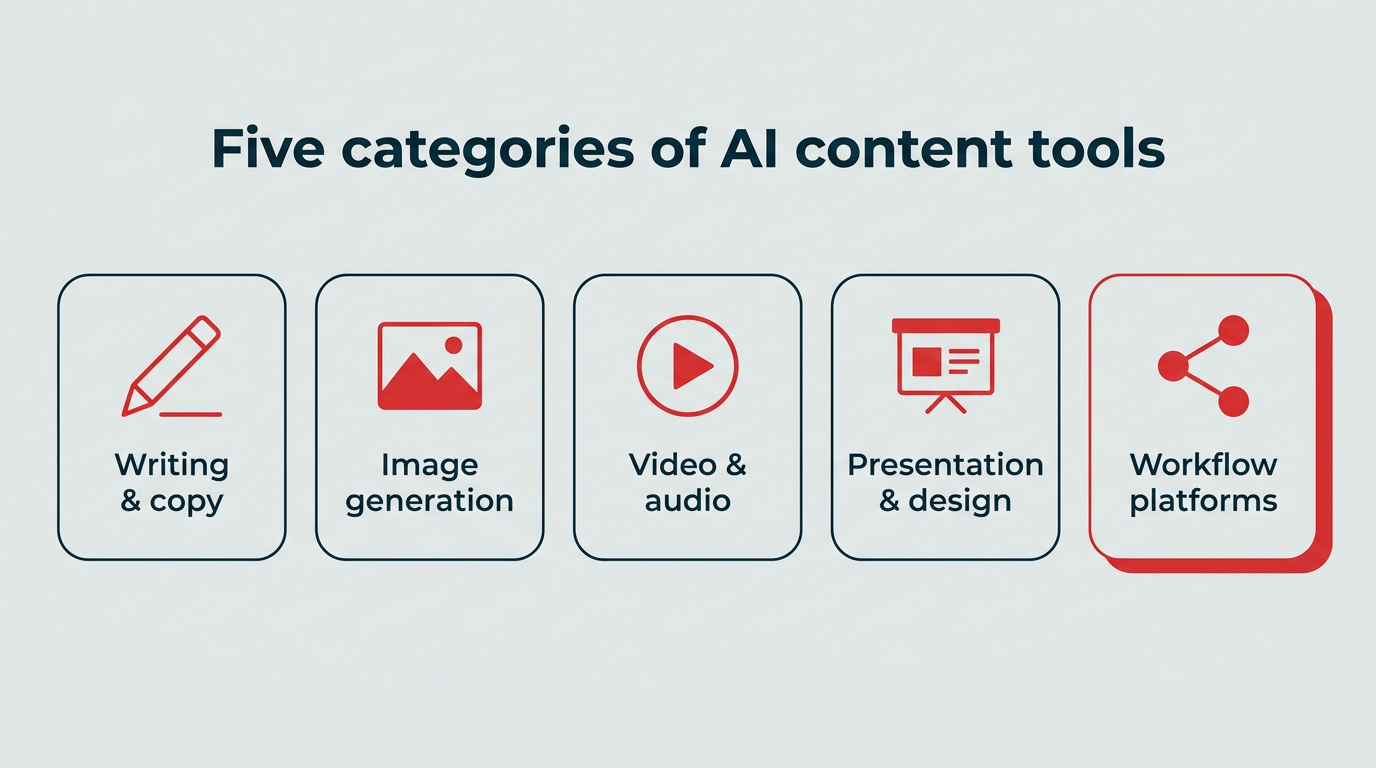
- Writing and Copy Generation: Tools focused on producing text-based content, from social media captions and blog drafts to comprehensive reports.
- Image Generation: Platforms designed to create, manipulate, and refine visual assets, including illustrations, graphics, and photorealistic images.
- Video and Audio Production: Applications that automate various aspects of video and audio editing, transcription, and generation.
- Presentation and Design: Tools that assist in creating visually appealing presentations, reports, and other structured documents.
- Workflow Platforms: Integrated solutions that connect various AI capabilities with broader content management, scheduling, analytics, and governance systems.
Prominent examples across these categories include ChatGPT, Midjourney, Jasper, Canva, Descript, and integrated solutions like Hootsuite’s AI writing tools, now incorporated within Perch inside Hootsuite Social OS, which exemplifies the trend towards comprehensive workflow integration.
Strategic Advantages of AI in Content Marketing
The adoption of AI content creation tools offers marketers several compelling strategic advantages, allowing them to optimize workflows and scale their efforts with greater efficiency.
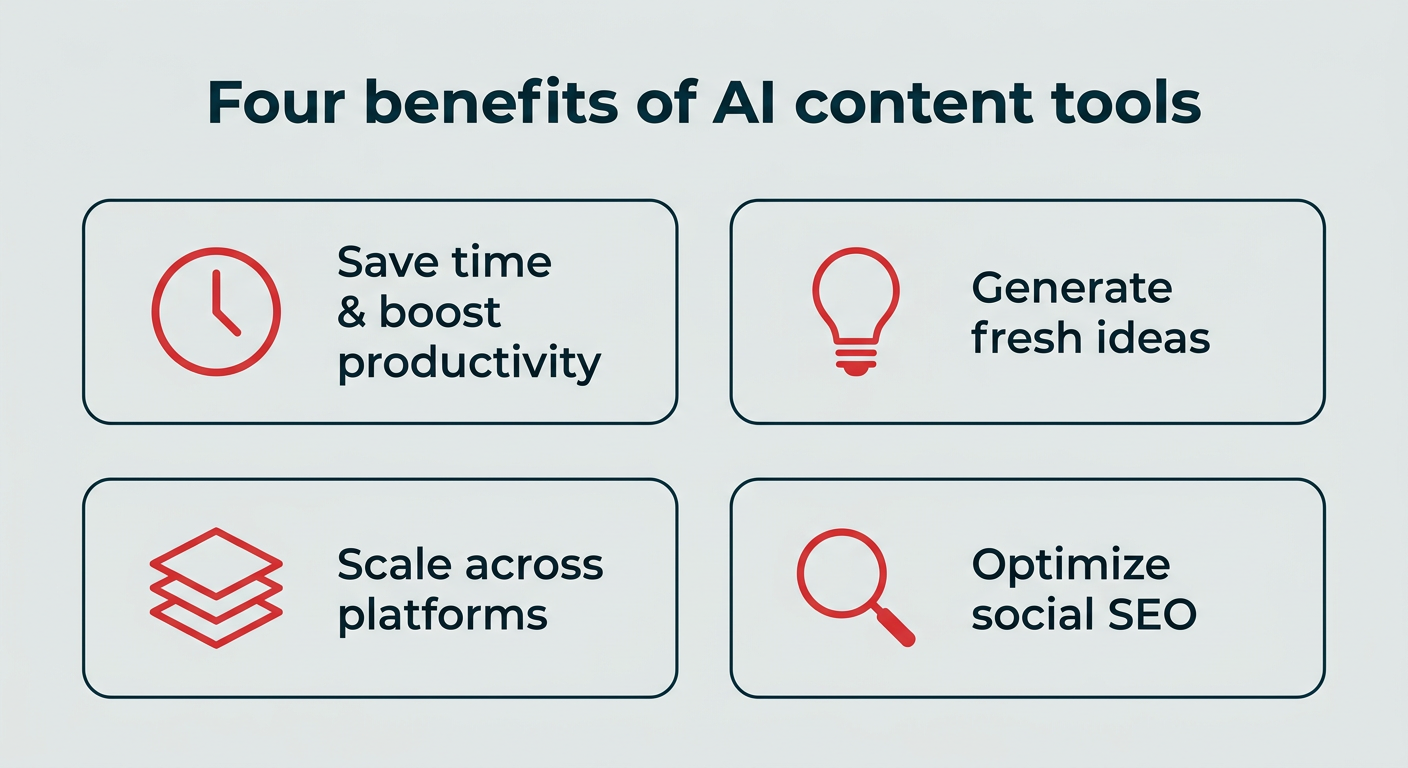
- Time Savings and Productivity Enhancement: A primary benefit is the significant reduction in manual effort and time spent on content production. Data indicates that over 51% of content professionals are utilizing AI to accelerate production timelines. AI can handle repetitive, lower-value tasks, freeing human teams to concentrate on strategic planning, creative oversight, and high-impact initiatives. For instance, tasks like generating multiple tweet variations from a single blog post or reformatting content into different structures can be completed in minutes rather than hours.
- Overcoming Creative Blocks and Idea Generation: Even seasoned creative professionals encounter ideation hurdles. AI acts as a powerful brainstorming partner, generating a plethora of prompts, angles, and initial content concepts. This provides a valuable starting point, often sparking new ideas that might not have emerged otherwise, without diminishing the essential human role in strategy and nuanced creativity.
- Scalability Across Platforms, Formats, and Regions: AI empowers teams to produce a higher volume of content across diverse platforms and formats without a proportional increase in workload. A single piece of content, such as a blog post, can be rapidly repurposed into an X (formerly Twitter) thread, a LinkedIn article, or a video script for Snapchat. For large enterprises, AI significantly enhances global reach by enabling rapid content translation and localization, adapting campaigns for different languages and cultural contexts without requiring extensive, separate production cycles.
- Optimization for Social SEO and Discoverability: Social media platforms, much like traditional search engines, operate on specific algorithms that dictate content visibility. AI tools can analyze these dynamics and suggest optimized keywords, relevant hashtags, and effective caption structures. This helps improve how content is surfaced in feeds and search results, ultimately increasing its discoverability and engagement among target audiences.
Leading AI Content Creation Tools in 2026: A Comparative Analysis
The market for AI content tools is dynamic and competitive, with various platforms excelling in different niches. Below is an overview of some of the leading tools, highlighting their core strengths and applications.
AI Writing and Copy Tools:
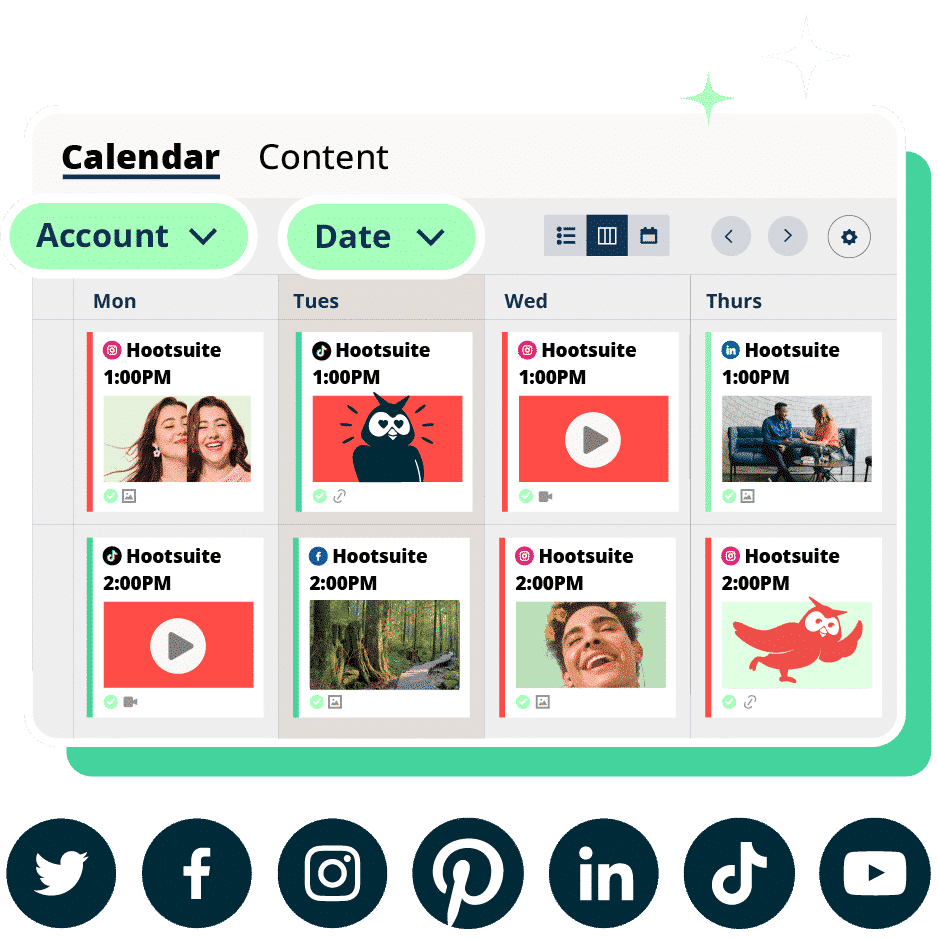
- Hootsuite Social OS (Perch + Wisdom): Integrated within Hootsuite’s comprehensive social media management platform, its AI writing capabilities (Perch) leverage a language model trained on Hootsuite’s extensive social media playbook. This ensures generated content is contextually relevant for social platforms. Wisdom, the AI orchestration layer, further connects creation with scheduling, analytics, and governance. It excels in generating social captions, post ideas, and content variations, directly within the workflow. Limitations: Primarily focused on social content, less suited for long-form blog drafting or technical documentation.
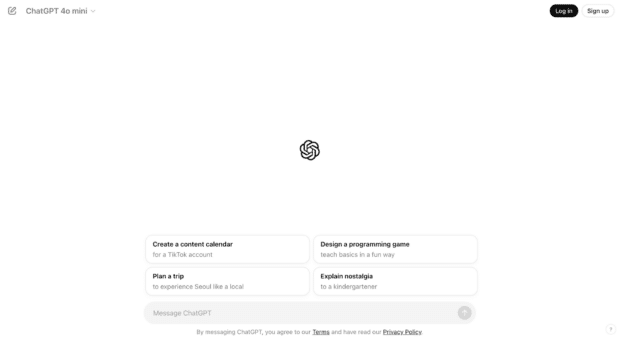
- ChatGPT: A general-purpose conversational AI assistant, ChatGPT is invaluable for drafting, brainstorming, outlining, and even generating images. Its versatility is enhanced by custom GPTs, allowing users to tailor its responses with specific brand context. While a powerful collaborator for initial drafts, human oversight is crucial for accuracy, nuance, and strategic direction. Limitations: Full drafts can be generic, and factual details require rigorous verification against primary sources.
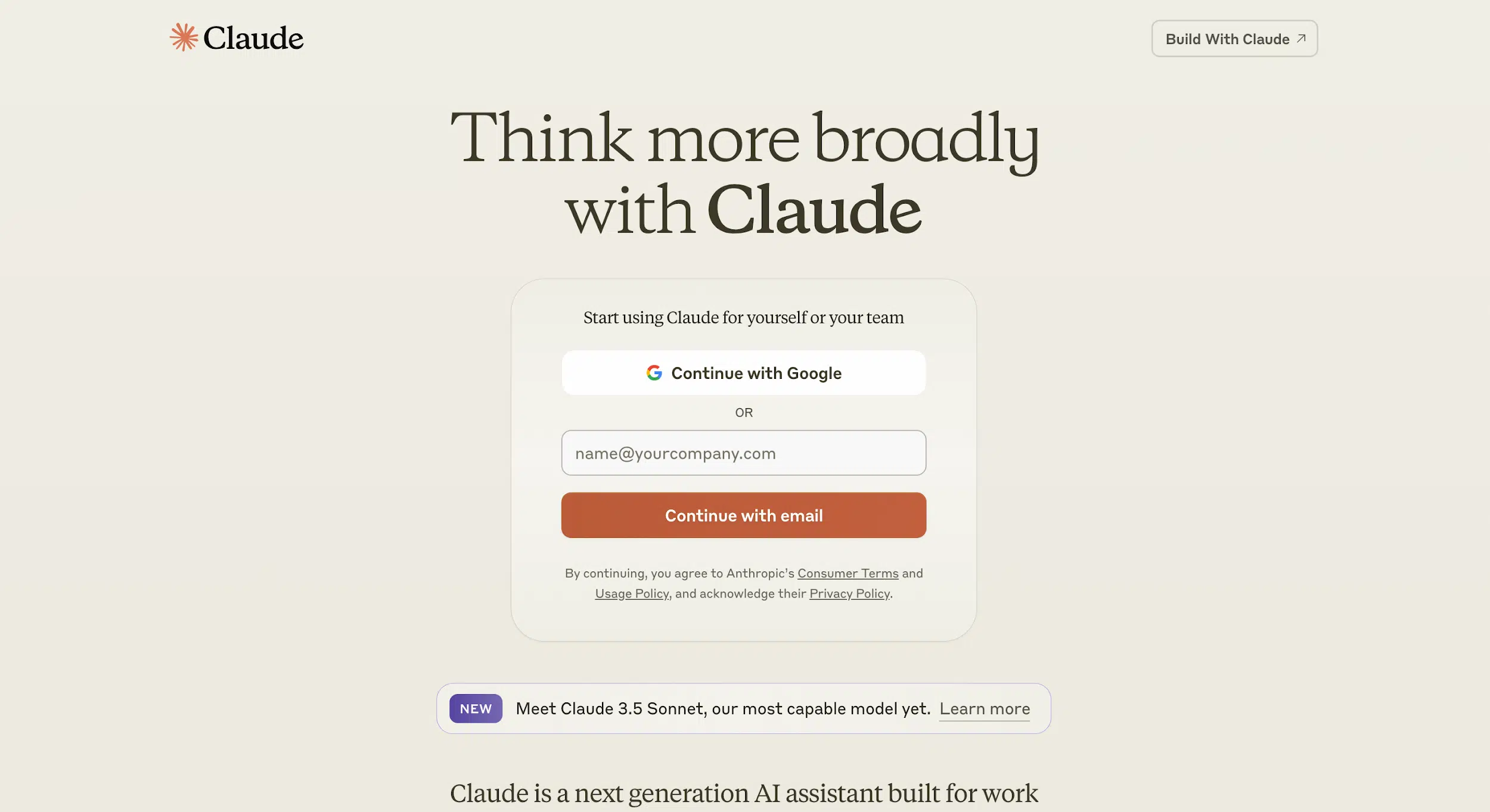
- Claude: Developed by Anthropic, Claude is known for its "Constitutional AI" framework, prioritizing safer and more reliable responses. It excels in processing large context windows, making it ideal for summarizing long documents, synthesizing research, generating code, and handling technical content. Limitations: Not an end-to-end content production tool; human review of summaries is essential before publication.
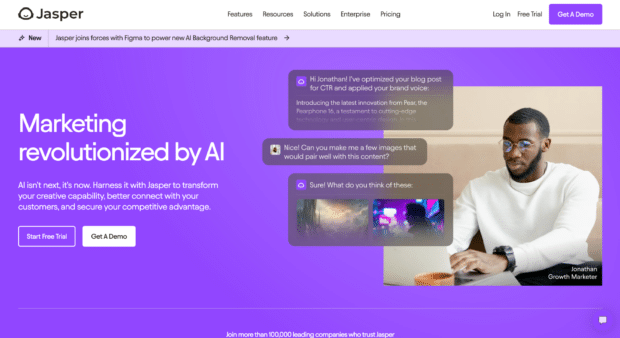
- Jasper: A popular alternative, Jasper specializes in maintaining brand voice and tone across high volumes of content, making it a favorite for marketing teams. It supports articles, social media content, scripts, and now includes AI image generation. Limitations: Best used for initial drafts or lower-stakes content; critical or pillar content still requires significant human writing and editing.
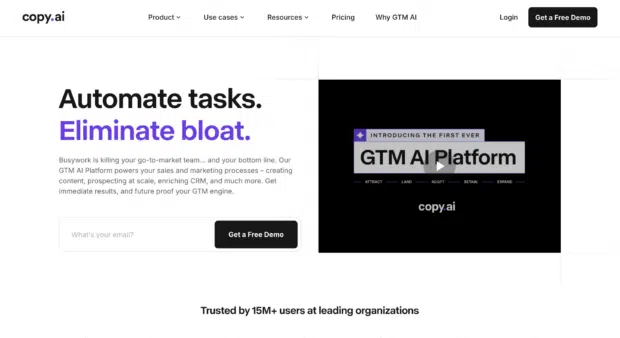
- Copy.ai: Designed for marketing and sales teams, Copy.ai goes beyond simple copy generation to support the entire go-to-market (GTM) workflow. It can research accounts, generate outreach messages, and analyze sales data, making it suitable for campaigns and account-based marketing. Limitations: Its focus on sales and GTM motions makes it less ideal as a primary social media content tool.
AI Image Generation Tools:
- Midjourney: Renowned for its distinctive artistic style, Midjourney generates high-quality images from text prompts. Available as a Discord bot and a web app, it offers extensive control over art style, aspect ratio, and background transparency, making it excellent for stylized social graphics and campaign concepts. Limitations: Requires ongoing demand for AI graphics to justify subscription; photorealistic results often demand complex prompting.
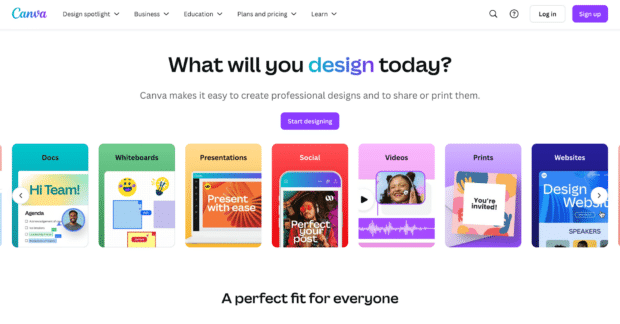
- Canva: A graphic design platform with powerful AI features under "Magic Design," Canva streamlines the creation of presentations, documents, and social media visuals. It integrates directly with platforms like Hootsuite, allowing for seamless design-to-publish workflows. Its AI can suggest templates based on uploaded content or generate designs from text prompts, and perform quick edits like background removal. Limitations: While excellent for quick, on-brand visuals, it doesn’t replace the need for professional human designers in establishing core brand identity.
AI Video Creation Tools:
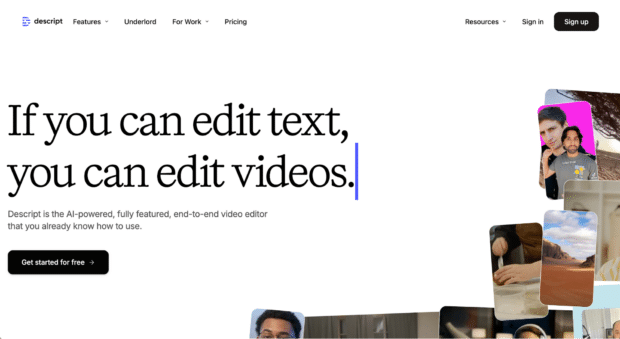
- Descript: This AI-powered audio and video editor simplifies the production of long-form videos, podcasts, and short social clips. Its standout feature is transcript-based editing, where users edit the text transcript, and the video automatically updates, significantly lowering the barrier for entry into video editing. Limitations: Requires existing footage to start; it’s an editing tool, not a video generator from scratch.
- InVideo: An AI-powered tool that generates short-form videos directly from text prompts. It’s particularly useful for small teams lacking extensive video production resources. Users can refine generated videos by adjusting language, visuals, or pacing through follow-up prompts. Limitations: Less suitable for long-form or highly detailed informational videos; generated content often needs manual adjustments for brand tone.
AI Presentation and Design Tools:
- Beautiful.ai: This AI-powered presentation tool automates the design process, creating polished slides quickly. It’s highly beneficial for social media marketers preparing reports for stakeholders, pitching campaign ideas, or creating shareable online content like LinkedIn carousel posts (which export to PDF). Limitations: Less suited for in-depth, research-heavy presentations requiring bespoke layouts.
Free AI Content Creation Tools:
For tasks that don’t warrant a full subscription, several free AI tools are available. Hootsuite offers free tools like its Caption Generator, Hashtag Generator, and YouTube Video Description Generator, all specifically built for social platforms. Other free utilities exist for image resizing, video editing, and content repurposing, providing accessible entry points for smaller teams or specific tasks. While useful for basic needs, professional teams typically upgrade to paid tiers for advanced features, collaboration, and governance.
Challenges and Limitations of AI Content Creation
Despite their immense capabilities, AI content creation tools come with inherent limitations and challenges that require careful management:
- Hallucinations and Factual Inaccuracy: AI models can sometimes generate plausible-sounding but entirely false information, often referred to as "hallucinations." This necessitates rigorous fact-checking and verification by human editors.
- Lack of Original Insight and Critical Judgment: AI operates on existing data, meaning it cannot reliably produce genuinely novel research, original thought, or subjective critical judgment. Human creativity and strategic thinking remain indispensable.
- Generic Output and Brand Voice Drift: Without careful prompting and integration of brand guidelines, AI-generated content can often sound generic or fail to align with a brand’s unique voice and tone.
- Bias and Ethical Concerns: AI models are trained on vast datasets, which can sometimes contain biases present in the original data. This can lead to outputs that are unintentionally discriminatory, stereotypical, or reflect harmful perspectives. Ethical considerations also extend to data privacy, intellectual property, and the potential for misuse in generating misinformation.
- Compliance and Regulatory Exposure: In regulated industries, the use of AI for content creation introduces compliance risks. Ensuring that AI-generated content adheres to industry-specific regulations and legal standards requires robust human oversight and validation processes.
As Tracy Rawlinson, a freelance writer, notes, "Many content creators use ChatGPT for outlining (including me). But relying on this alone can leave out a whole heap of important info, like the latest research, expert insights, current trends/demographics, and recent industry case studies." This underscores the necessity of human intervention to ensure content is current, well-rounded, and strategically sound.
Building an Effective AI Content Creation Workflow
Integrating AI tools effectively requires a structured workflow that complements existing processes:
- Define Content Goals and Audience: Clearly articulate the purpose of the content and the target audience. This context is crucial for guiding AI prompts and ensuring relevant output.
- Choose the Right Tool: Select AI tools that are best suited for specific content types and tasks. A multi-tool approach, integrating specialized writing, image, and video AI with a central planning and publishing platform, is often most effective.
- Establish Brand Guidelines and AI Guardrails: Document detailed brand voice, tone, style guides, and explicit instructions on forbidden phrases or topics. Crucially, define what AI is permitted to generate independently and what always requires human authorship and approval. This proactive step prevents inconsistencies and minimizes cleanup efforts.
- Draft with AI, Edit with Humans: Utilize AI for initial drafts, outlines, content variations, and formatting. The subsequent human editing phase is critical for ensuring accuracy, infusing original insights, and verifying adherence to brand guidelines. Building this review step into the production calendar is paramount.
- Publish, Measure, and Iterate: Track the performance of AI-assisted content against human-authored content. Analyze engagement, reach, and conversion metrics to identify successful strategies. Feed these insights back into prompt engineering and template refinement to continuously optimize AI output.
Optimizing AI Tool Utilization
To maximize the benefits of AI content creation tools, marketers should adopt a mindset of collaboration rather than replacement. As Chelse Hensley, Social Media Strategist at Visme, advises, "Don’t use AI as an excuse to get lazy creatively." Instead, view AI as an administrative assistant, offloading tedious tasks like cleaning notes, formatting data, or repurposing content, thereby freeing human creativity for more impactful work.
Feeding AI tools with comprehensive brand guidelines is another critical step for maintaining consistency. Emily K. Schwartz, Head of Content and Comms at Haus, highlights this, stating, "By feeding an AI tool our style guide, voice, tone, and verbiage that is unique to our industry, product, and business, AI makes it easy for our brand voice to come through clearly and consistently." This ensures that regardless of the writer or context, the AI-generated content aligns perfectly with the brand’s identity, providing confidence to the entire team, especially new hires or contractors.
Conclusion: A Future of Augmented Creativity
The landscape of AI content creation in 2026 is one of rapid innovation and strategic integration. These tools are not merely automating tasks; they are augmenting human capabilities, enabling marketers to achieve greater scale, efficiency, and creative output. While challenges related to accuracy, originality, and ethics persist, a thoughtful approach that prioritizes human oversight, strategic planning, and continuous iteration ensures that AI remains a powerful, beneficial force in shaping the future of digital marketing. The emphasis will increasingly be on the synergistic relationship between human ingenuity and artificial intelligence, fostering an era of augmented creativity.