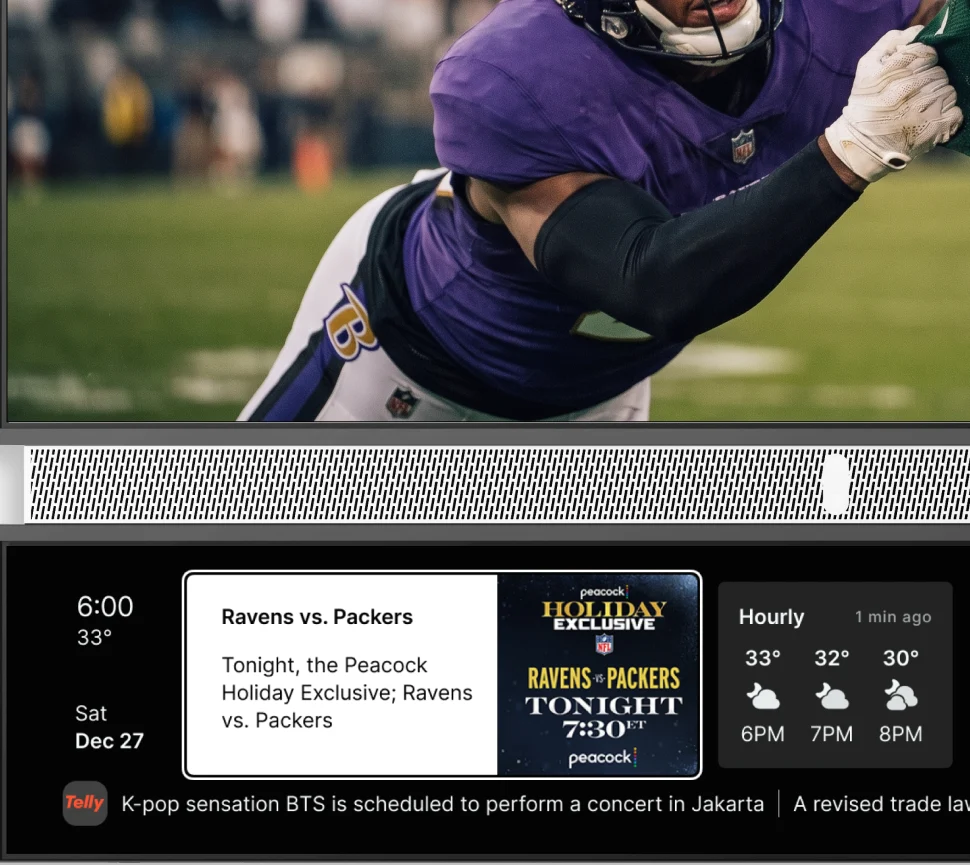
The burgeoning landscape of streaming television advertising is abuzz with the concept of "pause ads," a novel format that appears when a viewer momentarily halts playback. While industry discussions and advertiser interest are high, the actual widespread adoption of this innovative ad unit within programmatic buying pipelines faces significant hurdles. The core of the challenge lies in the absence of a standardized, scalable method for purchasing and executing these ads across the fragmented streaming ecosystem. This article delves into the current state of programmatic pause ads, exploring the industry’s efforts toward standardization, the motivations behind advertiser interest, the practical obstacles to adoption, and the potential future trajectory of this emerging ad format.
The IAB Tech Lab’s Standardization Initiative: Paving the Way for Programmatic Integration
Recognizing the growing demand for new ad formats within Connected TV (CTV), the IAB Tech Lab, a global digital advertising technical standards, initiatives, and policy-making body, initiated a crucial project last year. This initiative aims to establish standardized programmatic signals for innovative streaming TV ad formats. Beyond pause ads, the scope includes other emerging units such as dynamically inserted in-scene ads and placements on smart TV home screens. The objective is to create a unified framework that allows advertisers and agencies to seamlessly integrate these new ad types into their programmatic buying strategies, mirroring the efficiency and scalability they expect from traditional digital channels.
The IAB Tech Lab undertook a comprehensive public comment period, inviting industry stakeholders to provide feedback on proposed standards through early June. This collaborative approach is designed to ensure that the final specifications are robust, practical, and address the diverse needs of publishers, ad tech platforms, and advertisers. Currently, these comments are under review by relevant working groups. The organization anticipates rolling out the updated standards later this month, a development eagerly awaited by many in the industry who see it as a critical step towards unlocking the full potential of these new ad formats.
Advertiser Appetites for Pause Ads: A Glimpse into the "Why"
Despite the current programmatic limitations, a notable segment of brands is expressing significant enthusiasm for incorporating pause ads into their advertising strategies. Kevin Goy Ramos, Senior Manager of Media and Advanced Media Tech Solutions at Fiskars Group, a Finnish company renowned for its garden tools and lifestyle products, articulated this eagerness. For Fiskars, pause ads present a compelling opportunity to enhance brand awareness, particularly for new product launches. The company recently introduced a new line of electric-powered tools, and Ramos views pause ads as a potentially impactful channel for reaching consumers with this innovation.
Fiskars Group, a parent company encompassing various lifestyle and luxury brands, understands the need for sophisticated advertising solutions. However, Ramos clarified that Fiskars has not yet executed any pause ad campaigns. The primary prerequisite for adoption is the availability of programmatic capabilities that offer the flexibility, scale, and robust measurement that the brand expects from its digital media investments. This sentiment reflects a broader industry trend: while the allure of new formats is strong, advertisers are unwilling to compromise on the fundamental operational and analytical requirements that underpin successful programmatic advertising.
The Programmatic Divide: Direct Deals vs. Scalable Solutions
Currently, the vast majority of brands that are experimenting with or utilizing pause ads are doing so through direct deals negotiated with individual publishers or streaming platforms. This approach, while effective for targeted campaigns, lacks the inherent scalability and efficiency that programmatic buying offers. David Dworin, Chief Product Officer at FreeWheel, a prominent ad-serving and technology company, highlighted this reality. He stated that media buyers have "not really had the option to buy [pause ads] at scale any other way." This reliance on direct deals creates operational overhead and limits the ability to reach a broad audience across multiple platforms simultaneously.
The anticipated rollout of the IAB Tech Lab’s updated signals for programmatic pause ads is poised to change this dynamic. Once these standards are widely available and adopted by the industry, agencies will be empowered to execute pause ad campaigns across a multitude of streaming services and distributors with greater ease. This seamless integration into programmatic workflows is expected to significantly stimulate demand from buyers who predominantly operate within programmatic ecosystems. The ability to leverage existing programmatic infrastructure for these new ad units will lower the barrier to entry and encourage broader budget allocation.
In parallel to the IAB’s efforts, programmatic platforms are proactively developing their own solutions to facilitate pause ad transactions. Magnite, a leading sell-side platform (SSP), has already made pause ads available for programmatic purchase across select video distributors, including prominent names like Fubo, Dish, and DirecTV. This move by Magnite demonstrates a commitment to bridging the gap between advertiser demand and publisher inventory for this emerging format.
Similarly, FreeWheel has collaborated with several demand-side platforms (DSPs), most notably The Trade Desk, to enhance the clarity and differentiation of pause ad inventory within the bidstream. By clearly distinguishing pause ad opportunities from traditional commercial spots, these partnerships aim to streamline the buying process and ensure that media buyers can accurately identify and target relevant inventory.
Navigating the Friction Points: Publisher Disparities and Bidstream Inconsistencies
Despite these positive developments, several friction points continue to hinder the widespread adoption of programmatic pause ads. A significant challenge stems from the varied stages of development and technical implementation among publishers and distributors. Some have opted to build proprietary, native specifications for pause ads within their own platforms, while others favor the more universally recognized Video Ad Serving Template (VAST) standard. This lack of uniformity creates complexity for buyers seeking a consistent experience across different inventory sources.
From a publisher or distributor perspective, there remains a fundamental challenge in "integrating demand," as articulated by Jerrold Son, VP of Advertising Revenue Operations at Xumo, a free ad-supported streaming platform owned by Comcast. This refers to the difficulty in efficiently connecting diverse sources of advertiser demand with available inventory. The current ecosystem often requires bespoke integrations for each publisher, which is not conducive to scalable programmatic operations.
Another significant obstacle lies in the lack of interoperability between bids originating from different SSPs, such as FreeWheel and Magnite. Son explained that bids for pause ad inventory from these competing platforms are not currently translatable from one to another. This means that a unified auction where all eligible bids can compete for the same impression is not yet fully realized. "Right now, that’s a limiting factor," Son commented. The industry ideally needs a mechanism to "mediate" demand, allowing competing bids to contend for impressions in a standardized and equitable manner.
The Road Ahead: Standardization, Performance, and User Experience
Despite these ongoing challenges, a palpable sense of optimism pervades the industry regarding the future of programmatic pause ads. The expectation is that increased standardization will unlock significant revenue potential. Son from Xumo noted that they are already observing "higher CPMs on pause ads than we are on video ads," indicating a premium value associated with this format. Publishers and platforms anticipate that standardization will be the catalyst for a surge in new demand from a wider array of advertisers.
Rob Hazan, GM of Product Management at The Trade Desk, echoed this sentiment, predicting that once the IAB Tech Lab’s updated signaling standards are implemented, a broader spectrum of marketers will embrace pause ads. He specifically mentioned that some brands have been "holding out because of workflow and coordination challenges." Until these programmatic efficiencies are fully established, Hazan anticipates that agencies will likely continue to test pause ads on a limited scale, rather than making substantial budget allocations. Fiskars’ cautious approach serves as a prime example of this strategy, waiting for comprehensive programmatic standardization before committing significant investment.
However, standardization alone will not guarantee the long-term success of pause ads. Their ultimate integration into marketer media plans will also hinge on demonstrable performance. From an advertiser’s perspective, pause ads hold the promise of elevated brand awareness and consideration. Ramos of Fiskars believes that pause ads possess "better attention value" due to their user-initiated nature. This offers a refreshing departure from the often interruptive and overwhelming experience of traditional ad breaks, potentially leading to a more receptive audience. A recent report from FreeWheel’s Viewer Experience Lab on innovative ad formats highlighted the user-centric appeal of pause ads, suggesting a positive impact on viewer engagement.
The Nuances of User Intent and Predictability
While the user experience benefits are clear, the effectiveness of pause ads is not without its complexities. The reason a viewer presses pause can vary significantly. Some may pause to attend to a personal need, while others might pause to re-examine content, such as reading subtitles in a foreign language or capturing a specific visual element. Dworin of FreeWheel pointed out that "it’s not easy to intuit why someone hit pause," and this ambiguity can impact the advertiser’s ability to guarantee the intended ad experience.
Furthermore, advertisers face challenges in ensuring a consistent ad cadence or placement within specific programs. As Dworin explained, "You can’t guarantee that somebody is going to push pause" at a desired moment. The rise of binge-watching, where viewers consume content for extended periods without interruption, further complicates predictability. The common "are you still watching?" interstitials on some streaming platforms underscore this behavioral shift, suggesting that not all viewers actively engage with the pause function for extended periods.
Consumer viewing habits also play a critical role. While some brands might envision pause ads as a vehicle for driving immediate consumer action, such as scanning QR codes for shoppable content, the success of such initiatives remains uncertain. The effectiveness of these direct response tactics within a pause ad context is still largely unproven.
Unanswered Questions and Future Potential
Ultimately, the true potential of pause ads lies in their ability to deliver compelling performance metrics that justify their adoption. While they may lack the predictability of traditional ad formats, the hope is that they will compensate with superior engagement and impact. Hazan from The Trade Desk acknowledges that crucial questions remain unanswered: "What will the performance of pause ads look like, and will that performance be distinct from your typical in-stream supply?" The industry is eagerly awaiting data and insights that will illuminate the unique value proposition of pause ads and solidify their place in the evolving CTV advertising ecosystem. As standardization efforts progress and more data emerges, the industry will gain a clearer understanding of whether pause ads can indeed transition from a much-discussed concept to a fundamental component of programmatic advertising strategies.