rifanmuazin
In today’s hyper-connected digital landscape, the traditional marketing playbook of "show the ad, book the call, close the deal" is rapidly becoming insufficient. While direct response tactics remain crucial for immediate sales, a more profound and enduring strategy is gaining paramount importance: brand awareness. This approach, designed to cultivate a deep-seated trust and affinity with target consumers, operates on a compounding principle. Brands that consistently appear across diverse online touchpoints – from social media feeds and online forums to email inboxes and informational articles – are not starting from scratch when a purchase decision arises. Instead, they have already established a mental presence, positioning themselves as the preferred choice.

The advent of AI-powered search further amplifies the significance of brand awareness. Every positive mention, discussion, and reference across the web serves as an authority and trust signal, directly impacting a brand’s visibility on platforms like ChatGPT and Claude. These AI systems, designed to synthesize information and provide answers, increasingly rely on the collective digital footprint of a brand to gauge its credibility and relevance.
This comprehensive exploration delves into the fundamental principles of brand awareness, outlines effective strategies and practical examples, and incorporates insights from marketing experts to ensure businesses are not only recognized but also trusted by both their customer base and the evolving AI search ecosystems they interact with.

Defining Brand Awareness: The Foundation of Consumer Trust
At its core, brand awareness signifies the extent to which a target audience is familiar with a business, its offerings, its reputation, and its unique selling propositions that differentiate it from competitors. It represents the crucial initial stage of any purchase decision and is a primary driver of customer trust. Recognizing a distinctive font, recalling a memorable advertising jingle, easily identifying a favorite household product on a shelf, or remembering a helpful video from a local service provider are all tangible manifestations of brand awareness. For instance, the iconic golden arches of McDonald’s, when rendered in their signature font and color, instantly evoke associations with the brand and its offerings, a testament to decades of successful brand building.
Brand awareness exists on a spectrum, ranging from a consumer’s ability to recall a brand when prompted to being the undisputed leader in a particular product category, the only name that comes to mind. This familiarity is not merely about recognition; it’s about building a subconscious connection that influences perception and preference long before a direct sales interaction occurs.
The Multifaceted Benefits of Cultivating Brand Awareness
Investing in brand awareness yields a compounding return, simplifying and reducing the cost of customer acquisition, engagement, and conversion over time. The benefits are far-reaching and demonstrably impact a business’s growth trajectory:
Building Early Trust: The Bedrock of Consumer Confidence
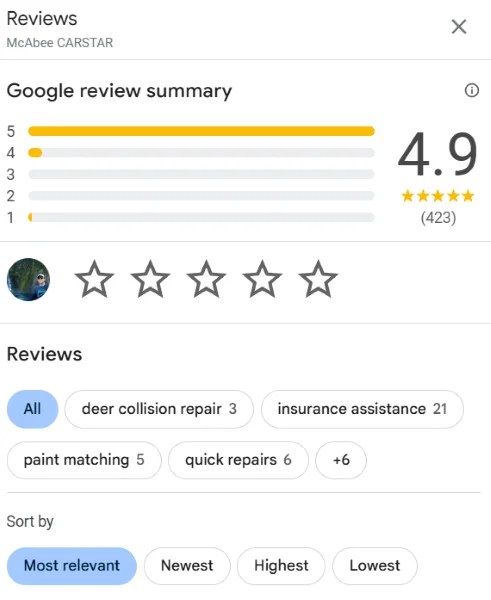
A staggering 81% of consumers report needing to trust a brand before making a purchase. This underscores trust as a non-negotiable objective for any business aiming for sustainable growth. Brand awareness plays a pivotal role in establishing this credibility, often doing the heavy lifting before a potential customer even makes initial contact. This proactive trust-building can significantly shorten the customer’s decision-making timeline and ensure the brand remains a top-of-mind option.
Andrew Chernoff, Vice President of Sales and Strategy at LocaliQ, emphasizes this point: "Performance without awareness is fragile. Short-term performance tactics degrade quickly without awareness upstream. Intentional awareness campaigns build mental availability, so when consumers (or AI agents) need an answer, your brand is already known, trusted, and preferred." This highlights how awareness acts as a foundational element, making all subsequent marketing efforts more effective.
Enhancing Performance Across All Marketing Channels
Brand awareness functions as a rising tide, elevating the effectiveness of all marketing initiatives. Whether it’s Search Engine Optimization (SEO), paid advertising, email marketing, or social media engagement, a pre-existing awareness of a brand significantly increases the likelihood of consumers paying attention and clicking through. Research indicates that company familiarity is a key driver for opening cold emails, with 46% of recipients citing it as a reason, nearly on par with promotional offers and significantly higher than compelling subject lines.
Stephanie Asrymbetov, a Senior Product Manager for Media Products at LocaliQ, notes the current challenges: "Signal loss from privacy changes, AI-driven auction dynamics, crowded feeds—they all create significant barriers to building a brand in the current landscape. The brands winning right now built familiarity before the click. Your brand awareness is what makes every downstream dollar work harder." This sentiment underscores the strategic imperative of building recognition before expecting immediate conversion.
Boosting Search and AI Visibility
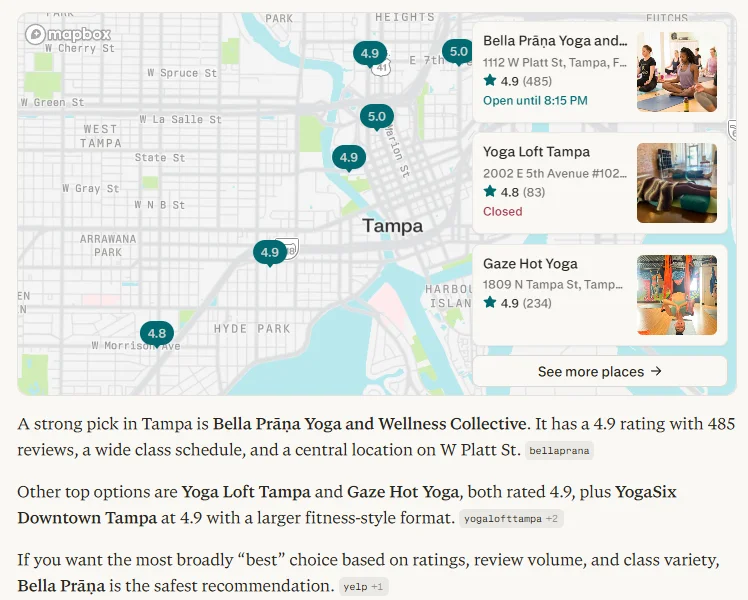
Search engines and AI tools are increasingly prioritizing brands that are frequently mentioned, searched by name, and discussed across the digital sphere. As Generative Engine Optimization (GEO) gains prominence, positive brand discussions on platforms like Reddit and social media are proving to be critical factors in how AI platforms, such as AI Overviews and ChatGPT, cite and recommend businesses. The more a brand is known and discussed, the more likely it is to be recognized and surfaced by these emerging search technologies.
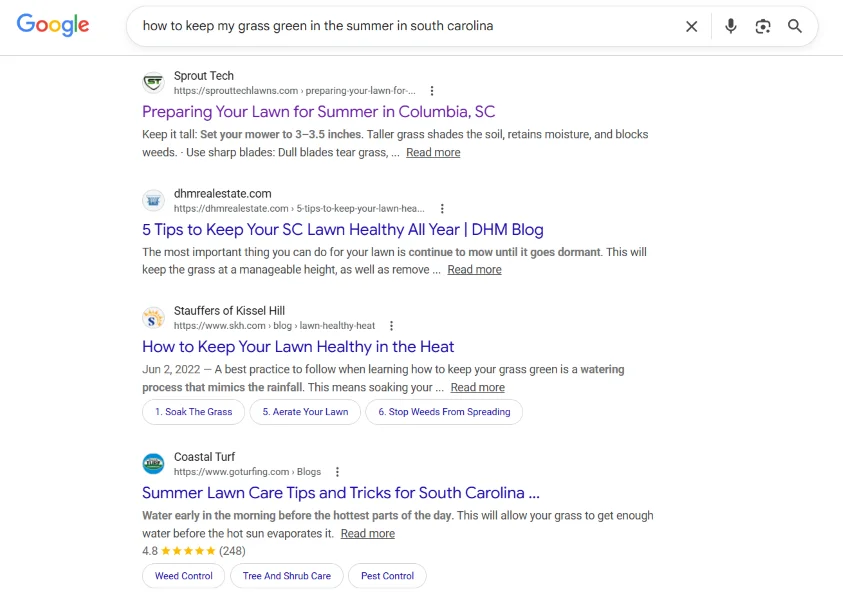
Dennis Wilson, VP of Product Management at LocaliQ, articulates this evolving dynamic: "Brand awareness matters more today because discovery is changing. Users are getting answers without clicks; AI is summarizing options before people ever visit a website. If your brand isn’t trusted, it may never be considered at all." This observation points to a future where passive discovery, driven by AI, will be a significant channel for consumer engagement.
Mitigating Pricing Pressure
A robust brand awareness campaign, particularly one that effectively communicates a unique selling proposition and positions the brand as a trusted solution, can elevate its perceived value. This allows businesses to move away from a purely price-driven competitive landscape and command premium pricing. Data consistently shows a correlation between strong brand recognition and higher perceived value, allowing companies to reduce reliance on constant discounting.

Chadi Irani, Regional Vice President of Advertising at USA TODAY Co., states, "Attention is fragmented, and decisions are faster. Whether it’s AI summaries, social feeds, or headlines, people are making quicker choices with less research. If your brand isn’t already familiar, you’re often not even considered. Awareness today is what gets you into the decision set in the first place." This highlights awareness as an entry ticket to the competitive arena.
Thirteen Proven Techniques for Building Brand Awareness
The practice of building brand awareness is far from new; ancient civilizations employed rudimentary forms of signage to inform patrons about local businesses. Today, a wealth of modern, effective strategies can be employed:

1. Establish Consistent Branding
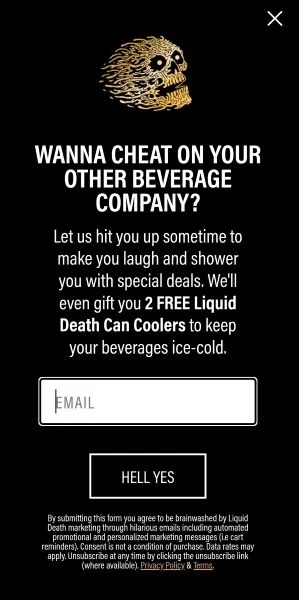
Before launching widespread promotional efforts, it is imperative to establish a cohesive and unique brand identity. Inconsistent branding can lead to fleeting attention rather than lasting recognition. A thorough branding exercise, encompassing elements like a unique logo, color palette, typography, brand voice, and mission statement, is a critical first step. Differentiation is key to standing out and being memorable. For example, Liquid Death’s aggressive and humorous branding aggressively cuts through the crowded beverage market, making it instantly recognizable and distinct.
2. Optimize for SEO and GEO
Search Engine Optimization (SEO) is a powerful and cost-effective brand awareness strategy, offering compounding returns over time. When users search for information online, even without immediate purchase intent, appearing prominently in search results exposes them to your brand. Generative Engine Optimization (GEO) is the emerging counterpart, where AI tools citing your brand as a source can lead to recognition. Resources for SEO and GEO optimization are readily available to help businesses improve their online visibility.
3. Implement a Referral Program
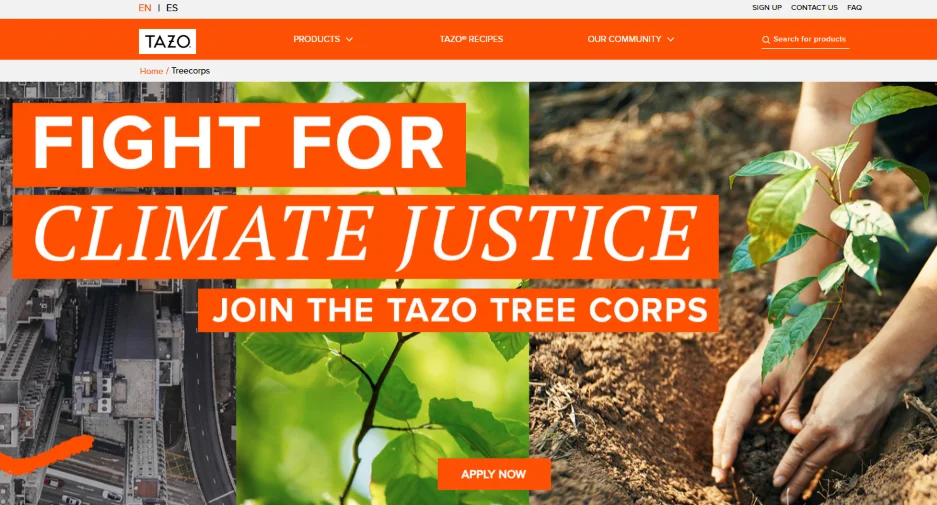
Customer referral programs are highly effective for brand awareness, introducing new potential customers through trusted recommendations. Encouraging customers to leave reviews and scaling this through incentives and referral marketing campaigns can significantly expand reach and build genuine trust.
4. Offer Complimentary Products or Services
"Free stuff" is a universally appealing concept that drives engagement and organic promotion. Offering freebies, such as samples, trials, webinars, or downloadable resources, can introduce your brand to new audiences and encourage sharing.

5. Forge Strategic Brand Partnerships
Collaborating with complementary brands allows for rapid audience expansion. Partnering with businesses that share a similar target demographic but offer non-competing products or services can lead to co-hosted events, contests, and promotions. For instance, a yoga studio might partner with a healthy smoothie shop. Similarly, collaborations with non-profits or the exchange of leads and social media mentions can amplify reach.
6. Engage with Influencers
Influencer marketing, while often associated with direct sales, is also a potent tool for introducing a brand to an established audience. Selecting influencers whose values align with the brand and whose followers are genuinely engaged is paramount for effective collaboration.
7. Leverage Social Media Platforms
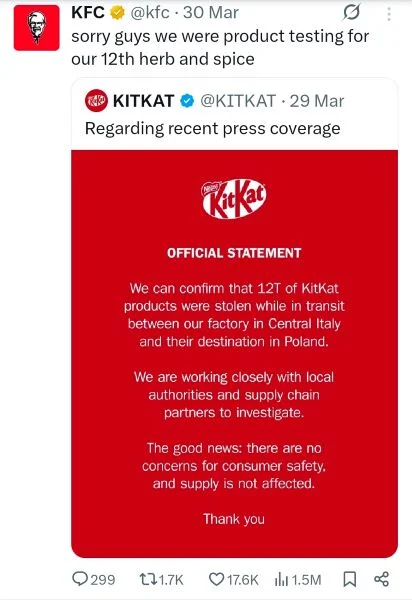
Social media marketing is a primary driver of website traffic, leads, and sales, and it serves as an excellent platform for brand visibility. Demonstrating personality and maintaining a consistent brand voice are crucial. For example, KFC’s witty social media presence goes beyond just promoting its products, contributing to its overall brand recognition.
8. Invest in Display Advertising
While often used for direct response, display ads can effectively build brand awareness within specific target audiences. Optimizing ad creative for clear brand messaging and consistent language across all units, as suggested by Jeff Book, VP of Sales Operations at USA TODAY Co., helps AI systems associate brands with relevant business categories and contexts.

9. Run Social Media Contests
Opt-in social media contests can amplify brand reach through network effects. Requiring participants to tag friends and like posts can instantly connect a brand with new networks and boost visibility through algorithmic favor.
10. Share Valuable Content
Content marketing remains a cornerstone of brand awareness. Providing helpful and informative content, much like John Deere did with farming advice for farmers, establishes a brand as a knowledgeable resource across various channels. Localizing this content to specific geographic areas can further enhance its relevance.

11. Manage Remarketing Campaigns
Remarketing allows for repeated exposure to individuals who have previously interacted with a brand. By tagging site visitors and showing them display ads across different platforms, brands can reinforce recognition. Stephanie Asrymbetov suggests a cross-channel remarketing strategy, serving brand stories to interested audiences through social, display, and email campaigns, thereby reinforcing recognition without incurring the cost of reaching cold audiences.
12. Collect and Utilize User-Generated Content (UGC)
User-generated content, created by customers about a brand or its products, offers authentic and often more persuasive marketing than self-created content. Videos and images of customers using products can serve as powerful endorsements.
13. Distribute Business Cards
Business cards remain an inexpensive and versatile tool for brand awareness, particularly for service-based businesses. Including QR codes can facilitate easy contact information exchange and digital integration.
Four Creative Brand Awareness Strategies to Explore
Beyond the established methods, several innovative approaches can help brands stand out:

14. Publish Branded Content
Branded content merges the storytelling power of content marketing with the reach and targeting capabilities of paid advertising. This involves creating and publishing content that embeds a brand within trusted editorial environments, capturing audience attention and credibility. Andrew Chernoff notes, "It’s important to own the environment where the story lives, not just buy impressions. Brand awareness increases when brands are embedded within trusted editorial content, not layered on top of it."
15. Utilize Direct Mail Marketing
Direct mail offers a tangible touchpoint, placing physical materials into the hands of potential customers. Modern direct mail campaigns can blend online and offline tactics, offering personalized engagement with local audiences.

16. Place Print Advertisements
Print ads, a time-tested method, leverage the credibility of trusted publications. Consistent presence within these familiar environments, as highlighted by Cami Porter, Regional Vice President of Sales at USA TODAY Co., can build ongoing visibility and familiarity over time.
17. Engage in Guest Posting
Guest posting involves writing articles for other websites, trading expertise for citation, backlinks, and exposure to a new audience. This strategy positions a brand as an expert in its field.

18. Appear on Podcasts
The growing popularity of podcasts offers a significant opportunity for brand awareness. Listeners often engage deeply with podcast content, making appearances on relevant shows an effective way to reach a dedicated audience.
19. Connect with Like-Minded Communities
Participating actively in online communities and forums related to a brand’s industry allows for genuine engagement and knowledge sharing, building a brand’s reputation as a trusted advisor without overt sales tactics.

Four Bold Brand Awareness Examples
Examining successful campaigns provides valuable insights for developing unique strategies:
Lean Cuisine: #WeighThis Campaign
In 2015, Lean Cuisine rebranded with the #WeighThis campaign, shifting from a "diet food" image to a focus on sustainable lifestyle choices. By creating a counterintuitive stance and a branded hashtag that encouraged user-generated content, they successfully pivoted public perception and generated significant buzz. This teaches that taking a bold, relatable stance on industry norms can foster powerful brand conversations.

Spotify: Wrapped
Spotify’s annual "Wrapped" campaign provides users with personalized listening data, transforming them into enthusiastic, unpaid brand ambassadors. The core takeaway is to leverage existing customer data to create shareable, engaging content that users are eager to disseminate, effectively turning customers into advocates.
M&M’s: Flavor Room
M&M’s created an immersive pop-up experience where consumers could vote on new flavors. This experiential marketing approach generated significant exposure, allowed for direct customer interaction, and provided opportunities for lead generation through giveaways. Pop-up events, regardless of scale, offer valuable opportunities for direct engagement and brand visibility.

Staples: Social Media Poll
Office supply retailer Staples utilized a simple social media poll on the contentious topic of toilet paper roll orientation. This strategy generated high engagement, sparked widespread conversation, and reinforced the brand’s presence in everyday discussions without direct product promotion. The lesson here is that a simple, engaging question can ignite significant brand buzz.
Crafting Your Brand Awareness Strategy
Developing an effective brand awareness strategy involves several key steps:

- Define Your Target Audience: Clearly identify who you want to reach.
- Set SMART Goals: Establish specific, measurable, achievable, relevant, and time-bound objectives for your awareness campaigns.
- Determine Your Brand Voice and Messaging: Ensure consistency in how your brand communicates.
- Choose Your Channels: Select the platforms and methods that best reach your target audience.
- Develop a Content Plan: Create engaging and valuable content aligned with your brand.
- Allocate Your Budget: Determine the financial resources for your initiatives.
- Establish Metrics for Success: Define how you will measure the impact of your efforts.
Measuring the Impact of Brand Awareness Initiatives
A comprehensive measurement plan is essential to gauge the effectiveness and return on investment of brand awareness efforts. Key areas to track include:
Tracking Search Behavior
An increase in branded search volume—when users unprompted search for your brand name—is a strong indicator of growing awareness. SEO tools can help monitor this trend. Stephanie Asrymbetov advises, "Track brand lift by monitoring branded search volume. When someone types your brand name into Google unprompted, that’s real recall, not a vanity metric."

Analyzing Audience Engagement
Metrics such as website traffic, social media engagement (likes, shares, comments), direct traffic, and brand mentions provide insights into how consumers are interacting with your brand. Dennis Wilson notes that modern brand measurement requires a holistic approach, combining branded search growth, share of answer, share of voice, and sentiment, while also considering AI’s role in brand discovery.
Monitoring Public Sentiment
Social listening tools can track what people are saying about your brand online, monitoring both the volume and sentiment of conversations.

Gathering Direct Feedback
Directly asking new customers how they heard about your business can reveal the most impactful awareness tactics. Jeff Book of USA TODAY Co. mentions that their network measures brand awareness through surveys that assess reader awareness, preference, consideration, and intent to engage with advertised brands.
Generating Brand Awareness for Sustainable Growth
Brand awareness is no longer an optional marketing component; it is fundamental to being discovered and considered in today’s competitive landscape. The approach to building awareness should be tailored to the specific business—a local painter might focus on yard signs and business cards, while a national brand might leverage display ads and a robust social media presence. Consistency and continuous efforts to create buzz are paramount. Marketing solutions can accelerate brand awareness, lead generation, and customer conversion success.