

A landing page is a standalone web page meticulously crafted with a singular purpose: to prompt visitors to execute one specific action. Devoid of typical navigational elements and extraneous distractions, it presents a focused appeal for a singular engagement. The strategic design and optimal performance of such a page are intrinsically linked to the precise action it aims to elicit. A page designed to gather email addresses will differ structurally and aesthetically from one purposed for direct product sales. Similarly, a page promoting an upcoming webinar requires distinct components compared to one announcing a pre-launch initiative. Misaligning the landing page type with its intended goal remains a primary driver of underperformance in digital campaigns.
Industry insights underscore the critical importance of these dedicated pages. According to AWeber’s research, a significant majority, over 90%, of small business owners who utilize landing pages recognize them as either important or very important to their overarching marketing strategy. The fundamental question for businesses today is no longer whether to integrate landing pages, but rather to discern which specific type to deploy and precisely when to do so for maximum impact. This strategic imperative is amplified by the increasingly competitive digital landscape, where every click and impression represents a valuable, often costly, opportunity.
The Evolution and Strategic Imperative of Landing Pages

The concept of dedicated landing pages evolved alongside the burgeoning digital marketing ecosystem. In the early days of the internet, websites were primarily informational hubs, with navigation-heavy designs. However, as online advertising gained traction and marketers began to analyze user behavior, it became evident that traditional website structures, while comprehensive, often diluted conversion potential due to an abundance of choices. This realization spurred the development of specialized pages designed to eliminate distractions and guide users toward a single, predetermined conversion goal.
This specialization became a strategic imperative. Data consistently demonstrates that optimized landing pages significantly enhance conversion rates, thereby improving the return on investment (ROI) for marketing expenditures. For instance, studies by marketing analytics firms often reveal that the top 10% of landing pages convert at rates exceeding 11%, while average pages hover around 2-5%. This stark difference highlights the power of focus and optimization. Furthermore, businesses that strategically implement more landing pages (e.g., 10-15 distinct pages) often report a substantial increase in lead generation, sometimes as high as 55%, compared to those with fewer pages. The core principle remains simple: a clearer path to conversion yields better results.
Deep Dive: Key Landing Page Archetypes and Their Strategic Applications
The diverse array of landing page types reflects the varied objectives of modern digital marketing campaigns. Each archetype is tailored to address specific stages of the customer journey, from initial awareness to final purchase.
I. Lead Generation Powerhouses
These landing pages are primarily designed to capture visitor information, typically email addresses, in exchange for value. They are foundational for building an audience and nurturing leads.
- Webinar Landing Pages: These pages are specifically engineered to promote upcoming live or recorded online events and facilitate attendee registration. Key elements include details about the webinar’s content, presenter, schedule, and, crucially, the compelling benefits for attendees. Effective webinar pages prioritize the attendee’s prospective learning outcomes or transformation, rather than merely listing speaker credentials. For example, a headline promising, “You’ll master email automation in 60 minutes,” resonates more powerfully than a simple biography. Industry data indicates that webinars remain highly effective lead generation tools, with average attendance rates often reaching 40-50% of registrants.
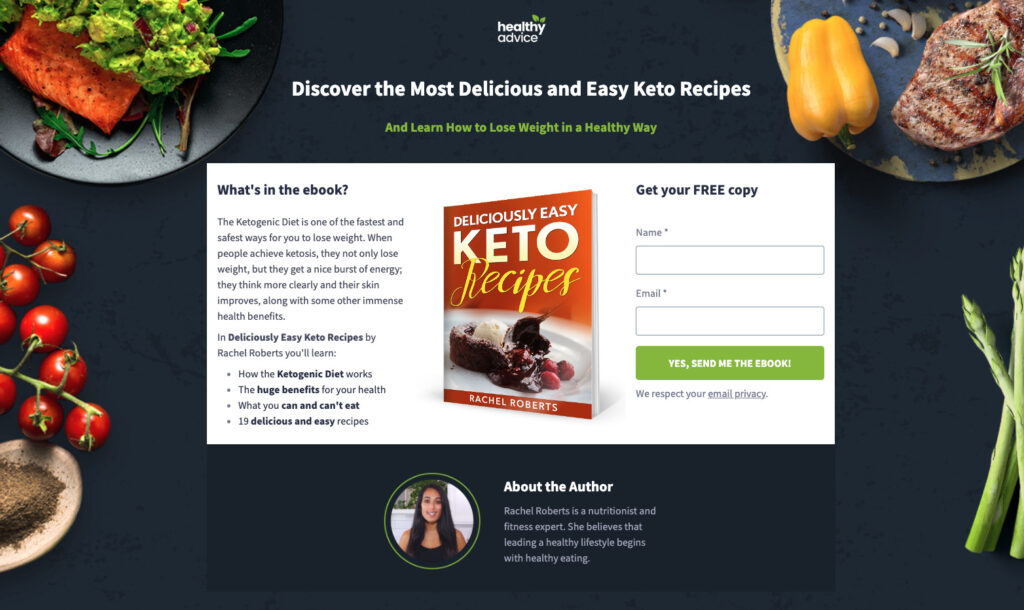
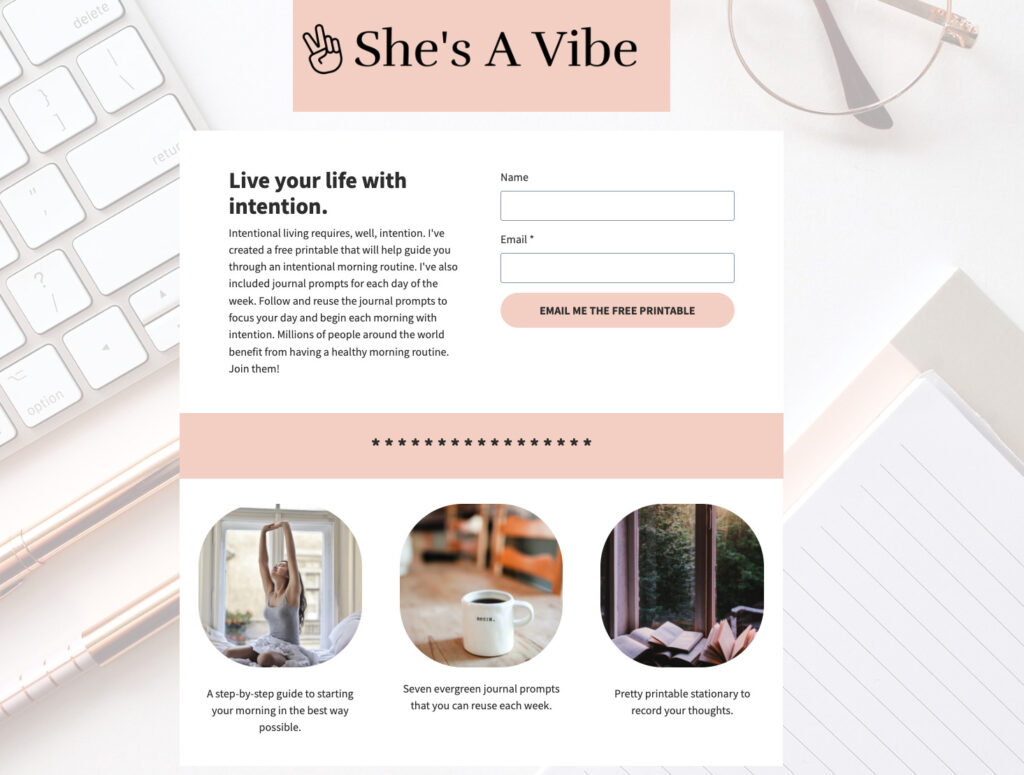
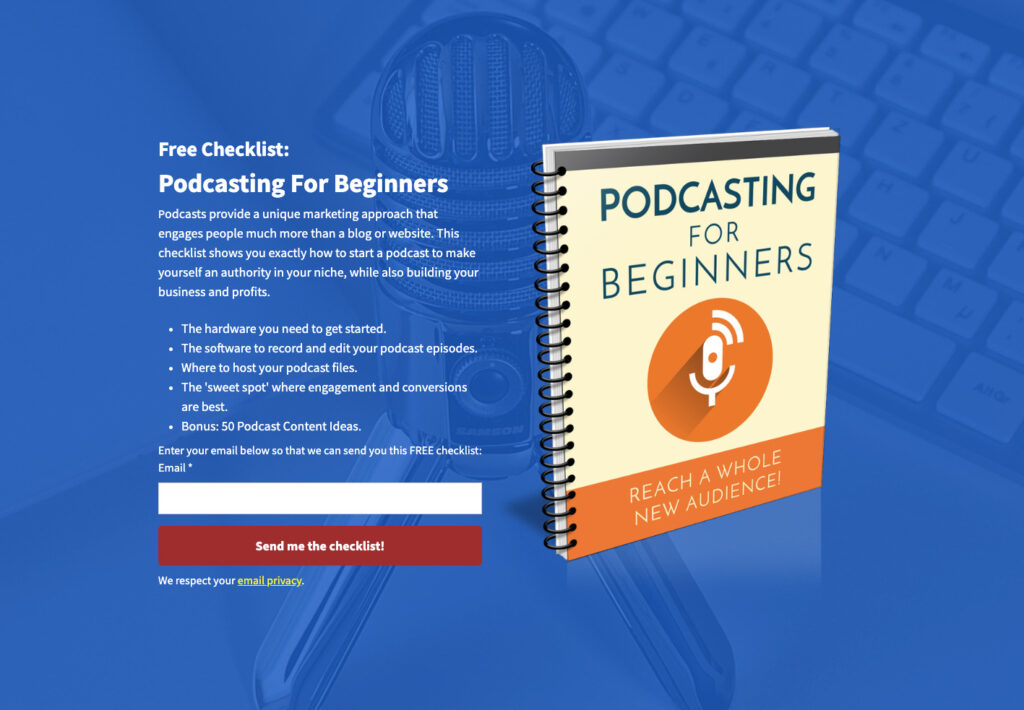
- Ebook & Lead Magnet Landing Pages: An ebook landing page serves as a dedicated portal for promoting and distributing electronic books. These pages detail the ebook’s content and benefits, leading visitors to either purchase or download it. Beyond direct sales, ebooks, along with templates, checklists, free courses, or toolkits, are frequently deployed as "lead magnets." These pages offer valuable resources in exchange for contact information, primarily email addresses. Their effectiveness stems from providing immediate, tangible value, making the exchange of an email address feel like a fair transaction. Email marketing, fueled by lead magnets, consistently demonstrates a high ROI, with some analyses suggesting returns of $36 for every dollar spent.
- Squeeze Pages: Distinguished by their minimalist design, squeeze pages are stripped-down lead capture pages. Their sole objective is to collect an email address with minimal friction. Typically, they feature only a compelling headline, one or two concise sentences, an email input field, and a clear call-to-action (CTA) button. This extreme simplicity is particularly effective in paid advertising campaigns, where it helps keep the cost per lead low by minimizing decision fatigue and maximizing conversion rates from high-intent traffic.
- Lead Capture Landing Pages: These are broader in scope than squeeze pages but share the core function of collecting contact information in exchange for valuable content or an offer. This could be a free guide, a discount code, or access to exclusive content. They often include slightly more descriptive text and imagery than a squeeze page, providing more context about the offered resource. The principle of reciprocity is central here: visitors provide their contact details because they perceive the value of the exchange to be high. The fewer fields required, the higher the conversion rate, with name and email often being the optimal starting point for initial capture.
II. Direct Sales & E-commerce Accelerators
These pages are designed for transactions, either directly selling products or warming up prospects for a subsequent purchase.
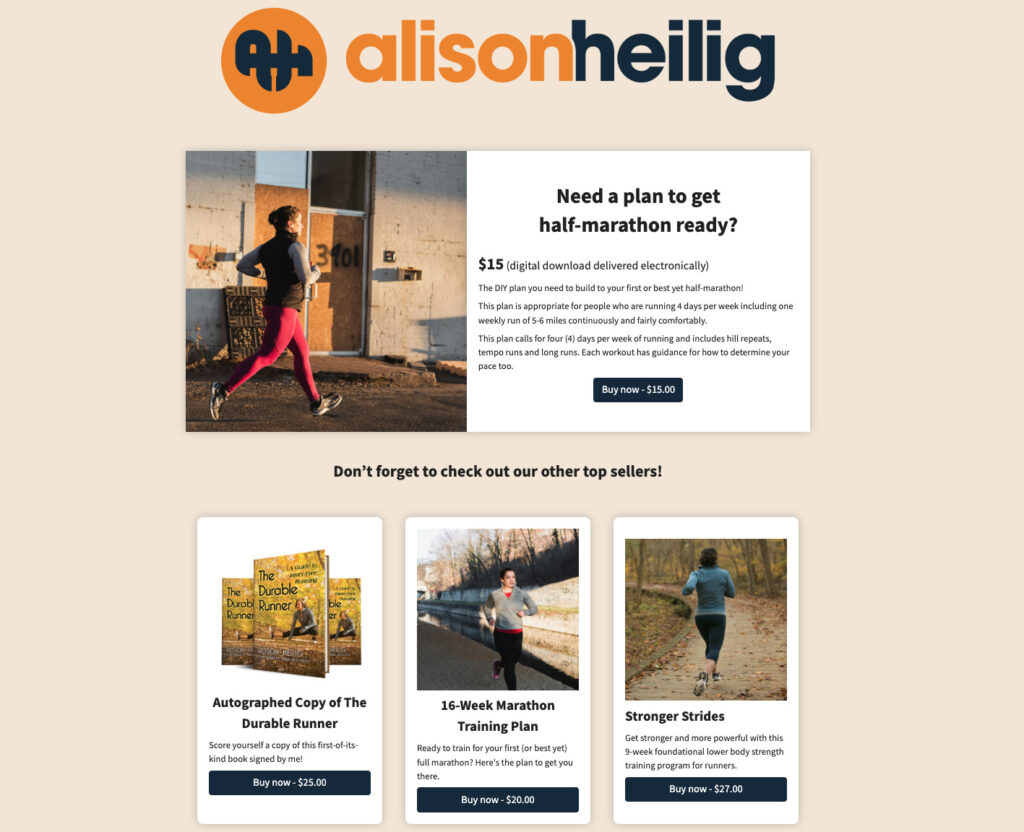
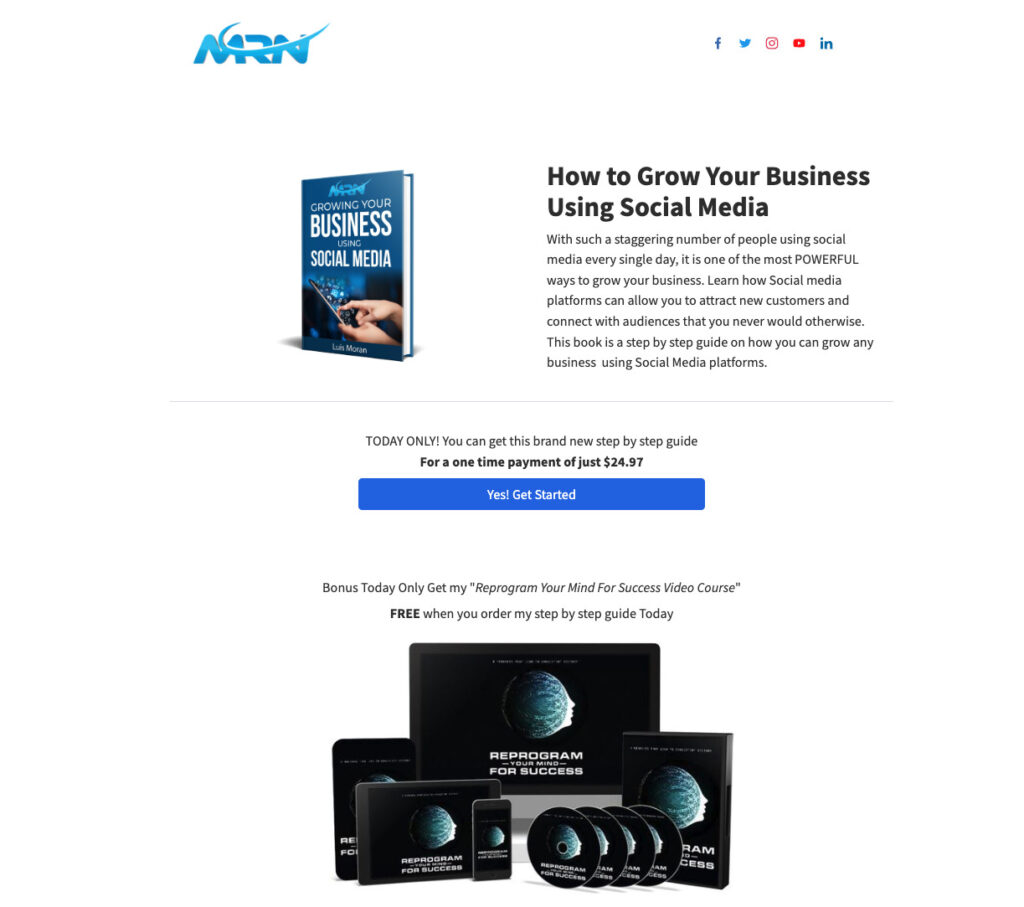
- Ecommerce Landing Pages: Unlike a general product catalog or homepage, an e-commerce landing page focuses intensely on a single product or a very specific product category. Its design is optimized to convert traffic from a particular source, such as a paid advertisement. These pages typically feature high-quality product images, clear pricing, compelling calls-to-action, social proof (e.g., customer reviews), and concise answers to common purchase-related questions. By removing the myriad choices found on a typical e-commerce site, these pages reduce decision fatigue, leading to significantly higher conversion rates for targeted campaigns.
- Click-Through Landing Pages: These pages serve as an intermediary step in a sales funnel, particularly effective for complex products or services. A click-through page doesn’t ask for a direct conversion (like an email or purchase) upfront. Instead, its primary function is to educate and "warm up" the visitor, building confidence and interest before they proceed to a deeper commitment, such as a checkout page or an extended sign-up form. They might feature product walkthroughs, benefit elaborations, or feature comparisons. For cold traffic, which rarely converts directly on a purchase page, a click-through page acts as a crucial bridge, allowing visitors to understand the offer without immediate pressure, thereby increasing the likelihood of conversion on the subsequent page.
III. Audience Engagement & Brand Building Hubs
These pages focus on cultivating relationships, building community, and extending brand reach beyond traditional platforms.
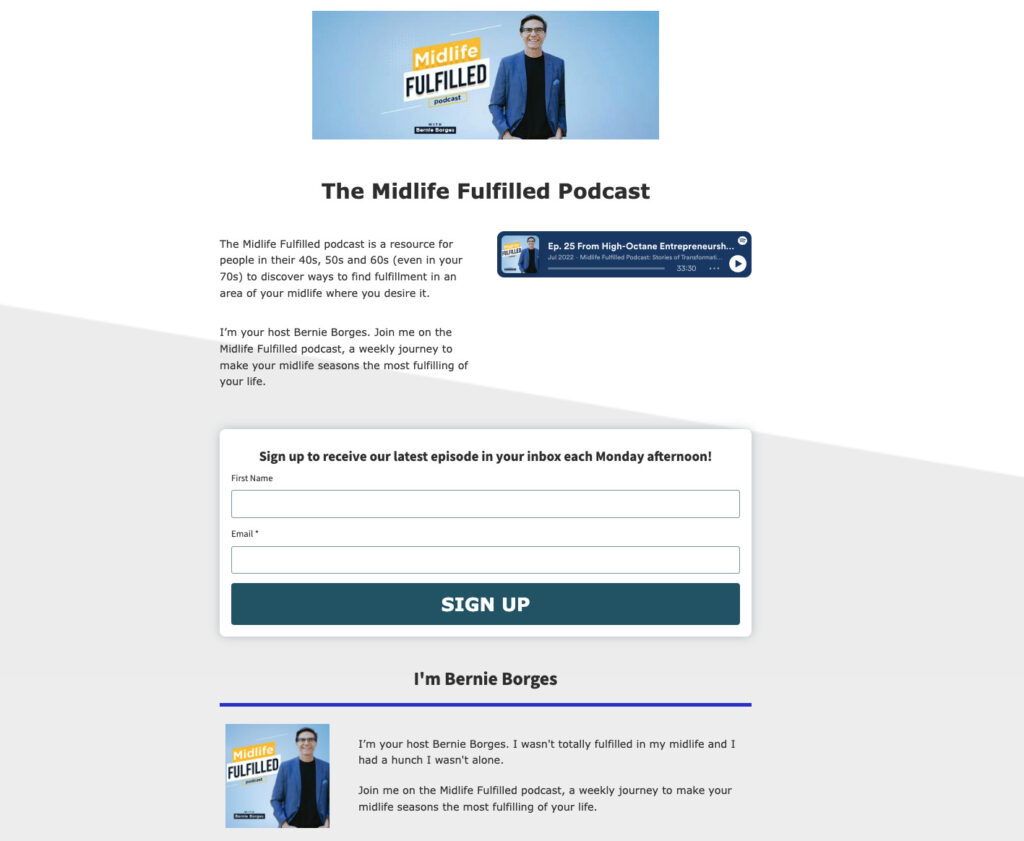
- Podcast Landing Pages: As podcasting continues its ascent as a popular content format, dedicated landing pages for shows or specific episodes have become vital. Their purpose is to encourage subscriptions or, more critically, to migrate listeners onto an email list for updates and supplementary content. This strategy addresses a fundamental challenge: creators do not "own" their audience on streaming platforms like Spotify or Apple Podcasts. An email list provides a direct, algorithm-proof channel to communicate with listeners, announce new episodes, share bonus material, and promote related products, fostering a more resilient audience relationship.
- Video Landing Pages: These pages leverage video as the primary medium for conveying their message. Whether it’s a product demonstration, a customer testimonial reel, or a concise explainer video, the visual content takes center stage, supported by minimal text. Video is exceptionally effective at building trust and conveying complex information quickly, often surpassing the capabilities of written copy alone. Studies indicate that including video on landing pages can dramatically boost conversion rates, sometimes by over 80%, due to its ability to engage visitors more deeply and clarify value propositions.
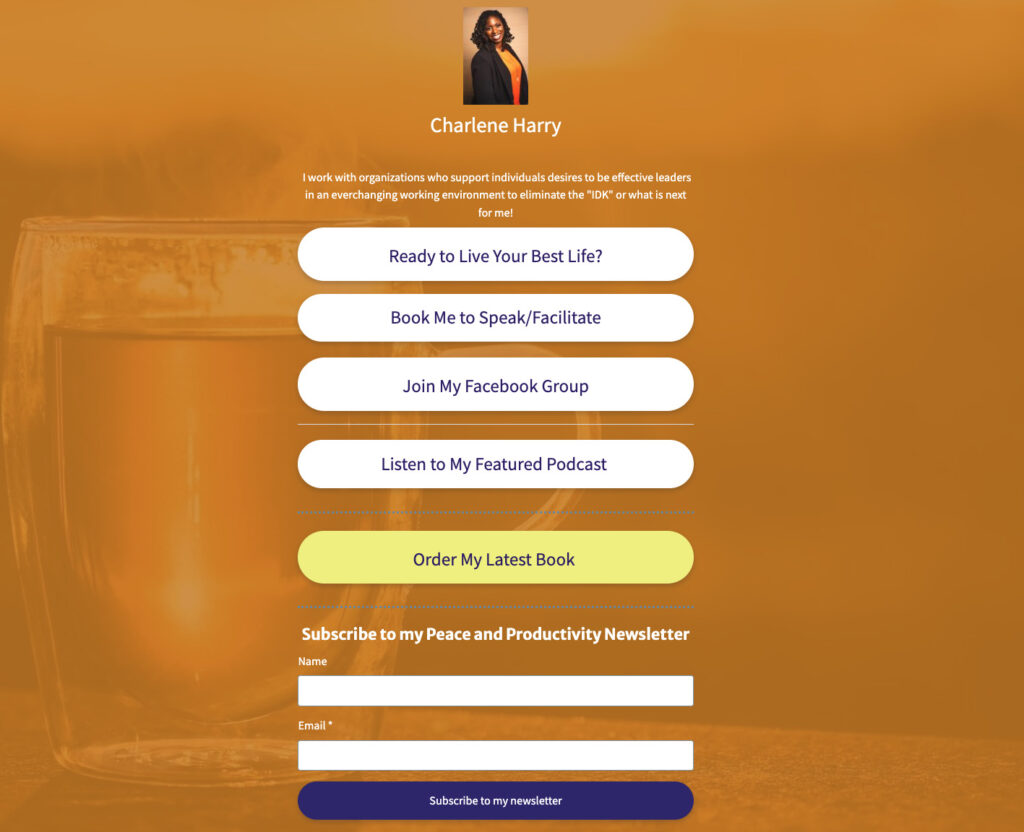
- Link-in-Bio Landing Pages: A direct response to the single-link limitation on many social media profiles (e.g., Instagram, TikTok, X), a link-in-bio page acts as a centralized hub for multiple links. From a single URL in their social profile, creators and businesses can direct followers to their newsletter, latest product, recent content, booking page, or other key destinations. This consolidates engagement points, allowing followers to easily explore all offerings and actions without constantly updating the profile link, thereby maximizing the utility of social media reach.
IV. Campaign-Specific Optimization Tools
These pages are hyper-focused on specific marketing campaigns, ensuring maximum relevance and efficiency.
- PPC (Pay-Per-Click) Landing Pages: Crucial for paid search advertising, PPC landing pages are meticulously designed to achieve "message match" with the exact keyword or ad copy that brought the visitor to the page. This alignment is paramount; if a user clicks an ad for "email newsletters for restaurants" and lands on a generic email marketing page, they are likely to bounce. Google’s Quality Score algorithm actively rewards such message alignment, leading to lower cost-per-click (CPC) and improved ad positioning. By delivering precisely what the ad promised, PPC landing pages protect advertising investment and significantly enhance conversion rates.
- Facebook/Social Media Landing Pages: Tailored for traffic originating from Facebook ads or organic posts, these pages aim to convert social media followers into email subscribers or customers. Like podcast landing pages, they address the transient nature of social media audiences. While social platforms offer vast reach, they control content visibility through algorithms. Moving followers onto an owned email list creates a direct communication channel, safeguarding against algorithm changes and ensuring a durable audience asset. This strategy transforms rented social reach into owned, actionable customer data.
- Pre-Launch Landing Pages: Before a new product, service, or feature goes live, a pre-launch page builds anticipation and gauges market demand. Its primary functions are to collect email addresses from interested individuals who wish to be notified upon launch and to validate the idea itself. Generating sign-ups before full development provides invaluable early evidence of market appetite, allowing businesses to adjust strategies or even pivot before significant resource investment. A strong pre-launch list of early adopters can be a powerful asset on launch day.
V. Post-Conversion Engagement: The Thank You Page
Often overlooked, the thank you page appears immediately after a visitor completes a desired action—a sign-up, a download, or a purchase.
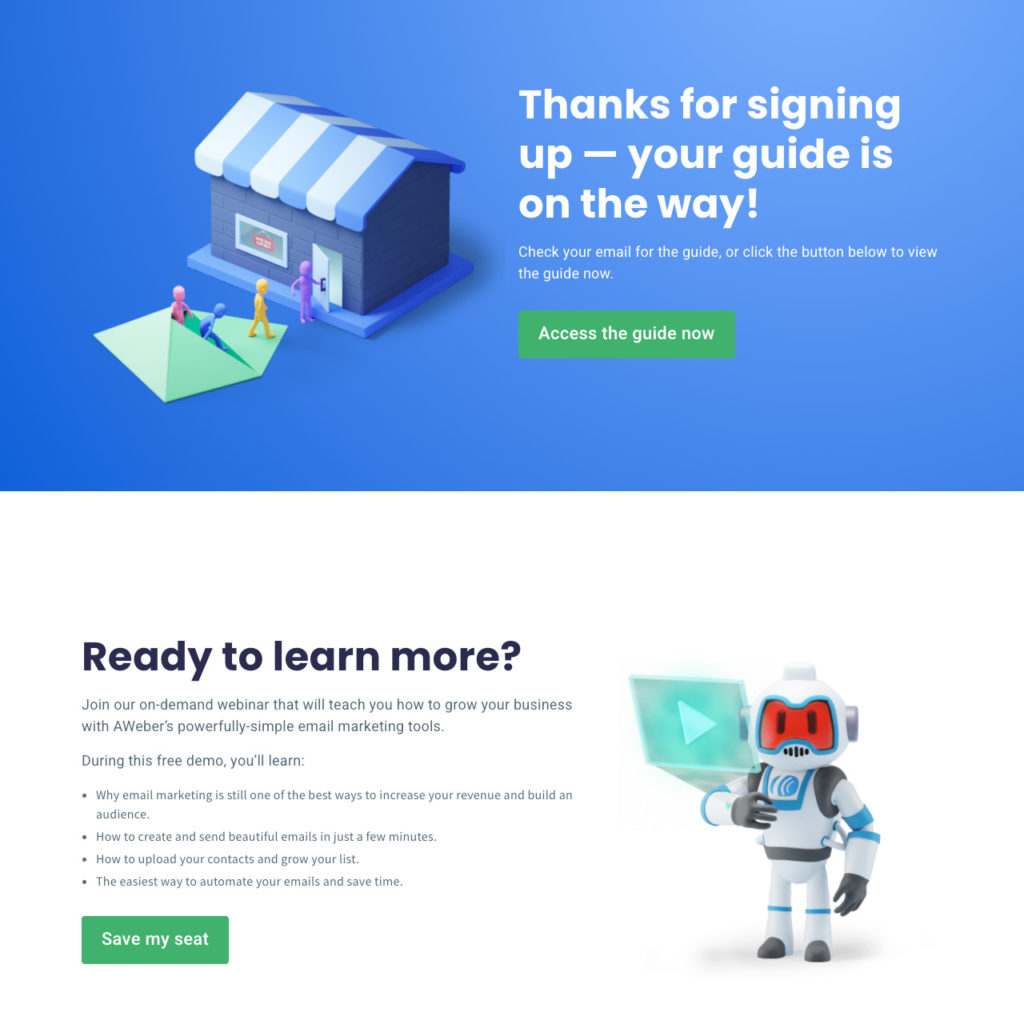
- Thank You Pages: While its basic function is to confirm the completed action and outline next steps, a well-optimized thank you page capitalizes on peak visitor engagement. At this moment, the visitor is highly invested and receptive. Smart marketers use this opportunity to offer a related resource, invite them to book a consultation, encourage social media follows, or even present an immediate upsell or cross-sell. By turning a single conversion into an opportunity for a second, the thank you page significantly enhances customer journey progression and overall marketing funnel efficiency.
The Science of Selection: Choosing the Right Landing Page for Your Goal
The process of selecting the most appropriate landing page type is fundamentally driven by the campaign’s specific objective. If the goal is to expand an email subscriber list, then a lead capture page, squeeze page, or lead magnet page would be the logical choice. For warming up cold traffic before a purchase, a click-through page proves highly effective. Direct sales of high-value items might warrant a comprehensive sales page, while specific products benefit from an e-commerce landing page. Promoting an event calls for a webinar registration page or a pre-launch page. And for paid search campaigns, a highly specialized PPC landing page is indispensable.
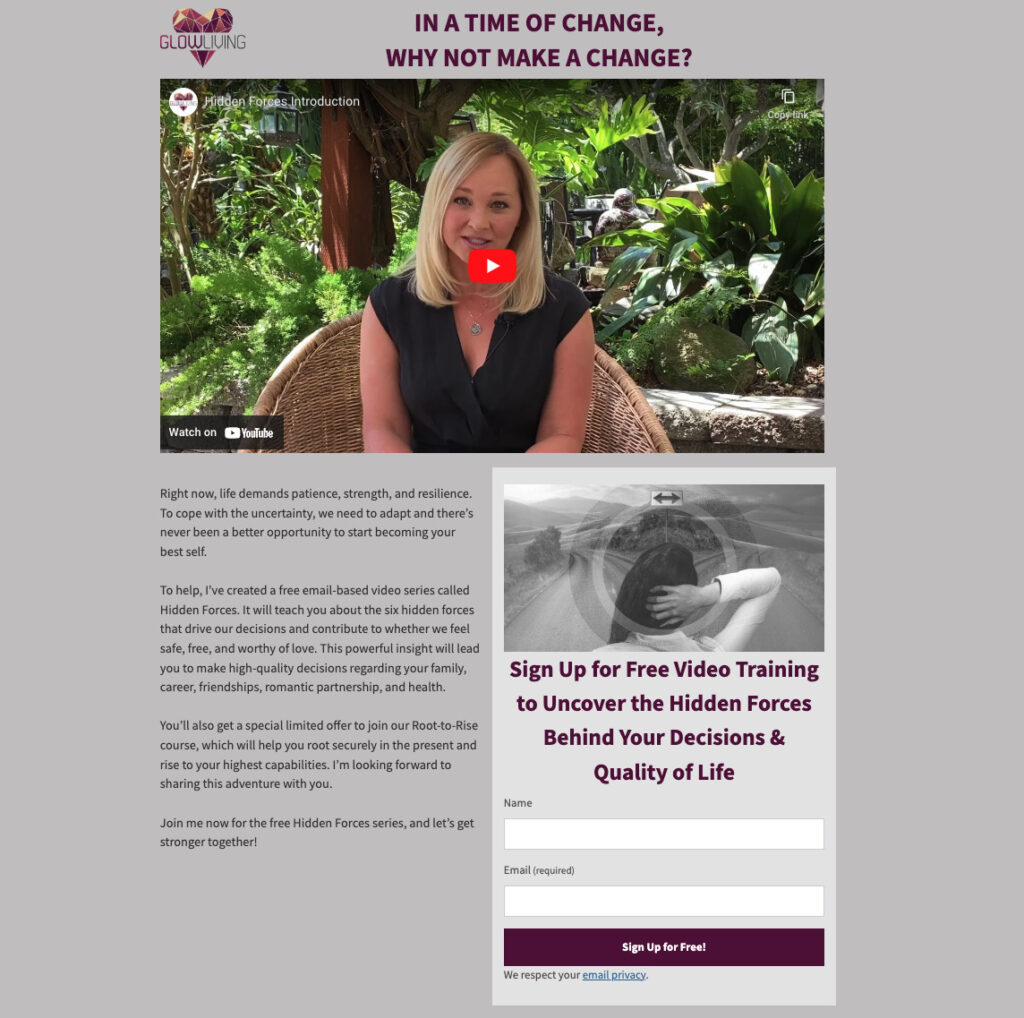
The overarching principle, championed by marketing experts globally, is to embrace singularity of purpose: establish one clear goal and design one page specifically for that goal. The most prevalent reason for landing page underperformance is attempting to achieve too many objectives simultaneously, which inevitably leads to visitor confusion and reduced conversion rates.
The Future is Now: AI-Powered Landing Page Creation
The landscape of landing page creation is on the cusp of a transformative shift with the advent of artificial intelligence. AWeber’s forthcoming AI Landing Page Builder exemplifies this evolution, promising to revolutionize the speed and efficiency with which marketers can deploy optimized pages. Instead of laboriously customizing templates, users will describe their desired page—its layout, copy, imagery, and sign-up form—and the AI will generate the complete page instantaneously. This innovation streamlines the process, ensuring every subscriber seamlessly integrates into the AWeber list, primed for subsequent engagement.
This AI capability extends across all discussed landing page types, from lead magnet pages for free checklists to webinar registration forms and pre-launch initiatives. Marketers can simply articulate their offer and objective, and the AI handles the intricate design and content generation. Furthermore, the ability to upload a screenshot of an existing favorite landing page for AI recreation, complete with personalized branding and copy, eliminates the need for arduous manual replication. Even image edits can be described and executed by the AI, bypassing traditional stock photo searches and design iterations. This heralds an era of hyper-efficient, highly personalized, and dynamically optimized landing page deployment, further solidifying their indispensable role in the modern digital marketing toolkit.








