rifanmuazin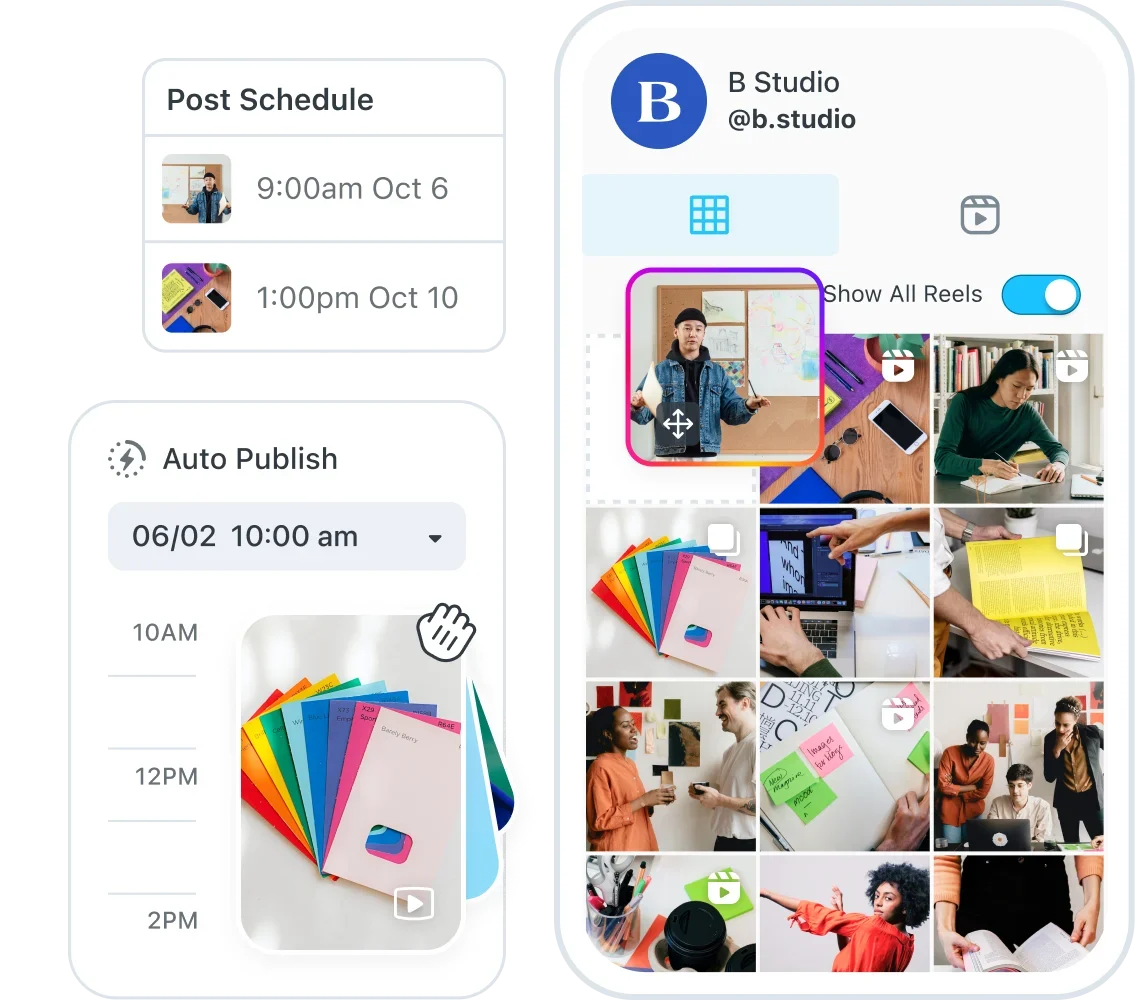
In an increasingly digitized global economy, social media management tools have evolved from mere conveniences to indispensable strategic assets for businesses of all scales. These sophisticated software solutions empower organizations to streamline their digital presence, automating routine tasks and centralizing complex operations across diverse social platforms. By consolidating scheduling, analytics, reporting, and engagement functionalities into a unified dashboard, these tools liberate marketing teams from administrative burdens, allowing them to redirect valuable time and resources towards crafting impactful campaigns and fostering meaningful audience connections. As the digital landscape continues its rapid expansion and complexity, understanding the capabilities and strategic value of these tools is paramount for sustained competitive advantage. This comprehensive analysis delves into the essence of social media management tools, elucidates their critical importance, and highlights leading platforms poised to shape digital strategies in 2026.

The Evolution and Imperative of Centralized Social Media Management
The journey of social media management reflects the broader trajectory of digital marketing itself. In its nascent stages, managing a single brand presence on platforms like MySpace or early Facebook was a relatively straightforward affair, often handled manually by an individual. However, the proliferation of platforms—from established giants like Instagram, X (formerly Twitter), and LinkedIn, to emerging contenders like TikTok and Bluesky—coupled with the exponential growth in user engagement and content formats (text, image, video, live streams), quickly overwhelmed manual processes. Businesses found themselves juggling multiple logins, inconsistent brand messaging, fragmented analytics, and delayed customer responses. This fragmented approach led to inefficiencies, missed opportunities, and a diluted brand voice.

The advent of social media management tools addressed this growing crisis by offering a centralized hub. These platforms began by simply facilitating scheduled posts, but rapidly evolved to integrate a spectrum of functionalities: real-time monitoring, comprehensive analytics, team collaboration features, and increasingly, AI-driven insights. This evolution was not merely about convenience; it became a strategic imperative. A 2024 industry report by Statista indicated that businesses utilizing social media management platforms reported an average 30% increase in content output efficiency and a 25% improvement in audience engagement metrics compared to those managing channels manually. The ability to maintain brand consistency, measure performance accurately, and respond swiftly to market shifts has become a cornerstone of effective digital strategy.
Core Functionalities Driving Digital Success
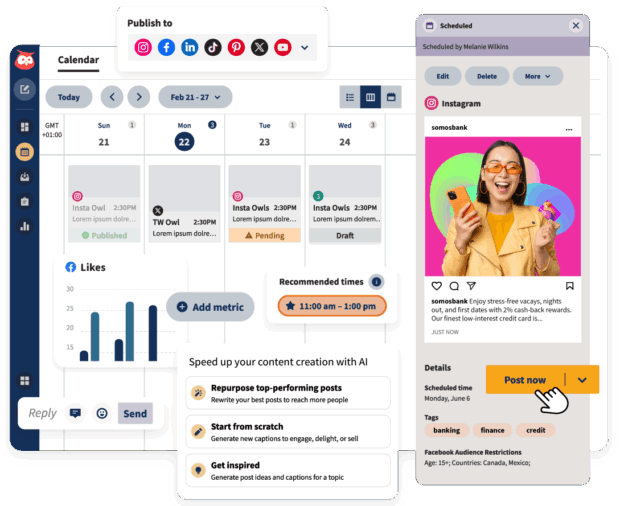
Modern social media management tools are characterized by a robust suite of features designed to optimize every facet of a brand’s social presence. These include:
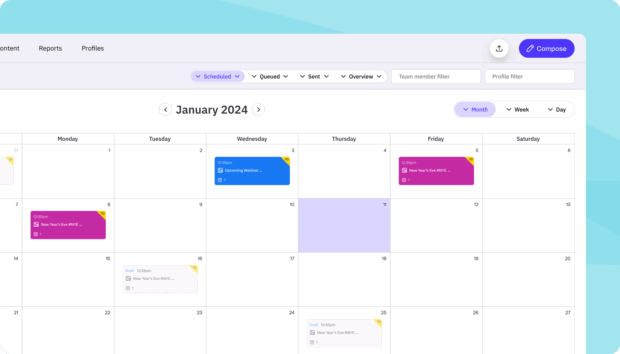
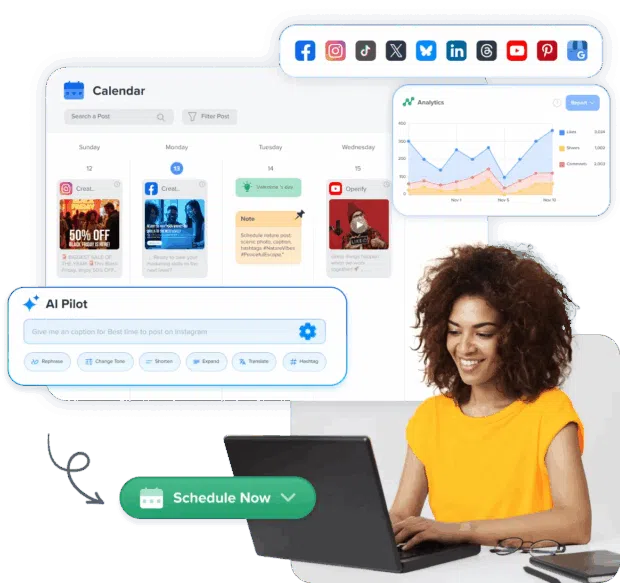
- Unified Content Calendar & Publishing: Centralized dashboards for planning, drafting, and scheduling posts across all connected platforms. This ensures a consistent content flow, adherence to editorial calendars, and allows for bulk scheduling, significantly reducing daily operational tasks. Advanced features often include optimal posting time recommendations powered by AI.
- Comprehensive Analytics & Reporting: Deep-dive insights into post performance, audience demographics, engagement rates, reach, and follower growth. Customizable reports allow teams to track key performance indicators (KPIs), understand content effectiveness, and demonstrate ROI to stakeholders.
- Social Listening & Monitoring: Tools to track mentions of a brand, competitors, keywords, and industry trends across social media. This capability is crucial for reputation management, identifying emerging trends, competitive analysis, and uncovering customer sentiment.
- Engagement & Community Management: A consolidated inbox for managing all incoming messages, comments, and direct messages from various platforms. This facilitates quicker response times, enhances customer service, and fosters a more engaged community.
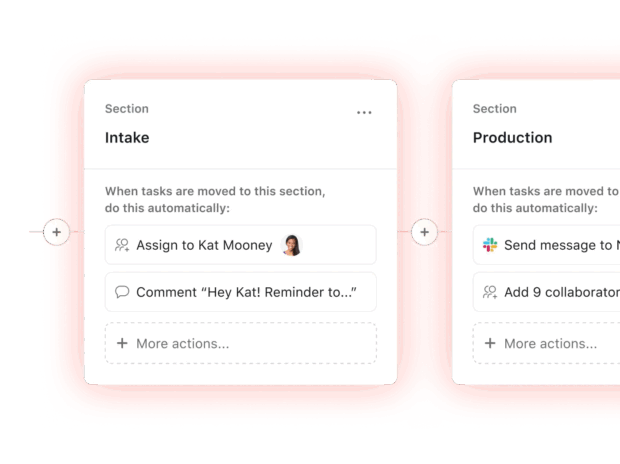
- Team Collaboration & Workflow: Features such as role-based permissions, content approval workflows, and internal communication channels ensure seamless teamwork, maintain brand guidelines, and prevent unauthorized publishing.
- AI-Powered Assistance: Increasingly, platforms integrate artificial intelligence for content generation, hashtag recommendations, sentiment analysis, and predictive analytics to optimize campaign performance.
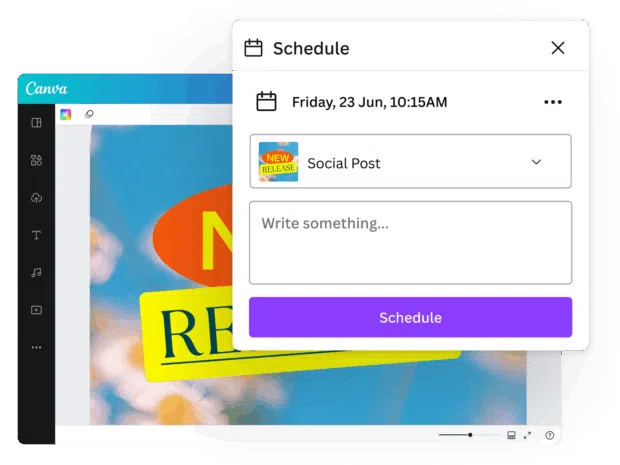
- Integrations: Connectivity with other marketing and business tools like CRM systems, content creation suites (e.g., Canva), and project management platforms (e.g., Asana) to create a holistic operational ecosystem.
These functionalities collectively contribute to a more strategic, data-driven, and scalable approach to social media marketing.
Leading Social Media Management Platforms in 2026
The market for social media management tools is dynamic, with a diverse array of platforms catering to specific needs, team sizes, and budgets. Below is an overview of prominent tools and their distinct offerings as of 2026:
-
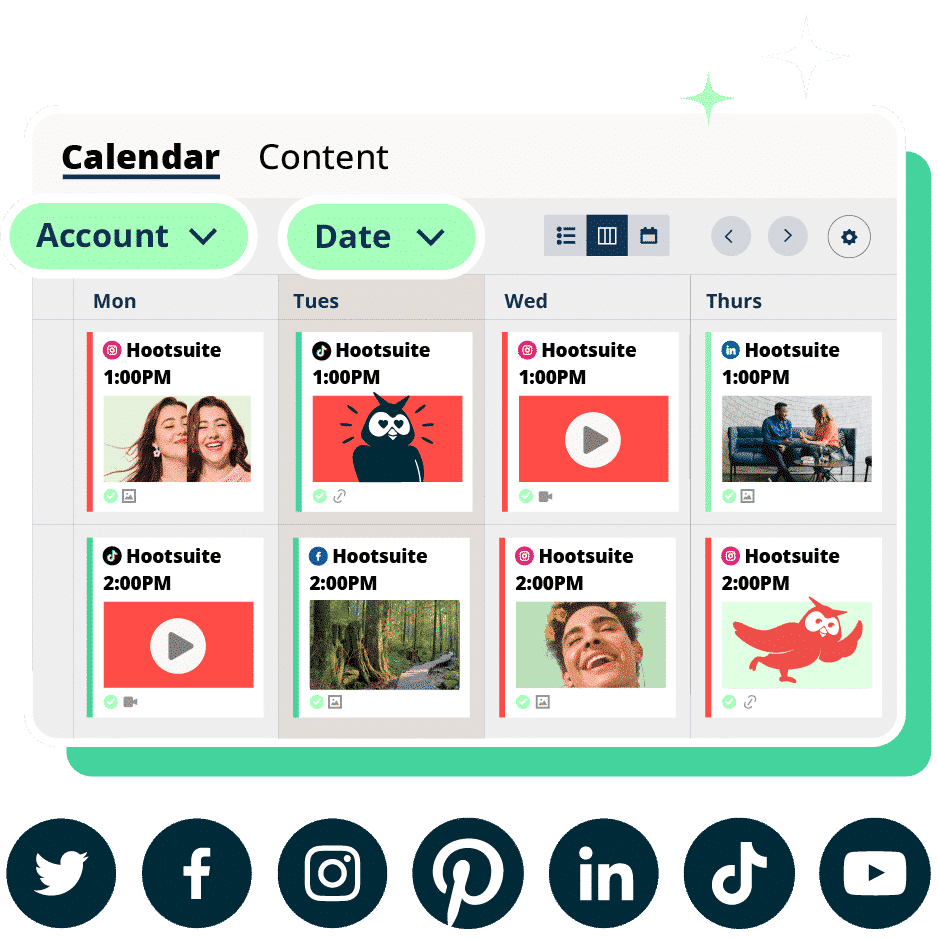
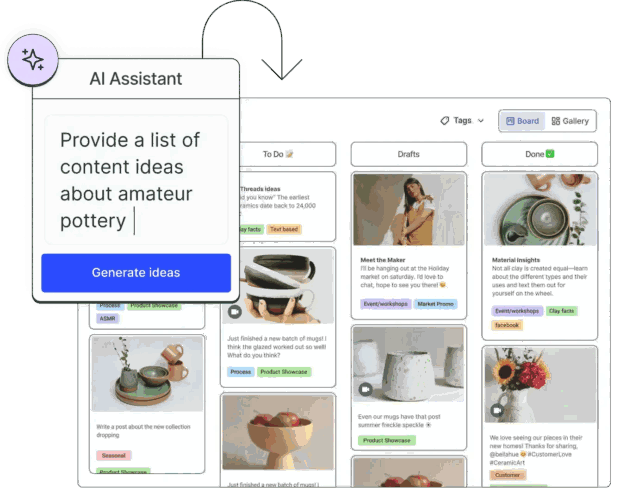
Hootsuite: Positioned as an all-in-one solution for marketing teams of all sizes, from nascent startups to global enterprises. Hootsuite excels in its comprehensive suite of features, including an advanced "Best Time to Publish" tool, highly customizable analytics dashboards, and extensive social listening capabilities covering all major platforms, including newer ones like Bluesky. Its primary strength lies in its scalability and deep integration across various social channels, making it a robust choice for complex operations. While its cost may be higher than very basic alternatives (plans starting at $99 per month with a 30-day free trial), its feature set justifies the investment for serious players.
-
Buffer: Ideal for small businesses and startups operating on tighter budgets. Buffer offers a user-friendly interface for simple scheduling and publishing. It’s lauded for its ease of use and affordability (paid plans start at $6 per month, with a free plan available). However, it offers lighter analytics and collaboration features and lacks social listening, making it less suitable for advanced strategic needs.
-
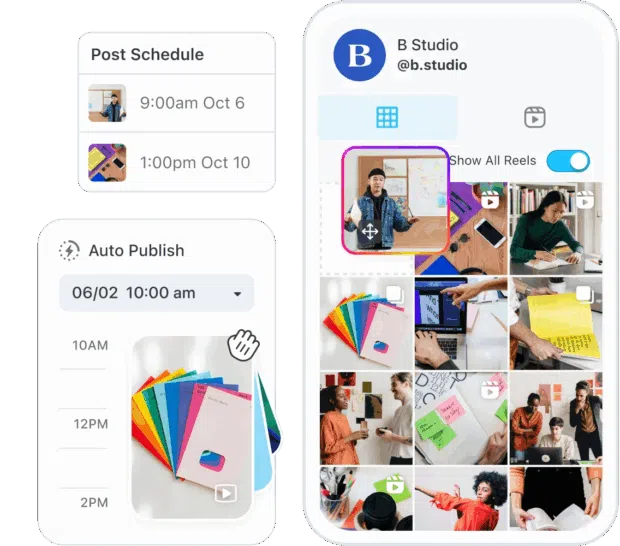
Later: Tailored for creators and influencers, particularly those focusing on visually-driven platforms like TikTok and Instagram. Later’s standout features include a drag-and-drop content calendar and a powerful link-in-bio tool. Its strength lies in visual planning and scheduling, though its scope is narrower outside its core platforms. Plans begin at $18.75 per month.
-
Agorapulse: A strong contender for mid-sized teams prioritizing engagement and streamlined workflows. Agorapulse features a unified inbox for efficient communication and solid engagement tracking. It offers a user-friendly experience, but its reporting is less advanced and it has fewer integrations compared to Hootsuite. Plans start at $99 per month, with a 30-day free trial.
-
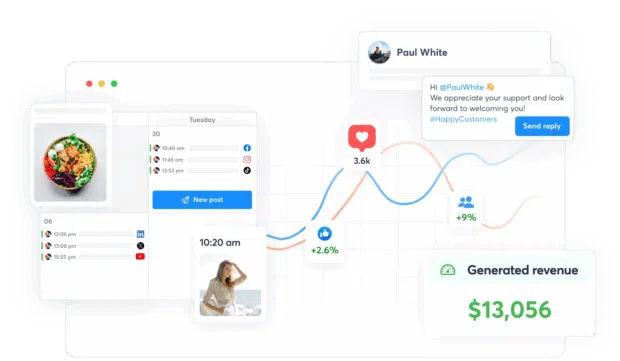
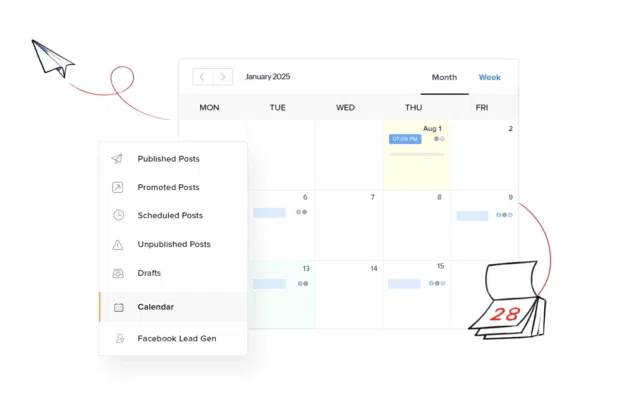
Zoho Social: A budget-friendly option for small businesses, especially those integrated within the broader Zoho ecosystem. It provides essential scheduling, monitoring, and analytics capabilities. Its affordability is a key draw (plans start at $15 per month, free plan available), though it lacks many advanced features found in higher-tier platforms.
-
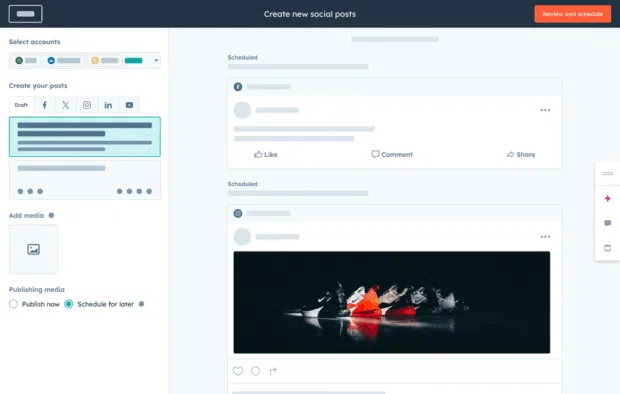
HubSpot Social: Best suited for businesses already leveraging the HubSpot CRM. This tool offers seamless integration with CRM data, allowing for a unified view of customer interactions across sales and social. While powerful for existing HubSpot users, its social features can feel like an add-on, and its pricing is considerably higher, starting with Marketing Hub plans at $1,034 per month.
-
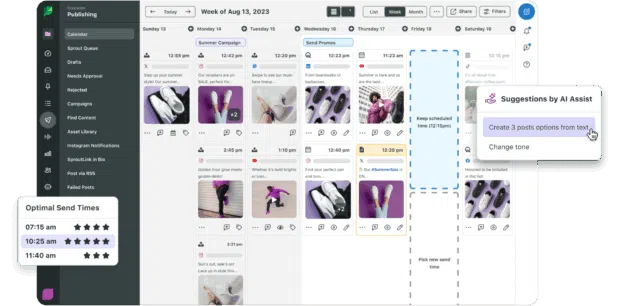
Sprout Social: A premium platform designed for medium to large social teams, offering deep analytics, robust social listening, and influencer marketing management. Sprout Social boasts a strong CRM-style inbox, but comes with a higher price tag (starting at $199 per month) and potential limits on profiles. Its comprehensive nature requires a significant learning curve.
-
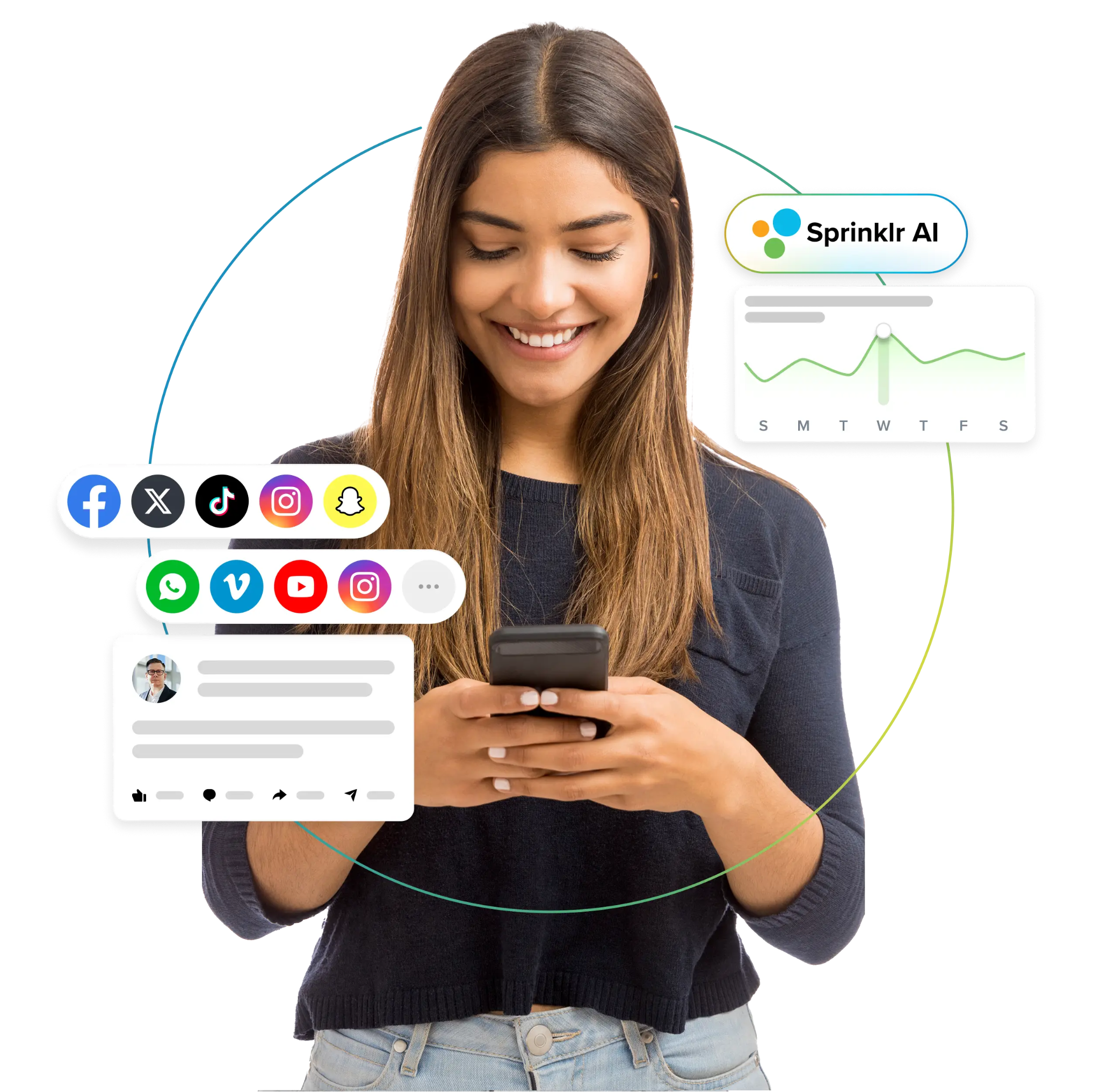
Sprinklr: An enterprise-level solution built for global businesses with complex, multi-market strategies. Sprinklr offers unparalleled global reach, powerful AI+Unified-CXM capabilities, and extensive customization. Its strengths lie in managing vast, intricate social operations, but it demands a high investment (starting at $249 per user per month) and can present onboarding challenges due to its complexity.
-
Planoly: Another excellent choice for creators and influencers, specifically for Instagram and Pinterest. Planoly excels with its visual drag-and-drop planner and monetization tools, making it ideal for curating a cohesive aesthetic. Its platform integrations are limited, and analytics are basic. Plans start at $16 per month.
-
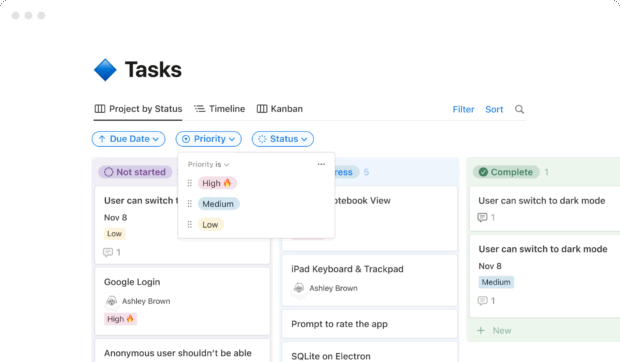
Notion: While not a dedicated social media scheduler, Notion serves as a highly customizable workspace for freelancers and small teams to plan, organize, and track social content. It offers flexibility and affordability (paid plans start at $10 per month, free plan available) but lacks built-in scheduling or social analytics.
-
Sendible: Designed with agencies in mind, Sendible offers client-focused features, easy onboarding, and bulk scheduling for managing multiple client accounts. While agency-friendly, certain advanced features like white-labeling and AI assistance come at an additional cost. Plans start at $89 per month.
-
SocialPilot: A reliable and budget-friendly option for small to mid-sized businesses and agencies. SocialPilot provides essential scheduling, bulk posting, and white-label reports. It offers good value (plans start at $30 per month) but has weaker listening tools and basic reporting compared to more advanced platforms.
-
Asana: Primarily a project management platform, Asana is utilized by many social teams for campaign planning, workflow automation, and task assignment. It excels in cross-team collaboration but is not built for direct social media publishing or analytics. Plans start at $13.49 per month, with a free plan available.
-
Canva Content Planner: Integrated within the popular design tool, this planner allows small businesses and creators to schedule posts directly from where they design them. It’s user-friendly and visually strong, though it offers limited analytics and no social listening. The Pro plan, including scheduling, starts at $18 per month.

Strategic Considerations for Tool Selection
Choosing the optimal social media management tool requires a thorough assessment of an organization’s specific needs, strategic objectives, and operational realities. Key factors to consider include:
- Team Size and Structure: The number of users, roles, and approval hierarchies will influence the need for robust collaboration and permission features.
- Target Platforms: Identify the primary social networks where the audience resides and ensure the tool offers deep integration and specific features for those platforms (e.g., TikTok publishing, Instagram Reels scheduling).
- Content Volume and Type: High-volume content producers or those focusing on specific media (e.g., video, rich visuals) will require tools that facilitate efficient creation and scheduling of such content.
- Budgetary Constraints: Platforms range widely in price, from free basic plans to enterprise-level custom solutions. A clear understanding of the budget is crucial.
- Analytics and Reporting Needs: Determine the depth of insights required. Basic metrics suffice for some, while others demand advanced ROI tracking, competitive benchmarking, and custom report generation.
- Integration Ecosystem: Assess how well the tool integrates with existing marketing technology stacks, including CRMs, email marketing platforms, and content creation tools.
- Scalability: Choose a tool that can grow with the business, accommodating increased social media presence, team expansion, and evolving strategic goals without requiring a complete overhaul.
- Customer Support and Training: The quality of support and available learning resources can significantly impact user adoption and ongoing efficiency.
Expert Insights on Maximizing Social Media Tools
Gemma Persello, Senior Social Media Strategist at Magnetic Creative, emphasizes that the true value of social media management tools lies not just in their features but in how strategically they are integrated into a brand’s overall digital approach.
"The best tool is always the one that aligns perfectly with a brand’s specific focus channels and content forms," Persello advises. She highlights the importance of ensuring a tool supports unique content requirements, such as custom thumbnails or specific tagging options for video platforms like TikTok, rather than simply focusing on a generic feature list. This tailored approach ensures that the technology truly serves the content strategy, not the other way around.
Persello also cautions against the "set it and forget it" mentality. She notes, "A common mistake is treating the tool as a ‘set it and forget it’ solution. Teams often focus too much on scheduling content and neglect the crucial aspects of community management and real-time engagement." To counteract this, she strongly advocates for dedicated daily time for active monitoring, responding to comments and messages, and participating in relevant discussions. She further recommends frequent reporting reviews—daily or weekly, not just monthly—to ensure optimal utilization and rapid adaptation. "These tools are powerful if you use them properly," she asserts, underscoring the need for proactive engagement and continuous analysis.
Finally, Persello stresses the importance of choosing platforms that demonstrate adaptability. "The social media landscape is constantly evolving, so choosing a tool that is regularly updated with new features and integrations, and that provides excellent customer support, is vital for long-term success." This forward-thinking perspective ensures that a chosen platform remains a valuable asset, capable of evolving alongside a brand’s expanding audience, diversifying channels, and shifting strategic imperatives.
Broader Impact and Future Outlook
The proliferation and sophistication of social media management tools have fundamentally reshaped how businesses operate in the digital sphere. They democratize advanced marketing capabilities, allowing even small businesses to compete effectively with larger enterprises by leveraging automation and data. For large corporations, these tools provide the necessary infrastructure to manage global campaigns with localized precision, ensuring brand consistency across diverse markets and languages.
Looking ahead, the trajectory of these tools points towards even deeper integration with artificial intelligence, predictive analytics, and personalized content delivery at scale. Expect to see more sophisticated sentiment analysis, automated content optimization based on real-time performance, and enhanced capabilities for navigating the evolving privacy landscape. The future of social media management tools is one where technology increasingly empowers human strategists, freeing them to focus on creativity, genuine connection, and overarching strategic vision, rather than the mechanics of execution. The ability to measure ROI with greater precision will also continue to improve, strengthening the link between social media activities and tangible business outcomes.
Ultimately, social media management platforms are more than just software; they are strategic enablers that facilitate efficient communication, foster community, and provide actionable intelligence in a world increasingly driven by digital interaction. For businesses aiming to thrive in 2026 and beyond, a well-chosen and expertly utilized social media management tool is not merely an option, but an essential component of their digital growth strategy.