rifanmuazin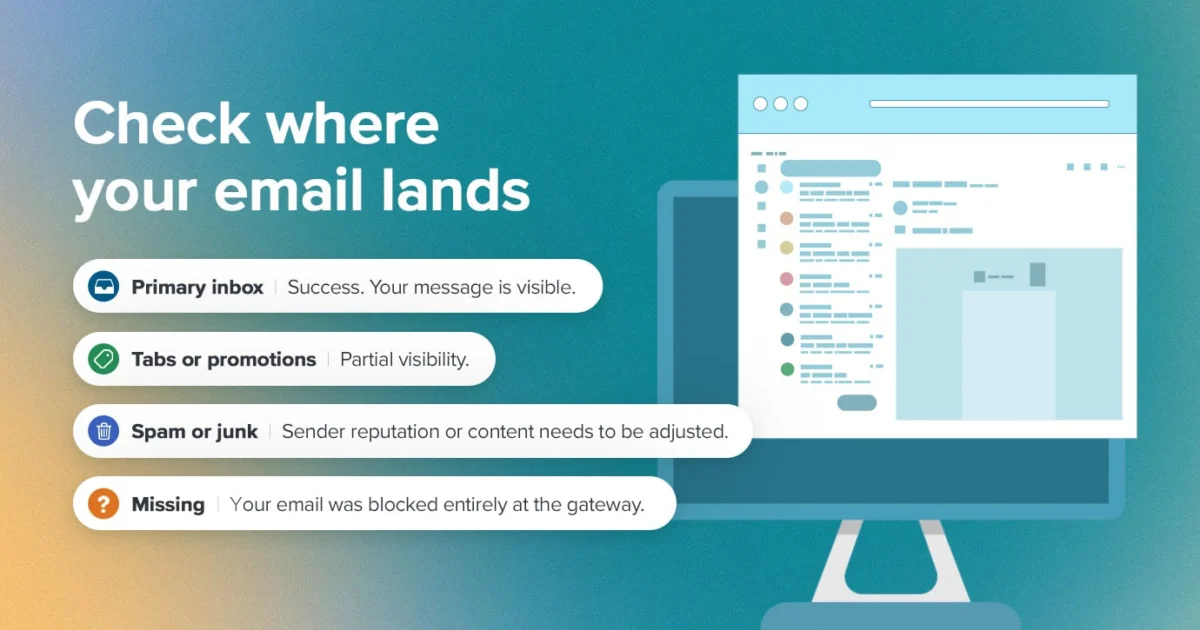
In the dynamic landscape of digital communication, the success of email marketing campaigns hinges on a metric often misunderstood: inbox placement. While a high delivery rate might intuitively suggest that meticulously crafted emails are reaching their intended audience, this common assumption represents a significant blind spot for many marketers. The distinction between an email being merely "delivered" to a mailbox provider’s server and actually "placed" within a subscriber’s primary inbox is not just semantic; it is the fundamental difference between obscurity and engagement, between wasted effort and tangible return on investment.
Email remains a cornerstone of digital strategy, consistently boasting one of the highest returns on investment among marketing channels. However, this potential is only realized when messages successfully navigate the intricate web of filters and land directly where they can be seen and acted upon. Celebrating a high delivery rate without scrutinizing inbox placement is akin to cheering for a package merely reaching the postal service’s sorting facility, rather than arriving at the recipient’s doorstep. This critical nuance underscores the evolving sophistication of email infrastructure and the paramount importance for marketers to adopt a more rigorous, data-driven approach to their email deliverability strategy.
The Nuance of Email Deliverability: Beyond the Bounce Rate
To fully grasp the significance of inbox placement, it is essential to delineate the concepts of delivery rate and inbox placement rate. The delivery rate measures the percentage of emails that are successfully accepted by the recipient’s mailbox provider (e.g., Gmail, Outlook, Yahoo). If an email is not delivered, it is categorized as a "bounce." Bounces fall into two primary types: a hard bounce signifies a permanent delivery failure, typically due to an invalid or non-existent email address, indicating a need to remove the address from the list. A soft bounce, conversely, points to a temporary issue, such as a full inbox, a server being temporarily unavailable, or a message exceeding size limits. While a low bounce rate and, consequently, a high delivery rate, are positive indicators of a healthy and well-maintained email list, they merely confirm that the email has reached the provider’s gateway.
Inbox placement, on the other hand, is the true measure of visibility. It assesses whether an email, once accepted by the mailbox provider, successfully bypasses spam filters and lands in the recipient’s primary inbox, promotions tab, or social tab, rather than being shunted into the spam folder or blocked entirely. This outcome is profoundly influenced by a complex interplay of factors, including the sender’s reputation, the content of the email, and, critically, the recipient’s past engagement with the sender. Mailbox providers leverage advanced algorithms and machine learning to evaluate these signals, determining the trustworthiness of the sender and the relevance of the message to the individual recipient.
The key differentiator is clear: delivery rate quantifies server acceptance, while inbox placement quantifies actual user visibility. An email languishing in a spam folder, regardless of its delivery status, is functionally equivalent to one that was never sent. This distinction directly impacts marketing efficacy, as only emails that are seen can drive opens, clicks, conversions, and ultimately, revenue.
The Evolution of Email Filtering: A Chronology of Trust
The current complexity of email deliverability is a direct result of a decades-long arms race between spammers and mailbox providers. In the early days of the internet, email filtering was rudimentary, and many messages reached inboxes with little scrutiny. However, as email marketing exploded in popularity, so too did the scourge of unsolicited bulk email, or "spam." This led to a rapid escalation in the sophistication of spam detection mechanisms.
- 1990s-Early 2000s: Basic keyword filtering and blacklists emerged as initial defenses against spam. The volume of spam, however, continued to overwhelm users.
- Mid-2000s: The implementation of anti-spam legislation, such as the CAN-SPAM Act in the United States (2003) and similar regulations globally, provided a legal framework, but technological solutions were still paramount. Mailbox providers began to develop more advanced content filters, looking for suspicious links, common spam phrases, and formatting issues. Sender reputation, initially a nascent concept, started gaining traction as providers realized that consistent bad behavior from a sender should result in future filtering.
- Late 2000s-Early 2010s: The rise of sophisticated machine learning algorithms enabled providers to analyze vast datasets of email traffic and user interactions. This allowed for more dynamic and adaptive filtering, moving beyond static rules. Authentication protocols like SPF (Sender Policy Framework) and DKIM (DomainKeys Identified Mail) became increasingly important to verify sender identity.
- Mid-2010s-Present: Focus shifted heavily towards user engagement as a primary signal. ESPs recognized that users are the ultimate arbiters of relevance. If subscribers consistently open, click, and reply to emails, those emails are deemed valuable. Conversely, if emails are ignored, deleted unread, or marked as spam, they signal irrelevance. The introduction of DMARC (Domain-based Message Authentication, Reporting & Conformance) provided a unified framework for email authentication, empowering domain owners to specify how unauthenticated emails should be handled.
- 2024 Mandates: A significant recent development saw Google and Yahoo implement stricter authentication requirements for bulk senders. These mandates, requiring robust SPF, DKIM, and DMARC policies, underscore the industry’s collective move towards enhanced security and a better user experience. Non-compliance now results in significantly higher rates of emails being blocked or routed to spam, signaling a new era where foundational deliverability practices are no longer optional but mandatory for any serious email marketer.
This chronology highlights a clear trend: mailbox providers are continually evolving their systems to protect users from unwanted mail, placing an ever-increasing emphasis on sender identity, content quality, and, critically, recipient engagement.
Why Inbox Placement Drives Revenue: The Business Imperative
The direct correlation between inbox placement and revenue generation cannot be overstated. Emails that consistently land in the primary inbox are exponentially more likely to be opened, clicked, and acted upon, directly translating into tangible business outcomes—be it sales, sign-ups, lead generation, or customer retention. Industry data consistently shows that email marketing, when executed effectively, delivers an exceptional return on investment, often cited as high as $42 for every $1 spent. However, this impressive ROI evaporates if emails never reach their intended destination.
Consider the financial implications: if 20% of a carefully crafted campaign of 100,000 emails, targeting high-value customers, lands in spam due to poor deliverability, that represents 20,000 lost opportunities. Assuming a modest conversion rate of 1% and an average order value of $50, this equates to a direct revenue loss of $10,000 for that single campaign, not to mention the erosion of brand trust and the diminished effectiveness of future outreach.
Beyond immediate conversions, strong inbox placement fosters deeper audience engagement, which contributes to long-term customer loyalty and brand advocacy. When subscribers consistently receive relevant messages in their primary inbox, they perceive the sender as trustworthy and valuable. This builds a positive sender reputation not just with mailbox providers, but also with the audience itself, creating a virtuous cycle of engagement. Conversely, consistent filtering to spam can irreparably damage a brand’s reputation, making it harder to reach even highly engaged subscribers in the future. In essence, visibility truly is revenue; without it, even the most compelling offer or crucial update becomes invisible, rendering marketing efforts and budgets ineffective.
The Critical Role of Email Service Providers (ESPs) and User Engagement
Major Email Service Providers (ESPs) such as Gmail, Outlook, and Yahoo are not passive conduits for email traffic; they are active gatekeepers. Their primary objective is to provide their users with a clean, secure, and relevant email experience. To achieve this, they employ sophisticated algorithms that rank and filter incoming emails based on a multitude of signals, with user behavior being a predominant factor.
Messages that are consistently opened, read, clicked, replied to, forwarded, or marked as "not spam" send strong positive signals to ESPs. These interactions indicate that the content is valued by the recipient, reinforcing the sender’s reputation and increasing the likelihood of future emails landing in the primary inbox. This creates a positive feedback loop: good engagement leads to better placement, which in turn encourages more engagement.
Conversely, emails that are frequently ignored, deleted without being opened, or, most damagingly, marked as spam, send negative signals. These actions tell ESPs that the content is irrelevant, unwanted, or potentially malicious. A high rate of such negative interactions will rapidly degrade a sender’s reputation, leading to more aggressive filtering and a higher probability of future emails being diverted to spam folders, even for active subscribers. ESPs also monitor "graymail"—emails that are not explicitly spam but are often ignored or deleted by recipients because they are no longer relevant or desired (e.g., old newsletter subscriptions). A high volume of graymail can also negatively impact sender reputation.
Understanding this dynamic is crucial. Marketers must actively strive to cultivate strong, positive engagement with their subscribers, as this is the most powerful currency in the eyes of mailbox providers. It is a continuous process of proving value and relevance to both the human recipient and the algorithmic gatekeeper.
Measuring True Inbox Placement: Unveiling the Blind Spot
Relying solely on an Email Service Provider’s (ESP) "delivered" metric can create a dangerous blind spot for marketers. While your ESP might report a 99% delivery rate, this provides no insight into where those emails actually landed within the recipient’s mailbox. To gain a precise, unbiased view of actual inbox placement, a dedicated testing strategy is indispensable.
Step 1: Deploy a Seed List Test
The industry standard for measuring deliverability is a seed list test. This involves sending your actual campaign content to a carefully curated list of test email addresses. This "seed list" is composed of accounts across all major mailbox providers (e.g., Gmail, Outlook, Yahoo, Apple Mail) and often includes accounts from various regions to reflect diverse filtering environments. Crucially, these are real, active email accounts whose folder placement can be monitored directly. By sending your campaign to this list exactly as you would to your genuine subscribers, you obtain a representative sample of how your email performs in the wild.
Step 2: Analyze Folder Placement
Upon sending to the seed list, specialized diagnostic tools are used to monitor where the email lands in each of the test mailboxes. This analysis provides granular detail:
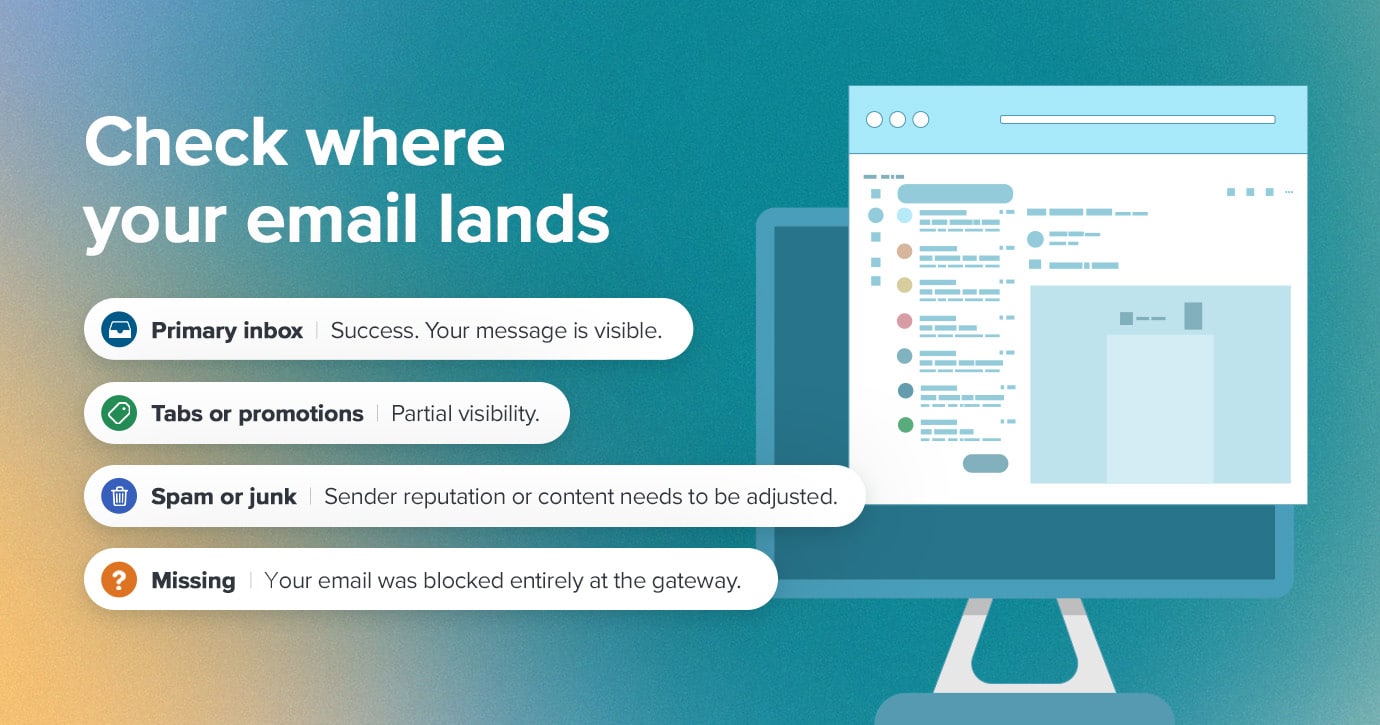
- Did it reach the primary inbox? This is the ideal outcome, ensuring maximum visibility.
- Did it land in a promotions or social tab? While not ideal for every campaign, this is still preferable to spam, as users often check these tabs.
- Was it filtered directly to the spam/junk folder? This is a critical failure, indicating significant deliverability issues.
- Was it blocked entirely? This is the most severe outcome, meaning the email never even reached the mailbox.
Because these test inboxes are owned and controlled by the testing platform, marketers receive an unbiased, real-time view of their email’s journey.
Step 3: Calculate Your Inbox Placement Rate (IPR)
Based on the folder placement analysis, you can accurately calculate your Inbox Placement Rate (IPR). This metric represents the percentage of emails that successfully reach the primary inbox (or at least a visible tab like promotions). For example, if 80 out of 100 seed list emails land in the primary inbox, your IPR is 80%. This IPR, not the delivery rate, should serve as your true north for assessing campaign performance and the overall health of your email program. Consistent tracking of IPR allows teams to identify trends, pinpoint specific mailbox providers where issues arise, and proactively adjust their strategies.
Foundational Strategies for Enhanced Inbox Placement
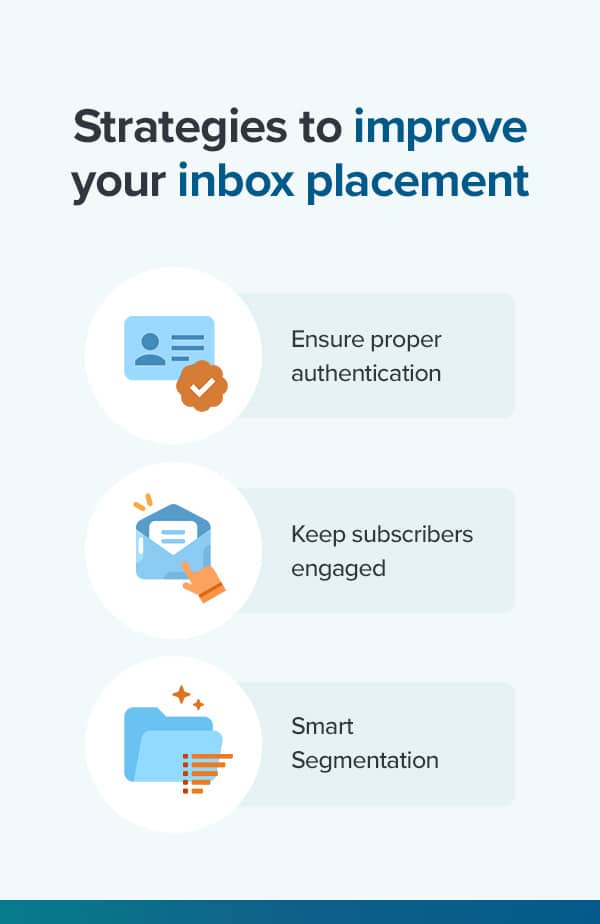
Improving inbox placement requires a multi-faceted approach, integrating technical best practices with audience-centric content strategies. These foundational steps are critical for building lasting subscriber trust and driving consistent revenue.
1. Ensure Proper Authentication: Your Digital ID Card
Email authentication is the bedrock of deliverability. It acts as a digital identity verification, proving to mailbox providers that you are who you say you are and that your emails have not been tampered with. Without proper authentication, your messages are highly likely to be flagged as suspicious or outright blocked. The three core authentication protocols are:
- SPF (Sender Policy Framework): This record in your domain’s DNS specifies which mail servers are authorized to send email on behalf of your domain. It helps prevent spammers from forging your "From" address.
- DKIM (DomainKeys Identified Mail): DKIM adds a digital signature to your outgoing emails, allowing the recipient’s server to verify that the email was indeed sent by an authorized sender and that the content hasn’t been altered in transit.
- DMARC (Domain-based Message Authentication, Reporting & Conformance): DMARC builds upon SPF and DKIM by allowing domain owners to tell receiving mail servers how to handle emails that fail authentication (e.g., quarantine, reject, or just monitor). It also provides reporting capabilities, giving senders valuable feedback on authentication failures.
As of 2024, Google and Yahoo have made these three authentication steps mandatory for bulk senders. Failure to implement them correctly will lead to significant deliverability issues, often resulting in emails being routed directly to spam or rejected. Proper authentication is no longer an option; it’s a prerequisite for successful email marketing.
2. Cultivate Active Subscriber Engagement: The Trust Factor
Recipient engagement is a powerful signal to mailbox providers regarding the value and relevance of your emails. Subscribers who consistently open, click, and interact with your content demonstrate that they want to receive your messages. Conversely, a lack of engagement—emails left unopened for extended periods—can damage your sender reputation.
Mailbox providers actively monitor engagement metrics. Subscribers who haven’t opened your emails in over a year, for instance, are often seen as dormant or disengaged. These old, inactive email addresses can sometimes be converted into spam traps by providers. Hitting a spam trap signals to the provider that you are not effectively managing your email list, which can severely harm your sender reputation and negatively impact deliverability for your active subscribers.
To mitigate this, implement robust list hygiene practices:
- Run re-engagement campaigns: Periodically send messages to dormant subscribers asking if they still wish to receive communications. Messages like "Do you still want to hear from us?" can help reignite interest.
- Remove inactive subscribers: If re-engagement efforts fail, proactively remove non-responsive subscribers from your list. While it might seem counterintuitive to shrink your list, a smaller, highly engaged list performs significantly better than a large, disengaged one. This demonstrates to mailbox providers that you maintain a healthy, responsive audience.
- Use email verification tools: At the point of sign-up, integrate verification tools to prevent invalid or misspelled email addresses from entering your database. This proactive measure prevents future bounce issues and ensures your emails are only sent to legitimate addresses likely to engage.
3. Precision through Smart Segmentation and Personalization
In today’s crowded inboxes, generic, one-size-fits-all emails are easily overlooked. A personalized, relevant approach is crucial for capturing and maintaining user engagement. By tailoring your messages to individual interests and past behaviors, you dramatically increase the likelihood of opens, clicks, and positive interactions—all vital signals to mailbox providers.
Audience segmentation involves dividing your subscriber list into smaller, more specific groups based on various criteria such as:
- Demographics: Age, location, gender.
- Purchase history: Products bought, frequency of purchases.
- Browsing behavior: Pages visited, items viewed but not purchased.
- Engagement level: Recent opens, clicks, last interaction date.
- Stated preferences: Topics of interest indicated during sign-up.
For example, instead of sending a general product update to your entire list of 50,000 subscribers, segment your audience to send it only to the 10,000 active users who have previously interacted with or expressed interest in that specific product or feature. This targeted approach ensures that the content is highly relevant to the recipients, leading to significantly higher open and click-through rates. These improved engagement metrics signal to mailbox providers that your content is valuable and popular, thereby boosting your sender reputation and improving future inbox placement across the board. The more relevant and personalized your emails, the stronger your engagement, and the better your inbox placement.
Advanced Strategies for Enterprise-Level Deliverability
For organizations with high sending volumes, a global audience, or complex email programs, achieving and maintaining pristine inbox placement requires moving beyond foundational best practices to embrace more advanced strategies. These methods not only solidify sender reputation but also provide a competitive edge in an increasingly challenging deliverability landscape.
1. Sender Certification Programs: The Whitelist Advantage
Sender certification programs, such as Validity’s Certified Sender Alliance, offer a unique advantage for vetted senders. These are "whitelist" programs where participants undergo a rigorous testing and auditing process to confirm adherence to best practices, robust security measures, and a commitment to sending desired mail. Once certified, senders essentially receive special treatment from participating mailbox providers.
The benefits of sender certification are substantial:
- Bypass key spam filters: Certified senders often bypass many of the initial filtering layers, ensuring a higher likelihood of direct inbox delivery.
- Enhanced visibility: Emails from certified senders are less likely to be routed to spam folders, improving overall visibility and reach.
- Improved sender reputation: Certification acts as a powerful trust signal, formally recognizing the sender as reputable and reliable.
- Reduced false positives: The likelihood of legitimate emails being mistakenly flagged as spam is significantly reduced.
Data consistently supports the efficacy of certification. Studies indicate that certified senders achieve millions more emails delivered to the inbox annually compared to their non-certified counterparts, underscoring the tangible advantage these programs provide in boosting email reach and effectiveness at scale.
2. Brand Indicators for Message Identification (BIMI): Visual Trust and Recognition
BIMI is an email specification that allows verified brand logos to be displayed next to the sender’s subject line in the recipient’s inbox. This visual confirmation of brand identity is a powerful tool in an era rampant with email fraud and phishing attempts.
How BIMI enhances deliverability and brand trust:
- Visual authentication: Before even opening an email, recipients can instantly recognize and trust the sender by seeing their familiar brand logo. This helps subscribers quickly identify legitimate communications from your brand, reducing the likelihood of emails being ignored or marked as spam out of caution.
- Combating phishing: BIMI requires strict DMARC enforcement (at a "quarantine" or "reject" policy), meaning only domains with robust email authentication can display a logo. This makes it significantly harder for malicious actors to spoof your brand, enhancing security for both your brand and your customers.
- Standing out in a crowded inbox: In a sea of text-only subject lines, a distinctive brand logo captures attention, increasing the likelihood of an email being opened over others. This visual differentiator can significantly improve open rates and engagement.
Implementing BIMI requires meeting stringent authentication standards, particularly a DMARC policy set to an enforcement level (quarantine or reject). This requirement itself highlights BIMI’s role as a strong trust signal, reserved for brands committed to the highest levels of email security.
3. Real-Time Feedback Loops (FBLs): Actionable Insights into Complaints
Real-time feedback loops (FBLs) are crucial diagnostic tools offered by major mailbox providers, such as Google Postmaster Tools and Microsoft SNDS (Smart Network Data Services). These services provide invaluable insights into how your subscribers perceive your emails, specifically by reporting when users actively mark your messages as spam.
When a subscriber marks one of your emails as spam, the FBL system notifies you, often pinpointing the specific email address that generated the complaint. This actionable data allows marketers to:
- Improve list hygiene: Immediately identify and remove subscribers who have explicitly indicated they no longer wish to receive your emails. This prevents future complaints from those specific users.
- Refine content strategy: A spike in complaints for a particular campaign can signal issues with content relevance, subject line accuracy, or sending frequency. FBL data helps in understanding what resonates and what doesn’t.
- Maintain sender reputation: By promptly addressing and reducing complaint rates, marketers demonstrate to mailbox providers a commitment to sending desired mail. High complaint rates are a significant red flag for providers, and proactive management through FBLs helps safeguard overall sender reputation and deliverability for the rest of your audience.
FBLs provide a direct line of communication from the mailbox provider regarding user sentiment, enabling swift corrective actions that are vital for maintaining a healthy and high-performing email program.
Conclusion: The Mandate for Inbox-Centric Email Marketing
In the increasingly complex world of digital communication, the era of merely achieving a high delivery rate is long past. For marketers to truly maximize their impact and safeguard their investment in email, the focus must irrevocably shift to the email deliverability metric that genuinely counts: inbox placement. Understanding precisely where emails land—whether in the primary inbox, a promotions tab, or tragically, the spam folder—is the critical differentiator between shouting into the void and forging meaningful connections with an audience.
A robust, proactive approach to inbox placement is no longer an optional add-on but a strategic imperative. By meticulously implementing foundational practices like strong email authentication (SPF, DKIM, DMARC), maintaining rigorous list hygiene and fostering active subscriber engagement, and leveraging the power of smart segmentation and personalization, organizations can significantly elevate their email program’s performance. For those operating at scale, advanced strategies such as sender certification, BIMI implementation, and active utilization of real-time feedback loops offer further opportunities to solidify trust, enhance brand visibility, and consistently reach the inbox.
Tools like Litmus Deliverability provide the necessary insights to pinpoint exactly what factors are affecting sender reputation and inbox placement. With data-driven confidence, marketing teams can refine their strategies, resolve issues proactively, and ensure that every carefully crafted email has the opportunity to fulfill its potential. The future of effective email marketing belongs to those who prioritize and master inbox placement, transforming potential into tangible business results and building enduring relationships with their subscribers.