rifanmuazin
The global marketing landscape is undergoing a fundamental transformation as businesses move away from fragmented, channel-specific tactics toward a unified, holistic framework. Holistic marketing, a concept popularized by marketing theorist Philip Kotler, posits that a business is a single entity where every department—from human resources and operations to sales and customer support—must synchronize to deliver a singular, coherent brand message. In an era defined by hyper-competition and consumer skepticism, this integrated approach has become a prerequisite for driving sustainable growth, particularly within the rapidly expanding affiliate marketing sector, which is projected to reach an estimated valuation of $15.7 billion globally by the end of 2024.
At its core, holistic marketing operates on the premise that the whole is greater than the sum of its parts. By aligning internal culture with external messaging, companies can ensure that every touchpoint in the buyer journey reinforces brand equity rather than diluting it. This strategic shift is largely driven by the modern consumer’s demand for consistency; research indicates that brands presenting a consistent image across all platforms can see revenue increases of up to 23%. For affiliate marketing programs, this consistency is vital, as third-party partners rely on a brand’s established credibility to convert traffic into sales.
The Four Dimensions of the Holistic Framework
To understand the operational impact of holistic marketing, one must examine its four foundational dimensions: internal marketing, relationship marketing, societal marketing, and integrated marketing. Each dimension serves as a pillar that supports the overarching business objective of long-term profitability and brand loyalty.
Internal marketing treats employees as the "first customers" of the organization. It recognizes that a company’s vision cannot be effectively sold to the public if it is not first embraced by the staff. When human resources, product development, and management are aligned with the brand’s core values, the resulting synergy improves performance and authenticates the customer experience. Industry data suggests that companies with highly engaged employees outperform their peers by 147% in earnings per share, highlighting the direct link between internal alignment and financial success.
Relationship marketing shifts the focus from transactional interactions to the cultivation of long-term partnerships. This dimension extends beyond the end-user to include suppliers, distributors, and affiliate partners. In the context of affiliate management, relationship marketing involves viewing affiliates not merely as outsourced sales agents, but as brand ambassadors. By providing them with high-quality creatives, transparent data, and consistent support, companies foster a loyal network that contributes to a higher customer lifetime value (CLV).
Societal marketing introduces an ethical layer to the business model, emphasizing corporate social responsibility (CSR). In the current market, 70% of consumers report that they prefer to buy from brands that demonstrate a commitment to social or environmental causes. By integrating societal goals into the marketing mix—such as supporting local charities or implementing sustainable supply chains—businesses build a "reputation moat" that protects them during market volatility.
Integrated marketing ensures that all communication channels—social media, email, SEO, and affiliate content—speak with one voice. This prevents the "fragmentation trap," where a brand might appear luxurious on its website but discount-driven on social media. Consistency in visual identity, tone, and value proposition is the primary driver of consumer trust in the digital age.

Chronology of the Marketing Evolution
The transition toward holistic marketing is the result of decades of industrial and digital evolution. Understanding this timeline provides context for why the holistic approach is now a business necessity.
In the 1960s and 1970s, the "Product Era" dominated, focusing on the 4Ps (Product, Price, Place, Promotion). Marketing was largely a one-way broadcast through mass media. By the 1990s, the "Relationship Era" began to emerge with the advent of Customer Relationship Management (CRM) tools, shifting focus toward customer retention.
The early 2000s brought the "Digital Fragmentation Era," where the explosion of social media and search engines led many companies to manage channels in silos. This often resulted in conflicting messages and a disjointed customer experience. However, by the mid-2010s, the rise of the "Experience Economy" forced a move toward integration. Today, we are in the "Holistic Era," where data analytics and artificial intelligence allow brands to weave together disparate threads of the business into a single, seamless narrative.
Supporting Data and Economic Impact
The shift toward holistic strategies is backed by significant economic indicators. According to a study by McKinsey & Company, companies that master omnichannel integration—a key component of holistic marketing—achieve 9.5% year-over-year increases in annual revenue, compared to 3.4% for those that do not. Furthermore, integrated brands enjoy a 7.5% decrease in cost per contact, as streamlined messaging reduces the need for repetitive or corrective advertising.
In the affiliate marketing sector, the impact is even more pronounced. Affiliate programs that operate within a holistic framework see significantly higher conversion rates. When an affiliate sends a lead to a landing page that perfectly matches the tone and promise of the affiliate’s content, the "trust bridge" remains intact. Conversely, a mismatch in branding leads to high bounce rates and diminished return on ad spend (ROAS).
Strategic Implementation and Official Responses
Industry leaders and Chief Marketing Officers (CMOs) increasingly advocate for a top-down implementation of holistic strategies. The consensus among marketing executives is that the process must begin with a clear definition of SMART goals (Specific, Measurable, Attainable, Relevant, and Time-bound).
"Holistic marketing is no longer a luxury; it is an operational requirement," states several industry white papers. "The goal is to move from a collection of departments to a singular organism that breathes the brand’s values."
The implementation process typically involves five key steps:
- Goal Alignment: Ensuring that every department’s KPIs contribute to the same overarching business objectives.
- Audience Centrality: Utilizing deep market research to create a 360-degree view of the customer, which is then shared across the organization.
- Cross-Departmental Coordination: Breaking down silos through regular inter-departmental meetings and shared communication platforms.
- Data Integration: Implementing "Single Source of Truth" (SSOT) data systems where sales, marketing, and customer service data are unified.
- Continuous Optimization: Using real-time analytics to adjust tactics while maintaining the core strategic message.
Case Study: The Apple Model of Holistic Excellence
Apple Inc. serves as the premier global example of holistic marketing in action. The company’s success is not merely the result of innovative hardware but of a meticulously integrated ecosystem. Apple’s internal marketing ensures that every "Genius" in a retail store is an expert advocate for the brand’s vision of simplicity and empowerment.
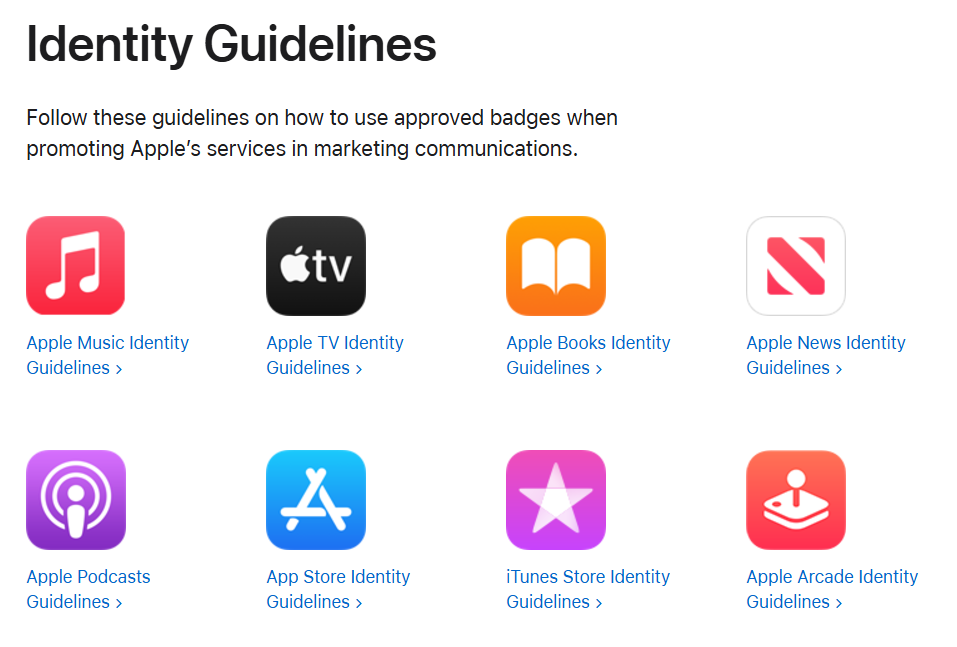
Apple’s societal marketing is visible in its public commitment to carbon neutrality and privacy rights, which have become core components of its brand identity. This consistency extends to its "Apple Services Performance Partners Program." Unlike many affiliate programs that allow partners a wide berth, Apple provides stringent guidelines and high-quality assets to ensure that every affiliate-driven click leads to an experience that feels quintessentially "Apple." This attention to detail across all four dimensions has allowed Apple to maintain one of the highest customer retention rates in the technology industry.
Broader Implications for the Future of Commerce
Looking ahead, the role of emerging technologies like Artificial Intelligence (AI) and Machine Learning (ML) will further deepen the holistic approach. AI can now analyze customer interactions across dozens of touchpoints to predict future behavior, allowing brands to deliver a unified message that feels personalized yet consistent.
However, the future also presents challenges. As privacy regulations like GDPR and CCPA become more stringent, the "Relationship" and "Societal" dimensions of marketing will become even more critical. Brands will need to rely on the trust they have built through holistic consistency to encourage consumers to share their data.
For the affiliate marketing industry, the future is one of "Quality over Quantity." As the digital space becomes more crowded, only those brands that provide a seamless, trustworthy journey will attract the top-tier affiliates who drive the most significant volume. Companies that fail to adopt a holistic view risk becoming obsolete in a marketplace where the customer’s perception is shaped by the weakest link in the business chain.
In conclusion, holistic marketing represents the maturation of the commercial sector. It is a move away from the "smoke and mirrors" of traditional advertising toward a model of radical transparency and internal-external alignment. For businesses aiming for sustainable growth, the path forward is clear: the integration of every department, the nurturing of every relationship, and the unwavering commitment to a consistent brand promise. This is the foundation upon which the next generation of market leaders will be built.