
 rifanmuazin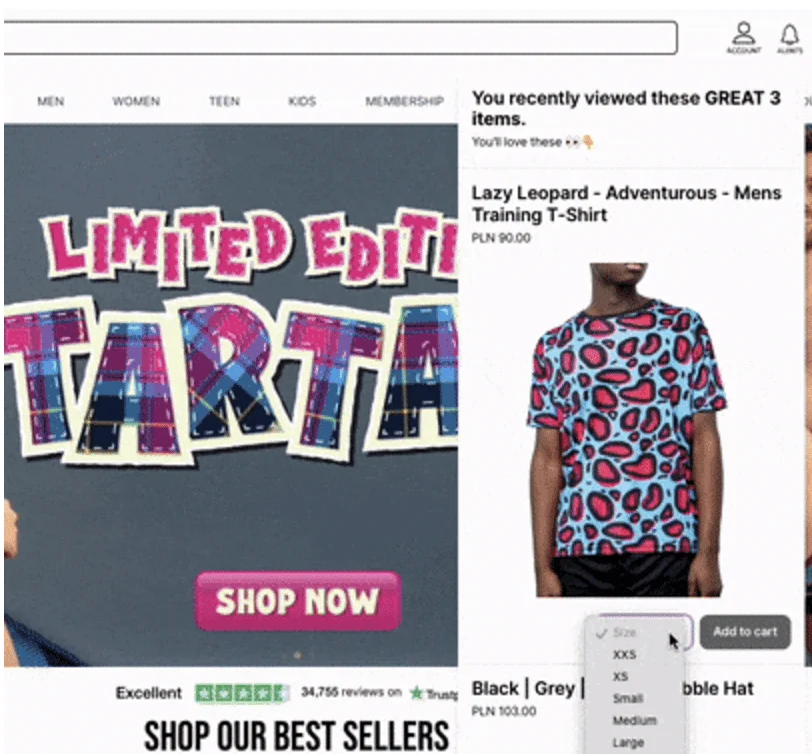
The global landscape of e-commerce and digital interaction is undergoing a fundamental shift as businesses move away from static, one-size-fits-all web experiences toward hyper-personalized, real-time environments. At the center of this transformation is Artificial Intelligence-driven Conversion Rate Optimization (AI CRO), a methodology that leverages machine learning and predictive analytics to anticipate user needs, eliminate friction, and maximize the value of every digital interaction. While traditional CRO relied heavily on manual data analysis and sequential A/B testing, the integration of AI allows for a level of speed and precision previously unattainable, fundamentally altering the economics of customer acquisition and retention.
The Strategic Shift from Traditional to AI-Enhanced Optimization
Conversion Rate Optimization has historically been a labor-intensive process. For decades, digital marketers and data analysts followed a standard protocol: gather historical data, conduct heuristic reviews, form a hypothesis, and run A/B or multivariate tests over several weeks to determine which version of a webpage performed better. While effective, this “traditional” model is limited by human bandwidth and the “winner-takes-all” nature of sequential testing, which often ignores the nuanced preferences of different user segments.

AI CRO represents an evolution from this reactive model to a proactive, algorithmic one. Instead of waiting for a test to conclude to make a change, AI systems identify conversion friction in real-time. These systems can prioritize testing variables based on their predicted impact on revenue per visitor (RPV) or trial-to-paid conversion rates. According to industry analysts, the primary differentiator is the ability to handle “big data” at scale—spotting subtle behavioral patterns that a human analyst might overlook, such as the specific millisecond of delay that causes a mobile user to abandon a cart or the subtle correlation between weather patterns and purchasing intent.
A Chronology of Conversion Technology
To understand the current state of AI CRO, it is necessary to examine the technological trajectory of the past two decades:
- The Era of Static Web (1990s – Early 2000s): Websites were digital brochures. Optimization was limited to basic layout changes based on gut feeling rather than data.
- The Rise of Analytics (2005 – 2012): The introduction of tools like Google Analytics allowed businesses to see where users were dropping off. A/B testing became a standardized practice, though it remained manual and slow.
- The Big Data Explosion (2013 – 2019): Companies began collecting massive amounts of user data. Heatmaps and session recordings provided deeper insights, but the “data silos” made it difficult to act on information quickly.
- The AI Integration Era (2020 – Present): Generative AI and machine learning models are integrated directly into the tech stack. Systems now not only analyze data but also generate and deploy variations of content automatically, leading to the current state of “autonomous optimization.”
Core Components of the AI CRO Ecosystem
The implementation of AI in the conversion funnel is not a singular event but a collection of specialized applications that work in tandem to improve the user experience.
1. Predictive Analytics and Churn Prevention
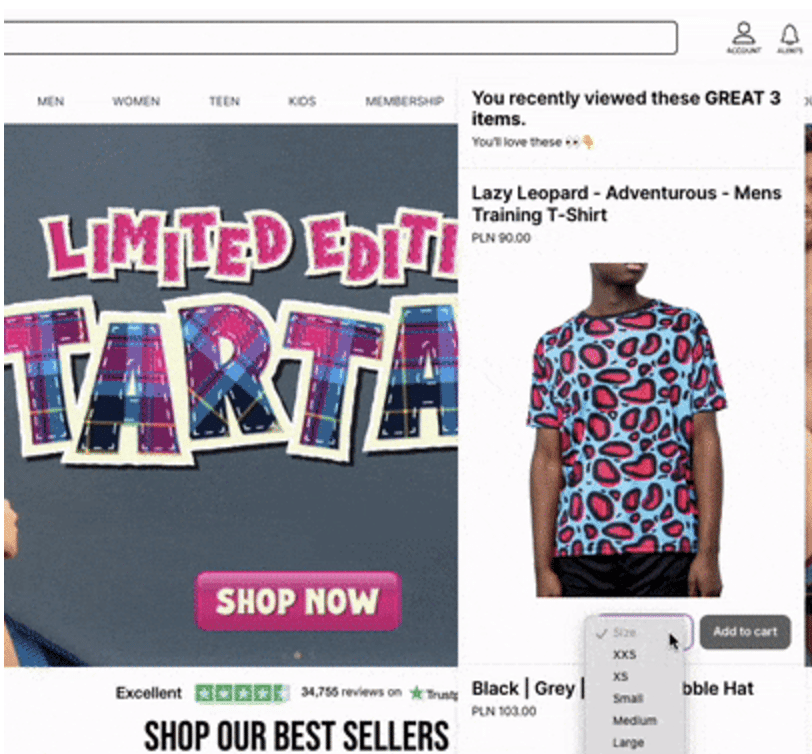
Predictive analytics acts as a “digital crystal ball,” using machine learning to forecast future user actions based on historical behavior. Tools such as Pendo and HubSpot utilize these models to identify “at-risk” users. For example, if a user’s navigation pattern mirrors that of previous users who abandoned their carts, the AI can trigger an immediate intervention—such as a personalized discount or a targeted help prompt—to retain the customer before they leave the site.
2. Advanced Personalization Engines
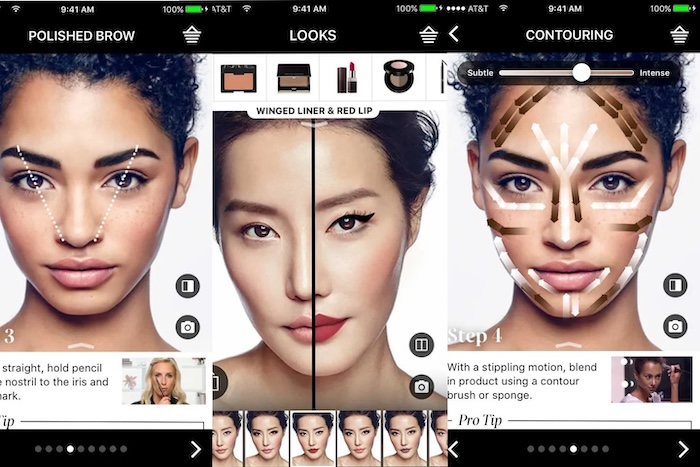
Personalization has moved beyond simply including a customer’s name in an email. AI-powered engines now curate the entire website experience in real-time. A notable example is Sephora, which utilizes AI to recommend products based on a complex matrix of past purchases, browsing history, and even skin type data. Their “Virtual Artist” tool allows users to try on makeup via augmented reality, an AI application that significantly reduces the “uncertainty gap” in the purchasing process, thereby driving higher conversion rates.
3. Real-Time Heatmaps and Behavioral Mapping
Traditional heatmaps provided a static view of user interaction. Modern AI-driven tools, such as FigPii and Crazy Egg, now offer dynamic insights. These algorithms analyze the “scroll depth” and “click-path” of thousands of users simultaneously, suggesting specific UI/UX changes to improve flow. If the AI detects that a significant percentage of users are “rage-clicking” on a non-interactive element, it can flag this as a critical friction point for immediate correction.
4. AI-Driven Chatbots and Natural Language Processing (NLP)
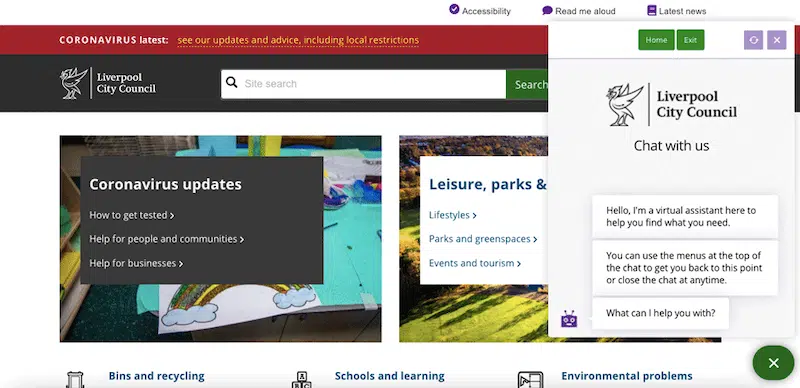
The shift from simple, logic-tree chatbots to NLP-driven virtual assistants has transformed customer support from a cost center into a conversion tool. These bots, such as those provided by Intercom and Drift, can understand intent and provide instant, human-like responses 24/7. This technology has even been adopted by public sector entities like the Liverpool City Council, which implemented a virtual assistant to resolve queries regarding council tax and benefits, demonstrating that AI optimization is as much about service efficiency as it is about retail sales.
Supporting Data and Market Impact
The financial implications of adopting AI CRO are supported by significant market data. A report by McKinsey & Company suggests that companies that excel at personalization—often powered by AI—generate 40% more revenue from those activities than average players. Furthermore, Gartner predicts that by 2025, 80% of customer service organizations will be leveraging some form of generative AI to improve agent productivity and customer experience.
In the e-commerce sector specifically, the impact on “Revenue Per Visitor” (RPV) is often the primary metric of success. By using AI to dynamically adjust pricing or product bundles based on a user’s perceived price sensitivity, brands have reported increases in RPV ranging from 10% to 30%. This efficiency is critical in an era where the cost per mille (CPM) for digital advertising continues to rise, making it more important than ever to convert the traffic that a business has already paid to acquire.
Case Study: Stitch Fix and the Algorithmic Styling Model
Stitch Fix, an online personal styling service, serves as a primary example of a business model built entirely on AI-driven optimization. Their “Outcome-driven Client Model” (OCM) uses generative AI and machine learning to match inventory with client preferences. By analyzing feedback from millions of “style profiles,” the AI predicts which items a customer is most likely to keep and purchase. This reduces the return rate and increases the conversion of “shipped items” to “sold items,” showcasing how AI optimization extends beyond the website and into the physical supply chain.
Building a Data-Driven Optimization Culture
For an organization to successfully implement AI CRO, it must foster a culture that prioritizes data over intuition. This “Data-Driven Optimization Culture” requires a fundamental shift in management philosophy. Instead of a top-down approach where creative decisions are made by the highest-paid person in the room, decisions are validated through continuous testing and algorithmic feedback.
Industry experts suggest that the role of the human CRO specialist is evolving from “executor” to “architect.” While the AI handles the heavy lifting of data processing and real-time adjustment, humans are required to set the strategic guardrails, ensure ethical data usage, and provide the creative spark for brand storytelling that AI cannot yet fully replicate.

Broader Implications and Ethical Considerations
As AI becomes more deeply embedded in the consumer journey, concerns regarding data privacy and “algorithmic bias” have moved to the forefront of the conversation. Regulators in the European Union and the United States are increasingly scrutinizing how AI models use consumer data to influence purchasing behavior.
The implication for businesses is a need for transparency. Optimized conversion should not come at the cost of consumer trust. Companies that succeed in the long term will be those that use AI to create genuine value—such as helping a user find a product faster or providing relevant information—rather than using “dark patterns” or manipulative AI tactics to force a sale.
Conclusion: The Competitive Necessity of AI
The future of Conversion Rate Optimization is undeniably tied to the advancement of artificial intelligence. As machine learning models become more accessible and integrated, the gap between companies using AI and those relying on traditional methods will continue to widen.
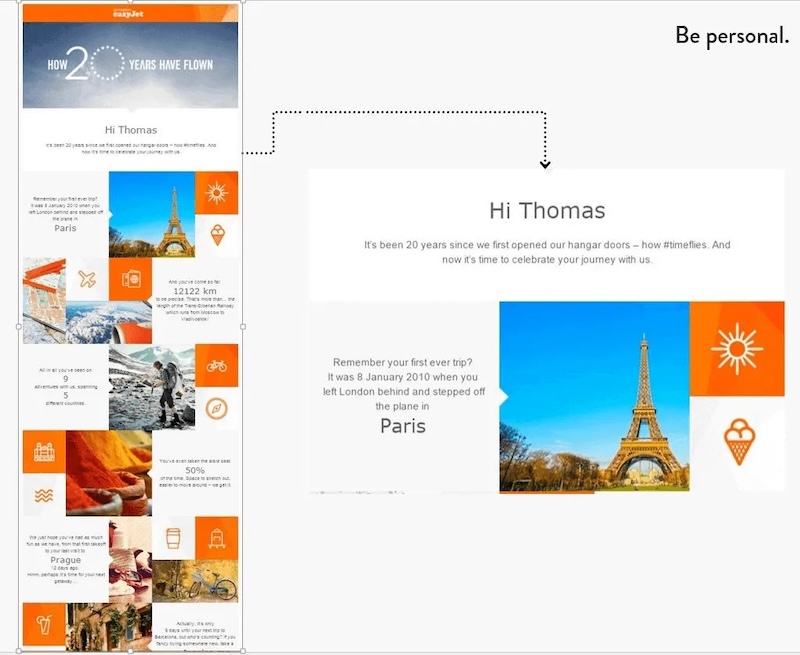
For modern enterprises, AI-driven CRO is no longer an optional luxury but a competitive necessity. The ability to treat every visitor as an audience of one, providing a seamless and tailored journey from the first click to the final purchase, is the new standard of digital excellence. As the technology continues to evolve, the focus will shift from simple “conversion” to the creation of long-term “customer lifetime value,” driven by an AI-enabled understanding of human needs and behaviors.








