

The global digital advertising landscape has entered a period of profound transformation as the industry approaches 2026, marked by a growing disconnect between platform popularity and actual profitability. Recent data from an Instapage survey of 1,440 marketing professionals reveals a stark reality: while 87% of advertisers continue to utilize Google and Meta Ads, only 44% identify Google as their top-performing channel, and a mere 25% cite Facebook as their primary driver of Return on Ad Spend (ROAS). This performance gap is increasingly attributed not to the platforms themselves, but to the "post-click" experience, where technical friction and message misalignment are eroding multi-billion dollar advertising budgets.

The Rising Cost of Digital Acquisition
The economic environment for digital marketing has become significantly more challenging over the last 24 months. According to industry benchmarks, the average cost per lead (CPL) has seen a steady upward trajectory, climbing from $66.69 in 2024 to a projected $70.11 by 2025. As competition for digital real estate intensifies, brands are paying higher premiums for traffic that frequently fails to convert.
Research into user behavior suggests that technical performance is now a primary determinant of campaign success. A one-second delay in mobile landing page load times can reduce conversion rates by up to 20%. With the average landing page currently taking four seconds to load on mobile devices, many organizations are effectively losing nearly half of their potential customers before the page fully renders. This "leaky bucket" phenomenon has forced a strategic shift toward post-click optimization (PCO) as a core competency for 2026.
A Chronology of Platform Evolution: 2024–2026
The journey to the current advertising ecosystem has been defined by three major shifts in technology and regulation.
In 2024, the industry grappled with the initial "privacy winter," as Apple’s App Tracking Transparency (ATT) reached full maturity, forcing Meta and other social platforms to pivot toward "Advantage+" automation and AI-driven modeling to compensate for lost signal.
By 2025, the focus shifted to the "Search Revolution." Microsoft Bing, leveraging its integration with OpenAI, began to capture a more significant share of high-intent search traffic, offering a lower-cost alternative to the Google Ads behemoth. Simultaneously, Google accelerated its transition to Search Generative Experience (SGE), fundamentally changing how search ads are displayed and interacted with.
Now, in 2026, the industry is navigating the definitive end of third-party cookies in major browsers. This has ushered in the "Era of First-Party Data," where the ability to capture and utilize consented customer information has become the primary competitive advantage.
Performance Analysis of Primary Advertising Channels
The Google and Meta Duopoly
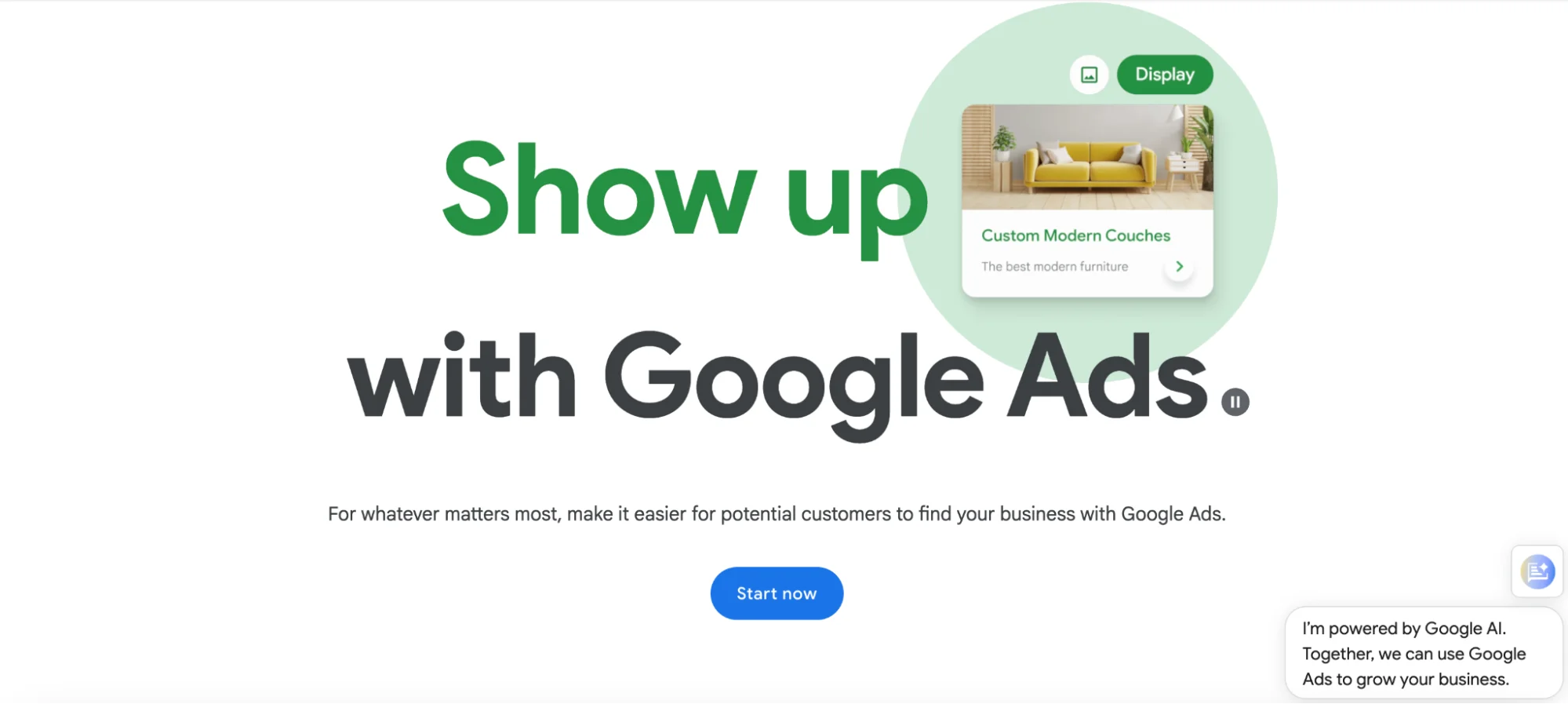
Despite the emergence of new challengers, Google Ads remains the foundation of digital strategy due to its unparalleled reach, covering over 90% of global search traffic. Its strength lies in capturing high-intent users at the exact moment of discovery. However, the platform’s "Quality Score" mechanism—a metric that balances ad relevance and landing page experience—has become more punitive. Advertisers with slow or irrelevant landing pages are now seeing significantly higher CPCs (Cost Per Click) than their optimized competitors.
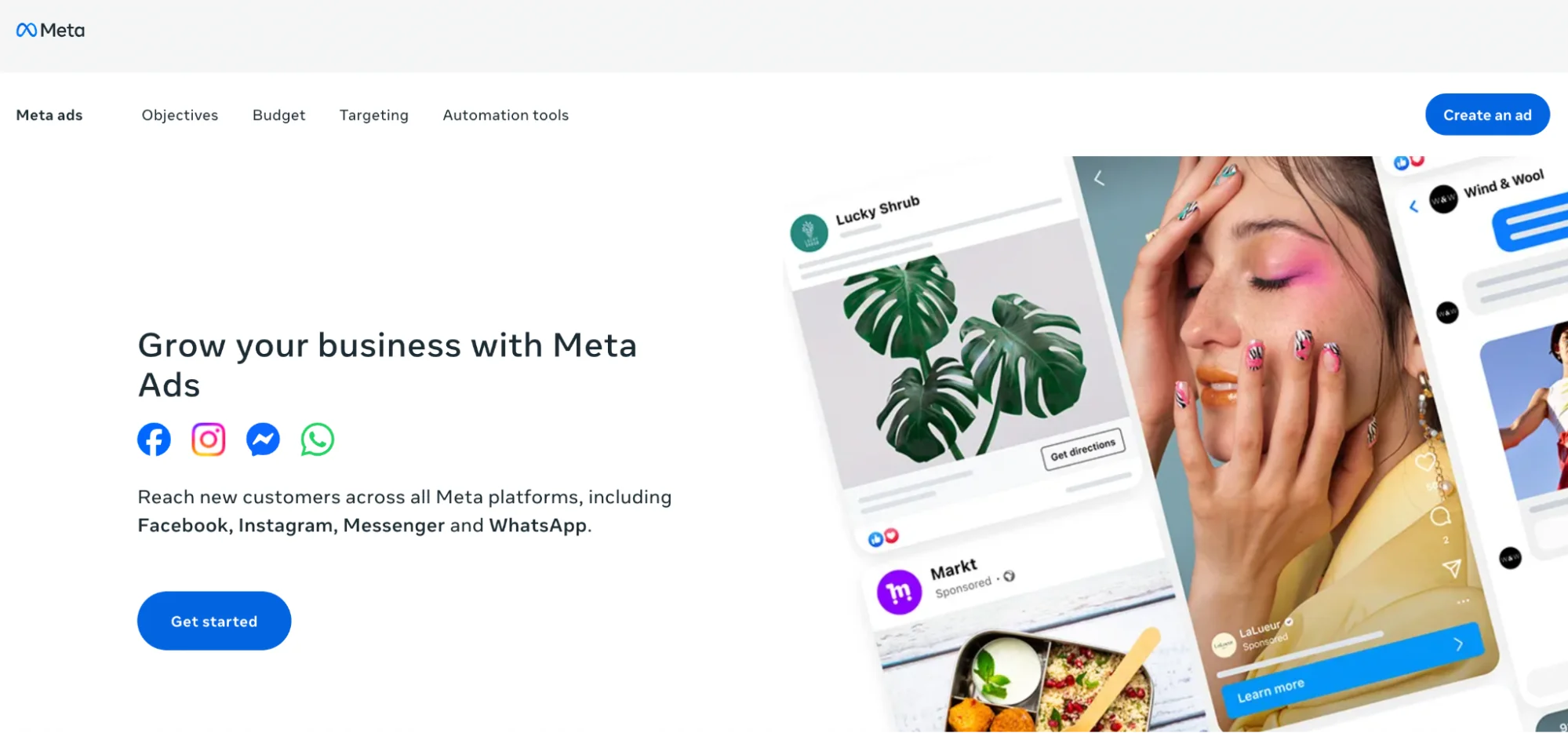
Meta Ads (Facebook and Instagram) continues to dominate the "discovery" phase of the funnel. While only 9% of marketers report Instagram as their top-performing platform, it remains essential for brand building and visual storytelling. The shift toward Reels and Stories has necessitated a more native, less "produced" creative approach, which 25% of marketers cite as their biggest operational hurdle.
The TikTok Surge
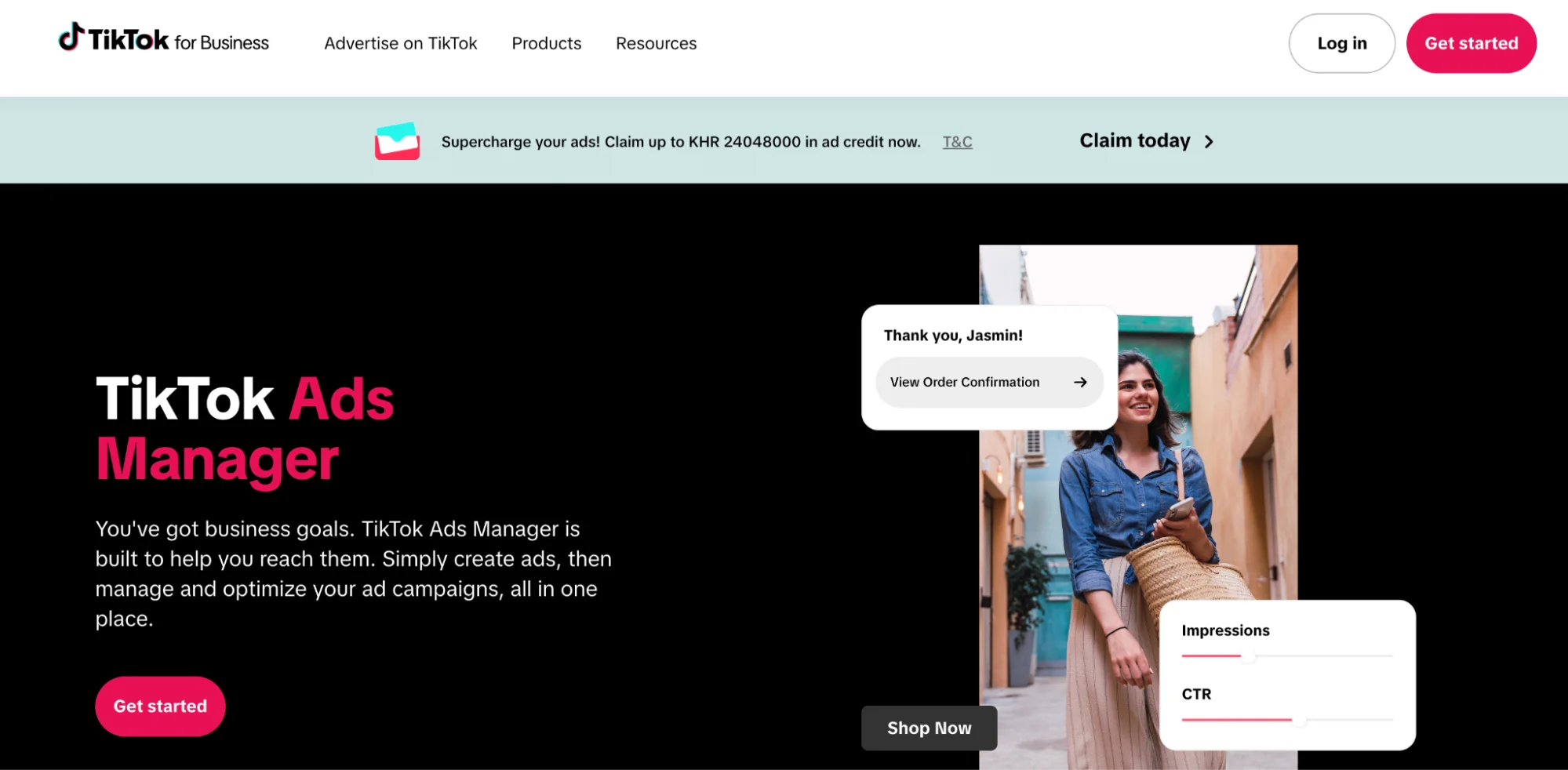
TikTok Ads has emerged as the fastest-growing platform in the 2026 landscape. Survey data indicates that 25% of marketers plan to adopt or increase spending on TikTok in the coming year. The platform’s algorithm, which prioritizes engagement over follower counts, has democratized reach for newer brands. Analysts note that TikTok’s "native-first" requirement has forced brands to abandon traditional commercial formats in favor of creator-led content, which consistently achieves higher ROAS on the platform.
B2B and Niche Growth
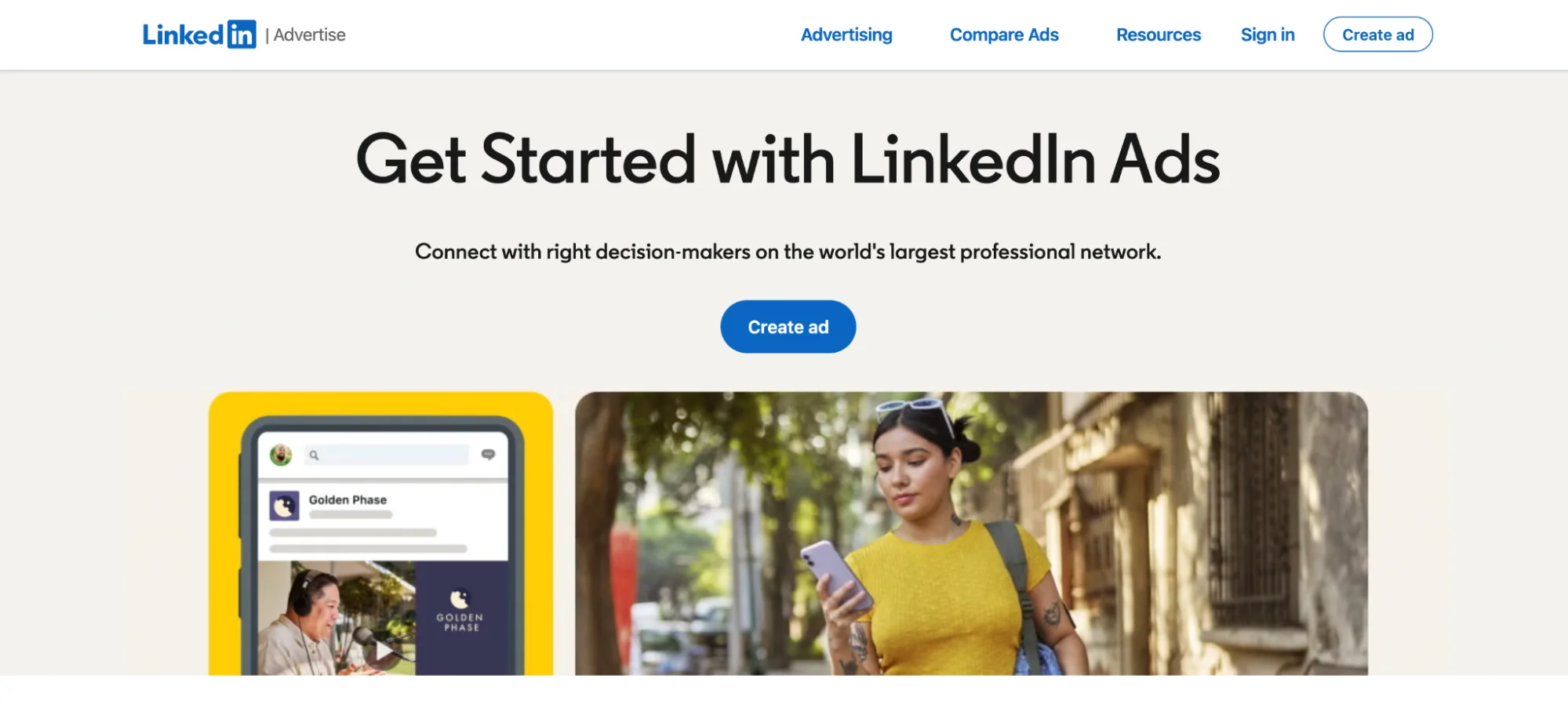
LinkedIn Ads maintains its position as the premier B2B platform, though its high CPC remains a barrier for smaller firms. To combat this, B2B marketers are increasingly using "Personalization" tools to serve dynamic content to different visitor segments—such as enterprise vs. small business—on a single landing page, thereby maximizing the value of expensive LinkedIn clicks.
The Technical and Regulatory Shift: Privacy-First Marketing
The 2026 advertising environment is defined by a strict adherence to privacy and data sovereignty. The phasing out of third-party cookies, though delayed multiple times by Google, has finally forced a transition to server-side tracking and Conversion APIs (CAPIs).
Regulatory bodies have also tightened their oversight. In Europe, GDPR (General Data Protection Regulation) remains the gold standard for consumer protection, while in the United States, the CCPA (California Consumer Privacy Act) and similar laws in states like Virginia and Colorado have created a complex patchwork of compliance requirements. Other international regulations, such as Canada’s PIPEDA and Brazil’s LGPD, have further necessitated the use of sophisticated Consent Management Platforms (CMPs).
Industry analysts suggest that the "consent-gap"—the loss of tracking data due to users opting out of cookies—is currently averaging 30-40% for most websites. This has made first-party data collection through newsletters, gated content, and account creation a mandatory component of any sustainable advertising strategy.
Strategic Framework for Platform Selection
For organizations looking to optimize their 2026 budget, a decision framework based on specific business goals is essential:
- High-Intent Sales: Google Ads and Microsoft Advertising remain the primary choices for capturing users actively searching for solutions.
- Brand Awareness: Meta Ads and TikTok provide the scale necessary for building recognition among broad demographics.
- B2B Lead Generation: LinkedIn Ads is the preferred choice for reaching decision-makers, though it requires a high-quality post-click experience to justify the cost.
- Visual Discovery: Pinterest Ads is increasingly utilized for "planning-phase" shopping, particularly in home decor, fashion, and travel.
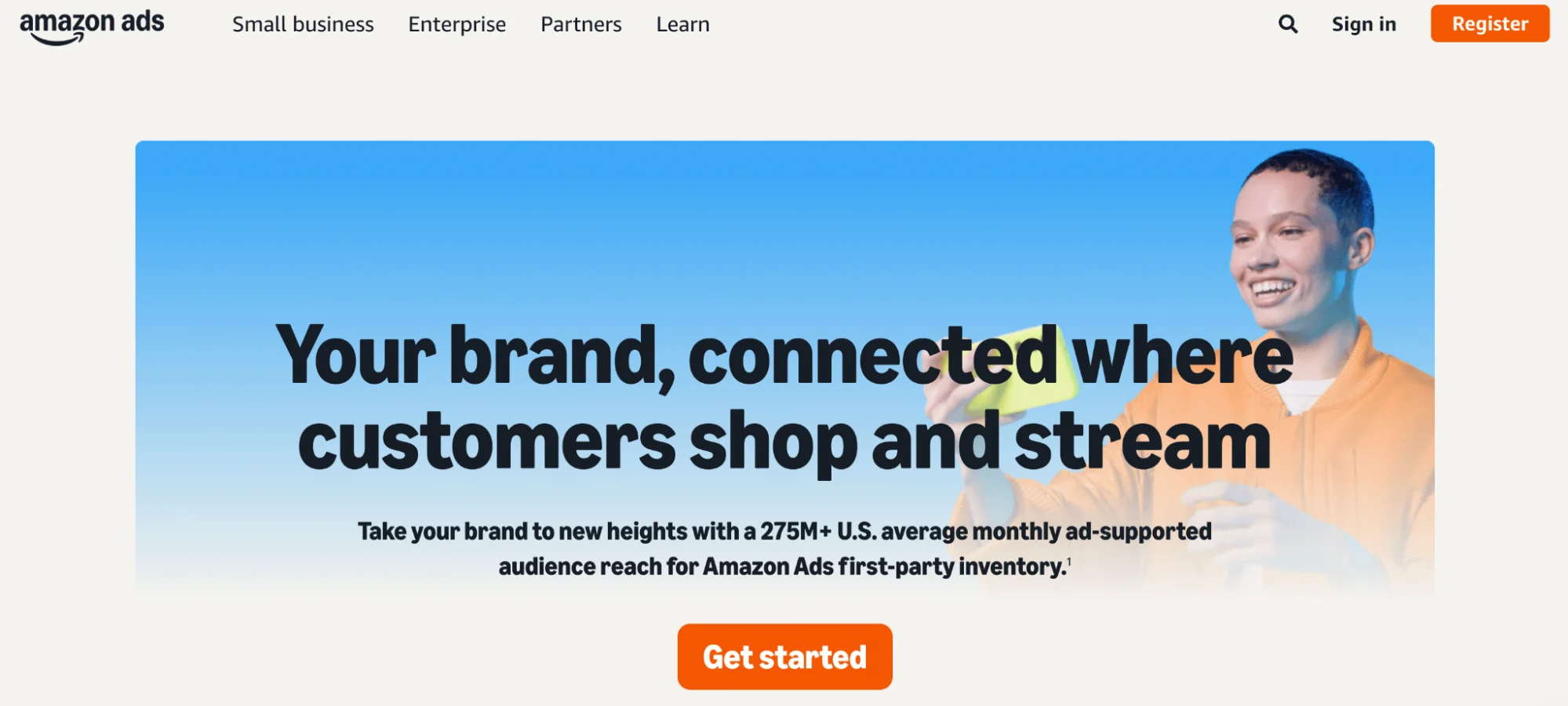
- Bottom-Funnel Commerce: Amazon Ads continues to report 34% sales growth for brands within four weeks of launch, specifically for those already operating within the Amazon ecosystem.
Analysis: Why Clicks Fail to Convert
The most significant takeaway from 2026 performance data is that the "click" is no longer the bottleneck; the "conversion" is. Experts identify three primary reasons for campaign failure:
- Message Mismatch: A disconnect between the ad’s promise and the landing page’s headline leads to immediate cognitive dissonance and high bounce rates.
- The "Homepage" Trap: Sending paid traffic to a generic homepage—which contains dozens of exit points and navigation links—dilutes user intent and lowers conversion rates by an average of 12%.
- Speed Inefficiency: In an era of instant gratification, a four-second load time is perceived as a technical failure by the user, leading to abandonment.
The Role of Post-Click Automation
To address these challenges, the industry has turned toward specialized landing page platforms. These tools allow marketing teams to bypass traditional development bottlenecks, enabling the rapid creation of dedicated, message-matched pages for every ad group.
Instapage, a leader in this space, reports that its users achieve an average conversion rate of 16%, significantly higher than the 2-4% industry average for generic website pages. This is achieved through "AdMap" technology, which visually maps ads to pages to ensure message consistency, and continuous A/B testing (Experimentation) to refine headlines and calls-to-action against live traffic.
Conclusion and Broader Impact
As we look toward the remainder of 2026, the digital advertising industry is moving away from a "more is better" approach to traffic acquisition. The focus has shifted toward efficiency, privacy compliance, and the optimization of the user journey once they leave the ad platform.
For small and mid-market businesses, the strategy for 2026 is clear: focus on 1-2 core platforms where the audience is most active, invest heavily in first-party data collection, and ensure that every paid click lands on a fast, relevant, and dedicated conversion page. In an era of $70 lead costs, the margin for error has disappeared. The winners in the 2026 advertising landscape will not be those who spend the most, but those who convert the most efficiently.







