Pevita Pearce
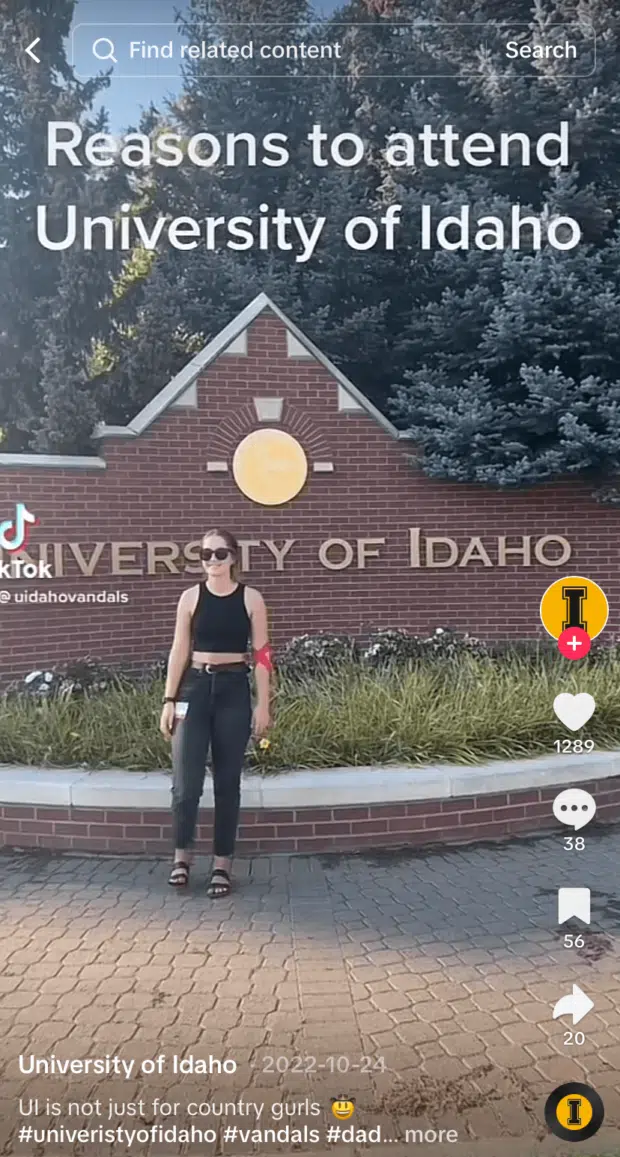
Social media, encompassing platforms such as YouTube, Instagram, TikTok, LinkedIn, Facebook, and X (formerly Twitter), has profoundly reshaped the educational landscape, becoming an indispensable tool for both pedagogical innovation and institutional communication. This integration is broadly categorized into two distinct, yet interconnected, domains: its application as a classroom tool for teaching and learning, and its strategic use as an institutional channel for outreach and engagement. The omnipresence of these platforms in students’ daily lives necessitates their thoughtful inclusion in educational strategies, transforming how institutions connect with, educate, and support their communities.

The Digital Imperative: Why Social Media is Unavoidable in Education
The integration of social media into education is not merely an option but a strategic imperative driven by the demographic realities of today’s student body. A significant majority of young people are "digital natives," with robust engagement across various social platforms. Data from Pew Research indicates that nine out of ten U.S. teens regularly use YouTube, with substantial majorities also active on TikTok and Instagram. This pervasive presence means that meeting students on their preferred platforms is often more effective than attempting to divert their attention to unfamiliar or less intuitive channels. Educational institutions that embrace social media recognize its potential to bridge the gap between traditional learning environments and students’ everyday digital experiences, fostering a more relevant and accessible educational journey.

The historical trajectory of technology in education has consistently moved towards greater integration. From early computer labs to the proliferation of smartboards and personal devices, each technological wave has presented both opportunities and challenges. Social media represents the latest, and arguably most impactful, phase of this evolution, demanding that educators and administrators develop sophisticated strategies to harness its benefits while mitigating its inherent risks. The shift began with early adopters exploring platforms for informal discussions, evolving into structured assignments, virtual classrooms, and comprehensive institutional branding efforts.
Benefits: Fostering Engagement and Global Connections
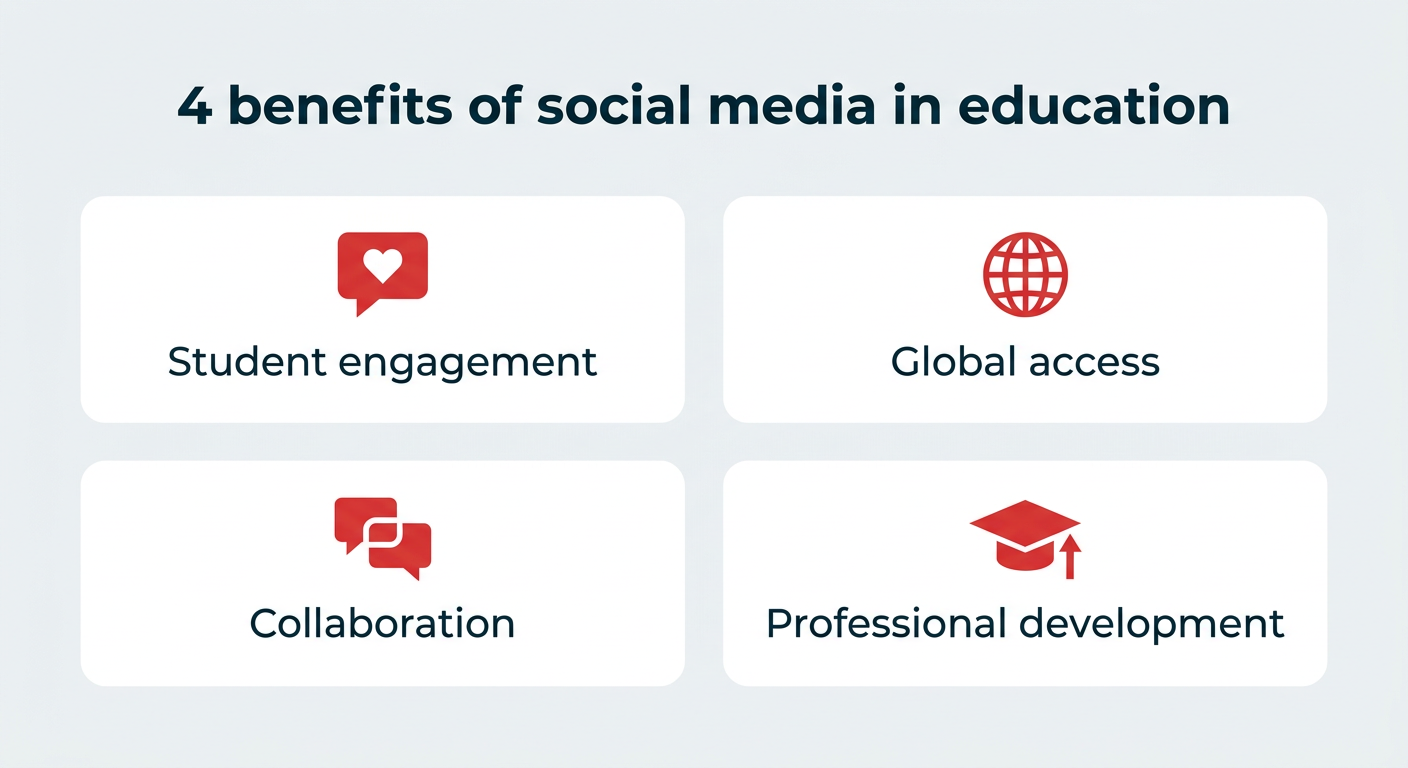
When utilized effectively, social media can significantly enhance student engagement and foster a more connected educational community. The benefits extend across several crucial areas:
Firstly, increased student engagement stems from leveraging platforms students already use, making learning feel more natural and less like a chore. While "engagement" in social media often refers to likes and shares, in an educational context, it translates to active participation, curiosity, and social interaction within the classroom. Platforms like TikTok, where U.S. teens spend an average of 1 hour and 18 minutes daily, offer unique opportunities to capture attention and facilitate dynamic learning experiences that resonate with contemporary digital habits.
Secondly, social media provides unprecedented access to global resources and expert perspectives. Students can connect with professionals, researchers, and peers worldwide, broadening their understanding and offering diverse viewpoints. Higher education programs, in particular, benefit from opportunities to host Instagram Live sessions with industry experts or facilitate LinkedIn connections that enhance students’ professional networks and learning experiences. This global connectivity transcends geographical boundaries, enriching the curriculum with real-world insights and varied cultural contexts.
Thirdly, social media demonstrably improves communication and collaboration. Given students’ comfort with these platforms, integrating them into classroom communication streamlines interactions and fosters collaborative learning. Private Facebook Groups, Slack channels, or shared document tools like Google Docs can facilitate real-time discussions, group project coordination, and shared note-taking. Beyond student-to-student interaction, social media also strengthens communication channels between teachers and students, enabling timely updates and more accessible discussions outside traditional classroom hours.
Finally, social media actively supports professional development for educators. It offers a low-cost, accessible means for teachers to learn from peers, share best practices, and stay abreast of new pedagogical approaches. Online communities on LinkedIn, Facebook, and Reddit serve as vibrant forums for sharing lesson plans, classroom management strategies, and innovative engagement methods, offering continuous learning opportunities without the constraints of formal conferences or workshops. This peer-to-peer learning environment fosters a culture of continuous improvement and adaptation among educators.
Navigating the Perils: Risks and Challenges

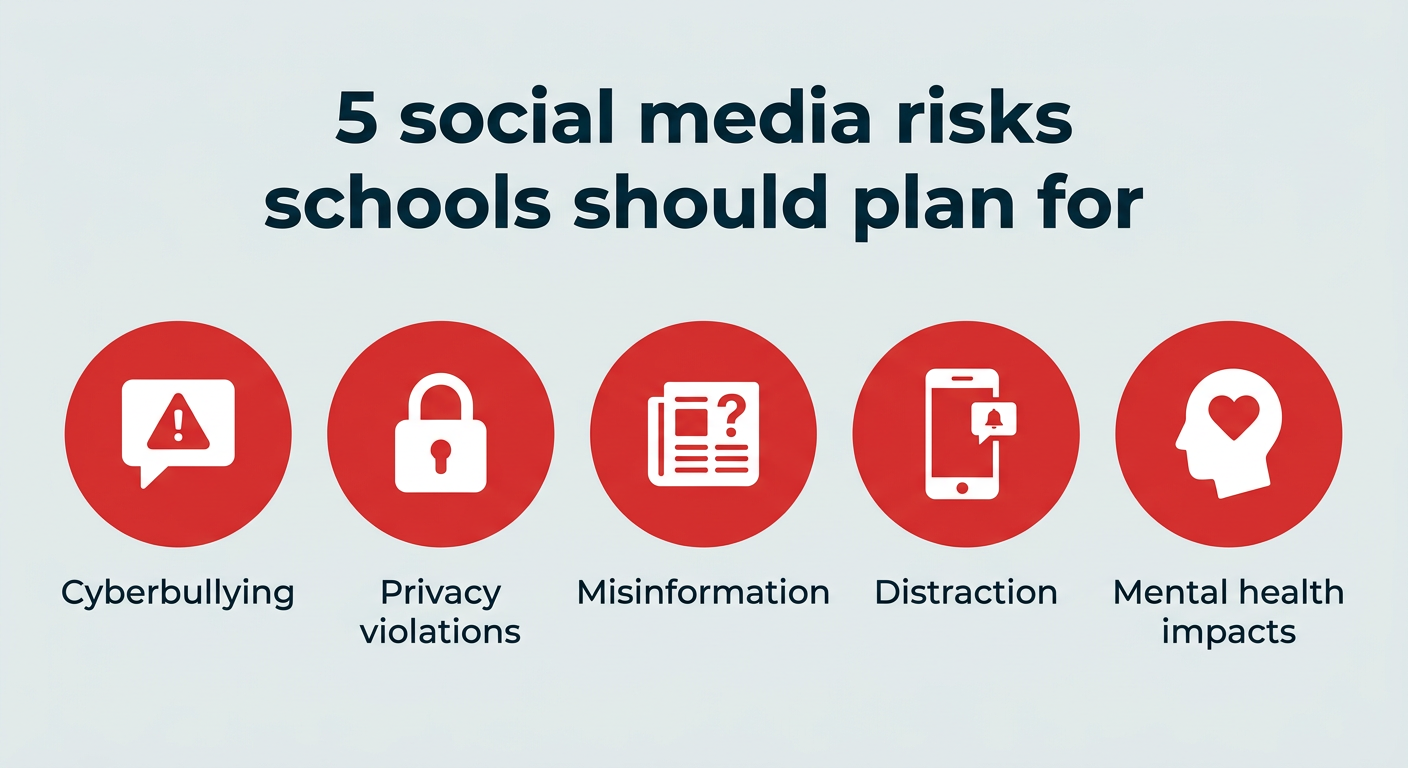
Despite its immense potential, the integration of social media into educational environments is not without significant risks and challenges that require careful planning and robust policy frameworks. These concerns are paramount for educators and administrators:
A major area of concern is the impact on student mental health. Research from the U.S. Surgeon General and the American Psychological Association (APA) highlights a complex relationship between heavy social media use and poorer well-being among youth. While not inherently harmful, outcomes depend heavily on specific content, platform features, and individual vulnerabilities. The Surgeon General’s advisory concluded that social media "presents a meaningful risk of harm to youth" and that its safety for children and adolescents "cannot be sufficiently concluded." The APA’s advisory emphasizes the need for deliberate use, urging educators to teach students about comparison culture, sleep disruption, and recognizing when online interactions negatively affect their emotional state.

Privacy violations, misinformation, and cyberbullying represent additional critical challenges. Privacy is a legal tightrope; sharing identifiable student information, grades, or images without explicit consent can lead to federal privacy law violations, such as FERPA in the U.S., and expose institutions to formal complaints and legal repercussions. Misinformation, disseminated at speed and often disguised as entertainment, poses a significant classroom problem, underscoring the necessity of comprehensive digital literacy instruction. Cyberbullying, often occurring outside school hours and staff supervision, is harder to detect but equally damaging. Effective management requires clear reporting channels, transparent processes for addressing incidents, and continuous student education on responsible online behavior. These risks, while substantial, are largely manageable through proactive policy development and ongoing training.
Legal Landscape and Compliance: Ensuring Safety and Responsibility

For educational institutions, understanding and adhering to relevant regulations is fundamental to responsible social media use. In the United States, three federal laws significantly influence social media decisions in education, with non-compliance carrying severe consequences, including investigations, loss of federal funding, and enforcement actions by the FTC. Institutions outside the U.S. must similarly consult their local equivalents, such as GDPR in the EU and UK, or PIPEDA in Canada.
The Family Educational Rights and Privacy Act (FERPA) protects the privacy of student education records. Schools receiving U.S. Department of Education funding must obtain written consent before disclosing personally identifiable information from education records, including content shared on social media. The Children’s Online Privacy Protection Act (COPPA) governs the online collection of personal data from children under 13. Operators of websites and online services directed to children must verify parental consent before students under 13 use platforms that collect their data. Lastly, the Children’s Internet Protection Act (CIPA) applies to schools and libraries receiving E-Rate discounts, requiring them to maintain an internet safety policy that includes content filtering for obscene or harmful content, alongside student education on appropriate online behavior.

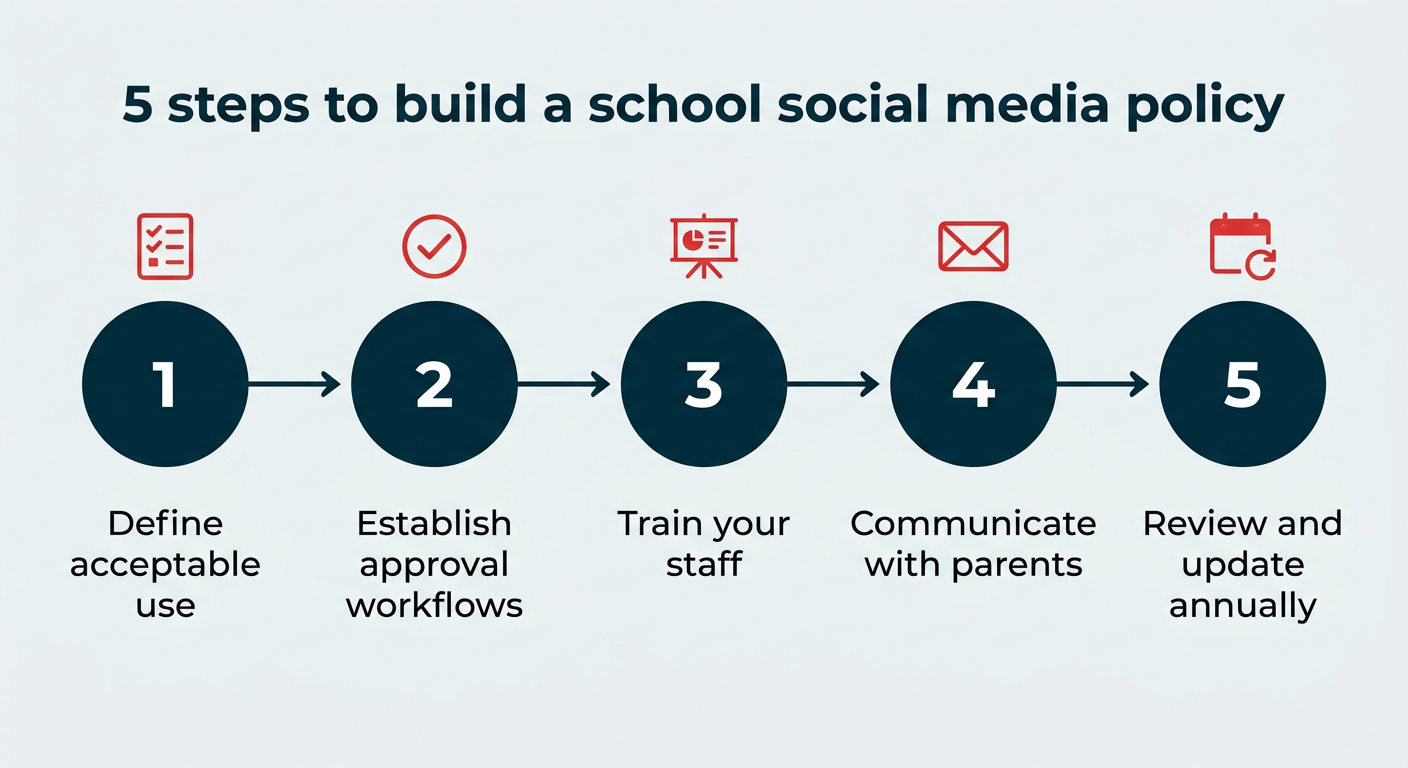
To navigate this complex regulatory environment, schools must create a comprehensive social media policy. This document translates legal requirements into day-to-day operational guidance for staff, students, and administrators. Key steps in developing such a policy include defining clear objectives for social media use, identifying roles and responsibilities, establishing content guidelines, outlining consent procedures for student images and data, and creating a robust crisis communication plan. Regular review and updates, along with mandatory staff training, are essential to ensure ongoing compliance and adapt to the rapidly evolving digital landscape.
Practical Applications: Social Media in Action

With foundational policies and compliance frameworks in place, educational institutions can leverage social media in numerous practical and impactful ways:
- Attracting New Students with Strategic Campaigns: Social media is a powerful recruitment tool. Institutions can launch targeted campaigns highlighting unique program benefits, campus life, or alumni success stories. Short-form video content, like TikToks featuring current students’ perspectives (e.g., University of Idaho), or Instagram Reels teasing course content (e.g., MasterClass), effectively engage prospective students and drive enrollment inquiries.
- Building Vibrant Online Communities: Social media facilitates the creation of robust online communities for virtual classes, alumni networks, and student groups. Private Facebook Groups (e.g., University of Texas at Austin’s freshman groups) foster discussion and shared experiences, while public hashtags can amplify important institutional content. These communities encourage problem-solving and peer-to-peer support.
- Broadcasting Timely Updates and Alerts: Beyond traditional communication channels, social media platforms like X offer immediate dissemination of critical updates, emergency alerts, or schedule changes. This real-time communication (e.g., Calgary Linguistics, Texas State University) ensures that information reaches a wider audience faster and more reliably, especially crucial for a digitally connected student body.
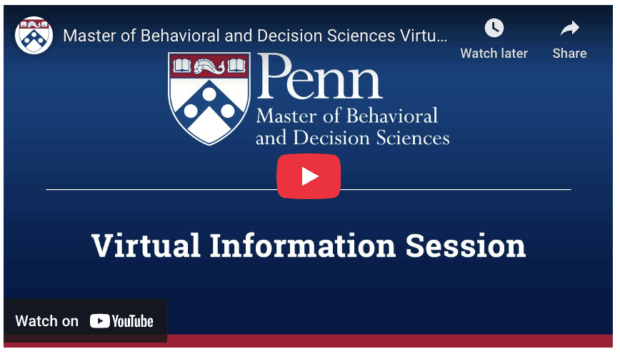
- Livestreaming Lectures for Accessibility and Reach: Platforms like Facebook, Instagram, and YouTube enable institutions to livestream lectures, making content accessible to a broader audience, including students with attendance challenges or those from other institutions globally (e.g., University of Pennsylvania LPS virtual sessions). Livestreaming also allows for moderated Q&A sessions, increasing engagement and providing an accessible format for introverted students.
- Focusing on Increasing Digital Literacy: Social media provides a direct context for teaching essential digital literacy skills. Educators can design workshops and programs (e.g., UT Extension of Henderson County’s senior digital literacy program) to help students navigate online information critically, understand digital footprints, and practice responsible online citizenship, directly addressing misinformation and privacy concerns.
- Generating Authentic User-Generated Content (UGC): Encouraging students to create and share content related to their studies or campus experiences, often incentivized with academic recognition, can generate authentic and engaging UGC. Reposting student work (e.g., Parsons School of Design) not only celebrates achievements but also serves as compelling promotional material, provided appropriate permissions and privacy guidelines are followed.
- Creating Opportunities for Active and Passive Learning: Social media supports diverse pedagogical approaches. Active learning can involve students creating photo or video essays on Instagram or TikTok, fostering creative expression and critical analysis. Passive learning, such as consuming streamed lectures or curated content, can be complemented by active exercises, like fact-checking misinformation on X, promoting critical thinking and evidence-based reasoning.
- Teaching Networking and Thought Leadership Skills: Platforms like LinkedIn are invaluable for teaching students professional networking and thought leadership. By encouraging profile creation, connections with professionals, and participation in relevant discussions, educators equip students with vital career skills (e.g., Dougherty Arts Center workshops, University of Southern California’s AI advisory).
- Developing Discussion and Critical Thinking Skills: Social media can be a dynamic forum for fostering discussion and critical thinking. Limiting character counts on platforms like X can force students to articulate arguments concisely. Assignments involving analyzing different framings of a news story on social media, identifying biases, and evaluating sources provide practical exercises in media literacy and critical analysis.
- Celebrating Student and Alumni Achievements: Higher education institutions can strengthen alumni relations and foster institutional pride by showcasing student and alumni successes on social media (e.g., Texas State University spotlighting a PhD student). These posts not only re-engage former students but also demonstrate the institution’s impact and achievements to the broader community and prospective students.
Measuring Success: Benchmarks and Analytics
To ensure that social media efforts are effective and contribute to strategic goals, educational institutions must establish benchmarks and rigorously analyze performance. Hootsuite’s education-specific benchmark research provides valuable insights into industry averages:
- Posting Frequency: Educational institutions exhibit varying posting frequencies across platforms. X sees the highest activity, with an average of 10 posts per week, indicating its role in real-time updates and broad dissemination. Other platforms typically see lower, but consistent, posting schedules, underscoring the need for tailored strategies per platform.
- Engagement Rates: Average engagement rates vary significantly by platform. Instagram generally shows higher engagement (around 1.34%), followed by Facebook (0.83%), TikTok (0.76%), and X (0.04%). These figures provide a baseline for institutions to assess their own content’s resonance and optimize strategies for greater interaction.
- Follower Growth Rate: TikTok demonstrates the strongest weekly follower growth in the education sector, with an average of 2.28%, highlighting its potential for audience expansion, particularly among younger demographics. Other platforms show more modest but steady growth, emphasizing the long-term nature of audience building.
These benchmarks are crucial for setting realistic goals, identifying successful content formats, and optimizing posting times. Analytics tools are essential for tracking these metrics, understanding audience behavior, and demonstrating the return on investment (ROI) of social media initiatives, whether measured by engagement, website referrals, or enrollment inquiries.

Strategic Management and The Future of Education in a Socially Connected World
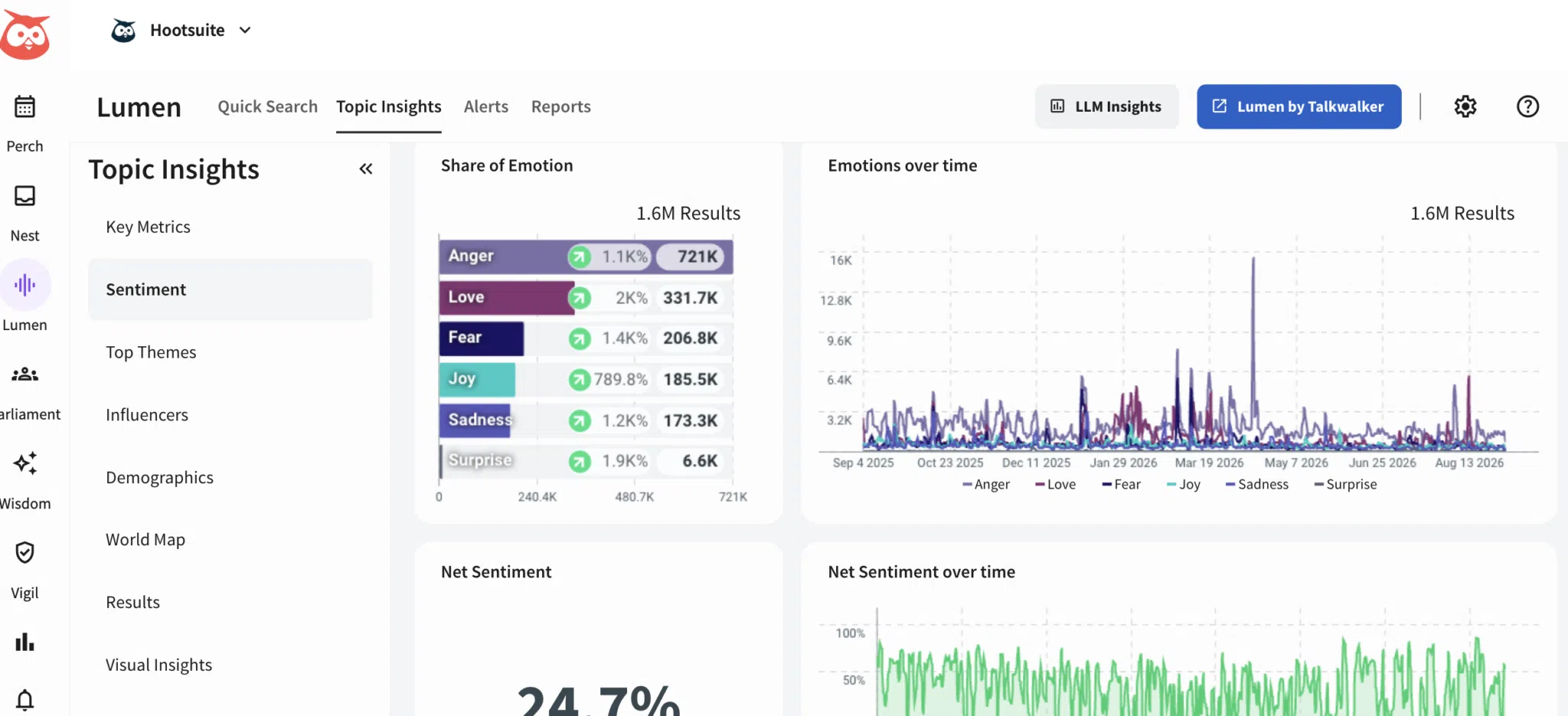
Effective social media management in education demands integrated solutions that streamline publishing, facilitate social listening, and provide comprehensive analytics. Platforms like Hootsuite Social OS enable institutions to manage multiple accounts, coordinate across departments, and ensure compliance through governed workflows, which are critical when student privacy is involved. Features like content planning and scheduling save valuable time, while social listening tools, such as Lumen, provide real-time insights into online conversations about the institution, programs, and competitors, allowing for proactive reputation management and content optimization.

Analytics and reporting are vital for evaluating strategy effectiveness. Understanding data analytics is a critical skill in today’s tech-driven world, making these tools not just for administrators but also valuable teaching aids. Hootsuite Academy further supports educators by offering on-demand training and certifications, empowering them to build advanced social marketing skills and integrate them into their curricula.
The future of education is undeniably intertwined with the evolving digital landscape. As social media platforms continue to innovate, educational institutions must remain agile, continuously adapting their strategies to engage students, foster learning, ensure safety, and build a strong institutional brand. By embracing social media strategically, with robust policies, comprehensive training, and insightful analytics, schools can unlock its full potential, preparing students not just academically but as responsible, digitally literate citizens ready for a globally connected world.


 Lina Irawan
 Asep Darmawan