Asro
The Transformative Power of Digital Engagement in Healthcare
The landscape of healthcare communication has undergone a dramatic transformation over the past two decades. What began as cautious experimentation with nascent social media platforms has evolved into a strategic imperative for nearly all healthcare providers. Early adopters, often driven by marketing and public relations departments, tentatively explored platforms like Facebook and Twitter to share basic information or promote events. However, the true potential of social media became undeniable with the rise of patient-centric care models and the increasing demand for accessible, transparent health information. The COVID-19 pandemic further accelerated this shift, positioning social media as an indispensable tool for rapid public health messaging, myth-busting, and community support during a global crisis. Today, an active and thoughtfully managed social media presence is no longer a luxury but a fundamental component of a comprehensive healthcare strategy, enabling organizations to achieve multiple critical objectives.

Building Trust and Enhancing Brand Recognition
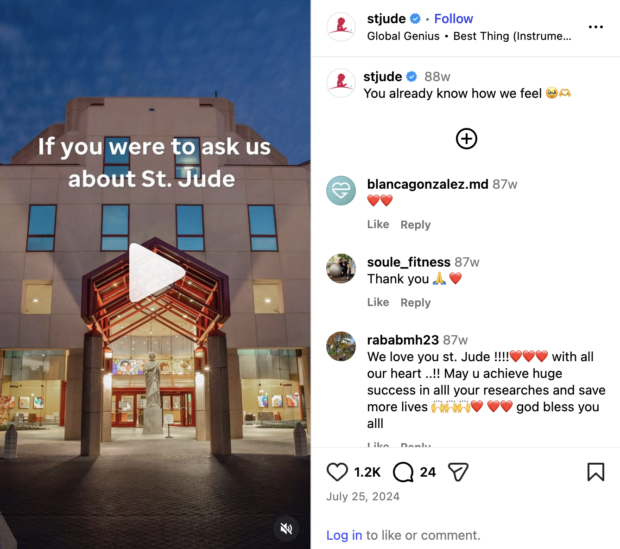
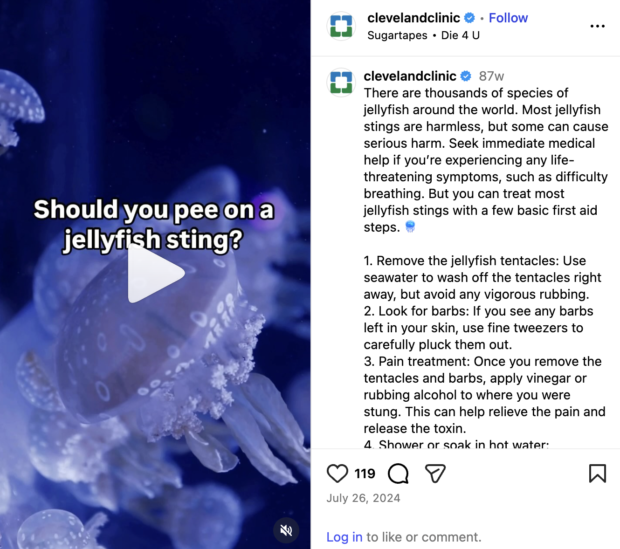
In an industry where trust is paramount, social media serves as a powerful conduit for establishing and nurturing patient confidence. Unlike consumer brands that might rely on nostalgic advertising, healthcare organizations must project credibility and compassion long before a patient walks through their doors. A consistent, values-driven online presence signals reliability and expertise. When prospective patients research providers online—a common first step for an estimated 70% of individuals seeking new care—a robust social media profile that showcases a facility’s mission, patient success stories, and staff dedication can significantly influence their decision. For instance, institutions like St. Jude Children’s Research Hospital effectively leverage platforms like Instagram with emotionally resonant Reels that highlight their life-saving work and compassionate care, forging deep connections with their audience and fostering a strong, positive brand perception. This digital footprint acts as a pre-screening mechanism, assuring patients of the organization’s commitment to quality care and ethical practice.
Advancing Public Health Awareness and Education

For public health bodies, government health offices, and non-profit organizations, social media is an unparalleled tool for large-scale, cost-effective public health campaigns. These agencies can rapidly disseminate critical guidance during seasonal flu outbreaks, local epidemics, or product recalls, reaching a significant portion of the population far more efficiently than traditional media alone. Moreover, social platforms enable immediate correction of misinformation, a vital function in an era rife with health-related falsehoods. Organizations like the Centers for Disease Control and Prevention (CDC) and the World Health Organization (WHO) utilize their extensive social media reach to provide evidence-based information, debunk myths, and promote preventive health behaviors, becoming authoritative voices in often-cacophonous digital spaces. For B2B health companies, social media also provides a channel to promote innovative products to healthcare organizations while simultaneously contributing to broader public health literacy through educational content.
Strategic Insights Through Social Listening
Beyond outward communication, social media offers invaluable intelligence through social listening. By monitoring online conversations, healthcare organizations can track emerging health trends, identify patient concerns, monitor public sentiment towards specific treatments or conditions, and gauge their competitive standing against other regional health systems. Tools integrated into social media management platforms allow for real-time keyword searches across billions of online sources, providing contextual insights into positive versus negative brand sentiment and identifying the most engaging content related to specific health topics. This proactive monitoring enables organizations to adapt their strategies, address misinformation promptly, and refine services based on direct public feedback and evolving community needs.
Revolutionizing Recruitment and Employer Branding
The healthcare sector consistently faces significant staffing challenges, making recruitment a high-stakes endeavor. Social media has emerged as one of the most effective channels for reaching potential hires, particularly among younger generations who rely heavily on digital platforms for career exploration. Hospitals and health systems that strategically showcase their workplace culture, share authentic employee testimonials, and highlight professional development opportunities on platforms like LinkedIn, Instagram, and even TikTok can differentiate themselves in a fiercely competitive labor market. This goes beyond merely posting job listings; "day in the life" videos from nurses or technicians, behind-the-scenes glimpses of medical teams, and celebrations of team milestones help prospective employees visualize themselves thriving within the organization. For large health systems, a consistent employer brand cultivated through employee advocacy programs—where staff share pre-approved content to their personal networks—can significantly reduce cost-per-hire and shorten the time it takes to fill critical roles, harnessing the power of authentic peer-to-peer recommendations.
Fostering Patient Engagement and Streamlining Communication
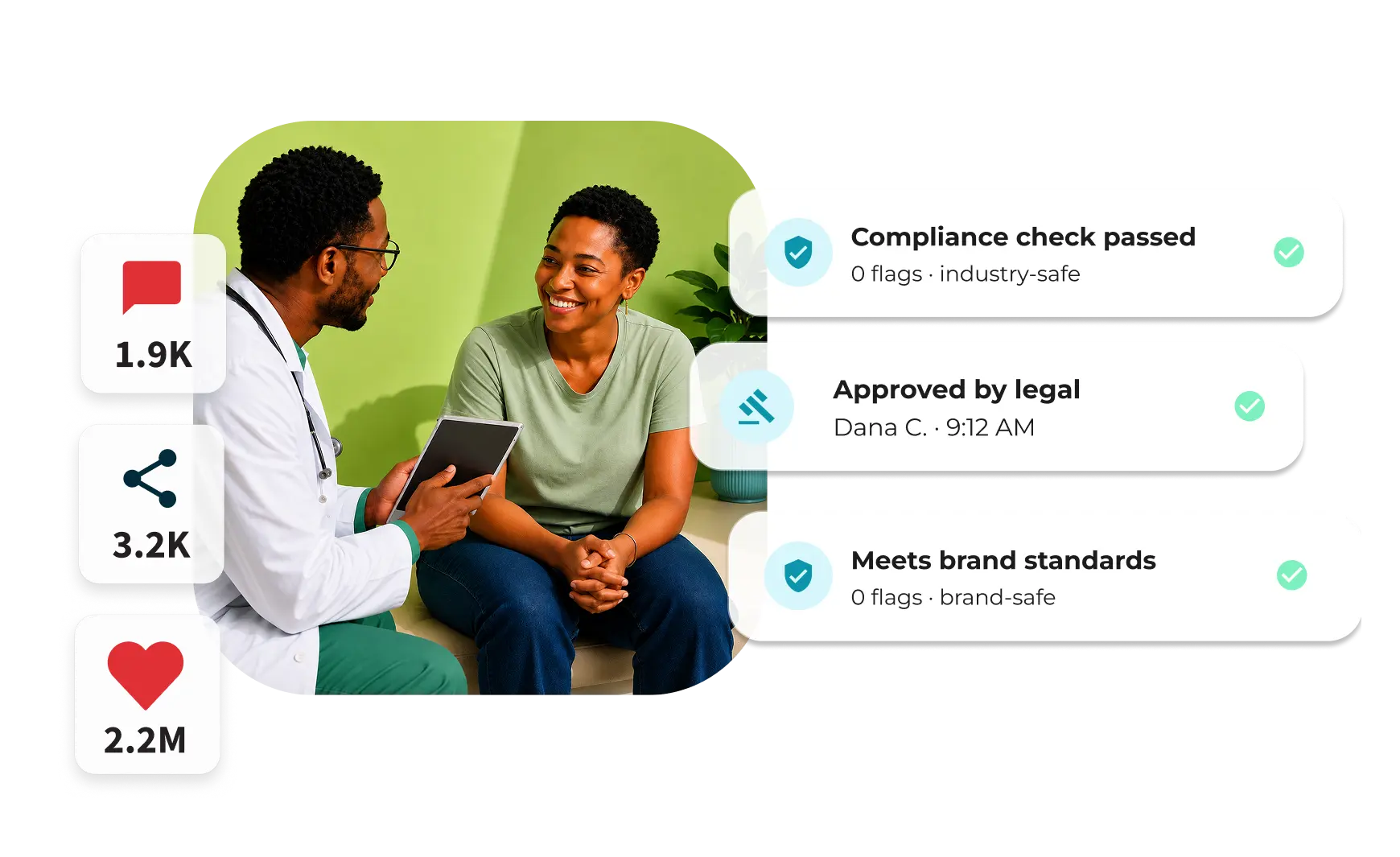
Social media provides healthcare organizations with a direct and continuous line of communication with patients outside traditional clinical settings. Platforms are utilized to share appointment reminders, post-procedure instructions, answers to frequently asked health questions, and updates about new services or facility expansions. This ongoing dialogue fosters a sense of community and connection. Patient-facing Facebook groups, interactive Q&A sessions on Instagram Stories, and comprehensive educational YouTube series create accessible touchpoints that keep the organization top of mind between visits. This proactive engagement not only builds stronger patient loyalty but also contributes to a more informed and empowered patient population, leading to better health outcomes and increased satisfaction.
Navigating the Minefield of Risks and Regulatory Compliance
Despite the immense benefits, social media in healthcare is fraught with significant risks, primarily regulatory violations, the unchecked spread of misinformation, and reputational damage from mishandled public conversations. The highly regulated nature of the healthcare industry means marketing teams must navigate a complex web of laws that go far beyond typical concerns of tone and timing. A single misstep can trigger severe federal investigations, exorbitant fines, and lasting damage to an organization’s credibility.
Strict Adherence to HIPAA: Safeguarding Patient Privacy
The Health Insurance Portability and Accountability Act (HIPAA) Privacy Rule is the cornerstone of patient data protection in the United States and applies to all communication channels, including social media. It strictly prohibits the disclosure of Protected Health Information (PHI) without explicit written patient consent. PHI encompasses any individually identifiable health information, including names, photographs, medical record numbers, treatment details, and even information that could indirectly lead to patient identification. The U.S. Department of Health and Human Services (HHS) Office for Civil Rights (OCR) has levied over $140 million in penalties across hundreds of cases, underscoring the severe consequences of HIPAA violations. Even well-intentioned posts, such as celebrating a patient’s recovery, can constitute a violation if proper authorization is not meticulously obtained beforehand. Training staff on HIPAA-compliant social media practices is not merely advisable but essential, with organizations advised to err on the side of extreme caution and avoid any potentially sensitive information if anonymity cannot be absolutely guaranteed.
FDA and FTC Oversight: Ensuring Truth in Advertising
Beyond patient privacy, healthcare social media content is rigorously scrutinized by regulatory bodies like the U.S. Food and Drug Administration (FDA) and the Federal Trade Commission (FTC). The FDA dictates how drugs, medical devices, and health products are promoted, requiring that all efficacy claims be substantiated by robust scientific evidence. Posts about prescription products must maintain "fair balance," meaning they must equally highlight both benefits and risks. The FTC, in turn, enforces truth-in-advertising standards, demanding that any health-related claims are backed by "competent and reliable scientific evidence." Vague phrases like "clinically proven" or "doctor recommended" require specific, verifiable sourcing. Failure to cite clear evidence for claims can lead to significant penalties, as the burden of proof rests squarely on the advertiser. Misleading advertising, even by omission—such as promoting a weight-loss medication without disclosing common side effects or advertising a procedure’s success rate without clarifying the criteria for "success"—can draw intense regulatory scrutiny.
Global and Local Regulatory Layers
The regulatory landscape extends beyond U.S. federal laws to include regional and professional body guidelines. In Canada, Health Canada imposes strict restrictions on direct-to-consumer advertising for prescription drugs, while the Canadian Code of Advertising Standards governs health claims on social media. In the European Union, the General Data Protection Regulation (GDPR) mandates explicit consent for the use of any patient data, including in social media content, and emphasizes data minimization and transparency. Furthermore, U.S. state-level health data privacy laws, such as Washington’s My Health My Data Act, are emerging to regulate consumer health data that falls outside HIPAA’s scope, impacting data collected through websites, apps, and advertising pixels. Professional licensing bodies, such as the British Columbia College of Physicians and Surgeons, also establish specific social media guidelines for practitioners, with non-compliance potentially jeopardizing licensure. Healthcare organizations must remain vigilant and informed about all applicable regulations to ensure comprehensive compliance.
Combating Misinformation and Managing Reputation
The prevalence of health misinformation on social media platforms is a critical challenge. Studies indicate that a significant percentage of social media users, while finding platforms convenient for health information, do not consider it highly accurate. This makes it imperative for credible healthcare voices to engage actively. Effective strategies for combating misinformation include proactive publishing of accurate, sourced health information; using social listening tools to identify false claims early; reporting policy-violating content to platforms; partnering with credible clinical voices to amplify accurate messages; and leading corrections with factual information rather than simply repeating and debunking the false claim. Documenting these approaches within a comprehensive social media policy ensures a consistent and effective response.
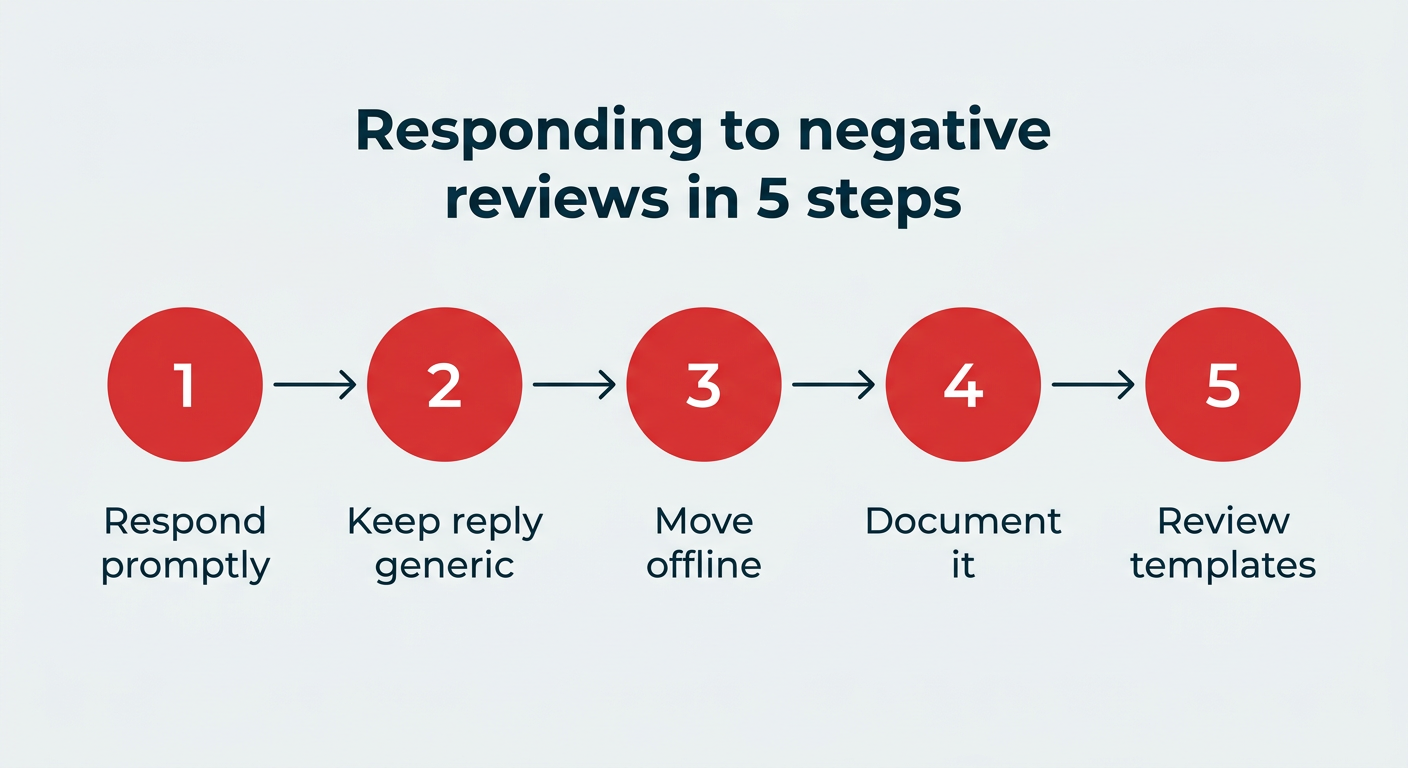
Negative reviews and comments are inevitable, and how an organization responds is visible to a broad audience. The critical challenge is responding professionally while remaining HIPAA-compliant. Acknowledging a commenter as a patient, even implicitly, can constitute a PHI disclosure. Best practices dictate a prompt, generic, and empathetic response that acknowledges the concern without confirming any patient relationship. The response should offer a secure offline channel (e.g., a patient relations phone number or email) for resolution, and all interactions must be meticulously documented for compliance records.
Developing a Robust Healthcare Social Media Policy
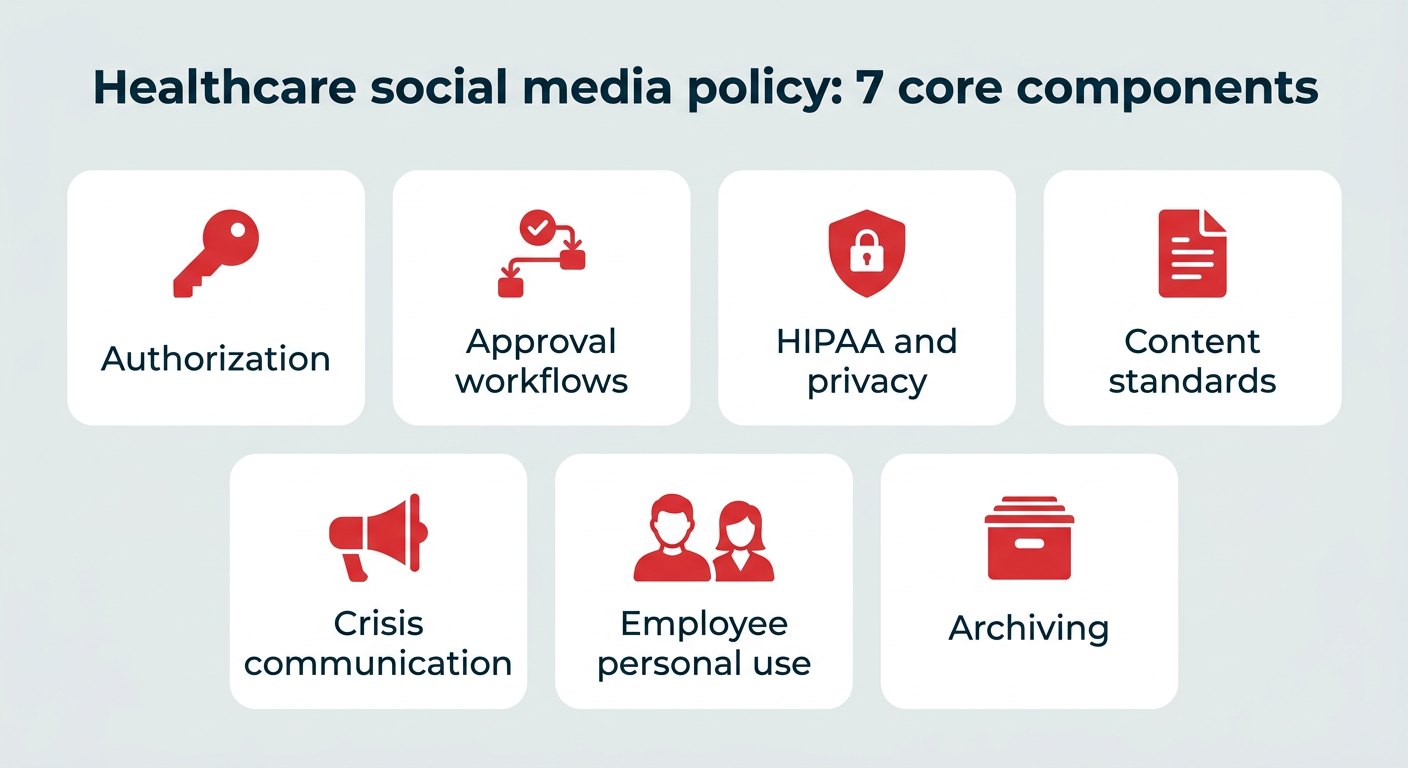
A well-defined healthcare social media policy is the bedrock of effective and compliant digital engagement. This documented set of guidelines outlines how the organization and its employees should use social media, mitigating the risks inherent in a regulated industry. Key components of such a policy include:
- Authorization and Roles: Clearly defining who is authorized to post on behalf of the organization.
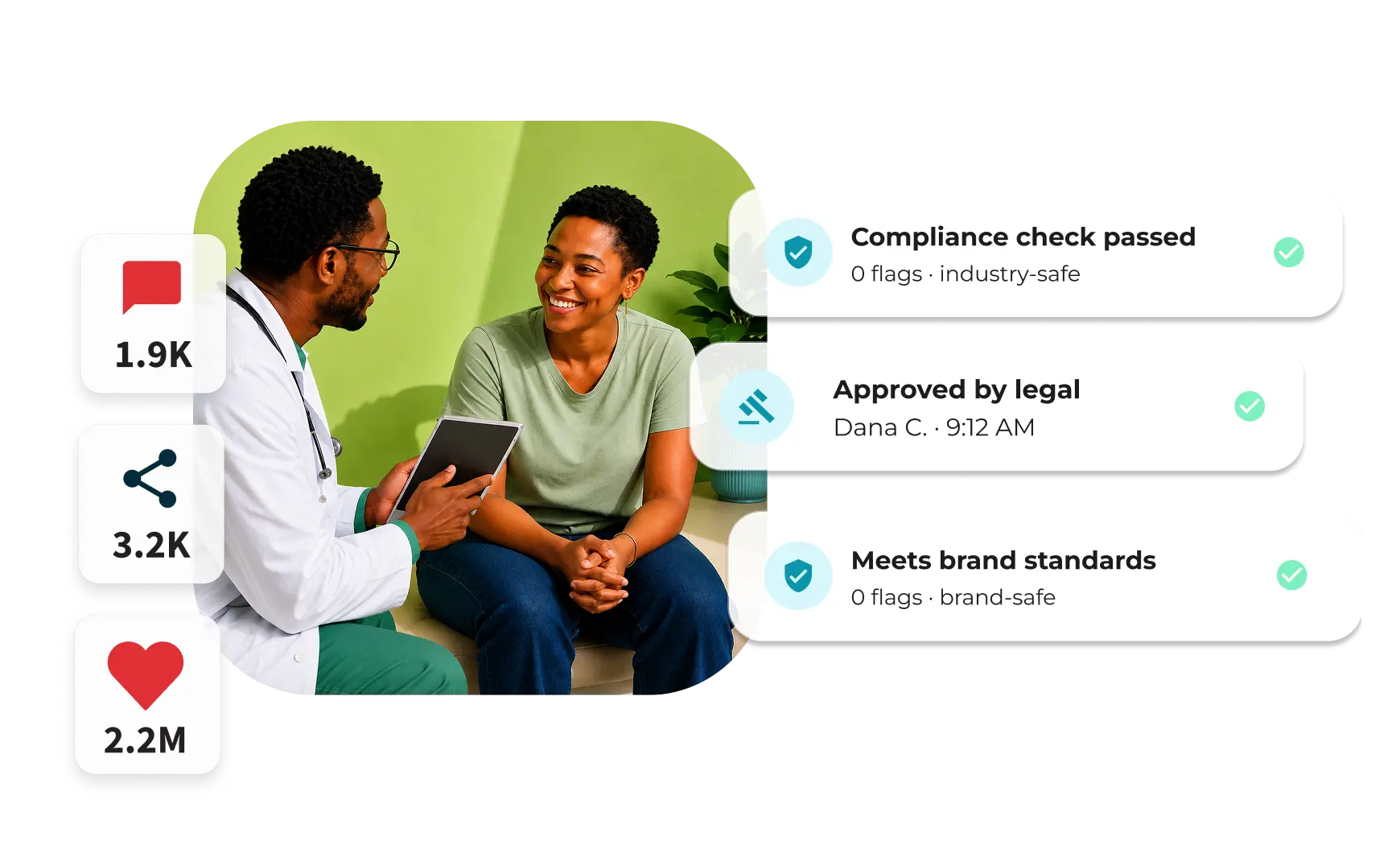
- Content Approval Workflows: Establishing a rigorous process for reviewing and approving all content before publication, often involving legal, compliance, and clinical teams.
- HIPAA and Privacy Protocols: Detailed instructions on safeguarding PHI, obtaining consent, and handling patient-related inquiries or comments.
- Content Standards: Guidelines for tone, accuracy, evidence-based information, and appropriate language, including avoiding stigmatizing or outdated medical terminology.
- Crisis Communication Plan: A pre-established protocol for responding to social media crises, including designated spokespeople, pre-approved messaging, and escalation procedures.
- Employee Personal Use: Guidelines for employees’ personal social media use, particularly when it might relate to their professional role or the organization.
- Archiving and Record-Keeping: Protocols for retaining social media content as required by regulatory bodies.
Regular training sessions for all relevant staff are crucial to ensure these guidelines remain top of mind and adapt to evolving regulations and platform changes.
Strategic Content and Platform Selection
Effective healthcare social media programs rely on a diversified content strategy and judicious platform selection. The most engaging content types for healthcare brands often include:
- Educational Content: Infographics, short videos, and expert tips that simplify complex health information.
- Patient Stories: With explicit consent, anonymized or consented patient narratives that highlight positive outcomes and compassionate care.
- Behind-the-Scenes: Glimpses into daily operations, staff interactions, and facility tours that humanize the organization.
- Q&A Sessions: Live or pre-recorded sessions with medical experts addressing common health questions.
- Health Awareness Campaigns: Content promoting preventive care, screenings, or public health initiatives.
- Employee Spotlights: Highlighting staff dedication and expertise, which also supports recruitment efforts.
- Community Engagement: Posts that encourage interaction, polls, or calls to action for local health events.
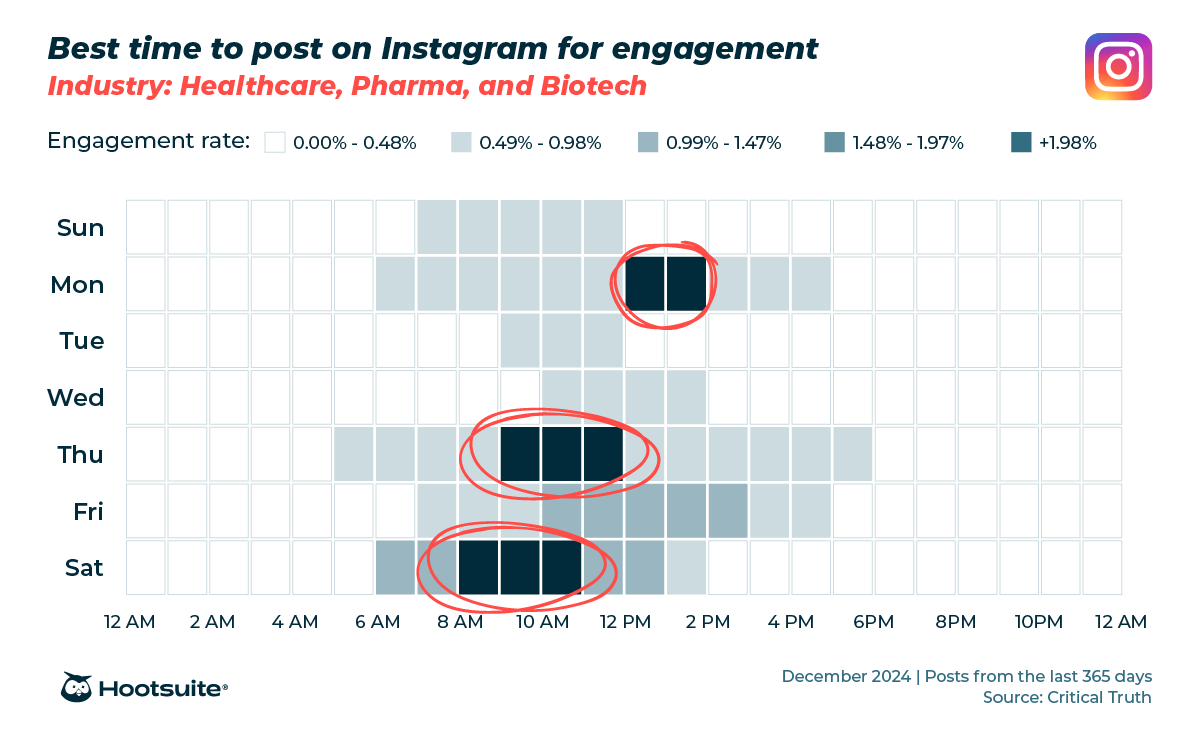
The frequency of posting should prioritize consistency and quality over sheer volume. Posting high-quality, compliant content three times a week on one strategically chosen platform will yield better results than daily, rushed posts across five platforms. Organizations must focus their resources on the platforms where their target audience is most active and where their content strategy can thrive. While YouTube, Facebook, and Instagram remain dominant for U.S. adults, LinkedIn is indispensable for recruitment and thought leadership, TikTok for engaging younger audiences with quick tips and myth-busting, and X (Twitter) for real-time updates and professional discourse. For instance, Northwestern Medicine successfully leverages video content on TikTok and Instagram, employing engaging techniques like countdown timers to maximize viewer retention and information delivery.
The Future: AI Integration and ROI Measurement
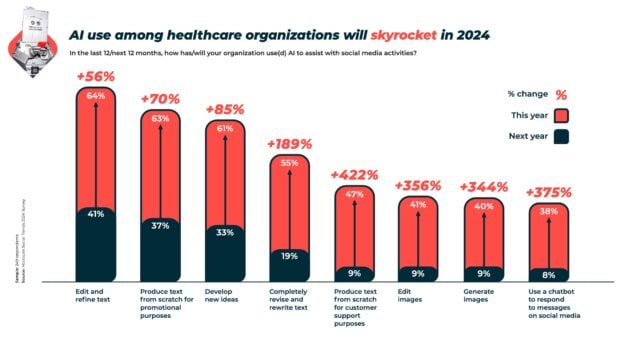
Artificial intelligence (AI) is rapidly accelerating its adoption in healthcare social media, promising enhanced efficiency in content creation, sentiment analysis, and personalized communication. However, trust remains a significant concern, with a majority of people expressing skepticism toward AI-generated content, though this varies by generation. Healthcare organizations are projected to significantly increase their use of AI for patient service, highlighting the dual potential and challenge. The key is to leverage AI for time-saving benefits without compromising trust or regulatory compliance. This necessitates "governed AI" with a traceable record of content generation, review, and approval. Crucial guardrails include never inputting Protected Health Information (PHI) into AI tools, requiring human review for every AI-generated post, implementing robust approval workflows, and maintaining a comprehensive audit trail. AI tools can assist with drafting content, but human oversight by clinical and compliance teams is non-negotiable before publication.
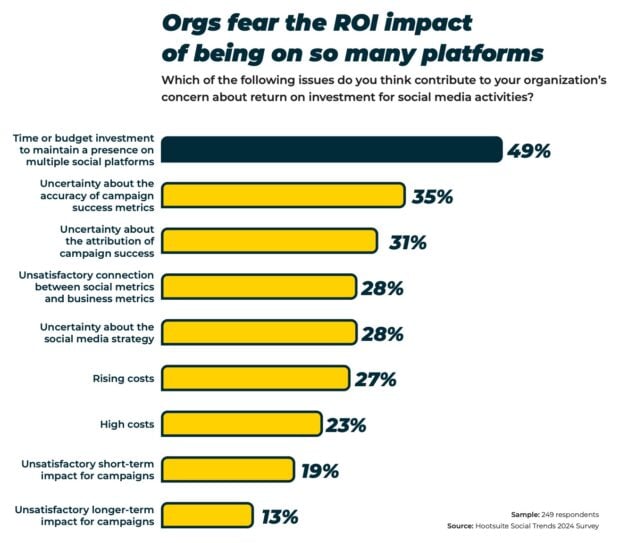
Measuring social media Return on Investment (ROI) remains a common challenge, with many organizations prioritizing engagement and follower count, which tell only part of the story. A comprehensive ROI framework for healthcare social media should include metrics directly tied to business outcomes:
- Website Referral Traffic: Quantifying how social media drives visits to appointment booking pages, service information, or patient portals.
- Appointment Request Conversions: Tracking direct patient acquisitions originating from social channels.
- Recruitment Pipeline Activity: Measuring applications, hires, and reductions in cost-per-hire attributable to social media.
- Engagement Rates: Analyzing likes, shares, comments on educational content to gauge information retention and impact.
- Share of Voice: Benchmarking brand mentions and sentiment against competitors.
- Customer Service Metrics: Measuring reductions in call center volume due to social media FAQs or improved patient satisfaction scores.
Regular social media audits are essential, extending beyond mere follower counts to include checks for regulatory and ethical compliance, content effectiveness, audience demographics, and competitive analysis. These audits should be conducted at least quarterly, ensuring that strategies remain aligned with organizational goals and regulatory requirements.
In conclusion, effective social media management in healthcare demands a delicate balance between innovation and unwavering compliance. By understanding the evolving digital landscape, adhering to stringent regulatory frameworks like HIPAA, FDA, and FTC guidelines, and implementing robust strategies for content, engagement, and AI integration, healthcare organizations can harness the transformative power of social media to build trust, educate communities, attract talent, and ultimately, improve patient care in the digital age. This continuous evolution necessitates proactive governance, strategic planning, and a deep commitment to ethical and patient-centric communication.

 Pevita Pearce

 Lina Irawan