rifanmuazin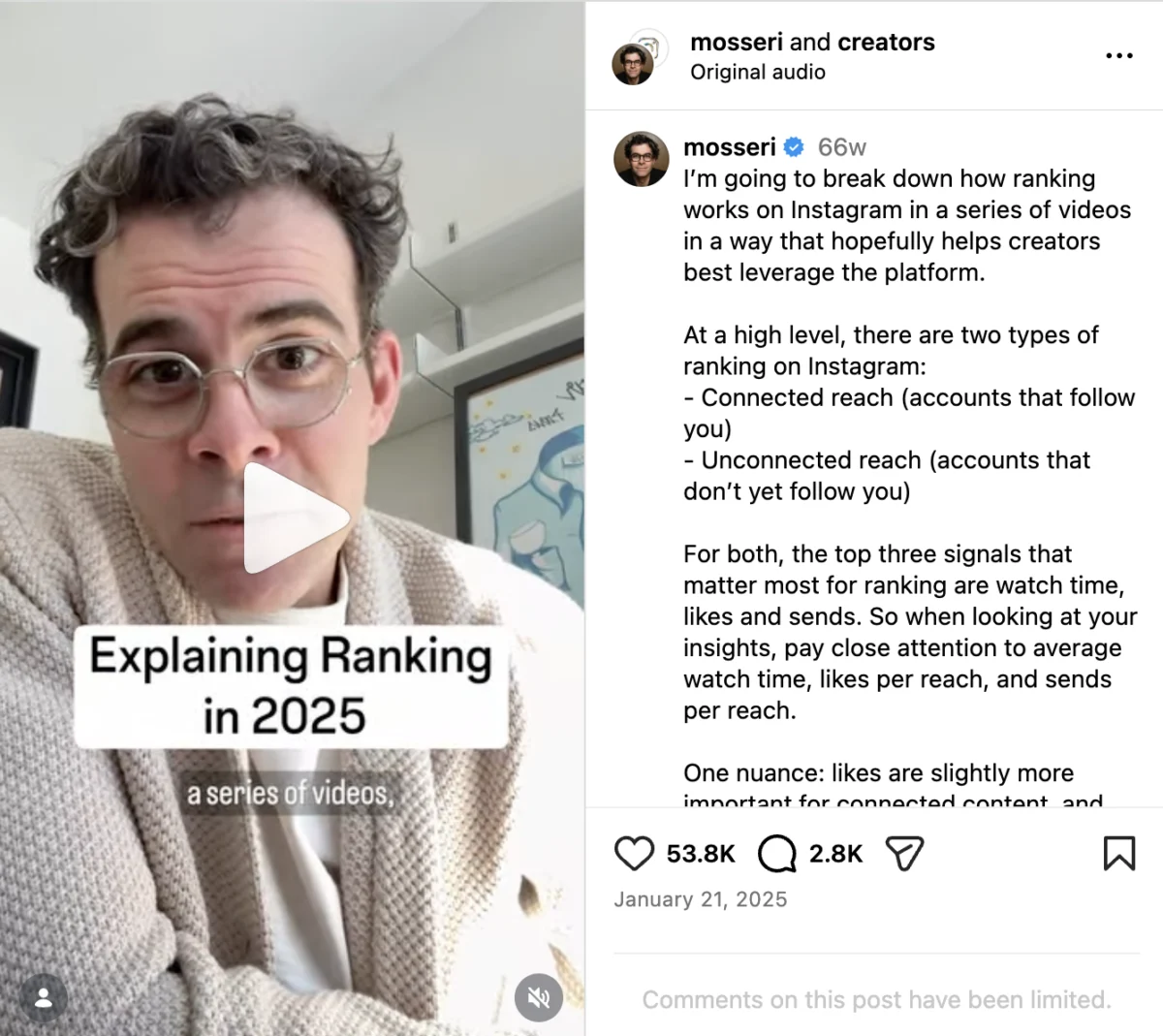
Social media algorithms are intricate systems of rules, ranking signals, and calculations designed to determine the content priority and display order for each user, fundamentally shaping the digital experience for billions worldwide. These sophisticated, often AI-powered mechanisms dictate what appears on our feeds, influencing everything from breaking news consumption to product discovery. Averaging 141 minutes per day globally on social media platforms, users are constantly interacting with these evolving systems, which leverage machine learning to personalize experiences at an unprecedented scale.

The Algorithmic Revolution: A Historical Perspective
The journey of social media algorithms began in the early 2000s with the emergence of pioneering platforms such as SixDegrees, MySpace, and Facebook. In their nascent stages, these platforms largely operated on a chronological model, presenting content to users from most recent to oldest, primarily from accounts they directly followed. This straightforward approach offered a clear, unfiltered view of activity within a user’s network.

However, as social media usage exploded, the sheer volume of content became overwhelming, necessitating a more intelligent system for content curation. This marked a pivotal shift towards algorithmic content delivery. Facebook’s introduction of its News Feed in 2006, followed by the public detailing of its EdgeRank algorithm in 2010, heralded a new era. EdgeRank was a groundbreaking attempt to rank content based on factors like affinity, weight (type of content), and time decay, moving beyond simple chronology. Though EdgeRank was superseded by more advanced algorithms in 2011, its principles laid the groundwork for the complex, personalized feeds we see today. By 2026, nearly every major social platform employs bespoke algorithms to rank and display content, with notable exceptions like Bluesky, which defaults to a chronological feed, and others like X, Facebook, and Instagram, which offer users the option to revert to a chronological view.
Deconstructing the Digital Gatekeepers: How Algorithms Function

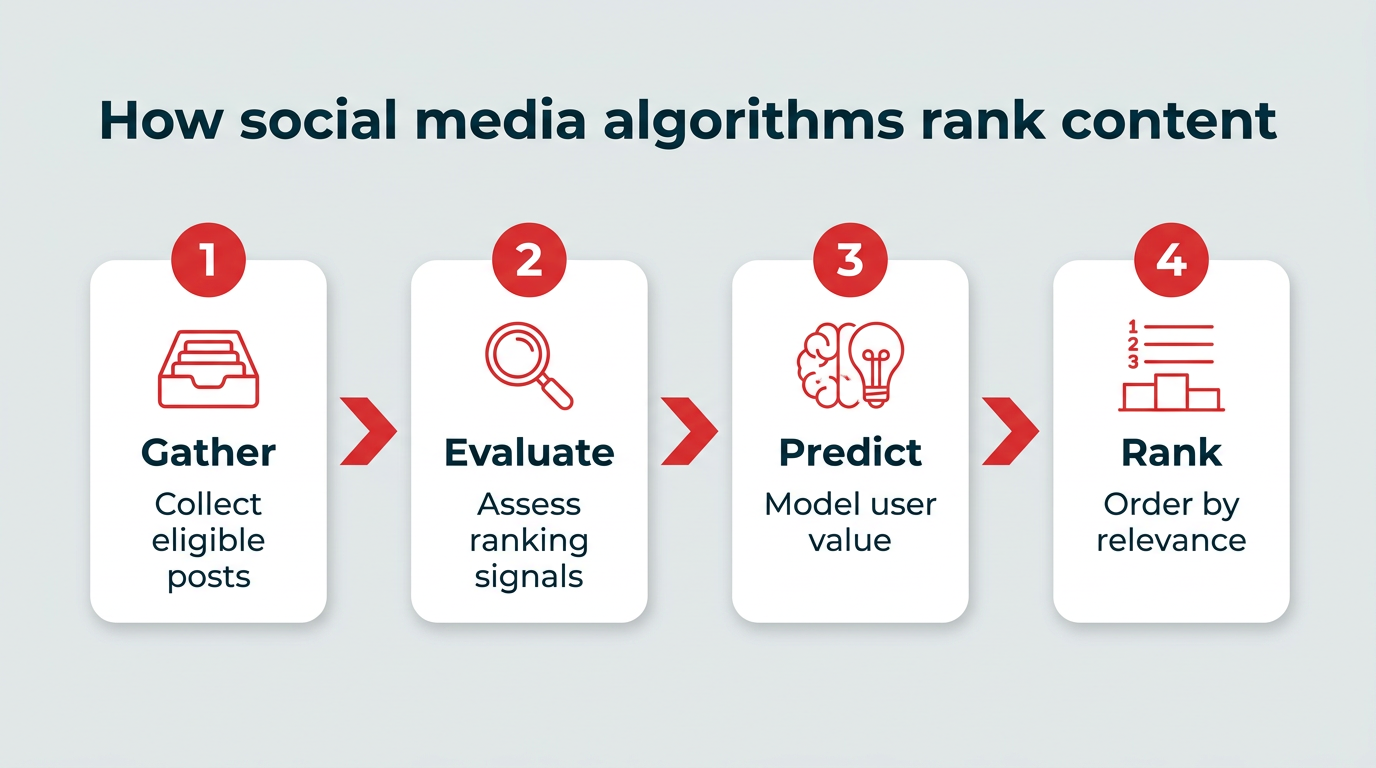
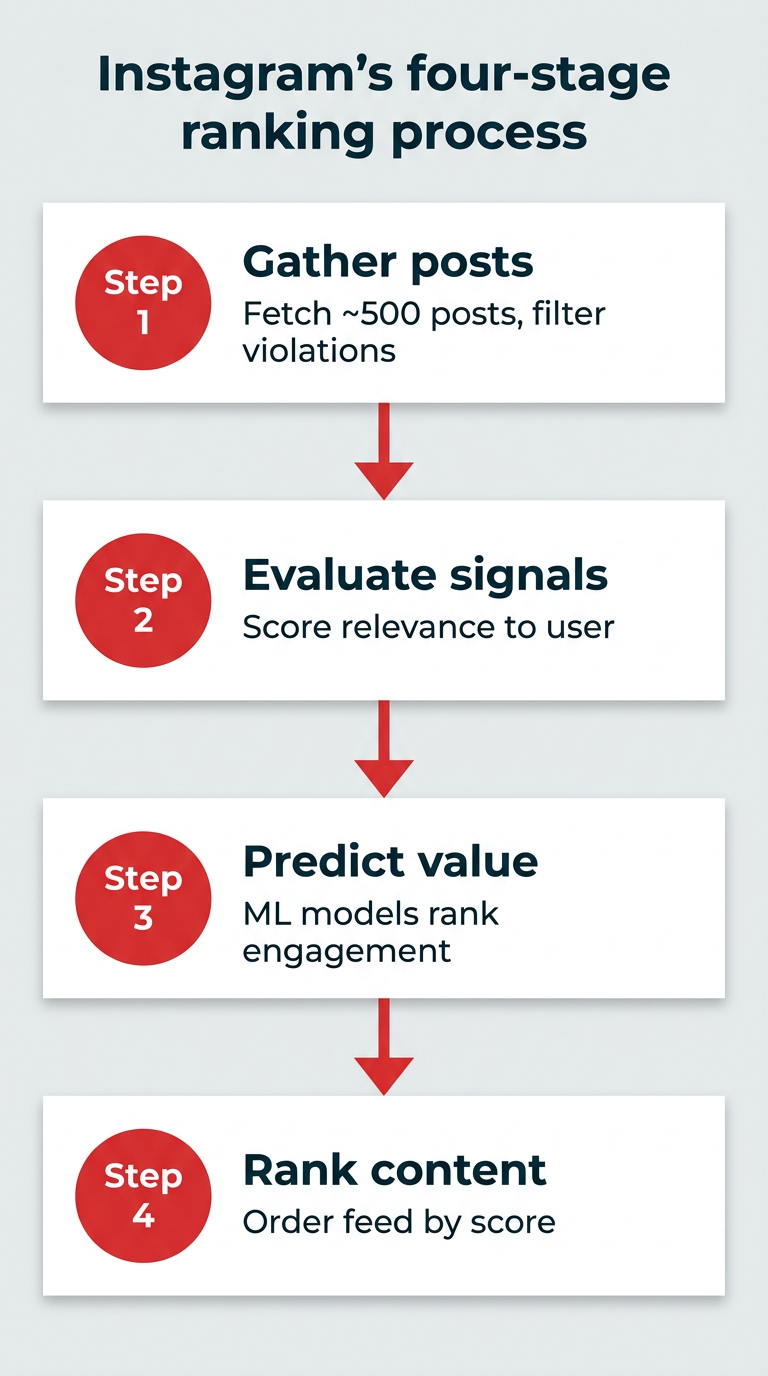
At its core, a social media algorithm’s function can be broken down into a multi-stage process, executed within milliseconds to deliver a tailored content stream. For instance, when a user opens Instagram, the algorithm first sifts through approximately 500 recent posts from followed accounts, filtering out any content that violates community guidelines. Subsequently, each eligible post is scored based on a multitude of predicted engagement metrics. This scoring considers various signals, including the user’s past interactions with the content creator, the post’s format (e.g., video, image, text), and the broader response from other users. A Reel predicted to hold a user’s attention for ten seconds or more will inherently be prioritized over a static image that a user might quickly scroll past. The culmination of this rapid evaluation is a feed meticulously ranked from the most to least relevant content.
This overarching workflow—gathering eligible content, evaluating ranking signals, predicting user value, and then ranking the results—is a consistent operational logic across virtually all platforms. While the specific signals and their respective weightings vary significantly from one network to another, the underlying principle of personalized content delivery remains constant.
Key terms central to understanding these systems include:
- Ranking Signal: An attribute or factor utilized by social media algorithms to assess the quality, relevance, and potential engagement of content. These signals are critical in determining whether content is included in a user’s feed or search results, and its ultimate display order. Examples include likes, comments, shares, watch time, and recency.
- Machine Learning (ML): A subset of artificial intelligence, machine learning systems enable computers to interpret data, identify patterns, and learn from information without explicit human programming. This continuous learning process allows algorithms to adapt and refine their predictions based on evolving user behavior.
- Artificial Intelligence (AI): The broader technological field encompassing systems that can perform tasks traditionally requiring human intelligence, such as problem-solving, reasoning, and learning. In social media, AI powers the sophisticated prediction and automation of tasks, from content recommendation to content moderation.
Universal Ranking Signals: The Pillars of Visibility
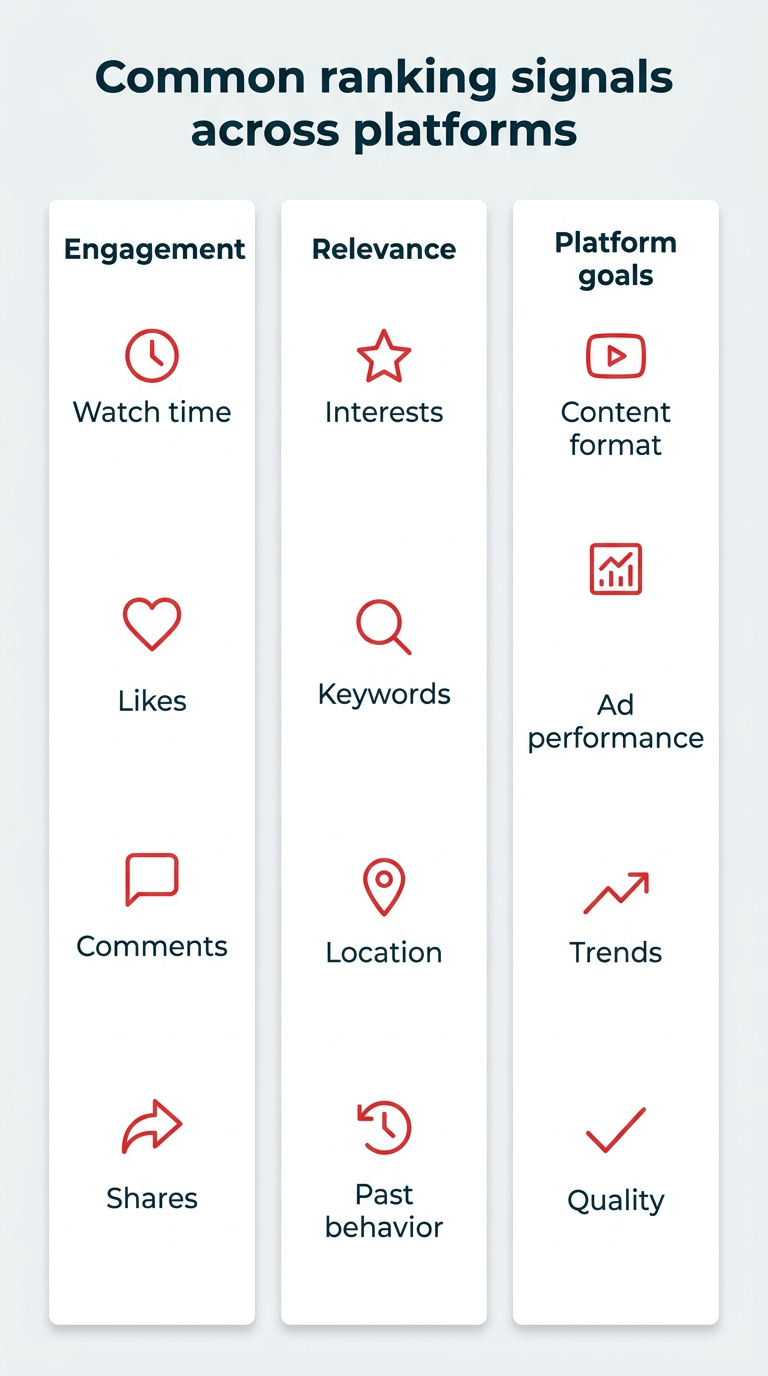
While each social media platform fine-tunes its algorithms with proprietary models and priorities, certain ranking signals are universally recognized as crucial for content visibility in 2026. These common denominators reflect fundamental human behaviors and platform objectives.
- Engagement-Based Ranking: This category encompasses direct user interactions with content. Metrics such as likes, comments, shares, saves, and direct messages (sends) are powerful indicators of content resonance. Algorithms prioritize content that actively sparks conversation and encourages interaction, as this signals value and helps keep users on the platform longer. Watch time or dwell time, particularly for video content, is another critical engagement signal, indicating sustained user interest.
- Relevance and Personalization: Algorithms strive to deliver content that is most pertinent to each individual user. This is achieved by analyzing a user’s past behavior (e.g., accounts followed, posts interacted with, topics searched), their connections (friends, family, colleagues), stated interests, and even demographic data. Content that aligns with these personalized profiles is more likely to be displayed prominently, creating a unique experience for every user.
- Platform Goals & Integrity: Beyond individual user preferences, platforms also integrate their own strategic objectives into algorithms. This includes prioritizing content that adheres to community guidelines, promoting diverse content types (e.g., short-form video, live streams), combating misinformation, and ensuring a healthy, safe user environment. The quality of content, its originality, and its adherence to ethical standards are increasingly becoming integrated ranking signals.
- Algorithm Training & Feedback Loops: Social media algorithms are not static; they are continuously learning and evolving. Through machine learning, they analyze vast datasets of user interactions, identify emerging patterns, and refine their predictive models. This feedback loop ensures that the algorithms remain responsive to changing user behaviors and trends, constantly optimizing the content delivery system.
Platform-Specific Dynamics: Navigating the Nuances
Understanding the universal signals is vital, but maximizing reach in 2026 demands an appreciation for the unique algorithmic philosophies of individual platforms.
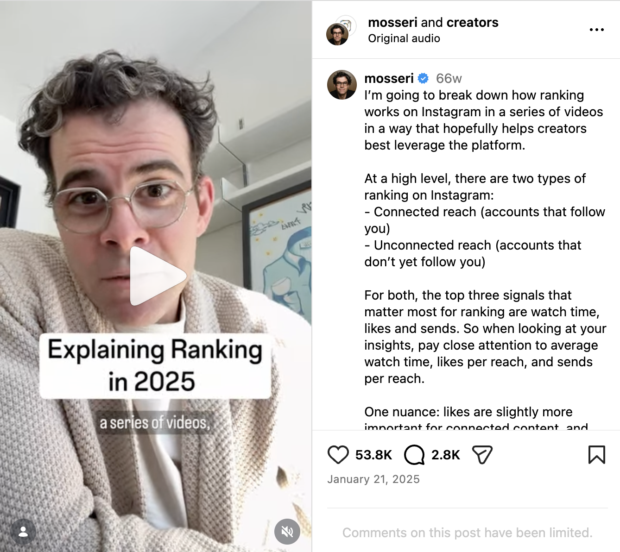
- Instagram’s Visual Symphony: Head of Instagram, Adam Mosseri, has consistently highlighted watch time, likes, and sends as the top three ranking signals. Instagram employs distinct algorithms for its various surfaces: Feed, Stories, Reels, and Explore. While likes are crucial for connected reach (content from accounts you follow), sends are more impactful for unconnected reach (discovery by new audiences). The algorithm processes content through four stages: identifying relevant content, filtering for quality, applying ranking signals, and refining the order. For brands, optimizing for maximum watch time and encouraging direct engagement through likes, comments, and shares remains paramount.
- Facebook’s Connection Matrix: The Facebook algorithm, permeating the home feed, Stories, Reels, and Marketplace, prioritizes content based on predicted engagement and the strength of user connections. Unlike a strict hierarchy, it dynamically weighs signals based on individual user behavior. For a user who rarely comments, a comment might be a stronger signal of engagement than for a prolific commenter. Meta emphasizes signals like post interactions (likes, comments, shares), estimated time spent on content, and the source of the content (friends, groups, pages).
- X (formerly Twitter) and Real-time Relevance: X operates with interconnected algorithms, primarily serving the "For You" and "Following" tabs. The "Following" feed is chronological from followed accounts, while the "For You" tab blends content from followed accounts with recommended posts. Key ranking signals for the "For You" tab include user engagement (likes, replies, retweets), the popularity of the content, the recency of the post, and the user’s connections. These signals also influence content on X’s Explore page.
- LinkedIn’s Professional Network: LinkedIn has undergone significant algorithmic shifts in 2025 and 2026, emphasizing high-quality video content and a focus on reaching relevant professional audiences. Key signals include content quality, early engagement (interactions within the first hour), professional relevance to the user’s network and industry, and the completeness of the user’s profile. Prioritizing content that sparks meaningful, professional discussion is key.
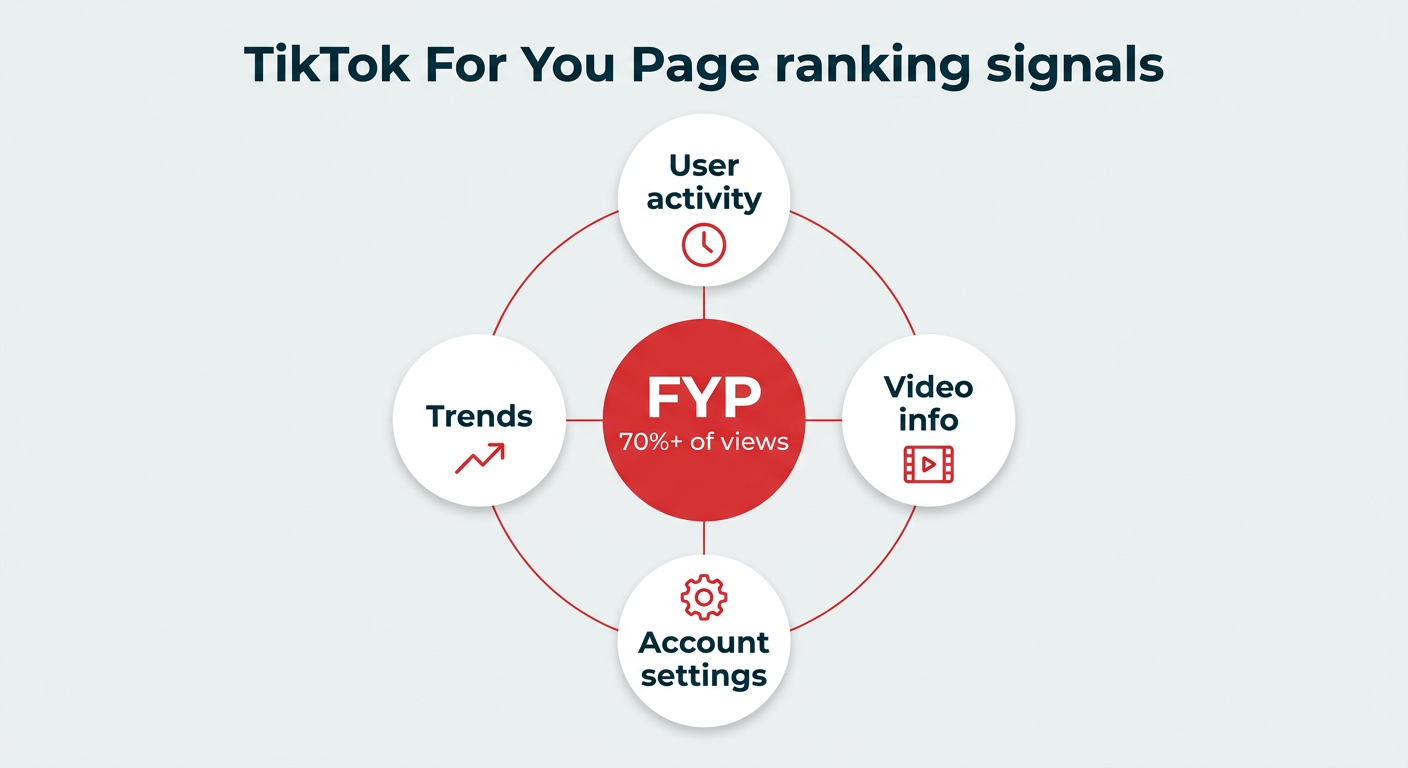
- TikTok’s Discovery Engine: The TikTok algorithm stands out by prioritizing content discovery from strangers, making it a powerful viral engine. Its "For You Page" (FYP) accounted for over 70% of video views by late 2025. Ranking signals include watch time (how long a user watches a video), user activity (likes, shares, comments), video information (hashtags, sounds), and device/account settings (language, country). TikTok rewards content that captivates and encourages extended viewing, often leveraging trending audio and relevant hashtags.
- YouTube’s Engagement Imperative: As the second most popular social network globally with over 2.7 billion monthly active users, YouTube’s algorithm is designed for deep personalization. It recommends videos based on recent user behavior, aiming to maximize watch time and session duration. Important signals include click-through rate, average view duration, satisfaction surveys, and novelty (new content from subscribed channels). Creating compelling, long-form content that sustains viewer interest is crucial.
- Pinterest’s Visual Search and Inspiration: Pinterest’s advanced visual search algorithms are a cornerstone for product marketing. Key ranking factors for Pinterest search include visual relevance (how well an image matches a query), saves (how often a Pin is saved to boards), engagement with the Pin, and the quality and recency of the uploaded image. Optimizing for visual appeal and search intent is paramount.
- Threads: The Text-First Discourse: A text-first platform, Threads aims to foster discussions and engagement. It offers "Following" and "For You" feeds, with suggestions for new accounts based on mutual interests. Ranking signals include predicted engagement, view time (how long users spend reading text posts), the source of the content (connections), and the cross-platform synergy with Instagram and Facebook activity, though the exact weighting of this Meta-owned connection remains somewhat opaque.
- Bluesky’s Algorithmic Choice: Bluesky offers a unique approach, defaulting to a chronological "Following" tab and promoting "algorithmic choice." As an open-source platform, users have significant control, able to create and subscribe to thousands of custom algorithmic feeds. Success on Bluesky hinges on relevancy and community connection rather than a single, centralized algorithm. Brands thrive by building authentic community and engaging with niche custom feeds.
- Reddit’s Community-Driven Curation: Reddit’s algorithm integrates community moderation with traditional engagement signals. Key ranking signals include upvotes (positive community feedback), recency of posts, and subreddit-specific moderation rules. Understanding each community’s unique culture and guidelines is essential for content optimization.
Implications for Content Creators and Enterprise Brands
The dynamic nature of social media algorithms presents both challenges and opportunities for content creators and enterprise brands. Navigating this landscape effectively requires strategic adaptation and a data-driven approach.
Strategic Adaptation: Enterprise brands must develop multi-platform strategies, recognizing that a "one-size-fits-all" approach is no longer viable. Content needs to be optimized for each network’s preferred format, timing, and unique algorithmic signals. This often means tailoring visual assets, text length, and call-to-actions to align with platform-specific engagement drivers. Utilizing a centralized social media management platform can streamline scheduling and publishing across diverse networks.

Measuring Success: To gauge algorithm performance, enterprise marketing teams must track a comprehensive set of metrics. These include overall reach (both to existing followers and new audiences), engagement rate (likes, comments, shares per post), watch time for video content, share rate, and follower growth. Platform-specific metrics, such as "sends" on Instagram, "saves" on Pinterest, or "comment quality" on LinkedIn, offer deeper insights into algorithmic favorability. Centralizing these analytics provides a holistic view, enabling teams to identify high-performing content types and adapt strategies in real-time.
Paid Advertising Synergy: Social media algorithms significantly impact paid advertising strategies by employing similar ranking signals for ad delivery and performance. Content that demonstrates strong organic performance often translates to more effective paid campaigns, as platforms tend to prioritize ads that generate higher engagement and watch time. Enterprise teams should strategically align their organic and paid content efforts, using successful organic creatives as a foundation for targeted ad campaigns to maximize return on investment.
The AI Imperative: Artificial intelligence plays a pivotal role in how algorithms rank enterprise content. AI-powered machine learning models constantly predict user behavior, personalize feeds, and detect emerging trends. Enterprise marketers must understand that these AI-driven systems prioritize content that sustains user engagement on the platform, making authenticity, quality, and direct relevance to audience interests more critical than ever before.
Continuous Evolution: Social media algorithms are in a constant state of flux, with major platforms implementing significant updates multiple times a year and making continuous minor adjustments. Enterprise teams must cultivate agility and adaptability in their content strategies. Staying informed through official platform announcements, meticulously monitoring performance metrics for any sudden shifts, and focusing on creating high-quality, inherently engaging content that aligns with universal ranking signals will prove more effective than chasing transient algorithmic "tricks."

The ongoing evolution of social media algorithms represents a complex interplay between platforms, users, and content creators. As these digital gatekeepers become increasingly sophisticated, understanding their mechanics and adapting content strategies accordingly will be paramount for visibility and success in the dynamic online landscape.
Save time managing your social media marketing strategy with Hootsuite. Publish and schedule posts, find relevant conversions, measure results, and more – all from one dashboard. Try it free today.