rifanmuazin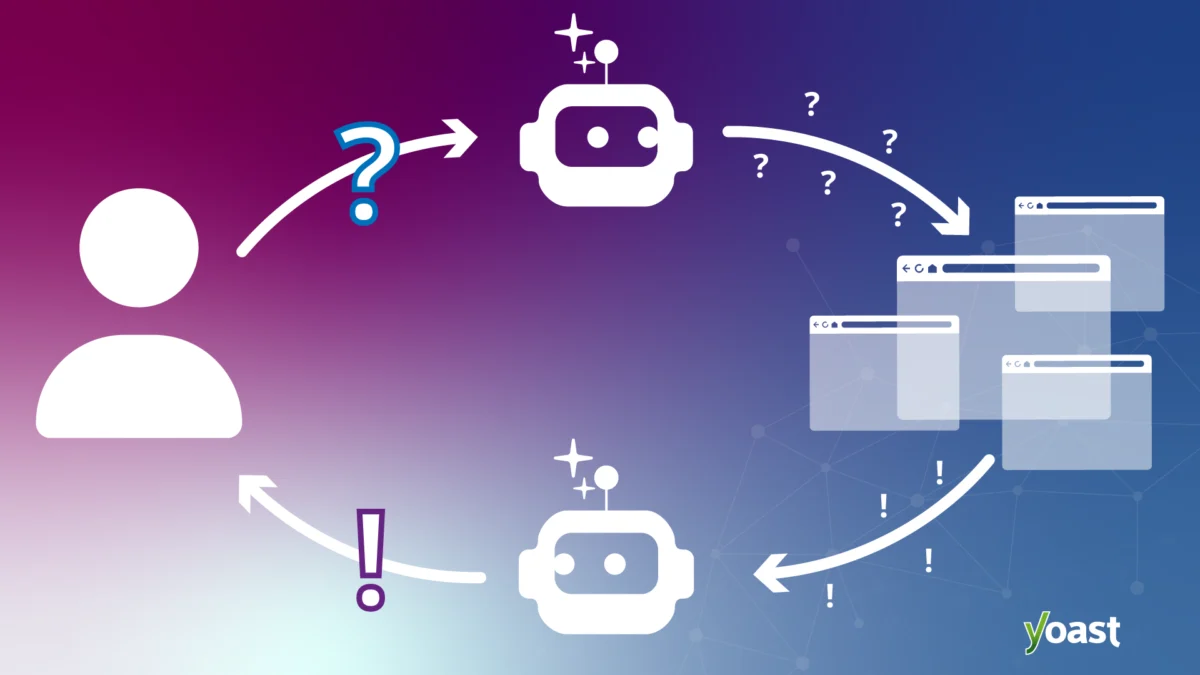
The landscape of online information discovery is undergoing a profound transformation, driven by the rapid rise of AI answer engines such as ChatGPT, Perplexity, and Gemini. These sophisticated tools are introducing an entirely new layer between users and traditional search engines, fundamentally altering how information is accessed, synthesized, and presented. This shift compels digital marketers and SEO professionals to re-evaluate long-standing strategies, moving beyond the familiar playbook of optimizing for direct search engine rankings to contend with a more complex, AI-driven environment.
The Dawn of Conversational Discovery: AI as the New Gatekeeper
For decades, the SEO paradigm was relatively straightforward: create valuable content, optimize it for specific keywords, and vie for top positions on search engine results pages (SERPs), primarily dominated by Google. This model revolved around a direct interaction where a user entered a query, received a list of links, and then navigated to a website. However, the advent of generative AI has disrupted this predictable flow, establishing a new intermediary that acts as a "gatekeeper," as described by Alain Schlesser, Principal Architect at Yoast, during a recent episode of the Get Discovered podcast with Joe Walsh, CEO of Prerender.io.
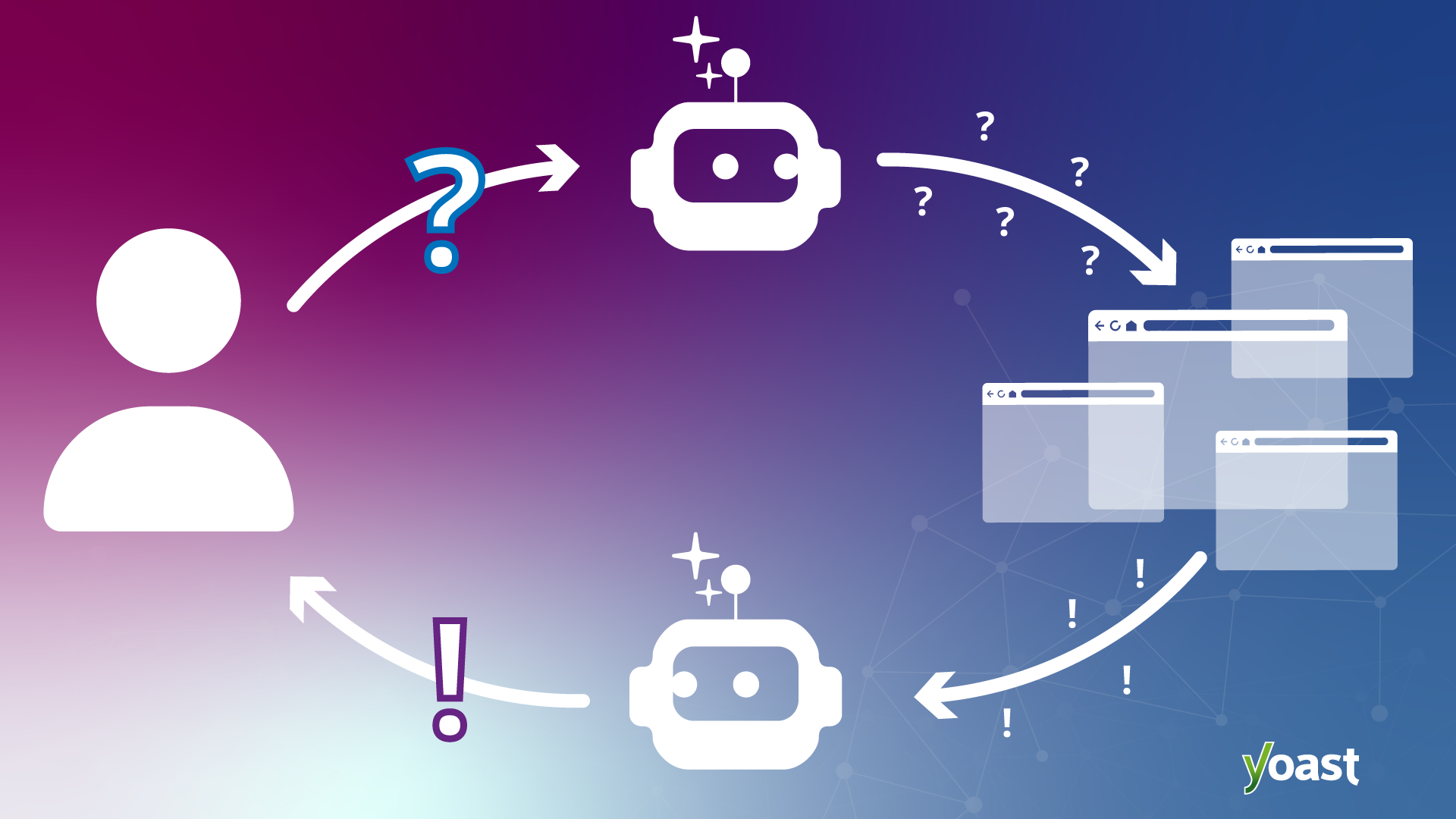
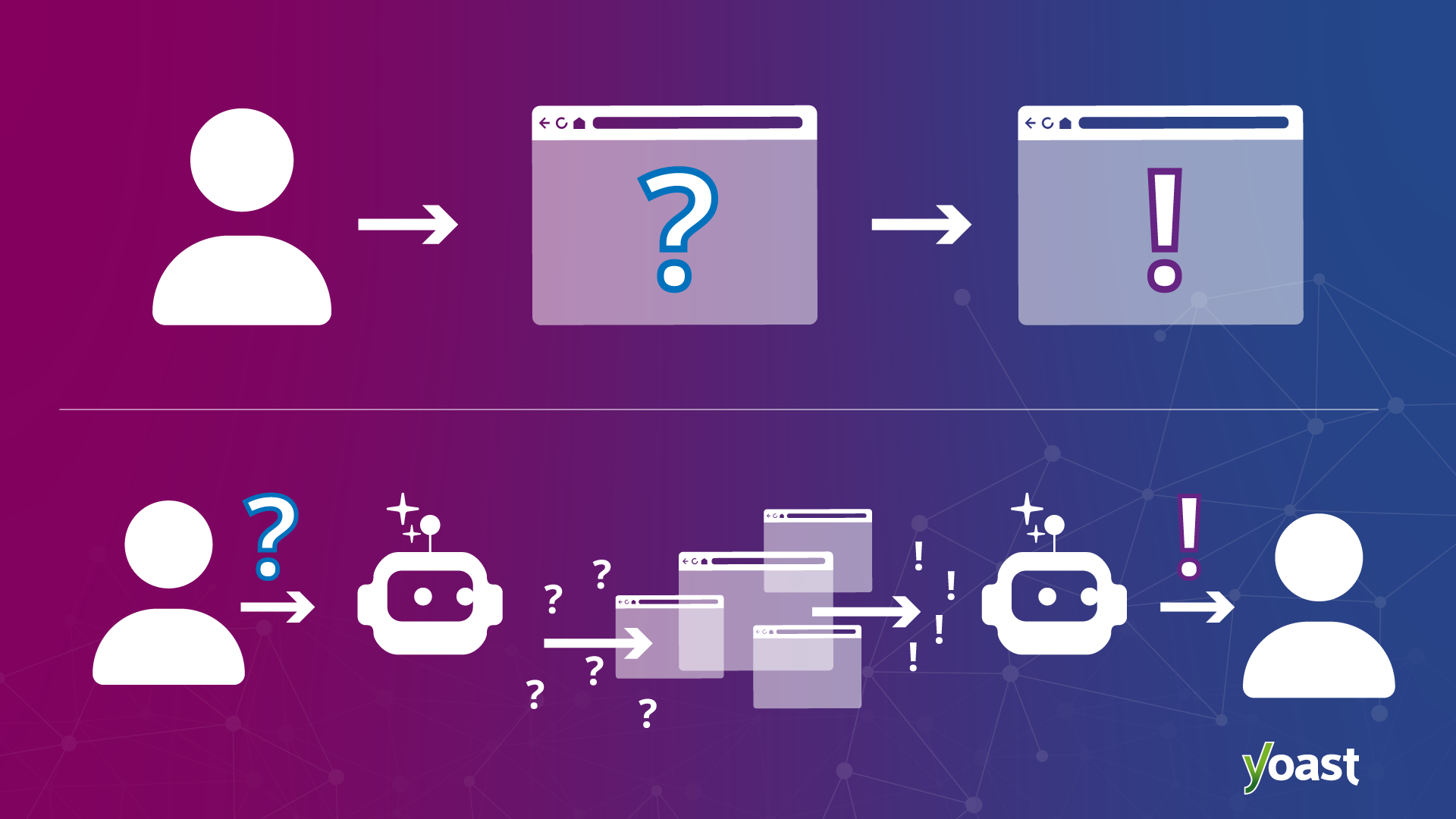
Schlesser highlighted that many users now initiate their information quest by posing questions to AI models rather than typing traditional keyword queries into a search bar. This marks a pivotal transition from explicit search queries to more intuitive, conversational discovery. The AI system then autonomously determines the need for external data, potentially generating multiple search queries in the background to retrieve relevant sources. This introduces a multi-stage discovery process:
- Previously: User → Search engine → Website
- Now: User → AI model → Search engine → Website → AI synthesis → User
In this contemporary model, the AI model doesn’t merely present a list of links; it actively interprets, filters, and combines information from various sources before generating a synthesized answer. This process positions AI systems as a crucial filtering layer, significantly impacting which content ultimately reaches the user. The implications are far-reaching, demanding a paradigm shift in how content is created and optimized for discoverability.
Search Fragmentation Beyond Google’s Hegemony
For nearly two decades, the world of SEO largely revolved around a singular, dominant ecosystem: Google. While other search engines existed, Google’s unparalleled market share meant that optimizing for its algorithms was tantamount to optimizing for online visibility itself. This comfortable, albeit monopolistic, position allowed SEO professionals to focus their efforts primarily on one set of evolving guidelines and ranking factors.
However, the emergence of diverse AI systems is ushering in an era of unprecedented fragmentation in online discovery. Unlike traditional search engines, which largely draw from a common web index, different AI platforms leverage distinct combinations of search engines, proprietary indexes, vast training datasets, and unique algorithmic approaches to synthesize information. This inherent variability means that the same content may achieve prominent visibility in one AI system while remaining virtually invisible in another.
For businesses and content creators, this fragmentation necessitates a broader, more diversified approach to digital strategy. The focus can no longer be solely on Google’s SERPs; instead, it must expand to encompass visibility across a growing array of AI-driven environments. This demands a deeper understanding of how different AI models operate, what sources they prioritize, and how they interpret and present information. The challenge lies in adapting content and technical SEO strategies to cater to these diverse AI gatekeepers, ensuring brand presence across a fragmented digital landscape where "appearing prominently in one AI system while barely showing up in another" could become the norm.
The Unchanging Core: Enduring Fundamentals of SEO
Despite the revolutionary shifts introduced by AI, the bedrock principles of effective SEO remain steadfast. Alain Schlesser unequivocally emphasizes that the core objective of search—delivering the most relevant and valuable answers to users—persists, regardless of whether the query originates from a human or an AI model. This reinforces a crucial message: attempts to "game the system" are ultimately futile and unsustainable.
The enduring fundamentals of SEO revolve around:
- Creating High-Quality, Valuable Content: Content must genuinely serve human needs, provide deep insights, and address user intent comprehensively. This means moving beyond keyword stuffing or superficial articles.
- Robust Technical SEO: Ensuring websites are crawlable, indexable, and performant remains critical. Fast loading times, mobile responsiveness, and secure connections are non-negotiable prerequisites.
- Clear Information Architecture: Content must be logically structured, easy to navigate, and semantically organized to facilitate both human understanding and algorithmic processing.
- Authoritative and Trustworthy Sourcing: Building E-E-A-T (Experience, Expertise, Authoritativeness, Trustworthiness) is more vital than ever, as AI models are increasingly trained to prioritize credible sources.
- Strategic Internal and External Linking: A well-developed internal linking structure aids navigation and distributes authority, while high-quality backlinks signal external validation and authority.
AI systems, while transforming the delivery of information, still depend on these underlying signals of quality, relevance, and authority to retrieve and synthesize content. Therefore, a strong foundation in traditional SEO practices is not just relevant; it is the prerequisite for even being considered by these advanced AI models.
The "Top Results or Nothing" Reality: Intensified Competition for Visibility
One of the most profound implications of AI’s integration into discovery is the intensified competition for top-tier search visibility. Unlike human users who might scroll through multiple pages of search results, AI systems operate with a significantly constrained retrieval window. Schlesser points out a critical distinction: "They don’t see the full search result page. What the LLM typically sees is just the five topmost elements per search query."
This revelation has monumental consequences. If content fails to secure a position within this highly coveted, extremely limited retrieval window, it may effectively cease to exist in the context of AI-generated answers. In a world where AI systems are tasked with summarizing and synthesizing modern content, only those sources that make it into this narrow selection influence the final response.
This dynamic elevates the importance of strong search visibility beyond merely garnering clicks. It now dictates whether content is even considered as a potential source for an AI-generated answer. The battle for the top five positions has never been fiercer, as these are the gateways to AI recognition and subsequent user engagement.
Furthermore, AI models, particularly large language models (LLMs), employ a sophisticated compression mechanism during their training phase. Schlesser elaborates, "What the model keeps are the dominant signal and the outliers. Everything in between is often compressed away as statistical noise." This insight underscores why generic, "safe," or broadly acceptable content strategies are increasingly insufficient. Content that lacks a distinctive perspective, a unique voice, or a strong, clear signal risks being categorized as "statistical noise" and subsequently overlooked or compressed out of existence by AI systems. To stand out, brands must cultivate a clear, authoritative, and memorable perspective that resonates strongly enough to be recognized as a "dominant signal."
Industry Response: Yoast’s AI Visibility Tracking
The opaque nature of AI-driven information synthesis presents a significant challenge for businesses striving to understand their brand’s representation in this new discovery layer. Traditional SEO metrics—rankings, impressions, click-through rates—offer limited insight into how AI systems interpret and integrate content into their generated answers. Recognizing this critical gap, Yoast launched Yoast SEO AI +, a feature designed to provide businesses with crucial visibility into their brand’s presence across major AI platforms.
As Schlesser aptly describes the current state, "We need more visibility and observability into that AI-based layer to figure out what is going on there. Right now, it’s mostly a black box." Unlike conventional search engines that provide structured data on search performance, AI systems generate answers from a complex interplay of retrieved content, vast training data, and internal model reasoning. This makes it exceedingly difficult for businesses to ascertain whether their brand is effectively visible or accurately represented in AI-driven discovery.
Yoast SEO AI + addresses this transparency deficit by enabling teams to monitor how their brand appears in AI responses from platforms such as ChatGPT, Perplexity, and Gemini. The tool aims to move beyond mere metric tracking, offering insights into how AI systems interpret and represent brand narratives, product information, and service offerings. This is crucial because, as discussed, visibility can vary significantly across different AI platforms due to their differing architectures, training data, and indexing methodologies. A brand might enjoy robust visibility in one system but be virtually absent in another, a discrepancy that traditional SEO tools cannot readily uncover.
In essence, solutions like Yoast SEO AI + are not merely introducing a new SEO feature; they are providing essential tools for businesses to navigate and understand a rapidly evolving ecosystem where discoverability extends far beyond conventional search results. They represent an industry effort to shed light on the "black box" of AI synthesis, empowering businesses to adapt their strategies to ensure meaningful brand presence in the age of generative AI.
The Next Evolution: AI Agents and Automated Transactions
While much of the current discourse around AI and search focuses on how answers are generated, the next frontier, according to Alain Schlesser, involves AI systems moving beyond answering questions to actively performing tasks. He posits, "What we will increasingly see is automated transactions where AI agents navigate websites and initiate actions on behalf of users."
This represents a profound leap, transforming AI from an information provider into an autonomous agent capable of comparing options, interacting with websites, and even completing transactions without direct human intervention. Imagine an AI agent not just recommending a flight but booking it, not just suggesting a product but purchasing it, all based on user preferences and delegated authority.
Should this shift materialize within the next 12 to 18 months, the traditional customer journey, which typically involves users navigating to a website to make a decision, could be fundamentally reshaped. Businesses would then need to optimize not just for AI discovery but for AI actionability. This implies a focus on structured data, clear calls to action, seamless integration points for AI agents, and a robust digital infrastructure capable of facilitating automated interactions. The implications for e-commerce, lead generation, and customer service could be revolutionary, demanding an entirely new strategic approach to digital presence.
SEO Matters More Than Ever: Adapting to the AI Imperative
The rise of AI is not signaling the demise of SEO; rather, it is reinforcing its fundamental importance while simultaneously redefining its scope. The core principle of connecting users with relevant, high-quality content remains paramount, but the pathways through which this connection occurs are evolving. Users are increasingly receiving synthesized answers generated by AI systems that retrieve, interpret, and process information, rather than directly navigating SERPs themselves.
This paradigm shift intensifies the need for strong SEO fundamentals, emphasizing:
- Exceptional Content Quality: Content must be authoritative, distinctive, and truly valuable to cut through the "statistical noise" and be recognized as a dominant signal by AI models.
- Technical Excellence: A flawless technical foundation ensures that content is accessible and understandable to both traditional search engine crawlers and advanced AI systems.
- Strategic Data Structuring: Implementing schema markup and other structured data formats becomes crucial for AI models to accurately interpret and utilize content.
- Brand Authority and Trust: Building and maintaining a strong brand reputation and demonstrable expertise are essential for AI systems to prioritize content as reliable.
- Multi-Platform Visibility: Optimizing for visibility across a diverse array of AI platforms, not just a single search engine, is becoming a strategic imperative.
The central question for SEO professionals is no longer merely, "Can Google find my website?" It has evolved into a more profound and strategic inquiry: "Does the AI have a reason to remember my brand?" This shift underscores the need for content that not only ranks but also leaves a lasting, positive impression on AI models, influencing their synthesis and ultimately, user perception. Businesses that embrace this evolving landscape, adapt their strategies, and prioritize distinctiveness and observability in the AI layer will be best positioned to thrive in this new era of online discoverability. The full Get Discovered podcast episode with Alain Schlesser offers further deep insights into navigating this transformative period.