

The global tourism industry is currently witnessing a profound shift in how consumer behavior is analyzed and influenced, moving away from traditional survey-based research toward rigorous field experimentation. While industry giants like Booking.com, Expedia, and Airbnb have long integrated experimentation into their core operations—with Booking.com alone maintaining over 1,000 concurrent tests—the broader landscape remains fragmented. Most tourism entities are small-to-medium operators who have historically relied on anecdotal evidence or trade partner guarantees. However, as the 2026 travel season approaches, a new consensus is emerging among experts: the reliance on self-reported data is no longer sufficient to navigate an increasingly complex and economically volatile market.
The Methodology of Modern Tourism Research
A critical review of the sector reveals a historical over-reliance on correlational data and surveys. Academics and industry analysts, including the authors of the 2020 study A review of experiments in tourism and hospitality, have identified a persistent "intention-behavior gap." This phenomenon describes the discrepancy between what travelers say they value in a survey and how they actually spend their money in practice. To address this, the industry is being urged to adopt natural field experiments that can establish a definitive causal relationship between specific interventions and consumer outcomes.
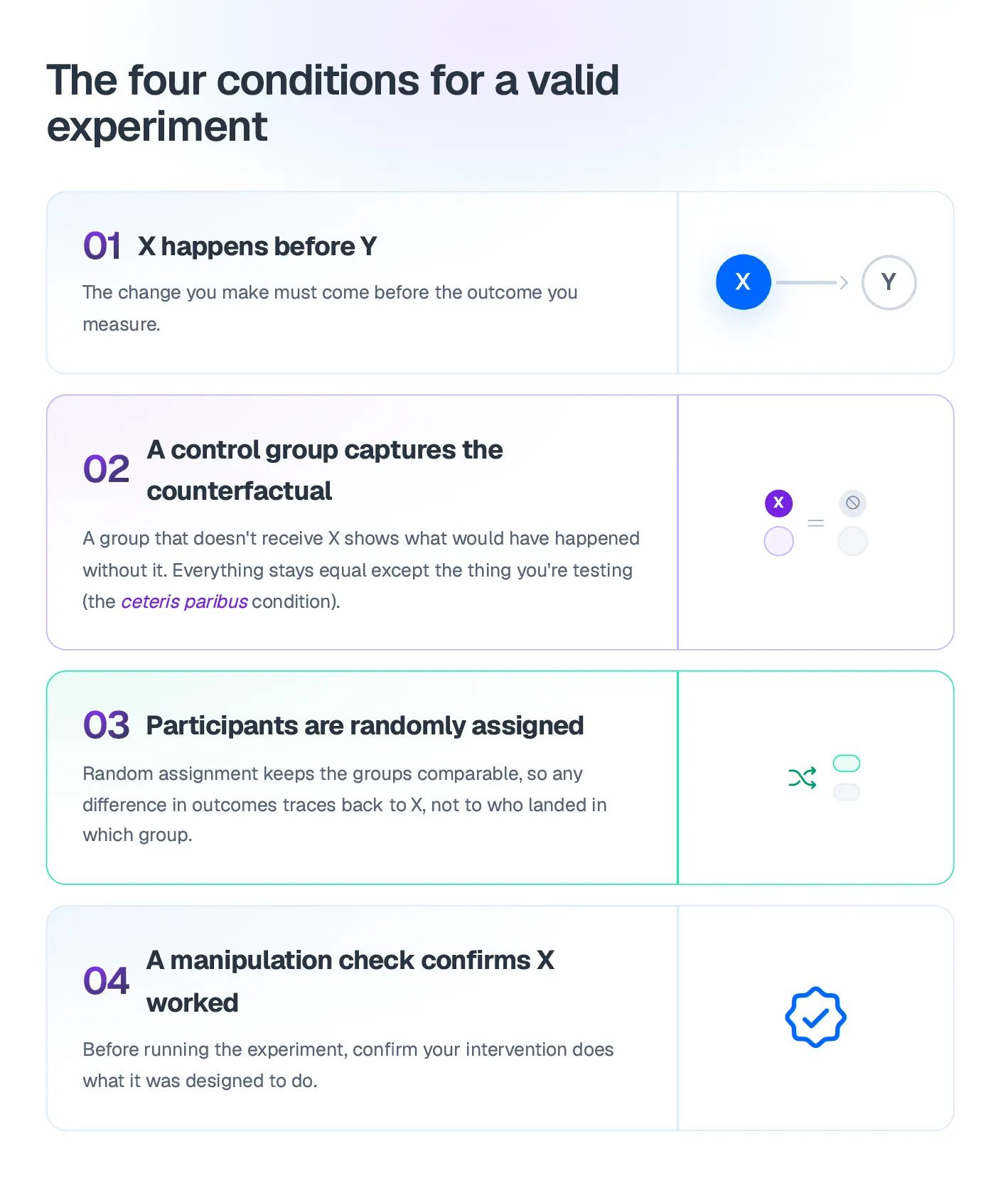
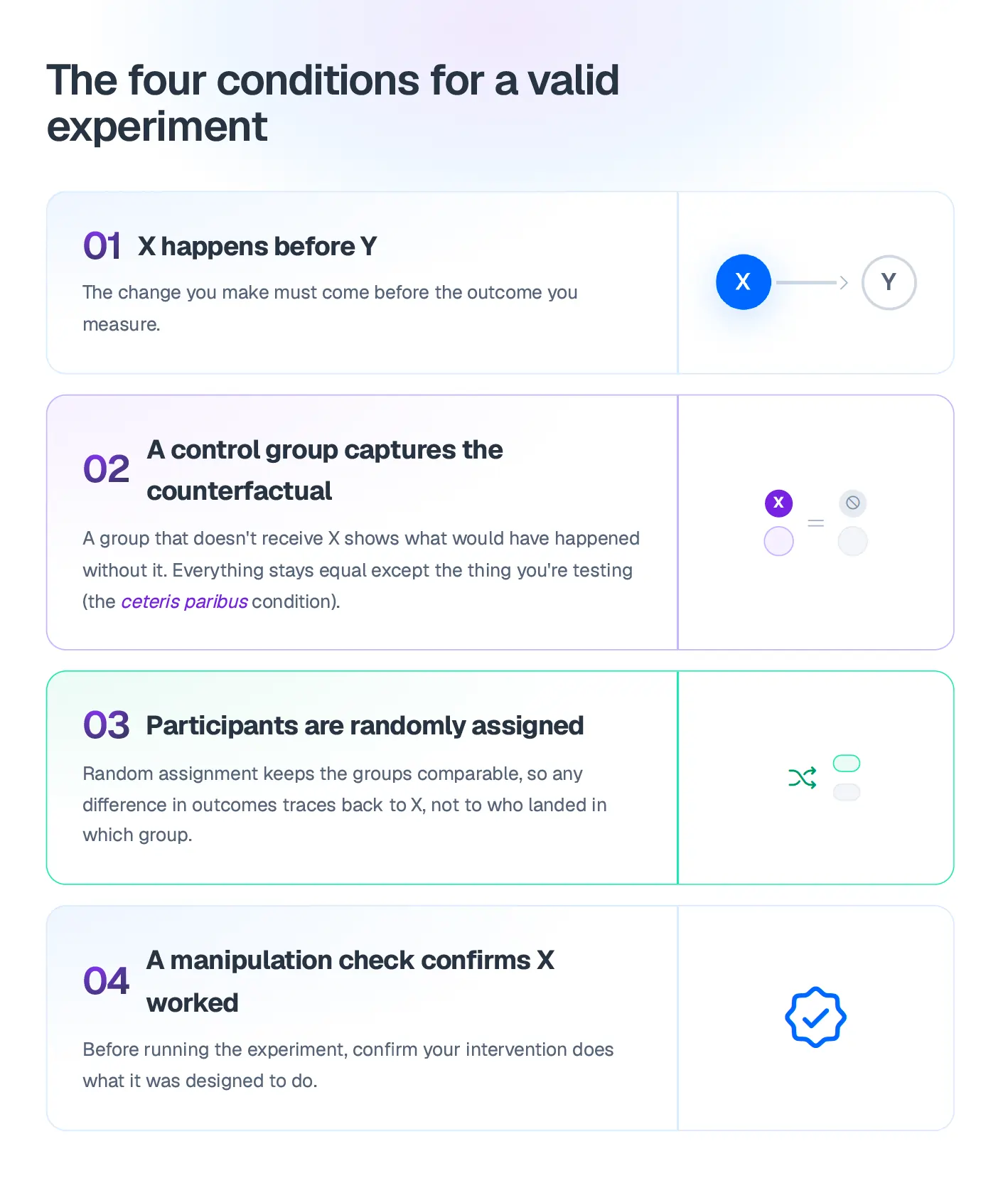
For an experiment in the tourism sector to be considered valid, it must satisfy four primary conditions: temporal precedence, where the intervention occurs before the outcome; covariation, where changes in the intervention correlate with changes in the outcome; non-spuriousness, ensuring no third variable is responsible for the result; and a solid theoretical basis. Furthermore, researchers must account for confounding variables such as local weather patterns, guest demographics, and regional events that can skew results if not properly controlled or analyzed.
The Four Pillars of Industry Testing
Current tourism research is generally categorized into four experimental frameworks, each offering a different balance of control and realism:
- Laboratory Experiments: Conducted in highly controlled environments, these offer the highest internal validity but may lack the "real-world" feel that influences travelers.
- Scenario-Based Experiments: Participants are asked to imagine specific travel situations. While useful for testing hypothetical products, they are often susceptible to the intention-behavior gap.
- Field Experiments: These take place in actual settings, such as hotels or attractions, without the participants’ knowledge that they are being studied. These are considered the gold standard for external validity.
- Quasi-Experiments: These occur when researchers cannot randomly assign participants but still measure the impact of a change in a real-world setting.
The necessity of these methods is highlighted by a 2016 study conducted by Karlsson and Dolnicar. In their research regarding eco-certification for tour boats, 60% of passengers claimed that environmental certification influenced their choice. However, when tested, only 14% could actually identify whether the boat they had boarded held such a certification. This stark contrast underscores why behavioral data—what people do—is significantly more valuable than stated intent.
Consumer Behavior and Economic Pressures in 2026
The urgency for better data is driven by the shifting habits of the 2026 traveler. According to the EY-Parthenon 2026 Consumer Sentiment Survey, nearly two-thirds of U.S. consumers anticipate an economic recession. This has led to a paradoxical environment: while people are more cautious with discretionary spending, they are not necessarily canceling their travel plans. Instead, they are opting for shorter trips and more cost-effective accommodations.
Conversely, the American Express 2026 Global Travel Trends Report suggests that 40% of global travelers intend to spend more on travel than in previous years. This is particularly true for Millennials and Gen Z, 74% of whom view travel as a "non-negotiable" expense. These younger demographics are also leading the shift toward "experiences over material goods," with 79% preferring activities that connect them to local cultures, such as artisan workshops or culinary immersions.
Furthermore, new trends such as "dry tripping"—a move toward alcohol-free vacations—are gaining traction. KPMG data indicates that 37% of Americans have reduced their alcohol consumption, a figure that rises to over 50% for Gen Z. This shift requires operators to rethink traditional revenue streams like mini-bars and wine tours, replacing them with wellness-focused offerings like recovery spaces and high-end non-alcoholic beverage programs.
Barriers to Experimentation for Small Operators
Despite the clear benefits of data-driven optimization, experimentation remains rare among smaller tourism operators. Jono Matla, an industry expert at Impact Conversion, notes that many local operators have long relied on trade partners, such as travel agents and inbound tour operators. These partners often secure up to 70% of a hotel’s inventory at a discount, providing a guaranteed revenue stream that reduces the perceived need for website optimization or direct-booking experiments.
Olivia Bedford, a hospitality consultant focused on the African market, identifies a generational and technological gap as a secondary barrier. Many tour operations are managed by owners who prioritize the curation of the physical experience over the digital interface. Consequently, Conversion Rate Optimization (CRO) is often viewed as a "new" or "secondary" concept rather than a core business strategy.
In contrast, large-scale entities like Disneyland Paris and Club Med have established dedicated departments for qualitative and quantitative research. Laura Duhommet, a CRO expert who has worked with these brands, explains that while larger companies have the resources for extensive A/B testing, even they often tilt toward qualitative "Voice of Customer" (VoC) research to understand the emotional drivers of a purchase.

The Strategic Synergy of VoC and A/B Testing
The tourism industry is unique because it sells an intangible, highly emotional product. This is why VoC research—surveys, interviews, and social media listening—is often preferred. Understanding the "why" behind a traveler’s choice is vital when the product is a memory rather than a physical item.
However, experts argue that VoC and A/B testing should not be mutually exclusive. If VoC research is the "compass" that provides direction, A/B testing is the "GPS" that provides the exact route to conversion. While VoC can identify that guests are frustrated with a booking process, only an A/B test can determine if moving a "Free Cancellation" badge to the top of the page will actually increase completed transactions.
Securing Leadership Buy-In for Experimental Frameworks
For professionals seeking to implement experimentation within a tourism business, the focus must be on revenue recovery. Leadership is often indifferent to website aesthetics but highly responsive to Average Order Value (AOV) and direct booking margins.
To secure buy-in for VoC research, experts suggest "scraping" competitor reviews to identify friction points. For example, if 40% of a competitor’s negative reviews mention slow shuttle services, an operator can use this data to justify a marketing campaign or a website headline emphasizing their own "Express Airport Transfer."

For A/B testing, the argument should be framed in terms of conversion lifts. A modest increase in conversion from 2.0% to 2.3% for an attraction site with 100,000 monthly visitors can result in significant monthly revenue gains without increasing the marketing budget. By presenting A/B testing as a low-risk method to recoup "lost" revenue from cart abandonment, practitioners can align experimental goals with executive financial priorities.
Regional Nuances and the Role of Friction
A/B testing in tourism frequently subverts standard e-commerce rules. In many industries, the goal is to remove all friction from the user journey. In tourism, however, some friction can be beneficial. Ryan Thomas of Koalative found that for a home-exchange platform, adding a mandatory "educational" sign-up flow actually increased conversions. In this context, users needed to understand the mechanics of the exchange before they felt comfortable browsing homes. Friction, in this case, built the necessary trust and desire.
Localization also plays a critical role. A winning test in the United Kingdom may fail in Japan due to different cultural priorities regarding safety, pricing transparency, and dining options. Olivia Bedford notes that UK travelers often prioritize health and safety information (e.g., malaria-free zones in safari lodges), whereas U.S. travelers are more motivated by aspirational imagery and luxury branding.
Future Implications for the Global Tourism Sector
The landscape of tourism research is moving toward a more holistic model where the digital and physical experiences are treated as a single, testable journey. This involves not only optimizing the website but also experimenting with physical touchpoints, such as the timing of an airport greeting or the format of a welcome orientation.

As tools for A/B testing and heatmapping become more accessible to smaller operators, the "experimentation gap" between industry giants and local providers is expected to narrow. The transition toward a culture of experimentation will likely be the defining factor for tourism businesses looking to remain resilient in the face of the economic shifts and changing consumer values of 2026. By bridging the gap between what tourists say and what they do, the industry can move toward a more efficient, personalized, and ultimately more profitable future.







