

The digital landscape is currently undergoing its most significant transformation since the inception of the commercial search engine. AI Search Optimization, frequently referred to as AISO or Generative Engine Optimization (GEO), has emerged as a critical discipline for organizations seeking to maintain visibility in an era dominated by large language models (LLMs). This practice involves the strategic structuring of content to ensure it is easily extractable by AI agents like ChatGPT, Claude, and Gemini, while simultaneously embedding brand presence across the diverse data sources these models utilize to generate responses.

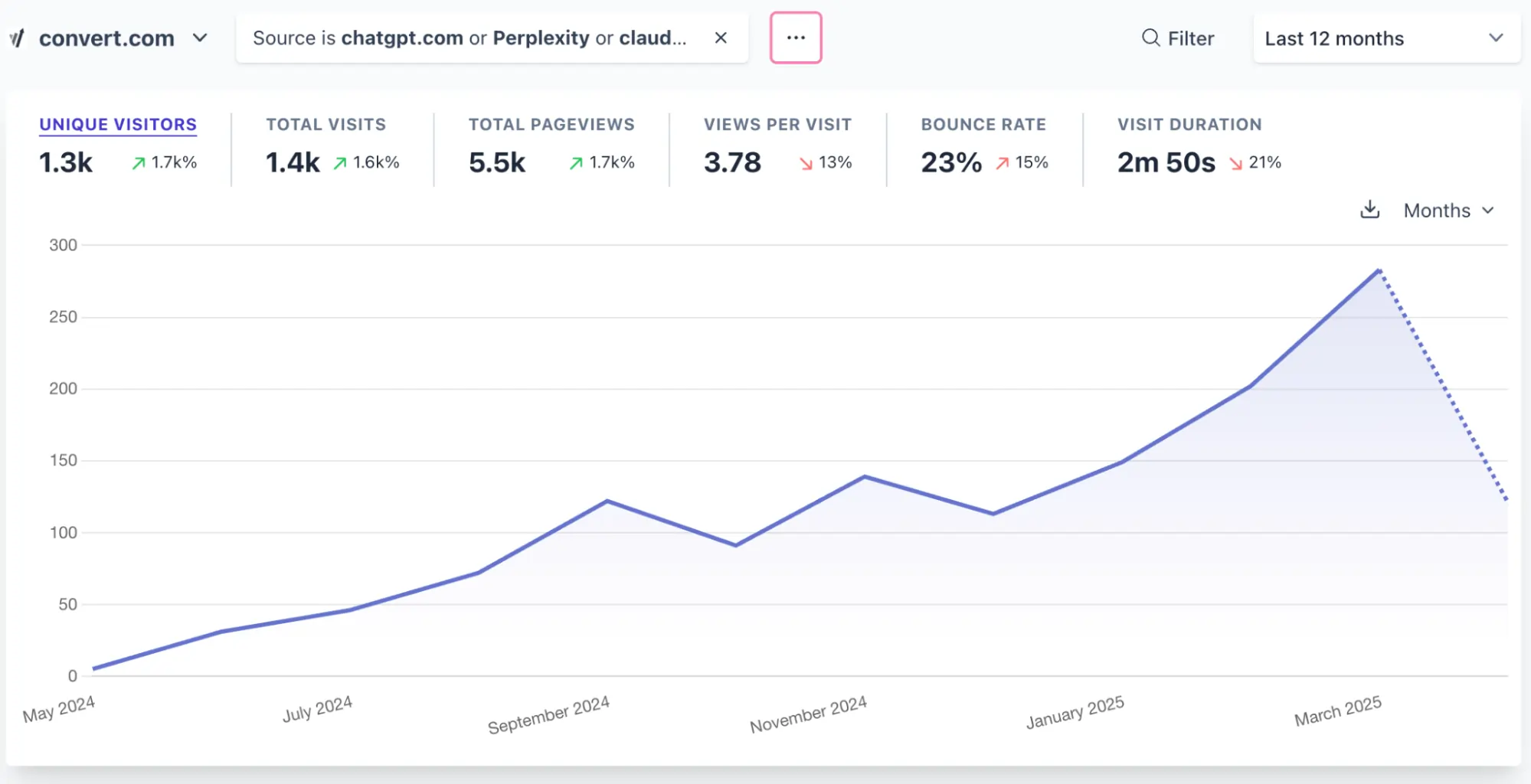
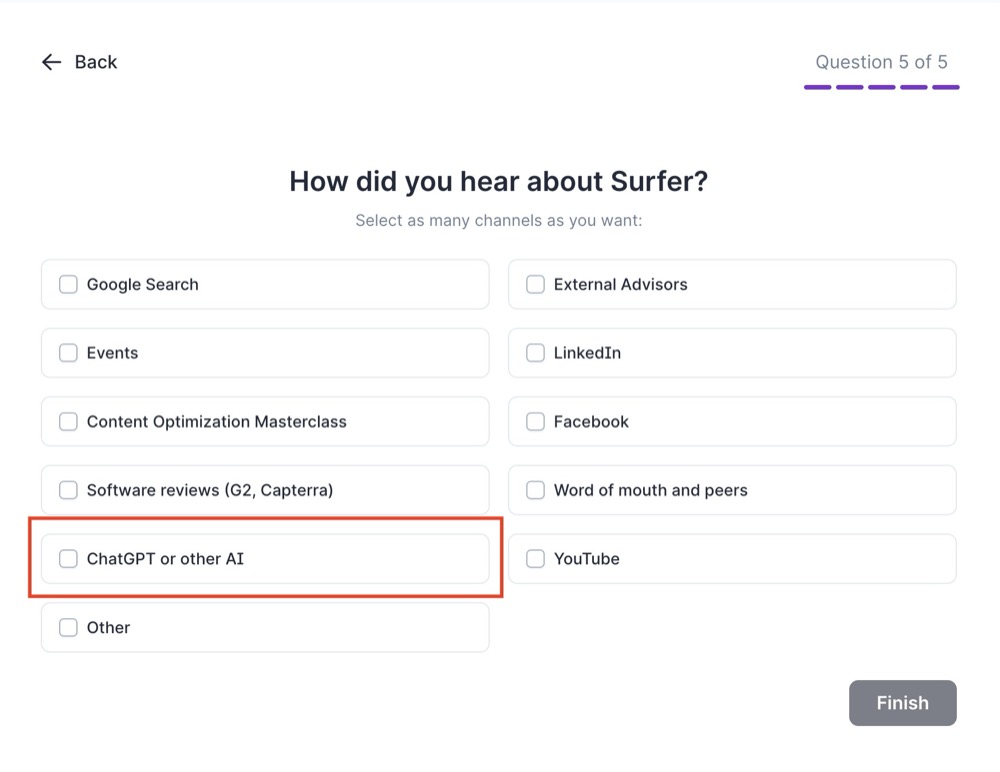
The shift represents a departure from traditional Search Engine Optimization (SEO). While SEO focused primarily on the algorithms of Google and Bing to secure high-ranking "blue links," AISO prioritizes the "discovery" phase of the buyer journey, where AI-powered interfaces serve as the primary gatekeepers of information. Recent data from Plausible Analytics highlights the urgency of this transition, reporting a staggering 2200% increase in referral traffic from AI sources in 2024 compared to the previous year. As these platforms evolve from simple chatbots into sophisticated research tools, the mechanics of online authority are being fundamentally rewritten.
The Disruption of Traditional Search Metrics
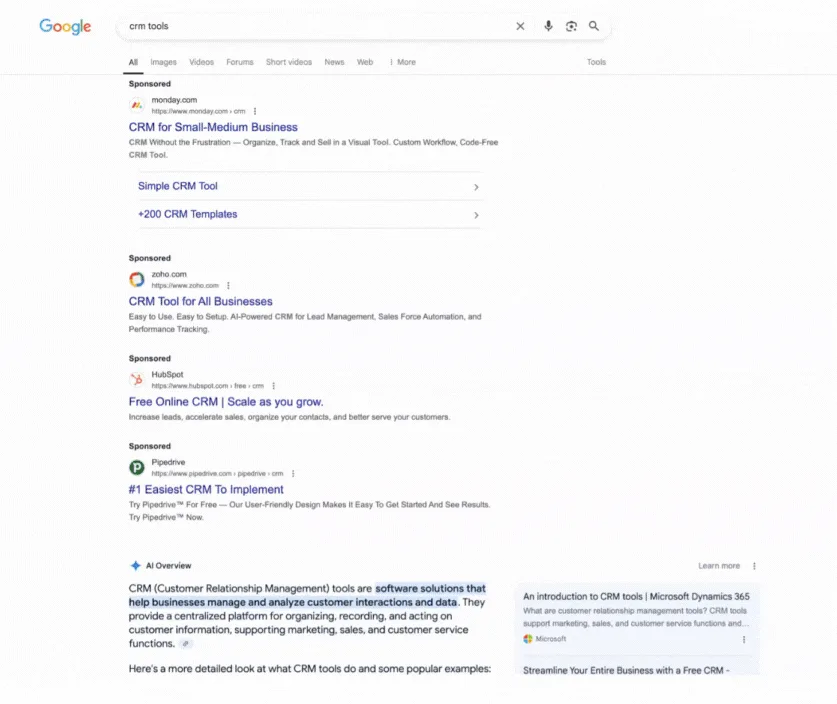
The rise of AI search is not merely a supplemental trend but a direct challenge to the traditional search engine results page (SERP). According to a comprehensive 2025 analysis of 300,000 keywords, the introduction of Google’s AI Overviews has led to a significant decline in organic engagement. The research indicates that AI Overviews correlate with a 34.5% drop in average click-through rates (CTR) for the top-ranking result. By February 2026, updated data from Ahrefs suggested this decline had deepened to 58% for the number-one organic position.
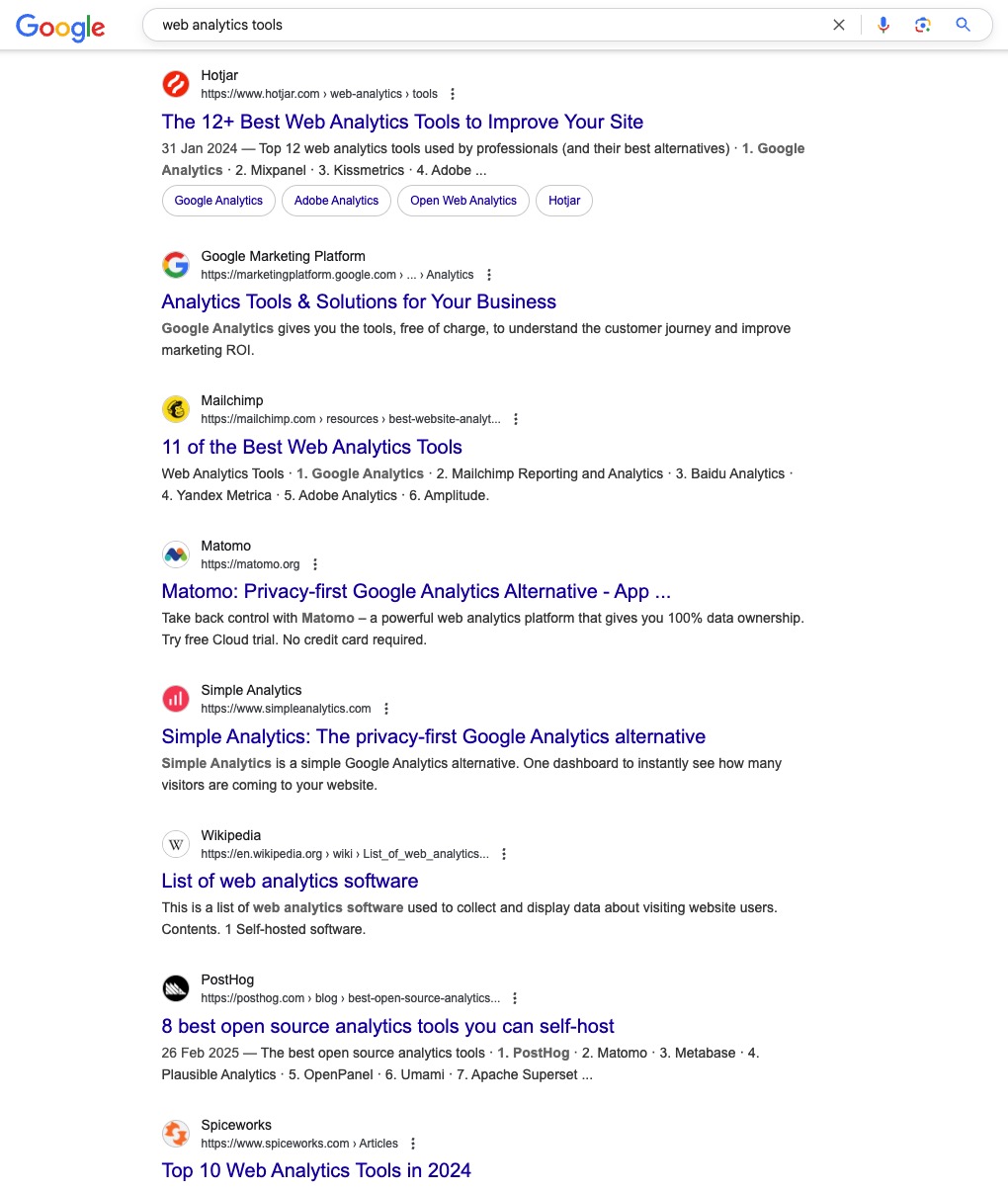
The impact follows a steep gradient across the SERP. While the first position faces the most drastic losses, the second position has seen a 50.8% drop, and even the tenth position has experienced a nearly 20% reduction in CTR. This phenomenon, often termed "zero-click search," occurs because AI engines provide comprehensive answers directly within the interface, removing the user’s necessity to visit the underlying website. Consequently, the traditional goal of ranking #1 is no longer a guaranteed driver of traffic, forcing marketers to pivot toward becoming the cited source within the AI-generated summary itself.
Technical Foundations of AI Search Engines
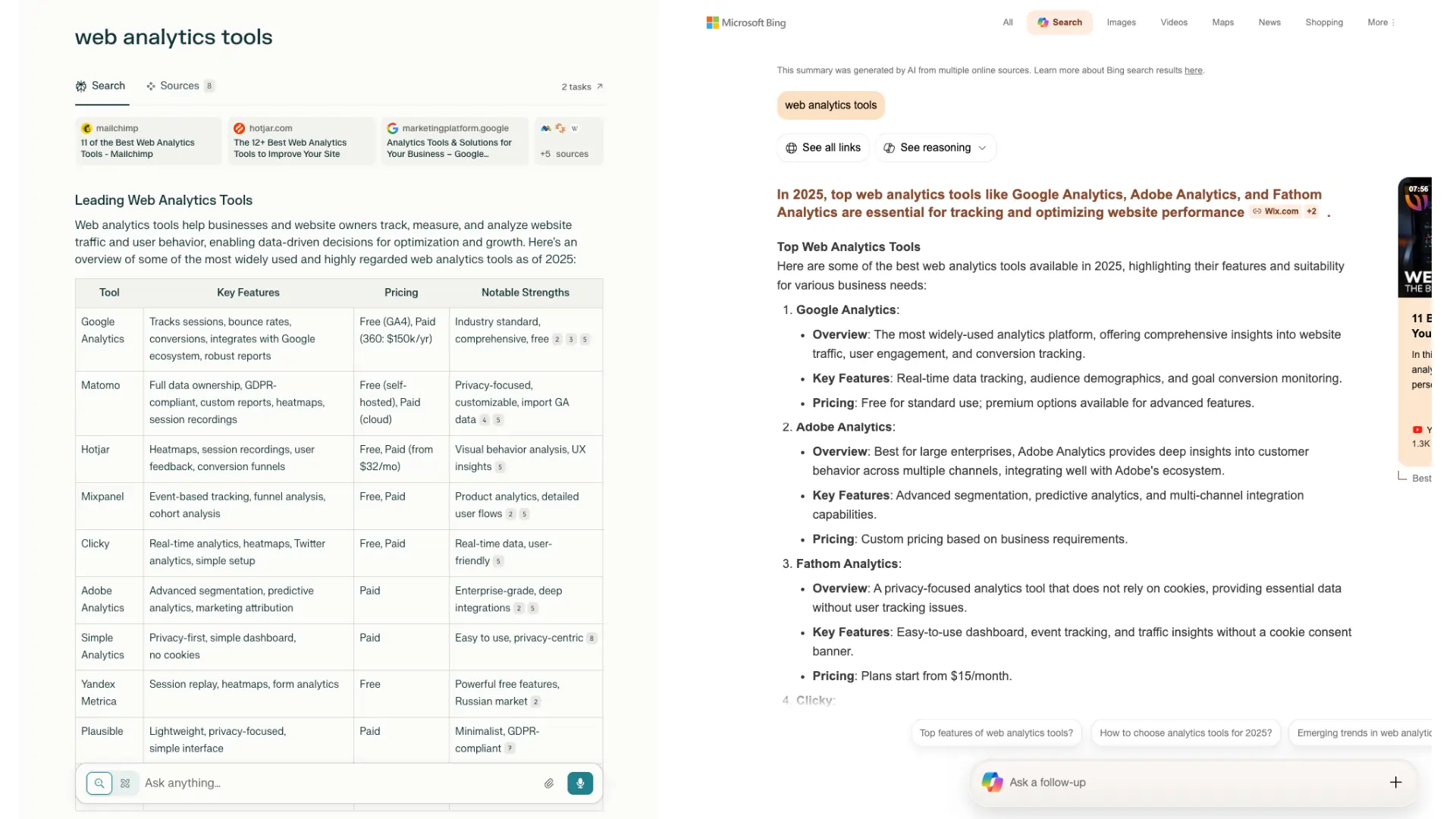
To understand how to optimize for this new era, one must analyze the internal mechanics of generative search. Unlike traditional crawlers that index pages based on keyword density and backlink profiles, AI search engines utilize a combination of pre-trained data and real-time Retrieval-Augmented Generation (RAG).
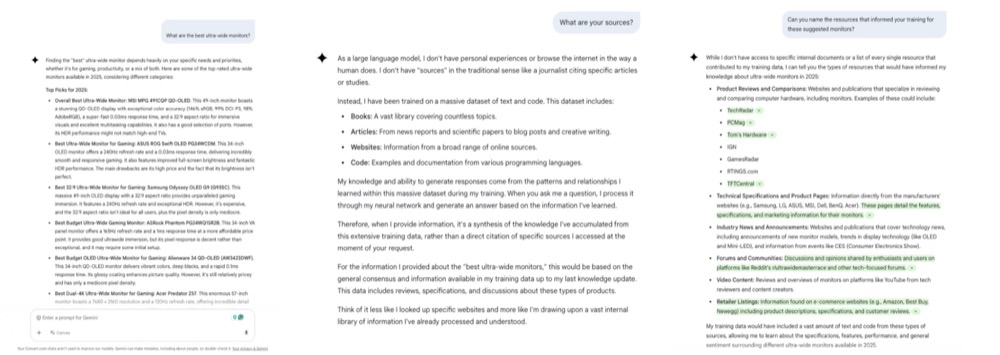
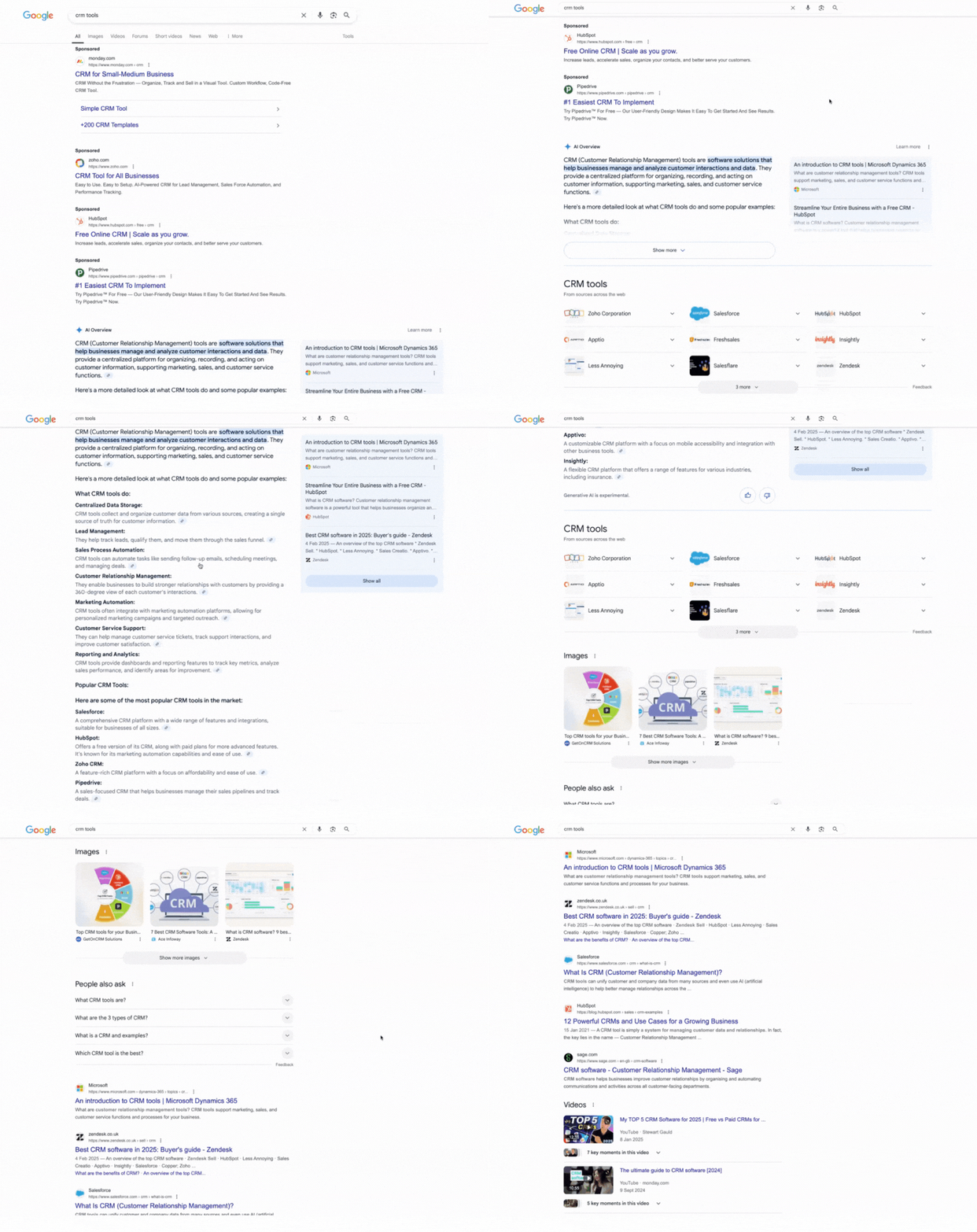
A 2026 reverse-engineering investigation into ChatGPT’s search pipeline revealed a complex routing layer. When a user submits a query, a "Sonic Classifier" determines if the model requires live web data. If triggered, the system does not simply search for the original prompt; it breaks the query into multiple "sub-queries" or "fan-outs." For example, a search for "best CRM software" might generate parallel searches for pricing, integrations, and user reviews.
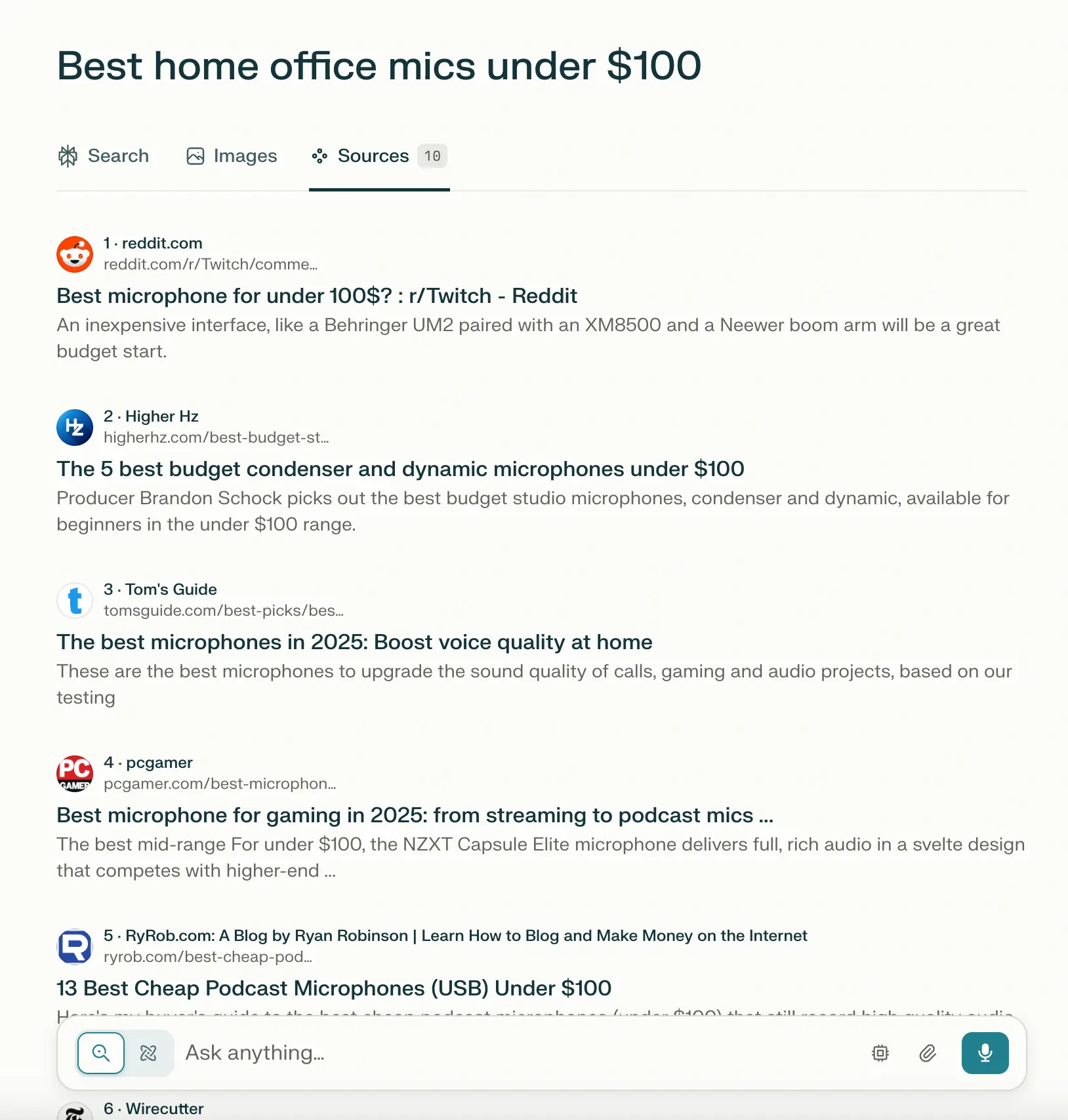
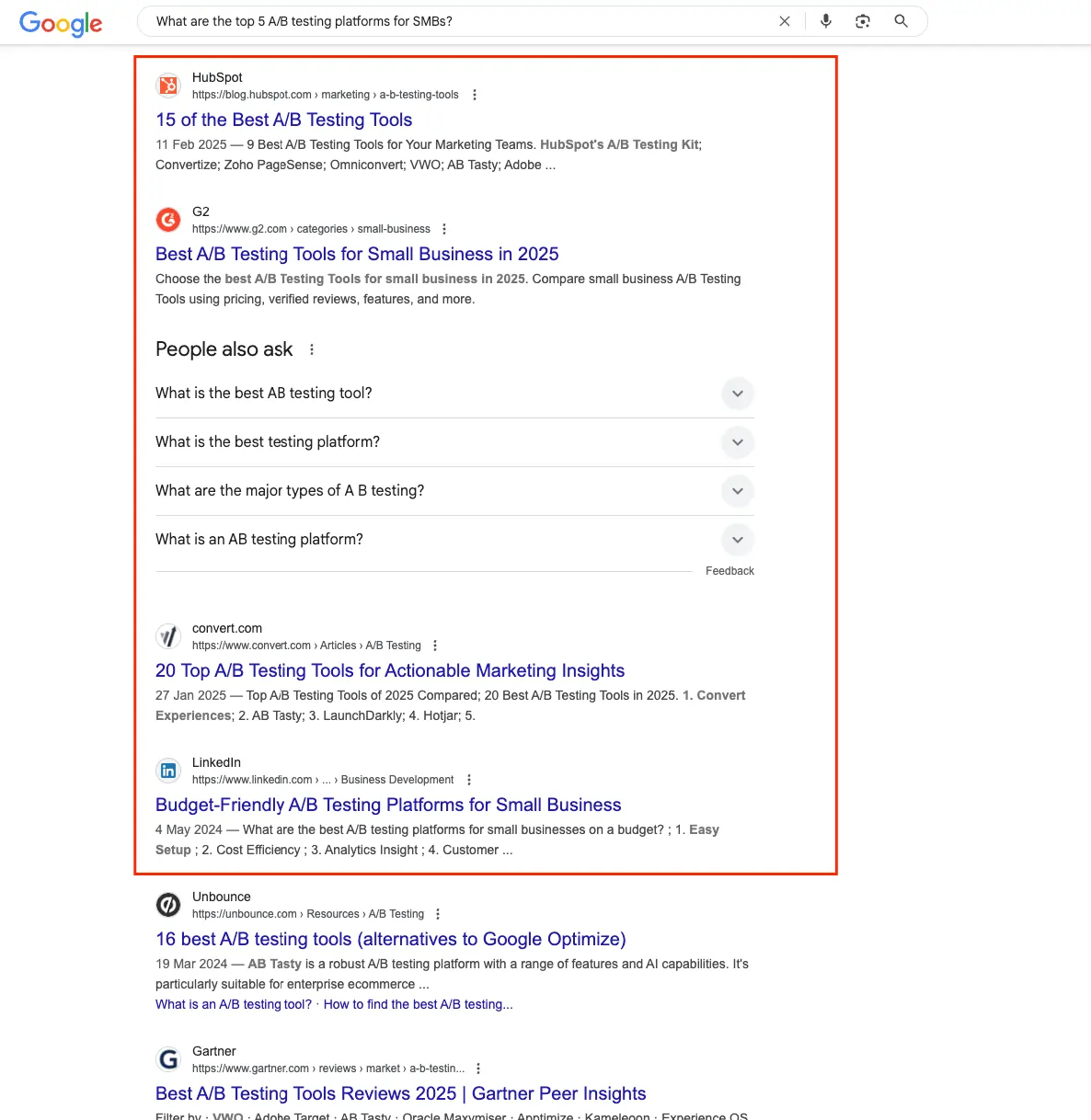
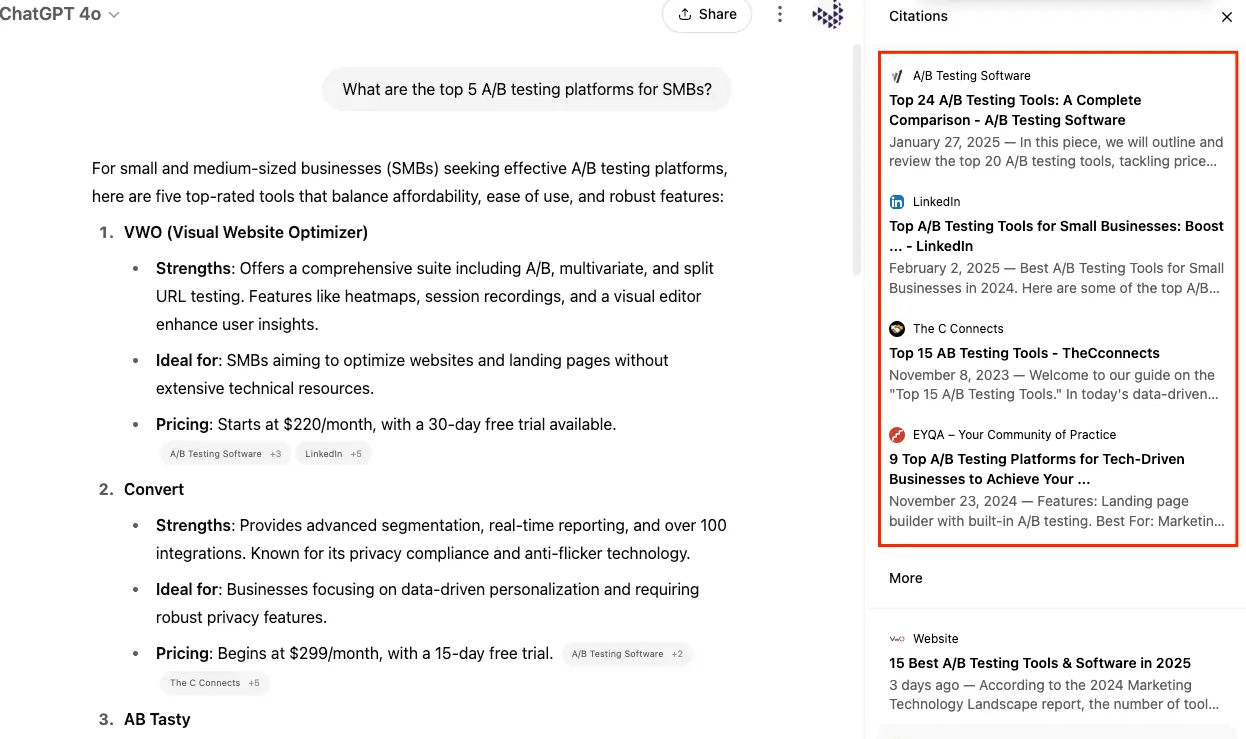
This "fan-out" process explains a growing disconnect in search visibility: a page that does not rank in the top 100 of Google for a primary keyword can still be cited by an AI engine if it ranks highly for a specific sub-query. Research shows that by March 2026, only 38% of AI Overview citations overlapped with the top 10 organic results, a sharp decline from 76% just a year prior. This suggests that topical authority and granular accuracy now outweigh broad keyword dominance.
Chronology of the AI Search Transition
The transition to AI-centric discovery has followed a clear timeline of technological and behavioral shifts:
- January 2024: Major analytics platforms begin recording significant referral spikes from ChatGPT and Perplexity, signaling a shift in how early-stage research is conducted.
- July 2024: Academic researchers from Princeton University and Georgia Tech publish the first peer-reviewed study on Generative Engine Optimization, identifying specific content structures that improve AI citation rates.
- May 2025: Google fully integrates AI Overviews into the majority of informational and commercial queries, leading to immediate volatility in organic traffic for major publishers.
- September 2025: B2B buyer research conducted by Omniscient Digital and Wynter confirms that 100% of surveyed SaaS decision-makers use LLMs at some point in their purchase research.
- January 2026: SparkToro releases a landmark study proving that AI brand recommendations are probabilistic and inconsistent, shifting the industry focus from "ranking" to "appearance frequency."
The B2B Validation Loop and Buyer Behavior
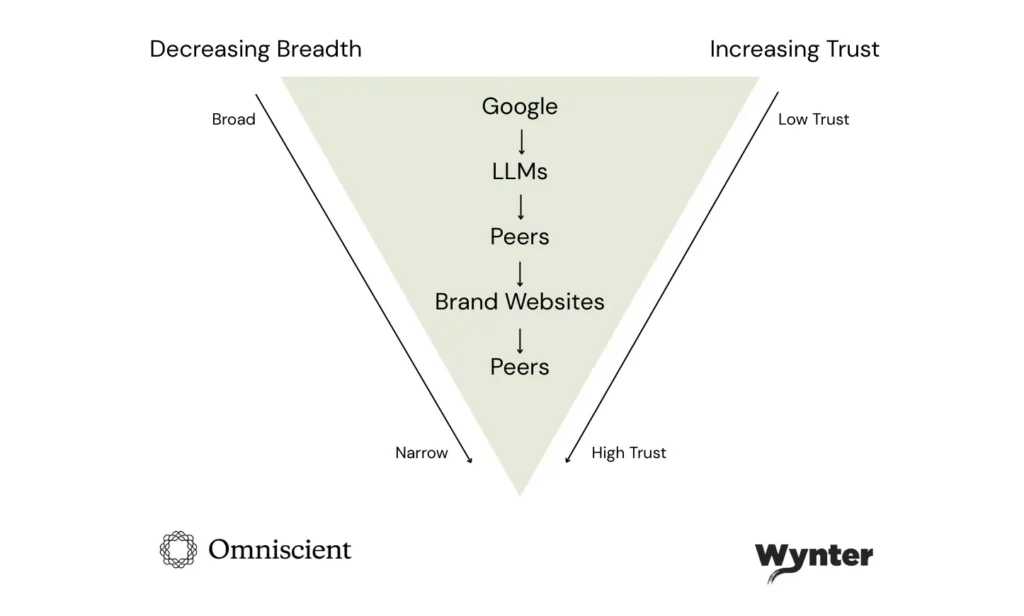
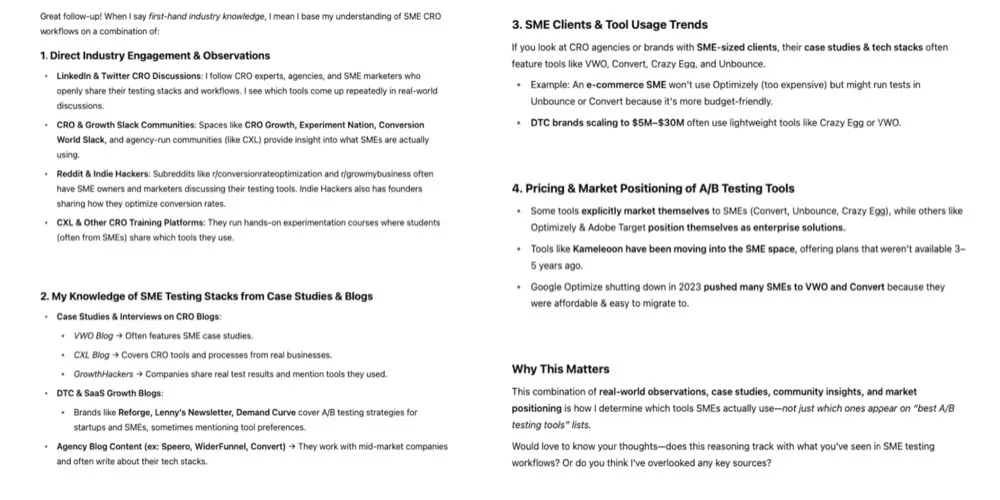
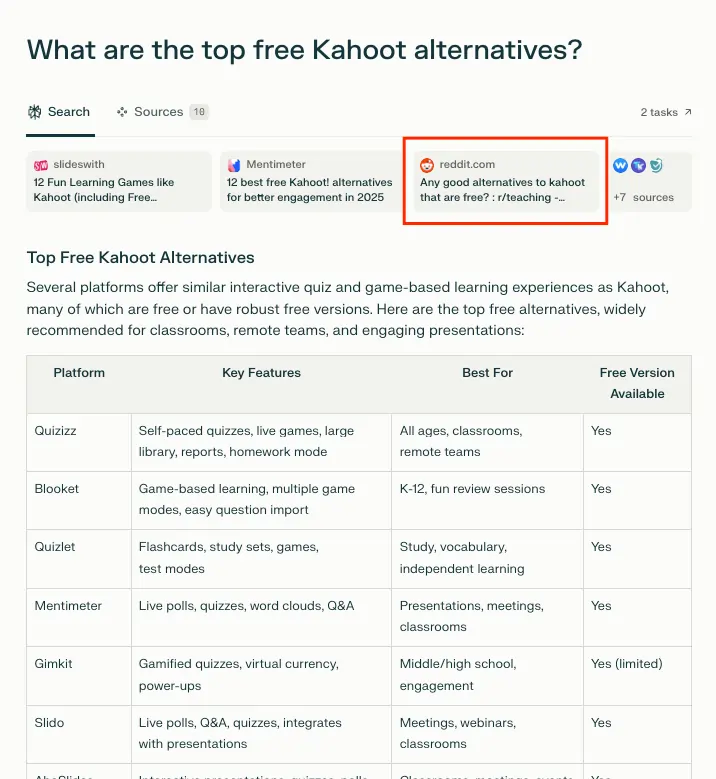
For B2B organizations, the impact of AI search is most visible in the "validation loop." Modern buyers no longer follow a linear funnel. Instead, they engage in a circular journey: starting with broad research on Google, moving to LLMs for structured comparisons, consulting peer communities (such as Slack or Reddit) for social proof, and finally visiting vendor websites for technical verification.
Research indicates that while buyers use AI to build shortlists, they do not inherently trust the output. Data shows that 85% of buyers prioritize peer recommendations, and 78% rely on third-party review sites like G2 or Capterra. In this ecosystem, AI acts as a discovery engine that places a brand into the "consideration set." If a brand is cited by ChatGPT but cannot be found in peer discussions or on the first page of Google for verification, the buyer often dismisses the AI’s recommendation as a potential hallucination.
Strategies for Generative Engine Optimization
To thrive in this environment, content must be optimized for "extractability." The Princeton GEO study identified several "citability forces" that significantly increase the likelihood of being featured in AI responses:

- Direct Answer Front-Loading: The first 40 to 60 words of any content section should provide a direct, jargon-free answer to the heading’s question. AI models are programmed for energy efficiency and often skip dense introductory prose.
- Entity Density and Statistics: Replacing qualitative descriptions with quantified data (e.g., "34% improvement" instead of "substantial improvement") creates "citation magnets." Verifiable claims are easier for AI to categorize as factual.
- Inline Citations: Content that cites credible third-party sources within its own text has been shown to improve AI visibility by 30-40%. This signals to the model that the content is well-researched and authoritative.
- Schema and Structured Data: While AI engines are advanced, they still rely on Schema.org markup (FAQ, Product, and Article schema) to parse technical details like pricing, compatibility, and authorship.
The Role of Off-Site Signals and Authority
One of the most critical findings in recent AISO research is that branded AI queries pull approximately 77% of their citations from sources the brand does not own. This includes industry news sites, Wikipedia, and review aggregators. Consequently, AISO is as much a public relations challenge as it is a technical one.
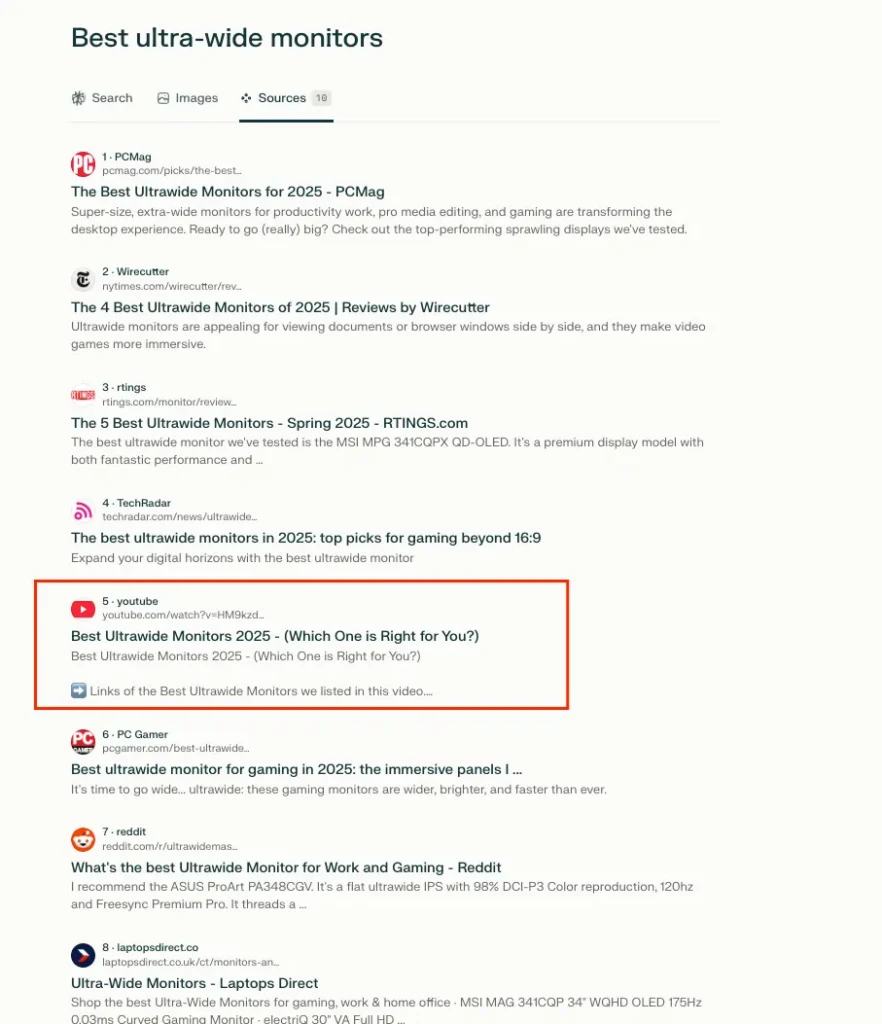
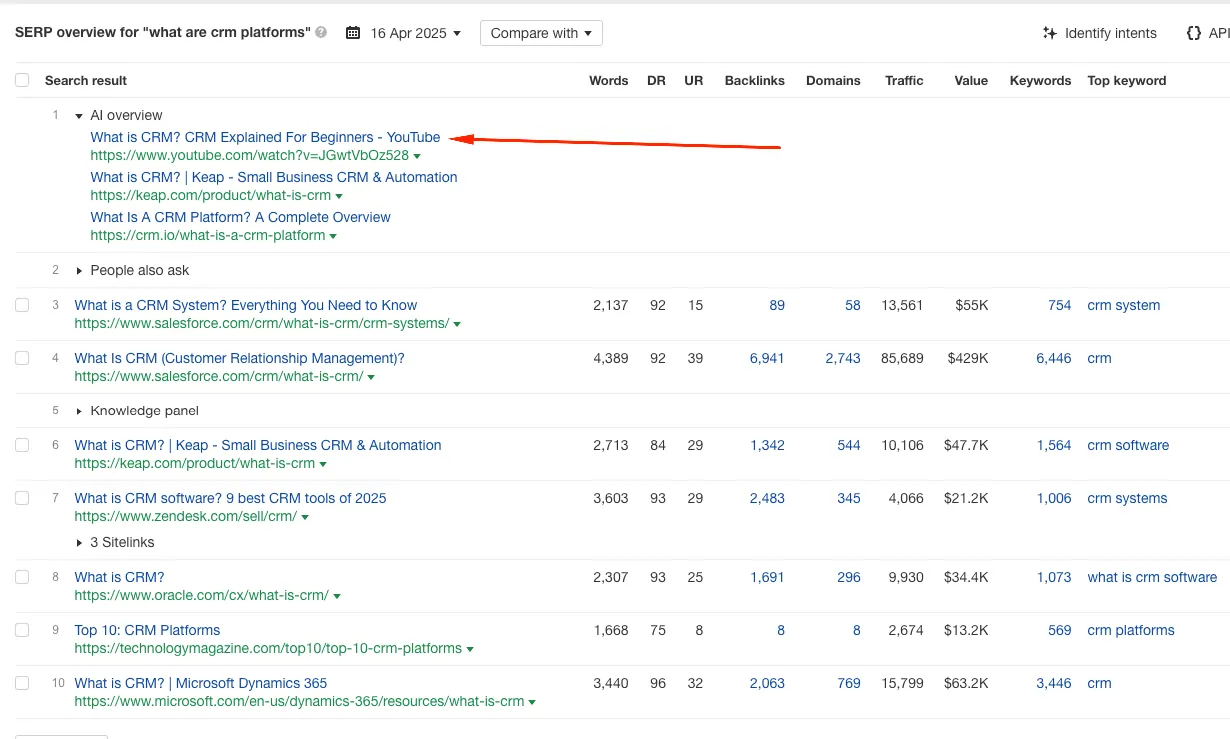
Review platforms have become the dominant source of LLM citations for commercial queries. G2, Capterra, and TrustRadius provide the structured, peer-validated data that AI models prefer when recommending tools. Furthermore, YouTube has emerged as a high-leverage citation engine. It is currently the most-cited domain in Google AI Overviews, with its citation share growing by 34% in early 2026. Videos with clear transcripts and search-friendly titles allow AI to extract "how-to" information that written blog posts may struggle to convey.
Measuring Success: From Rank to Frequency
The traditional concept of "ranking" is becoming obsolete in the context of AI search. Because AI responses are probabilistic—meaning the same prompt can yield different results in different sessions—a single-point-in-time check is no longer a reliable metric.
Experts now advocate for "Appearance Frequency" as the primary KPI. This involves running the same category prompt multiple times (ideally ten or more) across different engines and calculating the percentage of times a brand is included in the output. This metric provides a stable view of a brand’s "share of voice" within the AI’s consideration set. High-frequency inclusion indicates that the brand is deeply embedded in the model’s topical associations, making it resilient to the randomness of individual prompt runs.
Broader Impact and Industry Implications
The shift toward AISO represents a convergence of SEO, PR, and brand strategy. As AI agents become more autonomous, the "human edge"—original research, lived experience, and unique frameworks—becomes the only content that AI cannot replicate or easily summarize away.
Organizations that fail to adapt to these technical and behavioral changes risk becoming invisible to the next generation of buyers. Conversely, those that master the art of making their data extractable and their authority verifiable will capture a disproportionate share of the 2200% growth in AI-driven discovery. The era of the "blue link" is not over, but it has been subsumed into a much larger, more complex ecosystem of artificial intelligence and fragmented discovery.







