
 rifanmuazin
A recent survey conducted by local SEO experts has illuminated two significant findings regarding business citations, underscoring their continued importance in digital marketing strategies. These findings come at a time when small businesses are increasingly grappling with the complexities of online visibility, particularly with the advent of AI-driven search. As a company with extensive experience in building and managing local citations, we’ve observed firsthand the common misunderstandings and challenges businesses face in this critical area. This article aims to demystify local citations, explain their impact on search engine optimization, and provide actionable guidance for businesses looking to leverage them effectively.
The survey’s revelations, while not explicitly detailed in the initial prompt, point to a potential lack of clarity around the perceived value and implementation of citations. Our extensive work in this field, spanning several years and involving the establishment of thousands of local citations, has revealed that many small business owners lack a comprehensive understanding of the citation-building process. This includes not only the mechanics of obtaining and maintaining these listings but also their profound influence on local search engine results, which are now heavily intertwined with emerging AI search functionalities.
Common areas of confusion often revolve around the definition of a citation, its distinction from other online mentions, and the strategic decisions involved in managing them. Perhaps the most pressing question for many business owners is whether to undertake citation building in-house or to delegate this task to external professionals. This article will address these concerns, offering a step-by-step guide for businesses that choose to manage their citation efforts independently. For those seeking a more direct answer, a summary section at the end will provide recommendations based on budget and competitive landscape.

Understanding Local Citations: The Building Blocks of Online Presence
At its core, a local citation is an online mention of a business. In the context of local search engine optimization (SEO), this typically refers to a structured listing on an external website that prominently features the business’s Name, Address, and Phone number (NAP). These listings are commonly found on directory-style websites, which can encompass a wide array of categories, including:
- General Directories: Broad platforms like Yelp, Yellow Pages, and Google Business Profile that list businesses across all industries.
- Industry-Specific Directories: Websites tailored to particular sectors, such as construction, healthcare, or legal services.
- Local Directories: Platforms focused on specific geographic areas, like Chambers of Commerce or city-specific business listings.
- Data Aggregators: Services that collect and distribute business information to numerous other directories and platforms.
Illustrative Examples of Local Citations
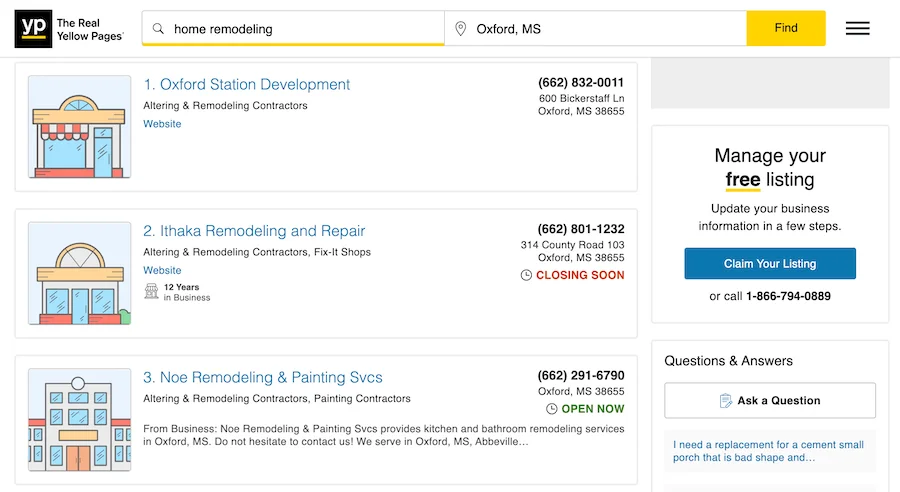
To illustrate, consider a home remodeling business operating in Oxford, Mississippi. To enhance its online visibility, this business could secure listings on various platforms. For instance, a general listing on the Yellow Pages would appear as follows:
[Image Placeholder: Yellow Pages listing for a home remodeling business]
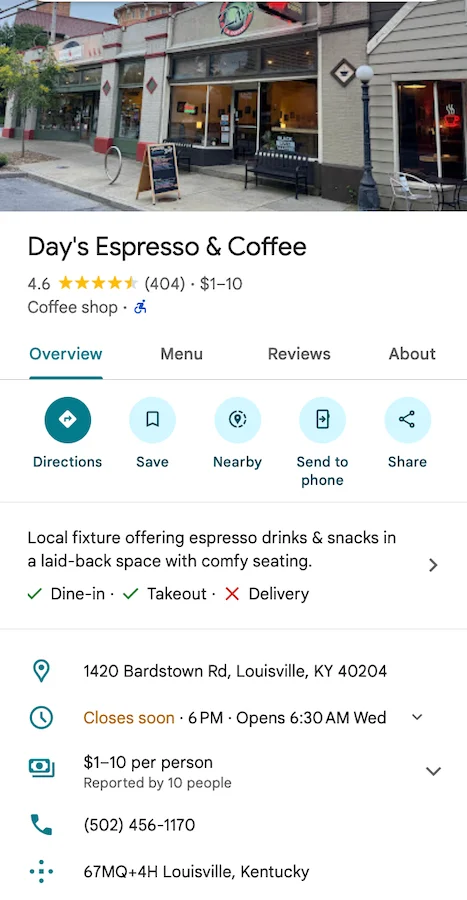
Beyond general directories, the business might also be listed on local or regional platforms, such as the Oxford Chamber of Commerce website:
[Image Placeholder: Oxford Chamber of Commerce local citation example]
Furthermore, specialized directories catering to the construction industry or homeowners seeking renovation services would provide additional citation opportunities:
[Image Placeholder: ContractorHub local citation example]
These examples highlight the diverse nature of local citations and their potential to reach different segments of the online audience.

The Financial Landscape of Local Citations
The market for local citation services is diverse, offering a wide spectrum of pricing and quality. A comprehensive analysis of over 50 local citation providers reveals a broad cost range per citation. While a detailed interactive pricing guide is available, key insights from this research include:
- Cheapest: Citations can be acquired for as little as $0.13 per listing.
- Median Cost: The average price per citation falls around $1.33.
- Highest Cost: Premium services, excluding cleanup, can reach up to $4.73 per citation.
- Volume of Analysis: The study examined plans from 53 different providers across various service types.
A significant observation is the "Volume Discount Curve," where the cost per citation decreases substantially with larger package sizes. However, the lowest per-citation price does not always equate to the best overall value. Manual services, particularly those offering 50-100 citations with quality verification, often represent a sweet spot, averaging between $1 and $2 per citation. Budget-friendly freelance options can dip below $0.50 per citation but may lack crucial NAP auditing and quality control. Software-as-a-Service (SaaS) tools typically charge more per listing but provide ongoing management and synchronization capabilities.
The choice between "owning" or "renting" citations is also a crucial financial consideration. Manual and freelance citations are one-time purchases that the business retains indefinitely. In contrast, SaaS listings are subscription-based; if the subscription is canceled, the listings may disappear. This distinction is vital for calculating the true long-term cost of citation management.
When evaluating the cost of citation building, several factors come into play:

- Scope of Work: This includes the number of citations to be built, the extent of NAP cleanup required, and whether specialized or niche directories are to be included.
- Service Provider: Different agencies and freelancers will have varying pricing structures based on their expertise, overhead, and service packages.
- Quality of Service: Higher-quality services often involve more in-depth research, manual submission, and verification processes, which naturally command higher prices.
- Turnaround Time: Expedited services may incur additional fees.
Understanding these potential pitfalls enables businesses to ask informed questions of vendors, ensuring they secure a balance between service quality and cost. Alternatively, businesses can consider the internal cost of time and effort required to manage citation building themselves.
Citations vs. Links: A Critical Distinction
While many local citations include links back to a business’s website, this is not their sole purpose. The primary objective of building citations is to establish a business’s presence on key directories where potential customers are likely to search. These listings act as crucial signals to search engines like Google, indicating that a business is legitimate, noteworthy, and relevant to specific search queries within a particular location. While an increase in website links is a common byproduct of citation building, it is not the exclusive goal.
NAP Consistency: The Foundation of Trust
NAP consistency refers to the uniformity of a business’s Name, Address, and Phone number across all its online listings. Inconsistencies, such as variations in business name spelling, address abbreviations, or outdated phone numbers, can significantly harm local search rankings. Search engines interpret these discrepancies as indicators of unreliability, potentially reducing a business’s visibility.
Citation building often encompasses NAP cleanup. This involves identifying and correcting outdated or incorrect information across existing listings, claiming unmanaged profiles, and ensuring all data aligns with the business’s official records. While distinct from creating entirely new citations, NAP cleanup is an integral part of a comprehensive citation strategy.

Structured vs. Unstructured Citations: Understanding the Nuances
Citations are categorized as either "structured" or "unstructured."
- Structured Citations: These are listings on directory-style websites with predefined fields for business information (Name, Address, Phone, website, category, etc.). This uniformity makes them easily parseable by search engines.
- Unstructured Citations: These appear in less formal contexts, such as within articles, blog posts, or news mentions. While they contribute to a business’s online presence, they are not as easily categorized or processed by search algorithms as structured citations.
Data Aggregators: The Backbone of Citation Distribution
Data aggregators play a pivotal role in the citation ecosystem. These services collect, verify, and distribute business information to hundreds of downstream directories, applications, and mapping services. Submitting information to major data aggregators essentially facilitates a bulk submission to numerous directories simultaneously, creating many citations at once. Prominent data aggregators include:
- Data Axle (Infogroup)
- Neustar Localeze
- Foursquare
- Express Update (part of Factual)
These aggregators are often integrated into citation services, or businesses can subscribe to them directly for a one-time fee to ensure their data is syndicated across a vast network.
The Tangible Value of Local Citations
The impact of local citations on search engine rankings is a subject of ongoing discussion and research. Anecdotal evidence and case studies suggest a significant correlation between robust citation profiles and improved local search performance.
One case study highlighted how a focused citation-building effort positively impacted organic rankings for a specific landing page, even if direct effects on map rankings were not immediately observed. Another perspective from an SEO professional on social media emphasized the "underrated" nature of consistent citation building for map rankings.
While the exact weight attributed to citations in search engine algorithms can vary, several points remain consistently true:
- NAP Consistency is Paramount: Search engines prioritize accurate and consistent business information.
- Volume and Quality Matter: A larger number of high-quality, relevant citations generally carries more weight than a multitude of low-quality or irrelevant ones.
- Relevance to AI Search: As AI search engines evolve, they increasingly rely on structured data and verified information sources, making citations even more critical for accurate and relevant results.
Measuring the effectiveness of citation building involves tracking key performance indicators such as rankings, visibility across Google Maps and organic search, and lead generation. While isolating the direct impact of citation building can be challenging when multiple SEO activities are running concurrently, its cost can be factored into the overall SEO and AI search investment.
Determining the Optimal Number of Local Citations
The question of "how many" local citations a business needs is not one-size-fits-all. However, general guidelines suggest:
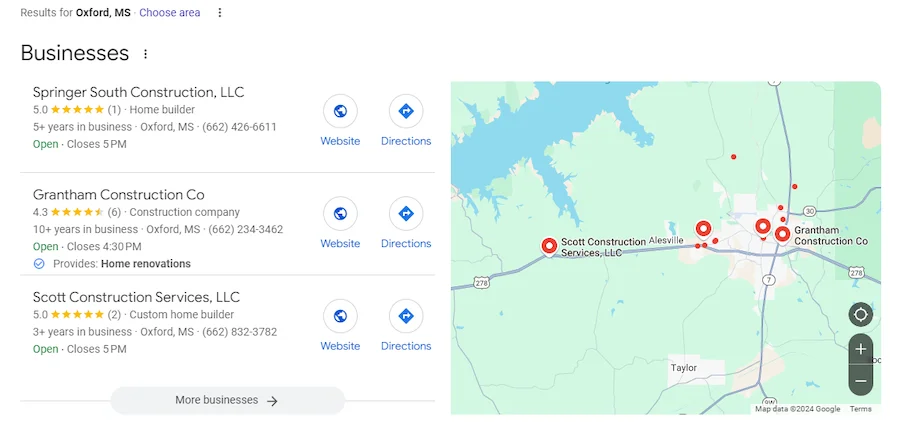
- Core Citations: Ensuring presence on essential platforms like Google Business Profile, Apple Maps, Bing Places, Facebook, and Yelp is fundamental.
- Industry & Local Relevance: Beyond the core, focus on directories specific to the business’s industry and geographic location.
- Competitor Analysis: Benchmarking against competitors’ citation profiles can provide valuable insights into what is working in a specific market.
Building Local Citations Independently: A Practical Guide
While time-consuming, the process of building local citations can be managed independently by businesses. The first step involves gathering essential information:
- Accurate Business Name: Ensure it matches your legal registration and branding.
- Precise Business Address: Including suite or unit numbers if applicable.
- Primary Business Phone Number: The main contact number for customer inquiries.
- Business Website URL: The official website address.
- Business Categories: Relevant classifications that accurately describe your services.
- Business Description: A concise and informative overview of your offerings.
- Business Hours: Accurate operating times.
- Logo and Photos: High-quality visual assets to enhance listings.
Maintaining a spreadsheet to track submitted information is highly recommended, as it helps ensure consistency and aids in future updates. Access to the email address used for submissions and the designated verification phone number is also crucial.
Conducting a Local Citation Audit
Before embarking on new citation building, it’s prudent to audit existing listings. Tools like the LocaliQ Business Listings Grader offer a free, instant audit to identify outdated or inconsistent information.
Discovering Citation Opportunities
Several strategies can be employed to identify and secure new citation opportunities:
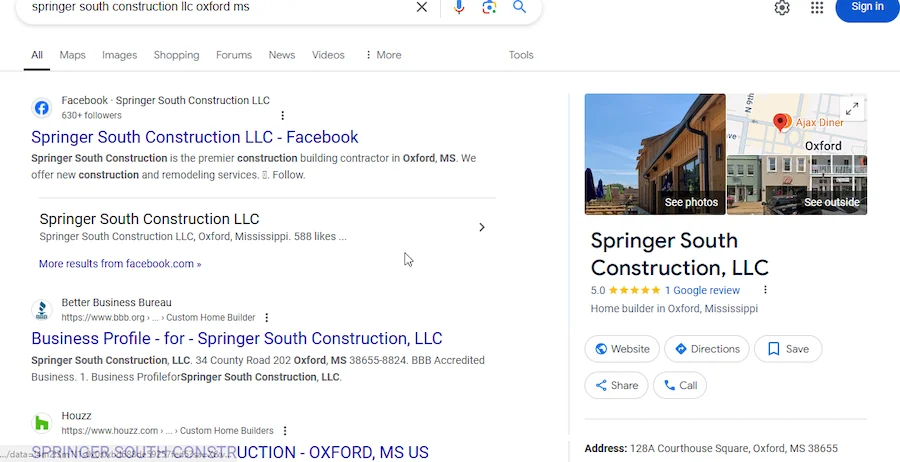
1. Prioritize Top Citation Sites
Begin by ensuring your business is listed on the most influential platforms. These "major players" form the bedrock of a strong citation profile. Beyond these, resources like WhiteSpark’s top local citation sources and BrightLocal’s curated lists can help identify additional valuable opportunities.
2. Submit to Data Aggregators
As mentioned earlier, submitting your business information to the primary data aggregators ensures a broad distribution across numerous directories. This is a foundational step in creating a widespread online presence.
3. Analyze Competitor Citations
Understanding where your competitors are listed can provide significant strategic advantage. Identify businesses that rank prominently in your local search results and investigate their online presence. Tools and manual searches can reveal their citation sources, allowing you to identify gaps in your own profile or discover high-impact directories. A Google search like competitorwebsite.com: can reveal numerous indexed pages, including less obvious directory listings.
4. Leverage SEO Tools
Advanced SEO tools like Ahrefs and Semrush can be used to analyze competitor backlinks, which often include citation links. Dedicated local SEO tools such as BrightLocal and WhiteSpark also offer features to identify citation opportunities and analyze competitor data.
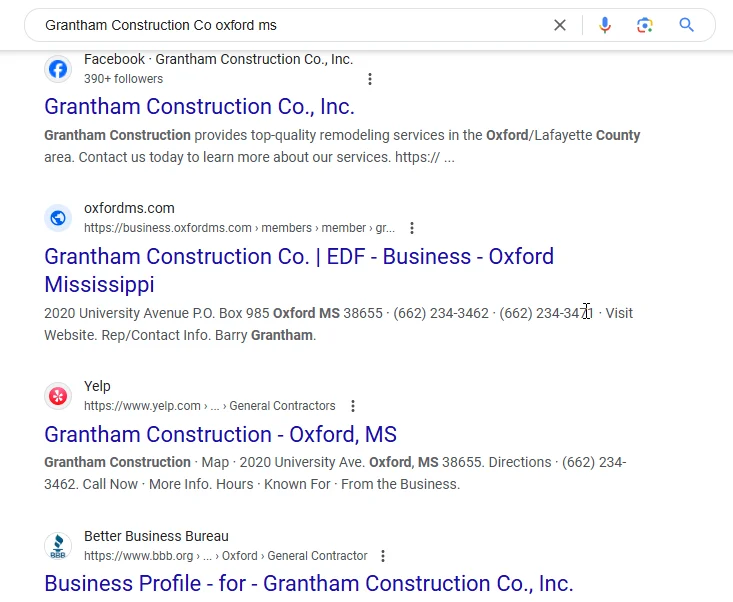
Ensuring Citations are Indexed by Search Engines
The value of a citation is diminished if search engines do not acknowledge its existence. To manually check if a citation is indexed, use Google’s site: operator (e.g., site:directory.com/your-business-listing). If your listing appears in the results, it is indexed. For bulk checks, specialized tools like URL Profiler or IndexCheckr.com can be utilized.
If citations are not being indexed, several methods can encourage their inclusion:
- Pinging Services: Tools that notify search engines about new or updated content.
- Social Signals: Sharing your listings on social media can sometimes prompt indexing.
- Link Building: Earning links from other reputable websites to your citation pages.
For businesses in highly competitive markets seeking to expand beyond core and competitor citations, further strategies include:
- Niche and Industry Directories: Targeting highly specific platforms relevant to your business.
- Local Community and Event Websites: Listings on sites related to local happenings or community groups.
- Government and Educational Institutions: Opportunities for listings on .gov or .edu domains if applicable.
Free Resources for Citation Management
To aid businesses in their citation efforts, several free tools are available:

- Citation Coverage Calculator: This tool helps track progress in securing essential citations, highlighting priority gaps.
- Searchable Citation Directory: A filterable database to identify important citations by category.
- Citation Tiers and Ranking Factors Guide: An interactive resource that outlines the hierarchy of citation importance and their role in local ranking factors, alongside data on NAP consistency. This guide emphasizes that while citations represent approximately 11% of direct local ranking weight, their indirect impact through GBP verification, review generation, and backlink creation is significantly higher. It also stresses the critical importance of NAP consistency, noting that a substantial percentage of businesses suffer from inconsistencies, and fixing them can lead to average ranking improvements of 16%.
Making the Decision: DIY vs. Outsourcing
For small business owners, the decision of whether to build local citations themselves or outsource the task depends on several factors:
- Time Availability: Citation building is time-intensive and requires ongoing maintenance.
- Expertise: While seemingly straightforward, understanding the nuances of citation quality and platform relevance requires specific knowledge.
- Budget: Outsourcing can be a cost-effective solution when considering the value of a business owner’s time.
- Competitive Landscape: Highly competitive markets often demand a more robust and strategic citation approach.
Given the significant impact of citations on local SEO, the time commitment involved in DIY efforts, and the relatively low cost of professional services compared to other marketing activities, outsourcing is often the recommended path. If choosing to outsource, ensure the provider:
- Offers NAP cleanup: Addresses existing data inconsistencies.
- Provides regular reporting: Demonstrates the work completed and its impact.
- Has a proven track record: Showcases successful citation campaigns.
For businesses seeking expert assistance, dedicated services are available to manage the entire citation-building process, freeing up valuable time for owners to focus on core business operations.










